Blog

  • Trump’s Rough Week Hinges on Paperwork, Prices and GOP Math

    Trump’s Rough Week Hinges on Paperwork, Prices and GOP Math

    According to CNN’s reporting, recent disputes around Donald Trump have turned on written concessions, court records, fuel prices, voting deadlines and weak public approval — not just his public anger.

    President Donald Trump’s latest clashes are being shaped by practical limits: documents senators want in writing, court filings that undercut a public claim, gasoline prices he cannot command, and vote counts that do not yet favor his agenda.

    CNN reported that Trump reacted angrily in the Oval Office on Monday, criticizing oil companies, singling out Chevron over gasoline prices and faulting Jeanine Pirro, his U.S. attorney for Washington, D.C. But the broader picture also includes a DOJ settlement fund, stalled voting legislation, federal grant rules and weak approval numbers.

    The Blanche deal came with a written concession

    One of Trump’s clearer gains still carried a cost. CNN reported that Todd Blanche, Trump’s former personal attorney and acting attorney general, had enough support to be confirmed as attorney general.

    Chevron 20231124 172053 02
    Image: Prosperosity, via Wikimedia Commons, CC BY 4.0.

    The condition attached to that progress was significant: Blanche had to permanently abandon a $1.8 billion fund tied to a settlement between Trump and his own Justice Department.

    Trump and his allies viewed the money as a way to compensate people they say were wronged. Critics argued the arrangement created a serious ethical hazard because taxpayer money could go to Trump supporters, including people he had previously pardoned.

    Republican Sens. John Cornyn of Texas and Thom Tillis of North Carolina wanted the retreat put in writing, according to CNN. CNN senior legal analyst Elie Honig noted that Trump and his lawyers had not signed the clawback document, meaning Trump or his attorneys could still try to revive the agreement in court.

    Pirro became the flashpoint after a court filing

    The Jeanine Pirro dispute grew out of court papers, not a campaign speech. CNN reported that Trump criticized Pirro after her office acknowledged that problems at the Lincoln Memorial Reflecting Pool renovation were tied to a botched Interior Department rehabilitation effort, not vandalism.

    Pirro is a longtime Trump ally and former Fox News personality whom Trump installed as U.S. attorney in Washington. CNN reported that Trump said Pirro had choked and folded after the filing changed the official position in court.

    The distinction matters because it shows the gap between a public narrative and what prosecutors can put before a judge. Political allies can repeat a message; court records are subject to a different standard.

    CNN reported that Trump is considering removing Pirro, but no final decision has been reported.

    Gasoline prices put Trump against oil companies

    Trump’s anger over gasoline prices was directed at oil companies. CNN reported that he accused oil executives of benefiting from turmoil and said they were making too much money, even as he described himself as a strong supporter of free enterprise.

    Chevron drew specific criticism from the president. Trump warned that gasoline needed to get cheaper, placing him in the politically awkward position of pressuring private companies over prices while maintaining a Republican, business-friendly posture.

    CNN’s analysis pointed to the economy and the Iran war as major drags, with oil market disruption sharpening the problem. Trump’s criticism of oil companies may shift blame, but voters often judge presidents by prices they encounter directly.

    The SAVE America Act faces votes and the calendar

    Another unresolved fight is the SAVE America Act, a voting restrictions bill that would add new proof-of-citizenship requirements on top of voter ID systems already handled by states.

    Trump has argued for months that the measure is needed to stop mass voter fraud. CNN noted that its fact-checking has found no evidence of the kind of widespread fraud Trump describes.

    The issue still resonates with parts of the Republican base, but Senate votes and election timing are blocking its path. Cornyn and Tillis have both argued that Republicans should move on from the bill for now, according to CNN.

    Even if the legislation advanced, there would not be enough time to implement it before the midterm elections. That makes the obstacle practical as well as political.

    Republican distance is selective, not sweeping

    The latest episodes do not amount to a broad Republican rebellion. Most GOP officials still avoid direct breaks with Trump when they can.

    But some senators have their own incentives. Tillis is not seeking reelection, and his North Carolina seat is viewed by political handicappers as a strong Democratic pickup opportunity. Cornyn lost a primary runoff to a more MAGA-aligned opponent who received Trump’s late endorsement.

    Sen. Susan Collins of Maine offers another example. CNN reported that Collins inserted language into a spending bill to block, at least temporarily, a Trump Office of Management and Budget rule that would give political appointees more control over federal grants than subject-matter experts.

    Collins is the only Republican running for reelection in a state Trump won in 2024. Her move suggests that some GOP lawmakers still see political or policy value in placing limits around Trump’s reach.

    Low approval changes the risk calculation

    The public backdrop adds pressure. A CNN poll conducted by SSRS and released last week found that about one-third of Americans approved of Trump’s job performance.

    CNN described that as his lowest approval level of this presidency and comparable to the end of his first term after January 6, 2021. Low national approval does not automatically weaken Trump inside the Republican Party, where his core supporters have repeatedly stood by him.

    Still, weak numbers can change how other Republicans assess risk. When Trump is under water, senators may be more willing to demand concessions, slow legislation or add limits to spending bills.

    Several pieces remain unsettled: Pirro’s status, any possible attempt to revive the $1.8 billion agreement in court, the stalled SAVE America Act and the broader fight over political control of federal grant decisions. According to CNN’s reporting, the pattern is less about one outburst than about the places where Trump’s pressure is meeting records, deadlines, markets and vote counts.

  • Pirro’s Office Undercut Trump’s Reflecting Pool Vandalism Claim

    Pirro’s Office Undercut Trump’s Reflecting Pool Vandalism Claim

    A court filing turned the Reflecting Pool dispute from a vandalism allegation into a clash over evidence, contractors, Trump and Fox coverage.

    The pivotal development in the Lincoln Memorial Reflecting Pool controversy came from U.S. Attorney Jeanine Pirro’s office: prosecutors moved to drop a criminal case after saying evidence pointed to contractor problems and a rushed installation, not the vandalism theory President Donald Trump had promoted.

    That legal reversal reshaped the story around one of Washington’s best-known landmarks. It also gave CNN media critic Brian Stelter a basis to argue that Fox had amplified Trump’s version of events and paid less attention once the government’s own position changed.

    The legal turn came first

    PBS NewsHour, citing The Associated Press, reported that Pirro’s office moved to drop charges against David Hearn, a former Olympic canoeist accused of deliberately damaging the Reflecting Pool.

    Washington Monument 01
    Image: Carlos Delgado, via Wikimedia Commons, CC BY-SA 3.0.

    Hearn had been accused of pulling up a two-foot-square section of the pool’s liner. But prosecutors said in a 20-page court filing that additional Interior Department documents pointed instead to a botched installation by a contractor and a rush to finish the project before events tied to America 250 around Independence Day 2026.

    The filing also cited a visual inspection that found damage throughout the pool, including in the middle. According to PBS/AP’s account of the filing, that made the original vandalism theory less plausible because someone trying to peel up the liner would not likely have done so from the middle of the pool.

    The prosecutors’ position did not turn the renovation into a success story. It shifted the focus from an alleged outside culprit to possible execution problems in work connected to a prominent public project.

    Trump kept pressing the vandalism claim

    Trump had claimed vandals caused major damage to the Reflecting Pool after a renovation connected to the nation’s 250th birthday events. The site sits between the Lincoln Memorial and the Washington Monument, making any visible damage there politically and symbolically potent.

    After Pirro’s office moved to drop the case, Trump publicly rejected her assessment. In a social media post reported by PBS/AP, he said he disagreed “100%” with Pirro, acknowledged there “may have been some contractor difficulty” and continued to insist the major damage was caused by “VANDALS!”

    On Monday, according to PBS NewsHour, Trump said Pirro “made a mistake,” said “I guess she choked,” and added that she “folded like a cheap umbrella.” He declined to say whether he would move to fire her.

    PBS NewsHour also reported that Trump acknowledged the contractor had been rushing to finish before July 4 while suggesting he did not know the contractor. PBS noted that this appeared to contradict his earlier April comments that he chose the company because it had done work at his golf course in Virginia.

    The contractor explanation changed the stakes

    The original allegation fit a familiar political message about crime, public disorder and protection of national symbols. A damaged Reflecting Pool offered a vivid image, and Trump cast the episode as vandalism requiring accountability.

    The filing described by PBS/AP pointed in a different direction. If flawed installation and a rushed schedule explain the damage, the central questions become oversight, project management and how the criminal case advanced before the newer information changed prosecutors’ view.

    The court filing does not resolve every factual dispute. Trump continued to claim vandals caused the major damage, and the available reporting does not establish the full extent of contractor responsibility or whether any separate vandalism occurred.

    What it does establish is that prosecutors were no longer prepared to pursue the criminal charge against Hearn on the theory originally attached to the case.

    Stelter’s critique put Fox in the frame

    According to Stelter’s analysis for CNN, Fox amplified Trump’s vandalism narrative when it aligned with a crime-and-accountability storyline. Stelter argued that the network gave less attention to the fallout once prosecutors moved away from that account.

    That distinction matters because a president’s allegation about damage to the Lincoln Memorial Reflecting Pool is newsworthy on its own. The editorial test comes later, when court filings and inspection details complicate the first version of events.

    If an audience hears the accusation prominently but hears the reversal faintly, it may be left with a picture the government’s own filing no longer supports. That is the media issue at the center of Stelter’s critique.

    Fox’s defenders could argue that Trump’s claim remained part of the story because he continued to stand by it. The prosecutors’ filing, however, changed what the government was willing to argue in court.

    What remains unresolved

    The Reflecting Pool dispute is now about more than a damaged liner. It involves a dropped criminal case, Trump’s criticism of Pirro, a contractor explanation and a media narrative that shifted as evidence changed.

    Several questions remain open: how much of the damage was attributable to installation flaws, how quickly officials reviewed the Interior Department documents, and whether any separate vandalism occurred apart from the damage prosecutors described.

    For Pirro’s office, the court filing marked a retreat from the criminal case against Hearn. For Trump, it created a public clash with a former Fox News host who became U.S. Attorney for the District of Columbia.

    For Fox, as Stelter framed it, the question is whether coverage that elevated the accusation also gave comparable weight to the evidence that complicated it.

  • Laura Ingraham’s Brother Revives Family Feud Over Fauci Hearing Spectacle

    Laura Ingraham’s Brother Revives Family Feud Over Fauci Hearing Spectacle

    The dispute is bigger than a sibling clash. It shows how hearings involving Anthony Fauci still become flashpoints for pandemic politics, media performance and personal grievance.

    Laura Ingraham was criticized by her brother over her behavior at an Anthony Fauci hearing, a Fauci hearing antics episode that prompted rebuke from her own brother, Curtis Ingraham. This article explains what Laura Ingraham did at the hearing: she was accused of turning Anthony Fauci’s questioning into a spectacle while Fauci answered questions, and Curtis Ingraham rebuked his sister over that conduct.

    The flare-up matters because it sits at the intersection of pandemic accountability, conservative media and a family rift that has been public for years. It is not simply about one hearing moment; it is about how a political proceeding becomes a stage.

    The rebuke inside the family

    The central fact is narrow but striking: Laura Ingraham’s conduct connected to a Fauci hearing drew criticism from Curtis Ingraham, her brother. The criticism stood out because it did not come from a predictable partisan rival, but from someone tied to her personally.

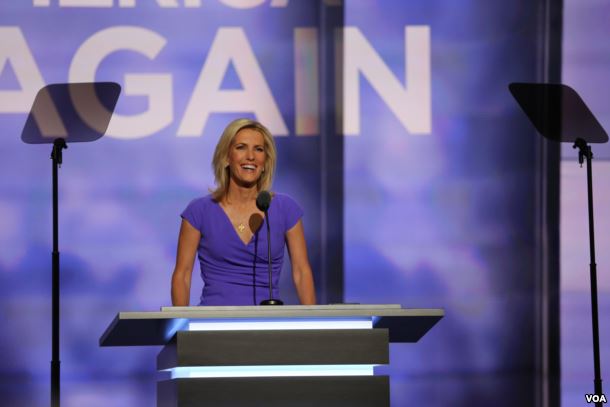
    Laura Ingraham 2016 RNC (1)
    Image: Voice of America, via Wikimedia Commons, Public domain.

    The available source material says Ingraham was accused of turning the questioning of Anthony Fauci into a spectacle with “antics” while Fauci answered questions. Curtis Ingraham’s reaction, as described in the sourced report, criticized that conduct.

    That family connection is what gave the episode its extra charge. Ingraham is one of the most recognizable conservative media figures in the country, and criticism of her style is common in political debate. A rebuke from her own brother lands differently because it folds a private relationship into a public argument over political performance.

    There is an important limit to what is known from the supplied reporting. The available extract does not include a full transcript of Curtis Ingraham’s latest remarks, nor does it provide a frame-by-frame description of the exact conduct at the hearing.

    What Ingraham was accused of doing

    The reported accusation is that Laura Ingraham made the Fauci hearing more theatrical while Anthony Fauci was answering questions. The source headline uses the term “antics,” but the available material does not specify whether that meant a gesture, a visible reaction, a side exchange or some other conduct.

    That uncertainty matters. In modern political media, a single reaction shot or moment of visible disdain can be interpreted in sharply different ways. To supporters, it may look like toughness. To critics, it may look like performance overtaking oversight.

    Ingraham’s public identity makes that interpretation even more contested. As host of Fox News’ The Ingraham Angle, she has helped shape conservative-media conversations about Covid policy, public-health officials and federal power. Her critics often see her style as combative; her defenders see that same posture as a willingness to challenge powerful institutions.

    That is why the same hearing moment can produce two opposing readings. One side may view aggressive scrutiny of Fauci as overdue accountability. Another may see a familiar pattern of turning a public-health official into the center of a political spectacle.

    Why Fauci hearings still ignite

    Anthony Fauci remains one of the defining public figures of the Covid era. For supporters, the former longtime head of the National Institute of Allergy and Infectious Diseases represents scientific expertise under intense political pressure.

    For critics, Fauci became a symbol of lockdowns, masking guidance, school closures, vaccine policy and broader disputes over government credibility. That divide did not disappear when the emergency phase of the pandemic faded from daily life.

    Hearings involving Fauci therefore carry more weight than routine oversight. Lawmakers may be asking about policy decisions, communications and public-health judgments, but the audience often reads the proceeding through a broader political lens.

    Television personalities and online commentators can magnify that effect. The formal subject may be testimony, but the viral subject can become a look, a clash, an interruption or a moment that seems designed for viewers far beyond the room.

    Curtis Ingraham’s criticism has history

    Curtis Ingraham’s latest criticism fits into a documented public pattern. NBC News identified him in 2018 as Laura Ingraham’s older brother and reported that he had publicly lashed out at the Fox News host over her views and commentary.

    In that earlier interview, Curtis Ingraham used unusually severe language, saying he thought she was “a monster” and accusing her of lacking emotional compassion. NBC News reported that he had criticized what he described as his sister’s repeated mean-spirited and insensitive remarks.

    The 2018 reporting also tied his public criticism to controversies involving Laura Ingraham’s comments about Parkland shooting survivor David Hogg. Curtis Ingraham also called attention to her advertisers, suggesting that support for her program was disturbing to him.

    Laura Ingraham responded at the time by saying she was “shocked and saddened” by what she called false and hurtful online postings. She also said then that she missed her brother despite their estrangement.

    A media persona under scrutiny

    The Fauci hearing episode revives a long-standing tension around Laura Ingraham: whether her appeal is rooted in hard-edged accountability or in confrontational political theater. That question has followed her across many public controversies.

    Her supporters tend to value her willingness to challenge elite institutions, mainstream outlets, public-health officials and establishment Republicans. To them, the sharpness is part of the point.

    Her critics see the same approach as a performance style that can blur the line between scrutiny and targeting. In a Fauci hearing, where pandemic anger and public-health mistrust are already loaded subjects, even small gestures can be read as symbolic.

    Curtis Ingraham’s involvement adds another layer. His criticism is not just about Fauci’s testimony or pandemic policy. It is about his sister’s public conduct and the persona she brings into moments of national political attention.

    What remains unsettled

    The known facts are limited: Laura Ingraham was criticized by Curtis Ingraham over behavior connected to a Fauci hearing; Fauci was the central figure in that hearing context; and Curtis Ingraham has previously criticized his sister publicly.

    Several key details remain unclear from the available source material. It does not establish the exact gesture, exchange or sequence that triggered the latest rebuke. It also does not show whether the conduct was brief, sustained, disruptive, sarcastic or simply interpreted that way by critics.

    It is also unclear from the supplied reporting whether Laura Ingraham or Fox News responded to this latest criticism. Without that response, the fairest reading is that Curtis Ingraham’s rebuke is one side of a continuing public family feud.

    The bigger takeaway is that hearings involving Fauci continue to function as political symbols as much as oversight events. When Laura Ingraham becomes part of that scene, and her own brother condemns the performance, the story shifts from one hearing moment to a broader question about what public accountability looks like when politics becomes show business.

  • McConnell’s Long Goodbye Starts Kentucky’s Fight Over the GOP’s Future

    McConnell’s Long Goodbye Starts Kentucky’s Fight Over the GOP’s Future

    The Kentucky Republican is staying in the Senate for now, but his decision starts a long goodbye in Washington. The fight to replace him will show how much the GOP has changed around him.

    Mitch McConnell will not seek reelection in 2026, and he is retiring when his current term ends, a decision that starts the Kentucky Senate race to replace him and raises immediate questions about why his departure matters for Kentucky politics and Republican power in Washington.

    The Washington announcement, made Thursday on McConnell’s 83rd birthday, means McConnell’s 2026 exit starts the next fight for Kentucky Republicans while setting an end date for his seventh term in the U.S. Senate.

    McConnell is not leaving the Capitol immediately. That is the first political fact to understand. The second is just as important: once a senator of his stature says the next race is off the table, every ally, rival and would-be successor begins planning for the post-McConnell era.

    The vacancy is not here yet

    McConnell’s current term runs until January 2027, so Kentucky is not facing an immediate appointment battle unless something changes. For now, he remains a sitting senator with a vote, committee influence and the kind of relationships that come from decades in the chamber.

    The Associated Press reported that McConnell told colleagues he would not seek an eighth term and said his current term would be his last. He also told senators he had "unfinished business," signaling that retirement does not mean disengagement.

    That creates an unusual two-track reality. Officially, McConnell still has work to do in Washington. Politically, the race to replace him has already started because candidates, donors and party factions now know the seat will be open.

    An announced retirement can weaken a lawmaker’s future leverage. It does not erase present power. McConnell’s remaining time in office will be watched through a new lens: not whether he runs again, but how much influence he can still use before leaving.

    Why this seat draws attention

    Kentucky is strongly Republican in federal races, which means the party is favored to keep the seat. But an open Senate race is different from a routine reelection. It invites ambition, national money and pressure from competing visions of what the Republican Party should become.

    McConnell’s departure matters because he was not just another Republican senator from a red state. He was first elected to the Senate in 1984 and became the longest-serving Senate party leader in U.S. history.

    That seniority gave Kentucky a direct line to one of Washington’s most powerful legislative operators. A new Republican senator may vote in similar ways, but influence built over four decades cannot simply be handed over with an endorsement.

    For Kentucky Republicans, the question is not only who can win. It is who can define the party after McConnell: a candidate tied to his political network, a Trump-aligned figure running as a generational break, or someone trying to bridge both worlds.

    A legacy built through rules

    McConnell’s career was defined less by public theatrics than by a deep command of Senate procedure, timing and votes. His allies view him as a disciplined conservative strategist who used institutional power to produce durable wins.

    Reuters described his career as one that helped shape the Supreme Court’s conservative direction. That legacy will remain long after he leaves the Senate, especially for conservatives who see the federal judiciary as one of the central achievements of the modern Republican Party.

    His critics see the same record in harsher terms. To them, McConnell’s tactics hardened partisan mistrust and treated Senate rules as weapons in a permanent struggle for power. His role in judicial confirmation battles became one of the clearest examples of that divide.

    Both interpretations help explain why the retirement lands with unusual weight. McConnell was effective, and the methods behind that effectiveness helped make the Senate more combative.

    Trump’s party moves forward

    McConnell came from a Reagan-era Republican tradition: hawkish on foreign policy, business-friendly on domestic policy and deeply invested in the Senate as an institution. The party choosing his successor is more openly shaped by Donald Trump’s populist politics.

    The Associated Press noted that McConnell’s power had diminished amid his strained relationship with Trump and the GOP’s changing dynamics. That did not make McConnell irrelevant, but it did show that the Republican center of gravity had moved.

    The contrast is central to the Kentucky race. Many Republican candidates now win attention by distancing themselves from old Washington leadership. McConnell, for decades, was one of the clearest symbols of that leadership.

    That makes the succession fight more than a local primary. It is a test of whether Kentucky Republicans choose continuity with the senator’s network or lean fully into the party’s newer Trump-aligned style.

    The GOP field starts forming

    Former Kentucky Attorney General Daniel Cameron quickly moved into the race, according to the Associated Press. Cameron once worked as McConnell’s legal counsel, but he has emphasized his support for Trump and presented himself as part of a new generation.

    Other possible Republican contenders surfaced quickly. U.S. Rep. Andy Barr said he would decide soon about his future, while businessman Nate Morris was also described as a possible GOP candidate.

    The early pattern is clear: any serious Republican candidate will need to appeal to Trump-aligned voters. Even candidates with ties to McConnell’s world may have to campaign in the language of the party that has grown around Trump.

    That dynamic could make the primary the real contest to watch, given Kentucky’s Republican lean in federal elections. Still, open seats can create unpredictable intraparty fights because there is no incumbent to clear the field.

    Democrats face a harder map

    Democrats have a more difficult path. Kentucky Gov. Andy Beshear has shown he can win statewide as a Democrat, but the Associated Press reported that his political team reiterated he was not running for the Senate.

    Without Beshear, Democrats would need another route in a race Republicans are favored to hold. The party would have to find a candidate who can compete statewide while navigating a federal electorate that leans more Republican than the coalition that has elected Beshear governor.

    That does not make the race meaningless for Democrats. Nationally, every Senate seat affects the balance of power. But the immediate battle is likely to be inside the Republican Party, where the open seat gives multiple factions room to compete.

    The broader Washington question is whether McConnell’s replacement becomes another vote in a familiar GOP pattern or a senator with a very different style, priorities and relationship to party leadership.

    What remains unclear

    McConnell’s health has drawn attention in recent years, including falls and public episodes in which he appeared to freeze while speaking. The Associated Press reported that he walked gingerly to the podium for his announcement and wore a walking boot.

    Those details add public interest, but they do not change the central fact: McConnell announced he will retire when his term ends, not that he is resigning now. Barring a change, Kentucky will not have an appointed replacement before the 2026 election.

    The open questions are political. How much will McConnell try to shape the race? Will Kentucky Republicans reward a candidate with personal ties to him, or choose someone who most clearly represents a break from the old establishment brand?

    For now, McConnell remains in the Senate while the end of his era comes into view. Washington has nearly two years to measure his final moves, and Kentucky Republicans have already begun deciding what comes after him.

  • Trump Administration Misses Supreme Court Deadline; Birthright Citizenship Loss Stands

    Trump Administration Misses Supreme Court Deadline; Birthright Citizenship Loss Stands

    A missed filing deadline leaves the Supreme Court’s ruling against Trump’s birthright citizenship restrictions intact. The episode also shows how rarely the justices reopen argued cases once a decision is issued.

    WASHINGTON — The deadline passed Tuesday for the Trump administration to ask the Supreme Court to reconsider its rejection of Donald Trump’s birthright citizenship restrictions, with no new filing on the docket after a 25-day window. The case involved birthright citizenship, and the court’s 6-3 June decision struck down Trump’s executive order targeting automatic citizenship for some children born in the United States.

    That missed deadline matters because it turns Trump’s promised rehearing request into a legal non-event, leaving the defeat in place and limiting the administration’s path to revive that order at the high court.

    A promised fight goes quiet

    According to the Associated Press, Trump said about a week after the June ruling that he would ask the Supreme Court for a rehearing immediately. By Tuesday, the docket showed no new petition from the administration.

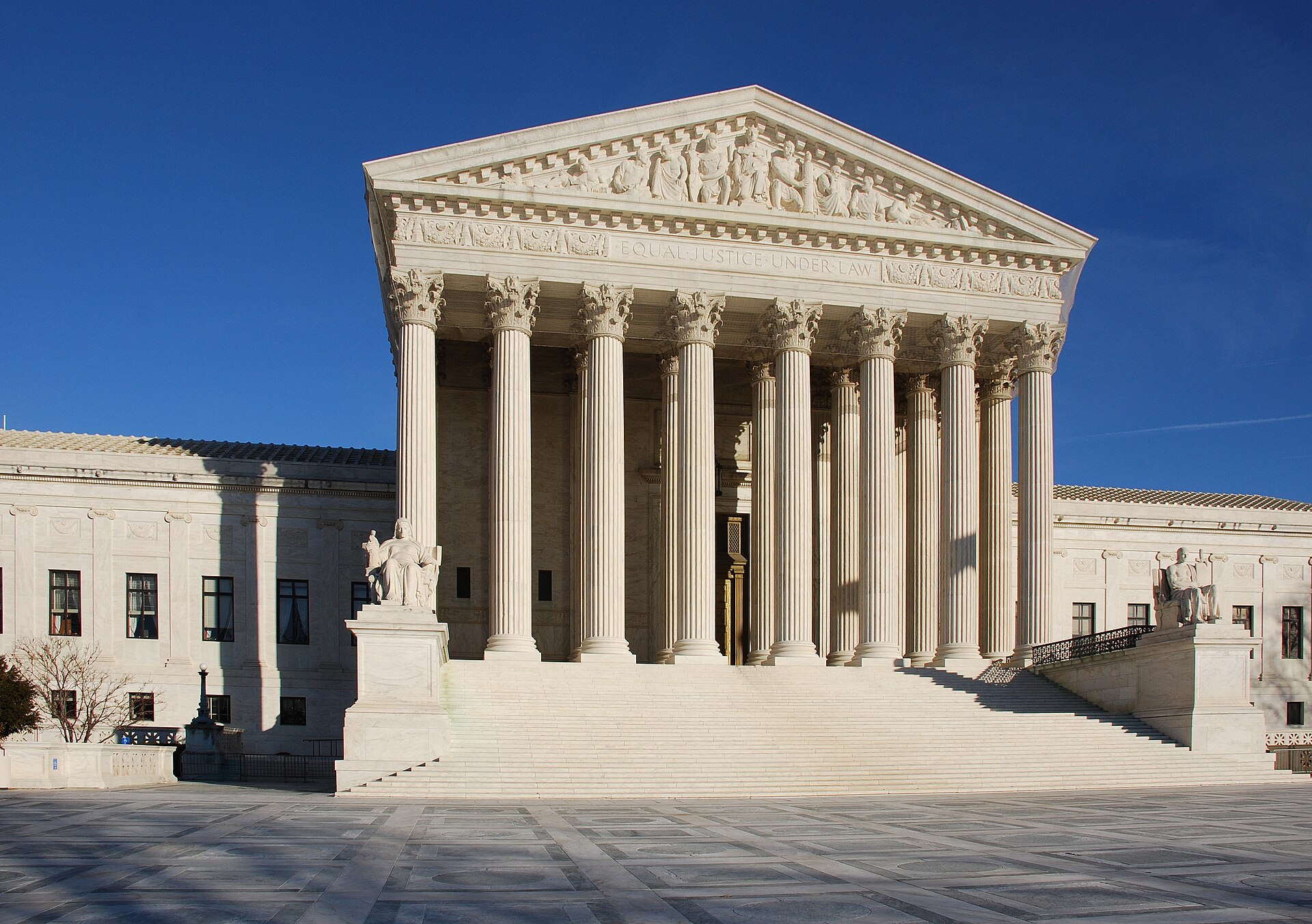
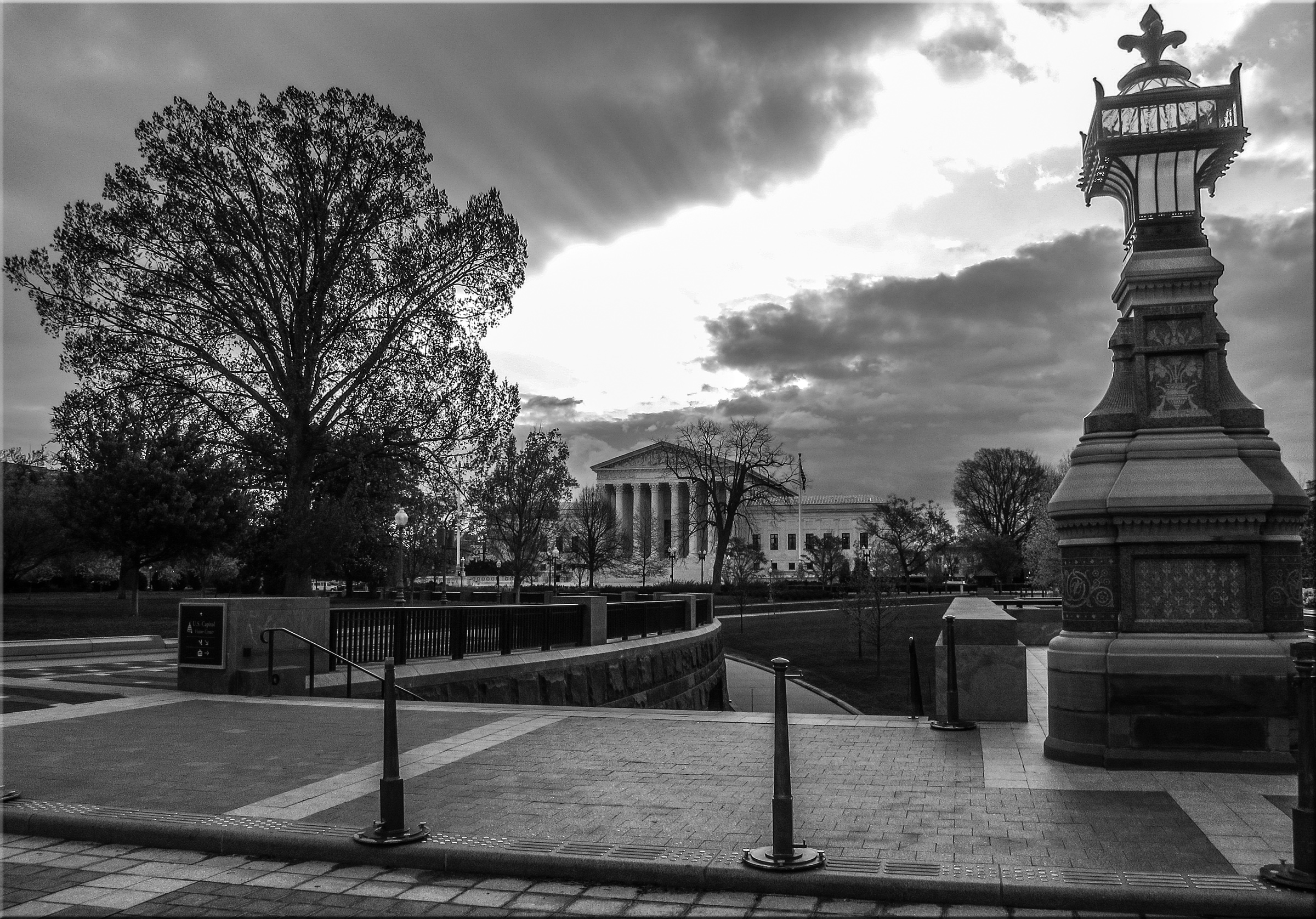
    Morning bursts over the Supreme Court of the United States
    Image: lavd46, via Flickr, CC BY 2.0.

    That is the key fact beneath the political noise. The Supreme Court did not issue a new sweeping opinion this week. It did not hold another dramatic vote. The administration simply did not file the rehearing request Trump had publicly promised.

    For any president, missing that kind of deadline is more than a paperwork issue. It means the existing judgment stands, and the court has no pending request before it to revisit the dispute.

    What the June ruling did

    The June decision rejected Trump’s executive order that sought to deny automatic citizenship to children born in the United States whose parents were in the country illegally or temporarily, AP reported.

    Birthright citizenship has long been tied to the 14th Amendment, which says people born or naturalized in the United States and subject to its jurisdiction are citizens. Trump’s order tried to narrow that understanding for a defined group of children based on their parents’ immigration status.

    Several lower courts had already blocked the restrictions before the case reached the justices. AP reported that the policy never took effect anywhere in the United States.

    That matters for families, hospitals, state record keepers and immigration agencies because the ruling preserved the current legal status quo. Children covered by the disputed order were not forced into a new citizenship limbo while the case played out.

    Why rehearing was unlikely

    Even if the administration had filed on time, a rehearing would have been a long shot.

    The Supreme Court almost never reopens a fully argued case after issuing a decision. Aaron-Andrew Bruhl, a William & Mary Law School professor, told AP that the court has not agreed to rehear an argued case in more than 50 years.

    Bruhl also noted that the last time the court granted a petition to change an opinion was in 1965, and the last time it reversed a decision after rehearing was in a 1956 case.

    The standard is steep because the losing side is not supposed to get a second round simply by objecting to the result. At least one justice in the majority would have had to change course, and a majority of the court would have had to agree to reopen the matter.

    The conservative split still matters

    The outcome was 6-3, but the court was not unanimous in its reasoning or its view of Trump’s power.

    Three justices — Samuel Alito, Neil Gorsuch and Clarence Thomas — would have upheld Trump’s restrictions, according to AP. Justice Brett Kavanaugh took a more complicated position: he found that the Constitution would not block the president’s plan, but that it violated federal law.

    That split gives both sides something to point to. Opponents of the order can say a clear majority rejected the policy before it took effect. Trump and his allies can note that four conservative justices, in different ways, showed some openness to the legal theory behind the effort.

    Still, openness is not victory. The controlling result was that the order failed, and the administration did not take the next procedural step to ask the court to reconsider.

    What the missed deadline changes

    The missed deadline does not erase the broader political fight over immigration or citizenship. Trump has repeatedly made birthright citizenship a signature issue, and future administrations or lawmakers could pursue other strategies.

    But for this executive order, the path at the Supreme Court has effectively closed unless some separate procedural route emerges. The court’s June judgment remains the last word in that case.

    The White House and Justice Department did not immediately respond to AP’s requests for comment. Without an explanation, it is unclear whether the administration made a strategic decision not to pursue a nearly impossible rehearing, missed the deadline because priorities shifted, or concluded that another vehicle would serve its goals better.

    That uncertainty is part of why the episode landed with force. Trump had framed the issue as a fight he would immediately take back to the justices. The docket told a quieter story.

    The practical takeaway

    For people watching the legal fight, the important point is simple: there is no pending Supreme Court rehearing request from the Trump administration in this birthright citizenship case.

    The June 6-3 ruling stands. The executive order that would have denied automatic citizenship to certain U.S.-born children remains blocked. The 25-day window to ask the justices to revisit that loss has passed.

    Politically, Trump may continue to campaign on the issue. Legally, this particular effort ended not with a fresh courtroom showdown, but with a deadline expiring and no new filing appearing on the docket.

  • Trump Restores Whole Milk Access in Schools, Reviving Saturated Fat Debate

    Trump Restores Whole Milk Access in Schools, Reviving Saturated Fat Debate

    Whole milk is back in the federal spotlight after years of lower-fat advice. The real question is not whether one glass is good or bad, but how it fits into a full day of eating.

    The Trump administration is promoting whole milk in federal dietary guidance, the official dietary guidance families and schools use to make everyday food decisions. Health experts say whether that advice is supported by nutrition science depends less on politics than on saturated fat, calories and the rest of a person’s diet.

    The new dietary guidance released in January 2026 endorses full-fat dairy as part of a healthy pattern, and President Donald Trump later signed the Whole Milk for Healthy Kids Act to restore whole milk access in schools. That matters now because federal advice influences school meals, grocery habits and how families hear a confusing nutrition debate.

    Whole milk gets federal backing

    The shift is part of a broader food-policy turn by the Trump administration: praise for whole foods, warnings about highly processed foods, and a warmer view of foods long treated cautiously in mainstream nutrition advice, including whole milk, butter and red meat.

    The Washington Post reported that the administration’s dietary guidance called on Americans to limit highly processed foods high in added sugars and sodium while endorsing some products many nutritionists had previously discouraged. USDA materials also said the Dietary Guidelines for Americans, 2025-2030, reintroduced full-fat dairy as part of a healthy dietary pattern.

    The school-meals piece followed quickly. On Jan. 14, 2026, USDA’s Food and Nutrition Service announced that Trump had signed the Whole Milk for Healthy Kids Act in the Oval Office, alongside Agriculture Secretary Brooke Rollins, Health and Human Services Secretary Robert F. Kennedy Jr., USDA National Nutrition Advisor Dr. Ben Carson, dairy farmers, parents and members of Congress.

    Rollins framed the move as both nutrition policy and farm policy, saying whole milk was back and calling it a win for children, parents and American dairy farmers. That dual message is part of why the debate has landed so loudly: milk is not just a nutrient source, but also a school-lunch staple and a major agricultural industry.

    What whole milk actually adds

    Whole milk is not a fringe food. It supplies protein, calcium, potassium, phosphorus, vitamin B12 and, when fortified, vitamin D. For children and adults who drink milk, it can be an easy source of nutrients many people do not get enough of.

    The difference is fat. According to USDA nutrition data, one cup of whole milk typically has about 150 calories and about 8 grams of fat, including roughly 4.5 to 5 grams of saturated fat. Lower-fat milks keep much of the protein, calcium and vitamin content while trimming fat and calories.

    • Whole milk: more calories, more total fat and more saturated fat.
    • Reduced-fat or low-fat milk: similar dairy nutrients with less fat.
    • Skim milk: the lowest-fat dairy option, though some people find it less satisfying.

    That is the practical trade-off. Whole milk can feel more filling and may help some children or adults who need more calories. But for people already eating a lot of saturated fat from cheese, butter, meat, baked goods or fast food, switching from low-fat milk to whole milk can push the day’s intake in the wrong direction.

    Experts do not see magic

    Most nutrition experts do not treat whole milk as poison. They also do not treat it as a cure-all. The mainstream caution is rooted in saturated fat, which major heart-health organizations have long advised limiting because it can raise LDL cholesterol in many people.

    That does not mean every study on dairy fat points in the same direction. Research on dairy is complicated because yogurt, cheese, milk and butter behave differently in eating patterns, and observational studies can be hard to separate from the rest of a person’s diet. Some researchers also argue that the dairy food matrix — the structure of nutrients in milk and fermented dairy — may matter more than looking at saturated fat alone.

    Still, the safest expert advice is more boring than the political fight: look at the whole plate. A glass of whole milk with oatmeal, fruit and a mostly unsaturated-fat diet is different from whole milk added to a daily pattern already heavy in cheeseburgers, processed snacks and desserts.

    For people with high LDL cholesterol, heart disease risk, diabetes concerns or specific weight goals, the choice is more personal. A clinician or registered dietitian may recommend lower-fat dairy not because whole milk is uniquely harmful, but because it is one manageable way to reduce saturated fat and calories.

    Schools are the real battleground

    The Whole Milk for Healthy Kids Act matters because school meals are where federal nutrition guidance becomes visible. For years, school milk rules leaned toward fat-free or low-fat options. Restoring whole milk gives districts and families a familiar choice, but it also changes the nutritional math of a meal served to millions of children.

    Supporters argue that kids are more likely to drink milk they enjoy, and milk left unopened does not nourish anyone. They also say full-fat dairy can be part of a minimally processed diet, especially compared with sugary drinks or ultra-processed snack foods.

    Critics worry that adding whole milk while also promoting red meat and butter could blur a clear public-health message about saturated fat. They also point out that school meals must serve children with very different needs: athletes, picky eaters, children with obesity risk, children who need extra calories, and children who cannot tolerate dairy at all.

    USDA implementation materials also note that a parent or legal guardian may provide a written statement to request a fluid milk substitute at school lunch. That matters for families managing allergies, lactose intolerance, religious diets or other dietary needs.

    The politics changes the message

    Nutrition guidance has always mixed science, culture and industry pressure. The Trump administration’s whole-milk push makes that mix especially visible. The language from USDA did not only talk about nutrients; it also praised American dairy producers and rural jobs.

    That does not automatically make the policy wrong. Farmers are part of the food system, and school food rules have always had agricultural consequences. But when health guidance is promoted as a political victory, readers should separate the slogan from the science.

    The best case for the administration’s approach is that it pushes Americans toward less processed food and restores a real-food option that many families already use. The strongest caution is that full-fat dairy can be over-sold if the conversation ignores saturated fat, calorie balance and individual risk.

    Both things can be true at once. Whole milk can be a reasonable choice for some people, and low-fat milk can remain the better default for others.

    How to use the advice

    If you like whole milk, the expert answer is not necessarily to panic or pour it out. The better question is what it replaces. Whole milk instead of soda or a sweetened coffee drink is a different choice than whole milk on top of an already high-saturated-fat diet.

    A simple way to think about it: keep the nutrients, watch the pattern. Dairy can help supply calcium, vitamin D and protein. But saturated fat adds up quickly across a day, especially from cheese, butter, cream, fatty meats and packaged desserts.

    Parents face a slightly different calculation. Young children may need calorie-dense foods at certain stages, while older children and teens vary widely in activity level and health needs. Federal policy can open the cafeteria door to whole milk, but it cannot decide what is best for every child.

    The clean takeaway is this: the Trump administration has made whole milk a symbol of its new nutrition approach, but health experts are still looking at the same basic evidence. Whole milk can fit in a healthy diet. It is not automatically healthier than low-fat milk, and it is not the part of the new guidance that should matter most. The bigger win, if families can make it happen, is less added sugar, less highly processed food and a diet that is built around foods people will actually eat.

  • Pete Hegseth faces reckoning as Pentagon reportedly unwinds personnel purge

    Pete Hegseth faces reckoning as Pentagon reportedly unwinds personnel purge

    The fight is not just over who gets restored to a job. It is about whether Hegseth’s culture-war approach to military management can survive contact with the Pentagon’s chain of command.

    Pete Hegseth is facing scrutiny over Pentagon personnel and leadership changes, and the Pentagon is moving to reverse or unwind a personnel purge tied to his hard-charging tenure in Washington, D.C. A Raw Story report framed it as “Hegseth’s swagger meets” a reckoning, raising a practical question for the U.S. Department of Defense: how far can a leader push cultural reform before the institution starts repairing the damage?

    The reported “pugnacious purge” matters because personnel fights inside the Pentagon are rarely just about personalities. They can shape military readiness, promotion paths, command climate and whether senior officers feel empowered to give blunt advice.

    A reversal with larger meaning

    The core development is straightforward but politically loaded: the Pentagon is reportedly reconsidering personnel moves associated with Hegseth’s effort to remake the department’s leadership culture. The details of which decisions are being reversed, and how many people are affected, have not been publicly established in the available source material.

    That uncertainty is part of the story. A purge is not a formal Pentagon category. It is a political and institutional description of removals, sidelining, demotions or stalled careers that appear connected by a common ideology or leadership directive.

    In Hegseth’s case, the term is being attached to a broader push to reward aggressive command, reduce what he has portrayed as bureaucratic caution and roll back systems he argues have weakened military standards. The reported unwind suggests that even a reform campaign built on forceful language can run into internal limits.

    What Hegseth said publicly

    An official department news account of a sweeping speech to senior military leaders gives the clearest public view of Hegseth’s governing style. In that speech, Hegseth said the department needed “the right people and the right culture,” and described the leaders he wanted as competent, aggressive, innovative, risk-taking, apolitical and faithful to the Constitution.

    He also argued that the military had spent too long focused on the wrong priorities. The official account said he pledged to uproot what he called distractions that made the force less lethal, while announcing changes touching physical fitness, grooming standards, equal opportunity procedures, inspector general processes and how adverse personnel information is retained.

    That agenda helps explain why the reported personnel reversal has drawn attention. Hegseth did not present his changes as technical management tweaks. He framed them as a cultural reset aimed at making the military tougher, less risk-averse and less constrained by complaint systems he viewed as open to abuse.

    Supporters of that approach see overdue disruption. Critics see a danger that political signaling, not military judgment, could drive who rises, who is removed and who feels safe challenging the boss.

    The purge label carries risk

    The word “purge” is potent because it implies more than normal turnover. New leaders always install allies, elevate trusted managers and change policy priorities. At the Pentagon, however, personnel churn can affect command stability across an organization that depends on continuity, doctrine and long planning cycles.

    If the personnel moves were aimed at poor performers, defenders can argue that Hegseth was doing exactly what leaders promise to do: impose accountability. If the moves swept too broadly, or penalized people for process, dissent or perceived ideological disloyalty, the case for reversal becomes stronger.

    The official speech also shows the tension. Hegseth said actual racism and sexual harassment are wrong and illegal and would be punished. At the same time, he criticized what he described as a weaponized inspector general process and “walking on eggshells” culture. That balance is hard to strike in practice.

    A military leader can demand higher standards without gutting oversight. But if commanders interpret the message as permission to ignore complaints, punish critics or erase unfavorable records too casually, the institution has reason to slow down.

    Why the Pentagon may hesitate

    The Pentagon is built to absorb political direction, but also to preserve lawful order, readiness and continuity across administrations. That makes it both powerful and stubborn. Sweeping cultural directives can be announced in a speech; implementing them across the joint force is much harder.

    Personnel systems are especially sensitive because they touch due process, promotion boards, adverse records, equal opportunity rules and inspector general complaints. Change one part too quickly, and others may stop working as intended.

    There is also a morale problem. If officers and senior enlisted leaders believe careers can be derailed by a sudden political fashion, they may become less candid. If they believe poor performance will be forgiven under the banner of toughness, discipline can suffer in a different way.

    That is why a move to unwind parts of the reported purge would not necessarily mean the Pentagon is rejecting every Hegseth reform. It may mean officials are trying to separate durable policy changes from personnel decisions that created legal, operational or reputational exposure.

    Two competing readings

    One reading is that Hegseth’s approach is colliding with reality. In this view, swagger works well on a stage but poorly inside a massive defense bureaucracy, where records, command authority and personnel protections matter. A reversal would look like the institution correcting a leader who moved too fast.

    The other reading is that internal resistance is exactly what Hegseth’s allies expected. From that perspective, the Pentagon’s professional class is defending old habits, and any effort to undo personnel changes could be cast as proof that entrenched systems resist accountability.

    Both readings can contain some truth. Large organizations often protect weak performers and bury hard decisions. They also use procedures for good reasons, especially when careers, legality and military effectiveness are at stake.

    The unresolved question is whether the reported purge removed obstacles to reform or damaged the department’s own ability to function. Until the Pentagon identifies the specific personnel actions being revisited, the public is left reading the direction of travel rather than the full map.

    What remains unclear

    Several key facts remain unsettled based on the currently available material. The Pentagon has not publicly laid out a full list of restored personnel, reversed decisions or internal findings tied to the reported unwind.

    • Which personnel actions are being reversed or reconsidered
    • Whether reversals are administrative, legal or leadership-driven
    • How much of Hegseth’s broader reform agenda remains intact
    • Whether senior military leaders supported the original moves
    • Whether Congress will seek records or testimony about the purge

    Those gaps matter because the stakes are larger than one figure’s management style. If the Pentagon quietly reverses personnel decisions without explaining why, critics will see a coverup and supporters will see sabotage. If officials provide a clear rationale, the episode could become a case study in how civilian leadership and military institutions check each other.

    For now, the reported reckoning around Hegseth is less about a single personnel file than about the limits of command by confrontation. The Pentagon can be slow, cautious and resistant to change. It can also be the place where bold slogans are forced to meet rules, records and the consequences of governing.

  • Trump’s ‘Bing, Bing, Bing’ Riff Turns Into a Clarity Test

    Trump’s ‘Bing, Bing, Bing’ Riff Turns Into a Clarity Test

    A viral phrase from Trump’s remarks became a shorthand for a larger debate over whether his freewheeling style reads as authenticity, confusion or political risk.

    Donald Trump delivered a rambling “bing, bing, bing” speech moment that critics quickly held up as a bizarre example of his unscripted public behavior. This article criticizes Trump’s speaking style, explains the context of the quote or rant, and describes why the speech was seen as incoherent or bizarre rather than simply colorful.

    The phrase surfaced in transcribed July 14, 2025 remarks at a White House Faith Office luncheon, where Trump moved between NATO, Vladimir Putin, tariffs, business leaders, markets and culture-war themes. The “total buffoon” label attached to it is commentary; the underlying question is whether improvisation has become a liability.

    The line became the story

    The “bing, bing, bing” phrase was not a policy announcement. It was a verbal sound effect, the kind Trump has used for years to dramatize action, mock bureaucracy or compress an argument into a punchline.

    That is exactly why it traveled. Short, odd phrases are easier to clip than long policy passages, and Trump’s speeches often give critics the kind of fragment that can stand in for a larger complaint: that his remarks jump too quickly between subjects and sometimes leave listeners trying to reconstruct the point.

    In the available transcript posted by Senate Democrats, Trump’s luncheon remarks begin with the kind of ceremony expected at a White House event, then quickly widen into foreign policy, NATO weapons, trade pressure, market reactions and personal asides. The “bing” phrasing appeared later in that broader stream of remarks, in a passage touching on transgender athletes and strength.

    For critics, the issue is not that a politician used a sound effect. It is that the sound effect landed inside a larger pattern of meandering public remarks, making it easier to frame the moment as confused rather than conversational.

    What the transcript shows

    The transcript of the White House Faith Office luncheon does not read like a tightly scripted address. Trump thanks attendees, praises guests, comments on being late, mentions a NATO meeting, talks about supplying weapons through NATO, invokes Vladimir Putin and Russia’s attacks, then pivots into tariffs and market reactions.

    At one point, he says Treasury Secretary Scott Bessent “calms the market,” while he himself can “rile the market.” It is a revealing line because it captures both Trump’s self-awareness and the risk of his style: he treats public volatility as part of the show, even when discussing matters with economic consequences.

    The “bing, bing, bing” phrasing appears in a separate culture-war passage, according to the transcript excerpt, where Trump describes a weightlifting scenario and uses the repeated sound to mimic rapid physical action. The words themselves are not complicated. The complaint is about the structure around them.

    Read on the page, the remarks move by association more than sequence. Supporters often call that spontaneity. Detractors call it rambling. Both descriptions point to the same fact: Trump rarely speaks like a conventional president reading a policy memo aloud.

    Why critics heard incoherence

    Political criticism of Trump’s speech patterns usually rests on three claims. First, his remarks often shift subjects abruptly. Second, he relies heavily on repetition, exaggeration and impressionistic phrases. Third, he can blur the line between policy argument, personal grievance and performance.

    The “bing, bing, bing” line fit neatly into that critique because it sounded less like explanation than substitution. Instead of walking listeners through a clear argument, the phrase supplied noise, rhythm and attitude.

    That does not mean every unscripted phrase is evidence of incapacity. Politicians of all parties stumble, riff and fall back on familiar verbal habits. The fairer critique is narrower: at high-profile events, especially when a president is discussing war, tariffs, markets or civil rights, looseness can make the message harder to follow and easier to weaponize.

    The insult “total buffoon” is not a factual finding. It is a political judgment. But the reason that kind of judgment sticks with some audiences is that Trump’s public performances already sit at the center of a long-running debate about temperament, discipline and clarity.

    His style has always used noise

    The “bing” cadence is not new. Reuters captured Trump using a similar formulation years earlier when he complained that politicians and the media wanted a detailed “14-point plan — bing, bing, bing, bing.” In that earlier usage, the phrase worked as shorthand for excessive detail or procedural demands.

    That history matters because it suggests the latest moment was not simply a sudden loss of words. It was part of Trump’s established speaking toolkit: sound effects, repetition, nicknames, quick pivots and broad-brush claims.

    Supporters often see that as the appeal. They argue Trump talks more like a performer, salesman or talk-radio caller than a lawyerly politician, and that the informality makes him sound less managed. To them, the jaggedness is proof that he is not filtered through consultants.

    Critics hear the same thing differently. They argue that presidential communication should clarify choices, not turn public events into improvisational monologues. The disagreement is not only about Trump’s words. It is about what voters think presidential speech is supposed to do.

    The political risk is clarity

    The immediate danger for Trump is not that one phrase will change many minds. His public persona is already baked in for most Americans. People inclined to support him are unlikely to abandon him over “bing, bing, bing,” and people inclined to oppose him did not need another clip to make their case.

    The bigger risk is cumulative. A single odd moment becomes part of a file: a catalog of digressions, verbal loops and off-script claims that opponents use to argue he is undisciplined. In a polarized environment, clips do not persuade everyone, but they do energize existing narratives.

    There is also a governance issue. When Trump discusses NATO, Russia, tariffs and markets in the same freewheeling setting, allies, investors and foreign governments may listen for signals. If the message is tangled, different audiences may hear different things.

    That ambiguity can be useful for a politician who likes flexibility. It can also create confusion when policy requires precision.

    What remains unclear

    The available transcript gives context for the words, but it does not settle how the room heard them in real time. Delivery matters: tone, timing, laughter and audience reaction can make a line feel either playful or strange.

    It is also unclear whether the viral framing will last beyond the usual social-media cycle. Trump has survived countless controversies over language, tone and factual accuracy, in part because his supporters judge him less by polish than by combativeness and results.

    Still, the “bing, bing, bing” moment is useful because it strips the debate down to its core. Trump’s critics see a president whose public remarks can become fragmented and bizarre. His defenders see a familiar improviser who refuses to sound like Washington.

    The clip may fade. The question behind it will not: whether Trump’s unscripted style is a political strength, a communications liability, or both at the same time.

  • Trump Says Hamas Agreed to Disarm as Israeli Withdrawal Remains Unresolved

    Trump Says Hamas Agreed to Disarm as Israeli Withdrawal Remains Unresolved

    The announcement points to possible movement in the Gaza ceasefire process, but the hardest pieces are still ahead: who verifies Hamas disarmament, when Israeli forces leave, and who governs Gaza next.

    Hamas agreed to a Trump-backed plan for disarmament in Gaza, Donald Trump said Thursday in Washington, announcing that the White House’s U.S.-led Board of Peace had reached an agreement tied to the Trump disarmament plan. The agreement has implications for the war in Gaza and Israeli troop withdrawal, while Cairo remains a key diplomatic venue. Israel has not publicly confirmed the deal, and significant hurdles and conditions remain before the deal is finalized.

    The announcement, reported by Reuters and AP, is being framed by Trump as progress toward ending one of the most difficult parts of the Gaza ceasefire. But the available details show a phased process, not a completed settlement.

    A deal with many caveats

    Trump said the Board of Peace had reached an agreement for the complete disarmament of Hamas militants. AP reported that a Hamas official later said the group had reached an agreement on disarmament, describing it as the most crucial part of the ceasefire deal.

    That is a major statement if it holds. Hamas giving up weapons has long been one of Israel’s central demands and one of the hardest conditions for mediators to turn into a practical plan.

    But the announcement immediately ran into a familiar problem: acceptance in principle is not the same as implementation. AP reported that Israel had not indicated it had agreed to the latest arrangement. That matters because the plan links Hamas disarmament to Israeli withdrawal from Gaza.

    The White House version also leaves open who verifies that weapons are surrendered, how tunnels are destroyed, and what happens if one side says the other has failed to meet a benchmark.

    How disarmament would work

    According to AP, Trump said the agreement would be carried out in carefully structured phases. As disarmament is completed, Israeli forces would withdraw, and an International Stabilization Force would work with a new Palestinian police force to take responsibility for security in Gaza.

    The plan is part of Trump’s broader 20-point ceasefire framework. AP said that framework calls for Hamas to surrender its weapons and destroy its tunnel network. It also envisions Israeli forces leaving Gaza, a new technocratic Palestinian government taking over day-to-day administration, an international security force deploying, and reconstruction beginning in the devastated enclave.

    Officials described one near-term step: the Gaza police force would turn over weapons to a Board of Peace-backed Gaza administration within the next two weeks, AP reported. But those officials also said that does not cover the vast majority of Hamas militants or heavy weaponry.

    The harder work would come later. A Board of Peace official told AP that surrendering heavy weapons and decommissioning tunnels and other infrastructure could take between 200 and 350 days.

    Israel’s silence is pivotal

    The plan’s political weakness is clear: without Israeli agreement, a phased withdrawal cannot begin in any meaningful way. Trump’s announcement says disarmament and withdrawal are linked, but it does not show that Israel has accepted the sequence, the timeline or the security guarantees.

    Israel has been deeply skeptical of any arrangement that leaves Hamas with room to rearm, reorganize or retain informal control. Even if Hamas signs onto a phased disarmament process, Israel may demand proof before reducing military pressure.

    That creates a sequencing problem. Hamas is unlikely to surrender its most valuable weapons without confidence that Israel will withdraw. Israel is unlikely to withdraw without confidence that Hamas has been disarmed. Mediators are trying to build a bridge between those two positions, but the bridge is still mostly procedural.

    The role of the International Stabilization Force is also unresolved in practical terms. Israel would need to trust it. Palestinians in Gaza would need to tolerate it. Outside countries would need to provide personnel, funding and political cover for a mission that could become dangerous quickly.

    Gaza governance remains unsettled

    Disarmament is only one part of the ceasefire architecture. The Trump plan also calls for Hamas to have no role in governing Gaza and for a technocratic Palestinian committee to oversee daily public services under the supervision of the Board of Peace.

    That may sound tidy on paper. In Gaza, it is far more complicated. Any new administration would have to manage security, aid distribution, hospitals, water, electricity, rubble removal and reconstruction while operating in a territory shattered by war.

    AP reported that aid is entering Gaza, though aid groups say not at the level promised, and large-scale reconstruction has not started. That gap between diplomatic design and life on the ground is one reason the disarmament deal could face pressure quickly.

    There is also the question of Palestinian legitimacy. A technocratic committee backed by the U.S.-led Board of Peace may reassure Israel and foreign donors, but it could struggle if Palestinians see it as externally imposed or disconnected from their political future.

    The hardest weapons come last

    The early phase involving police weapons may be easier to verify than the later phase involving Hamas’s military infrastructure. Heavy weapons, tunnels, weapons workshops and hidden stockpiles are the real test of the deal.

    AP reported that the plan includes destroying tunnels and weapons production facilities, along with an internationally funded buyback and reintegration program for weapons decommissioning. It also includes amnesty and possible safe passage for some Hamas members who give up arms.

    Those details point to a strategy used in other conflict settings: combine pressure with incentives, then try to move fighters into civilian life or exile. The problem is that Hamas is not only an armed group; it has also been a political and social force in Gaza. Disarming its military wing does not automatically dissolve its networks.

    Other armed groups also operate in Gaza, including Palestinian Islamic Jihad. U.S. and Board of Peace officials were unable to provide specific timelines for disarming Hamas or other groups, AP reported. That uncertainty could become a major loophole if one faction complies partially while another continues to operate.

    What to watch next

    The next signal will be whether Israel publicly accepts, rejects or seeks to revise the arrangement. A statement from Hamas is important, but Israeli military withdrawal depends on Israeli approval and on the security benchmarks built into the plan.

    Another key test is whether the promised two-week turnover of Gaza police weapons happens as described. If that early step stalls, confidence in the longer 200-to-350-day process will weaken fast.

    Diplomacy through Washington and Cairo will also matter. The White House can announce the framework, but regional mediators and participating governments will have to help define monitoring, enforcement, funding and the composition of any stabilization force.

    For now, the announcement is best understood as a possible opening, not an end to the Gaza war. It puts Hamas disarmament, Israeli withdrawal and postwar Gaza governance into one package. Whether that package survives contact with the battlefield, Israeli politics and Palestinian realities is still unclear.

  • Proposed Fauci Federal-Work Ban Would Turn COVID Clash Into Lifetime Penalty

    Proposed Fauci Federal-Work Ban Would Turn COVID Clash Into Lifetime Penalty

    The proposal moves a pandemic-era oversight fight from committee questioning into legislation. The unanswered question is whether Congress is seeking accountability or punishment aimed at one former official.

    Anthony Fauci is the named target of a proposed bill in Congress that seeks a lifetime federal-work ban after a contentious Senate COVID hearing in Washington, D.C., where Reuters reported the former top U.S. infectious disease expert took the Fifth. The fight matters because Republican lawmakers and Fauci’s congressional critics are trying to turn an oversight clash before the 100-member Senate into a permanent bar on federal service for one of the pandemic’s most visible officials.

    At issue is not only whether Fauci should ever return to government. It is whether Congress can transform a refusal to answer questions into legislation aimed at a single former official.

    A personal ban, not policy reform

    The reported proposal would block Fauci from working for the federal government for life. Based on the available reporting, it appears directed at Fauci personally rather than at a broad category of former health officials or pandemic-era decision-makers.

    That distinction is what makes the bill more than a routine political rebuke. Congress often writes rules for federal employment, ethics, funding and agency oversight. A measure that singles out one named person after a heated hearing raises a different set of questions.

    Fox News, in an article distributed on MSN, reported that the proposed lifetime ban followed the contentious Senate COVID hearing. Reuters reported that Fauci invoked the Fifth Amendment during a Rand Paul-led U.S. Senate COVID hearing.

    The available reporting does not establish that Fauci committed wrongdoing. Invoking the Fifth Amendment is a constitutional protection against compelled self-incrimination, not a finding of guilt.

    Why the Fifth changed the politics

    For Fauci’s critics, his reported refusal to answer questions will likely be treated as a sign that Congress still has not received the answers it wants about the federal COVID response. The hearing gave longtime disputes over pandemic policy a new focal point.

    For Fauci’s defenders, invoking constitutional rights may look like a prudent legal choice in an environment where congressional questioning can carry political, reputational and possible legal consequences. The right exists so a witness does not have to choose between speaking and risking self-incrimination.

    The political reality is sharper. A witness taking the Fifth at a televised Senate hearing can become a headline in minutes, especially when the witness is Fauci, who became one of the most recognizable public health figures of the pandemic era.

    Sen. Rand Paul has been one of Fauci’s most persistent critics in Congress, according to the reporting cited in the source article. That history helps explain why the hearing became a launch point for a broader fight over accountability.

    What remains unknown

    The basic idea of the bill is clear: bar Fauci from future federal government work. Several practical details are not clear from the available reporting.

    • The full bill text has not been identified in the cited public record.
    • The sponsor and sponsor list are not specified in the available reporting.
    • It is unclear whether the proposal has bipartisan support.
    • It is unclear whether it has been scheduled for committee action.

    Those missing details matter. Many bills introduced in Congress never become law. Some are designed to force attention, define a political position or create a campaign issue rather than to produce an immediate legal change.

    The exact wording would also determine whether the measure is strictly Fauci-specific, part of a broader ethics rule, or framed as a general limit on future federal employment for certain officials.

    The constitutional line

    A lifetime employment ban is not the same as a harsh statement from a senator or a committee report. If enacted, it could restrict a former official’s ability to return to federal service in any capacity, depending on how the bill is drafted.

    That is where the legal stakes become more serious. The Constitution prohibits bills of attainder, a category of law that punishes specific people without a judicial trial. Whether this proposal would cross that line cannot be judged without the bill’s language, purpose and effect.

    Supporters of the proposal would likely argue that federal employment is a privilege, not a guaranteed right, and that Congress can act to protect public trust in government service. They may see the measure as a consequence for a former official who, in their view, failed to cooperate with oversight.

    Opponents would likely argue that Congress cannot use a statute to punish one named person when that person has not been convicted of a crime. If such a bill became law, litigation could focus on whether it is a valid employment rule or an unconstitutional penalty.

    Fauci as pandemic symbol

    Fauci retired from federal service after decades at the National Institutes of Health, including his tenure as director of the National Institute of Allergy and Infectious Diseases. His role during COVID-19 made him both a trusted figure for many Americans and a target for others.

    Supporters saw him as a steady public health voice during an uncertain and rapidly changing crisis. They argue that shifting guidance reflected changing evidence, not bad faith.

    Critics view him as a symbol of a federal health establishment they say demanded public compliance while avoiding accountability for mistakes. Their concerns span pandemic origins, agency communications, lockdowns, masks, vaccines, school closures and the public’s trust in government science.

    The proposed ban sits directly inside that divide. It is not just a question of whether Fauci should work for the government again. It is a question of whether Congress should use lawmaking power to declare one former official permanently unfit for federal service.

    The path from bill to law

    The proposal’s future is uncertain. To become law, it would need to move through Congress, survive possible amendments, pass both chambers and be signed by the president or enacted over a veto.

    That is a high bar for any bill, especially one focused on a single individual. The next signals to watch would be the bill text, sponsor list, committee referrals and whether congressional leaders treat it as a priority or a messaging measure.

    If the bill advanced and became law, a court challenge would be plausible. The legal fight could test whether Congress imposed punishment without trial, violated separation-of-powers principles or simply set a permissible condition on future federal employment.

    For now, the proposal is best understood as an escalation of the long-running fight over Fauci and the federal COVID response. It takes a dramatic hearing moment and tries to turn it into a lifetime penalty, while leaving unresolved where oversight ends and personal punishment begins.