Blog

  • Sabato Says Paxton Could Give Democrats a Rare Texas Senate Opening

    Sabato Says Paxton Could Give Democrats a Rare Texas Senate Opening

    Texas still leans Republican, but Sabato argues Paxton is not a typical nominee. The race may turn on whether early polling, money and GOP unity hold up under pressure.

    Larry Sabato says Ken Paxton’s liabilities could give Democrats a chance to flip a Texas U.S. Senate seat, with Texas state Rep. James Talarico the Democrat who could benefit from Paxton’s weakness. The opening, Sabato argued in a CNN interview, depends on whether polling, fundraising, and Republican unity prove that the Texas race is truly competitive rather than another false start for Democrats.

    The case is less about Texas suddenly turning blue than about Paxton becoming an unusually risky Republican nominee. Sabato’s warning puts a familiar Democratic dream under a harsher test: can one controversial candidate make a red-state Senate race genuinely uncertain?

    Sabato’s Texas Exception

    Sabato, director of the University of Virginia Center for Politics, has heard big Democratic predictions about Texas before. In the CNN interview with Erin Burnett, he recalled Texas Democrats telling him since 1994 that their statewide breakthrough was finally arriving.
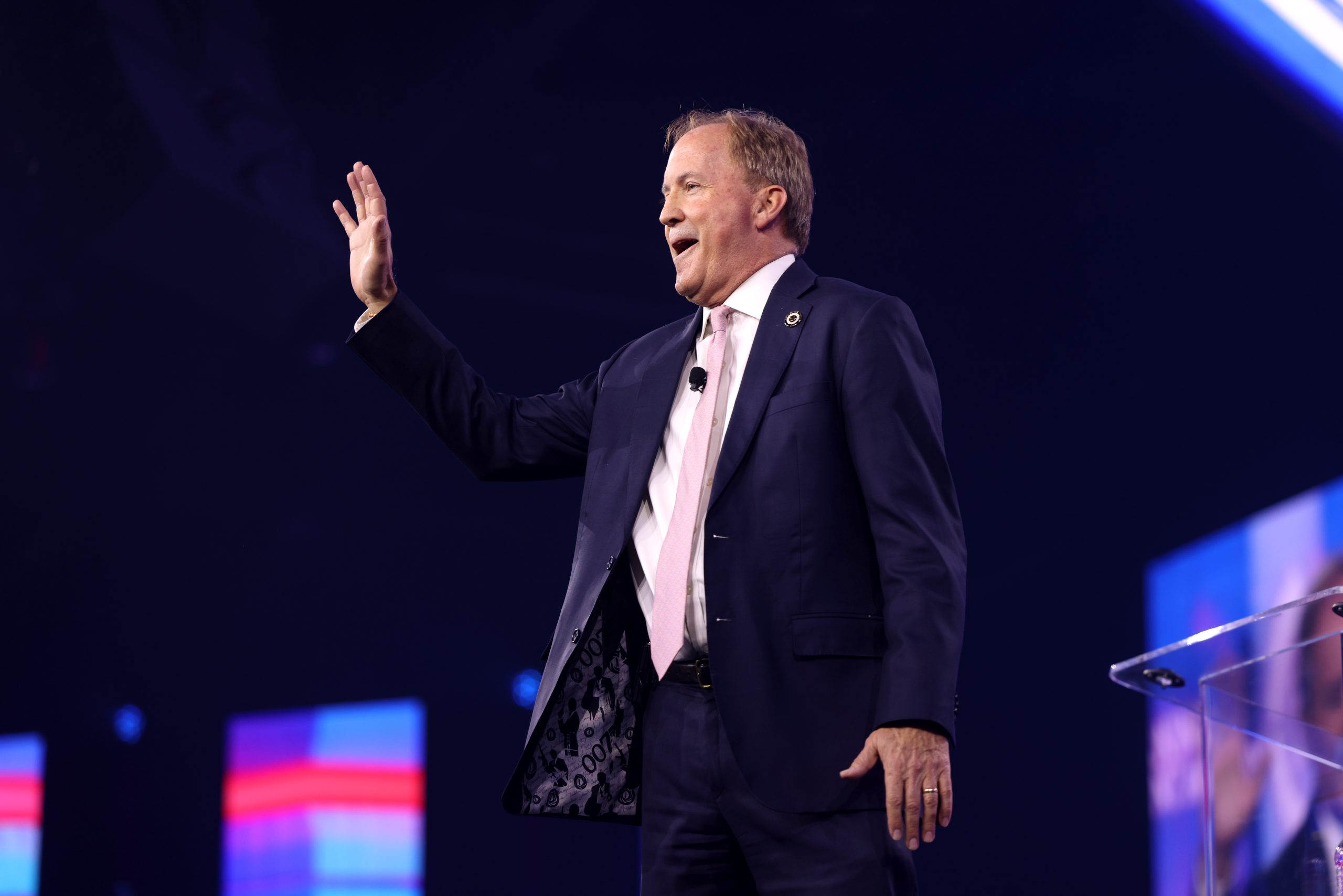
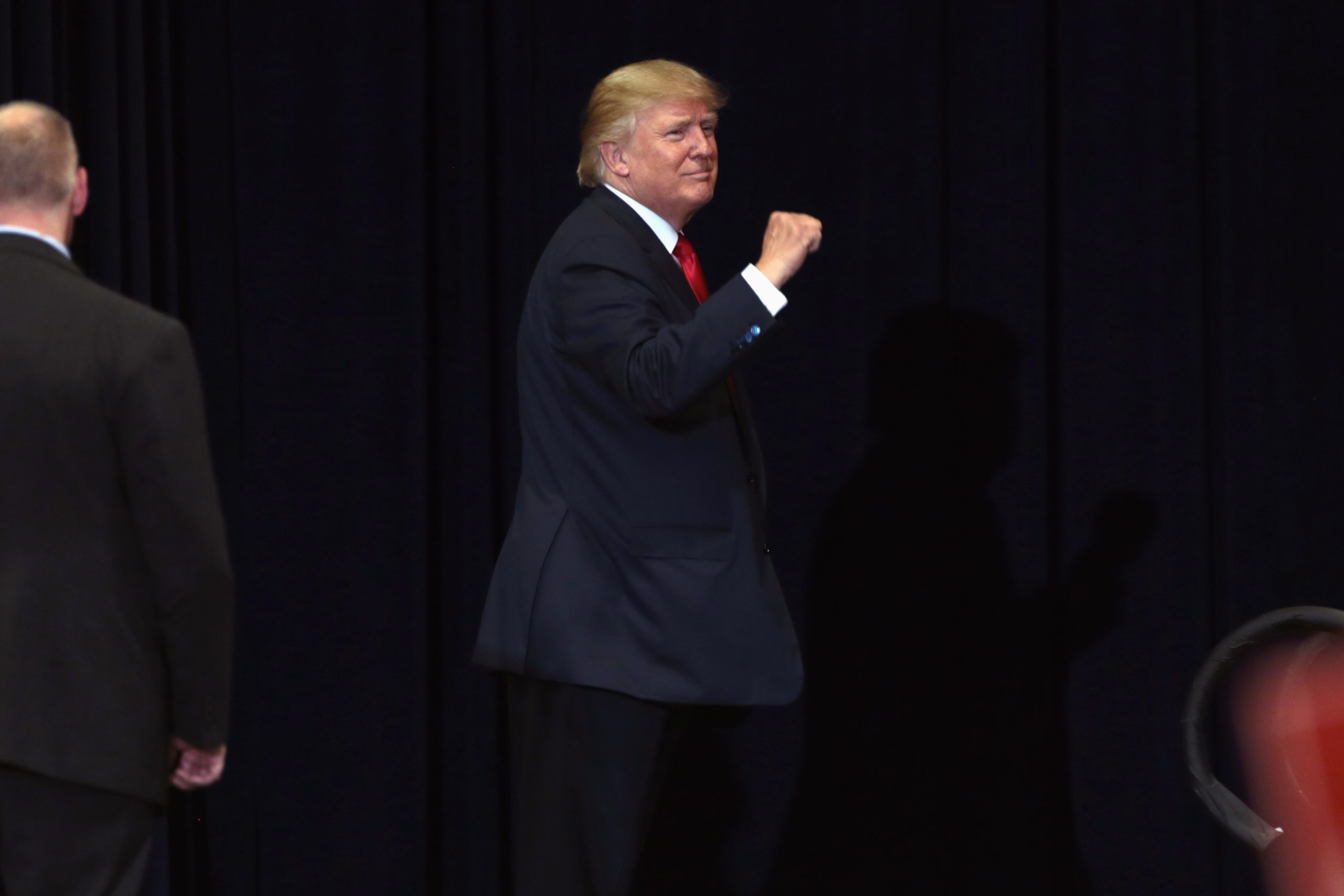
    Ken Paxton
    Image: Gage Skidmore, via Flickr, CC BY-SA 2.0.

    This time, he said, he is “starting to believe it’s actually possible.” That does not mean he called Texas easy territory for Democrats. It means he sees the Paxton matchup as different from the usual Republican-versus-Democrat fight in a state where Democrats have repeatedly fallen short.

    According to The Hill’s account of the interview, Sabato cited a Fox News poll that showed Talarico at 51 percent and Paxton at 48 percent. One poll is not a forecast, especially in Texas. But it is enough to make strategists ask whether the race belongs on the competitive map.

    Why Paxton Is The Issue

    Sabato’s bluntest assessment was directed at Paxton himself: “Paxton is so awful.” The point was not simply that Sabato opposes Paxton’s politics. His argument was that Paxton’s record could weaken him with voters, donors and Republican-leaning groups that might normally align behind a GOP Senate nominee.

    Paxton, Texas’s Republican attorney general, has spent years under legal and political scrutiny. He was indicted in 2015 on state securities-fraud charges, a case that shadowed much of his statewide career.

    He was also impeached by the Republican-controlled Texas House in 2023 in a 121-33 vote, then acquitted by the Texas Senate. The impeachment involved allegations of misconduct in office and drew national attention to Paxton’s personal and professional conduct.

    Paxton has denied wrongdoing in key matters. Politically, he has also survived challenges that might have ended another candidate’s career. That is the tension at the center of the race: his controversies may repel some voters, but his supporters may view his survival as proof that he can withstand establishment attacks.

    The Money Gap Matters

    Fundraising is one reason Sabato’s comments are getting attention beyond the usual Texas speculation. Federal Election Commission data listed Paxton with about $9.25 million in total receipts for the period shown in his Senate candidate overview.

    The Hill reported that Talarico had raised $68 million, including $30 million in the second quarter. Those numbers do not decide the election. Texas is large, expensive and difficult to organize statewide.

    Still, money affects whether Talarico can introduce himself, respond to attacks and compete outside the state’s most Democratic metro areas. It also affects whether Paxton can define the race on his own terms or must rely more heavily on outside Republican help.

    Sabato suggested Paxton’s controversies may be discouraging some donors. He said some “won’t touch him,” because they do not want to be publicly associated with a candidate carrying Paxton’s record. If that remains true, it could become one of the more practical ways Paxton’s liabilities show up in the campaign.

    Texas Is Still Texas

    The Democratic opening should not be confused with a Democratic advantage. Texas remains Republican-leaning in federal races, and Democrats have spent decades trying to convert demographic and urban growth into a statewide win.

    Paxton also has strengths that cannot be dismissed. According to The Hill, he defeated longtime incumbent Sen. John Cornyn in the Republican primary runoff with the backing of President Donald Trump. That result showed Paxton’s ability to consolidate conservative voters and run against Republican insiders.

    The Republican counterargument is straightforward: Texas voters may know Paxton’s controversies and still decide party control matters more. GOP campaigns can try to make the race about national Democrats, border politics, energy policy, inflation, judicial fights and the broader stakes of Senate control.

    If conservative voters treat the seat as a must-hold race, discomfort with Paxton may not translate into defections. That is why Republican unity is one of the central questions Sabato identified, even if Paxton’s vulnerabilities are the reason the race is being discussed at all.

    Talarico’s Narrow Route

    Talarico’s path depends on turning Paxton’s record into a permission structure for independents, uneasy Republicans and high-propensity Democratic voters. He cannot simply run up margins in Austin, Dallas, Houston and San Antonio and assume the rest of the state follows.

    His fundraising gives him a chance to build a wider campaign. It also lets him spend time introducing himself to Texans who may not yet know him well, even as national Democrats begin watching the race more closely.

    For Talarico, the race likely has to revolve around trust, competence and the consequences of nominating Paxton. For Paxton, the cleaner route is to nationalize the contest, tie Talarico to unpopular Democratic figures or policies, and rely on the state’s Republican habits to reassert themselves.

    That creates a broader test for politics in a polarized era. If party identity dominates, Paxton may be able to survive again. If candidate quality still moves enough voters at the margins, Talarico may have an opening that Democrats rarely get in Texas.

    What Still Has To Break

    The most careful reading of Sabato’s comments is not that Democrats are favored to win Texas. It is that a respected analyst who has long been skeptical of Texas hype now sees a plausible opening because Paxton is not a generic Republican nominee.

    Several pieces still have to be tested. More polling would show whether the Fox News result is a real signal or an outlier. Future fundraising reports would show whether Paxton can narrow the gap. Republican outside groups will also have to decide how much help to provide if the race looks closer than expected.

    For now, the Texas U.S. Senate race sits in an unusual category: not a guaranteed Democratic pickup, but no longer easy to dismiss if Paxton’s liabilities continue to shape the contest. Sabato’s argument is that the state’s normal Republican edge may be challenged by an abnormal nominee.

    That is why the race matters beyond Texas. In a Senate map where every competitive seat can shape control of the chamber, even a difficult Democratic path in Texas can change the conversation if polling, fundraising and Republican unity all point in the same direction.
  • Trump Keeps Iran Strike Limits Unclear as Campaign Reaches Day 10

    Trump Keeps Iran Strike Limits Unclear as Campaign Reaches Day 10

    The latest round of U.S. strikes is defined as much by what officials have not clarified as by what they have confirmed: the targets, the damage, the stopping point and the path to any deal.

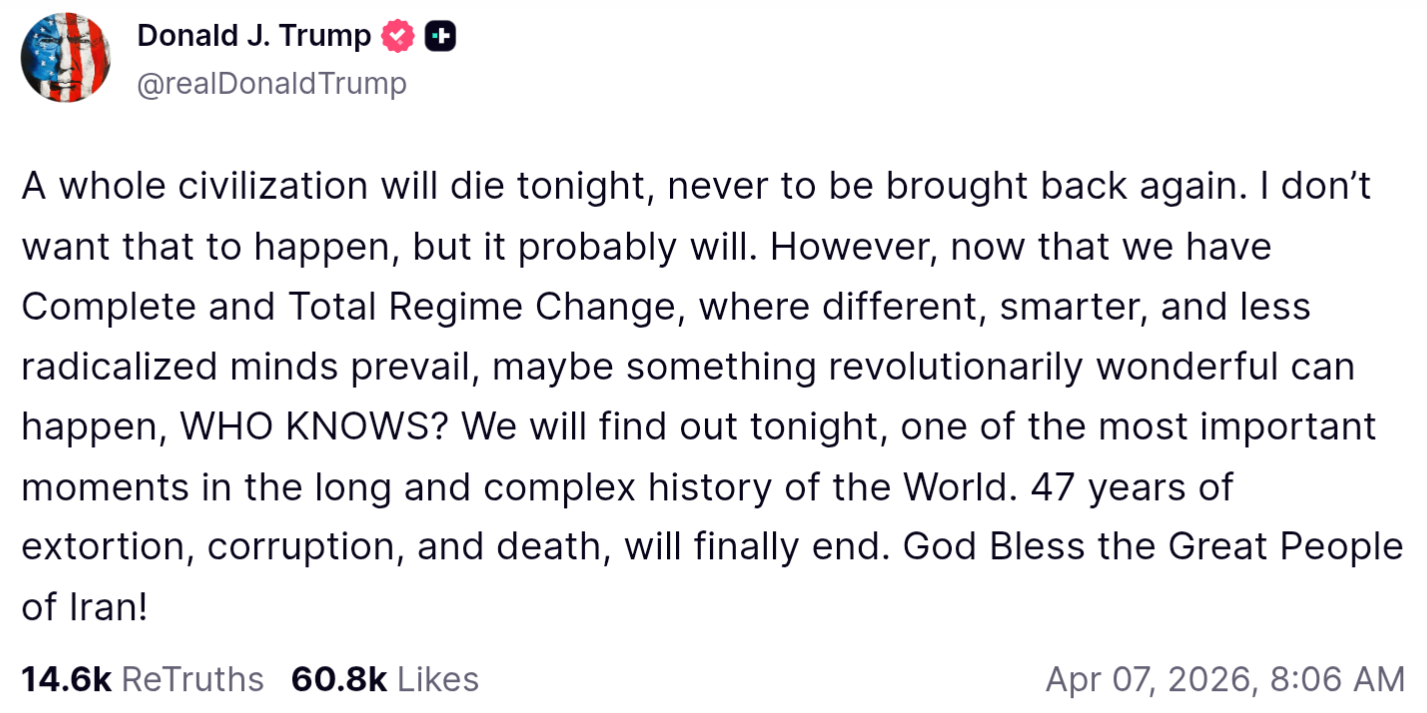
    The U.S. military struck multiple targets in Iran as the conflict reached its 10th day, according to reports from Reuters, AP and CNN. AP reported that President Donald Trump said more attacks are coming, while CNN reported that he warned the U.S. could resume attacks.

    That leaves the central issue less about whether Washington is willing to use force and more about where the limits of the operation are. Public reporting cited here has not established a complete target list, a damage assessment, casualties or a clear end point for the campaign.

    The boundary of the campaign is still undefined

    A 10th day of U.S. strikes gives the operation a different character than a single retaliatory action. It suggests a continuing pressure campaign, even though key facts about its scope remain incomplete.

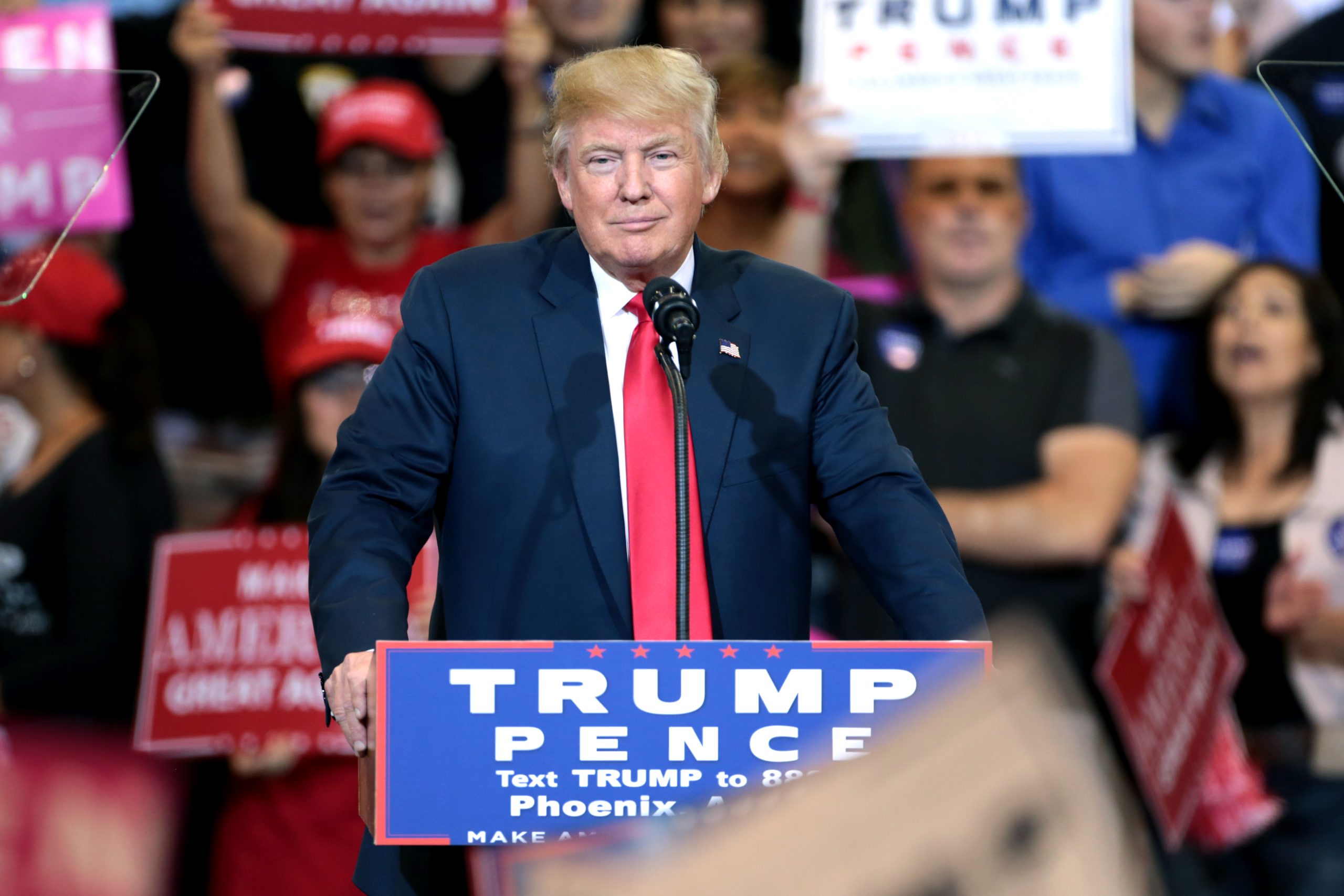
    Donald Trump
    Image: Gage Skidmore, via Flickr, CC BY-SA 2.0.

    U.S. Central Command described the strikes as a response to Iran’s “unwarranted and continued aggression,” according to AP. That stated rationale explains how the military is framing the action, but it does not answer how long the strikes could continue or what would stop them.

    The uncertainty matters because each additional round can change the political and military calculation for Washington, Tehran and governments across the region. At this stage, that is an analysis of the reported developments rather than a confirmed statement of intent from either side.

    What the latest reports confirm

    Reuters reported that U.S. forces began launching additional strikes against multiple targets in Iran at 5:15 p.m. EDT. CNN also reported that the U.S. military said it had launched strikes “against multiple targets in Iran.”

    AP reported that U.S. Central Command said the military was striking “multiple targets in Iran” in response to Iran’s “unwarranted and continued aggression.”

    The available reporting does not identify every site hit in the latest round. It also does not provide a complete damage assessment or confirm whether there were casualties.

    Those limits are important. Without them, it is not possible to determine from the cited reports whether the newest strikes are narrowly confined, expanding in scope or intended mainly as leverage for another outcome.

    Trump and Hegseth signal more pressure

    Trump has not publicly presented the latest strikes as the final step. AP reported that he said more attacks are coming, while CNN reported that he warned the U.S. could resume attacks.

    AP also reported that Defense Secretary Pete Hegseth said the military would strike Iran “hard” Wednesday night.

    At the same time, AP reported that Trump would not say whether he planned to follow through on earlier threats to attack bridges and utility plants in Iran. That leaves a major question about whether the target set will remain limited to military-linked objectives or widen toward infrastructure.

    Trump has urged Iran to sign a deal with the U.S., according to AP. Based on the reporting provided here, the administration is applying military pressure while also pointing toward a political outcome, but the terms Washington wants have not been established.

    Tehran’s regional response adds another front

    AP reported that Tehran fired back at countries in the region. That reported response broadens the lens beyond a direct U.S.-Iran exchange.

    As analysis, the regional element is one reason the conflict is being watched for possible spillover. The available reporting does not show that either Washington or Tehran has declared an intention to turn the confrontation into a wider war.

    AP also reported that the U.S. military fired on a tanker trying to transport oil from Iran in violation of what AP described as a U.S. blockade on Iranian ports. According to AP, it was the eighth merchant vessel disabled in waters off Iran.

    That maritime detail is separate from the land strikes, but it is part of the same pressure environment. It ties the conflict to shipping, Iranian oil movement and the decisions of other countries connected to the region.

    The unanswered questions now matter most

    The public record cited here still leaves basic questions unresolved:

    • Which specific sites in Iran were hit in the latest round?
    • How much damage did the strikes cause?
    • Were there casualties, including civilians?
    • How will Iran respond after the 10th day of strikes?
    • Will the U.S. expand the target list to bridges, utility plants or other infrastructure?

    The answers will determine whether the campaign is judged as a contained military action, a negotiating tactic, an effort to degrade specific capabilities or the start of a broader confrontation.

    For now, the clearest verified marker is duration: the conflict has reached a 10th day of U.S. strikes, and Trump has left open the prospect of more. What remains unclear is the limit Washington has set for itself and what Tehran’s next move will be.

  • Iran-Oman Hormuz Plan Could Reopen Shipping on Terms Trump Doesn’t Set

    Iran-Oman Hormuz Plan Could Reopen Shipping on Terms Trump Doesn’t Set

    The reported plan could get tankers and cargo ships moving again, but the unresolved issue is who, if anyone, would approve traffic through the strait.

    Reporting on a possible Strait of Hormuz reopening points to an Iran-Oman arrangement that could restart shipping without putting Donald Trump at the center of the terms. Iranian and American officials cited by The New York Times say Iran and Oman are closing in on an agreement, but accounts differ on whether the plan would create Iranian approval power, fees or only temporary routes.

    That distinction matters for commercial shipping, energy markets and Washington’s role in one of the world’s most sensitive waterways.

    What the reported plan would change

    The Strait of Hormuz is the narrow maritime gateway between the Persian Gulf and the Gulf of Oman, a corridor used by cargo ships and oil tankers. According to officials cited by the Times, the emerging Iran-Oman accord is intended to reopen shipping traffic after a closure that has become a political and economic problem.

    Donald Trump official portrait (cropped)
    Image: Shealeah Craighead, via Wikimedia Commons, Public domain.

    Officials familiar with the proposal told the Times that vessels entering the Persian Gulf would transit a channel near Iran that they described as controlled by Iran. Ships leaving the Gulf would use a channel closer to Oman.

    Because those operational details are still disputed, the route split should not be read as a settled final map. It is the reported structure around which the diplomatic argument is forming.

    If adopted as described by those officials, the plan could restore movement while appearing to give Tehran a larger practical role over inbound Gulf traffic than Washington would prefer.

    The fee and permission dispute is central

    Iranian officials have described a proposed “service fee” tied to environmental costs, ship and cargo security, staffing and related operations, according to the Times. Two Iranian officials said revenue from that fee would be divided equally between Iran and Oman.

    Those Iranian officials said there would be no tolls. A U.S. official familiar with the negotiations disputed the Iranian account, telling the Times it was “not accurate” and saying any temporary routes through the strait would not require Iranian approvals or permissions and would involve no tolls.

    That disagreement is more than a semantic fight. If ships must pay recurring charges or seek permission from Iran, governments and companies could view the reopening as a shift in practical authority over the waterway.

    If the U.S. account is correct, the arrangement would look more like a temporary operational workaround meant to restart traffic without conceding control.

    Commercial ships may not settle the naval issue

    Reuters reported in May that Iranian state television had described a draft framework that would reopen Hormuz shipping, exclude military vessels and envision Iran managing ship traffic through the strait in cooperation with others.

    That earlier report matters because it separates two questions that are often treated as one: whether commercial vessels can move and whether military vessels would have the same access.

    A framework that allows tankers and cargo ships through while leaving naval passage contested could ease pressure on trade without ending the broader standoff.

    For Washington, any arrangement perceived as limiting U.S. naval freedom in the Gulf would remain a major concern. For Tehran, a commercial reopening with separate limits on military access could preserve leverage while allowing trade to resume.

    Trump’s role depends on the terms

    The reporting describes Trump as outside the core Iran-Oman arrangement, even though a reopening could still help him politically. The Times reported that, for Trump, a deal could address his most urgent political problem by allowing ships to flow again.

    The trade-off is that the reported path to reopening is being shaped by Tehran and Muscat, not primarily by Washington. That is why the question is not simply whether ships move again, but on whose terms they move.

    The United States also has a separate sanctions lever. The Times reported that some officials said Washington could ease market pressure further by issuing exemptions that allow Iran to legally sell and deliver oil.

    Using that tool would be a political choice, not a shipping procedure. Refusing to use it could keep pressure on markets; using it could be portrayed as a concession.

    The reported deal still has major conditions

    The arrangement is not guaranteed to take effect. Iranian officials have said the strait would remain closed despite any agreement unless the United States lifts its naval blockade against Iranian ports in the Persian Gulf and both sides return to a 14-point plan laid out in the Islamabad memorandum of understanding.

    Those conditions make the talks larger than lane assignments. The visible issue is the movement of ships, but the underlying disputes include blockades, sanctions, recognition of authority and the wider U.S.-Iran confrontation.

    Without a final public text, it remains unclear whether the Iran-Oman arrangement would create new legal rights, a temporary operating plan or enough ambiguity for each side to describe the same deal differently.

    For now, the reported plan offers a possible path to reopen the Strait of Hormuz. The unresolved cost is whether that path leaves Trump accepting traffic flow under terms more closely associated with Iran and Oman.

  • States Demand Proof Behind Trump’s 250,000 Noncitizen Voter-Roll Claim

    States Demand Proof Behind Trump’s 250,000 Noncitizen Voter-Roll Claim

    The dispute is not over whether noncitizens may vote in federal elections. It is over whether sweeping claims about voter rolls prove a widespread problem before Election Day.

    Trump warned that noncitizen voting threatens democracy, but state election officials are demanding proof before acting on claims that non-U.S. citizens are on voter rolls or casting ballots. Reuters and NPR reported that the evidence is disputed, including a Department of Homeland Security statement on July 17 that it had found more than 250,000 non-U.S. citizens on voter rolls in California, Nevada, New Jersey and Pennsylvania.

    That is why the voter-roll fight matters now. Election Day is less than 100 days away, and an election-integrity claim with a large number attached can shape public trust even before anyone proves whether the number reflects ineligible registrations, data errors or actual illegal votes.

    The fight begins with proof

    Trump has cast alleged noncitizen voting as a major election issue, portraying it as a threat to democratic self-government. The political argument is easy to grasp: if people who are not eligible vote, lawful voters can lose confidence in the result.

    Homeland Security Vehicle
    Image: Mojnsen, via Wikimedia Commons, CC BY-SA 4.0.

    But the current dispute turns on evidence, not the basic law. Noncitizens are barred from voting in federal elections. The harder question is whether the latest federal claims show a widespread problem or whether they point to preliminary database matches that require state-by-state verification.

    According to NPR, officials in the four states named by Homeland Security dispute the tally and are still trying to determine how the agency reached its number. At least three top election officials wrote back to the agency asking for details about the analysis.

    Reuters, in a July 19 investigation, reported that Trump claims voting by noncitizens is rampant in America, but that the numbers tell a different story. That reporting is central to the controversy: the warning is sweeping, while the documented proof remains contested.

    Rolls are not the same as votes

    A major source of confusion is the difference between a voter registration list and a cast ballot. A voter roll can include stale records, duplicate entries, outdated addresses or incomplete information. None of that automatically proves that an ineligible person voted.

    Election administrators typically treat list maintenance and illegal voting as connected but separate tasks. They need accurate rolls, but they also need evidence before concluding that a person registered improperly or cast a ballot unlawfully.

    That distinction matters because the 250,000 figure is being discussed in the shadow of an approaching election. A large number can sound like proof of a broad voting scandal. State officials say they cannot evaluate that claim without knowing which records were matched and why those records were flagged.

    The “bombshell voting scandal” framing centers on allegations that non-U.S. citizens are improperly listed or voting. Yet the available reporting from NPR and Reuters shows a second reality: the evidence behind the claims is under challenge, and the methodology has not been publicly resolved.

    Nevada wants the names

    Nevada Secretary of State Cisco Aguilar, a Democrat, told NPR that DHS had not provided him with the names of the Nevada registered voters the agency says may be noncitizens. Without those names, the state cannot check the claim against its own records.

    That is the practical problem facing election offices. A broad federal allegation may make headlines, but local and state officials need specific records to determine whether a voter is eligible, whether a record is outdated or whether the match is simply wrong.

    The dispute also reaches into how sensitive information may have been obtained or compared. NPR reported that DHS letters described matches involving names, dates of birth, addresses and Social Security numbers, even though public voter rolls do not include Social Security numbers.

    That detail has fueled a separate controversy. The Department of Justice had previously sued California, Nevada, New Jersey, Pennsylvania and more than two dozen other states seeking voter-roll versions with partial Social Security and driver’s license data. NPR reported that the Nevada case is still pending, while federal judges have dismissed suits in California, New Jersey, Pennsylvania and 15 other states.

    Why big matches can shrink

    Large database matches can appear conclusive, especially when they produce a six-figure total. Election experts cited by NPR warned that these reviews often start with big preliminary numbers that shrink once officials examine individual records.

    One reason is that government databases do not always update at the same speed. A person who appeared in one system as a noncitizen may later have become a U.S. citizen. If the matching process does not account for that, an eligible voter can be wrongly flagged.

    Other problems can come from old records, incomplete entries, shared names or matches that lack a unique identifier. That is why state officials are asking not just for the list of names, but also for the method used to generate the list.

    David Becker, executive director of the Center for Election Innovation & Research, told NPR that numbers should be treated skeptically if they are not accompanied by clear and transparent methodology. The concern is not abstract: sloppy matching can put eligible voters under suspicion.

    The law is clear, the scale is not

    Both sides of the argument start from a point most election officials would accept: voter eligibility rules need to be enforced. Noncitizens cannot vote in federal elections, and states have a responsibility to maintain accurate rolls.

    Trump’s supporters argue that even a small number of unlawful ballots can matter, especially in close contests. From that view, federal and state agencies should move aggressively before ballots are cast, not after disputes erupt.

    Critics answer that exaggerated or unverified claims can also damage election integrity. If numbers are inflated, they can undermine public confidence, encourage challenges to eligible voters or create pressure for rushed purges.

    NPR reported that repeated reviews in recent years have found actual voting by noncitizens to be extremely rare. That does not mean election rolls should be ignored. It does mean that claims about a widespread crisis require evidence strong enough to withstand scrutiny.

    The next pressure point

    NPR reported that Homeland Security officials asked the four states to respond to the allegations by Thursday and said more reviews would come in the weeks ahead. That timetable lands during a period when election offices are preparing for voting, counting and certification.

    The most delicate scenario is not just what happens now, but what happens if similar claims surface close to Election Day or during vote counting. A state can investigate a claim more carefully when it has time. A late allegation in a close race could be far more disruptive.

    NPR quoted one state election official, speaking anonymously, who feared that unverified analyses could be used as a pretext for subpoenas or law-enforcement action during vote counting in close races. That fear is not evidence such action will occur, but it explains why officials are emphasizing transparency before the dispute escalates.

    The path to resolving the fight is straightforward in principle: provide the underlying data, explain the matching process and let states verify each case under existing election law. Until that happens, Trump’s noncitizen voting warning remains tied to a larger unresolved question — whether the numbers behind it prove a real election threat or a disputed data exercise.

  • Trump’s DOJ Pick Todd Blanche Loses Collins, Needs One GOP Vote

    Trump’s DOJ Pick Todd Blanche Loses Collins, Needs One GOP Vote

    The Maine Republican’s break with Trump turns an already sensitive Justice Department nomination into a test of party loyalty, DOJ independence and abortion policy.

    Sen. Susan Collins will oppose Todd Blanche’s confirmation to lead the Justice Department, saying Tuesday she cannot back Donald Trump’s nominee for attorney general. Todd Blanche needs one more Republican vote, making Collins’s decision an immediate threat to his path through the Senate confirmation fight.

    The Maine Republican’s no vote does more than narrow the math. It puts Senate Republicans on the spot over whether loyalty to Trump should outweigh concerns about the Justice Department’s independence, abortion medication enforcement and Blanche’s record.

    One vote now looms large

    Collins’s announcement changes the nomination from a difficult confirmation fight into a much tighter test of Republican unity. According to Politico, two other Republicans — Bill Cassidy of Louisiana and Lisa Murkowski of Alaska — are still known to be undecided.

    Susan Collins official Senate photo
    Image: United States Congress, via Wikimedia Commons, Public domain.

    Politico reported that Blanche needs one of their votes to be confirmed. That makes Collins’s opposition more than a symbolic protest from a moderate Republican. It means the next public move by Cassidy or Murkowski could determine whether Blanche survives.

    For Trump’s allies, the problem is not only the raw vote count. It is the possibility that Collins has made it easier for another Republican to say no, especially if that senator was already uncomfortable with the nomination but reluctant to be first.

    For Blanche, the room for error has nearly disappeared. A nominee with a comfortable majority can absorb doubts, criticism or unresolved questions. A nominee depending on one more GOP vote cannot assume those concerns will stay private.

    Why Collins is opposing Blanche

    Collins’s stated reason centers on the Justice Department itself. According to Politico, she said in a statement that she would oppose Blanche because of “several actions that have further eroded the Department’s independence.”

    That is a serious charge in the context of an attorney general nomination. The Justice Department sits inside the executive branch, but its public legitimacy depends on the belief that law enforcement decisions are not simply made to reward allies or punish opponents.

    Collins specifically cited Blanche’s role in a controversial IRS settlement involving Trump, Politico reported. She also objected to Blanche having promised an anti-abortion organization that he would seek to prohibit the mailing of abortion medication to women nationwide.

    Those objections give her opposition two tracks: concern about institutional independence and concern about how federal power might be used on abortion medication. That makes her no vote harder to dismiss as ordinary partisan positioning, because Collins is a Republican opposing a Republican president’s pick.

    The DOJ job raises the stakes

    The attorney general is not just another Cabinet secretary. The person leading the Justice Department is expected to pursue an administration’s broad law enforcement priorities while preserving the department’s credibility and its ability to act apart from direct political pressure.

    Every president wants an attorney general who understands the administration’s agenda. The harder question is whether that person would resist if politics, personal loyalty or pressure from the White House conflicted with the law, the facts or department norms.

    That is the terrain Collins is emphasizing. Her statement suggests she sees Blanche’s past actions as raising questions about whether he would protect the Justice Department’s independence while serving under Trump.

    Blanche’s supporters are likely to see the issue differently. They can argue that a president is entitled to choose a nominee aligned with his policy goals, and that agreement with Trump’s agenda does not automatically amount to politicizing federal law enforcement.

    Abortion medication sharpens the divide

    The abortion medication issue gives the nomination fight a second flashpoint. Politico reported that Collins objected to Blanche having promised an anti-abortion organization that he would seek to prohibit the mailing of abortion medication to women nationwide.

    That matters because a nationwide mail prohibition would not be limited to states with tighter abortion restrictions. It would reach places where abortion remains legal, turning the issue into a federal enforcement question with national effects.

    For abortion opponents, using federal authority to restrict mailed abortion medication may be viewed as a valid enforcement priority. For abortion-rights supporters, and for those worried about the Justice Department’s independence, the concern is that prosecutorial power could become a tool for sweeping policy change.

    Collins has often held a more moderate position on abortion than many Republicans. By naming abortion medication as one of her concerns, she is signaling that Blanche’s nomination is exposed not only on questions of independence but also on how aggressive a Trump Justice Department might be in abortion-related enforcement.

    Collins’s own politics matter

    Collins’s decision also lands inside her own political reality. Politico noted that she is facing a difficult race for reelection. That does not mean her concerns are insincere, but it does make the calculation impossible to separate from the broader politics.

    In Maine, Collins has long presented herself as a Republican willing to break with national party leaders. Opposing Trump’s choice for attorney general fits that identity, especially when she grounds the decision in Justice Department independence rather than in a personal dispute with the president.

    There is risk on the other side, too. Trump remains a dominant figure in the Republican Party, and voting against one of his nominees can anger loyal voters and activists. Collins is making the bet that appearing too deferential on DOJ independence would carry its own political cost.

    Her no vote also gives other Senate Republicans a public example if they are weighing similar concerns. That does not mean they will follow her. But it changes the pressure around the decision.

    What happens next

    The immediate question is whether Cassidy or Murkowski backs Blanche, joins Collins in opposition or keeps the nomination in limbo. Their decisions will determine whether Collins’s move is an isolated break or the start of a broader Republican problem for Trump’s nominee.

    It is not yet clear whether Blanche or the White House can reassure wavering senators. They may try to emphasize his qualifications, argue that Collins’s concerns are overstated or offer commitments about how he would run the Justice Department.

    But the core issue is trust. Senators are being asked to decide whether Blanche would lead the department in a way that preserves its credibility while serving a president who has repeatedly made DOJ a political flashpoint.

    For now, Collins has reshaped the confirmation fight. Blanche’s nomination remains alive, but it now depends on whether at least one more Republican is willing to give Trump’s Justice Department pick the vote he needs.

  • Grassley Faces Scrutiny After Blanche Says 1% of Epstein Redactions Were Fixed

    Grassley Faces Scrutiny After Blanche Says 1% of Epstein Redactions Were Fixed

    The dispute over Todd Blanche’s Senate testimony turns on a narrow but sensitive point: whether admissions about Epstein-file redaction errors were overshadowed by Republicans’ broader transparency message.

    A Justice Department review of more than six million Epstein-related pages produced a statistic now driving criticism of Sen. Chuck Grassley: Todd Blanche said about 1% of redactions had to be corrected after release.

    According to the Senate Judiciary transcript as described in the source material, Blanche told senators that the department reviewed the files under the Epstein Transparency Act, made unredacted versions available to members of Congress and corrected mistakes after they were identified. Critics of Grassley say the Iowa Republican, who chairs the Senate Judiciary Committee, treated those admissions as less central than Blanche’s broader claims of transparency.

    The number at the center of the criticism

    Blanche, described by the committee as the Department of Justice acting attorney general and attorney general nominee, characterized the Epstein document review as a “Herculean task.” He said DOJ reviewed more than six million potentially responsive pages quickly because the law required it.

    Hector Gonzalez Judiciary Committee (cropped)
    Image: United States Judiciary Committee, via Wikimedia Commons, Public domain.

    He also acknowledged that approximately 1% of redactions had to be fixed after the files were released. According to the testimony described in the source material, those errors included instances in which a victim’s name had not been properly redacted.

    Blanche said DOJ removed documents and corrected them once the problems were identified. For critics, that acknowledgment is the key fact: even a small share of mistakes carries unusual weight when the material involves Epstein victims and privacy protections.

    Grassley’s public emphasis leaned elsewhere

    Grassley did ask Blanche about Epstein-related issues. According to the Senate Judiciary transcript, he raised concerns about problematic redactions, insufficient follow-up on investigative leads, refusal to meet with victims and questions surrounding Ghislaine Maxwell’s transfer to a lower-security prison.

    The backlash, as reported in the referenced source brief, is not that Epstein was absent from the hearing. It is that critics say Grassley’s framing highlighted the parts of Blanche’s answers that supported a Republican argument about Justice Department transparency while leaving the redaction admissions less prominent.

    Grassley’s committee release presented the hearing as a broader accountability session. It said he questioned Blanche about alleged misconduct tied to Special Counsel Jack Smith, antitrust enforcement, the Epstein Transparency Act and mail-order abortion-drug regulations.

    Blanche paired the errors with a defense of DOJ’s process

    Blanche did not describe the Epstein release as a collapse or a cover-up. He said qualified attorneys from DOJ and the FBI worked on the review, that lawyers were available around the clock and that the department tried to fix problems after learning about them.

    He also said unredacted versions of the entire database were provided to members of Congress. That gave Grassley and other Republicans a point to stress: public documents may be redacted to protect privacy, but lawmakers were given broader access.

    Blanche’s answer on future leads also became part of the competing readout. He said DOJ had spoken with more than 30 representatives of “dozens and dozens” of victims and encouraged victims or their lawyers to meet with the FBI.

    He added that there are “no closed investigations” if new information emerges that could support an investigation, indictment or prosecution. Republicans could cite that as a commitment to continued accountability; critics could still point to the acknowledged redaction failures and unresolved victim concerns.

    Jack Smith and other issues widened the split

    The hearing did not stay focused only on Epstein. Grassley also questioned Blanche about allegations involving Jack Smith’s office and Trump-related investigations.

    Grassley asked about congressional information and other sensitive material that he said Smith’s team possessed and reviewed when it should not have. Blanche answered that transparency was the best response, including providing records to Congress and acknowledging when the department had done something it should not have done.

    Grassley also pointed to messages he said appeared to involve the Trump classified documents case and a classified facility that had allegedly been left open, potentially causing a security violation. Blanche, who previously served as defense counsel to Donald Trump, said he was not advised of those issues at the time and was not aware of an investigation into the alleged conduct.

    That portion of the hearing helped pull the Republican emphasis toward claims about past Justice Department misconduct and “lawfare,” while critics kept attention on the Epstein redaction and victim-protection questions.

    Victim outreach remains an unresolved pressure point

    Blanche said DOJ had spoken with victim representatives and invited more contact with the FBI. That does not resolve whether every victim concern was addressed or whether every potential lead was pursued to the satisfaction of those involved.

    The Senate Judiciary material also does not settle the questions Grassley raised about Maxwell’s prison transfer or claims that DOJ refused to meet with victims. Blanche’s testimony offered a response on outreach, but it left room for disagreement over timing, access and substance.

    That uncertainty is why the same hearing produced such different takeaways. One side can point to six million reviewed pages, congressional access and Blanche’s statement that new leads are not closed off. The other can point to corrected redactions, victim privacy concerns and questions about follow-up.

    The criticism of Grassley rests on that contrast. Critics say the redaction errors deserved more weight in his public presentation. Grassley’s side had Blanche’s transparency claims to cite. The hearing left both arguments in the record.

  • Trump’s Workforce Order Hits Red States With Federal Job Losses

    Trump’s Workforce Order Hits Red States With Federal Job Losses

    The same policy sold as a crackdown on Washington bureaucracy is landing in communities where federal paychecks support local economies. The hardest question is whether voters see the cuts as reform or as damage close to home.

    Donald Trump signed an executive order to shrink the United States government, and that Trump executive order is now being linked to job losses in red states: the federal workforce is being cut, and Republican-led states are feeling the impact. The fight centers on roughly 2 million federal workers nationwide, Reuters’ report that about 100,000 employees had been fired or taken buyouts, and state-level losses measured in figures such as 8,000 jobs.

    That is why the story is bigger than Washington. Federal jobs are not clustered only around the capital; they help support military towns, rural agency offices, veterans services, prisons, parks, labs and call centers across the country.

    The order behind the cuts

    The policy at the center of the backlash is Trump’s directive to reduce the size of the federal workforce, carried out alongside the Department of Government Efficiency, known as DOGE. Supporters describe it as a long-overdue attempt to cut waste, flatten bureaucracy and force agencies to justify payrolls.

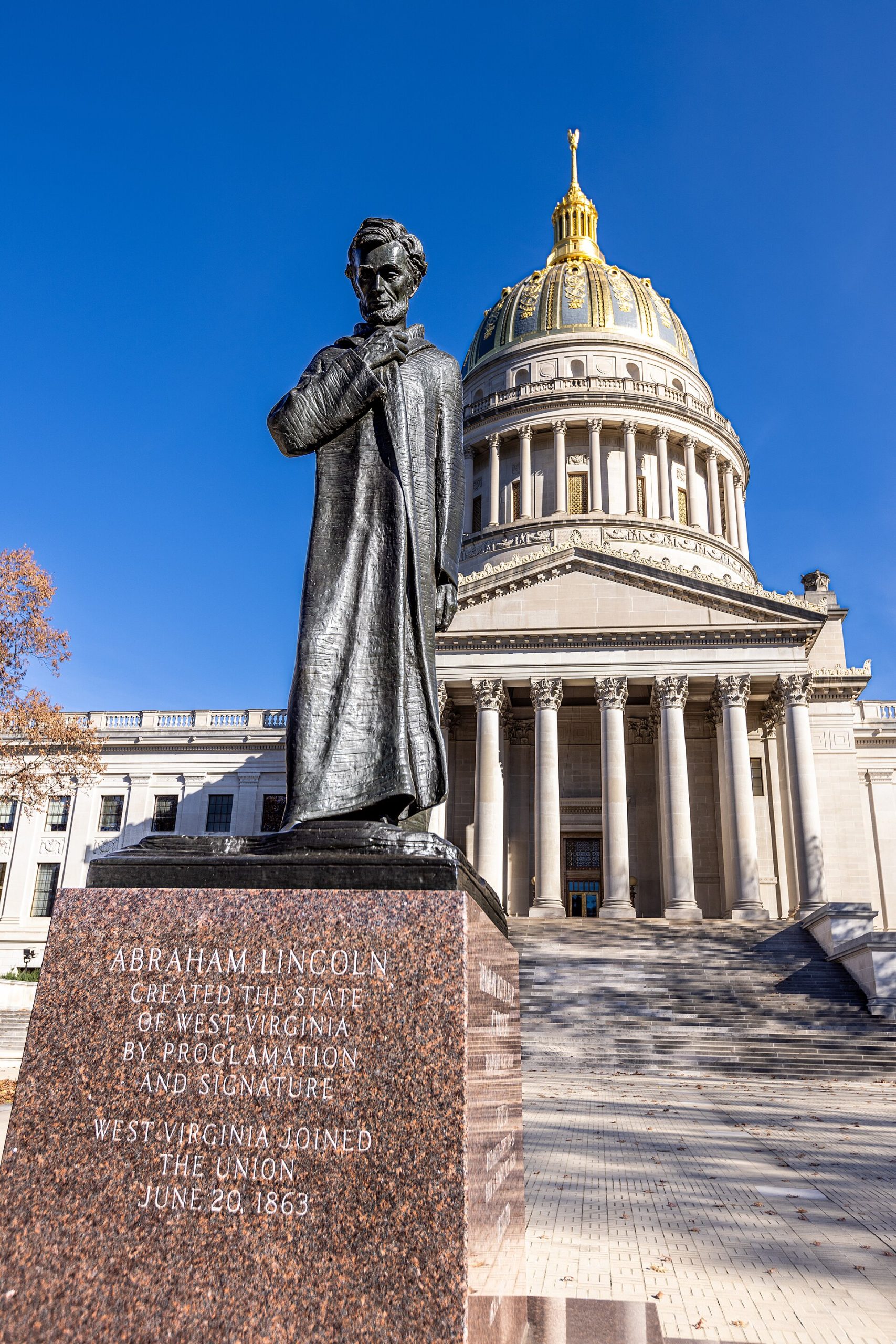
    The West Virginia State Capitol building Abraham Lincoln Walks at Midnight
    Image: Daniel G Rego, via Wikimedia Commons, CC BY-SA 4.0.

    Critics see something different: a blunt downsizing campaign that treats public workers as a budget line before measuring what those workers actually do. The practical effect is already visible in firings, buyouts, hiring limits and agency plans to reduce head count.

    Reuters reported in March that DOGE-related cuts were bringing pain to Trump-friendly communities, including a West Virginia town where federal work had been a key source of stable income. The same Reuters report said that, at that point, about 100,000 workers had been fired or had accepted buyouts.

    That number does not capture the full ripple effect. When a federal job disappears, so can spending at grocery stores, repair shops, child care centers and restaurants. Contractors tied to federal offices may also lose work, even if they never appear in federal employment totals.

    Why red states are exposed

    The political shorthand can be misleading. “Federal workforce” often sounds like Washington, D.C., but the federal government employs people across the United States. Many work far from the capital in places that voted heavily for Trump.

    Republican-led states can be especially exposed because federal facilities are often major employers in smaller labor markets. A military installation, a federal prison, a land-management office or a veterans facility can anchor a local economy in a way that is easy to overlook from a national spreadsheet.

    That is why an 8,000-job figure matters when it shows up at the state or regional level. In a national labor market, 8,000 jobs may look modest. In a smaller state, or in a town built around a few big public employers, it can mean weaker household spending, fewer customers for local businesses and less tax revenue for local governments.

    The political tension is sharp: communities that backed a smaller federal government may still depend on federal paychecks. Voters may support cutting “bureaucracy” in the abstract while objecting when the cut lands at a local office, park, health center or claims-processing unit.

    West Virginia shows the tradeoff

    Reuters’ West Virginia reporting captured the contradiction in human terms. The cuts were not playing out as a remote argument over agency charts; they were affecting people in a Trump-voting area where federal employment helped stabilize the local economy.

    That example matters because it undercuts a common assumption in national politics: that federal cuts mainly punish blue cities or the Washington suburbs. Some of the most vulnerable communities are in the Trump heartland, where public jobs can be among the better-paying and more reliable options available.

    Local pain does not automatically translate into political backlash. Some voters may still support Trump’s broader goal, arguing that short-term disruption is necessary to reduce spending or change how government works.

    But the more specific the cuts become, the harder that argument gets. A voter may favor trimming “waste” and still worry when a spouse loses a job, a neighbor takes a buyout, a veterans office slows down or a federal contractor stops hiring.

    The data is still incomplete

    There is a reason to be careful with sweeping claims. The federal workforce is huge, roughly 2 million civilian employees, and job data can lag behind policy decisions. Buyouts, retirements, firings and transfers may show up differently across reports.

    The Bureau of Labor Statistics tracks government employment, but monthly data can blur the timing and cause of cuts. A job loss in a red state may be tied directly to a federal downsizing order, but it may also reflect agency restructuring, local budget shifts, contract changes or normal churn.

    That does not mean the connection is imaginary. An executive order that directs agencies to shrink payrolls is a direct driver of fewer federal positions. The harder task is assigning exact state-by-state blame in real time.

    Contractors make the picture even murkier. If a private company loses federal work and lays off employees, those workers may be counted in the private sector, not as federal job losses. That can hide the true local impact of government cuts.

    The competing political case

    Trump’s allies argue that the federal government grew too large, too expensive and too insulated from consequences. From that view, job losses are not evidence of failure; they are proof that the administration is doing what it promised.

    There is also a broader conservative argument that government payrolls should not be treated as an economic development program. If an agency is inefficient, supporters say, preserving jobs for local spending alone is not a good enough reason to keep it intact.

    Opponents counter that the cuts are being made faster than agencies, workers and communities can absorb. They argue that a smaller payroll can mean slower services, weaker oversight and economic harm in places that have fewer alternatives.

    Both arguments can be true in part. Government can be inefficient, and cuts can still be reckless. A job can be publicly funded and still essential to the private businesses around it.

    What to watch next

    The key test will be whether the economic pain remains scattered or becomes a pattern in Republican-led states. If federal job losses keep showing up in red-state labor markets, the politics of “cutting Washington” could become much more local.

    Watch for three signals: state unemployment changes in areas with federal facilities, contractor layoffs tied to agency spending, and service delays that make the cuts visible to residents who do not work for the government.

    Also watch how Republican officials respond. Some may defend the cuts publicly while privately pressing agencies to spare facilities in their districts. That is a familiar pattern in federal spending fights: condemn the bureaucracy, protect the local payroll.

    The clean takeaway is this: Trump’s executive order may be aimed at the federal workforce, but its consequences do not stop at federal buildings. In red states, the same cuts sold as anti-Washington reform can land as lost jobs, weaker spending and a harder economic question for the communities that helped put Trump in office.

  • DOJ’s $1.776B Fund Avoids Court Block Because Blanche Says It’s Dead

    DOJ’s $1.776B Fund Avoids Court Block Because Blanche Says It’s Dead

    The Justice Department says the disputed anti-weaponization fund is dead. The fight now is whether a courtroom promise is enough when challengers say the paperwork still leaves the fund alive.

    U.S. District Judge Richard Leon refused to block the Justice Department’s $1.776 billion fund on Wednesday, June 10, 2026, but the Republican-appointed judge warned Todd Blanche not to “play possum” as DOJ argued the program was already dead.

    The federal court fight now turns on whether Blanche’s assurance that DOJ is not moving forward with the fund is enough to defeat lawsuits, even while formal documents remain in place. For the Trump administration, the ruling avoided an immediate temporary restraining order. For DOJ, it also turned Blanche’s words into a credibility test.

    A narrow win, not clearance

    Leon declined to issue the temporary restraining order sought by Citizens for Responsibility and Ethics in Washington, the watchdog group that sued over the fund. According to CBS News, CREW called the fund “brazenly illegal.”

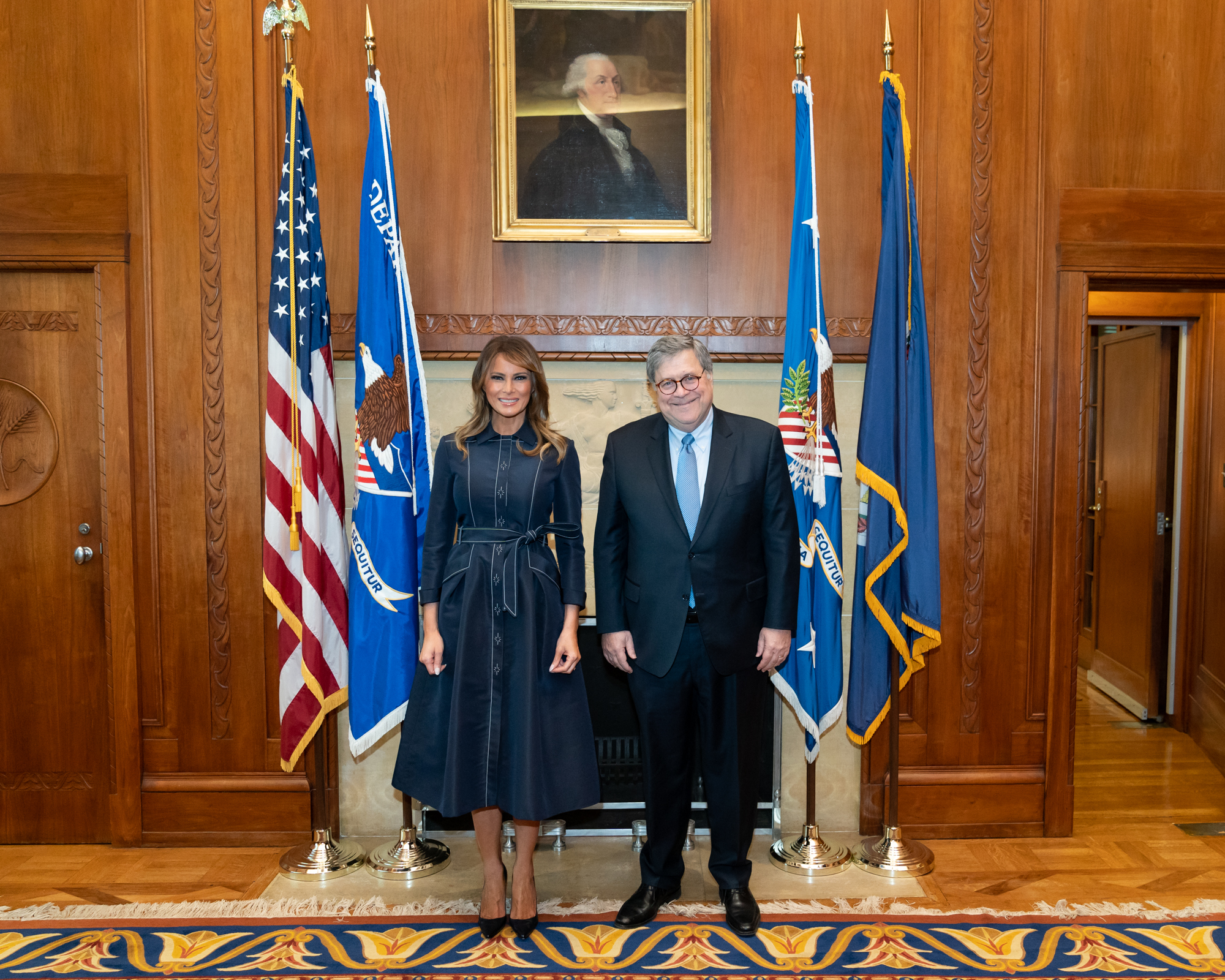
    First Lady Melania Trump at the U.S. Department of Justice National Opioid Summit
    Image: The Trump White House Archived, via Flickr, Public Domain Mark 1.0.

    That denial gave the government relief in the moment. It did not amount to a sweeping endorsement of the fund or a final ruling that the challengers had no case.

    The distinction matters because Leon said he would separately address CREW’s request for a preliminary injunction. In other words, DOJ avoided an immediate block, but the litigation did not disappear.

    The judge accepted, for now, the government’s representation that Acting Attorney General Todd Blanche had already declared the fund dead. Then came the warning: “Don’t play possum with this court.”

    Blanche’s assurance carries the case

    DOJ’s courtroom position rests heavily on Blanche’s statement during congressional testimony that the department is “not moving forward with the fund.” The government used that assurance to argue there was no live controversy for a court to stop.

    In legal terms, DOJ argued that the case was moot, that the challengers lacked standing and that the dispute was not ripe for review. Put plainly: if the department is not using the fund, DOJ says there is nothing for a judge to block.

    That is why Blanche is now central to the case. His statement is not just political messaging; it is doing legal work for the Justice Department.

    Leon’s warning signals that the court is willing to rely on DOJ’s representation only so far. If the department later changes course, revives the fund or keeps it available while insisting it is dead, the judge has already put down a marker.

    The fund’s political origins

    The disputed program has drawn attention because of its size and purpose. CBS described it as a $1.776 billion anti-weaponization fund intended to pay claims to alleged victims of government persecution.

    The fund was unveiled after President Trump’s lawsuit against the IRS over the leak of his tax returns. Critics, including Democrats, described it as a potential “slush fund” for Trump allies.

    CBS reported that the plan drew bipartisan pressure before Blanche said DOJ would not move forward with it. That pressure is part of why the fund’s status matters: the government’s current position is that the most controversial parts of the plan are not happening, but challengers say the legal machinery remains in place.

    The questions around the fund are basic but significant. Who would review claims? What rules would govern payments? Who would receive money? Those questions remain politically charged because the fund was tied from the start to claims of government persecution.

    No board, no claims, no payments

    DOJ attorney Andrew Block told the court that no five-person board had been appointed, no processes had been adopted, no claims had been submitted and no money had been paid out.

    Those facts helped the government argue that the dispute was premature. If a program has no board, no procedures and no payments, DOJ’s argument goes, judicial intervention would be unnecessary at this stage.

    CREW’s side focused on a different point: formal authority. CBS reported that CREW lawyer Nikhel Sus argued the fund’s charter remained “in full force and effect” and that changes had to be made in writing by all parties.

    That is the heart of the fight. DOJ says the fund is effectively over because the department says it is not moving forward. The challengers say a verbal or testimonial assurance is not the same thing as formally rescinding the policy.

    Why judges care about candor

    Leon’s “play possum” line landed in a broader dispute over DOJ’s credibility in politically sensitive cases. The warning was pointed because courts often rely on government lawyers’ representations when deciding whether litigation should continue.

    There is also political pressure around that credibility question. In a July 14 letter to Blanche, House Judiciary Committee Democrats accused DOJ lawyers and the Trump administration of defying court orders and misleading judges “in case after case.”

    That letter came from the Democratic side of the committee, not from a judge. Still, it shows that DOJ’s courtroom conduct has become part of a larger partisan and institutional fight.

    The source record also points to a separate formal judicial warning. In Lnu v. Blanche, a June 3 Ninth Circuit order said the court was issuing a disciplinary order “as a warning to the members of this Court’s bar.” That case was separate from the anti-weaponization fund, but it underscores the same expectation: government lawyers must be precise and candid with courts.

    What remains unsettled

    The immediate question is not whether Leon accepted Blanche’s representation on June 10. For the temporary restraining order, he largely did.

    The harder question is what happens if the fund’s documents remain active while DOJ keeps saying the program is inactive. That is where the case could become more consequential for the department’s broader legal battles.

    DOJ’s strongest position is practical: courts should not block a fund with no board, no rules, no claims and no payments. The challengers’ strongest position is institutional: the government should not be able to avoid review by promising not to use a policy it has not formally revoked.

    Leon’s ruling keeps both arguments alive. The judge did not shut the fund down at that hearing, but he also did not give DOJ a blank check. Blanche’s assurance may have bought the Justice Department time; it also made the department accountable for what happens next.

  • Trump’s Hand Photos Fuel Claims the Medical Record Doesn’t Support

    Trump’s Hand Photos Fuel Claims the Medical Record Doesn’t Support

    The verified record on Donald Trump’s hands is narrower than the viral language around it: bruising, swelling questions, a handshaking explanation and a diagnosed vein condition.

    The most documented facts about Donald Trump’s hands are less dramatic than the phrases spreading online. Viral posts and coverage have described his hands as rotting or swollen, with one description comparing his fingers to “stuffed sausages.” But the public record points to a smaller set of supported claims: visible bruising and redness, questions about swelling, White House explanations involving frequent handshaking and aspirin, and a diagnosis of chronic venous insufficiency after reported leg swelling.

    Photos can prompt legitimate questions about a president’s health. They cannot, by themselves, establish a medical diagnosis.

    The official record is limited

    NBC News reported that the White House attributed a large bruise on the back of Trump’s right hand to shaking hands. The bruise was visible during Trump’s visit with French President Emmanuel Macron at the White House.

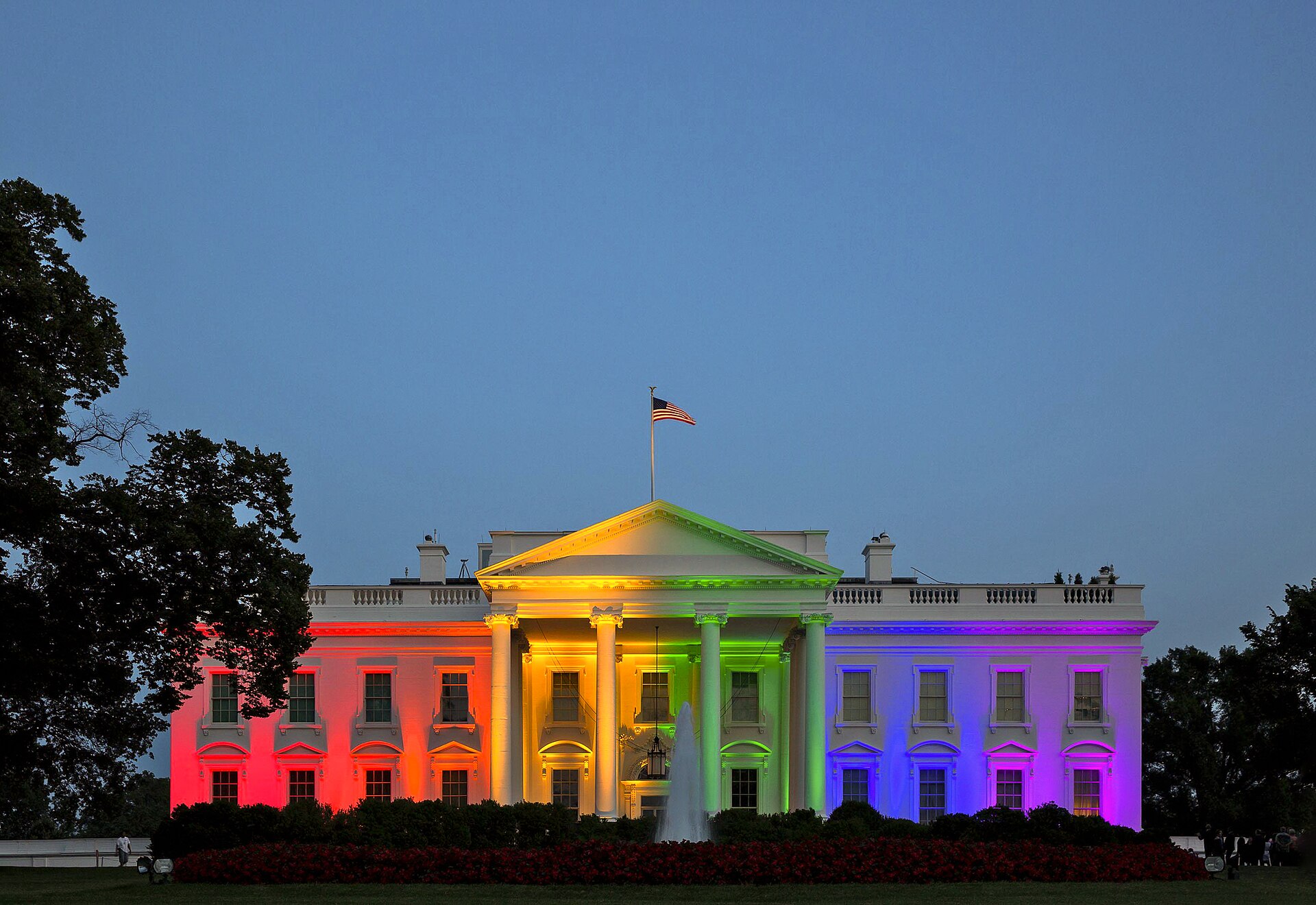
    White House rainbow for SCOTUS ruling on same sex marriage
    Image: White House, via Wikimedia Commons, Public domain.

    White House press secretary Karoline Leavitt said Trump had bruises because he was “constantly working and shaking hands all day every day,” according to NBC.

    Trump has also given a similar explanation. Time magazine quoted him in December 2024 saying, “It’s from shaking hands with thousands of people,” when asked about bruises on his hand.

    That explanation addresses the hand bruising. It does not turn every online description of his hands into a verified medical fact.

    What the medical disclosure said

    The BBC reported that the White House said Trump had been diagnosed with chronic venous insufficiency after recently experiencing swelling in his legs. According to the BBC, Trump underwent a comprehensive exam that included vascular testing.

    The White House account, as reported by the BBC, connected the bruised hand to tissue damage from frequent handshaking while taking aspirin, which Leavitt described as part of a standard cardiovascular prevention regimen.

    The White House physician, Sean Barbabella, said in a note released to reporters that the condition was “benign and common,” especially in people over 70, the BBC reported. The note said there was no evidence of deep vein thrombosis or arterial disease, and no signs of heart failure, renal impairment or systemic illness.

    Barbabella wrote that Trump was in “excellent health.”

    What reporters observed

    NBC reported that visible bruising or redness on Trump’s right hand had appeared on at least two other occasions, based on NBC observations and wire service photos.

    The extracted record also includes prior reports of hand discoloration, including the visible bruise during Trump’s White House meeting with Macron.

    Those observations are relevant because presidential health is a public-interest issue. Voters have reason to care about credible information on stamina, medical condition and transparency.

    But an observation is still not the same as a diagnosis. Saying a hand appears bruised, red or swollen in a photo is different from saying it is “rotting.” The latter is a graphic claim that has not been established by the available reporting.

    What the vein condition means

    The BBC quoted Dr. Meryl Logan, an assistant professor of vascular surgery at the University of Texas at Austin, explaining that chronic venous insufficiency involves veins and valves that do not properly move blood from the legs back toward the heart.

    Blood returning from the legs has to move against gravity. When veins and valves do not work as they should, blood can move backward and pool in the lower limbs, which can cause swelling.

    That context helps explain why leg swelling and hand bruising ended up in the same public conversation. It does not prove the more sensational online claims about Trump’s hands.

    The documented diagnosis concerns a vein condition described by the White House physician as common and benign. The hand explanation offered by officials concerned frequent handshaking and aspirin use.

    Why photos keep driving the story

    Political images travel quickly because they are easy to share and easy to interpret through existing views of a public figure. A close-up of a hand can become a proxy for broader arguments about age, health, trust and disclosure.

    According to the BBC, Trump has regularly touted his good health and once described himself as “the healthiest president that’s ever lived.” That public image invites more scrutiny when photos appear to show bruising, swelling or discoloration.

    Still, photos have limits. Lighting, camera angle, image compression, makeup, age-related skin changes and ordinary bruising can all affect how a hand appears in a particular frame.

    A cropped image can also look more alarming than a wider view. Online circulation can strip away timing and context, making it harder to know whether attention is focused on new imagery or renewed interest in older photos.

    The disclosure gap remains

    The strongest available reporting does not support a literal conclusion that Trump’s hands are “rotting.” It supports a narrower account: visible bruising and redness have been observed, questions about swelling led to a White House medical explanation, and Trump was said by his physician to have chronic venous insufficiency with no evidence of several more serious conditions listed in the note.

    There is still a transparency issue. NBC reported that Trump said in a December interview on Meet the Press that he would release his full medical report, but had not yet done so at the time of NBC’s report.

    A physician’s note and a press secretary’s explanation are official statements. They are not the same thing as a full medical report.

    That is where the verified story rests: not with online certainty, but with a limited public record and continuing questions about how much medical information has been made available.

  • DOJ Drops Olympic Canoeist’s Reflecting Pool Felony, Putting Pirro Under Scrutiny

    DOJ Drops Olympic Canoeist’s Reflecting Pool Felony, Putting Pirro Under Scrutiny

    The collapse of the case has shifted attention from alleged vandalism at a national landmark to the judgment of federal prosecutors and agencies. The dispute now puts Pirro’s office, the Interior Department and the Trump administration’s public claims under pressure.

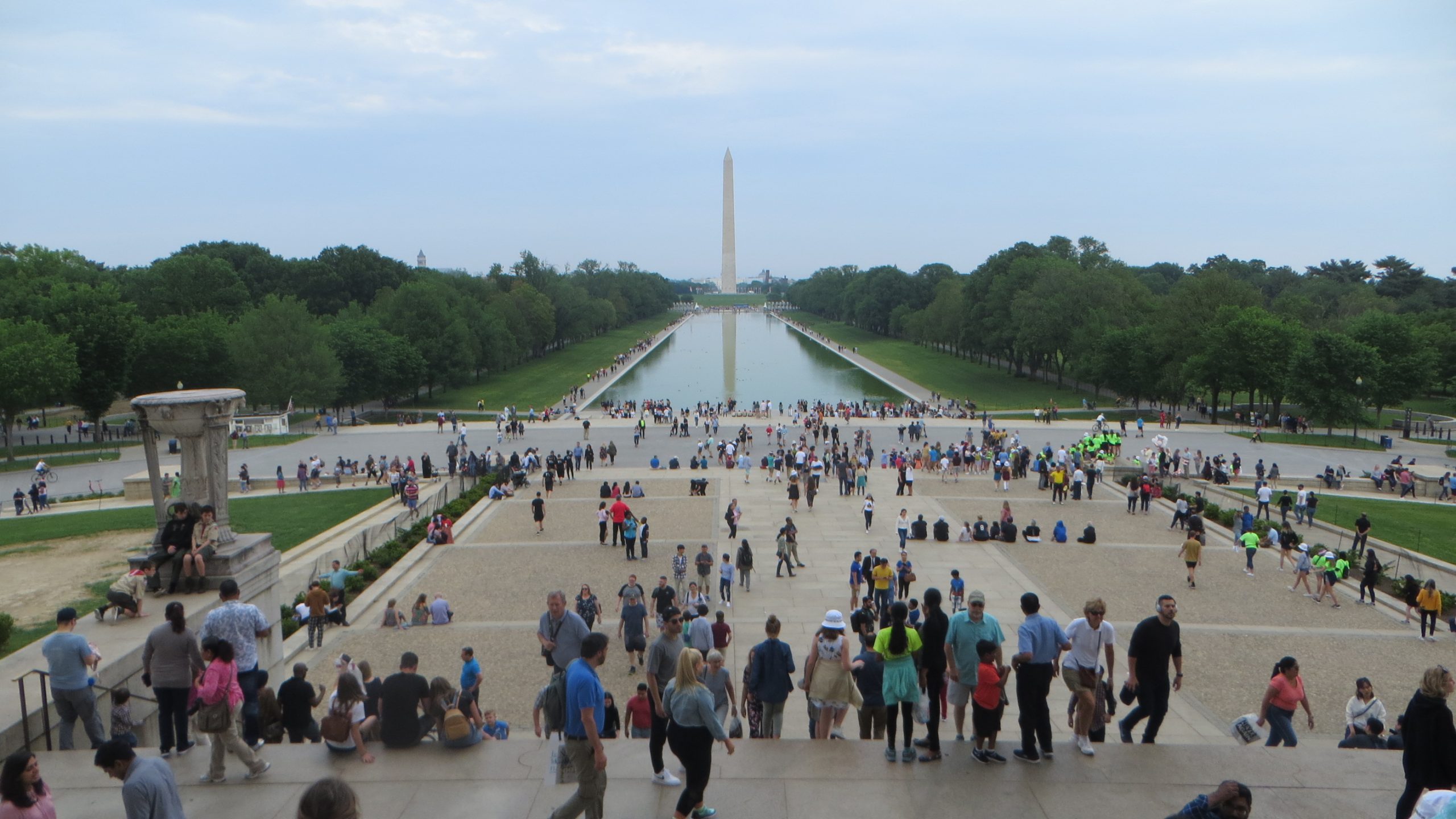
    Ted Lieu is threatening scrutiny of Jeanine Pirro’s office after the Justice Department dropped the Reflecting Pool case against David “Davey” Hearn, a former Olympic canoeist. Prosecutors under the Trump administration said the damage may have been caused by flawed sealant work rather than vandalism at the Lincoln Memorial Reflecting Pool in Washington, D.C.

    The reversal matters because it raises a sharper question than who damaged a landmark: how did a disputed repair problem become a felony prosecution? The botched sealant finding now sinks the Reflecting Pool felony theory and fuels Lieu’s Pirro probe threat over prosecutorial judgment.

    The filing that changed course

    Hearn had been charged in connection with damage to the Reflecting Pool after prosecutors accused him of causing more than $1,000 in damage. That amount mattered because it supported the felony theory described in the case. Hearn pleaded not guilty.

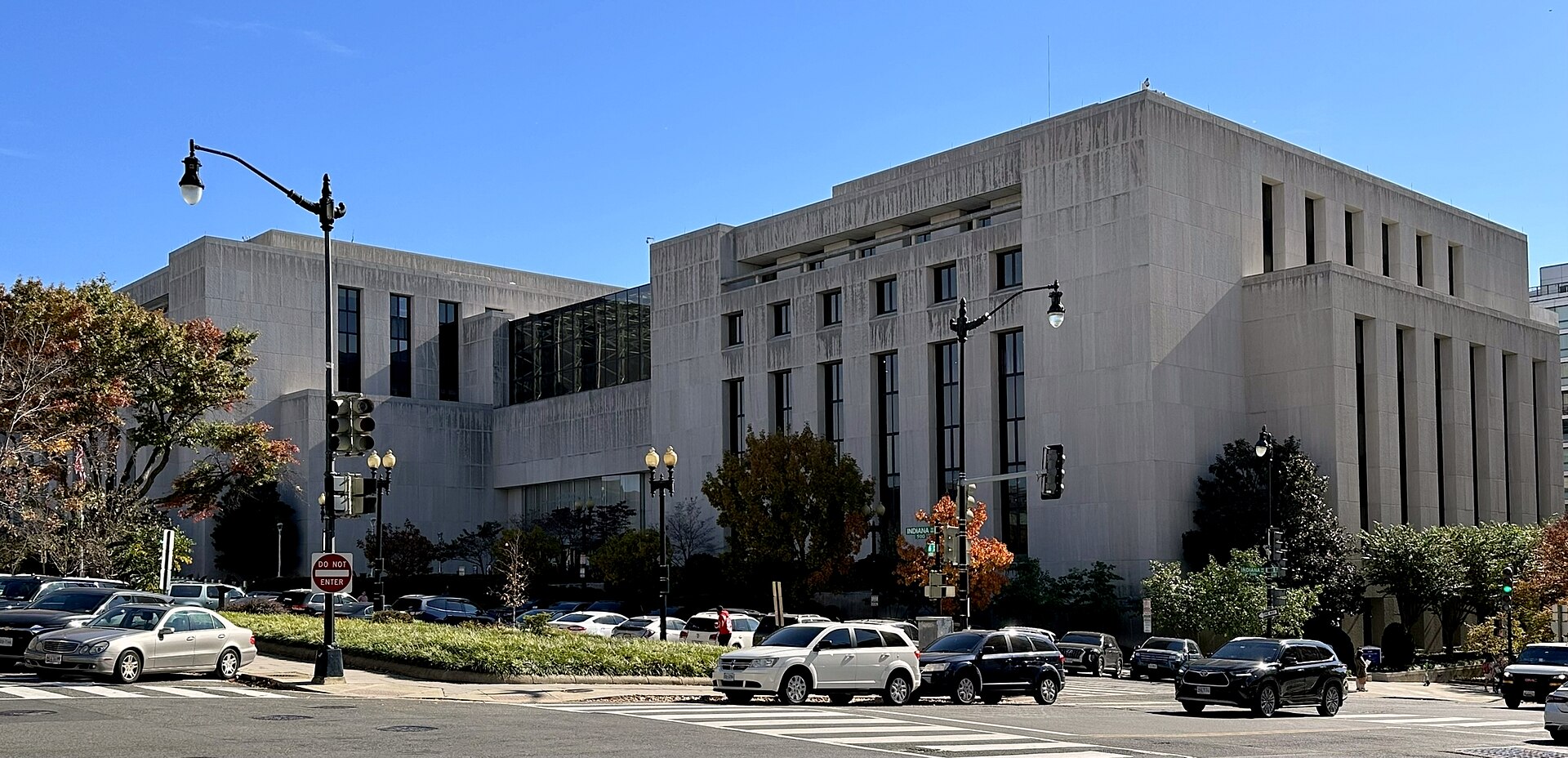
    H. Carl Moultrie Courthouse Washington, D.C
    Image: APK, via Wikimedia Commons, CC BY 4.0.

    In a Friday filing reported by NBC News, a supervisor in the U.S. Attorney’s Office for the District of Columbia said officials had obtained information that undermined the “evidentiary basis for the indictment.” Pirro heads that office.

    The late-breaking issue was not described as a new witness account or dramatic surveillance evidence. Prosecutors said the Interior Department later provided documents indicating that damage to the pool in June 2026 resulted from flawed installation by Atlantic Industrial Coatings, the contractor involved with the sealant work.

    The Justice Department’s filing said the government learned after reviewing additional records that the damage appeared tied to a botched installation, not vandalism. It also said prosecutors would not have sought a grand jury indictment if the Interior Department had been forthcoming with information already in its possession.

    Why Lieu is looking at Pirro

    Lieu’s threatened scrutiny turns a dismissed case into a fight over how federal power was used. The available report described him as threatening an investigation involving Pirro after the Reflecting Pool sealant matter became a felony case and then unraveled.

    What remains less clear is the exact shape of Lieu’s next move. The report did not specify which committee or authority would pursue the matter, what records would be demanded, or whether any formal investigation has begun.

    The pressure point is still obvious. Prosecutors now say the case lacked a reliable evidentiary foundation. That invites questions about why the indictment was sought before the government had, or fully accounted for, Interior Department records pointing away from vandalism.

    There are competing interpretations. Critics such as Lieu can argue the case shows the danger of turning a politically charged claim into a prosecution before the facts are settled. Defenders of Pirro’s office may answer that prosecutors corrected course once they received information that changed the evidentiary picture.

    A repair job became political

    The Reflecting Pool dispute began with a highly visible improvement project. Trump had promoted a plan to coat the bottom of the pool in “American flag blue” ahead of America’s 250th birthday.

    According to NBC’s account, the project ran into problems that included cost increases, coating issues and algae after the pool was refilled. Those practical setbacks later collided with claims that the pool had been deliberately damaged.

    Trump repeatedly alleged that vandals had cut long slits in the pool material. At different times, he described the alleged damage as being caused by a knife, box cutter or razor.

    That public framing pushed the story toward intentional destruction. The Justice Department’s dismissal filing moved in the opposite direction, saying it had become difficult to attribute the widespread damage to vandalism, much less prove that theory beyond a reasonable doubt.

    Trump split with his DOJ

    The political tension sharpened because Trump publicly disagreed with the Justice Department’s decision to drop the case, even though the filing came from prosecutors in his administration.

    In a Truth Social post, Trump said he disagreed “100%” with Pirro on the Reflecting Pool and called it “a pure case of VANDALISM.” He later posted video of the pool and again argued that viewers could see vandalism for themselves.

    That left Pirro’s office under pressure from more than one direction. Trump criticized the decision to abandon the case. Lieu and other skeptics are focused on why the case became a felony prosecution in the first place.

    Pirro’s office did not offer an extended public defense in the reporting cited. A spokesperson said the filing spoke for itself. Her office also moved to dismiss at least one other misdemeanor case connected to the Reflecting Pool.

    Hearn’s defense says overreach

    Hearn’s attorney, Steven Levin, said the case should never have been brought. He called the prosecution an abuse of government power and argued that dismissal did not erase the harm of arresting and charging Hearn.

    Hearn told NBC News that the pool looked the same after he put his hands in the water as it did when he arrived. If the damage was already present, the government’s theory tying him to more than $1,000 in destruction becomes far harder to sustain.

    The case also had procedural friction before it collapsed. NBC reported that a key witness initially could not tell a grand jury that the damage attributed to Hearn crossed the $1,000 threshold.

    A federal prosecutor also accused Hearn’s defense lawyers of violating grand jury secrecy rules. The defense argued that the cited rule applied to government attorneys, not defense counsel.

    The unanswered agency questions

    The dismissal resolves Hearn’s immediate legal exposure in the felony case, but it does not settle the institutional questions now driving the political fight.

    The unresolved issues include when the Interior Department first had documents pointing to flawed installation, why those records were not available to prosecutors before the July 2 indictment, and who decided the evidence supported a felony charge.

    There is also the harder political question of whether public statements from Trump or other officials shaped how the case was framed before prosecutors had a case they could stand behind. The available reporting does not answer that.

    For now, the case has moved from monument maintenance to a test of federal judgment. Prosecutors dropped a case tied to a symbolic national site after saying another federal agency had information pointing away from vandalism. Lieu’s threat means the next fight is likely to focus on how the government got there.