Blog

  • Zohran Mamdani’s Police Reset Runs Into Staten Island Boos

    Zohran Mamdani’s Police Reset Runs Into Staten Island Boos

    The viral clip shows a narrow moment: Mamdani faced loud jeers at a police-community event, while the larger fight over his NYPD record remains unsettled.

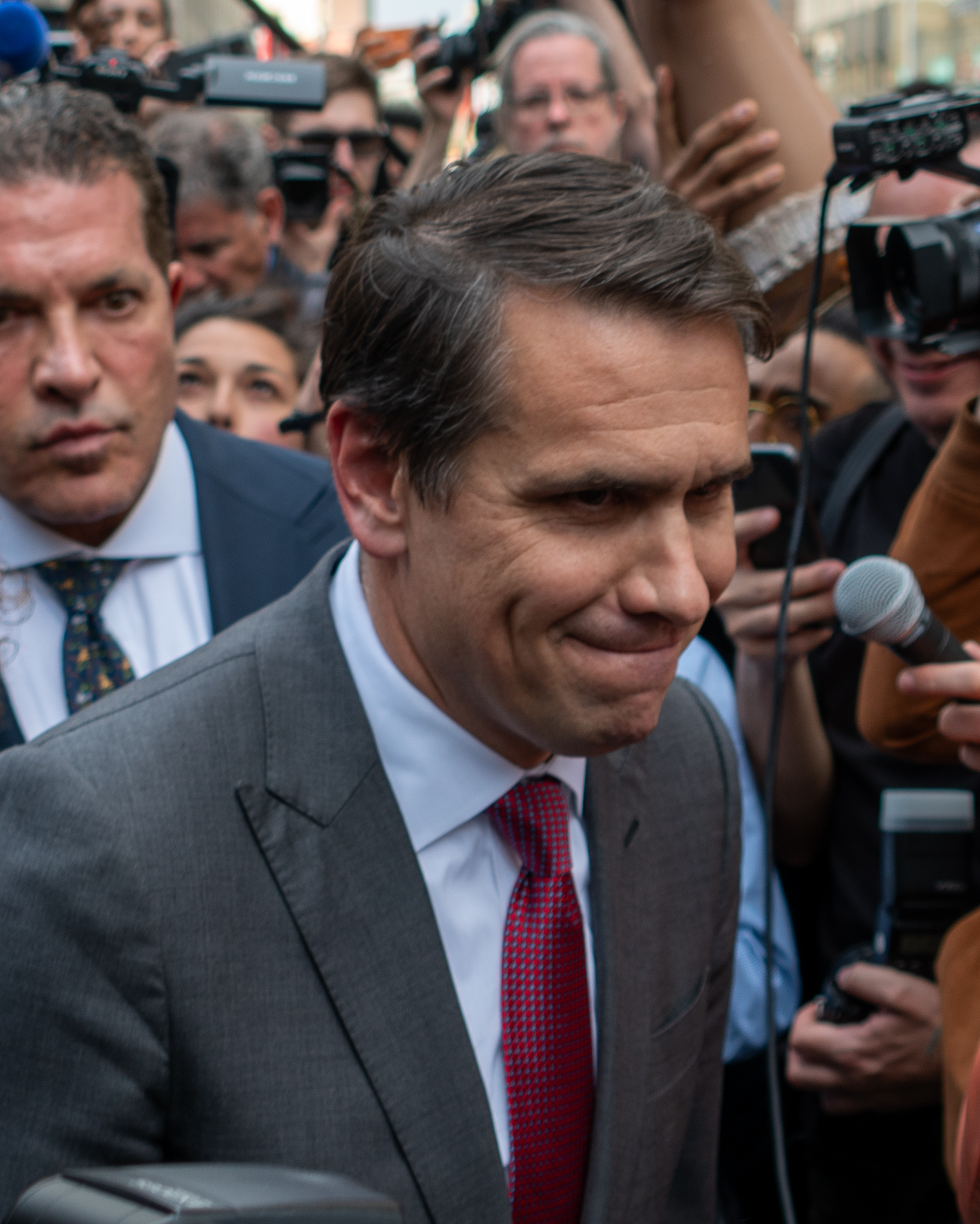
    Zohran Mamdani’s attempt to reassure New Yorkers on policing ran into a hostile audience on Staten Island, where boos cut short his microphone appearance at a National Night Out Against Crime event on Tuesday.

    The New York City mayor’s turn at the Midland Beach gathering lasted less than a minute, according to reports, before crowd noise overtook the moment. The available footage shows a public-safety appearance that quickly became politically damaging, but it does not show enough to measure the views of everyone in attendance or of the city as a whole.

    A policing reset met a live audience

    The Staten Island reaction landed against a longer record that has followed Mamdani into office. Fox News has reported on statements from 2020 in which he supported defunding the NYPD and described the department in severe terms.

    According to that reporting, Mamdani previously called the NYPD racist, anti-queer, wicked and corrupt, and said it posed a threat to public safety. Those remarks fit a broader left-wing critique that armed police were being asked to respond to problems tied to mental health, homelessness, poverty and unmet social needs.

    During his mayoral campaign, Mamdani changed his public position. He said he would not defund the police and would work with officers, whom he said play a critical role in public safety.

    He also pushed the idea of moving some mental-health and social-service calls away from armed police officers through a separate Department of Community Safety. Supporters can view that as an attempt to translate reform priorities into governing; critics can see it as insufficient distance from a record they do not trust.

    What happened at the microphone

    Video circulated by Fox News and other outlets shows Mamdani approaching the stage as boos rise from the audience. He appears to try to speak, but the reaction grows loud enough that he steps away from the microphone and leaves the stage area.

    The footage establishes a limited but important point: Mamdani received a hostile reception and did not complete a speech. His appearance at the microphone lasted less than a minute before the crowd noise overwhelmed the event moment.

    Online reactions quickly framed the episode as a humiliation. The video supports that Mamdani was shouted down, but it does not establish that every attendee opposed him or that the crowd’s response reflects broader citywide opinion.

    Why the Staten Island setting mattered

    This was not described as a closed partisan event. The gathering was part of National Night Out Against Crime, an annual effort intended to bring police, local agencies and residents together outside routine crisis encounters.

    According to public event information and reports cited in the source material, the Staten Island gathering was scheduled at Turtle Circle on the Midland Beach Boardwalk from 4 p.m. to 8 p.m. Reports also described an event crowd of about 3,500 people.

    Public event information cited in reports connected the boroughwide gathering with the 120th, 121st, 122nd and 123rd precincts. The city’s Department of Probation also promoted National Night Out programming as a chance for people to meet agency staff and learn about resources including job training and food assistance.

    That made the setting broader than a conventional rally. Still, police-community trust was central to the event, which gave the interruption sharper political meaning than an ordinary campaign heckling episode.

    Pressure is coming from both sides

    The confrontation came as Mamdani’s policing position was already being tested by competing demands. Streetsblog NYC reported that he defended Police Commissioner Jessica Tisch’s substantial security deployment for Summer Streets, including patrol vehicles placed at intersections along the car-free route.

    The NYPD said the arrangement was designed to deter vehicle attacks. Critics on the left argued that the police presence was excessive and that the placement of vehicles created hazards for cyclists and pedestrians.

    The dispute illustrated the narrow path Mamdani is trying to walk. Backing police leadership can alienate progressives who expect a strong reform agenda. Returning to earlier anti-NYPD rhetoric could reinforce doubts among police supporters and public-safety voters.

    In that sense, the boos at Midland Beach were not only about one interrupted appearance. They surfaced years of disagreement over the role police should play in New York City and whether Mamdani can earn trust across sharply different constituencies.

    What one clip cannot prove

    The brief video does not show how the full crowd acted before or after Mamdani took the stage. It does not establish whether organizers anticipated the reaction, whether he spoke with attendees away from the microphone, or how many people at the event supported or opposed him.

    It also cannot measure citywide opinion of Mamdani’s public-safety plans. Viral footage compresses a complicated event into a highly visible moment, and this footage is especially easy to interpret because the jeering is immediate and the departure is quick.

    The available accounts did not include a detailed City Hall response explaining why Mamdani left the stage or how his office assessed the incident. That leaves public understanding shaped largely by the video, partisan commentary and the mayor’s established record on policing.

    One hostile crowd does not settle a mayor’s relationship with an entire city. But the location and purpose of the Midland Beach event made the episode difficult to dismiss as routine political blowback. Mamdani’s less-than-a-minute appearance exposed the central tension in his public-safety politics: New York City’s debate over policing remains both a policy dispute and a question of trust.
  • Supreme Court narrows Trump’s 2020 election prosecution, but keeps it alive

    Supreme Court narrows Trump’s 2020 election prosecution, but keeps it alive

    The July 1, 2024 decision did not erase the federal case over efforts to overturn the 2020 election. It reshaped the legal test for deciding which alleged conduct could be used in a criminal prosecution of a former president.

    The Supreme Court narrowed Donald Trump’s 2020 election prosecution in Trump v. United States on July 1, 2024, but the court did not dismiss the prosecution. In a 6-3 decision, the United States Supreme Court ruled that presidential immunity places major limits on what conduct may be criminally prosecuted, sending unresolved questions in Trump’s federal 2020 election case back to a lower court.

    The ruling mattered because it set a constitutional standard for a former president facing criminal charges over actions taken while in office. It also meant the case could not simply resume on the same terms: judges first had to separate alleged official acts from alleged unofficial conduct.

    The court rejected blanket immunity

    Trump had argued that a former president could not be criminally prosecuted for official conduct undertaken while in office. The Supreme Court did not accept a rule of total immunity for everything a president does.

    Instead, Chief Justice John Roberts’ majority opinion described three categories. A president has absolute immunity for conduct within the president’s exclusive constitutional authority, at least presumptive immunity for other official acts, and no immunity for unofficial acts.

    That framework is why the decision narrowed the prosecution rather than ending it. The Court vacated the lower-court judgment and remanded the dispute for further proceedings, rather than deciding that every allegation in the indictment was protected.

    Official acts became the central test

    The case required the Court to address a difficult distinction: when is a president acting as the nation’s chief executive, and when is he acting as a candidate or private individual pursuing a political objective?

    The majority said courts may not treat a president’s motives as the decisive test for whether conduct was official. An act can fall within official responsibilities even when critics argue the president acted for political or personal reasons. That principle makes the inquiry more complicated than asking why an official acted.

    The Court also stressed that some presidential powers are constitutionally exclusive. Conduct within that exclusive sphere cannot support a criminal prosecution, according to the decision. For other official acts, the government can overcome presumptive immunity only if a prosecution would not pose dangers to the authority and functioning of the executive branch.

    Unofficial conduct remains outside the immunity rule. The unresolved task for the trial court was determining where specific alleged acts in the 2020 election prosecution fit within those categories.

    Why the indictment was not erased

    The federal indictment accused Trump of participating in efforts to overturn the 2020 election result. The Supreme Court did not rule on whether those allegations were true, and it did not decide Trump’s guilt or innocence.

    Nor did it declare that every event described by prosecutors was immune. Its ruling required lower courts to examine the allegations in greater detail, including whether particular communications and actions were official presidential conduct or private political activity.

    That distinction was especially significant because an indictment can involve different kinds of conduct. A single case may include presidential communications with executive-branch officials, contacts with state officials, campaign-related activity, public statements and actions involving private allies. Immunity may apply differently to each category.

    In practical terms, the Court required a more granular legal process before a trial could proceed. Prosecutors could still pursue allegations that survive the immunity analysis, but could not rely on protected official conduct as if the presidency carried no constitutional shield.

    The 6-3 split revealed deeper stakes

    The majority framed its decision as necessary to protect the independence of the presidency. Its concern was that a future administration could use criminal law to punish a predecessor’s official decisions, potentially chilling vigorous executive action.

    The dissenting justices saw the danger differently. Justice Sonia Sotomayor, joined by Justices Elena Kagan and Ketanji Brown Jackson, warned that the ruling gave former presidents broad protection from accountability. Justice Jackson also wrote separately about the risk that immunity could weaken the criminal-law constraints that apply to other officials.

    Those competing views explain why the case reached beyond Trump’s immediate legal exposure. The decision established a precedent governing every former president, not merely one prosecution tied to the 2020 election.

    Supporters of the ruling can argue that a presidency subject to routine criminal second-guessing would be less able to function. Critics can argue that the same protection may make it harder to hold presidents accountable when official authority is allegedly used to undermine democratic processes. The Court’s answer attempted to balance those concerns, but left lower courts with the hard work of applying the balance.

    Lower courts faced factual questions

    The Supreme Court did not provide a final allegation-by-allegation resolution of Trump’s indictment. That was a deliberate feature of the remand: the trial court needed to assess the relevant conduct under the new constitutional standard.

    Several questions became crucial. Was the conduct tied to a president’s official responsibilities? Did it involve powers committed exclusively to the president? If it was an official act outside that exclusive sphere, could a prosecution move ahead without intruding on executive authority?

    The Court also indicated that courts must be careful about evidence. If official conduct is protected, prosecutors may face limits on using that conduct as a basis for criminal liability. That evidentiary issue can matter as much as the classification of the conduct itself, because it affects how a case can be presented.

    The ruling changed the legal map

    The clearest takeaway from Trump v. United States is that it was neither a full victory for prosecution nor a complete legal escape hatch for a former president. It preserved the possibility of prosecution for unofficial conduct while placing strong constitutional protections around official presidential action.

    For the 2020 election prosecution, that meant delay and a narrower path. For the country, it created a new doctrine that courts will have to interpret whenever criminal allegations intersect with the powers of the presidency.

    What remained unclear after the decision was how individual allegations would be categorized and whether any eventual prosecution could proceed without relying on immune official conduct. Those questions, rather than the broad headline result alone, determined the ruling’s real-world force.

  • Reported Airline Workers Decline U.S. Agent Requests as Trump Pushes Airport ICE Role

    Reported Airline Workers Decline U.S. Agent Requests as Trump Pushes Airport ICE Role

    The reported refusals are limited and not tied to any confirmed airline policy. But they highlight the operational friction that could emerge if immigration enforcement becomes more visible in U.S. airports.

    Airline workers reportedly resisted or declined to assist U.S. agents as Donald Trump and his administration pushed for a greater U.S. Immigration and Customs Enforcement, or ICE, presence at U.S. airports. The reported conflict matters because an airport ICE push could put immigration enforcement directly alongside employees and travelers trying to keep flights, screening lines and boarding operations moving.

    The available reporting does not identify the workers, airlines or airports involved, and it does not establish a broad airline policy against helping federal agents. Still, the reports bring a practical question into focus: what happens when airline staff are asked to help with immigration enforcement while carrying out jobs centered on passenger service, safety and flight operations?

    The reports remain narrowly defined

    The core report is that some airline workers declined to assist U.S. agents amid the Trump administration’s accelerating migrant crackdown. That is a meaningful claim, but the available material leaves important limits around it.

    No airline or airport location has been named. The reporting does not say how many workers were involved, whether their decisions were coordinated or whether the incidents occurred at more than one airport.

    It also does not specify what type of assistance agents requested. That missing detail makes a major difference. A request for information, access to a secured area, help locating a passenger, records, directions or direct involvement in an enforcement action could each raise different workplace rules and considerations.

    For that reason, the reports should not be treated as proof of a companywide employee revolt or a formal airline stance against federal immigration enforcement. What they do show is the potential for workplace and ethical tensions as enforcement activity becomes more visible in travel hubs.

    Trump discussed placing ICE in airports

    Trump has signaled that he wants ICE officers to take a role in airport security if a congressional dispute over Department of Homeland Security funding continues. The Associated Press reported on March 21 that Trump announced plans to put ICE officers in airports and said they would be ready to go the following Monday.

    Trump said the proposed move would extend his administration’s immigration crackdown into airports and promised arrests of people in the country illegally. But he did not provide operational specifics for how ICE would work alongside the Transportation Security Administration.

    That distinction is central. ICE enforces immigration laws, while TSA’s principal job is screening passengers and baggage for threats to aviation safety. A larger ICE presence could involve overlapping spaces and personnel even if the agencies’ missions remain different.

    Before any such arrangement can be understood clearly, the public and airport workers would need to know where officers would operate, what authority they would exercise, how encounters would be handled and who would be expected to assist them.

    Frontline workers have defined roles

    Airline employees work in a tightly regulated setting, but they are not federal immigration officers. Gate agents, flight attendants, ramp workers and customer-service staff are responsible for a wide range of duties tied to boarding, passenger service, safety procedures and day-to-day operations.

    Airlines can be required to comply with lawful government requests. Yet the role of an individual employee can be shaped by company policy, union agreements, privacy requirements, training rules and safety procedures.

    That means a worker’s response to an agent may not simply reflect support for or opposition to immigration enforcement. It may turn on who is authorized to direct the employee, what information can be disclosed and whether a request interferes with a passenger’s travel or a flight’s scheduled departure.

    The reported refusals therefore point to a broader boundary question: how much assistance, if any, could airline staff be asked to provide if immigration enforcement is brought closer to ordinary airport operations?

    Airport disruptions can spread quickly

    Even a limited expansion of enforcement activity could affect more than the people directly involved. Airports depend on clear instructions, predictable lines and short turnarounds between arrivals and departures.

    An enforcement action near a check-in counter, screening queue or gate could create confusion in crowded spaces. That could add strain for airline staff, TSA workers and travelers, particularly when operations are already under pressure.

    The Associated Press reported that Trump’s proposal came during a partial government shutdown that contributed to long screening lines at some major airports. Most TSA workers continued working during the funding lapse without pay, the AP reported, while call-out rates rose at some locations.

    The Department of Homeland Security said at least 376 employees had quit since the shutdown began on Feb. 14. Those circumstances do not establish that an ICE role would worsen airport operations, but they illustrate why agency coordination and clear instructions could matter immediately.

    The policy debate has competing concerns

    Supporters of a larger ICE presence can argue that federal officers should be able to enforce immigration law wherever they have lawful authority. From that view, airports should not be treated as spaces beyond the reach of immigration enforcement.

    Critics argue that introducing immigration enforcement into airport security areas could make some travelers fearful, complicate TSA’s aviation-safety mission and place extra demands on workers who are not trained to make arrests.

    Neither position resolves the basic operational questions left by the available reporting. It is not known whether airline managers instructed employees to refuse requests, comply with them or refer agents to supervisors.

    There is also no confirmed indication that any airline changed a formal policy, that ICE was assigned a permanent airport-security role or that the reported worker response occurred across multiple airports.

    Key details will determine the stakes

    Whether this develops into a wider clash will depend on facts that have not been established: what assistance was sought, where the reported incidents occurred and whether companies or unions issue guidance to their workers.

    It will also depend on the shape of any airport ICE deployment. A limited role for officers would raise different concerns from an arrangement that expects airline employees to help identify people, provide access or disrupt routine passenger processing.

    For now, the reports offer a snapshot of how a national immigration-enforcement agenda can meet its practical limits at the local level. At a gate counter, on a ramp or in a terminal, workers may have to balance federal requests against the jobs they were hired and trained to do.

  • Trump’s Attack on Democrats Gets Overrun by a Spelling Mistake

    Trump’s Attack on Democrats Gets Overrun by a Spelling Mistake

    A typo does not alter policy or decide an election, but it can rapidly change the subject of a political message. Trump’s latest mistake has renewed a familiar argument over his unfiltered communication style.

    Donald Trump made a spelling error while attacking Democrats, and the spelling error became a political gaffe and source of ridicule. The Trump typo turned an intended attack on Democrats into a punchline because critics focused on the mistake rather than the insult itself.

    The episode has also revived scrutiny of Trump’s long history of high-profile typos. Still, the available source material does not identify the exact misspelled word or show the full original message, putting limits on what can be concluded about the latest error.

    An attack lost its target

    Political insults are meant to place an opponent on the defensive. In this case, the misspelling gave Democrats and Trump’s critics a simpler, more immediate response: mock the wording rather than engage with the substance of the attack.

    That reversal is what made the slip politically useful. Trump’s attack may have been aimed outward, but the error redirected attention back to him and to the care taken in his public messaging.

    A typo in a routine update can disappear quickly. A typo inside an insult carries an obvious irony, especially when the speaker is trying to diminish someone else. It is easy to understand, easy to share and requires little knowledge of the underlying political dispute.

    The missing details matter

    The confirmed facts are narrow. Trump used insults directed at Democrats, made a basic spelling mistake while doing so, and critics characterized the result as embarrassing because it weakened the force of the attack.

    The available extract does not say which word was misspelled. It also does not establish whether Trump or his team corrected the error, deleted the message, left it up or publicly addressed the criticism.

    Those omissions are significant. A correction, deletion or response could shape how observers interpret the episode, but none of those actions can be assumed from the material available.

    Nor does a spelling mistake, by itself, establish anything about Trump’s motives, mental fitness or the seriousness of the political disagreement behind the original attack. Its significance is reputational, not governmental.

    Why critics see a pattern

    Trump’s spelling has drawn media attention for years, which helps explain why this incident was not treated by critics as an isolated slip. In 2019, CBS News reported on research discussed by CNN’s Reliable Sources and compiled by Factba.se, a site that tracked Trump’s public words and social-media posts.

    Using what it described as a conservative method, Factba.se counted 188 misspellings in Trump’s tweets from Inauguration Day 2017 through Oct. 31, 2019. The method excluded many grammar and punctuation issues.

    The same analysis said Trump had made at least 350 spelling mistakes since he started tweeting in 2009, compared with four for Barack Obama over the period examined for Obama’s account. It listed Trump’s error rate at 1.40% and Obama’s at 0.06%.

    Factba.se said it gave Trump the benefit of the doubt on disputed spellings, non-American variants and casual online language. The figures are old and cannot prove anything about this particular misspelling, but they provide context for why a new typo prompts references to earlier moments, including “covfefe.”

    Supporters read it differently

    Critics can frame the error as evidence of carelessness or weak message discipline. For them, it supports a broader criticism that public statements reaching a large audience should receive basic review before they are posted or delivered.

    Many Trump supporters, however, may see the attention paid to a spelling slip as trivial or as another example of opponents and media outlets fixating on the messenger. Trump’s rougher, rapid-fire style has often been embraced as a sign that he is not filtered through consultants.

    That distinction matters. A polished message can be seen as cautious or scripted, while an imperfect one can be interpreted as spontaneous and direct. The same error can therefore reinforce sharply different views of Trump rather than change them.

    Both sides get something from the exchange. Critics gain a compact viral moment, while Trump can point to the reaction as evidence of hostile or overly picky coverage. The dispute becomes less about spelling than about who gets to define what the mistake means.

    Speed creates a messaging risk

    Trump’s public communication has long relied on speed, repetition and blunt branding. Those qualities can command attention, but they leave less room for the quality control that might prevent a small error from becoming the dominant story.

    Modern political messaging is judged on two tracks at once. First comes the immediate question of whether a statement lands. Then comes the close reading: whether a phrase, factual claim or spelling mistake can be clipped, recirculated and turned against its author.

    For politicians of any party, attacks narrow the margin for error. A misspelling in a mundane announcement may be forgotten; one inside a personal or partisan broadside can become the headline because it undermines the speaker’s intended punch.

    A small error, not a major event

    The Trump typo does not carry the weight of a court ruling, a congressional vote, an executive action or a major campaign promise. It does not, on its own, change the political landscape.

    Its relevance is in how quickly the mechanics of a message can overpower its intended content. Trump’s attack on Democrats became secondary to the basic spelling error, illustrating how an attempt at ridicule can be turned back on the person delivering it.

    That is the durable lesson of the episode: in a political environment built for rapid reaction, a single mistake can become more memorable than the argument it was meant to advance.

  • Kamlager-Dove Files Impeachment Articles Against OMB Director Russell Vought

    Kamlager-Dove Files Impeachment Articles Against OMB Director Russell Vought

    The filing raises a larger question than whether Russell Vought will face a House vote: who controls money Congress has already approved? California’s 79 projects identified as at risk put a concrete number on a dispute over executive power and federal spending.

    Rep. Sydney Kamlager-Dove introduced articles of impeachment in Washington, D.C., against Office of Management and Budget Director Russell Vought, accusing him of abusing his power over federal funds and failing to faithfully execute the law. Her filing alleges the Trump administration canceled funding for Democratic-led states on political criteria, including how they voted in the 2024 election.

    Kamlager-Dove’s office says 79 projects in California are at risk of losing funding. Vought faces impeachment articles, but the filing does not remove him from office; it puts Congress’ power over spending and the administration’s handling of federal funds at the center of a growing constitutional dispute.

    The accusation centers on approved money

    The two impeachment articles focus on a fundamental division of authority in Washington: Congress passes funding laws, while the executive branch administers them. Kamlager-Dove alleges that Vought crossed that line by directing or allowing federal money already approved by lawmakers to be withheld.

    One article alleges abuse of power. It says Vought improperly interfered with Congress’ authority over federal spending by withholding appropriated funds. The other alleges a failure to faithfully execute the law, arguing that OMB conditioned or delayed spending according to administration priorities rather than carrying out the laws Congress enacted.

    Those are serious claims, but they remain allegations in an impeachment filing. The material released by Kamlager-Dove’s office did not include a response from Vought’s office or the Trump administration, and the claims have not been resolved through a congressional investigation, debate or vote.

    California puts a number on it

    Kamlager-Dove represents California’s 37th Congressional District, and her office says 79 California projects could lose funding. That figure gives the dispute a practical dimension beyond the procedural fight between Congress and the White House.

    The filing alleges federal funding was canceled for Democratic-led states “based solely” on political criteria, including the states’ votes in the 2024 election. Kamlager-Dove has argued that the alleged actions affect “families and workers of all political stripes.”

    If the allegation were borne out, the implications would reach beyond California. Democrats argue that allowing grants to be withdrawn because a state supported the opposing party would turn congressionally approved programs into tools of political retaliation.

    Supporters of the administration, however, are likely to regard the filing as a political escalation over a president’s ability to review spending priorities and shape agency policy. The core disagreement is whether the actions described amount to ordinary executive management or unlawful withholding of money Congress directed the government to spend.

    January memo figures prominently

    Kamlager-Dove’s office points to a January 2025 OMB memo that directed federal agencies to temporarily pause obligations and disbursements for certain federal financial-assistance programs while the administration conducted a review.

    According to the filing, that pause led agencies to suspend or delay programs funded by Congress. The articles also allege that Vought’s OMB selectively terminated or withheld Department of Energy grants that had been lawfully appropriated and competitively awarded.

    The filing frames those actions as more than an argument about preferred policy. It contends that OMB used its position in the federal budget process to alter outcomes after Congress had already made funding decisions.

    OMB is central to that claim because its director oversees agency budgets, reviews spending plans and plays a major role in how federal dollars move through the government. Kamlager-Dove called Vought an “unelected shadow president,” language intended to emphasize the reach of a powerful appointed office rather than an elected one.

    Impoundment is the legal fault line

    The dispute turns on the concept of impoundment: an executive branch decision not to spend, or to delay spending, money that Congress has made available. Congress limited that authority through the Congressional Budget and Impoundment Control Act of 1974.

    Kamlager-Dove’s filing alleges that Vought violated that law by delaying or withholding budget authority without following its requirements. Her office also cited the Government Accountability Office’s view that changes to congressionally approved spending should be handled through the legislative process involving Congress and the administration, rather than by unilateral withholding.

    That is why the filing invokes impeachment rather than presenting the dispute solely as a policy objection. Kamlager-Dove is alleging a breach of the constitutional separation of powers: Congress controls appropriations, while the president is responsible for executing the laws that establish them.

    The case advanced by the filing depends on facts that would need further examination, including the reasoning behind specific funding decisions and the full number of projects affected. More records or formal oversight proceedings would likely be needed to establish that broader picture.

    Filing articles is not removal

    Introducing impeachment articles is the opening step, not an immediate removal mechanism. For Vought to be impeached, the House of Representatives would first have to take up the articles and approve them.

    If the House voted to impeach, the matter would proceed to the Senate for a trial. Removal from office would require a higher threshold there. There is no indication in the filing itself that either stage will occur.

    Many impeachment resolutions never receive a vote. Their effect can still be consequential: they put accusations into the congressional record, pressure other lawmakers to state a position and establish a framework for later oversight.

    The next question is congressional action

    It remains unclear whether House leaders will give Kamlager-Dove’s articles a formal path forward. It is also unclear how the Trump administration will answer the specific allegations involving political criteria, the 79 California projects and the handling of Department of Energy grants.

    For now, the filing has sharpened a dispute over federal spending into a challenge to the administration’s use of executive authority. Its immediate force is political pressure; its longer-term importance will depend on whether Congress investigates the allegations or treats the resolution as a symbolic statement.

    The central issue is straightforward even if the legal and political fight will not be: when Congress appropriates money, how much discretion does the executive branch have to pause, redirect or withhold it? Kamlager-Dove’s filing argues that Vought exceeded that authority. Any formal response from Congress or the administration will determine whether the accusation develops into a larger test of the power of the purse.

  • Don Johnson, 76, Makes Rare Red-Carpet Appearance at Larry David Premiere

    Don Johnson, 76, Makes Rare Red-Carpet Appearance at Larry David Premiere

    The actor’s polished appearance drew attention, but the larger story is why a low-key show of support can still put a television icon back in the spotlight. Johnson’s outing also highlights the lasting reach of his work across several generations of viewers.

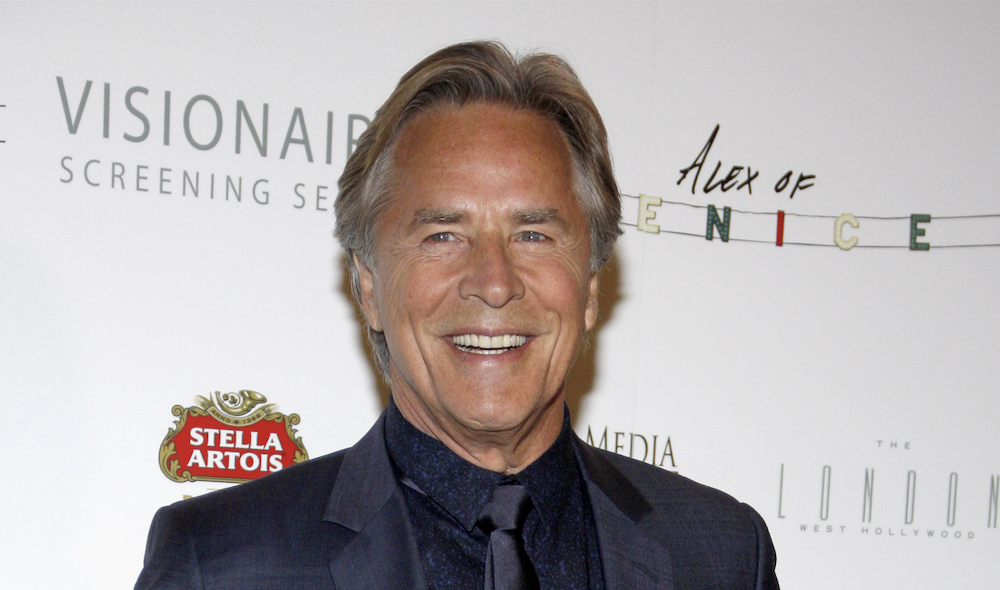
    Don Johnson, 76, made a rare red-carpet appearance at the Los Angeles premiere of Larry David’s HBO series, Life, Larry and The Pursuit of Unhappiness. Johnson attracted attention while supporting Larry David, returning a familiar Hollywood face to public view without announcing a new project or personal milestone.

    The appearance mattered because Johnson remains instantly linked to Miami Vice, yet his career has continued well beyond that 1980s landmark. A silver-haired, sharply dressed Johnson at an HBO premiere offered fans a current image of an actor whose name still carries recognition across different generations.

    A supportive night for Larry David

    According to Parade, Johnson attended the premiere at the Hollywood Legion Theater in Los Angeles in support of David. The event marked HBO’s presentation of Life, Larry and The Pursuit of Unhappiness, and Johnson was there as a friend and fellow figure in the entertainment business.

    That context is important. The available reporting does not indicate that Johnson’s appearance was attached to a new film, television series, reunion, memoir or career announcement. It was a red-carpet outing, not a promotional launch for his own work.

    Still, rare public appearances can take on added meaning when the person arriving has spent decades as a recognizable screen presence. Parade described Johnson as dapper, with gray hair becoming a prominent part of the attention around the evening.

    Hollywood premieres routinely invite quick judgments about celebrity fashion, hair and age. In Johnson’s case, the response appeared to be driven as much by recognition as appearance: audiences were seeing a performer associated with a defining era of television in a contemporary setting.

    Why Sonny Crockett endures

    Johnson’s most indelible role remains Detective Sonny Crockett on NBC’s Miami Vice. The series made him a household name, and the Hollywood Walk of Fame credits the role with bringing Johnson major success and a Golden Globe win.

    Miami Vice was not merely another police drama. Its music-forward storytelling, glossy Miami setting and distinctive fashion gave it a powerful visual identity. Johnson’s Crockett, with loose tailoring and an unconventional detective persona, became one of the show’s most recognizable elements.

    That history helps explain why an image from a present-day premiere can spark a burst of interest even without major news attached. For many viewers, Johnson is tied to white suits, speedboats and the controlled cool of Crockett; seeing him now creates an immediate bridge between a past television moment and the present.

    There is a difference, though, between nostalgia and being trapped by it. Johnson’s appeal rests partly on the fact that he still recalls that earlier period while continuing to appear in newer projects and public events on his own terms.

    A career beyond one signature role

    Johnson’s screen career did not end with Miami Vice. The Hollywood Walk of Fame identifies him as an actor, singer, songwriter, producer and director, and also notes his starring role in the 1990s police drama Nash Bridges.

    That second major television role showed that Johnson could lead another series in a different decade and a different city. As San Francisco detective Nash Bridges, he returned to familiar law-enforcement territory without simply replaying Sonny Crockett.

    His more recent credits have also kept him visible to audiences who did not watch either series during their original runs. Parade pointed to his appearances in Rian Johnson’s Knives Out and the television series Doctor Odyssey.

    Those roles may not carry the same scale as his earlier starring vehicles, but they matter to the broader picture. They make Johnson a working actor with connections to current entertainment, rather than only a figure revisited through old clips and reruns.

    Different generations see Johnson differently

    For viewers who watched Miami Vice when it first aired, the Los Angeles appearance can carry the feeling of a reunion with a familiar television star. The lasting association is emotional as well as visual: Johnson represents a specific style of network-TV stardom that helped shape its era.

    Younger viewers may have other entry points. Some know him from his more recent work, while others recognize him as the father of actor Dakota Johnson. Parade reported that Don Johnson has five children, including Dakota Johnson.

    Family recognition may keep a famous surname in circulation, but it does not account for his standing on its own. Johnson has a Hollywood Walk of Fame star, Golden Globe recognition and leading roles in two major television dramas, giving him an independent place in screen history.

    The premiere attention reflects that overlap. One audience sees Crockett, another sees Nash Bridges, and another sees a veteran actor who has appeared in projects made for current viewers. Each perspective helps explain why a simple red-carpet moment travels beyond the event itself.

    Attention without an aging lesson

    It is tempting to treat every high-profile appearance by an older celebrity as a verdict on whether that person is aging well. That can be flattering, but it can also reduce an actor to a comparison with the image audiences remember from his commercial peak.

    Johnson’s appearance works better as a snapshot of continuity. His gray hair stood in contrast to the sun-bleached, highly stylized image associated with Crockett, but it did not erase the connection. It instead showed a performer visibly changed by time while still recognizable to the audience that made him famous.

    Some fans may simply appreciate that he looked polished and comfortable at the event. Others may read the moment as evidence that celebrity style does not require performers to recreate their younger selves. Neither view needs to turn a person’s looks into a measure of private well-being.

    A red carpet cannot reveal the full reality of anyone’s health, relationships or life away from cameras. What it does establish is narrower: Johnson remains willing to make public appearances, remains connected to Hollywood, and still commands attention when he steps into view.

    No comeback announcement attached

    For fans hoping the Los Angeles premiere might signal a major new Don Johnson project, the reporting offers no such confirmation. There is no indication that the event was tied to a film, series, revival or other announcement involving him.

    That absence may be part of what made the outing feel genuine. Johnson did not need a relaunch to become one of the night’s notable attendees; he appeared to support Larry David, and his long screen history supplied the larger conversation.

    The lasting takeaway is less about a single premiere than about the unusual durability of television fame. At 76, Johnson can arrive at an HBO event as a guest rather than a headliner and still remind audiences why his name has remained part of Hollywood’s cultural memory for decades.

  • Autopsy Reclassified a 2023 California Death as a Fatal Bear Attack

    Autopsy Reclassified a 2023 California Death as a Fatal Bear Attack

    A 2023 death in Downieville was initially viewed as a scavenging case. Medical findings and genetic testing later established that a black bear killed 71-year-old Patrice Miller.

    California’s Department of Fish and Wildlife has recorded Patrice Miller’s death as the state’s first documented fatal black bear attack on a human. The determination followed an investigation that changed the initial understanding of what happened at her Downieville home.

    Miller, 71, died in 2023. Officials said the encounter lasted about an hour, though available accounts do not explain what happened throughout that period or why it became fatal.

    A first in California’s records

    The department confirmed that Miller’s death was the first recorded fatal black bear attack on a person in California. Agency spokesperson Steve Gonzalez described the finding as a major event because deadly encounters with black bears are not the norm in the state.

    “First documented” refers to the first confirmed case in California’s records. It does not mean bears have not injured or frightened people in the state.

    Gonzalez said black bears generally avoid people, particularly when they have not become accustomed to human behavior and human food sources. A bear crossing a neighborhood or damaging property is not automatically a bear that will attack a person.

    Repeated visits to a Downieville home

    Downieville is a small Sierra Nevada community roughly two hours northeast of Sacramento, where homes are close to wildlife habitat. That proximity can bring people and bears into contact, especially when an animal repeatedly returns to developed areas.

    Miller’s daughter said bears had repeatedly tried to get into her mother’s home and that Miller had physically struck a bear during earlier encounters. Sheriff Mike Fisher also said there had been reports from concerned residents about a bear repeatedly returning to the property.

    Those reports do not resolve every question about the fatal incident. They do describe repeated bear activity at the residence rather than a single unexpected sighting.

    Sierra County’s bear-awareness guidance says bears conditioned to human food sources may continue seeking them out, creating conflicts with people. The county urges residents not to let bears access garbage, birdseed or other food.

    Why officials trapped a bear

    After reports of the bear returning to Miller’s home, officials obtained a state depredation permit. A bear was trapped at the property and euthanized, Fisher said.

    DNA testing later confirmed that the euthanized animal was responsible for Miller’s death. The result connected the bear captured at the property to the fatal attack.

    Authorities later said a separate bear caused concern after trying to get into a school gym in town. That bear was also euthanized, and Fisher said bear activity declined significantly afterward.

    These cases reflect the difficult public-safety decisions authorities can face when bears repeatedly enter buildings or seek access to homes. Sierra County guidance notes that removing accessible food sources is important to preventing conflicts and avoiding circumstances in which bears may be killed for public safety.

    The investigation’s initial conclusion changed

    Sierra County sheriff’s deputies went to Miller’s home on Nov. 8 after she had not been seen for several days. Before entering, they found a damaged door and bear scat on the porch, Fisher told KCRA.

    The early assessment was that Miller may have died before a bear entered the house. Fisher said the animal appeared to have been at the property for days and feeding on her remains, which initially suggested scavenging.

    Autopsy findings changed that assessment. Fisher said the findings determined that Miller died from a bear mauling involving injuries to her neck area.

    That distinction was central: a bear feeding on a person after death does not establish that it caused the death. In this case, the autopsy findings and subsequent DNA result led investigators to conclude that the bear killed Miller.

    Practical steps for bear country

    The Downieville case does not mean every bear encounter will become violent. Most bear encounters end without injury, according to the National Park Service, which advises people to keep their distance and avoid surprising bears.

    For residents in areas with repeated bear activity, the practical concern is access to food and buildings. Sierra County advises people to prevent bears from obtaining garbage and other human food.

    • Secure garbage: Use bear-resistant containers where available and do not leave food waste outside.
    • Remove attractants: Pet food, birdseed, barbecue residue and accessible compost can draw wildlife toward homes.
    • Report repeated access attempts: A bear repeatedly returning to a residence or trying to enter a building should be reported to local wildlife authorities.

    Investigators established the central conclusion in Miller’s case: a black bear killed her, and DNA identified the animal linked to the attack. What remains unclear is why this particular encounter escalated and what occurred during all of the roughly hour-long incident.

  • Spanberger’s Decisive Win Tests the Reach of Trump’s MAGA Brand

    Spanberger’s Decisive Win Tests the Reach of Trump’s MAGA Brand

    Virginia’s governor’s race does not settle the national debate over Donald Trump’s influence. It does show that a Trump-shaped political environment can produce a different outcome when voters judge candidates on state-level concerns.

    Donald Trump was not on Virginia’s ballot when Democrat Abigail Spanberger defeated Republican Winsome Earle-Sears in the governor’s race. That fact is essential to interpreting the result: it was not a direct referendum on Trump, nor does it establish that he has lost his influence over Republican voters.

    Still, Reuters described Spanberger’s decisive victory as a result that may illustrate the limits of Trump’s MAGA movement. In a political environment shaped by Trump, Virginia voters selected a Democrat over a Republican whose campaign operated alongside his broader political brand.

    A state race has limits as a national measure

    Republicans have a credible reason not to treat Virginia as a simple verdict on Trump. State contests bring their own candidate dynamics, local organizing and issue priorities, and Democrats may have benefited from factors that would not carry the same weight elsewhere.

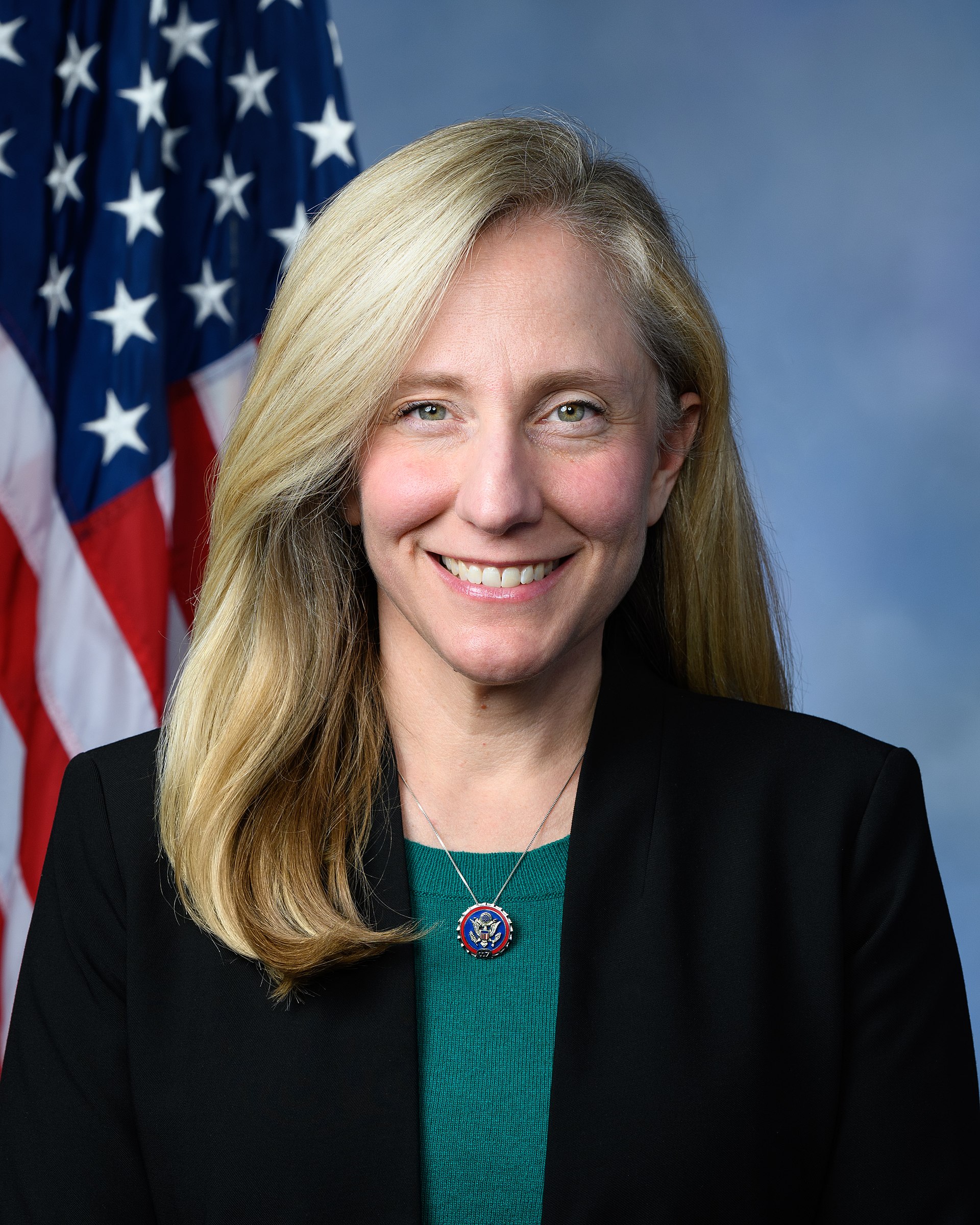
    Abigail Spanberger Tour 2024 54041725497
    Image: Jefferson Lab, via Wikimedia Commons, Public domain.

    Off-year elections can also reflect the concerns of especially motivated voters. State-level controversies and economic anxiety may affect voters differently across regions.

    There is a significant difference between a loss by one Trump-aligned candidate and a meaningful weakening of Trump’s hold on the GOP. The latter would require enough losses to persuade Republican officials and donors that the Trump brand is costing the party power.

    MAGA candidates can still win when turnout works in their favor, Democrats field weak opponents, or voters prioritize inflation, immigration and crime over concerns about democratic norms. Virginia therefore is not proof that MAGA politics has stopped working.

    Democrats are preparing a broader election argument

    For Democrats, the idea of a MAGA “takeover” extends beyond campaign messaging. They have increasingly used the term for what they view as efforts by Trump and his allies to shape election administration, voting rules and law enforcement around elections.

    A press release from Sen. Alex Padilla’s office said Padilla, Sen. Adam Schiff and other Senate Democrats met with election experts to prepare for what they described as threats to the 2026 midterms. The release cited concerns about misinformation, foreign interference, federal agents near polling places and a possible seizure of ballots from local election officials.

    Those are Democratic allegations and preparations, not neutral findings of fact. They nevertheless indicate the argument Democrats intend to make: in their view, the next cycle will concern both policy and protecting election systems from a Trump-led effort to control the rules.

    Trump and his allies have long argued that tighter election rules are needed to protect ballot integrity. Democrats counter that many such efforts restrict access, intimidate voters or pressure local officials. That conflict is likely to shape contests well beyond Virginia.

    Virginia put candidate choices alongside national politics

    Trump’s influence often operates through endorsements, party pressure, fundraising energy and expectations that Republican candidates show loyalty to his political base. Those forces can be powerful without Trump’s name appearing on the ballot.

    But voters in a statewide general election can weigh those political signals against the person seeking to govern. Virginia’s contest involved more than national slogans: voters considered affordability, schools, abortion rights, public services and the temperament of the candidates competing to run state government.

    That gave Democrats an opportunity to connect broader concerns to questions closer to daily life. Rather than arguing only that MAGA politics was objectionable in the abstract, they could tie a Trump-aligned governing approach to immediate state concerns.

    The result suggests that Trump-aligned MAGA efforts can be defeated when a race turns on candidates, turnout, local issues and governing style. It does not suggest that Trump’s position inside the Republican Party has suddenly disappeared.

    Primary incentives can look different in a general election

    Trump’s political strength has often included turning Republican institutions into tests of loyalty. Candidates closely aligned with him may gain traction in primaries, attention from conservative media and a familiar language of grievance aimed at elites, judges, journalists and election officials.

    Those tools can unify a party coalition. They may also make a broader appeal more difficult once the electorate expands beyond voters most motivated by Trump loyalty.

    A Republican who reaches a general election after demonstrating allegiance to Trump may carry positions, rhetoric or associations that are harder to sell to independents and suburban voters. Virginia can expose that tension because Democrats cannot win there without persuading voters beyond their core support.

    Spanberger’s path offers a narrower lesson than a wholesale rejection of Trump. An anti-MAGA case may be more effective when it explains what voters believe a Trump-aligned project would mean for schools, doctor’s offices, workplaces and local election systems.

    The result offers a test, not a fixed template

    For Democrats, simply applying the “MAGA” label to a Republican is not enough. The label must be tied to concrete consequences, including health care access, public education, voting rules, federal interference or the ability of state officials to operate independently of Trump’s political demands.

    Abortion rights remain a difficult fault line for Republican candidates, who may need to satisfy primary voters seeking restrictions while appealing to general-election voters who oppose them. A candidate who addresses everyday costs and projects state-level competence can make that tension more consequential.

    For anti-Trump Republicans, a high-profile defeat can offer evidence that complete MAGA alignment is not an automatic route to victory. For Democrats, Virginia offers a possible approach: hold a national political brand accountable to local governing choices.

    The unanswered question is whether Virginia was an early signal or a state-specific exception. Trump’s MAGA movement remains a dominant force in Republican politics. The Virginia outcome showed that dominance is not inevitability, but future tests will unfold across a larger map, with different electorates and Trump’s influence more directly in view.

  • Trump IRS Settlement Puts Todd Blanche’s Confirmation on Hold

    Trump IRS Settlement Puts Todd Blanche’s Confirmation on Hold

    The acting attorney general can keep running DOJ, but his permanent confirmation is tangled in a Republican demand for written clarity on Trump’s tax settlement.

    The obstacle for Todd Blanche is not a Democratic blockade. It is a Republican demand for answers about a Justice Department settlement involving Donald Trump’s tax returns.

    Blanche remains acting attorney general, but his nomination for the permanent job has been delayed after Republican Sens. John Cornyn of Texas and Thom Tillis of North Carolina withheld support. According to NPR, the senators want more information before allowing the nomination to move forward.

    The demand is written clarity

    The senators’ central concern is a provision tied to the settlement that ended Trump’s lawsuit against the Internal Revenue Service. NPR reported that the provision remains in effect and could protect Trump, his family and his businesses from audits of past tax returns.

    Cornyn and Tillis are seeking written assurances about the scope of that audit protection. According to NPR, they had not received the assurances they considered necessary.

    Cornyn has argued that the arrangement could give Trump audit protections unavailable to other taxpayers. The administration has not publicly provided the written commitments the senators are seeking, leaving the boundaries of the agreement unresolved in the confirmation fight.

    Two GOP votes became Senate leverage

    The withheld support was enough to disrupt Blanche’s path through the Senate Judiciary Committee. The committee called off a planned vote on his nomination after Cornyn and Tillis refused to back him without further answers, according to NPR.

    A committee vote is normally the step before a nomination reaches the full Senate. By withholding support at that stage, the two Republicans gained leverage to press the Justice Department for documents, commitments or clarification before Blanche can advance.

    NPR reported that the committee’s other 10 Republican members appeared to support Blanche. Cornyn, however, has said the concern is not limited to him and Tillis, leaving uncertainty about how much resistance Blanche could face if the nomination reaches the full Senate.

    The settlement has more than one part

    The audit-related provision is separate from another element of the agreement: a nearly $1.8 billion anti-weaponization fund. Blanche has said that fund will not proceed.

    The senators’ objection, as described in the reporting, is focused on the audit-protection language rather than only on the fund. That distinction matters because Blanche’s statement about the fund does not, by itself, resolve questions about the tax-return provision that remains at issue.

    The dispute has therefore narrowed to what the Justice Department is willing to put in writing about the settlement’s limits, especially where Trump’s personal, family and business interests are concerned.

    Blanche is the nominee caught in the middle

    Blanche’s nomination became the pressure point because the attorney general leads the Justice Department, the department involved in the settlement now under scrutiny.

    The dispute does not establish that Blanche personally negotiated every piece of the agreement. Nor has the Senate reached a conclusion on the settlement’s legality. The immediate confirmation question is whether senators will receive enough clarity to proceed.

    Supporters of Blanche can argue that a nominee should not be treated as responsible for every legal controversy involving the president. Critics can argue that a confirmation process is precisely when senators should test whether Justice Department leadership will answer oversight requests.

    Trump has discussed waiting out the holdouts

    According to NPR, Trump has praised Blanche, criticized Cornyn and Tillis, and said he could temporarily withdraw Blanche’s nomination if the two senators do not end their opposition. Trump also said he could submit the nomination again after they leave office at the end of the year.

    According to the cited reporting, Cornyn is leaving Congress at year’s end after Trump backed his primary challenger, while Tillis is retiring and did not seek reelection.

    A temporary withdrawal could avoid an immediate committee defeat or a prolonged standoff. It could also leave the Justice Department without a Senate-confirmed attorney general for longer while the dispute over written answers remains unresolved.

    Acting authority keeps DOJ running

    The standoff does not stop the Justice Department’s daily work because Blanche remains acting attorney general. But acting service is not the same as Senate confirmation for one of the federal government’s most consequential legal offices.

    Confirmation would give Blanche a stronger institutional mandate and would give senators a formal opportunity to examine his commitments, management approach and willingness to respond to oversight.

    The next step remains uncertain. The Justice Department could provide written clarification that satisfies Cornyn and Tillis, the settlement terms could be revised, Trump could withdraw the nomination, or the Senate could try again later.

    For now, Blanche’s prospects depend not only on Republican support for him personally, but on whether the Justice Department can answer GOP concerns about a settlement that intersects with Trump’s financial and legal interests.

  • Trump Backs Susie Wiles After Vanity Fair Profile Hits MAGA Fault Lines

    Trump Backs Susie Wiles After Vanity Fair Profile Hits MAGA Fault Lines

    The immediate development is not a firing or resignation. It is a public effort by Trump and White House officials to defend a powerful chief of staff while disputing how her reported comments were presented.

    President Donald Trump and the White House publicly stood behind Susie Wiles after a Vanity Fair profile attributed blunt remarks to the chief of staff about Trump, Vice President JD Vance and Elon Musk.

    Wiles said the magazine disregarded “significant context” and created an “overwhelmingly chaotic and negative narrative” about the administration. The profile, according to BBC News, was based on nearly a dozen interviews with Wiles and quickly became a flashpoint inside Trump-aligned circles.

    The White House chose defense, not distance

    Trump did not publicly break with Wiles after the article drew attention. In a New York Post interview cited by the BBC, he called her “fantastic” and said she had been “deceived” by the writer.

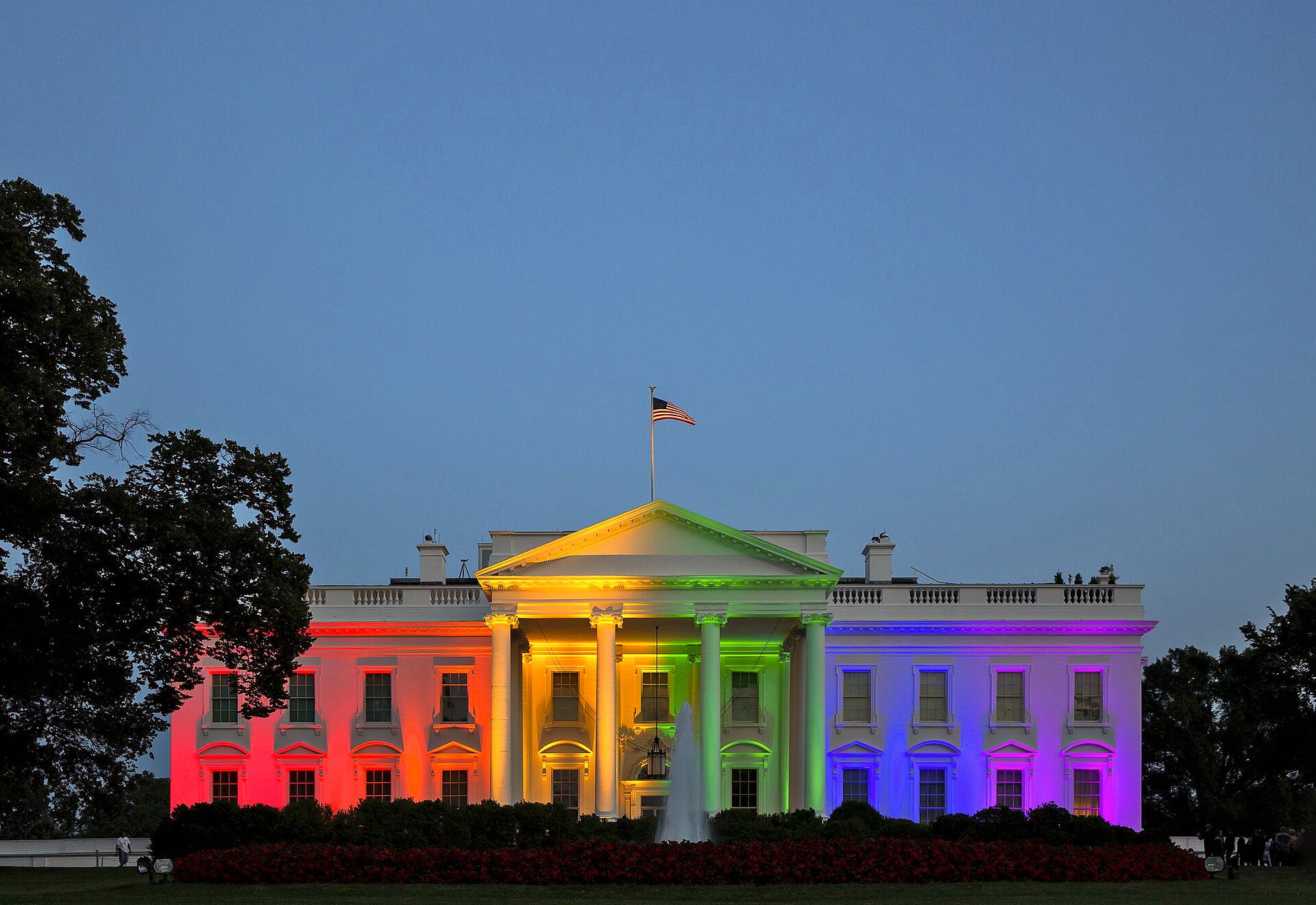
    White House rainbow for SCOTUS ruling on same sex marriage
    Image: White House, via Wikimedia Commons, Public domain.

    White House press secretary Karoline Leavitt also defended Wiles. Leavitt said Wiles had helped Trump achieve what Leavitt characterized as the most successful first 11 months in office of any president in American history, and said the administration was “united fully behind her.”

    Leavitt later accused Vanity Fair of “bias of omission,” arguing that the magazine left out other interviews with White House staff and took Wiles’s words “wildly out of context.” Vanity Fair’s full editorial reasoning was not available in the provided reporting, so that dispute over presentation remains unresolved.

    Why Wiles’s position gives the profile weight

    Wiles is not an outside commentator. She is one of Trump’s most powerful advisers and the first woman to serve as White House chief of staff.

    That role matters because a chief of staff is responsible for helping run the White House, protecting the president’s agenda and managing pressure from people around an administration. Remarks attributed to someone in that position can be read differently than criticism from a casual ally or a political opponent.

    Wiles also played a key part in Trump’s successful 2024 presidential campaign before taking the White House job, according to the BBC. That background makes the public dispute over her comments a test of both her standing and the administration’s message discipline.

    The Trump and Vance remarks drew the sharpest attention

    According to the BBC’s account of the Vanity Fair profile, Wiles described Trump as having an “alcoholic’s personality.” The reporting said Wiles connected that assessment to her experience growing up with an alcoholic father and said she was familiar with “big personalities.”

    Wiles also reportedly said Trump governs with the belief that “there’s nothing he can’t do.” On the question of retribution against adversaries, she said she did not think Trump wakes up thinking about it, but added that “when there’s an opportunity, he will go for it.”

    The profile also quoted Wiles describing Vance as having been a “conspiracy theorist” for a decade. Vance said he had not read the article, according to the BBC. He joked that he only believes conspiracy theories that are “true,” citing reporting about former President Joe Biden’s health as an example.

    Musk turned the story into a broader administration fight

    The Vanity Fair account also included Wiles’s reported comments about Musk, whose government role had already attracted scrutiny. Musk led cost-cutting efforts at the Department of Government Efficiency, known as Doge, before leaving government in May, according to the BBC. He later had a public falling-out with Trump on social media.

    In the profile, Wiles called Musk an “odd, odd duck” and referred to him as an “avowed Ketamine” user who slept in a sleeping bag in the Executive Office Building.

    Wiles also said she was initially “aghast” at the idea of gutting the U.S. Agency for International Development. At the same time, she acknowledged the argument for speed and disruption, saying that if someone is too incremental, “you just won’t get your rocket to the moon.”

    Those reported remarks tied the controversy not only to personalities, but also to disagreements over how aggressively the administration should move against federal agencies and programs.

    What remains unsettled

    Musk had not commented on the Vanity Fair piece at the time of the BBC report. It also remained unclear whether the backlash was being driven mainly by senior administration officials, online MAGA voices or outside allies trying to shape the story.

    The White House’s position is clear: Wiles was treated unfairly, important context was omitted and the administration supports her. The reporting about the profile has nevertheless intensified scrutiny of how Trump’s inner circle handles public disagreement.

    For now, the dispute centers on whether Vanity Fair accurately represented Wiles’s comments and context. The political stakes come from who made the comments: a chief of staff whose authority depends on Trump’s confidence and the cooperation of people around him.