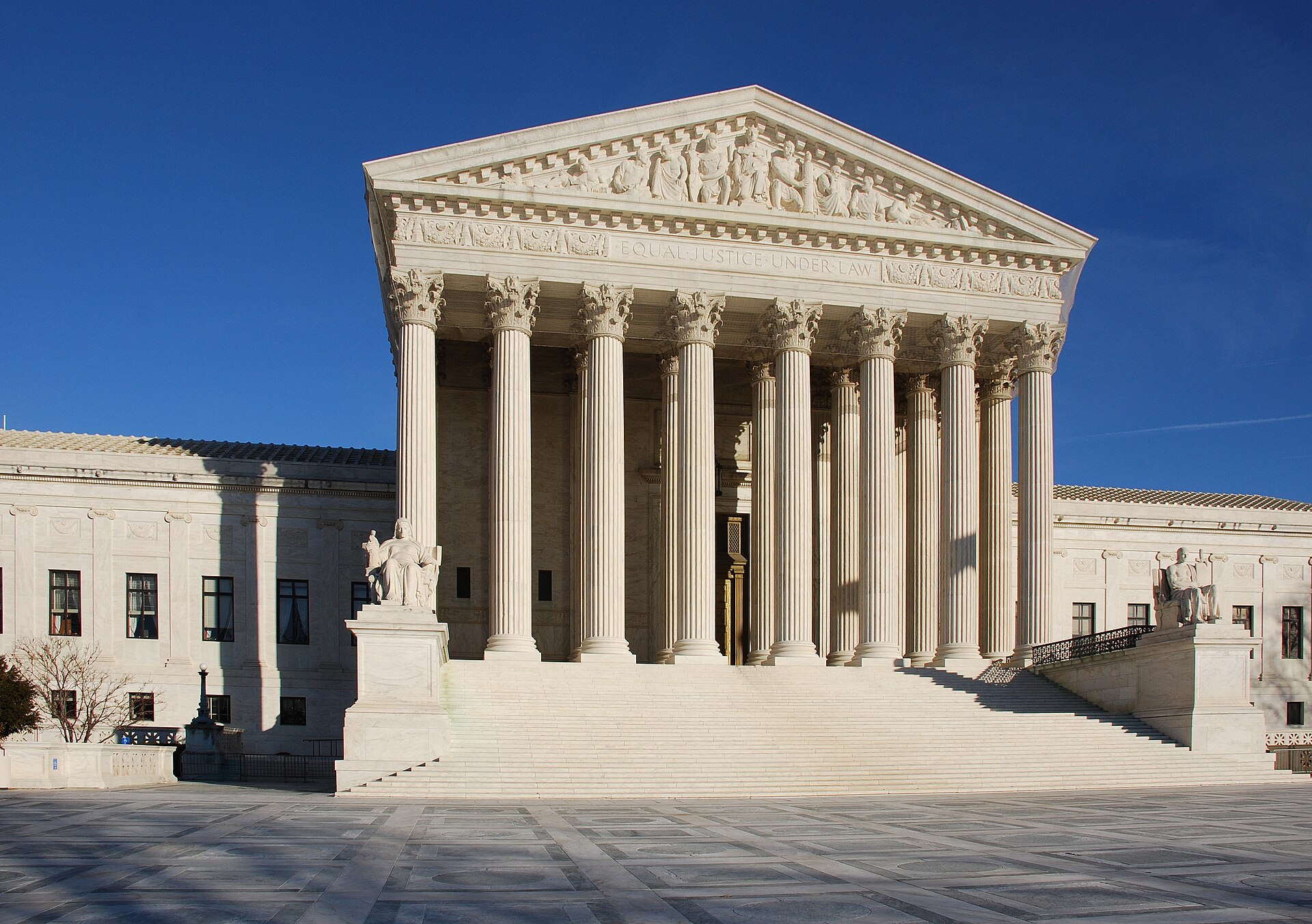
A missed filing deadline leaves the Supreme Court’s ruling against Trump’s birthright citizenship restrictions intact. The episode also shows how rarely the justices reopen argued cases once a decision is issued.
WASHINGTON — The deadline passed Tuesday for the Trump administration to ask the Supreme Court to reconsider its rejection of Donald Trump’s birthright citizenship restrictions, with no new filing on the docket after a 25-day window. The case involved birthright citizenship, and the court’s 6-3 June decision struck down Trump’s executive order targeting automatic citizenship for some children born in the United States.
That missed deadline matters because it turns Trump’s promised rehearing request into a legal non-event, leaving the defeat in place and limiting the administration’s path to revive that order at the high court.
A promised fight goes quiet
According to the Associated Press, Trump said about a week after the June ruling that he would ask the Supreme Court for a rehearing immediately. By Tuesday, the docket showed no new petition from the administration.
That is the key fact beneath the political noise. The Supreme Court did not issue a new sweeping opinion this week. It did not hold another dramatic vote. The administration simply did not file the rehearing request Trump had publicly promised.
For any president, missing that kind of deadline is more than a paperwork issue. It means the existing judgment stands, and the court has no pending request before it to revisit the dispute.
What the June ruling did
The June decision rejected Trump’s executive order that sought to deny automatic citizenship to children born in the United States whose parents were in the country illegally or temporarily, AP reported.
Birthright citizenship has long been tied to the 14th Amendment, which says people born or naturalized in the United States and subject to its jurisdiction are citizens. Trump’s order tried to narrow that understanding for a defined group of children based on their parents’ immigration status.
Several lower courts had already blocked the restrictions before the case reached the justices. AP reported that the policy never took effect anywhere in the United States.
That matters for families, hospitals, state record keepers and immigration agencies because the ruling preserved the current legal status quo. Children covered by the disputed order were not forced into a new citizenship limbo while the case played out.
Why rehearing was unlikely
Even if the administration had filed on time, a rehearing would have been a long shot.
The Supreme Court almost never reopens a fully argued case after issuing a decision. Aaron-Andrew Bruhl, a William & Mary Law School professor, told AP that the court has not agreed to rehear an argued case in more than 50 years.
Bruhl also noted that the last time the court granted a petition to change an opinion was in 1965, and the last time it reversed a decision after rehearing was in a 1956 case.
The standard is steep because the losing side is not supposed to get a second round simply by objecting to the result. At least one justice in the majority would have had to change course, and a majority of the court would have had to agree to reopen the matter.
The conservative split still matters
The outcome was 6-3, but the court was not unanimous in its reasoning or its view of Trump’s power.
Three justices — Samuel Alito, Neil Gorsuch and Clarence Thomas — would have upheld Trump’s restrictions, according to AP. Justice Brett Kavanaugh took a more complicated position: he found that the Constitution would not block the president’s plan, but that it violated federal law.
That split gives both sides something to point to. Opponents of the order can say a clear majority rejected the policy before it took effect. Trump and his allies can note that four conservative justices, in different ways, showed some openness to the legal theory behind the effort.
Still, openness is not victory. The controlling result was that the order failed, and the administration did not take the next procedural step to ask the court to reconsider.
What the missed deadline changes
The missed deadline does not erase the broader political fight over immigration or citizenship. Trump has repeatedly made birthright citizenship a signature issue, and future administrations or lawmakers could pursue other strategies.
But for this executive order, the path at the Supreme Court has effectively closed unless some separate procedural route emerges. The court’s June judgment remains the last word in that case.
The White House and Justice Department did not immediately respond to AP’s requests for comment. Without an explanation, it is unclear whether the administration made a strategic decision not to pursue a nearly impossible rehearing, missed the deadline because priorities shifted, or concluded that another vehicle would serve its goals better.
That uncertainty is part of why the episode landed with force. Trump had framed the issue as a fight he would immediately take back to the justices. The docket told a quieter story.
The practical takeaway
For people watching the legal fight, the important point is simple: there is no pending Supreme Court rehearing request from the Trump administration in this birthright citizenship case.
The June 6-3 ruling stands. The executive order that would have denied automatic citizenship to certain U.S.-born children remains blocked. The 25-day window to ask the justices to revisit that loss has passed.
Politically, Trump may continue to campaign on the issue. Legally, this particular effort ended not with a fresh courtroom showdown, but with a deadline expiring and no new filing appearing on the docket.
Leave a Reply