The latest round of U.S. strikes is defined as much by what officials have not clarified as by what they have confirmed: the targets, the damage, the stopping point and the path to any deal.
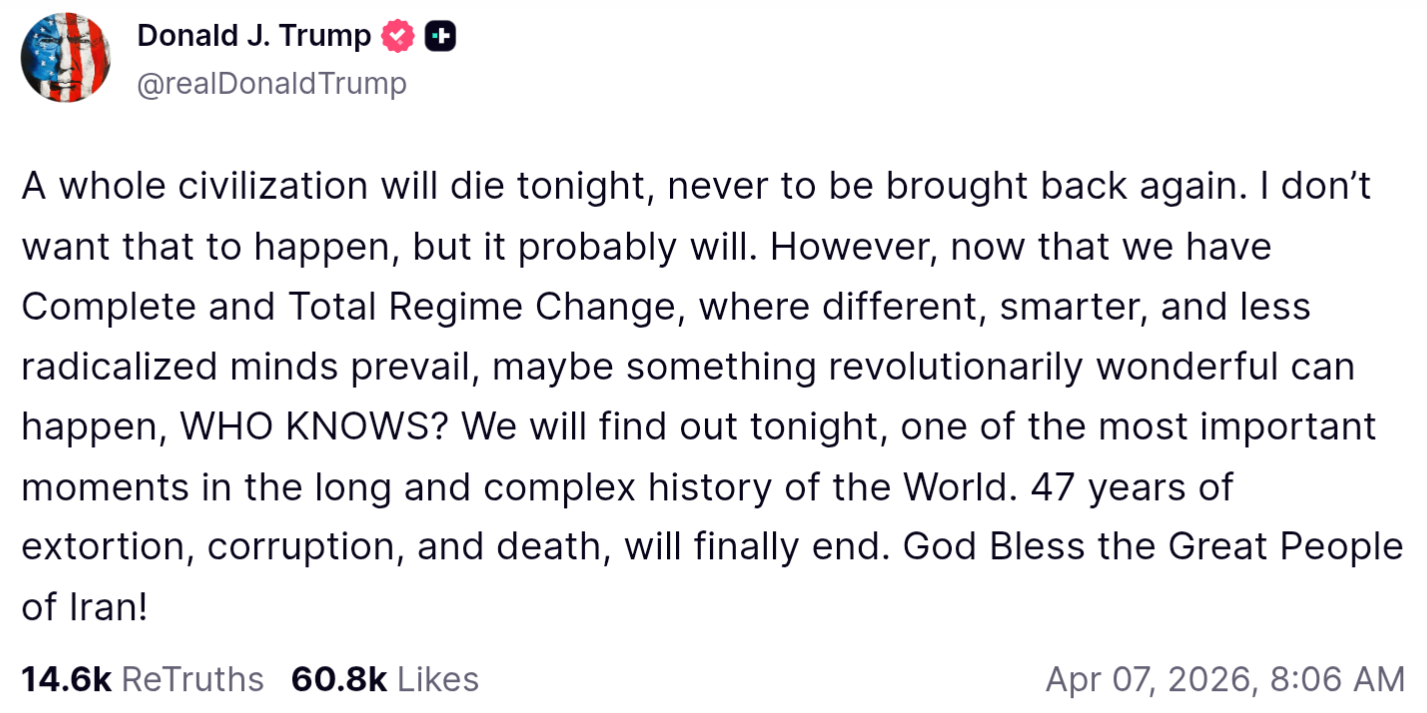
The U.S. military struck multiple targets in Iran as the conflict reached its 10th day, according to reports from Reuters, AP and CNN. AP reported that President Donald Trump said more attacks are coming, while CNN reported that he warned the U.S. could resume attacks.
That leaves the central issue less about whether Washington is willing to use force and more about where the limits of the operation are. Public reporting cited here has not established a complete target list, a damage assessment, casualties or a clear end point for the campaign.
The boundary of the campaign is still undefined
A 10th day of U.S. strikes gives the operation a different character than a single retaliatory action. It suggests a continuing pressure campaign, even though key facts about its scope remain incomplete.
U.S. Central Command described the strikes as a response to Iran’s “unwarranted and continued aggression,” according to AP. That stated rationale explains how the military is framing the action, but it does not answer how long the strikes could continue or what would stop them.
The uncertainty matters because each additional round can change the political and military calculation for Washington, Tehran and governments across the region. At this stage, that is an analysis of the reported developments rather than a confirmed statement of intent from either side.
What the latest reports confirm
Reuters reported that U.S. forces began launching additional strikes against multiple targets in Iran at 5:15 p.m. EDT. CNN also reported that the U.S. military said it had launched strikes “against multiple targets in Iran.”
AP reported that U.S. Central Command said the military was striking “multiple targets in Iran” in response to Iran’s “unwarranted and continued aggression.”
The available reporting does not identify every site hit in the latest round. It also does not provide a complete damage assessment or confirm whether there were casualties.
Those limits are important. Without them, it is not possible to determine from the cited reports whether the newest strikes are narrowly confined, expanding in scope or intended mainly as leverage for another outcome.
Trump and Hegseth signal more pressure
Trump has not publicly presented the latest strikes as the final step. AP reported that he said more attacks are coming, while CNN reported that he warned the U.S. could resume attacks.
AP also reported that Defense Secretary Pete Hegseth said the military would strike Iran “hard” Wednesday night.
At the same time, AP reported that Trump would not say whether he planned to follow through on earlier threats to attack bridges and utility plants in Iran. That leaves a major question about whether the target set will remain limited to military-linked objectives or widen toward infrastructure.
Trump has urged Iran to sign a deal with the U.S., according to AP. Based on the reporting provided here, the administration is applying military pressure while also pointing toward a political outcome, but the terms Washington wants have not been established.
Tehran’s regional response adds another front
AP reported that Tehran fired back at countries in the region. That reported response broadens the lens beyond a direct U.S.-Iran exchange.
As analysis, the regional element is one reason the conflict is being watched for possible spillover. The available reporting does not show that either Washington or Tehran has declared an intention to turn the confrontation into a wider war.
AP also reported that the U.S. military fired on a tanker trying to transport oil from Iran in violation of what AP described as a U.S. blockade on Iranian ports. According to AP, it was the eighth merchant vessel disabled in waters off Iran.
That maritime detail is separate from the land strikes, but it is part of the same pressure environment. It ties the conflict to shipping, Iranian oil movement and the decisions of other countries connected to the region.
The unanswered questions now matter most
The public record cited here still leaves basic questions unresolved:
- Which specific sites in Iran were hit in the latest round?
- How much damage did the strikes cause?
- Were there casualties, including civilians?
- How will Iran respond after the 10th day of strikes?
- Will the U.S. expand the target list to bridges, utility plants or other infrastructure?
The answers will determine whether the campaign is judged as a contained military action, a negotiating tactic, an effort to degrade specific capabilities or the start of a broader confrontation.
For now, the clearest verified marker is duration: the conflict has reached a 10th day of U.S. strikes, and Trump has left open the prospect of more. What remains unclear is the limit Washington has set for itself and what Tehran’s next move will be.
Leave a Reply