Blog

  • Democrats Edge Republicans 37%-36% on the Economy as Bills Bite

    Democrats Edge Republicans 37%-36% on the Economy as Bills Bite

    Voters’ close attention to utility bills, health costs and grocery prices is complicating the GOP’s long-standing economic message. A narrow Democratic edge does not settle the midterm picture, but it signals a meaningful vulnerability for Republicans.

    The Republican Party is losing its advantage with voters on the economy, with Democrats holding a narrow 37% to 36% edge on economic issues in the current measure cited in reporting ahead of the 2026 midterms. Cost-of-living worries are weakening the GOP’s economic credibility, even as Republicans have long cast themselves as the better managers of growth, prices and household finances.

    The shift matters because voters are not talking about the economy in abstract terms. They are tracking power bills, health-care costs and the price of beef, according to Republican pollster Mitchell Brown’s focus groups in battleground states. That creates a harder test for President Donald Trump and his GOP allies: persuading people that economic leadership is improving the bills they see every month.

    A one-point lead with meaning

    A 37% to 36% split is close enough to be volatile. It should not be read as proof that Democrats have permanently captured public trust on the economy, or that a single issue will determine congressional races.

    Woman pointing at a sale sign in an Asian supermarket aisle.
    Image: Artist Linbei, via Pexels, Pexels License.

    Still, the number is politically notable because economic stewardship has often been a Republican advantage. A move from a clear GOP edge to a near tie—or a slight Democratic lead—changes the strategic starting point for both parties.

    For Republicans, it means they cannot assume dissatisfaction with prices will automatically translate into confidence in the party. For Democrats, it offers an opening, but not a blank check: voters can be unhappy with Republican economic management without becoming enthusiastic about Democratic leadership.

    Household bills are the real test

    Economic data can shape public opinion, but household experience often shapes it faster. Rent, groceries, utilities, insurance premiums, medical expenses and borrowing costs arrive on schedules voters cannot ignore.

    Brown’s observation that participants can identify their power bill down to the dollar points to the political force of those recurring expenses. When people feel they are falling behind, a broader message about jobs, markets or long-term growth can struggle to break through.

    That does not mean every voter blames the White House, Congress or either party for each price increase. Inflation and affordability are influenced by global supply conditions, interest rates, corporate pricing, local housing shortages and personal circumstances. But political accountability is often simpler than economic causation: voters judge the people in power by whether life feels manageable.

    Why the GOP’s old advantage is vulnerable

    Republican candidates have frequently benefited from an image of fiscal restraint, lower taxes and business-friendly policy. That identity can be durable, particularly among voters who prioritize regulation, debt or growth.

    But an economic reputation is not fixed. It depends on whether voters connect a party’s agenda to their own experience. Persistent cost pressure can erode that connection, especially when people believe elected officials are emphasizing the wrong measures of success.

    The challenge is especially sharp for a governing party. Once Republicans are judged not just on campaign arguments but on the results associated with an administration and Congress, promises face a more immediate reality check.

    Republican strategists cited in the reporting see the hardening of negative views as a risk. Their concern is less about one disappointing headline than about a lasting impression that the party is not addressing the expenses voters consider unavoidable.

    Democrats have an opening, not a mandate

    Democrats can point to the narrow advantage as evidence that affordability is no longer an automatic Republican asset. The AP-NORC polling reported that only 31% of U.S. adults trusted Republicans to handle the economy, down from 36% a year earlier.

    Yet the same broader picture is more complicated than a straightforward Democratic revival. AP reported that Americans generally held weak views of both major parties, and that Republicans’ lost ground on the economy did not necessarily mean Americans trusted Democrats more.

    Democrats also face internal discontent. In the AP-NORC survey, about seven in 10 Democrats viewed their own party positively, a level that remained below past readings. That means party leaders must turn economic frustration into a credible case for action—and motivate voters who may be dissatisfied with both options.

    The midterm message will be concrete

    The fight over the economy is likely to focus less on competing theories than on specific costs. Candidates will be pressed to explain what they would do about health care, energy bills, food prices, housing and wages.

    Republicans may argue that their policies are better suited to boost investment, reduce regulation and relieve price pressure over time. Democrats may argue that the GOP’s agenda has not delivered enough relief and that government should take a more active role on household costs.

    Both arguments have weaknesses. Broad promises can sound distant to a voter who needs help now, while targeted proposals can face questions about price, execution and whether they address the underlying causes of high costs.

    What could change before voters decide

    There is substantial time before the midterms, and economic sentiment can move quickly. Changes in inflation, pay, employment, interest rates, gasoline prices or consumer confidence could reshape the debate.

    Other issues could also crowd out the economy. AP-NORC found health care to be an area where Democrats had a large advantage, while immigration, foreign policy and candidates’ personal standing may matter sharply in individual races.

    The clearest takeaway is that Republicans are being forced to defend a political asset they once could take for granted. Democrats’ 37% to 36% edge is narrow, but the underlying warning is broader: voters who know the exact cost of their next bill may not be persuaded by claims of economic strength unless they can feel it in their own budgets.

  • Trump-Backed Texas Republican Loses State Senate Seat GOP Held for 30 Years

    Trump-Backed Texas Republican Loses State Senate Seat GOP Held for 30 Years

    The Fort Worth-area result is not proof that Texas has changed overnight. It is a concrete problem for Republicans: a Trump-endorsed candidate lost decisively in a district the GOP had controlled for more than three decades.

    Taylor Rehmet’s special-election runoff win in the Fort Worth area gave Texas Democrats a state Senate seat Republicans had held for more than 30 years. Rehmet defeated Republican Leigh Wambsganss by more than 14 points despite being vastly outspent, according to NPR’s report on the race.

    The outcome drew alarm inside the GOP because Donald Trump had carried the district by 17 points two years earlier and endorsed Wambsganss. One special election cannot forecast the 2026 midterms by itself, but the scale and location of this loss have made it harder for Republicans to treat the race as routine.

    The number that changed the conversation

    The seat mattered because it was not open terrain for Democrats. Republicans had controlled the Fort Worth-area state Senate district for three decades, giving the party a long record of success there.

    Rehmet’s margin mattered just as much. A Democratic win by more than 14 points was not a narrow scrape in a low-profile contest, especially in a district Trump had won by 17 points two years earlier.

    That does not mean Texas has suddenly become a Democratic state. Texas remains Republican-dominated in statewide contests, and a special-election electorate is different from a general-election electorate.

    Still, the result forced Republicans to confront a specific question: how did a district with such a recent Republican presidential margin produce such a different runoff outcome?

    Trump’s endorsement did not settle the race

    Trump’s endorsement of Wambsganss gave the contest a national frame, even though the office was a state legislative seat. It also made the loss more politically visible for Republicans watching for signs ahead of 2026.

    An endorsement can help energize core supporters, but it does not guarantee turnout, persuasion or a campaign fit for a particular district. The Fort Worth-area race showed that national party identity and local voter behavior do not always move together.

    Texas Lt. Gov. Dan Patrick described the result as a wake-up call for Republicans across the state. That response captured why the runoff resonated beyond one seat: the GOP can keep broad statewide advantages and still face trouble in places it once treated as secure.

    Moderate Fort Worth voters are central to the concern

    Mark Jones, a Rice University political scientist, told NPR that Fort Worth has remained one of Texas’s remaining centers of more moderate, George W. Bush-style Republicans. He said some of those voters may have stayed home or crossed over to support Rehmet.

    That possibility points to a tension Republicans must manage. A strongly Trump-aligned message may appeal to the party’s most committed voters, while candidates in suburban or center-right areas may also need to reassure moderates.

    Jones said the outcome could indicate that some moderates believe the Trump administration has moved too far and may therefore be more open to Democratic candidates in November 2026. That remains an interpretation of one race, not a settled conclusion about the state.

    Democrats gained more than one talking point

    For Democrats, Rehmet’s win offers evidence that heavily Republican territory can be competitive when conditions are favorable. Rehmet characterized the victory as a win for “everyday working people.”

    The party can use the margin as a recruiting and organizing argument in future Texas races. A district previously viewed as safely Republican now looks different to candidates, donors and campaign strategists.

    The same weekend also brought another Democratic runoff win in Texas, though in a different kind of district. Christian Menefee won a Houston runoff to complete the congressional term of the late Rep. Sylvester Turner, a race held in a Democratic-leaning setting.

    NPR reported that Menefee’s election reduced the Republican majority in the U.S. House to four seats. His race was not the same kind of partisan surprise as Rehmet’s, but it added to Democrats’ encouraging evidence on runoff turnout and candidate recruitment.

    Statewide Texas remains a harder climb

    The Fort Worth-area upset does not remove the larger obstacles Democrats face in Texas. Bill Miller, an Austin political consultant who has worked for both parties, told NPR that winning statewide office remains a tall order for Democrats, including in a race for the U.S. Senate seat held by Republican John Cornyn.

    Republicans still have deep organizational networks, statewide name recognition and a recent record of winning major Texas races. Democrats would need a broad coalition across regions with very different political profiles to overcome the state’s Republican baseline.

    At the same time, statewide strength does not make every legislative district safe. If Republican margins weaken among moderate voters in districts that once provided comfortable cushions, more races could become expensive and genuinely competitive.

    The midterm test is still ahead

    The safest reading of Rehmet’s victory is that it is a warning sign, not a final verdict. Democrats proved they could win a difficult special election, while Republicans were reminded that familiar districts cannot simply be assumed to stay in place.

    What remains unclear is whether the turnout pattern and any voter movement seen in this runoff will continue when the electorate is larger and both parties have more time and money to campaign. Voters may also have acted for reasons specific to the candidates and local contest.

    The November 2026 midterms will offer a stronger test of whether this was an isolated reversal or an early sign of wider GOP vulnerability. For now, the result matters because of both the seat Democrats gained and the Republican reaction it triggered.

  • Chance Allison Describes Brittany Clark’s Final Moments in Fatal Orlando-Area Alligator Attack

    Chance Allison Describes Brittany Clark’s Final Moments in Fatal Orlando-Area Alligator Attack

    The fatal attack during a Sunday hike has left Brittany Clark’s loved ones grieving and wildlife officials searching for answers. The case also underscores the risk of entering Florida waterways, including shallow water at popular outdoor sites.

    Chance Allison recounted Brittany Clark’s final moments after Brittany Clark, 31, died after an alligator attack in the Econlockhatchee River near Orlando, Florida. The attack occurred around 1:30 p.m. Sunday as Clark, Allison and a friend waded in the river during a hike.

    Florida wildlife authorities disclosed details Monday and are investigating which alligator attacked Clark and what contributed to the encounter. Allison called 911 while trying to free Clark’s arms from the animal’s mouth, according to the Florida Fish and Wildlife Conservation Commission.

    A Sunday hike became fatal

    Clark, an Orlando resident, had been hiking with Allison and her best friend in Little Big Econ State Forest when the group entered the water to cool off, Florida Fish and Wildlife Conservation Commission Lt. Grant Eller said.

    They were in roughly three feet of water near the Barr Street Trailhead when an alligator attacked, according to Eller. Authorities said Clark suffered severe injuries to her arms.

    Clark died before rescuers could take her to a hospital, officials said. The wooded recreation area is northeast of Orlando, but the incident occurred in an environment that is also habitat for large reptiles.

    Allison remembered Clark’s warmth

    In a message to NBC News after Clark’s death, Allison called her an “amazing and caring person.” He said she was the strongest and most outgoing person he had known.

    He also said Clark loved being on the water whenever she could. Allison said the couple never imagined “this nightmare” could happen.

    Authorities’ account of the emergency says Allison was attempting to pull Clark’s arms from the alligator’s mouth while calling 911. A recording obtained by NBC News captured a desperate request for help as the people at the scene sought assistance.

    Those details convey the speed and trauma of the emergency, but they do not establish why the alligator attacked. Officials have not assigned a cause or said that Clark, Allison or their friend did anything that caused the encounter.

    Two alligators are being tested

    After the attack, Seminole County sheriff’s deputies and a professional alligator trapper removed two alligators seen near the scene, Eller said. One measured 13 feet, while the other measured 12 feet.

    Authorities sent DNA from both animals to a state laboratory to determine which, if either, was involved in Clark’s death. Finding large alligators near the site does not by itself prove either animal carried out the attack.

    The state’s investigation therefore remains consequential. Until testing is complete, officials cannot say with certainty whether one of the captured animals was responsible.

    It also remains unresolved what prompted the attack at that particular moment. Eller cited the end of mating season, when alligators can be territorial, and drought conditions that had left water levels low as possible relevant conditions—not final findings.

    Context is not an explanation

    Alligator behavior can be shaped by territory, nesting, food availability, water conditions and proximity to people. That range of factors is why a general description of seasonal or dry conditions should not be treated as a conclusion about Clark’s death.

    The case has drawn attention because fatal attacks are unusual, even in a state where alligators are common. The Florida Fish and Wildlife Conservation Commission says alligators live in all 67 Florida counties and that serious injuries are rare.

    Still, their presence is not restricted to remote swamps or highly visible wetlands. A regular visitor told NBC affiliate WESH that hikers in the area knew of alligator warning signs and that a female alligator had been seen nearby.

    That knowledge presents a difficult but important distinction. Recognizing a general wildlife risk is not the same as assigning blame to a victim after a sudden attack. Authorities have not said anyone’s conduct caused this one.

    Shallow water can still carry risk

    The immediate lesson from the case is that a river used for recreation remains shared wildlife habitat. The fact that the group was in about three feet of water illustrates why depth alone is not a measure of safety.

    Florida wildlife guidance generally advises people to keep a safe distance from alligators, keep pets away from the water’s edge and avoid swimming where alligators may be present—particularly at dawn, dusk or night. The agency also warns people never to feed alligators, since feeding can make them associate people with food.

    WESH reported that Clark’s death was the third reported alligator attack in seven days and the second within 24 hours in Central Florida. The state agency was also reviewing a report involving a boy fishing in Marion County.

    Those reports do not establish a broader surge or a shared cause. Each incident requires its own investigation, and a short cluster can reflect varied local circumstances. But they have renewed attention on decisions around waterways during hot, dry periods.

    Questions remain after Clark’s death

    For Clark’s family and friends, the case is first a personal loss: a 31-year-old woman Allison remembered for her care for others, her outgoing nature and her love of the water.

    For investigators, the outstanding questions are narrower but significant: which alligator attacked Clark, and what evidence can explain the encounter? DNA testing may answer the first question, while the second may remain difficult to resolve without evidence tied directly to the animal and the scene.

    Florida residents and visitors can report an alligator behaving aggressively or posing a threat through the Florida Fish and Wildlife Conservation Commission’s nuisance alligator program. In an immediate emergency, authorities advise calling 911.

    Clark’s death is a devastating reminder that posted warnings and local familiarity do not remove the danger of entering Florida waterways, even at a popular park and even in shallow water.

  • Musk and DOGE Cuts Leave Federal Agencies With Delays and Hidden Costs

    Musk and DOGE Cuts Leave Federal Agencies With Delays and Hidden Costs

    The immediate budget picture may not capture the full effect of the Department of Government Efficiency’s actions. Accounts from federal workers point to slower routine operations, unsettled staffing and costs that can surface long after a cut is announced.

    Elon Musk and the Department of Government Efficiency, or DOGE, are still associated with disruptions across federal agencies after layoffs, spending restrictions and contract cancellations. The consequences of DOGE’s cuts are still being assessed, with federal workers describing payment delays, vacant roles and routine work that now takes longer.

    That matters because an apparent reduction in spending does not necessarily reveal the full cost to government operations. Reuters reported that some effects of DOGE-related cuts may not appear in federal balance sheets for months or years, while workers told The New York Times that the changes have continued to affect agencies after Musk’s government role ended.

    The costs can arrive later

    Budget cuts are easy to announce. Measuring their effects is harder.

    General Services Administration (GSA) (53840300953)
    Image: ajay suresh, via Wikimedia Commons, CC BY 2.0.

    A canceled contract, a hiring freeze or a reduced purchasing limit can lower an agency’s immediate outlays. But agencies may later incur added costs when delayed maintenance becomes more expensive, when employees spend more time navigating approvals, or when contractors wait weeks or months to be paid.

    Reuters noted that department summaries reviewed for its reporting suggested many DOGE cuts would not show up quickly in federal balance sheets. That is a crucial distinction in the debate over government efficiency: a lower near-term expenditure is not, on its own, proof that a service was delivered more efficiently.

    There is also a basic accounting problem. It can take time to determine whether a cut represented a genuine reduction in waste, a cost shifted to a different part of government, or an obligation that will have to be addressed later.

    Routine work became harder

    Federal workers described operational strain rather than a single, uniform breakdown. Their accounts show how small procedural changes can multiply across large agencies.

    One Forest Service employee told The New York Times that new spending freezes and approval requirements delayed routine lawn care at a government property, leading the employee to pay out of pocket. The worker also described a snow-plowing contractor continuing work in good faith before payment was approved two months later.

    A National Park Service official said a $1 credit-card limit imposed in an early DOGE move meant employees sometimes had to locate a colleague with a higher-limit card for ordinary work purchases. A task once handled by one person could require several people, the official said.

    Those examples do not establish that every agency is experiencing the same level of disruption. They do illustrate why the effects of a broad cost-cutting campaign cannot be assessed only by counting jobs eliminated or contracts ended.

    Staff losses create a second problem

    Workforce reductions have their own delayed consequences. When experienced employees leave without a clear transition plan, the issue is not only the number of vacant positions; it is the loss of institutional knowledge about grants, contracts, safety requirements and basic agency procedures.

    An official at the General Services Administration told The New York Times that calls about routine work were not always answered because so many people had departed. The official also described workers learning about colleagues’ exits through email error messages rather than through a managed handoff.

    Some employees were still waiting to learn whether planned layoffs would affect them, according to the newspaper. That uncertainty can itself slow an organization, as managers postpone decisions and workers are reluctant to begin long-term projects without knowing who will be responsible for finishing them.

    Supporters of workforce reductions argue that agencies have long been too large, too slow and too insulated from pressure to modernize. The unresolved question is whether reducing head count and adding approval layers produces a leaner government—or simply a government that takes longer to complete the same work.

    The administration sees a different result

    The White House rejected the view that DOGE’s work caused lasting damage. Harrison Fields, a White House spokesman, told The New York Times that DOGE had delivered “remarkable results at an unprecedented pace” and said its mission would continue under agency and department leaders.

    Musk likewise said in a social-media post that the efficiency initiative would strengthen over time as it became a way of life throughout government.

    That defense rests on a familiar premise: reducing bureaucracy, reassessing contracts and limiting discretionary spending can expose waste that agencies might otherwise preserve. In that view, temporary disruption is a predictable part of changing a system that has resisted reform.

    Critics, including federal workers and Democratic lawmakers, contend that DOGE moved too quickly and often without sufficient attention to how agencies carry out legally required or public-facing work. Senator Patty Murray of Washington said Musk had imposed pain without a discernible gain, according to the Times.

    Savings claims need a fuller test

    The strongest test of DOGE’s legacy will not be a single number attached to canceled programs or reduced payrolls. It will be whether agencies can still deliver their core responsibilities reliably, legally and at a lower total cost.

    That assessment will require more than public claims about projected savings. It will require examining payment backlogs, contract disputes, staff turnover, service delays, administrative time and the cost of restoring capacity where cuts prove unworkable.

    It also matters that some DOGE-linked changes were not merely financial. Workers described new layers of review and uncertainty about authority inside agencies. A government can spend less in one line item while consuming more staff time elsewhere.

    For taxpayers, the practical issue is straightforward: efficiency means getting the same or better public service for less, not merely making a budget category smaller. The available accounts do not settle that question yet.

    What remains unclear now

    It is not yet clear how many DOGE-driven staffing and spending changes will remain in place, which agencies will rebuild capacity, or how much delayed work will ultimately cost. The effects are likely to vary sharply by agency and program.

    Musk’s direct time in government may have ended, but aides associated with DOGE remained in agencies, The New York Times reported. That means the initiative’s operational impact may continue even as its most visible figure steps away.

    The debate is therefore moving beyond the spectacle of abrupt cuts. The harder work is tracking what happened afterward: whether essential services were maintained, whether promised savings materialized and whether today’s reductions create bills that show up later.

  • White House optimism meets July’s 23,000-job U.S. decline

    White House optimism meets July’s 23,000-job U.S. decline

    A jobs report can carry more than one signal, but a monthly decline in payrolls makes an all-positive economic message difficult to sustain. The gap between the White House’s framing and the July data shows why the labor market debate is becoming more complicated.

    The White House tried to portray unfavorable U.S. economic results positively after July 2026 data showed 23,000 fewer nonfarm payroll jobs and a 4.1 percent unemployment rate. President Donald Trump’s administration presented the economy as strong and resilient, but the decline in payroll employment made that optimistic case harder to square with the headline numbers.

    The immediate dispute is not whether officials are allowed to point to encouraging indicators. It is whether those indicators outweigh a monthly jobs report that signals employers, in aggregate, added fewer workers than they shed.

    July’s headline number changed the debate

    Nonfarm payroll employment is one of the most closely watched U.S. economic measures because it offers a broad monthly snapshot of hiring across businesses and government. A decline of 23,000 jobs is not automatically proof of a recession, but it is a conspicuous reversal from the kind of sustained job growth policymakers typically cite as evidence of a healthy labor market.

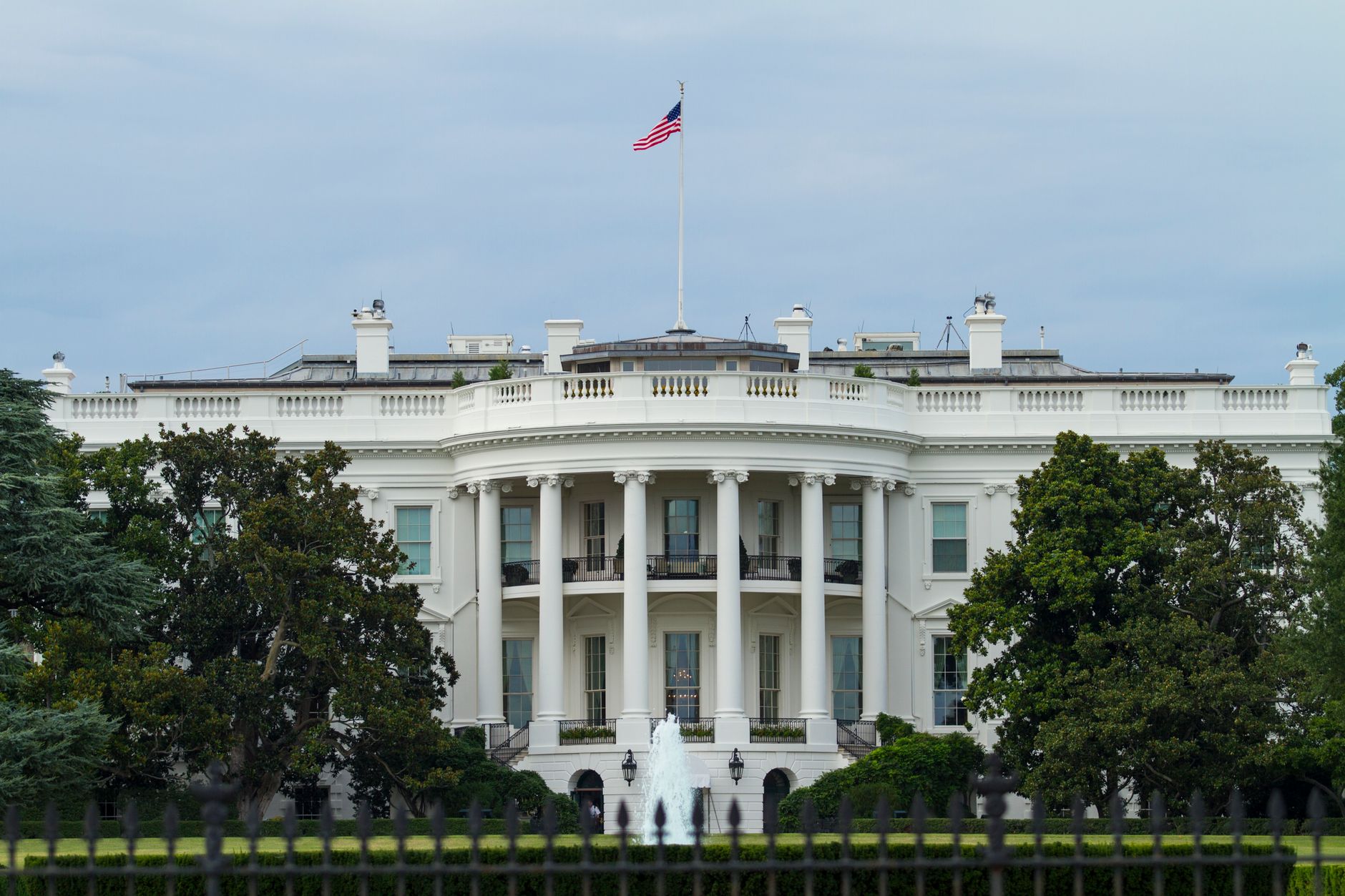
    Front view of the iconic White House with the American flag, surrounded by greenery.
    Image: Ramaz Bluashvili, via Pexels, Pexels License.

    The 4.1 percent unemployment rate complicates the picture rather than resolving it. That rate can still look relatively low by historical standards, yet unemployment and payrolls measure different things. The unemployment rate tracks people actively looking for work; payroll figures estimate the number of jobs on employer payrolls.

    Those measures can move in different directions for several reasons. Labor-force participation can change, people can leave or enter the job hunt, and household-survey results can diverge from the employer survey that underpins payroll estimates. Still, when payrolls fall, the burden is on anyone making an unequivocally upbeat argument to explain why.

    What the White House emphasized

    The White House has previously cast economic data under Trump as evidence of “strength and resilience,” pointing to areas including housing supply, rent growth, manufacturing investment, consumer confidence, personal income and jobless claims. In an April White House release, the administration argued that economic fundamentals were improving for workers, families and businesses.

    That case rests on a familiar economic argument: no single monthly report captures the entire economy. A softer jobs number may reflect temporary disruptions, seasonal adjustments, public-sector shifts or later revisions. Officials can also reasonably argue that wages, spending, investment, housing affordability and inflation deserve attention alongside payroll totals.

    But the July employment result tests the limits of that broader defense. Describing an economy as uniformly strong after a net payroll decline risks sounding less like analysis and more like selective emphasis, especially for workers whose experience is shaped by hiring freezes, reduced hours or a tougher search for a new job.

    A low unemployment rate has limits

    The 4.1 percent unemployment rate gives the administration a data point that is more favorable than the payroll decline. It suggests that, at least by that measure, the share of people seeking work who could not find it remained contained.

    Yet unemployment is often a lagging indicator. Employers may first slow hiring, cut openings, reduce temporary staffing or trim hours before they make larger layoffs. A low rate therefore does not erase concern about weakening job creation; it can indicate that the labor market is cooling from a previously firmer position.

    There is also a household-level distinction that national averages can obscure. People who remain employed may see a stable economy, while recent graduates, people changing industries and workers in regions with fewer openings can face a very different market. The political appeal of a low unemployment rate does not necessarily settle those competing experiences.

    One report is not the whole economy

    Critics of the White House message have a straightforward point: a 23,000-job drop is difficult to present as good news. Supporters have a separate, legitimate caution: monthly payroll estimates are revised, can be volatile and should not be treated as a final verdict on the economy.

    Both ideas can be true at once. The July data are disappointing on their face, while the larger trend depends on what follows—whether the decline is revised away, whether hiring rebounds, and whether other indicators show broad weakness or merely a temporary pause.

    The most useful test is not a single talking point but a cluster of measures over time: payroll revisions, wage growth, labor-force participation, job openings, unemployment claims, consumer spending and inflation. Stronger evidence across those categories would support the White House’s resilience narrative. Persistent softness would make that narrative increasingly difficult to defend.

    Why messaging matters to households

    Economic messaging is never just a contest over adjectives. It shapes how voters, employers and consumers interpret uncertainty. Businesses deciding whether to hire, households weighing a major purchase and workers considering a job change all pay attention to whether leaders acknowledge risks or dismiss them.

    An administration has incentives to spotlight favorable data, just as political opponents have incentives to spotlight bad news. The more important standard is whether the public is given enough context to understand the tradeoffs. Calling out a jobs decline does not require declaring an economic collapse; citing encouraging measures does not make the jobs decline disappear.

    For now, the clearest takeaway from July 2026 is modest but meaningful: the White House’s positive framing runs into a concrete weakness in the labor data. The next employment reports, along with any revisions to July’s figures, will show whether that weakness was a short-lived setback or the beginning of a more consequential slowdown.

    What remains unresolved

    The available figures do not establish why payrolls fell by 23,000 or which industries drove the decline. They also do not show, on their own, whether employers are preparing for a broader downturn, responding to temporary conditions or adjusting after earlier hiring.

    That uncertainty is precisely why confident claims from either side deserve scrutiny. The White House can point to other signs of activity, while critics can point to the payroll loss. Neither argument is complete without the next round of data.

    For readers, the practical lesson is to watch the direction of the trend rather than one political statement. If job losses deepen, unemployment rises and wage gains weaken together, the concern becomes harder to minimize. If payrolls rebound and July is revised higher, the administration will have a stronger case that the setback was temporary.

  • Dropped Reflecting Pool Charges Intensify Scrutiny of Doug Burgum’s Repairs

    Dropped Reflecting Pool Charges Intensify Scrutiny of Doug Burgum’s Repairs

    The controversy around Washington’s Reflecting Pool now centers on a legal reversal, competing accounts from Trump allies and unresolved questions about Interior’s repair work.

    Interior Secretary Doug Burgum’s Reflecting Pool problem has shifted from a repair dispute to a political and management test after federal prosecutors dropped criminal charges tied to alleged vandalism and said the damage came from a “botched installation,” according to Axios.

    The project, overseen by the U.S. Department of the Interior as part of President Donald Trump’s Washington-focused public works push, has drawn scrutiny over peeling paint, contractor questions, earlier sabotage claims and a reported confrontation involving U.S. Attorney Jeanine Pirro.

    The legal reversal changed the story

    Interior initially said vandals had ripped up the Reflecting Pool liner, Axios reported. Federal prosecutors then brought charges against several people, including a former U.S. Olympian, on allegations that the damage was deliberate.

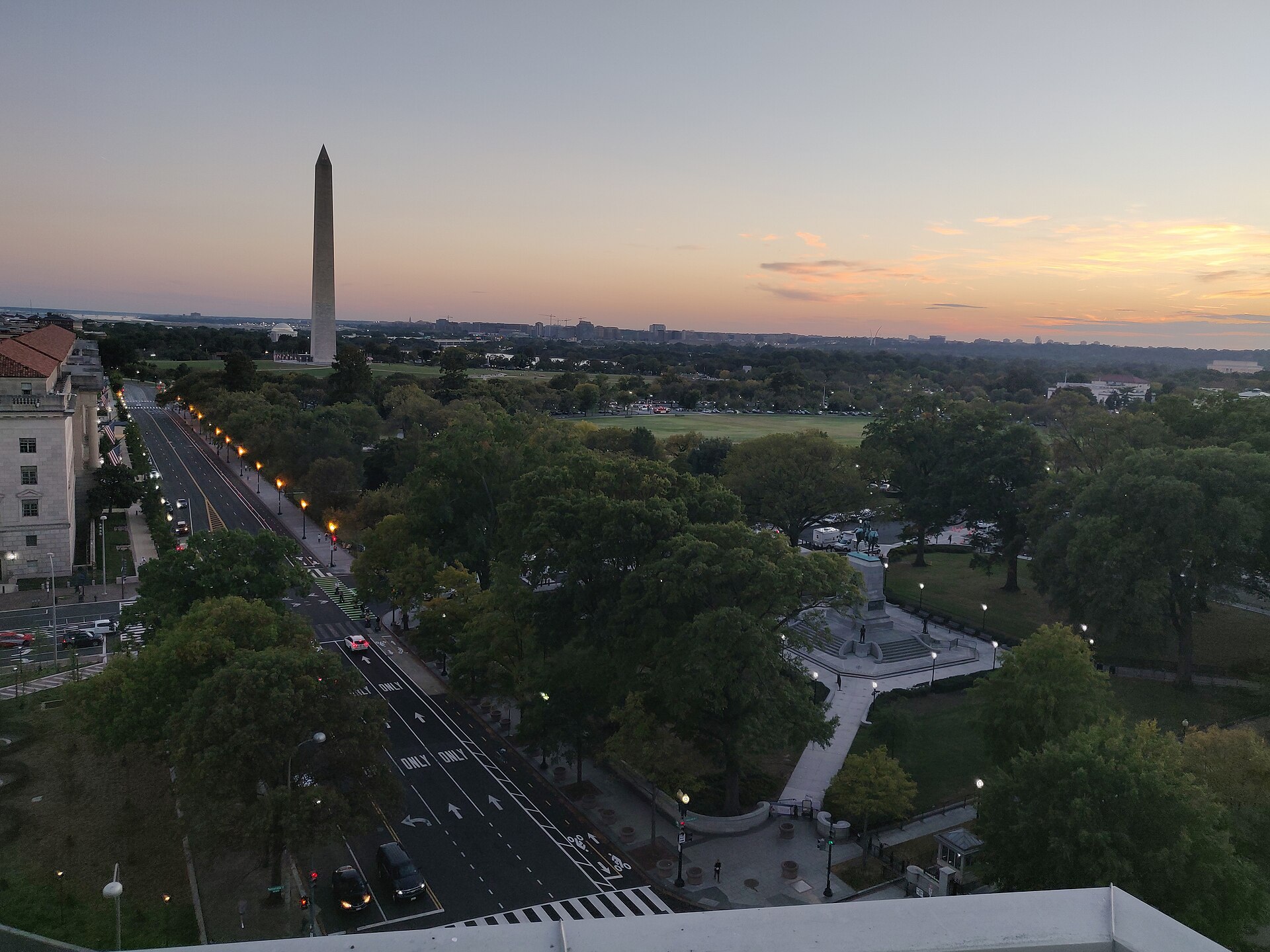
    Washington Monument and the National Mall 5
    Image: Kurt Kaiser, via Wikimedia Commons, CC0.

    Within about a month, prosecutors changed course. The U.S. Attorney’s Office dropped the charges and attributed the damage to a “botched installation,” according to Axios.

    That reversal left Interior facing a different question from the one it first raised. Instead of a public case focused on alleged vandalism, the issue became how a repair problem was presented as possible sabotage and why criminal charges followed.

    The dropped charges do not establish what every Interior official knew, or when they knew it. They do, however, place the department’s earlier account under renewed scrutiny.

    Interior’s repair account is under review

    The Reflecting Pool work began as an effort to improve one of the most recognizable features on the National Mall, located between the Lincoln Memorial and the Washington Monument.

    According to Axios, the project soon drew questions involving contracting, pool sealant, nanobubblers, peeling paint and damage at the site. The pool is now partially drained and awaiting further repairs, the outlet reported.

    That visible condition has kept attention on the project. A repair that might otherwise have remained a technical matter has become difficult for officials to separate from questions about quality control and oversight.

    It remains unclear from the available reports who approved the installation approach, what exactly caused the damage identified by prosecutors and whether Interior will make any internal review public.

    Pirro, Trump and Burgum are now part of the fallout

    The dispute has also pulled in Jeanine Pirro, the U.S. attorney in Washington and a longtime Trump ally. Axios reported that Pirro’s office dropped the case after the earlier vandalism allegations were abandoned.

    Axios also cited reporting that Pirro confronted Burgum in the Oval Office and accused him of misleading Trump about the Reflecting Pool.

    Interior has rejected that claim. A department spokesperson told The New York Times that Burgum “never misled the president” and had been clear in his comments about the pool.

    Trump publicly criticized Pirro after the charges were dropped, saying she was “folding like an umbrella,” according to Axios. The result is a dispute among Trump-aligned officials over how the failed installation and abandoned prosecution were handled.

    Burgum’s broader Washington role remains visible

    The Reflecting Pool controversy is unfolding as Burgum plays a significant role in Trump’s broader Washington agenda. Axios reported that he has been involved in projects ranging from reviving fountains at Meridian Hill and Columbus Circle to work connected to the East Potomac golf course.

    Those other projects give the pool fight a larger frame. The issue is not only whether one landmark can be repaired, but whether Interior can deliver highly visible public works projects without repeated problems becoming the main story.

    For now, the available reporting does not show that Trump has withdrawn confidence in Burgum. Axios noted that Trump previously gave Burgum a poster showing the freshly painted Reflecting Pool with a handwritten message: “To Doug — Great Job!”

    Staff criticism adds another layer

    The pool dispute has arrived alongside separate reports of strain inside Interior. Axios noted that Politico reported several departures, including the agency’s Senate-confirmed legal counsel and longtime staff member Tony Irish.

    Irish told Politico that Burgum appeared to combine “arrogance” with a lack of “curiosity or humility” toward career staff. That is Irish’s criticism, not a finding from an independent investigation.

    An Interior spokesperson disputed the criticism, telling Politico that Burgum leads a “high-performing team” marked by “gratitude, humility, curiosity and courage.”

    Those competing accounts have become relevant because the Reflecting Pool episode is now being judged not only as a repair failure, but also as a test of Interior’s decision-making and internal management.

    What remains unresolved

    The practical task ahead is to complete repairs and restore the Reflecting Pool without another setback. The political task is to explain how the project moved from maintenance work to alleged sabotage, criminal charges and then a reversal by prosecutors.

    Burgum and Interior still face questions about contracting, installation quality, the earlier vandalism claims and the future repair plan. Clear answers could determine whether the episode fades as a mismanaged renovation or continues as evidence critics use against the department.

    For an administration that has emphasized visible changes in Washington, the Reflecting Pool has become a reminder that public works projects can carry political risk when the repair process itself draws scrutiny.

  • Descendant of Enslaved People Criticizes Smithsonian in Fight Over American History

    Descendant of Enslaved People Criticizes Smithsonian in Fight Over American History

    The dispute is part of a larger clash over who gets to frame America’s national story. At issue is whether museums can confront the country’s hardest history without being accused of political indoctrination.

    A descendant of enslaved people criticized the Smithsonian Institution, alleging that its portrayal of American history and the United States amounts to “woke” indoctrination. The complaint lands as the White House pushes the Smithsonian’s National Museum of American History to change exhibits and public-facing material it says present the country through an ideological lens.

    The immediate argument is over whether the Smithsonian gives Americans a fair account of their national inheritance. The larger fight is about what a public museum owes its visitors: a more celebratory story of the United States, a fuller account of injustice and conflict, or an uneasy mix of both.

    The criticism joins a federal campaign

    The Smithsonian dispute has moved beyond commentary and into policy. On July 24, 2026, President Donald Trump issued Executive Order 14416, titled Restoring Trust in the Smithsonian Institution.

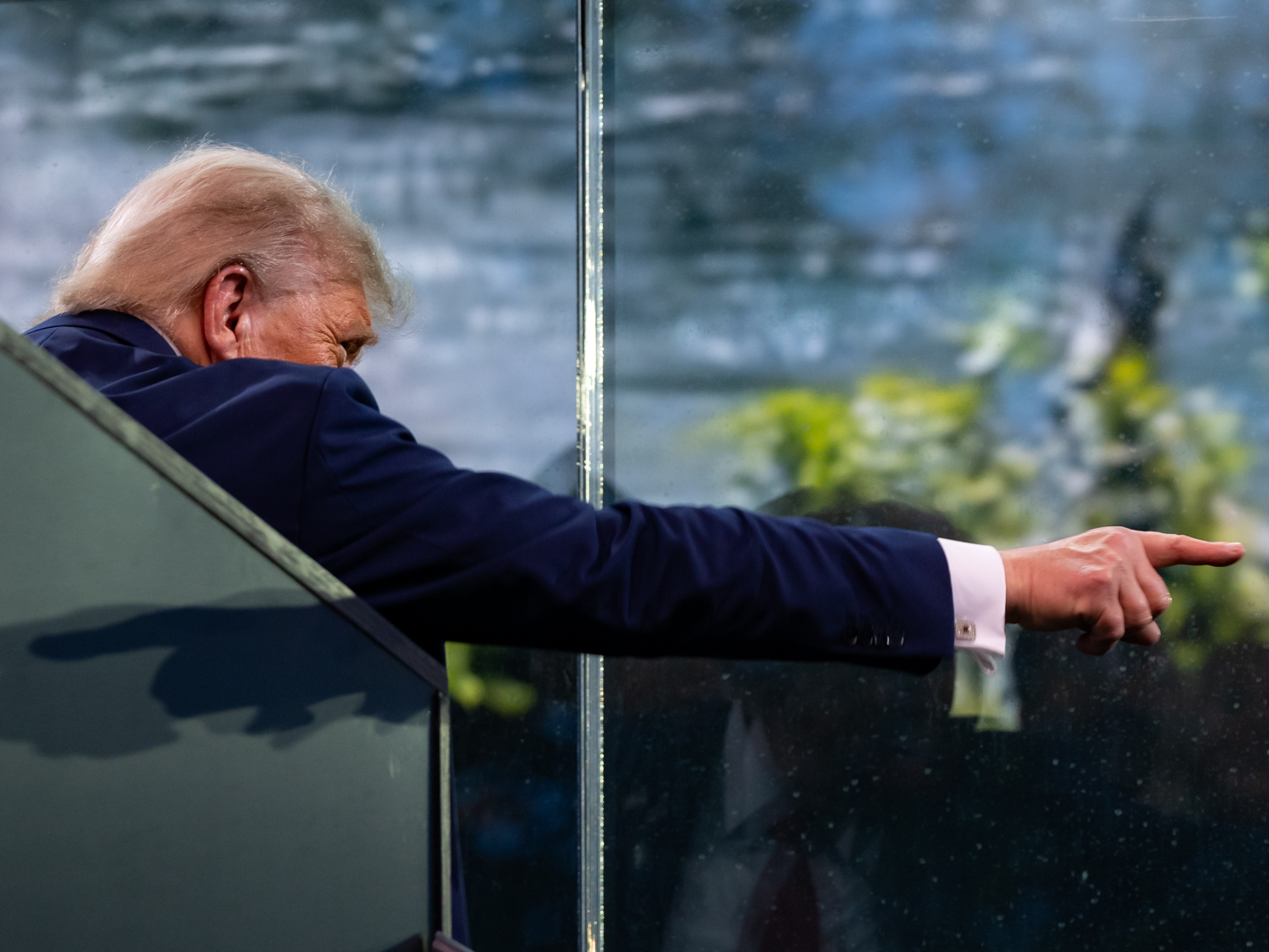
    Donald Trump pointing at the 250th Anniversary of the U.S. Army Grand Parade on June 14, 2025, in Washington, D.C. (cropped)
    Image: The White House, via Wikimedia Commons, Public domain.

    The order followed a months-long Domestic Policy Council review of the Smithsonian and the National Museum of American History. The administration’s report was titled Saving America’s Story: How Ideological Capture at the Smithsonian Institution’s National Museum of American History Erases Our Heritage.

    That framing closely tracks the allegation in the criticism from a descendant of enslaved people: that the museum’s approach does not simply provide historical context but advances a political interpretation of the country.

    Still, “woke indoctrination” is a political characterization, not a neutral finding. It reflects the language used by critics of the Smithsonian’s approach and by the administration’s broader campaign against what it calls ideological capture in cultural institutions.

    What the White House says is wrong

    The executive order says the administration’s review found that Smithsonian leadership had treated American history as a tool for advancing social justice and “radical transformation,” rather than as a shared inheritance to be taught and celebrated.

    The White House argues that this approach leaves visitors with an unfairly negative or incomplete view of the United States. Its stated goal is to restore an account of the country grounded in “honesty and gratitude.”

    The order directs the Interior Department, the Office of Management and Budget, the General Services Administration and White House domestic-policy staff to use available authority to address the administration’s concerns.

    It also calls for temporary signs along National Park Service-maintained paths leading to the National Museum of American History. Those signs are intended to tell visitors about the administration’s findings and state that exhibits should be renovated in line with the report.

    Why slavery remains central to it

    A critique from someone identified as a descendant of enslaved people complicates an argument often reduced to partisan labels. Descendants of enslaved Americans are not a political monolith, and family history alone does not dictate a single view of how slavery should be taught or displayed.

    For some people, a museum’s emphasis on slavery, segregation, racial violence and exclusion is essential to telling the truth about the United States. Omitting or softening those subjects, they argue, turns patriotism into selective memory.

    For others, including critics aligned with the White House’s position, a sustained focus on oppression can make the nation’s story seem defined chiefly by its failures. They argue that museums should give equal or greater weight to constitutional ideals, civic achievement, military service, invention and democratic progress.

    Those views are not necessarily incompatible. The disagreement is often about proportion, tone and authority: which facts are foregrounded, how exhibits connect past injustice to the present, and whether that connection becomes advocacy.

    A museum can be public and contested

    The Smithsonian is not a typical federal agency, although it receives federal funding and operates through a distinctive governance structure. Its museums are public institutions with a national audience, which makes their curatorial choices especially vulnerable to political scrutiny.

    The National Museum of American History faces a difficult assignment. It is expected to preserve objects, educate visitors and create narratives that work for schoolchildren, scholars, tourists, veterans, immigrants and families with sharply different views of the country.

    Every museum exhibit involves selection. Space is finite, objects require interpretation and curators decide what belongs in the main story rather than a side gallery. Critics may call those choices bias; museum professionals may call them historical judgment.

    The practical concern is whether pressure from elected officials improves accuracy or places cultural institutions under partisan control. The administration sees intervention as accountability. Opponents are likely to see it as an attempt to direct scholarship and public memory from the White House.

    The Declaration dispute adds pressure

    The executive order singles out the museum’s treatment of the 56 signers of the Declaration of Independence during the country’s 250th anniversary year. The White House says the museum failed to honor them appropriately.

    It instructs the National Park Service, working with White House domestic-policy staff, to put up temporary exhibits or signs on federally maintained outdoor areas that would correct what the order calls inaccurate information at the museum.

    That detail matters because it shifts the fight from a general disagreement about exhibit priorities to a visible intervention at the museum’s doorstep. Visitors could encounter the administration’s interpretation before entering the Smithsonian itself.

    The order says implementation must remain consistent with law and available appropriations. It does not, on its face, settle which specific indoor exhibits will change, on what timetable, or how Smithsonian leaders will respond to the administration’s findings.

    The unresolved question is balance

    The descendant’s criticism and the White House order share a central complaint: that the Smithsonian’s account of America has become too ideological. Their preferred alternative is a story that gives more room to national achievement, unity and gratitude.

    But museums cannot avoid difficult history simply by changing the tone of a label or adding more patriotic symbols. Slavery, dispossession, inequality and political conflict are part of the American record, just as democratic institutions, reform movements and major achievements are.

    The real test for the Smithsonian will be whether it can defend its historical choices clearly while remaining open to legitimate criticism. The test for political leaders will be whether calls for balance leave room for independent scholarship rather than demanding a museum-approved version of patriotism.

    For now, the dispute shows that arguments over American history are no longer confined to classrooms and social media. They are playing out in the nation’s museums, in federal directives and in the question of what millions of visitors will be invited to see as the American story.

  • DiJonai Carrington Ejected, Then Posts ‘White Privilege’ After Hard Foul

    DiJonai Carrington Ejected, Then Posts ‘White Privilege’ After Hard Foul

    A Chicago Sky-Indiana Fever game became a flashpoint after DiJonai Carrington was ejected for contact with Sophie Cunningham. The bigger question is whether a single on-court incident can fairly carry the weight of the WNBA’s wider racial tensions.

    The WNBA is confronting renewed debate over alleged racial entitlement dynamics after Chicago Sky guard DiJonai Carrington was ejected for a hard foul on Indiana Fever guard Sophie Cunningham in Chicago. Carrington later posted “WHITE PRIVILEGE” on Threads, turning a flagrant-two call into a broader argument about race, player safety and accountability.

    The incident matters because the WNBA’s rising visibility has also made its conflicts more public and more politically charged. But the ejection itself does not prove a sweeping claim about Black players or the league; it provides a sharp example of how quickly a basketball ruling can become a racial flashpoint.

    The foul that changed the game

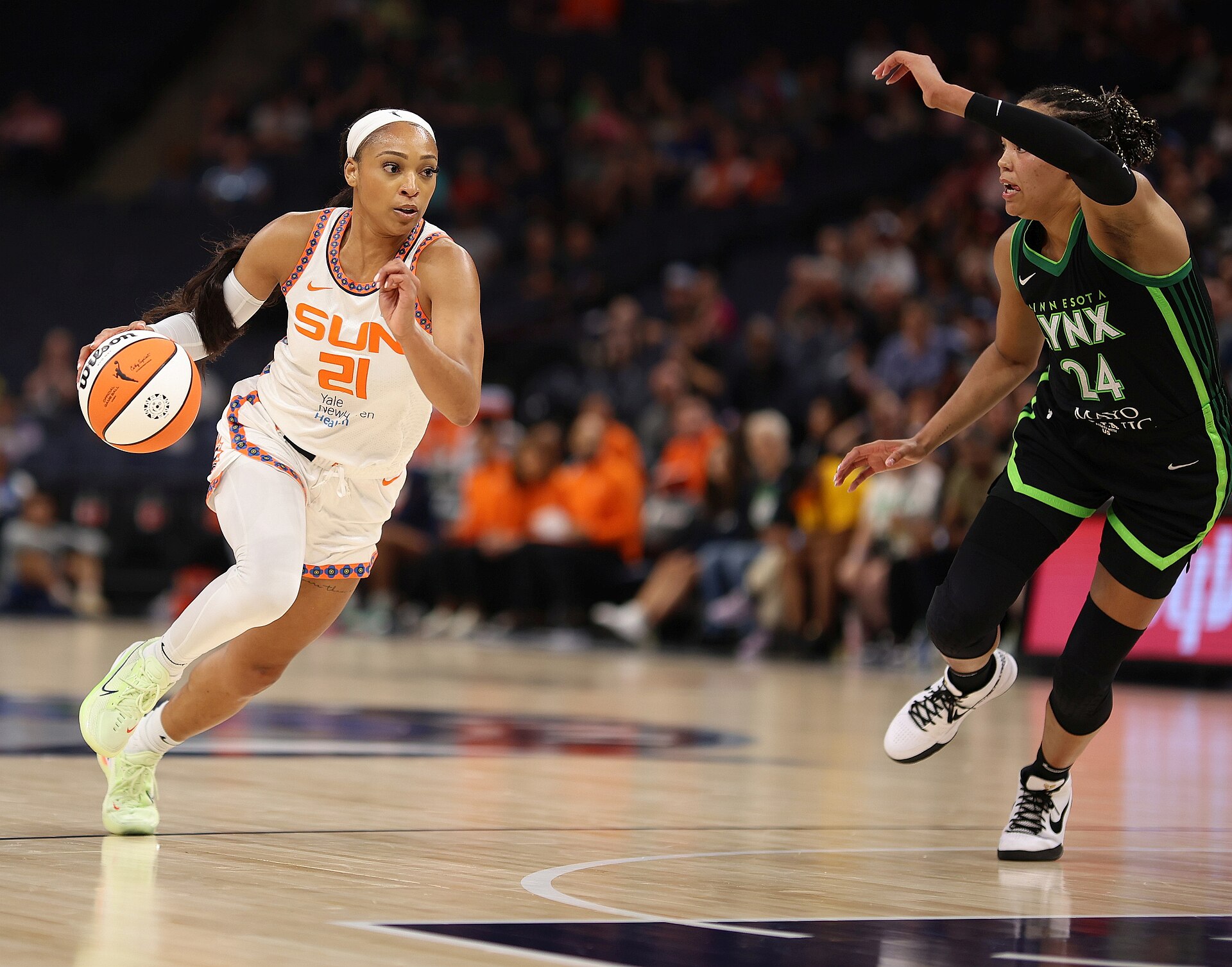
    Carrington caught Cunningham on the left side of the head while Cunningham was attempting a right-handed layup late in the first quarter, according to the BBC. Cunningham fell, got up quickly and confronted Carrington before teammates separated them.

    DiJonai Carrington (52947107733)
    Image: John Mac, via Wikimedia Commons, CC BY-SA 2.0.

    Officials reviewed the play, upgraded the foul to a flagrant two and automatically ejected Carrington. She had scored eight points in four minutes off the bench before leaving the game.

    Indiana won 90-86, but the score did not settle the story. The ruling and Carrington’s social-media response became the focus after the final buzzer.

    “White privilege” post raises stakes

    Shortly after her ejection, Carrington posted “WHITE PRIVILEGE” and tagged the Indiana Fever, according to the BBC and the Guardian. The post did not include a longer explanation of what she believed justified that accusation.

    That lack of detail left room for competing readings. Supporters of Carrington may see the post as reflecting real frustration with how race, fame and public sympathy operate around women’s basketball. Critics saw it as an attempt to recast a serious foul as racial unfairness rather than address the contact that prompted the ejection.

    Neither interpretation can be settled simply by the fact that an official made a flagrant-two call. The relevant basketball question was whether the contact met the league’s standard for an ejection, and officials determined that it did.

    Cunningham rejects race-based framing

    Cunningham said after the game that she believed the league was handling the matter and rejected the idea that the ejection should be treated as a racial issue. She noted that she had been ejected for a similar play the previous season and said she deserved that punishment.

    “This has nothing to do with race,” Cunningham said, according to the BBC. “There’s no reason even to play that card.”

    Fever coach Stephanie White also described it as a hard foul and said she did not believe Carrington intentionally set out to hit Cunningham across the neck, while adding that the call was correct. That distinction matters: a player can be held responsible for dangerous contact without observers claiming they intended to injure an opponent.

    Chicago coach Tyler Marsh said he had only just learned of Carrington’s post when asked after the game and would need to address it later.

    Why one play carries more weight

    The WNBA has long been shaped by Black athletes, and discussion of race is not an outside distraction from the league’s story. It is part of the league’s history, its player culture and its relationship with fans.

    At the same time, the league’s recent growth has brought a larger audience with entrenched views about race, gender, sexuality and women’s sports. That means a disputed foul can draw attention far beyond normal debates about officiating.

    Cunningham herself had already become a focus of controversy over comments about transgender athletes in women’s sports. The BBC reported that supporters and protesters had appeared at and around Fever games in response. That context helps explain why this particular matchup carried social meaning before Carrington’s foul.

    Still, it is important not to collapse every disagreement into a single explanation. Cunningham’s public positions, Carrington’s post, officiating standards and fan behavior are related by the conversation they sparked, but they are not evidence of one simple racial hierarchy inside the WNBA.

    Safety and fairness must coexist

    The league’s first obligation in a hard-foul situation is straightforward: protect players and apply its rules consistently. Referee Maj Forsberg said Cunningham was not penalized for her reaction because officials deemed it acceptable given the severity of the contact.

    Consistency is also where public trust is won or lost. Players and fans will compare this ejection with prior calls, missed calls and disciplinary decisions. A league cannot prevent every accusation of bias, but clear explanations and consistent enforcement make those accusations easier to evaluate.

    Reuters reported in July that the WNBA and its players’ union were pursuing stronger security measures after players raised concerns about racist and sexist online abuse. That is a separate issue from a flagrant foul, but it shows why race-related disputes in the league cannot be treated as merely performative or imaginary.

    Real abuse deserves serious attention. So does the need to avoid using broad racial labels to explain an individual disciplinary decision without evidence.

    The unresolved question after Chicago

    The Carrington-Cunningham episode leaves two conversations running at once. One is about a specific play: officials reviewed the contact, deemed it a flagrant two and ejected Carrington.

    The other is about what Carrington meant by “white privilege,” whether it was a response to treatment inside the league or a reaction to a painful and costly moment on the court. Public reporting so far does not provide a detailed explanation from Carrington that resolves that question.

    The most responsible reading is narrower than the loudest rhetoric. This was a serious on-court incident that exposed existing tensions around race and public perception in the WNBA. It is not, on its own, proof that an entire group of players is entitled—or that concerns about racial bias should be dismissed.

    For the league, the challenge is to enforce safety rules credibly while recognizing that its most visible games now unfold in an environment where every call can be pulled into a much larger cultural fight.

  • House Holds Key to Federal Funding After Senate’s 90-6 Vote

    House Holds Key to Federal Funding After Senate’s 90-6 Vote

    A broad Senate vote advanced temporary funding for federal agencies and several expiring programs. The measure’s fate now depends on whether the House passes it unchanged.

    The U.S. Senate passed a government spending bill by a 90-6 vote early on August 8, 2026, sending a continuing resolution to the U.S. House of Representatives for approval. The measure is intended to keep federal agencies funded and avert a government shutdown, but the House must act before the shutdown threat is removed.

    The lopsided Senate vote gives the package momentum, not finality. The bill combines temporary agency funding with extensions affecting veterans, transportation and trade, while also addressing a contested proposal for political appointees to review federal grants.

    A large vote, but not a law

    Senators approved H.R. 6500 at 3:37 a.m. on August 8, according to the Senate’s official roll-call record. The vote was on passage of the bill as amended: 90 senators voted yes, six voted no, one voted present and three did not vote.

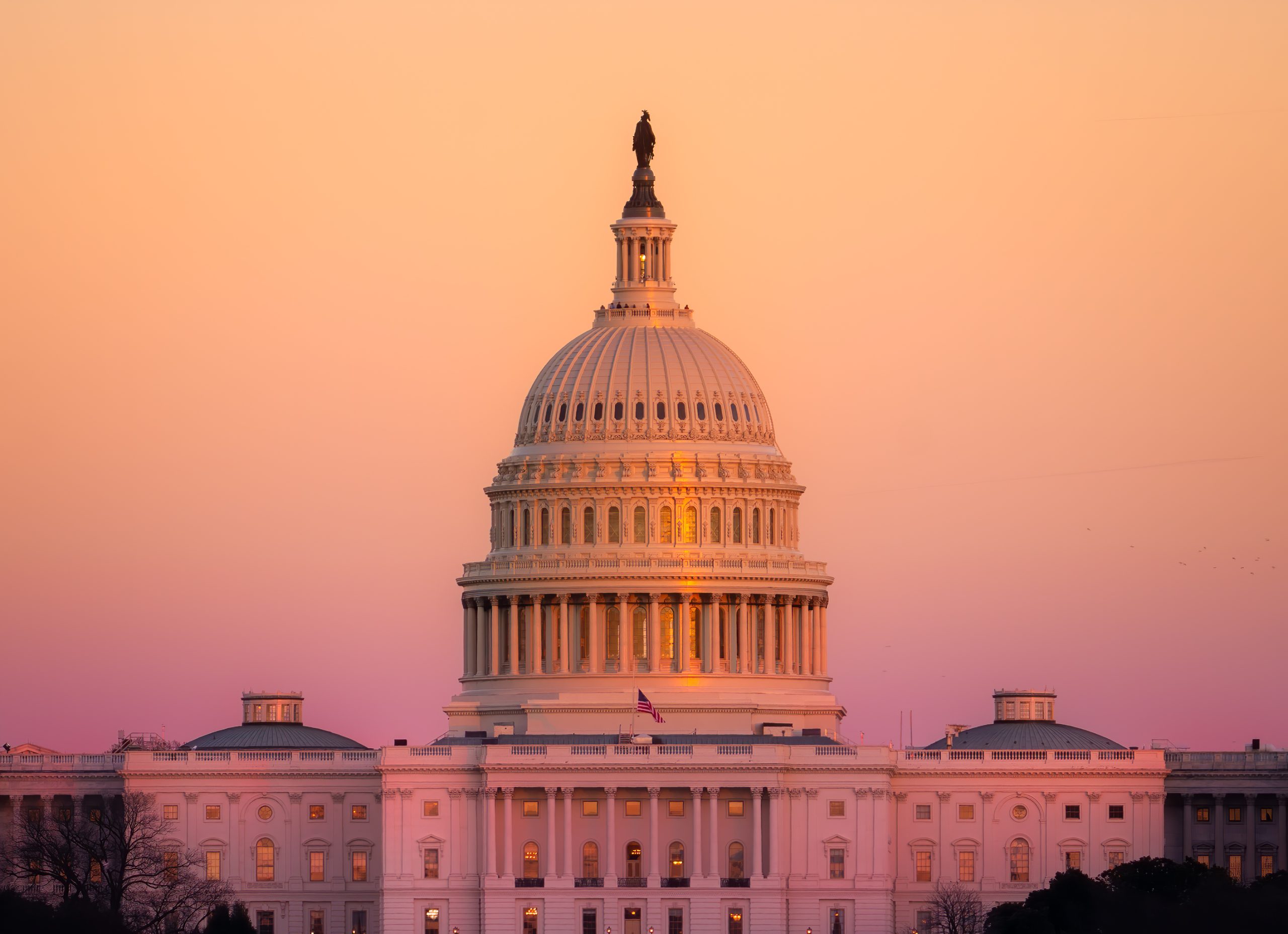
    Capitol Dome at Sunset
    Image: John Brighenti, via Flickr, CC BY 2.0.

    Formally, the bill is titled an act making continuing appropriations and extensions for fiscal year 2027. It is a continuing resolution, the kind of temporary funding law Congress uses when it has not completed the regular appropriations process.

    That distinction matters. A continuing resolution can prevent a lapse in funding, but it does not settle the larger questions lawmakers would ordinarily resolve through separate annual spending bills. Senators took up the measure late before leaving for the August recess, underscoring the pressure to avoid another interruption in federal operations.

    The House determines the next move

    Senate passage alone does not complete the legislative process. The House must pass the Senate-approved legislation before the immediate funding question can be resolved.

    If the House passes the same bill, the measure would move forward in the enactment process. If House members make changes, the two chambers would need to reconcile their differences, potentially restoring the deadline pressure the Senate vote was designed to ease.

    A shutdown is not caused simply because one chamber has yet to vote. It occurs when funding authority lapses for affected government operations and no law provides appropriations or another legal means for work to continue. Until House action is clear, the practical risk remains unsettled.

    Funding runs through December

    USA Today reported that the package would fund federal agencies through December. It would also extend certain Veterans Affairs programs and transportation and highway authorities, making the bill more than a narrow stopgap for agency operations.

    The package also includes an extension of trade incentives involving imports from certain African countries. The Senate’s official description specifically identifies provisions extending duty-free treatment under the African Growth and Opportunity Act and customs user fees.

    Those provisions show why a funding measure can attract support from lawmakers with different priorities. They can also complicate the House vote: a member may support avoiding a shutdown but object to an extension or policy provision attached to the broader bill.

    That is a recurring feature of high-stakes spending negotiations. Bills aimed at preventing a funding gap often become vehicles for programs facing expiration, unresolved deadlines and policy fights lawmakers want to address before a break.

    Grant oversight became a central dispute

    One provision would block a White House proposal that would allow political appointees to review and approve grants, according to USA Today. Republican Sen. Susan Collins of Maine, chair of the Senate Appropriations Committee, pushed for the restriction with backing from Democrats and other Republicans.

    Collins argued on the Senate floor that the proposed Office of Management and Budget rule could politicize federal grants and harm small and rural communities as well as biomedical research. Her argument treated the restriction as a safeguard for grant recipients and research institutions.

    There is a competing view. Supporters of stronger political review can argue that elected administrations should have meaningful oversight over how executive agencies direct public money. The Senate’s action suggests a broad majority was reluctant to give political appointees that level of grant-review authority.

    The clash illustrates why the House decision is not merely procedural. The debate involves competing ideas about how federal funding should be administered, not just how long agencies should remain funded.

    Opposition crossed party lines

    The 90-6 result was strongly bipartisan but not unanimous, and the opposition did not fit a simple party-line divide. USA Today identified Republican Sens. Bill Cassidy and Rand Paul among the no votes, along with Democratic Sens. Tim Kaine, Ed Markey and Elizabeth Warren and independent Sen. Bernie Sanders.

    Lawmakers can oppose a continuing resolution for different reasons: concerns about spending, objections to particular provisions or frustration that Congress has not completed separate annual appropriations bills. The sixth opposing senator was not identified in the supplied reporting.

    Supporters see temporary funding as a way to avoid disruption when a deadline is near. Critics argue that continuing resolutions delay difficult decisions, reduce oversight and leave agencies operating under short-term rules rather than the predictability of full-year budgets.

    Shutdown memories raise the stakes

    The Senate acted less than a year after a record 43-day government shutdown, according to USA Today. With November midterm elections approaching, neither party is likely to welcome responsibility for another disruption in government services or pay interruptions for federal workers.

    Shutdown effects are not uniform. Essential activities may continue, while other work can be delayed or curtailed depending on the available funding and legal status of a program. Federal employees, contractors, travelers, benefit applicants and communities relying on federal programs can all feel the consequences.

    For now, the Senate has delivered a clear bipartisan vote and a path toward temporary funding. The unresolved issue is whether the House will take up the bill quickly and pass it without changes—or send Congress back into another round of negotiations while the funding clock continues to matter.

  • Max Miller Stays in Ohio Race as Replacement Deadline Nears

    Max Miller Stays in Ohio Race as Replacement Deadline Nears

    A looming ballot-replacement deadline has intensified pressure on Rep. Max Miller, who denies abuse allegations from his ex-wife and rejects calls to leave the race.

    Rep. Max Miller says he will remain in the reelection contest for Ohio’s 7th Congressional District as Republicans approach a Wednesday deadline to replace him on the ballot. The decision comes amid unproven abuse allegations by his ex-wife, Emily Moreno, and a public call from her father, Sen. Bernie Moreno, that Miller should not serve in Congress.

    Miller has categorically denied abusing Emily Moreno or their young daughter. The allegations have not been proved, and available reporting does not establish that Miller has been criminally convicted in connection with them.

    The ballot deadline changes the political calculation

    Miller represents a district that had been a reliable Republican seat and was carried by President Donald Trump by double digits in 2024, according to the reported account. But internal Democratic and Republican polling showed Miller one point ahead of the Democratic nominee before Bernie Moreno’s public statement and before Democrats had spent money highlighting the allegations.

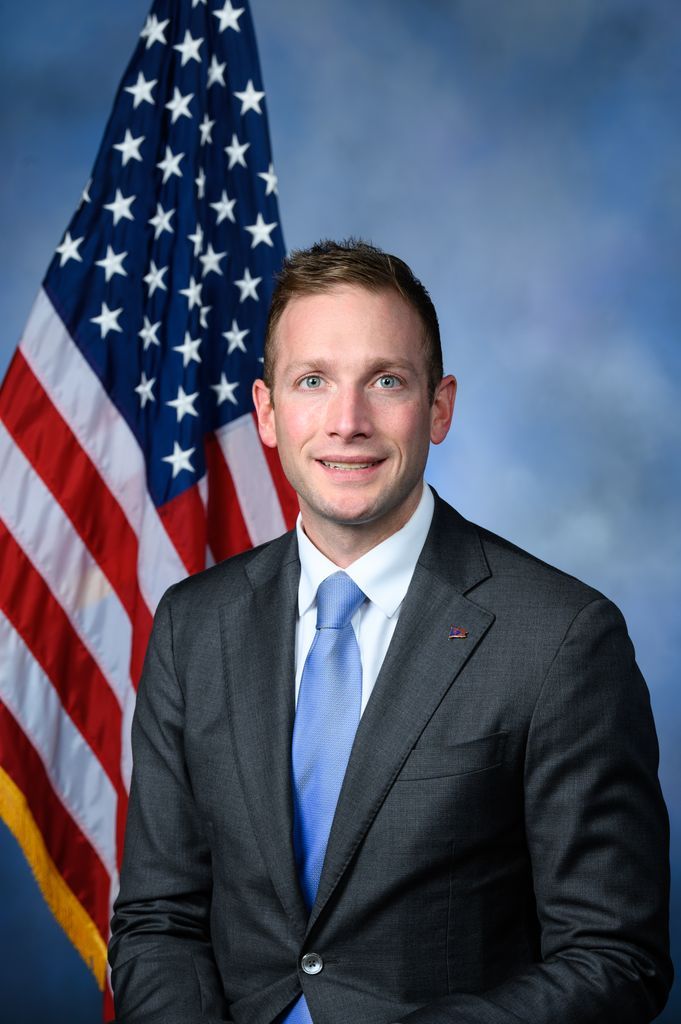
    Rep. Max Miller official photo, 118th Congress
    Image: United States Congress, via Wikimedia Commons, Public domain.

    Miller has said he will not leave voluntarily. That means a different nominee would require significant pressure from party leaders or a change in Miller’s own decision before the deadline.

    Republicans must weigh two difficult possibilities: retaining Miller while the campaign is dominated by serious, unresolved accusations, or replacing an incumbent in a district once viewed as secure. It remains unclear how many Ohio Republicans, donors or voters will follow Moreno’s lead.

    Miller rejects the allegations and calls for process

    In a livestream lasting roughly 20 minutes, Miller denied the accusations and argued that they were not credible. He said his ex-wife had made friendly overtures after incidents she later described as abusive.

    Miller also pointed to his continued joint custody of their daughter after years of court conflict. He has argued that this shows courts do not regard him as a threat.

    His position rests on two related claims: that the allegations are false and that unproven accusations should not force a sitting representative from office. Miller said that if the allegations were true, he would be in jail.

    House Speaker Mike Johnson similarly stressed that the key word is “allegation” and said accusations should proceed through an official process, including the House Ethics Committee where appropriate.

    Party leaders offer conflicting responses

    Trump said he had always considered Miller a good person, called the situation sad and said the claims were accusations that the parties should sort out. Rep. Jim Jordan of Ohio called the matter a family issue and said he hoped Miller would win reelection.

    Those responses emphasize due process and reflect concern that abandoning an incumbent before allegations are adjudicated could establish what supporters view as an unfair precedent.

    Bernie Moreno has taken a sharply different view. His intervention has made it harder for fellow Republicans to treat the conflict solely as a private matter, while not determining by itself whether Miller loses party backing.

    Moreno’s intervention carries personal weight

    Bernie Moreno is Emily Moreno’s father, Miller’s former father-in-law and the grandfather of the child involved in the family’s custody case. After Miller’s livestream, the senator said Miller had failed any basic standard of character for elected office.

    Moreno said he was concerned for his granddaughter during the times she is in Miller’s custody. He also said Miller should seek professional help and described what he called a pattern of abuse.

    By saying Miller should not serve in the House, Moreno moved a conflict that had largely played out through family-court proceedings and public filings into an open dispute over political fitness. The senator’s public break with a former family member carries a different weight from ordinary campaign criticism.

    The family case remains unresolved

    Miller and Emily Moreno divorced in 2024 and have continued to fight over custody. According to court documents described by The New York Times, Emily Moreno has accused Miller of throwing hot water from a skillet onto her chest and stomach, holding a gun to her head, and pushing her against a wall, causing her head to strike it.

    She has also alleged that Miller fractured their daughter’s collarbone and bruised her shoulder. These are allegations, not findings of guilt.

    The litigation has involved competing claims concerning child abuse, stalking and restraining orders. Family-court proceedings can produce sharply conflicting accounts, a factor cited by Republicans who have urged restraint before making political judgments.

    Several questions remain open: whether the House Ethics Committee will act, whether the custody litigation produces new developments, and whether Trump or other national Republican figures alter their positions before the ballot deadline. For now, Miller remains a candidate, and the dispute continues to test Republican political judgment in Ohio.