
The immediate budget picture may not capture the full effect of the Department of Government Efficiency’s actions. Accounts from federal workers point to slower routine operations, unsettled staffing and costs that can surface long after a cut is announced.
Elon Musk and the Department of Government Efficiency, or DOGE, are still associated with disruptions across federal agencies after layoffs, spending restrictions and contract cancellations. The consequences of DOGE’s cuts are still being assessed, with federal workers describing payment delays, vacant roles and routine work that now takes longer.
That matters because an apparent reduction in spending does not necessarily reveal the full cost to government operations. Reuters reported that some effects of DOGE-related cuts may not appear in federal balance sheets for months or years, while workers told The New York Times that the changes have continued to affect agencies after Musk’s government role ended.
The costs can arrive later
Budget cuts are easy to announce. Measuring their effects is harder.
A canceled contract, a hiring freeze or a reduced purchasing limit can lower an agency’s immediate outlays. But agencies may later incur added costs when delayed maintenance becomes more expensive, when employees spend more time navigating approvals, or when contractors wait weeks or months to be paid.
Reuters noted that department summaries reviewed for its reporting suggested many DOGE cuts would not show up quickly in federal balance sheets. That is a crucial distinction in the debate over government efficiency: a lower near-term expenditure is not, on its own, proof that a service was delivered more efficiently.
There is also a basic accounting problem. It can take time to determine whether a cut represented a genuine reduction in waste, a cost shifted to a different part of government, or an obligation that will have to be addressed later.
Routine work became harder
Federal workers described operational strain rather than a single, uniform breakdown. Their accounts show how small procedural changes can multiply across large agencies.
One Forest Service employee told The New York Times that new spending freezes and approval requirements delayed routine lawn care at a government property, leading the employee to pay out of pocket. The worker also described a snow-plowing contractor continuing work in good faith before payment was approved two months later.
A National Park Service official said a $1 credit-card limit imposed in an early DOGE move meant employees sometimes had to locate a colleague with a higher-limit card for ordinary work purchases. A task once handled by one person could require several people, the official said.
Those examples do not establish that every agency is experiencing the same level of disruption. They do illustrate why the effects of a broad cost-cutting campaign cannot be assessed only by counting jobs eliminated or contracts ended.
Staff losses create a second problem
Workforce reductions have their own delayed consequences. When experienced employees leave without a clear transition plan, the issue is not only the number of vacant positions; it is the loss of institutional knowledge about grants, contracts, safety requirements and basic agency procedures.
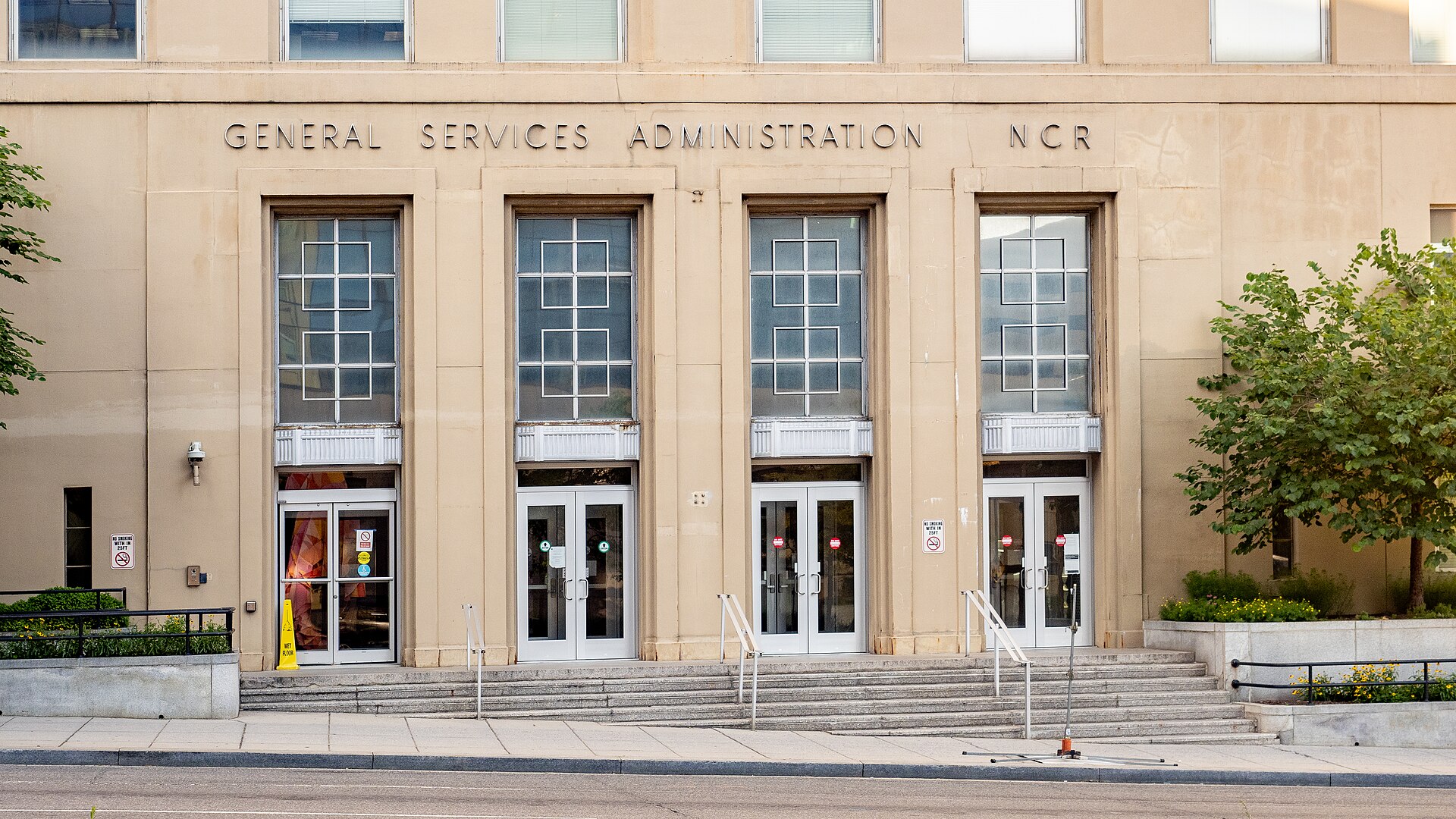
An official at the General Services Administration told The New York Times that calls about routine work were not always answered because so many people had departed. The official also described workers learning about colleagues’ exits through email error messages rather than through a managed handoff.
Some employees were still waiting to learn whether planned layoffs would affect them, according to the newspaper. That uncertainty can itself slow an organization, as managers postpone decisions and workers are reluctant to begin long-term projects without knowing who will be responsible for finishing them.
Supporters of workforce reductions argue that agencies have long been too large, too slow and too insulated from pressure to modernize. The unresolved question is whether reducing head count and adding approval layers produces a leaner government—or simply a government that takes longer to complete the same work.
The administration sees a different result
The White House rejected the view that DOGE’s work caused lasting damage. Harrison Fields, a White House spokesman, told The New York Times that DOGE had delivered “remarkable results at an unprecedented pace” and said its mission would continue under agency and department leaders.
Musk likewise said in a social-media post that the efficiency initiative would strengthen over time as it became a way of life throughout government.
That defense rests on a familiar premise: reducing bureaucracy, reassessing contracts and limiting discretionary spending can expose waste that agencies might otherwise preserve. In that view, temporary disruption is a predictable part of changing a system that has resisted reform.
Critics, including federal workers and Democratic lawmakers, contend that DOGE moved too quickly and often without sufficient attention to how agencies carry out legally required or public-facing work. Senator Patty Murray of Washington said Musk had imposed pain without a discernible gain, according to the Times.
Savings claims need a fuller test
The strongest test of DOGE’s legacy will not be a single number attached to canceled programs or reduced payrolls. It will be whether agencies can still deliver their core responsibilities reliably, legally and at a lower total cost.
That assessment will require more than public claims about projected savings. It will require examining payment backlogs, contract disputes, staff turnover, service delays, administrative time and the cost of restoring capacity where cuts prove unworkable.
It also matters that some DOGE-linked changes were not merely financial. Workers described new layers of review and uncertainty about authority inside agencies. A government can spend less in one line item while consuming more staff time elsewhere.
For taxpayers, the practical issue is straightforward: efficiency means getting the same or better public service for less, not merely making a budget category smaller. The available accounts do not settle that question yet.
What remains unclear now
It is not yet clear how many DOGE-driven staffing and spending changes will remain in place, which agencies will rebuild capacity, or how much delayed work will ultimately cost. The effects are likely to vary sharply by agency and program.
Musk’s direct time in government may have ended, but aides associated with DOGE remained in agencies, The New York Times reported. That means the initiative’s operational impact may continue even as its most visible figure steps away.
The debate is therefore moving beyond the spectacle of abrupt cuts. The harder work is tracking what happened afterward: whether essential services were maintained, whether promised savings materialized and whether today’s reductions create bills that show up later.
Leave a Reply