
A broad Senate vote advanced temporary funding for federal agencies and several expiring programs. The measure’s fate now depends on whether the House passes it unchanged.
The U.S. Senate passed a government spending bill by a 90-6 vote early on August 8, 2026, sending a continuing resolution to the U.S. House of Representatives for approval. The measure is intended to keep federal agencies funded and avert a government shutdown, but the House must act before the shutdown threat is removed.
The lopsided Senate vote gives the package momentum, not finality. The bill combines temporary agency funding with extensions affecting veterans, transportation and trade, while also addressing a contested proposal for political appointees to review federal grants.
A large vote, but not a law
Senators approved H.R. 6500 at 3:37 a.m. on August 8, according to the Senate’s official roll-call record. The vote was on passage of the bill as amended: 90 senators voted yes, six voted no, one voted present and three did not vote.
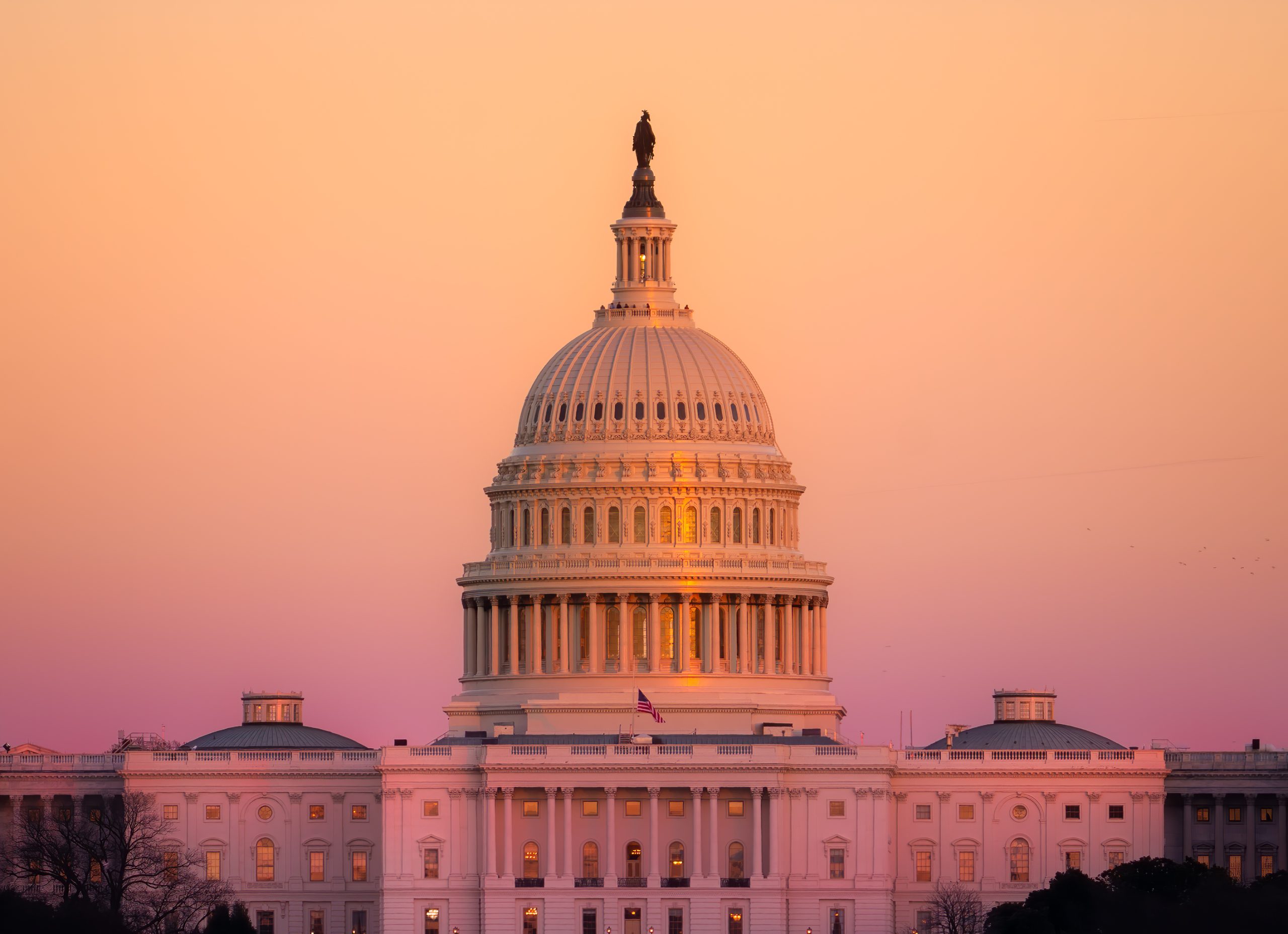
Formally, the bill is titled an act making continuing appropriations and extensions for fiscal year 2027. It is a continuing resolution, the kind of temporary funding law Congress uses when it has not completed the regular appropriations process.
That distinction matters. A continuing resolution can prevent a lapse in funding, but it does not settle the larger questions lawmakers would ordinarily resolve through separate annual spending bills. Senators took up the measure late before leaving for the August recess, underscoring the pressure to avoid another interruption in federal operations.
The House determines the next move
Senate passage alone does not complete the legislative process. The House must pass the Senate-approved legislation before the immediate funding question can be resolved.
If the House passes the same bill, the measure would move forward in the enactment process. If House members make changes, the two chambers would need to reconcile their differences, potentially restoring the deadline pressure the Senate vote was designed to ease.
A shutdown is not caused simply because one chamber has yet to vote. It occurs when funding authority lapses for affected government operations and no law provides appropriations or another legal means for work to continue. Until House action is clear, the practical risk remains unsettled.
Funding runs through December
USA Today reported that the package would fund federal agencies through December. It would also extend certain Veterans Affairs programs and transportation and highway authorities, making the bill more than a narrow stopgap for agency operations.
The package also includes an extension of trade incentives involving imports from certain African countries. The Senate’s official description specifically identifies provisions extending duty-free treatment under the African Growth and Opportunity Act and customs user fees.
Those provisions show why a funding measure can attract support from lawmakers with different priorities. They can also complicate the House vote: a member may support avoiding a shutdown but object to an extension or policy provision attached to the broader bill.
That is a recurring feature of high-stakes spending negotiations. Bills aimed at preventing a funding gap often become vehicles for programs facing expiration, unresolved deadlines and policy fights lawmakers want to address before a break.
Grant oversight became a central dispute
One provision would block a White House proposal that would allow political appointees to review and approve grants, according to USA Today. Republican Sen. Susan Collins of Maine, chair of the Senate Appropriations Committee, pushed for the restriction with backing from Democrats and other Republicans.
Collins argued on the Senate floor that the proposed Office of Management and Budget rule could politicize federal grants and harm small and rural communities as well as biomedical research. Her argument treated the restriction as a safeguard for grant recipients and research institutions.
There is a competing view. Supporters of stronger political review can argue that elected administrations should have meaningful oversight over how executive agencies direct public money. The Senate’s action suggests a broad majority was reluctant to give political appointees that level of grant-review authority.
The clash illustrates why the House decision is not merely procedural. The debate involves competing ideas about how federal funding should be administered, not just how long agencies should remain funded.
Opposition crossed party lines
The 90-6 result was strongly bipartisan but not unanimous, and the opposition did not fit a simple party-line divide. USA Today identified Republican Sens. Bill Cassidy and Rand Paul among the no votes, along with Democratic Sens. Tim Kaine, Ed Markey and Elizabeth Warren and independent Sen. Bernie Sanders.
Lawmakers can oppose a continuing resolution for different reasons: concerns about spending, objections to particular provisions or frustration that Congress has not completed separate annual appropriations bills. The sixth opposing senator was not identified in the supplied reporting.
Supporters see temporary funding as a way to avoid disruption when a deadline is near. Critics argue that continuing resolutions delay difficult decisions, reduce oversight and leave agencies operating under short-term rules rather than the predictability of full-year budgets.
Shutdown memories raise the stakes
The Senate acted less than a year after a record 43-day government shutdown, according to USA Today. With November midterm elections approaching, neither party is likely to welcome responsibility for another disruption in government services or pay interruptions for federal workers.
Shutdown effects are not uniform. Essential activities may continue, while other work can be delayed or curtailed depending on the available funding and legal status of a program. Federal employees, contractors, travelers, benefit applicants and communities relying on federal programs can all feel the consequences.
For now, the Senate has delivered a clear bipartisan vote and a path toward temporary funding. The unresolved issue is whether the House will take up the bill quickly and pass it without changes—or send Congress back into another round of negotiations while the funding clock continues to matter.
Leave a Reply