Blog

  • Hayden Panettiere Found Unresponsive in Greenville as Death Probe Continues

    Hayden Panettiere Found Unresponsive in Greenville as Death Probe Continues

    Officials say there were no preliminary signs of foul play or trauma, but the investigation into Hayden Panettiere’s death is not complete. Here is what authorities have confirmed, what remains unknown, and why early reports require care.

    New details have emerged about the day Hayden Panettiere died in Greenville, South Carolina. Panettiere, 36, was found unresponsive at Judson Mill Lofts on August 16, 2026, after police and emergency personnel were called to the complex at about 1:51 p.m.; authorities are investigating the circumstances of her death.

    The Greenville Police Department and Greenville County Coroner’s Office have said their preliminary findings showed no signs of foul play or suspicious circumstances. That does not mean the case is closed: officials have not announced Panettiere’s cause or manner of death, leaving the most consequential questions pending further testing and investigation.

    What officials say happened

    According to a statement provided by Greenville police, an acquaintance called 911 from Judson Mill Lofts, an apartment complex at 701 Easley Bridge Road. Officers and emergency medical personnel responded and provided medical assistance.

    Hayden Panettiere in 2011 09 (cropped)
    Image: Tabercil, via Wikimedia Commons, CC BY-SA 2.0.

    Police said the person was later identified as Panettiere and was pronounced dead at the scene. The account establishes the known timeline of the response, but it does not explain what led to the medical emergency.

    Greenville County Coroner Mike Ellis said first responders and emergency medical services found Panettiere in cardiac arrest. EMS workers attempted advanced cardiac life-support measures, Ellis said, but those efforts were unsuccessful.

    No cause of death announced

    The distinction between cardiac arrest and a cause of death matters. Cardiac arrest describes the immediate medical condition in which the heart stops functioning effectively; it does not, on its own, identify why that happened.

    Authorities completed an autopsy on August 17, according to the coroner’s office. The cause and manner of death remain pending additional studies and further investigation, which can include toxicology and other medical examinations.

    That gap has fueled public interest, especially because dispatch audio and social-media discussions have produced unverified theories. None of those theories should be treated as a confirmed explanation while the coroner’s work is ongoing.

    Police report no foul play

    Greenville police said the preliminary investigation had not found signs of foul play or suspicious circumstances. The coroner also said Panettiere showed no signs of trauma that would have contributed to her death.

    Those statements narrow one part of the inquiry, but they are not a final medical finding. Investigators can rule out obvious signs of a violent incident while still awaiting laboratory results needed to determine a cause and manner of death.

    For residents near the response, Judson Mill Lofts management said there was no threat to the community, according to reporting by the Greenville News. Management also acknowledged that the visible police and emergency response could be unsettling and requested privacy for those involved.

    A career that began early

    Panettiere became known to a broad television audience as Claire Bennet on NBC’s Heroes, following early roles in projects including Remember the Titans, Ally McBeal and Disney’s Ice Princess. She later starred as singer Juliette Barnes in Nashville.

    Her career began in childhood, and she remained a recognizable screen presence across television and film. In recent years, she had also spoken publicly about difficult periods in her life, including addiction, treatment and postpartum depression.

    That history has led some coverage to draw connections before official findings are available. Reporting on a death should separate a person’s past disclosures from the specific facts of the current investigation; a prior health or substance-use history is not proof of a cause of death.

    Why the pending findings matter

    Panettiere’s representative confirmed her death on August 16 and shared a statement from her father, Skip Panettiere, remembering her as “an incredible light and a force of nature.” The public grief around the actor’s death is real, but it has also created an environment where incomplete information can travel quickly.

    The formal findings from the Greenville County Coroner’s Office will carry more weight than early accounts, emergency dispatch references or online claims. Until then, the verified record is limited: Panettiere was found unresponsive in Greenville, emergency efforts did not revive her, and investigators have reported no preliminary evidence of foul play.

    Officials have not said when a final cause and manner of death determination will be released. The responsible takeaway for now is that the investigation remains active, the autopsy process is not yet complete, and the public does not have a confirmed explanation for Panettiere’s death.

    Support during a difficult story

    Stories involving sudden death, addiction or mental-health struggles can be especially difficult for readers and for people close to someone in crisis. The facts confirmed in this case should not be used to make assumptions about anyone else’s health, recovery or personal circumstances.

    In the United States, confidential treatment and recovery support is available through the Substance Abuse and Mental Health Services Administration’s National Helpline at 1-800-662-HELP (4357). For an immediate mental-health or suicide crisis, call or text 988 to reach the Suicide & Crisis Lifeline.

  • Michelle Rodriguez Says Too Many Young Stars Are Dying After Panettiere’s Death

    Michelle Rodriguez Says Too Many Young Stars Are Dying After Panettiere’s Death

    Rodriguez’s remarks turned a personal tribute into a wider reflection on the losses that have shaken performers who grew up in the public eye. The comments also leave important details about Panettiere’s death unclear.

    Michelle Rodriguez said it is “not normal” for so many young stars to be dying after Hayden Panettiere’s reported death at age 36 on August 16. Rodriguez’s reaction to Panettiere’s passing centers on grief for a fellow performer and a broader concern about recent losses among young entertainment figures.

    The Fast & Furious actor said she “can’t stand how many young people are leaving us lately,” according to reports. Her words have resonated because they put a stark feeling into plain language: several actors who became familiar to audiences at an early age have died far sooner than fans expected.

    Rodriguez’s grief was personal

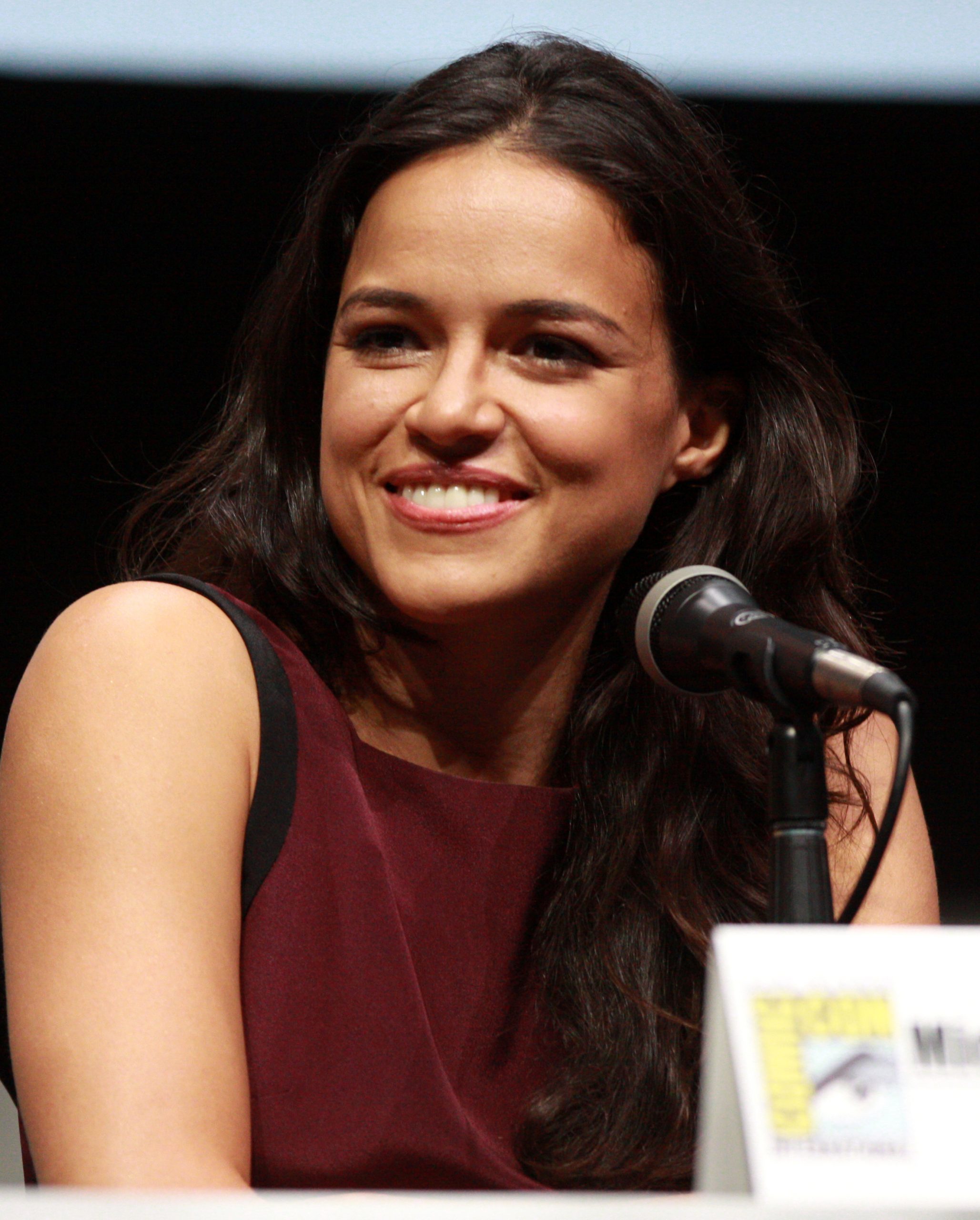
    Rodriguez and Panettiere had a professional connection through Scream 4, according to reporting on Rodriguez’s comments. Rodriguez also recalled seeing Panettiere at the World Music Awards not long before her death, making the news especially difficult for her to process.

    Michelle Rodriguez by Gage Skidmore 2
    Image: Gage Skidmore, via Openverse, by-sa.

    That immediacy matters. Public tributes can sometimes sound ceremonial, but Rodriguez’s language was notably blunt. Rather than limiting her response to a remembrance of Panettiere’s work, she voiced distress at what she sees as a troubling number of early deaths among people in her industry.

    Her comments do not identify a common cause or make a medical claim about those deaths. They are an expression of loss and alarm, not evidence that the individual cases are connected.

    Panettiere’s career began early

    Panettiere spent most of her life in the spotlight. She started acting as a child, later becoming widely known for Heroes, Remember the Titans and Nashville.

    That long public record helps explain the scale of the reaction. For many viewers, Panettiere was not simply a current celebrity but someone whose work marked different stages of their own lives—from childhood television and family films to prime-time dramas.

    Reporting on her life has also documented the pressures that accompanied fame. Panettiere discussed addiction, harassment, trauma and the limited privacy that came with beginning a career so young. In an autobiography published earlier this year, she wrote about losing the chance for an ordinary childhood, friendships and privacy.

    Those experiences should not be used to fill in unknown details surrounding her death. Still, they provide context for why tributes to Panettiere have also prompted a larger conversation about the demands placed on child performers.

    A string of painful losses

    Rodriguez’s remarks arrived amid renewed attention on the deaths of other actors who became famous young. Reports have pointed to Michelle Trachtenberg, who died at 39 in 2025, and Daveigh Chase, who died at 35 earlier this year.

    It is understandable that people would see those names together and feel that the losses are piling up. Celebrity culture creates an unusual sense of familiarity: audiences watch performers grow up, follow career turns and often retain vivid memories of roles made decades earlier.

    But grouping deaths by profession and age can also blur crucial differences. Each person’s life, health history, circumstances and cause of death are separate matters. A shared connection to Hollywood does not establish a shared explanation.

    That tension sits at the heart of Rodriguez’s response. Her concern is emotionally clear, even as the facts behind each death must be treated individually and carefully.

    Former child stars recognize pressure

    Other performers who entered the business as children have reflected on the particular challenges of growing up while being watched, evaluated and marketed. Alexa PenaVega, another former child actor, recently mourned Panettiere, Trachtenberg and Chase while discussing experiences shared by young performers.

    The entertainment industry can offer opportunity, financial security and creative community. It can also involve adult workplaces, public scrutiny, unstable schedules and an identity tied closely to career success before a young person has much room to define life outside the business.

    There is no single experience shared by every child actor, and it would be unfair to reduce their lives to a cautionary tale. Many former young performers build healthy, durable careers and private lives. The concern raised by Rodriguez and others is that success should not make the personal cost invisible.

    Panettiere’s life carried both sides of that reality: major professional achievements and well-documented struggles with the burdens that can accompany fame.

    What remains unknown about Panettiere

    The available reports say Panettiere died at 36 on August 16, but they do not provide a cause of death or other official circumstances. That absence is significant, particularly when online discussion can turn quickly from mourning into assumption.

    Until verified information is released by appropriate representatives or authorities, claims about why Panettiere died should be regarded with caution. Rodriguez did not offer such an explanation; she spoke about the painful pattern she feels she is witnessing.

    For now, the most grounded reading of her statement is also the simplest one. Rodriguez is grieving a colleague and reacting to the cumulative shock of losing familiar young actors within a relatively short period.

    The larger point behind her words

    Rodriguez’s statement does not solve the difficult questions surrounding celebrity, young fame or personal vulnerability. It does, however, reject the idea that repeated early losses should be met with detached acceptance.

    Panettiere’s death has brought renewed attention to a performer remembered for work across film and television, as well as to the complicated realities she described publicly. Rodriguez’s reaction adds another layer: the sense that Hollywood’s public memory is often built around people audiences thought they would have many more years to watch.

    The clearest takeaway is not a theory about a cluster of deaths. It is a call for care in how those deaths are discussed—honoring the individuals involved, avoiding unsupported links between cases and taking seriously the pressures experienced by people who grow up in the spotlight.

  • Trump Claims Total Control of Strait of Hormuz as Iran Pushes Back

    Trump Claims Total Control of Strait of Hormuz as Iran Pushes Back

    The headline’s language suggests a major political revelation, yet the supplied reporting record leaves core details unresolved. That gap matters when claims about presidential misconduct move faster than the evidence behind them.

    An unnamed expert flagged a scandal as potentially presidency-ending and said it “should be huge,” according to the trend headline. But the scandal identified by the expert is not described in the available source record, meaning the claim’s political significance cannot be established from the materials provided.

    What is documented is a public dispute involving President Donald Trump, Iran and control of the Strait of Hormuz. The White House said Trump claimed the United States had “total” control of the waterway, while Reuters reported competing claims from Iran. That is a serious foreign-policy issue, but it is not, on its own, proof of a presidency-ending scandal.

    The central allegation is missing

    “Presidency-ending scandal” is an exceptionally consequential label. It implies conduct grave enough to trigger a sustained political collapse, congressional action, a legal investigation, resignation pressure or a decisive public break with a president.

    None of those elements is identified in the available source brief. The expert is unnamed. The alleged scandal is unnamed. There is no description of conduct, no documentation, no cited investigation, no statement from a government agency and no indication of which law, policy or ethical standard may have been violated.

    That does not establish that the underlying claim is false. It means readers do not yet have enough information to evaluate it responsibly. A strong assertion is not a substitute for knowing who made it, what they are alleging and what evidence supports the allegation.

    What the available reporting does show

    The related reporting supplied with the brief centers on the Strait of Hormuz, a strategically vital shipping route. Reuters reported that Iran and the United States made competing assertions over control of the strait, with Trump saying the U.S. had “total control” of the waterway.

    A White House release described Trump’s comments in more detail. It said he asserted that the United States had a blockade in place and that Iran did not control the strait. The release also included his acknowledgment that mines could disrupt shipping, even as he maintained that U.S. naval power controlled access.

    Those are major military and diplomatic claims. They raise questions about the status of operations, the scope of presidential authority, possible effects on commercial shipping and the risk of escalation. Yet the White House statement is an account of the administration’s position, not independent confirmation that those assertions are accurate.

    Reuters’ reference to competing Iranian claims underscores the basic problem: events in a conflict zone can be contested, and official claims from any side require corroboration.

    Why the wording carries weight

    Political headlines often use dramatic shorthand, especially when an issue involves a president, national security or allegations of misconduct. But “scandal” has a particular meaning beyond a policy dispute or a controversial statement.

    A genuine presidential scandal generally involves identifiable facts: a documented action, an implicated official, evidence that can be assessed and a clear explanation of why the conduct may breach law, ethics, public trust or constitutional norms. It also normally produces a visible response from institutions such as Congress, inspectors general, courts, prosecutors or oversight committees.

    The existing record does not provide those building blocks. A reader can reasonably regard the Strait of Hormuz claims as politically important and still conclude that the “presidency-ending” characterization is unsupported until more is known.

    Competing interpretations remain possible

    Supporters of Trump may view his statements as an attempt to project deterrence and reassure allies and shipping interests that the United States can protect a critical maritime passage. From that perspective, forceful rhetoric is part of a broader strategy of military pressure and negotiation.

    Critics may argue that sweeping claims of control over a contested waterway deserve close scrutiny, especially if they influence military decisions, public understanding of a conflict or global energy markets. They may also question whether public statements accurately reflect conditions on the ground.

    Both views can coexist with a basic reporting standard: claims should be distinguished from verified facts. An administration statement, an adversary’s response and an analyst’s opinion are different forms of information. Treating them as interchangeable can turn uncertainty into apparent certainty.

    What evidence would clarify the claim

    For the alleged scandal to be evaluated on its merits, several details would need to be publicly established:

    • The expert’s identity and qualifications: Readers should know whether the person is a legal analyst, national-security specialist, former official, journalist or partisan commentator.
    • The specific allegation: The claim should identify the action or decision being challenged rather than rely on a broad label.
    • Verifiable supporting material: Documents, sworn testimony, official records, credible on-the-record reporting or independently confirmed evidence would allow scrutiny.
    • The relevant standard: It should be clear whether the concern involves domestic law, international law, constitutional authority, ethics rules or political judgment.
    • An accountable response: The White House, relevant agencies and oversight bodies should have an opportunity to address a defined allegation.

    Without those basics, a reader is being asked to accept the conclusion before seeing the case.

    The responsible takeaway for now

    The available materials support reporting on a dispute over U.S. and Iranian claims in the Strait of Hormuz. They do not support a definitive account of a presidency-ending scandal, because the alleged scandal and the expert behind the warning have not been identified in the source record.

    That distinction matters most when political rhetoric is at its hottest. A claim can be newsworthy because people are discussing it, but its news value is not the same as proof. The next meaningful development would be specific evidence, a named source or documented official scrutiny—not a louder version of the same label.

  • Trump Casts Another Florida Mail Ballot as White House Defends It

    Trump Casts Another Florida Mail Ballot as White House Defends It

    Donald Trump’s latest mail ballot has put his personal voting choices alongside his push to make the practice harder to use. The White House says his Palm Beach residency explains the vote.

    The White House defended Donald Trump’s ability to vote by mail on August 18, 2026, after confirming that he used a mail ballot in Florida’s Republican primary. The defense centered on Trump’s Palm Beach residency and the fact that he primarily lives at the White House in Washington, while also drawing new attention to Trump’s own use of vote-by-mail ballots.

    The immediate question is not simply whether Trump cast a ballot. It is why the White House felt compelled to explain it: the president has repeatedly attacked mail voting and supported efforts that would make it significantly more difficult for many Americans to use.

    A White House response to a Florida ballot

    White House spokeswoman Olivia Wales confirmed that Trump voted by mail in the Florida primary. In comments reported by The New York Times, Wales characterized the attention as unwarranted and said Trump participates in Florida elections as a Palm Beach resident.

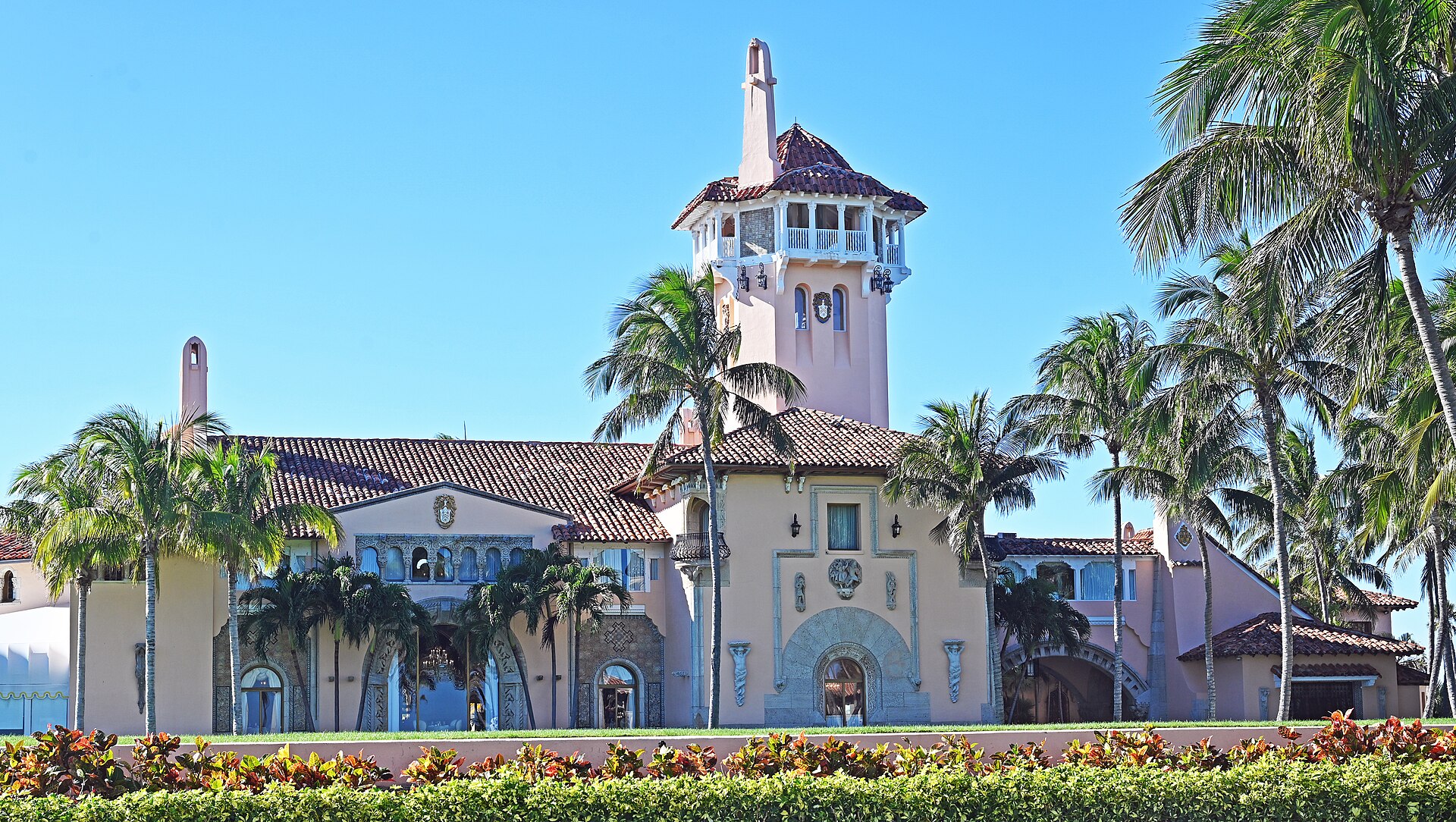
    Mar a Lago, Palm Beach. FL, US
    Image: Jud McCranie, via Wikimedia Commons, CC BY-SA 4.0.

    The White House’s explanation rests on the practical arrangement of Trump’s life. He is registered to vote in Palm Beach County, where Mar-a-Lago is located, but spends much of his time in Washington as president.

    That distinction matters because the public discussion has focused on an apparent contradiction, not a finding that Trump was ineligible to vote. The White House position is that his residency and location at the time make voting by mail appropriate.

    Trump has used mail ballots before

    This was not Trump’s first recorded use of a mail ballot. According to reporting cited in the research, he voted by mail in Palm Beach County in 2020 and again in a Florida statehouse special election earlier in 2026.

    His latest ballot therefore appears to be at least the third known instance of Trump voting by mail in Palm Beach County. He has been registered there since 2019, according to the same reporting.

    That record is central to the reaction. A single mail ballot could be framed as a logistical decision by a voter who is away from home. A repeated pattern makes the gap between Trump’s personal practice and his public rhetoric harder to ignore.

    The sharper conflict is political

    Trump has spent years criticizing mail voting, at times equating it with cheating and using it to support false claims of widespread election fraud. He has also continued to press congressional Republicans to advance legislation that would tighten voter-identification rules and substantially restrict mail-in voting.

    Those proposals did not gain enough Republican support to move forward this year, according to the reporting. Still, Trump’s campaign against mail voting has remained a major part of his broader election message.

    His critics see the Florida ballot as evidence that mail voting is acceptable to Trump when it is convenient for him, but suspect or dangerous when used more broadly. Supporters can make a different argument: a voter may lawfully use a mail ballot while still favoring tougher rules governing how ballots are requested, verified or counted.

    The dispute turns on what Trump means when he criticizes mail voting. If the objection is to particular safeguards or administrative practices, his own ballot does not necessarily conflict with that position. If the objection is to widespread mail voting itself, his repeated use of it creates a much more direct political inconsistency.

    Residency is the key explanation

    The White House has emphasized that Trump is a Palm Beach resident who primarily lives in Washington. That explanation addresses the basic reason an eligible Florida voter might cast a ballot remotely: being away from the county where the voter is registered.

    Publicly available voting records did not provide a fuller account of Trump’s ballot activity. The Palm Beach elections office said his voting record was protected from public disclosure, and that voters with protected information do not appear in the office’s public search system.

    That limited public access leaves some routine details unresolved, including the specific administrative path used for the ballot. But it does not alter the core confirmation from the White House that Trump voted by mail in the primary.

    Mail voting remains a state-by-state system

    The broader debate often treats voting by mail as one national practice, but election rules are largely administered by states and local election offices. Eligibility, deadlines, application procedures, ballot tracking and signature requirements can differ sharply depending on where a voter is registered.

    That decentralized system is why broad claims about mail voting can obscure the practical question voters face: what does their state require? Some states conduct elections primarily by mail, while others require voters to request an absentee ballot or meet specified conditions.

    Trump’s case also highlights a basic point sometimes lost in national arguments. A person’s ability to vote by mail can be tied to residency, registration and the procedures in the jurisdiction where they vote—not simply to where that person happens to be on Election Day.

    Why this episode carries weight

    The White House’s defense arrives at a politically sensitive moment because Trump’s views help shape the Republican debate over election rules. When a president who has castigated mail ballots uses one himself, the act becomes part of a larger argument about trust, access and consistency.

    There is no indication in the available reporting that Trump’s ballot was rejected or that officials alleged wrongdoing. The newsworthy tension is the contrast between a lawful voting method the White House says fits Trump’s circumstances and his sustained campaign to limit that method for others.

    For now, the White House has offered a narrow answer: Trump is a Palm Beach resident who was living in Washington and voted in a Florida election. The broader question—whether his personal use of mail voting changes, complicates or undermines his political case against it—will remain part of the fight over election policy.

  • Rosie O’Donnell Takes Kimmel Stage and Warns Trump: ‘I Know You’re Watching’

    Rosie O’Donnell Takes Kimmel Stage and Warns Trump: ‘I Know You’re Watching’

    O’Donnell’s debut was more than a celebrity hosting gig: it put her decades-long conflict with Trump at the center of a late-night show already under scrutiny. The White House answered by resurfacing an earlier Trump social-media post.

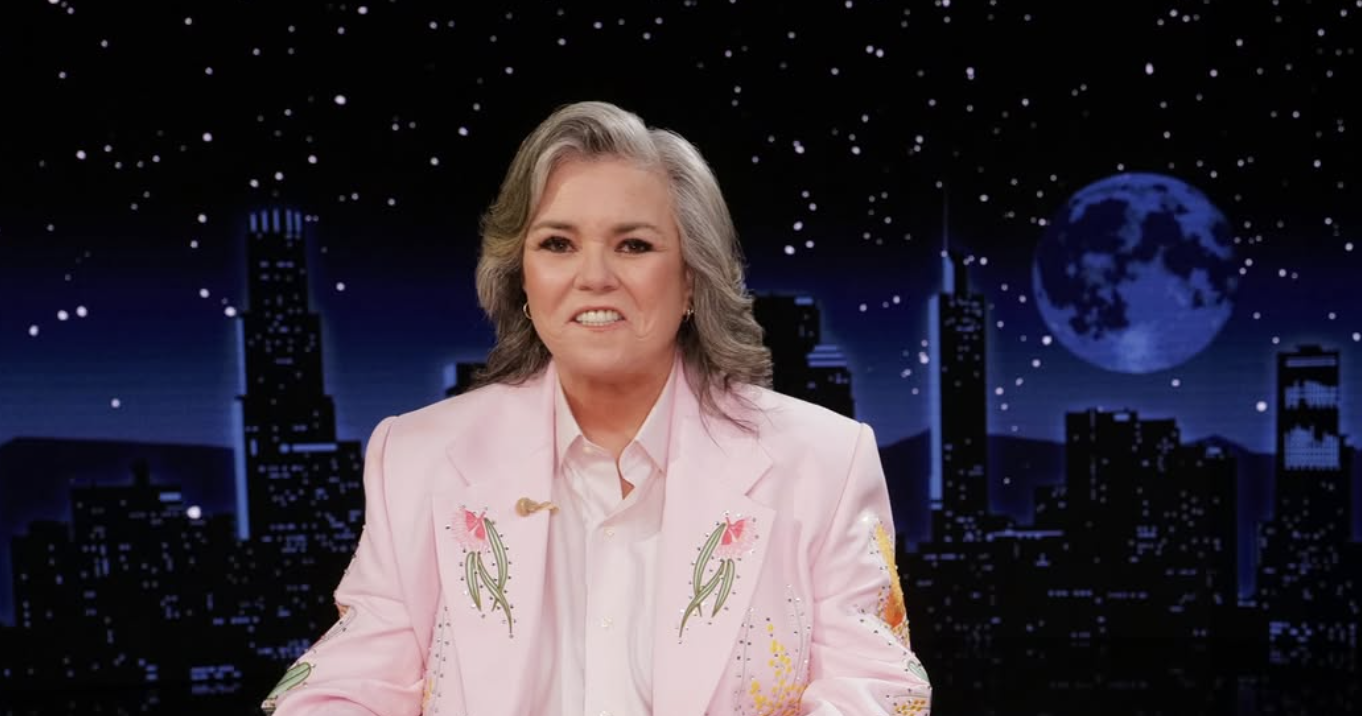
    Rosie O’Donnell made her debut as a guest host on Jimmy Kimmel Live! and delivered a direct warning aimed at Donald Trump during her opening monologue. Her message — “Hi, I know you’re watching” — revived the pair’s decades-long public feud and turned a temporary late-night hosting slot into a political statement.

    O’Donnell’s appearance matters because it came as Trump has repeatedly attacked late-night hosts who criticize him, while Jimmy Kimmel Live! itself has faced recent pressure over political commentary. The White House responded to O’Donnell’s monologue by sharing an earlier Truth Social post from Trump.

    A pointed first night

    O’Donnell did not ease into the role. According to The Independent, she used her first monologue as Kimmel’s guest host to address Trump directly, looking into the camera as she spoke.

    She framed the appearance as a return of sorts, opening with a joke about coming home again. Then she suggested viewers should expect Trump to be even less pleased with the program while she was in the host’s chair.

    That setup gave the monologue a clear target. O’Donnell and Trump have traded public insults for decades, a history that made her booking feel less like a routine celebrity guest-host turn and more like an intentional piece of programming.

    Her warning was not a policy speech, and it did not pretend to be neutral. It was late-night satire with a direct political audience in mind: the president, the show’s viewers and anyone following the continuing fight over comedians criticizing those in power.

    Ireland became part of the joke

    O’Donnell also addressed her life in Ireland, where she has been living with her 13-year-old child, Clay. She linked the move to Trump’s return to office, making clear that her decision carried political meaning for her.

    In the monologue, she cited Project 2025 as a reason she felt compelled to leave the United States, while using jokes to describe Ireland and its drinking culture. The remarks blended personal biography with political comedy — a formula that made her criticism feel more immediate than a standard celebrity jab.

    That framing is important. O’Donnell was not simply revisiting an old entertainment-world feud; she presented Trump’s presidency as a factor in her family’s choices. Supporters may see that as a candid explanation of her experience, while Trump’s supporters are likely to view it as another example of a prominent entertainer using television for partisan criticism.

    The show did not resolve that divide. It put it on display, which is often exactly what late-night television is built to do.

    The White House answered quickly

    The response from the White House was not a new statement about O’Donnell’s appearance. Instead, it shared a link to a June post on Trump’s Truth Social account that questioned O’Donnell’s gender and accused her of being obsessed with him, according to The Independent.

    The decision to recirculate an existing post underscored how familiar the conflict is to both sides. Trump and O’Donnell have been publicly antagonistic for years, and each new flare-up arrives with an archive of earlier insults, clips and social-media posts behind it.

    For O’Donnell, the response also validated the premise of her monologue: that Trump was likely watching, or at minimum was likely to be drawn back into a familiar dispute. For the White House, sharing Trump’s earlier post offered a rebuttal without engaging her specific comments about Ireland or Project 2025.

    Neither side appeared interested in lowering the temperature. The exchange followed the well-established logic of political celebrity conflict: a televised provocation, a rapid online response and a fresh round of public attention.

    Late night is under pressure

    O’Donnell’s guest-hosting turn landed amid wider questions about late-night television and political speech. Trump has repeatedly called for networks to take action against hosts whose material targets him, placing programs such as Kimmel’s in a larger cultural and regulatory argument.

    The Independent noted that CBS canceled Stephen Colbert’s The Late Show last year shortly after Colbert criticized a settlement between Paramount Global, CBS’s parent company, and Trump. CBS cited financial reasons for the cancellation, not the host’s political commentary.

    Kimmel’s own show has also been at the center of recent controversy. ABC briefly suspended Kimmel after Federal Communications Commission chair Brendan Carr threatened regulatory action over comments Kimmel made regarding the killing of Charlie Kirk; Kimmel returned to the air days later.

    Those events do not make O’Donnell’s monologue legally or institutionally consequential on its own. But they add weight to the booking. A comedian taking direct aim at Trump from Kimmel’s stage now arrives in an environment where networks, hosts and regulators are being watched closely.

    A night with two very different tones

    The episode was not only about politics. Later in the program, O’Donnell paid an emotional tribute to actor Hayden Panettiere, who had appeared on The Rosie O’Donnell Show as a child and whom O’Donnell said she knew as an adult.

    O’Donnell described Panettiere as brave for speaking publicly about mental health before many people were ready to hear those conversations. Her remarks shifted the show from combative satire to personal grief.

    According to The Independent, Panettiere was found in cardiac arrest at a home in Greenville, South Carolina. Police said there were no signs of foul play or suspicious circumstances, while the Greenville County Coroner’s Office said the cause and manner of death remained pending further investigation and additional studies.

    The juxtaposition captured the unusual demands of a guest-hosting night: O’Donnell had to move from political comedy to a personal remembrance, while carrying the legacy of her own daytime-TV career into one of late night’s most politically charged platforms.

    What O’Donnell’s booking signals

    Viewer comments on ABC’s YouTube uploads were largely supportive, with fans praising Kimmel for bringing O’Donnell in and welcoming her back as a host. That reaction reflects the audience appeal of seeing a familiar TV personality return with an unfiltered voice.

    Still, the lasting significance of the appearance will depend on whether it remains a memorable one-night event or becomes part of a broader pattern in late-night programming. Guest hosts can provide novelty, but O’Donnell brought an existing political narrative that few substitutes could match.

    Her monologue did not create the Trump-O’Donnell feud, and it will not be its final chapter. What it did show is that the dispute still has enough cultural force to shape an entire television debut — and that late-night comedy remains one of the country’s most visible stages for political confrontation.

  • Oprah Winfrey Rejects Responsibility for Dr. Phil and Dr. Oz’s Trump Ties

    Oprah Winfrey Rejects Responsibility for Dr. Phil and Dr. Oz’s Trump Ties

    Winfrey acknowledges that her daytime show helped make Phil McGraw and Mehmet Oz household names. But she says their later support for Donald Trump and political identities are not hers to own.

    Oprah Winfrey publicly distanced herself from Dr. Phil and Dr. Oz, saying their support for Donald Trump and later political choices are not hers. Winfrey drew a firm line between giving Phil McGraw and Mehmet Oz early television platforms and the political identities they developed afterward.

    The distinction matters because Oz now serves in Donald Trump’s administration and McGraw has publicly backed Trump. Winfrey is rejecting responsibility for their later paths while acknowledging the role The Oprah Winfrey Show played in launching both men into much larger television careers.

    Winfrey’s answer to critics

    In an interview with Emmy Magazine published Aug. 11, Winfrey addressed the recurring criticism that she should be associated with the politics and views of two former television colleagues she introduced to a national audience.

    “Everybody has their own path in life, and it has not one thing to do with me, and I don’t have one thing to do with them,” Winfrey said.

    Her position is not that McGraw and Oz lacked an important boost from her show. It is that the professional opportunity she gave them does not amount to a permanent endorsement of every decision, ideology or political alliance that came later.

    Winfrey said she featured both men because she believed, at the time, they offered information and assistance that could be useful to viewers. That explanation separates her original programming judgment from the public identities both men now carry.

    Two careers built from daytime TV

    McGraw first appeared on Winfrey’s program in 1998 after helping her with a legal matter involving the Texas cattle industry. Winfrey told Emmy Magazine that she considered him practical, direct and helpful, and believed his advice could reach more people.

    Those appearances helped lead to Dr. Phil, which aired from 2002 to 2023. McGraw became one of daytime television’s most recognizable personalities, making the connection to Winfrey difficult for critics to ignore.

    Oz arrived on the show through Winfrey’s close friend Gayle King and first appeared in 2004. Winfrey said she appreciated his ability to explain medical subjects in terms she could understand and believed audiences would find that valuable, too.

    The Dr. Oz Show ran from 2009 to 2022. In both cases, a spot on Winfrey’s program offered far more than visibility: it could bring familiarity and credibility from one of daytime television’s most influential hosts.

    Trump ties changed the context

    The old TV connection has new political weight because of where McGraw and Oz stand now. Oz, a cardiothoracic surgeon and former television host, is serving as administrator of the Centers for Medicare & Medicaid Services in Trump’s administration.

    McGraw is not part of the administration. Still, he endorsed Trump at a campaign event before the 2024 election and has voiced support for Trump’s immigration policies on social media.

    Winfrey has taken a sharply different position. She endorsed then-Vice President Kamala Harris at the 2024 Democratic National Convention, where she said values, character, decency and respect mattered in the election.

    That political divide helps explain the force of Winfrey’s comments. She was not simply describing a distant professional relationship; she was publicly separating herself from two people now closely linked to Trump-era conservative politics.

    The unresolved question of influence

    There is a straightforward case for Winfrey’s view. McGraw and Oz are independent adults with careers that unfolded over decades, and neither man’s current political role was established when Winfrey first put him before her audience.

    From that perspective, an early opportunity cannot reasonably make a host responsible for every later professional or political turn taken by someone they helped. Winfrey’s account rests on that boundary between opening a door and controlling what comes after it.

    Critics can see it differently. Winfrey’s endorsement was not a routine television booking, given the cultural authority attached to her recommendations and the public trust her show could confer on guests.

    That view does not mean Winfrey dictated their futures. It does raise a broader question about whether influential figures have an obligation to reckon with the lasting effects of the people they elevate.

    Why Oz draws added scrutiny

    The debate is especially complicated in Oz’s case. His move from television into government came after scrutiny over health claims during his years as a television host, adding another layer to questions about credibility, media power and public trust.

    Winfrey’s comments do not attempt to relitigate Oz’s television career or defend his government role. They instead focus on the limits of her connection: she can explain why she once saw value in featuring him without accepting ownership of the choices that followed.

    The same principle applies to McGraw. Winfrey’s role in the origins of Dr. Phil is part of the public record, but her remarks argue that a formative career connection is not the same as political partnership.

    A boundary with a long afterlife

    Television introductions can outlast the moment that created them. A segment meant to offer advice or make complex subjects easier to understand can become part of a much bigger argument years later, particularly when the guest becomes a political figure.

    Winfrey’s intervention does not settle the question of how much responsibility a media mentor bears for someone they helped make famous. It does make her own answer unmistakable: the history is real, but the political paths of Dr. Phil and Dr. Oz belong to them.

    What remains contested is the moral significance of the boost Winfrey gave them. The central facts are less disputed: both men received high-profile opportunities through her show, both built major media careers, and both later moved in directions Winfrey says she does not share.

  • Hayden Panettiere’s death at 36 renews scrutiny of Neutrogena partnership claim

    Hayden Panettiere’s death at 36 renews scrutiny of Neutrogena partnership claim

    Hayden Panettiere’s account of losing support after speaking openly about postpartum depression has taken on new weight after her death. The renewed criticism centers on what she said happened behind the scenes at Neutrogena, not on a response from the brand.

    Hayden Panettiere died at 36 in Greenville, South Carolina, and her death has sparked renewed backlash against Neutrogena. The criticism concerns Panettiere’s allegation that Neutrogena tried to end their longtime partnership after she spoke publicly about postpartum depression, reopening questions about how major brands respond when celebrity ambassadors discuss mental health.

    Panettiere shared the allegation in her 2026 memoir and in interviews during the final months of her life. Neutrogena, a Kenvue-owned skincare brand, had not publicly responded to requests for comment cited by USA TODAY and other outlets when her claims surfaced in May.

    Why old comments are resurfacing

    For years, Panettiere was closely associated with Neutrogena. She said on Jay Shetty’s On Purpose podcast that she had worked with the company for roughly a decade and believed it had supported her through periods of harsh public attention earlier in her career.

    Hayden Panettiere 2009 (Straighten Crop)
    Image: Toglenn, via Wikimedia Commons, CC BY-SA 3.0.

    That history made her account of the alleged split especially painful. Panettiere said the brand wanted to “fire” her after a 2015 appearance on Live with Kelly and Michael, when she spoke candidly about experiencing postpartum depression.

    She said the discussion was not planned. It arose naturally during the interview, she said, because of similarities between her own experience and that of Juliette Barnes, her character on Nashville.

    After Panettiere’s death on Aug. 16, social-media users began sharing those interviews again. USA TODAY reported that some commenters urged a boycott, while criticism appeared beneath Neutrogena posts across platforms. A Reddit post calling for a boycott received more than 2,500 upvotes, according to the outlet.

    Panettiere’s allegation against Neutrogena

    Panettiere’s account was specific, but it remains an allegation. She said that, after the television interview, a representative told her Neutrogena wanted to terminate the partnership because the postpartum-depression discussion had violated a morals clause.

    She recalled being told that ending the agreement on that basis was not lawful and said her representative prevented it from happening immediately. Still, Panettiere said she understood that her relationship with the brand was nearing its end.

    Her deeper hurt, she said, was the silence that followed. In a May interview with Us Weekly, Panettiere said that after 10 years with the company, she did not hear a farewell or message of support when the arrangement concluded.

    “Of all the things” she might have expected a brand to object to, she told Shetty, speaking openly about postpartum depression was the last. She said she did not regret addressing it publicly despite the professional fallout she believed followed.

    A public conversation about postpartum depression

    The backlash has resonated because Panettiere did more than disclose a diagnosis. She described postpartum depression as real, frightening and deserving of support at a time when she felt the condition was widely misunderstood.

    On Live with Kelly and Michael in September 2015, she said postpartum depression could be “completely uncontrollable” and painful. Her words arrived less than a year after the birth of her daughter, Kaya.

    In later interviews, Panettiere described a traumatic birth and the difficult mental-health and substance-use struggles that followed. She said she eventually sought treatment and made the painful decision to relinquish custody of Kaya to her former fiancé, Wladimir Klitschko.

    Those disclosures help explain why the Neutrogena allegation has drawn such an emotional response. To critics, the possibility that a spokesperson could face career consequences for discussing postpartum depression feels at odds with the public language of wellness and self-care used across the beauty industry.

    What Neutrogena has and has not said

    There is an important limit to the public record: Panettiere told her side of the story, but Neutrogena did not provide a public account addressing her allegations. USA TODAY reported that it sought comment from the company after her death.

    The outlet also noted that Neutrogena did not respond to requests for comment from TMZ, Us Weekly and Page Six when Panettiere discussed the matter in May. Without a direct response, there is no independent public explanation of the contract terms, internal conversations or timing of the partnership’s end.

    That absence has fueled the online reaction, but it should also shape how the controversy is understood. A wave of comments and boycott calls can demonstrate public outrage; it cannot by itself establish what occurred in private negotiations more than a decade ago.

    For Neutrogena, the issue is now as much about corporate accountability and communication as it is about an old endorsement deal. Silence can leave a brand exposed to the interpretation that it has chosen not to dispute a serious claim.

    The legacy behind the backlash

    Panettiere said in a May interview with The Hollywood Reporter that she hoped speaking about the Neutrogena episode would make it less likely that someone else in the industry would be treated similarly. That hope now gives the renewed scrutiny a different meaning.

    The strongest criticism of Neutrogena is rooted in the belief that speaking honestly about postpartum depression should not jeopardize a woman’s career. The competing view is that the public still lacks the company’s response and the underlying agreement, making definitive judgments about the alleged contractual dispute difficult.

    Both points can be true: Panettiere’s account has prompted a meaningful conversation about stigma, while key facts about the former partnership remain unavailable. Her death has made that unresolved record feel more consequential to fans who remember her as one of the most recognizable faces of the brand.

    The immediate question is whether Neutrogena will address the allegations directly. Until then, the online backlash is likely to remain focused on the painful contradiction Panettiere described: a skincare partnership associated with confidence and care, and her belief that it turned away when she spoke about a deeply human health struggle.

  • Trump Presses South Korea on Iran as Military Drills Proceed

    Trump Presses South Korea on Iran as Military Drills Proceed

    Trump’s public pressure on Seoul combines two sensitive issues: South Korea’s decision not to take part in the Iran conflict and the future of joint U.S.-South Korean military readiness. The dispute also follows his criticism of NATO allies.

    Donald Trump criticized South Korea, a U.S. ally, over Iran after South Korean President Lee Jae Myung declined to join the Iran war. Trump also demanded that U.S.-South Korean military exercises be scaled back, even as the annual drills began as scheduled.

    Trump had pressured NATO before turning his criticism toward South Korea, making the dispute a broader test of how he views allied obligations. Seoul faces an immediate dilemma: preserve coordination with Washington while keeping its focus on the threat from North Korea.

    Trump links Iran to alliance support

    Trump described a conversation with Lee in which he asked whether South Korea would assist the United States in Iran. According to Trump, Lee declined, saying South Korea preferred not to become involved.

    Ulchi Freedom Shield 25 A4C in Action (9284933)
    Image: U.S. Air Force 7thAF by Staff Sgt. Joshua LeRoi, via Wikimedia Commons, Public domain.

    Trump then tied that answer to the U.S. military presence on the Korean Peninsula. He said the United States has 39,000 troops in South Korea to help defend the country against North Korean leader Kim Jong Un and questioned why Washington should provide that support if Seoul would not assist in what he called an easy military operation in Iran.

    The public nature of that argument matters. It frames the alliance less as a narrow commitment to deterrence on the peninsula and more as a relationship in which U.S. protection may carry expectations of political or military backing elsewhere.

    That is a difficult proposition for Seoul. South Korea’s core security concern is North Korea, while Iran is geographically distant and carries a separate set of diplomatic, military and economic risks.

    Exercises began despite Trump’s demand

    The immediate flashpoint is Ulchi Freedom Shield, the annual U.S.-South Korean military exercise involving tens of thousands of troops. The drills have been held for decades and are intended to strengthen readiness and deter aggression from North Korea.

    Trump said the exercises should be reduced, calling the war games unnecessarily provocative and an inappropriate, hostile message to what he characterized as an unthreatening and respectful North Korea.

    U.S. military officials describe the exercises differently. They call them defensive training designed to improve the ability of American and South Korean forces to operate together in a crisis.

    The exercises nonetheless began as scheduled Monday. That decision suggests military planners and the alliance bureaucracy still see a strong operational case for maintaining the drills, even as the president publicly questions them.

    Deterrence and diplomacy collide

    The disagreement exposes a familiar divide in debates over the Korean Peninsula. Supporters of regular joint exercises argue that preparation is essential because North Korea has a large military, nuclear weapons and a record of weapons testing.

    Frank Jannuzi, president and CEO of the Mansfield Foundation, told PBS NewsHour that the drills are central to the ability to deter North Korean aggression. He said moves affecting the alliance work best when they are closely coordinated with South Korea.

    Critics counter that large military exercises near an adversary’s border can intensify rather than reduce tensions. North Korea has long denounced the drills as provocative and has accused Washington and Seoul of rehearsing attacks on its leadership.

    Jennifer Kavanagh of Defense Priorities, which advocates restraint in U.S. policy, told PBS that adversaries can respond to exercises by expanding their own military activity, pressuring neighbors or testing weapons. She argued that South Korea should increasingly be prepared to manage its own defense without U.S. support.

    Seoul’s answer has been cautious

    South Korea’s presidential office said it was reviewing Trump’s comments and would discuss possible assistance to the United States over Iran. Its response did not match Trump’s public criticism with a public escalation.

    That restraint reflects the competing pressures on Lee’s government. A direct rebuke of Washington could deepen friction with South Korea’s most important security partner. Agreeing to join a conflict involving Iran, meanwhile, could expose Seoul to consequences that its government may see as unrelated to deterrence against North Korea.

    There is also an unusual overlap in stated goals. The South Korean administration has said it wants improved U.S.-North Korea relations. Trump, while criticizing Seoul, also floated renewed diplomacy with Kim and highlighted his own past relationship with the North Korean leader.

    But an interest in diplomacy does not resolve the practical disagreement over military exercises. Seoul can favor engagement with Pyongyang while still believing joint training is needed as insurance against a crisis.

    NATO pressure gives the dispute weight

    Trump’s criticism of South Korea comes after pressure on NATO and other U.S. allies over Iran. The sequence has renewed attention on whether the administration is applying a more transactional standard to alliance relationships.

    One view is that Trump is pressing partners to contribute more when U.S. forces and resources are at stake. From that perspective, allies cannot rely on American protection while treating Washington’s requests as optional.

    The opposing view is that alliances function because commitments are predictable and tailored to shared security interests. South Korea’s treaty relationship with the United States centers on the Korean Peninsula; it does not automatically settle whether Seoul should participate in a separate conflict in the Middle East.

    The distinction is especially important for countries facing immediate regional threats. If an ally believes assistance in one theater is routinely conditioned on joining operations in another, it may begin to question how dependable the underlying security guarantee really is.

    Questions now facing the alliance

    The clearest near-term question is whether Trump’s demand will lead to a lasting reduction in joint exercises or remains a public pressure tactic. The current drills proceeding as planned shows that no immediate operational reversal has occurred.

    It is also unclear what form of help, if any, South Korea might consider regarding Iran. The presidential office said it would discuss the matter, but it has not publicly outlined a commitment.

    North Korea’s reaction will be closely watched as well. PBS reported that Pyongyang launched missiles before the exercises began, following other weapons tests earlier in the year. Publicly, there is no sign that North Korea is ready to resume talks, particularly on denuclearization.

    For now, Trump’s remarks have placed two separate debates on the same table: how far U.S. allies should go in supporting American military aims, and how the United States and South Korea should balance deterrence against diplomacy. The outcome will shape more than a single set of exercises; it will signal how both governments define the alliance when their priorities do not neatly align.

  • CNN: Republicans Face a Broader Senate Candidate Popularity Problem

    CNN: Republicans Face a Broader Senate Candidate Popularity Problem

    One weak Democratic candidate does not automatically make the Senate battlefield even. The more consequential question is whether Republicans have enough well-liked contenders to turn favorable terrain into actual pickups.

    Senate Democrats have one unpopular Senate candidate, according to a CNN analysis, but the situation is much worse for Republicans because their candidate-popularity problem appears broader. The comparison matters in the 2026 Senate fight: a party can have favorable states on paper and still struggle if voters are uneasy about the people carrying its banner.

    The central lesson is not that Democrats are free of risk. It is that candidate strength may matter as much as the national political climate in determining whether Republicans can convert Democratic vulnerabilities into Senate seats.

    One weak candidate is contained

    An unpopular nominee is a real problem for any party. Lower favorability can make fundraising harder, give opponents clearer attack lines and weaken enthusiasm among voters who might otherwise support the party.

    Lower Senate Park
    Image: John Brighenti, via Flickr, CC BY 2.0.

    But one troubled candidate is usually a state-specific challenge. Party committees can concentrate money, staff time and advertising in that race, while protecting stronger candidates elsewhere on the map.

    That is the distinction behind CNN’s analysis. Senate Democrats may have one candidate facing a significant popularity burden, but a single difficult contest is not the same thing as a field-wide problem.

    Republicans, by contrast, face a more complicated task if several of their potential or declared candidates enter races with weak public standing. The party then has to decide where to spend limited resources, which candidates can be rehabilitated and whether a better-known alternative can still emerge.

    Popularity is not a final verdict

    Candidate ratings are a snapshot, not an election result. Voters can change their minds after a convention, a debate, major campaign spending or a sharp contrast with an opponent.

    Still, early unpopularity can be especially costly in a Senate race because candidates must build a coalition wider than their party’s most loyal voters. In closely divided states, winning often depends on persuading independents and retaining voters who may dislike both parties but prefer one individual candidate.

    That does not mean favorable ratings guarantee victory. A well-liked candidate can still lose in a poor national environment, and an unpopular candidate can survive if the opposing party nominates someone viewed as even less acceptable.

    The more useful reading of the popularity data is comparative. Which side has candidates who can introduce themselves positively before the other side defines them? Which side has nominees whose personal image gives skeptical voters a reason to cross party lines? Those questions can reshape a race that initially looks predictable.

    The Senate map raises the stakes

    The Senate’s class system gives every election cycle its own political geometry. The U.S. Senate lists the current Class II seats as terms expiring January 3, 2027; those seats are the ones scheduled for the 2026 regular-election cycle.

    That class includes incumbents and states with very different political histories. Some contests may become competitive because an incumbent retires, a challenger is unusually strong or the national environment shifts. Others may remain largely out of reach despite intense attention.

    For Republicans, that means a favorable opportunity cannot be measured only by looking at which Democrats are defending seats. The party also needs nominees who can compete effectively under pressure, withstand scrutiny and avoid turning a potentially competitive contest into a referendum on their own liabilities.

    For Democrats, the reverse is true. Holding a difficult seat may require separating a candidate’s standing from broader frustration with the party, the economy or Washington. A singular weak link will draw attention, but it does not erase advantages elsewhere.

    A broader GOP problem changes strategy

    If Republicans have more than one candidate with a popularity deficit, the party’s strategic choices become harder. National groups may be forced to spend defensively in races they hoped would be inexpensive, leaving less money for expansion into states that initially looked like pickup opportunities.

    Recruitment also becomes more important. Party leaders often prefer candidates with a proven statewide record, strong fundraising networks or an image that travels beyond the party base. A candidate who excites primary voters but alienates general-election voters can turn a promising map into a narrower one.

    There is a competing view. Republicans may argue that public dissatisfaction with Democrats, or with the national direction of the country, can outweigh candidate-level doubts. That can happen, particularly when voters see a Senate race as part of a larger contest for control of Washington.

    Democrats cannot assume the GOP’s candidate challenges will persist, either. Campaigns are long, and a nominee’s image can improve once voters focus on policy differences, party control of the Senate and the alternative on the ballot.

    Control could hinge on margins

    Senate campaigns are rarely decided by one national story. Candidate quality, state political culture, turnout, advertising, outside spending and the presidential environment can all pull in different directions.

    Yet personal popularity matters most where the partisan balance is close. A candidate who starts underwater may need a stronger national tailwind, more spending or an opponent’s mistake to get back to even. A candidate with a durable personal brand may be able to withstand a rough climate for the party.

    NPR’s early look at the 2026 Senate map underscored how closely both parties are watching major contests, including Georgia, where Democratic Sen. Jon Ossoff is seeking to hold a seat. The larger map will not be settled by one state, but highly competitive races can determine which party controls the chamber.

    That is why CNN’s comparison deserves attention. Democrats’ one unpopular candidate represents a vulnerability. Republicans’ potentially wider popularity issue represents a different kind of risk: not merely losing a single contest, but reducing the number of races in which the party can realistically compete.

    What remains unknown before voting

    Several questions remain unresolved. The eventual nominees may differ from the people now being assessed, and new polling could show voters moving sharply after campaigns begin in earnest.

    It is also unclear how much candidate standing will matter relative to national conditions in 2026. A strong economy, a weak economy, presidential approval, major legislative fights and international events could all change the context in which voters judge Senate contenders.

    For now, the practical takeaway is straightforward: a Senate map is not simply a roster of seats. It is a roster of candidates. Democrats have a visible weakness in one race, while Republicans may have a wider test of whether their candidates can win over voters beyond the party faithful.

  • Trump’s Oman Threat Tests Proposed Strait of Hormuz Shipping Plan

    Trump’s Oman Threat Tests Proposed Strait of Hormuz Shipping Plan

    A proposed shipping arrangement between Oman and Iran could restore movement through one of the world’s most consequential waterways. But Trump’s remarks suggest any deal will face pressure far beyond the two countries at the strait.

    Donald Trump threatened to bomb Oman if it “gets in the way” as Oman and Iran are working on a shipping arrangement through the Strait of Hormuz. The proposed deal could reopen a waterway that Iran effectively closed after Israel and the United States attacked the country on Feb. 28, but Trump has indicated that Washington may reject terms set by Tehran and Muscat.

    The clash puts Oman in an unusually exposed position. It is negotiating a route with Iran for commercial vessels while facing a U.S. demand for an acceptable agreement on the strait’s reopening—a dispute with implications for a corridor that carried roughly one-fifth of the world’s traded oil supplies before the conflict.

    Why Oman became the focus

    Trump’s warning was aimed at Oman rather than Iran, a distinction that matters because Oman appears to be trying to arrange practical transit with its neighbor. Iran says it is close to finalizing an agreement with Oman that would allow ships to pass through the Strait of Hormuz.

    190208 A WO440 0071
    Image: Photograph Curator, via Flickr, Public Domain Mark 1.0.

    Iranian Foreign Ministry spokesperson Esmail Baghaei said the countries had reached an understanding on the transit route and were working toward a joint statement. Yet the available account leaves critical questions unanswered, including whether the arrangement would satisfy U.S. expectations.

    That uncertainty is the heart of the dispute. Oman’s apparent objective is to restore maritime traffic; Trump’s comments suggest the United States could regard an Iran-Oman plan as insufficient if it does not meet conditions Washington considers necessary.

    The proposed route remains incomplete

    Previously reported outlines described ships entering the Strait of Hormuz along a route nearer Iran and leaving along a route nearer Oman. Vessels would not pay fees or tolls during an interim period, according to the Associated Press.

    Those details point to a narrow operational arrangement, not necessarily a broader political settlement. No full terms have been made public, and it remains unclear what security guarantees, oversight or other conditions could be attached to any eventual transit plan.

    A joint statement from Iran and Oman would be an important next marker because it could clarify how ships would move and whether the two governments view their understanding as a temporary fix or a more durable framework.

    A waterway with outsized leverage

    The Strait of Hormuz lies between Iran and Oman, connecting the Persian Gulf with the Gulf of Oman and the Arabian Sea. Its commercial importance has turned control of passage into a major point of leverage in the broader conflict.

    Iran effectively closed the strait after the Feb. 28 attacks by Israel and the United States, according to the AP. The shutdown put the route at the center of both the conflict and efforts to bring it to an end.

    For Washington, reopening the waterway is tied to more than moving commercial vessels. The AP reported that the United States has sought an acceptable reopening agreement before ending its blockade of Iranian ports. That approach gives the U.S. a major role in deciding not only whether shipping resumes, but under what political and security terms.

    Supporters of a quick transit agreement could argue that reopening the route would ease immediate risks for civilian shipping, regional countries and energy markets. Critics could argue that a limited arrangement giving Iran significant influence over the passage could reward the closure of an international waterway or leave vessels without sufficient protection.

    What Trump said—and what is unknown

    Trump made the latest threat in comments to Fox News reporter Trey Yingst, saying the United States would bomb Oman if it “gets in the way,” using an expletive for emphasis. The AP reported that Fox did not release audio of the interview.

    Without the audio, the precise context is not public. The available reporting does not identify which actions by Oman Trump would consider obstruction, and it does not describe a specific military order, target list or timetable connected to his statement.

    The remark also followed an earlier warning. During a Cabinet meeting in May, Trump said Oman would “behave just like everybody else, or we will have to blow them up,” according to the AP.

    The gap between the rhetoric and the known details matters. A public threat can pressure negotiators without establishing that a military action has been ordered or is imminent. Still, it may complicate Oman’s effort to negotiate with Iran while avoiding direct confrontation with the United States.

    Peace diplomacy is still unresolved

    The shipping discussions are unfolding as a 60-day period for reaching a peace agreement between the United States and Iran was expiring. The AP reported no announced extension and said the two sides appeared as far apart as they had been at the beginning.

    Trump reportedly played down the deadline’s importance and said there was no timeline. Yingst also said Trump described a back channel for talks with Iran’s Islamic Revolutionary Guard Corps, though no details of that channel were made public.

    That mix of threats, economic pressure and reported private contacts means a shipping agreement could advance even while the larger conflict remains unsettled. A route for commercial vessels might reduce some immediate pressure without resolving disputes over security, military action or a lasting political settlement.

    United Nations Secretary-General António Guterres has urged Iran and the United States to return to peace negotiations. Through a spokesperson, he said there is no military solution to the conflict and called on both sides to lower their rhetoric.

    The next test is a public deal

    The immediate question is whether Iran and Oman issue their anticipated joint statement and provide workable details for shipping through the strait. Any plan will be judged against Iran’s interests, U.S. demands and Oman’s ability to maintain its role without becoming a direct target of pressure.

    It remains unclear whether Trump’s threat will force a faster agreement, change Oman’s negotiating posture or make a deal harder to achieve. What is already evident is that the Strait of Hormuz is serving as both a commercial route and a bargaining tool in a wider confrontation.