
Rodriguez’s remarks turned a personal tribute into a wider reflection on the losses that have shaken performers who grew up in the public eye. The comments also leave important details about Panettiere’s death unclear.
Michelle Rodriguez said it is “not normal” for so many young stars to be dying after Hayden Panettiere’s reported death at age 36 on August 16. Rodriguez’s reaction to Panettiere’s passing centers on grief for a fellow performer and a broader concern about recent losses among young entertainment figures.
The Fast & Furious actor said she “can’t stand how many young people are leaving us lately,” according to reports. Her words have resonated because they put a stark feeling into plain language: several actors who became familiar to audiences at an early age have died far sooner than fans expected.
Rodriguez’s grief was personal
Rodriguez and Panettiere had a professional connection through Scream 4, according to reporting on Rodriguez’s comments. Rodriguez also recalled seeing Panettiere at the World Music Awards not long before her death, making the news especially difficult for her to process.
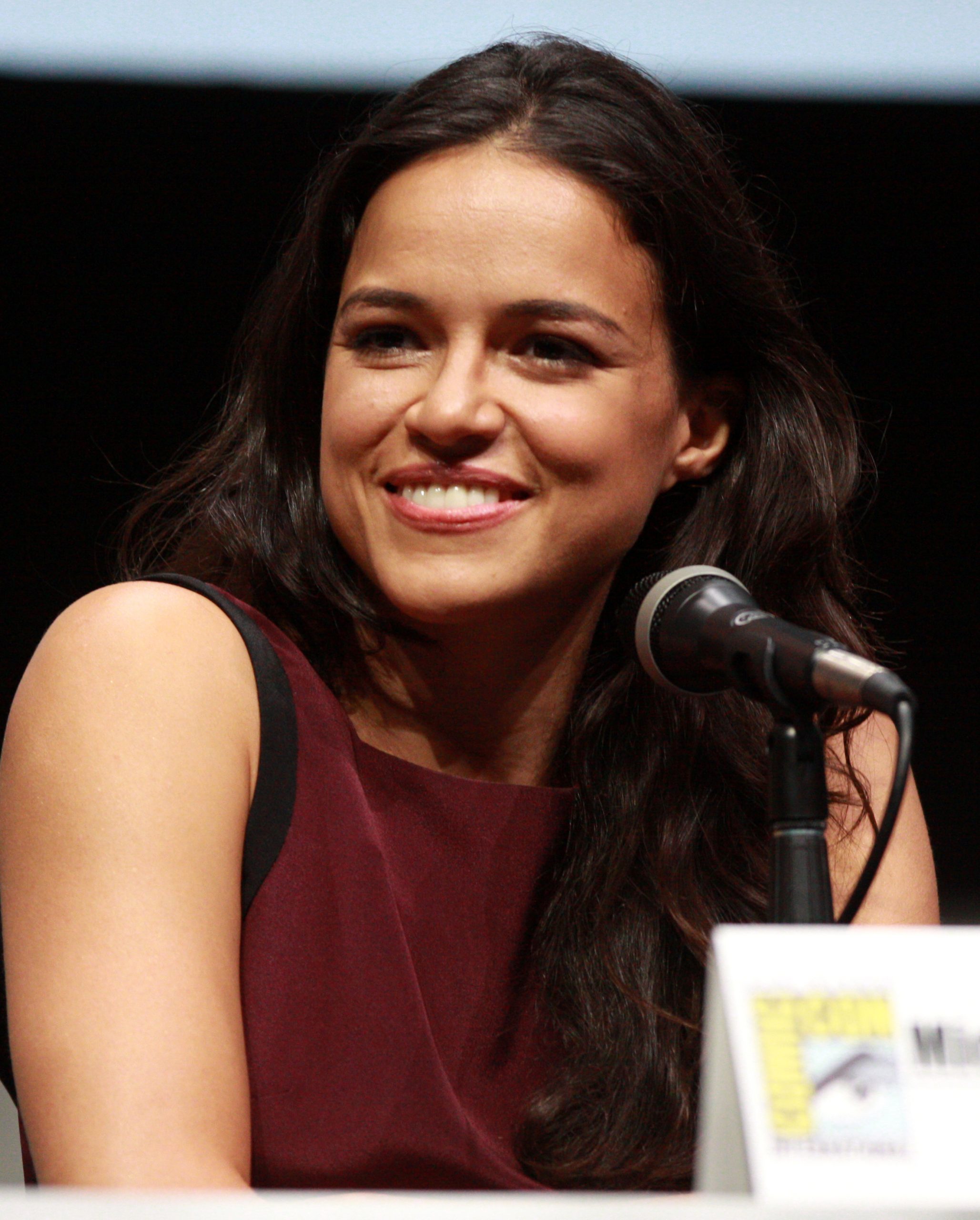
That immediacy matters. Public tributes can sometimes sound ceremonial, but Rodriguez’s language was notably blunt. Rather than limiting her response to a remembrance of Panettiere’s work, she voiced distress at what she sees as a troubling number of early deaths among people in her industry.
Her comments do not identify a common cause or make a medical claim about those deaths. They are an expression of loss and alarm, not evidence that the individual cases are connected.
Panettiere’s career began early
Panettiere spent most of her life in the spotlight. She started acting as a child, later becoming widely known for Heroes, Remember the Titans and Nashville.
That long public record helps explain the scale of the reaction. For many viewers, Panettiere was not simply a current celebrity but someone whose work marked different stages of their own lives—from childhood television and family films to prime-time dramas.
Reporting on her life has also documented the pressures that accompanied fame. Panettiere discussed addiction, harassment, trauma and the limited privacy that came with beginning a career so young. In an autobiography published earlier this year, she wrote about losing the chance for an ordinary childhood, friendships and privacy.
Those experiences should not be used to fill in unknown details surrounding her death. Still, they provide context for why tributes to Panettiere have also prompted a larger conversation about the demands placed on child performers.
A string of painful losses
Rodriguez’s remarks arrived amid renewed attention on the deaths of other actors who became famous young. Reports have pointed to Michelle Trachtenberg, who died at 39 in 2025, and Daveigh Chase, who died at 35 earlier this year.
It is understandable that people would see those names together and feel that the losses are piling up. Celebrity culture creates an unusual sense of familiarity: audiences watch performers grow up, follow career turns and often retain vivid memories of roles made decades earlier.
But grouping deaths by profession and age can also blur crucial differences. Each person’s life, health history, circumstances and cause of death are separate matters. A shared connection to Hollywood does not establish a shared explanation.
That tension sits at the heart of Rodriguez’s response. Her concern is emotionally clear, even as the facts behind each death must be treated individually and carefully.
Former child stars recognize pressure
Other performers who entered the business as children have reflected on the particular challenges of growing up while being watched, evaluated and marketed. Alexa PenaVega, another former child actor, recently mourned Panettiere, Trachtenberg and Chase while discussing experiences shared by young performers.
The entertainment industry can offer opportunity, financial security and creative community. It can also involve adult workplaces, public scrutiny, unstable schedules and an identity tied closely to career success before a young person has much room to define life outside the business.
There is no single experience shared by every child actor, and it would be unfair to reduce their lives to a cautionary tale. Many former young performers build healthy, durable careers and private lives. The concern raised by Rodriguez and others is that success should not make the personal cost invisible.
Panettiere’s life carried both sides of that reality: major professional achievements and well-documented struggles with the burdens that can accompany fame.
What remains unknown about Panettiere
The available reports say Panettiere died at 36 on August 16, but they do not provide a cause of death or other official circumstances. That absence is significant, particularly when online discussion can turn quickly from mourning into assumption.
Until verified information is released by appropriate representatives or authorities, claims about why Panettiere died should be regarded with caution. Rodriguez did not offer such an explanation; she spoke about the painful pattern she feels she is witnessing.
For now, the most grounded reading of her statement is also the simplest one. Rodriguez is grieving a colleague and reacting to the cumulative shock of losing familiar young actors within a relatively short period.
The larger point behind her words
Rodriguez’s statement does not solve the difficult questions surrounding celebrity, young fame or personal vulnerability. It does, however, reject the idea that repeated early losses should be met with detached acceptance.
Panettiere’s death has brought renewed attention to a performer remembered for work across film and television, as well as to the complicated realities she described publicly. Rodriguez’s reaction adds another layer: the sense that Hollywood’s public memory is often built around people audiences thought they would have many more years to watch.
The clearest takeaway is not a theory about a cluster of deaths. It is a call for care in how those deaths are discussed—honoring the individuals involved, avoiding unsupported links between cases and taking seriously the pressures experienced by people who grow up in the spotlight.
Leave a Reply