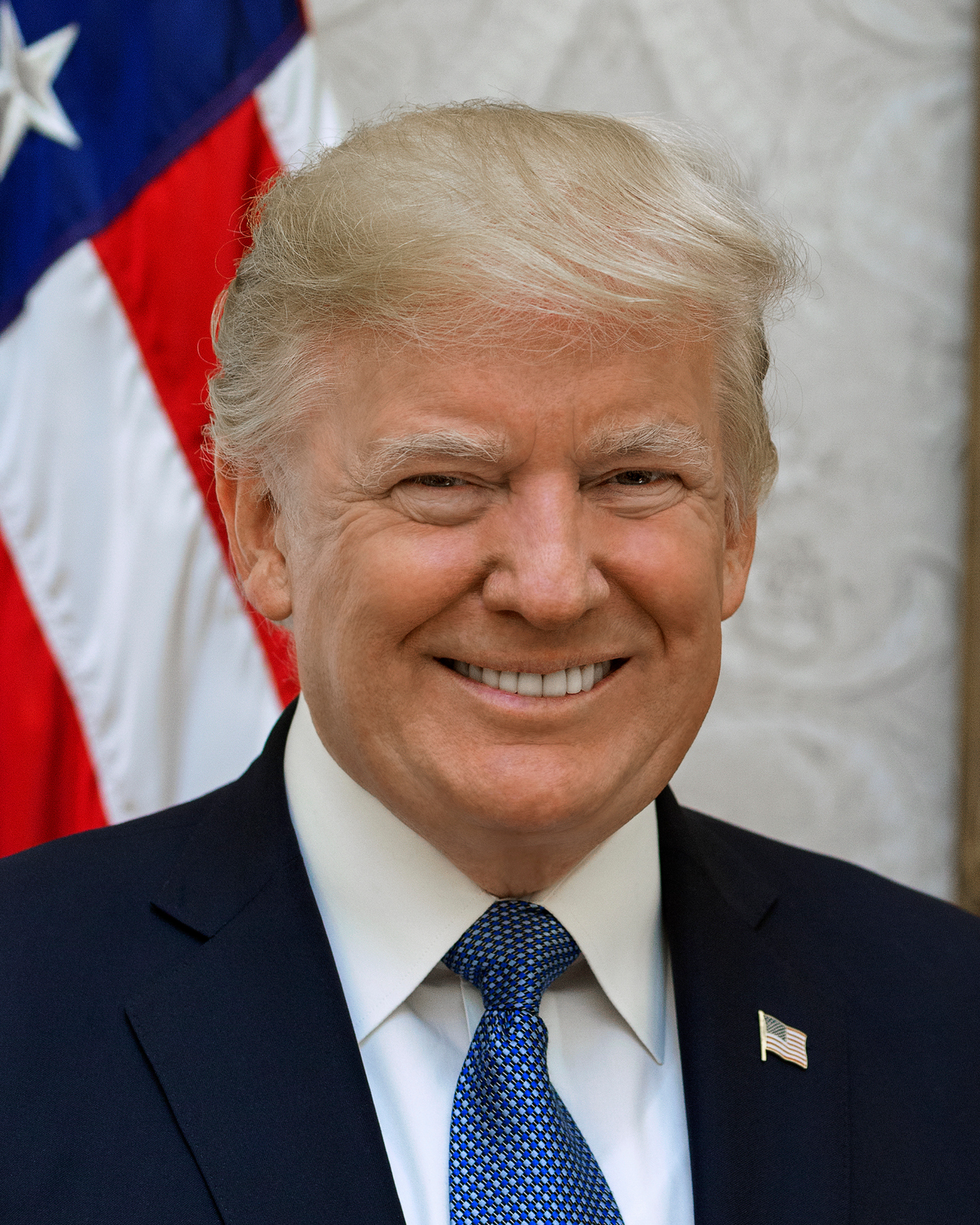
Donald Trump’s latest mail ballot has put his personal voting choices alongside his push to make the practice harder to use. The White House says his Palm Beach residency explains the vote.
The White House defended Donald Trump’s ability to vote by mail on August 18, 2026, after confirming that he used a mail ballot in Florida’s Republican primary. The defense centered on Trump’s Palm Beach residency and the fact that he primarily lives at the White House in Washington, while also drawing new attention to Trump’s own use of vote-by-mail ballots.
The immediate question is not simply whether Trump cast a ballot. It is why the White House felt compelled to explain it: the president has repeatedly attacked mail voting and supported efforts that would make it significantly more difficult for many Americans to use.
A White House response to a Florida ballot
White House spokeswoman Olivia Wales confirmed that Trump voted by mail in the Florida primary. In comments reported by The New York Times, Wales characterized the attention as unwarranted and said Trump participates in Florida elections as a Palm Beach resident.
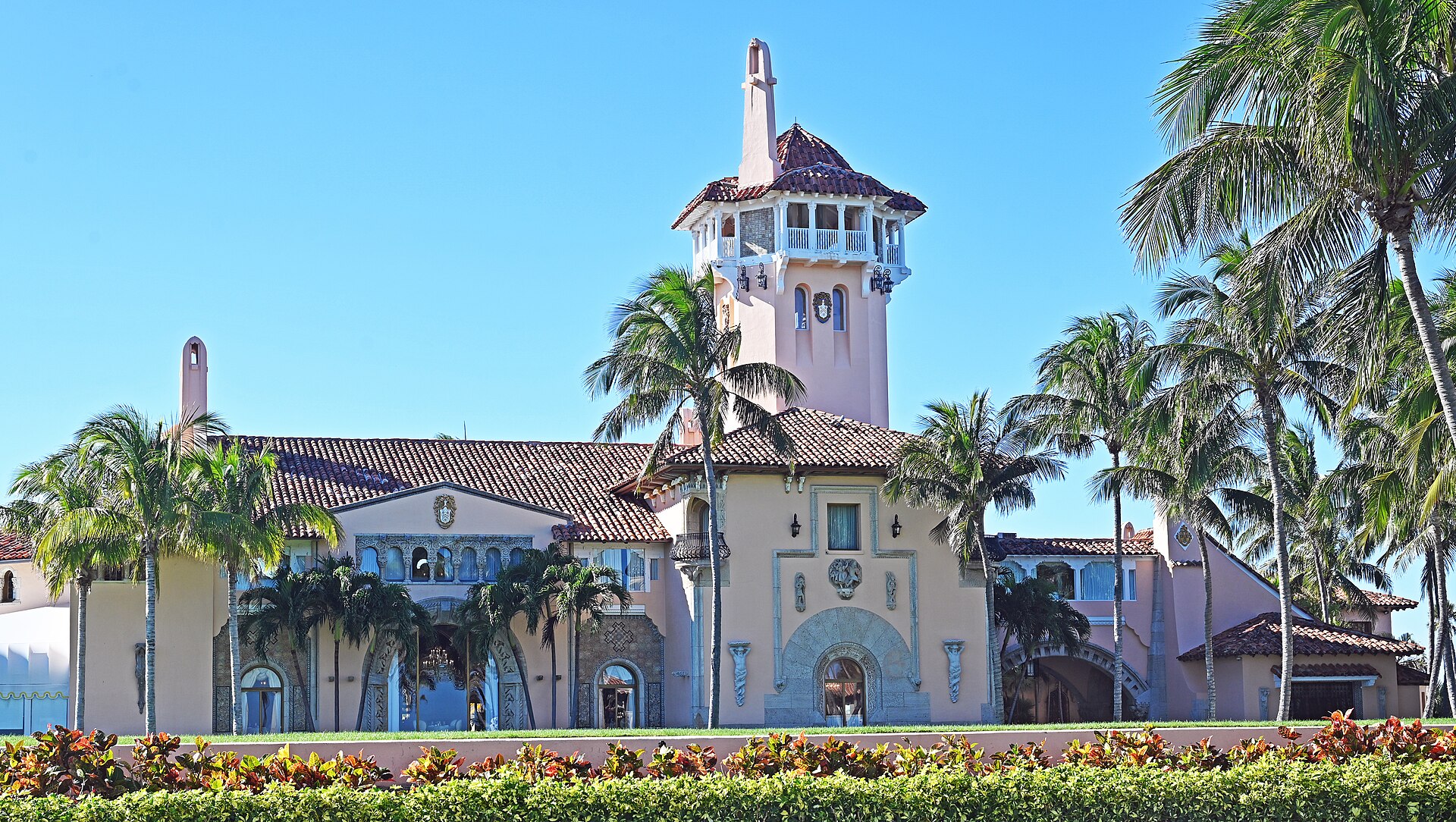
The White House’s explanation rests on the practical arrangement of Trump’s life. He is registered to vote in Palm Beach County, where Mar-a-Lago is located, but spends much of his time in Washington as president.
That distinction matters because the public discussion has focused on an apparent contradiction, not a finding that Trump was ineligible to vote. The White House position is that his residency and location at the time make voting by mail appropriate.
Trump has used mail ballots before
This was not Trump’s first recorded use of a mail ballot. According to reporting cited in the research, he voted by mail in Palm Beach County in 2020 and again in a Florida statehouse special election earlier in 2026.
His latest ballot therefore appears to be at least the third known instance of Trump voting by mail in Palm Beach County. He has been registered there since 2019, according to the same reporting.
That record is central to the reaction. A single mail ballot could be framed as a logistical decision by a voter who is away from home. A repeated pattern makes the gap between Trump’s personal practice and his public rhetoric harder to ignore.
The sharper conflict is political
Trump has spent years criticizing mail voting, at times equating it with cheating and using it to support false claims of widespread election fraud. He has also continued to press congressional Republicans to advance legislation that would tighten voter-identification rules and substantially restrict mail-in voting.
Those proposals did not gain enough Republican support to move forward this year, according to the reporting. Still, Trump’s campaign against mail voting has remained a major part of his broader election message.
His critics see the Florida ballot as evidence that mail voting is acceptable to Trump when it is convenient for him, but suspect or dangerous when used more broadly. Supporters can make a different argument: a voter may lawfully use a mail ballot while still favoring tougher rules governing how ballots are requested, verified or counted.
The dispute turns on what Trump means when he criticizes mail voting. If the objection is to particular safeguards or administrative practices, his own ballot does not necessarily conflict with that position. If the objection is to widespread mail voting itself, his repeated use of it creates a much more direct political inconsistency.
Residency is the key explanation
The White House has emphasized that Trump is a Palm Beach resident who primarily lives in Washington. That explanation addresses the basic reason an eligible Florida voter might cast a ballot remotely: being away from the county where the voter is registered.
Publicly available voting records did not provide a fuller account of Trump’s ballot activity. The Palm Beach elections office said his voting record was protected from public disclosure, and that voters with protected information do not appear in the office’s public search system.
That limited public access leaves some routine details unresolved, including the specific administrative path used for the ballot. But it does not alter the core confirmation from the White House that Trump voted by mail in the primary.
Mail voting remains a state-by-state system
The broader debate often treats voting by mail as one national practice, but election rules are largely administered by states and local election offices. Eligibility, deadlines, application procedures, ballot tracking and signature requirements can differ sharply depending on where a voter is registered.
That decentralized system is why broad claims about mail voting can obscure the practical question voters face: what does their state require? Some states conduct elections primarily by mail, while others require voters to request an absentee ballot or meet specified conditions.
Trump’s case also highlights a basic point sometimes lost in national arguments. A person’s ability to vote by mail can be tied to residency, registration and the procedures in the jurisdiction where they vote—not simply to where that person happens to be on Election Day.
Why this episode carries weight
The White House’s defense arrives at a politically sensitive moment because Trump’s views help shape the Republican debate over election rules. When a president who has castigated mail ballots uses one himself, the act becomes part of a larger argument about trust, access and consistency.
There is no indication in the available reporting that Trump’s ballot was rejected or that officials alleged wrongdoing. The newsworthy tension is the contrast between a lawful voting method the White House says fits Trump’s circumstances and his sustained campaign to limit that method for others.
For now, the White House has offered a narrow answer: Trump is a Palm Beach resident who was living in Washington and voted in a Florida election. The broader question—whether his personal use of mail voting changes, complicates or undermines his political case against it—will remain part of the fight over election policy.
Leave a Reply