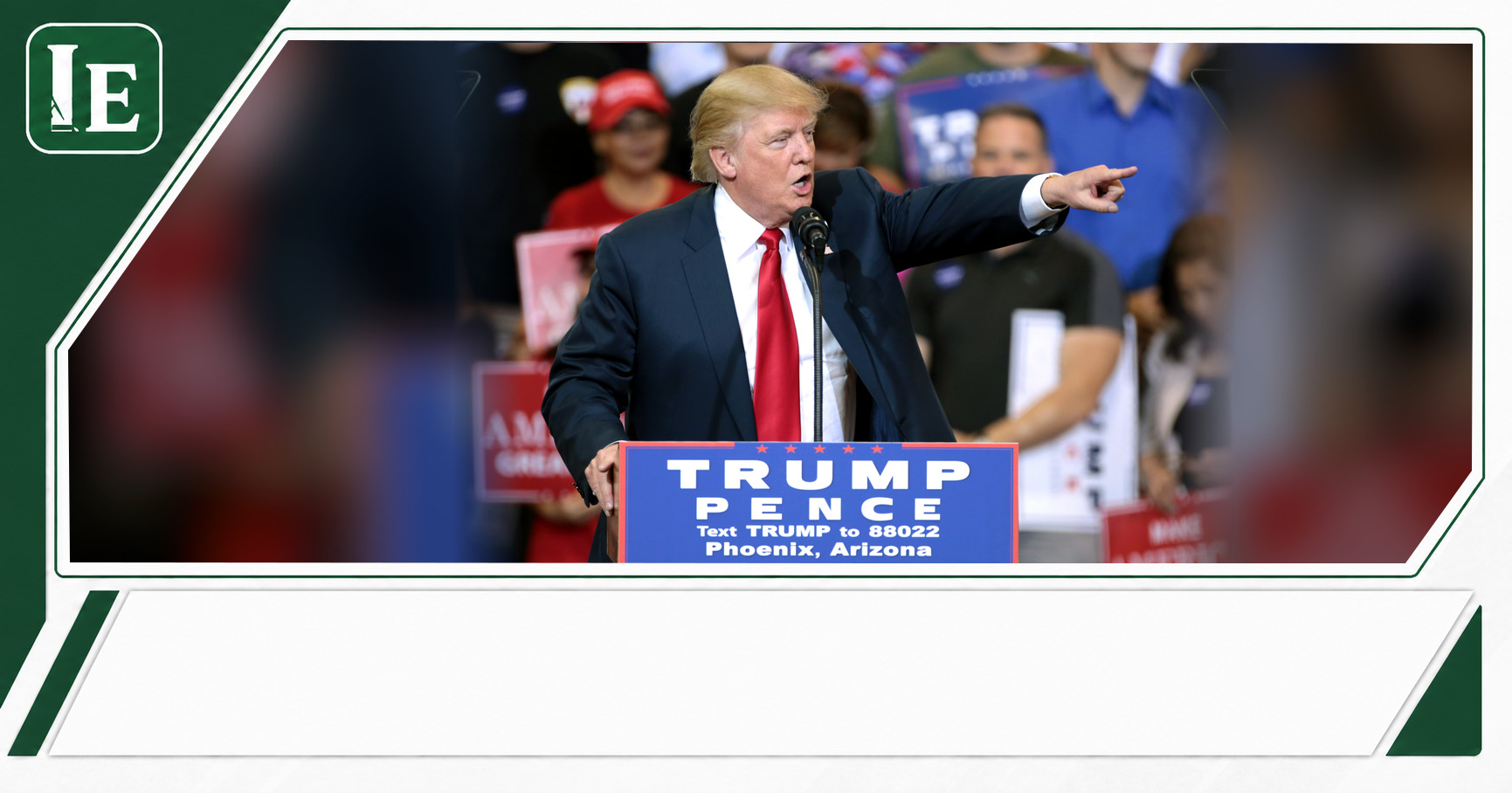
Trump’s public pressure on Seoul combines two sensitive issues: South Korea’s decision not to take part in the Iran conflict and the future of joint U.S.-South Korean military readiness. The dispute also follows his criticism of NATO allies.
Donald Trump criticized South Korea, a U.S. ally, over Iran after South Korean President Lee Jae Myung declined to join the Iran war. Trump also demanded that U.S.-South Korean military exercises be scaled back, even as the annual drills began as scheduled.
Trump had pressured NATO before turning his criticism toward South Korea, making the dispute a broader test of how he views allied obligations. Seoul faces an immediate dilemma: preserve coordination with Washington while keeping its focus on the threat from North Korea.
Trump links Iran to alliance support
Trump described a conversation with Lee in which he asked whether South Korea would assist the United States in Iran. According to Trump, Lee declined, saying South Korea preferred not to become involved.
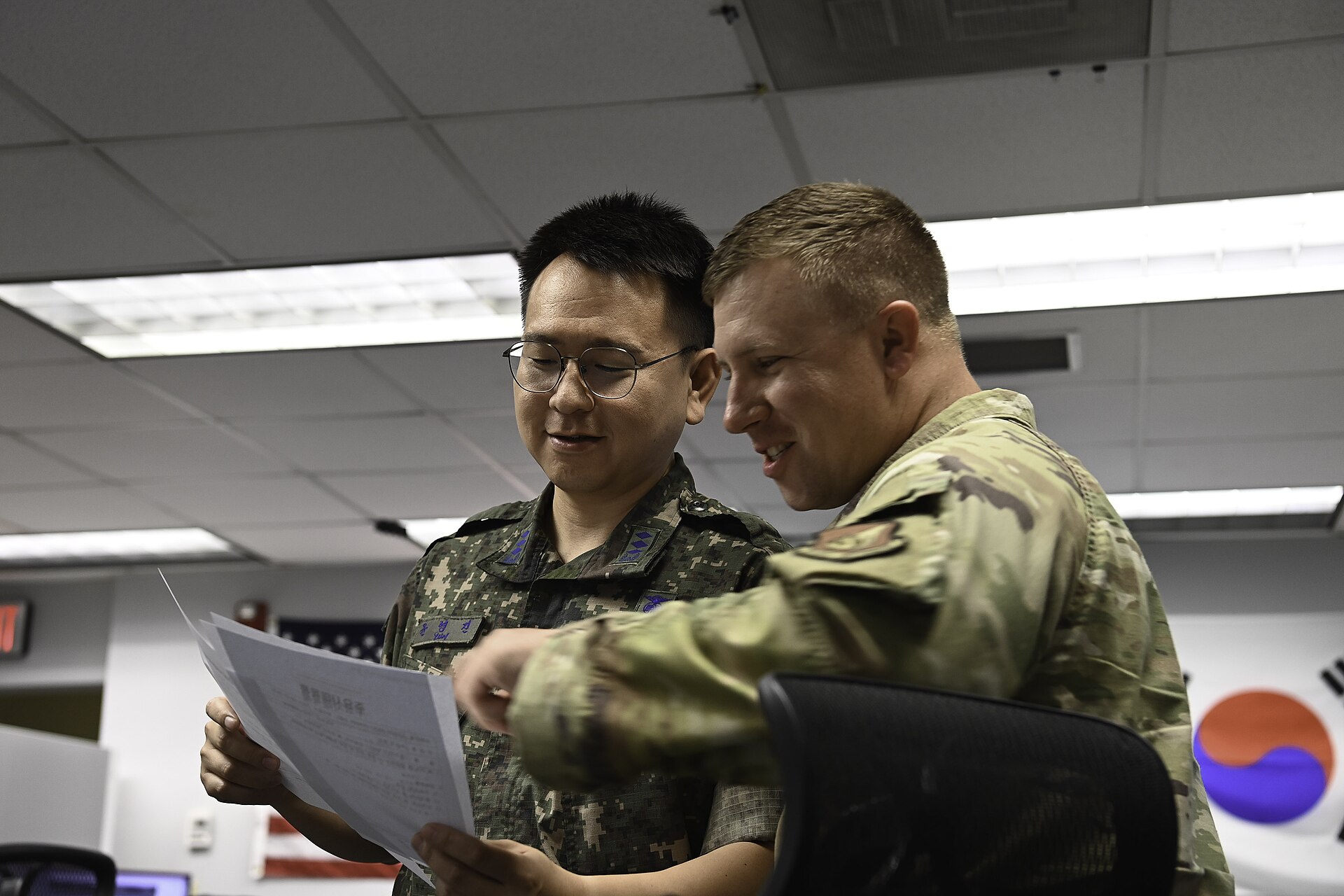
Trump then tied that answer to the U.S. military presence on the Korean Peninsula. He said the United States has 39,000 troops in South Korea to help defend the country against North Korean leader Kim Jong Un and questioned why Washington should provide that support if Seoul would not assist in what he called an easy military operation in Iran.
The public nature of that argument matters. It frames the alliance less as a narrow commitment to deterrence on the peninsula and more as a relationship in which U.S. protection may carry expectations of political or military backing elsewhere.
That is a difficult proposition for Seoul. South Korea’s core security concern is North Korea, while Iran is geographically distant and carries a separate set of diplomatic, military and economic risks.
Exercises began despite Trump’s demand
The immediate flashpoint is Ulchi Freedom Shield, the annual U.S.-South Korean military exercise involving tens of thousands of troops. The drills have been held for decades and are intended to strengthen readiness and deter aggression from North Korea.
Trump said the exercises should be reduced, calling the war games unnecessarily provocative and an inappropriate, hostile message to what he characterized as an unthreatening and respectful North Korea.
U.S. military officials describe the exercises differently. They call them defensive training designed to improve the ability of American and South Korean forces to operate together in a crisis.
The exercises nonetheless began as scheduled Monday. That decision suggests military planners and the alliance bureaucracy still see a strong operational case for maintaining the drills, even as the president publicly questions them.
Deterrence and diplomacy collide
The disagreement exposes a familiar divide in debates over the Korean Peninsula. Supporters of regular joint exercises argue that preparation is essential because North Korea has a large military, nuclear weapons and a record of weapons testing.
Frank Jannuzi, president and CEO of the Mansfield Foundation, told PBS NewsHour that the drills are central to the ability to deter North Korean aggression. He said moves affecting the alliance work best when they are closely coordinated with South Korea.
Critics counter that large military exercises near an adversary’s border can intensify rather than reduce tensions. North Korea has long denounced the drills as provocative and has accused Washington and Seoul of rehearsing attacks on its leadership.
Jennifer Kavanagh of Defense Priorities, which advocates restraint in U.S. policy, told PBS that adversaries can respond to exercises by expanding their own military activity, pressuring neighbors or testing weapons. She argued that South Korea should increasingly be prepared to manage its own defense without U.S. support.
Seoul’s answer has been cautious
South Korea’s presidential office said it was reviewing Trump’s comments and would discuss possible assistance to the United States over Iran. Its response did not match Trump’s public criticism with a public escalation.
That restraint reflects the competing pressures on Lee’s government. A direct rebuke of Washington could deepen friction with South Korea’s most important security partner. Agreeing to join a conflict involving Iran, meanwhile, could expose Seoul to consequences that its government may see as unrelated to deterrence against North Korea.
There is also an unusual overlap in stated goals. The South Korean administration has said it wants improved U.S.-North Korea relations. Trump, while criticizing Seoul, also floated renewed diplomacy with Kim and highlighted his own past relationship with the North Korean leader.
But an interest in diplomacy does not resolve the practical disagreement over military exercises. Seoul can favor engagement with Pyongyang while still believing joint training is needed as insurance against a crisis.
NATO pressure gives the dispute weight
Trump’s criticism of South Korea comes after pressure on NATO and other U.S. allies over Iran. The sequence has renewed attention on whether the administration is applying a more transactional standard to alliance relationships.
One view is that Trump is pressing partners to contribute more when U.S. forces and resources are at stake. From that perspective, allies cannot rely on American protection while treating Washington’s requests as optional.
The opposing view is that alliances function because commitments are predictable and tailored to shared security interests. South Korea’s treaty relationship with the United States centers on the Korean Peninsula; it does not automatically settle whether Seoul should participate in a separate conflict in the Middle East.
The distinction is especially important for countries facing immediate regional threats. If an ally believes assistance in one theater is routinely conditioned on joining operations in another, it may begin to question how dependable the underlying security guarantee really is.
Questions now facing the alliance
The clearest near-term question is whether Trump’s demand will lead to a lasting reduction in joint exercises or remains a public pressure tactic. The current drills proceeding as planned shows that no immediate operational reversal has occurred.
It is also unclear what form of help, if any, South Korea might consider regarding Iran. The presidential office said it would discuss the matter, but it has not publicly outlined a commitment.
North Korea’s reaction will be closely watched as well. PBS reported that Pyongyang launched missiles before the exercises began, following other weapons tests earlier in the year. Publicly, there is no sign that North Korea is ready to resume talks, particularly on denuclearization.
For now, Trump’s remarks have placed two separate debates on the same table: how far U.S. allies should go in supporting American military aims, and how the United States and South Korea should balance deterrence against diplomacy. The outcome will shape more than a single set of exercises; it will signal how both governments define the alliance when their priorities do not neatly align.
Leave a Reply