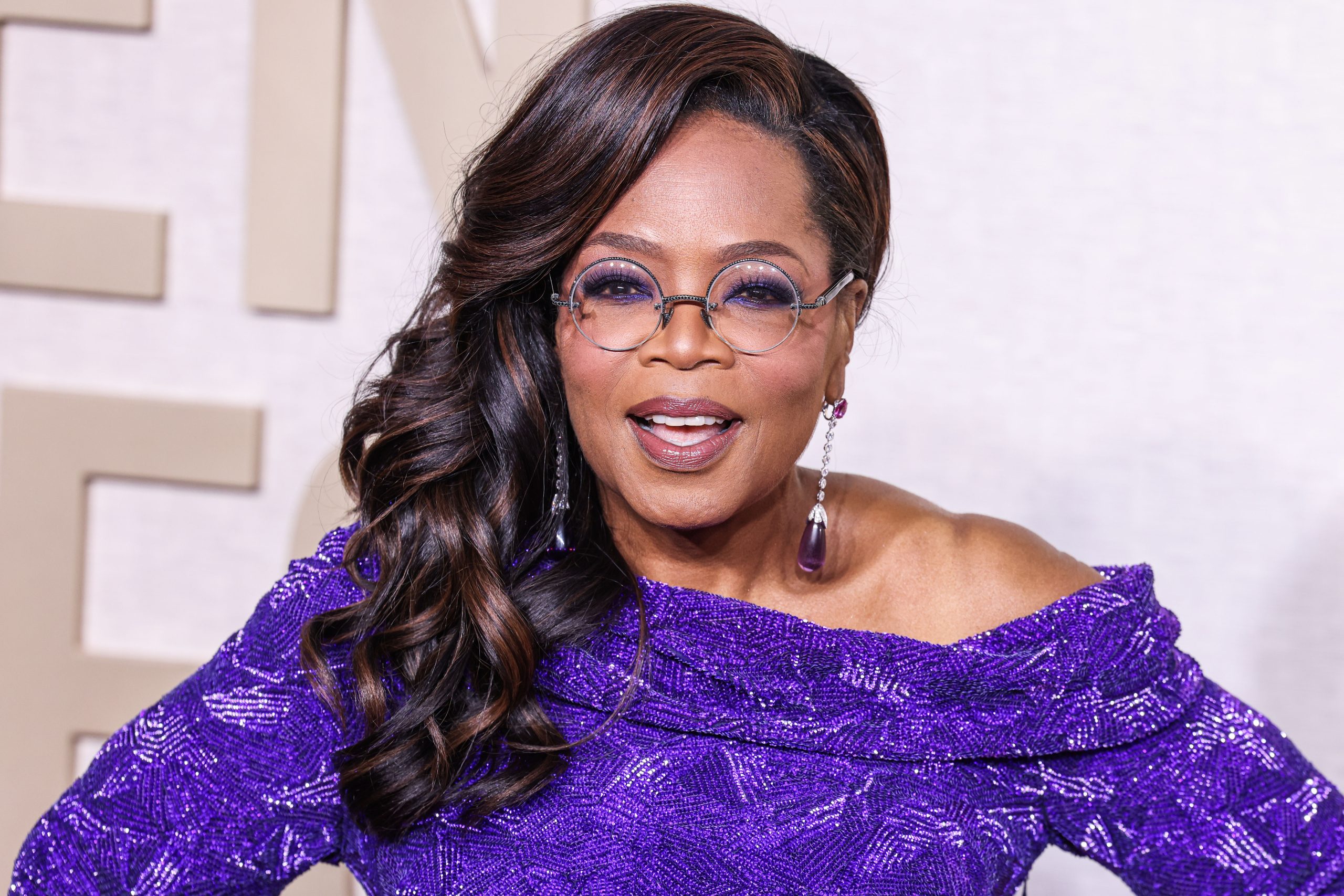
Winfrey acknowledges that her daytime show helped make Phil McGraw and Mehmet Oz household names. But she says their later support for Donald Trump and political identities are not hers to own.
Oprah Winfrey publicly distanced herself from Dr. Phil and Dr. Oz, saying their support for Donald Trump and later political choices are not hers. Winfrey drew a firm line between giving Phil McGraw and Mehmet Oz early television platforms and the political identities they developed afterward.
The distinction matters because Oz now serves in Donald Trump’s administration and McGraw has publicly backed Trump. Winfrey is rejecting responsibility for their later paths while acknowledging the role The Oprah Winfrey Show played in launching both men into much larger television careers.
Winfrey’s answer to critics
In an interview with Emmy Magazine published Aug. 11, Winfrey addressed the recurring criticism that she should be associated with the politics and views of two former television colleagues she introduced to a national audience.
“Everybody has their own path in life, and it has not one thing to do with me, and I don’t have one thing to do with them,” Winfrey said.
Her position is not that McGraw and Oz lacked an important boost from her show. It is that the professional opportunity she gave them does not amount to a permanent endorsement of every decision, ideology or political alliance that came later.
Winfrey said she featured both men because she believed, at the time, they offered information and assistance that could be useful to viewers. That explanation separates her original programming judgment from the public identities both men now carry.
Two careers built from daytime TV
McGraw first appeared on Winfrey’s program in 1998 after helping her with a legal matter involving the Texas cattle industry. Winfrey told Emmy Magazine that she considered him practical, direct and helpful, and believed his advice could reach more people.
Those appearances helped lead to Dr. Phil, which aired from 2002 to 2023. McGraw became one of daytime television’s most recognizable personalities, making the connection to Winfrey difficult for critics to ignore.
Oz arrived on the show through Winfrey’s close friend Gayle King and first appeared in 2004. Winfrey said she appreciated his ability to explain medical subjects in terms she could understand and believed audiences would find that valuable, too.
The Dr. Oz Show ran from 2009 to 2022. In both cases, a spot on Winfrey’s program offered far more than visibility: it could bring familiarity and credibility from one of daytime television’s most influential hosts.
Trump ties changed the context
The old TV connection has new political weight because of where McGraw and Oz stand now. Oz, a cardiothoracic surgeon and former television host, is serving as administrator of the Centers for Medicare & Medicaid Services in Trump’s administration.
McGraw is not part of the administration. Still, he endorsed Trump at a campaign event before the 2024 election and has voiced support for Trump’s immigration policies on social media.
Winfrey has taken a sharply different position. She endorsed then-Vice President Kamala Harris at the 2024 Democratic National Convention, where she said values, character, decency and respect mattered in the election.
That political divide helps explain the force of Winfrey’s comments. She was not simply describing a distant professional relationship; she was publicly separating herself from two people now closely linked to Trump-era conservative politics.
The unresolved question of influence
There is a straightforward case for Winfrey’s view. McGraw and Oz are independent adults with careers that unfolded over decades, and neither man’s current political role was established when Winfrey first put him before her audience.
From that perspective, an early opportunity cannot reasonably make a host responsible for every later professional or political turn taken by someone they helped. Winfrey’s account rests on that boundary between opening a door and controlling what comes after it.
Critics can see it differently. Winfrey’s endorsement was not a routine television booking, given the cultural authority attached to her recommendations and the public trust her show could confer on guests.
That view does not mean Winfrey dictated their futures. It does raise a broader question about whether influential figures have an obligation to reckon with the lasting effects of the people they elevate.
Why Oz draws added scrutiny
The debate is especially complicated in Oz’s case. His move from television into government came after scrutiny over health claims during his years as a television host, adding another layer to questions about credibility, media power and public trust.
Winfrey’s comments do not attempt to relitigate Oz’s television career or defend his government role. They instead focus on the limits of her connection: she can explain why she once saw value in featuring him without accepting ownership of the choices that followed.
The same principle applies to McGraw. Winfrey’s role in the origins of Dr. Phil is part of the public record, but her remarks argue that a formative career connection is not the same as political partnership.
A boundary with a long afterlife
Television introductions can outlast the moment that created them. A segment meant to offer advice or make complex subjects easier to understand can become part of a much bigger argument years later, particularly when the guest becomes a political figure.
Winfrey’s intervention does not settle the question of how much responsibility a media mentor bears for someone they helped make famous. It does make her own answer unmistakable: the history is real, but the political paths of Dr. Phil and Dr. Oz belong to them.
What remains contested is the moral significance of the boost Winfrey gave them. The central facts are less disputed: both men received high-profile opportunities through her show, both built major media careers, and both later moved in directions Winfrey says she does not share.
Leave a Reply