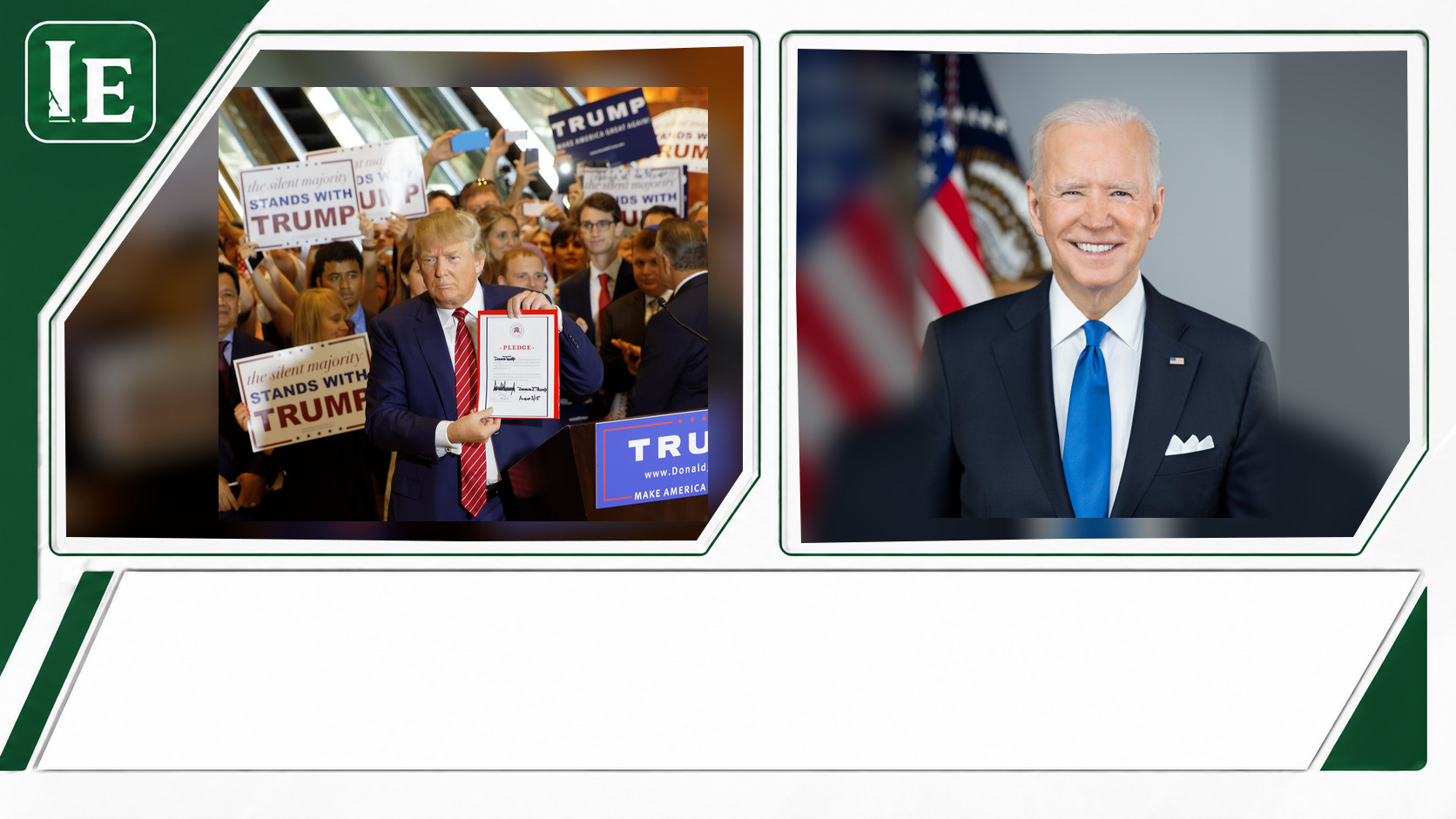
With congressional majorities at stake in November, Trump’s explanations for economic strain, the war in Iran and damage at the Lincoln Memorial Reflecting Pool frame a larger debate over presidential responsibility.
Republicans seeking to hold congressional majorities in November face a political challenge that reaches beyond any one issue: defending the conditions voters experience now while arguing that those conditions stem from earlier policies and decisions.
President Donald Trump has made that case across several areas, attributing unwelcome outcomes to Joe Biden, earlier presidents, congressional Republicans and outside circumstances. The White House says he is addressing inherited failures and delivering results. Critics argue that presidents must also own the choices made by their own administrations.
November puts the argument before voters
Political accountability often turns less on a single cause than on whom voters believe is responsible for responding. Trump acknowledged voter anger in a recent interview with Punchbowl, according to The Associated Press, but said it was directed at congressional Republicans rather than him.
Trump has blamed Biden for weak economic conditions and persistent inflation, even though Biden has been out of office for more than 18 months. That position stands alongside Trump’s earlier promise of a rapid economic turnaround.
The economy is not controlled by a president alone. Prices, wages, interest rates, investment and trade can affect household conditions, and policy effects can take time to emerge.
The White House can point to policy actions and results it considers favorable, while critics can argue that voters facing difficult conditions expect the president to accept a greater share of responsibility.
The White House says Trump is correcting long-running problems
The White House rejects the assertion that Trump is merely shifting responsibility. Spokesperson Taylor Rogers said Trump is “rightfully addressing the failures of his predecessors” while delivering what she called major wins for Americans.
Rogers pointed to tax cuts, efforts to lower prescription drug prices, immigration and border enforcement, increased domestic energy production and a strong stock market.
The administration’s position is that persistent problems do not disappear immediately and that identifying their origins provides necessary context for its policies. Under that view, Trump’s references to past administrations are part of the case that he is correcting long-running failures, not an effort to escape accountability.
Iran and congressional politics sharpen the dispute
Trump has described the increasingly unpopular war in Iran as the result of earlier presidents’ failure over decades to curb Tehran’s nuclear ambitions. AP reported that the war has helped keep oil prices high, lowered Trump’s approval rating and shaken the global economy.
Critics view that argument as part of a broader pattern. AP’s account describes Trump assigning blame for unwelcome outcomes to Biden, earlier presidents, congressional Republicans and external circumstances across policy areas.
Supporters may see those statements as direct identification of the people and institutions that created the problems Trump confronts. Critics see a narrower definition of presidential responsibility, particularly when outcomes are unpopular.
Past presidents offer competing models
The phrase “The Buck Stops Here” is closely associated with Harry S. Truman, who kept the sign on his desk. In his 1953 farewell address, Truman said the president had to decide and could not pass the buck to someone else.
Trump has at times expressed a similar principle. In 2013, he said that whatever happens, a leader is responsible. In his 2016 nomination speech, he said he alone could fix the system.
His later presidential statements have often taken a different tone. During the 2019 government shutdown, Trump said, “The buck stops with everybody.” When he declared a national emergency over the coronavirus pandemic in 2020, he said of inadequate testing, “I don’t take responsibility at all.”
Presidential historians cited by AP contrasted that approach with leaders who publicly accepted mistakes. John F. Kennedy took responsibility after the Bay of Pigs invasion; Ronald Reagan said the buck stopped with him amid Iran-Contra; George W. Bush later listed errors from his presidency; and Barack Obama said “I screwed up” after a Cabinet nominee withdrew over unpaid taxes.
The Reflecting Pool dispute offers a local example
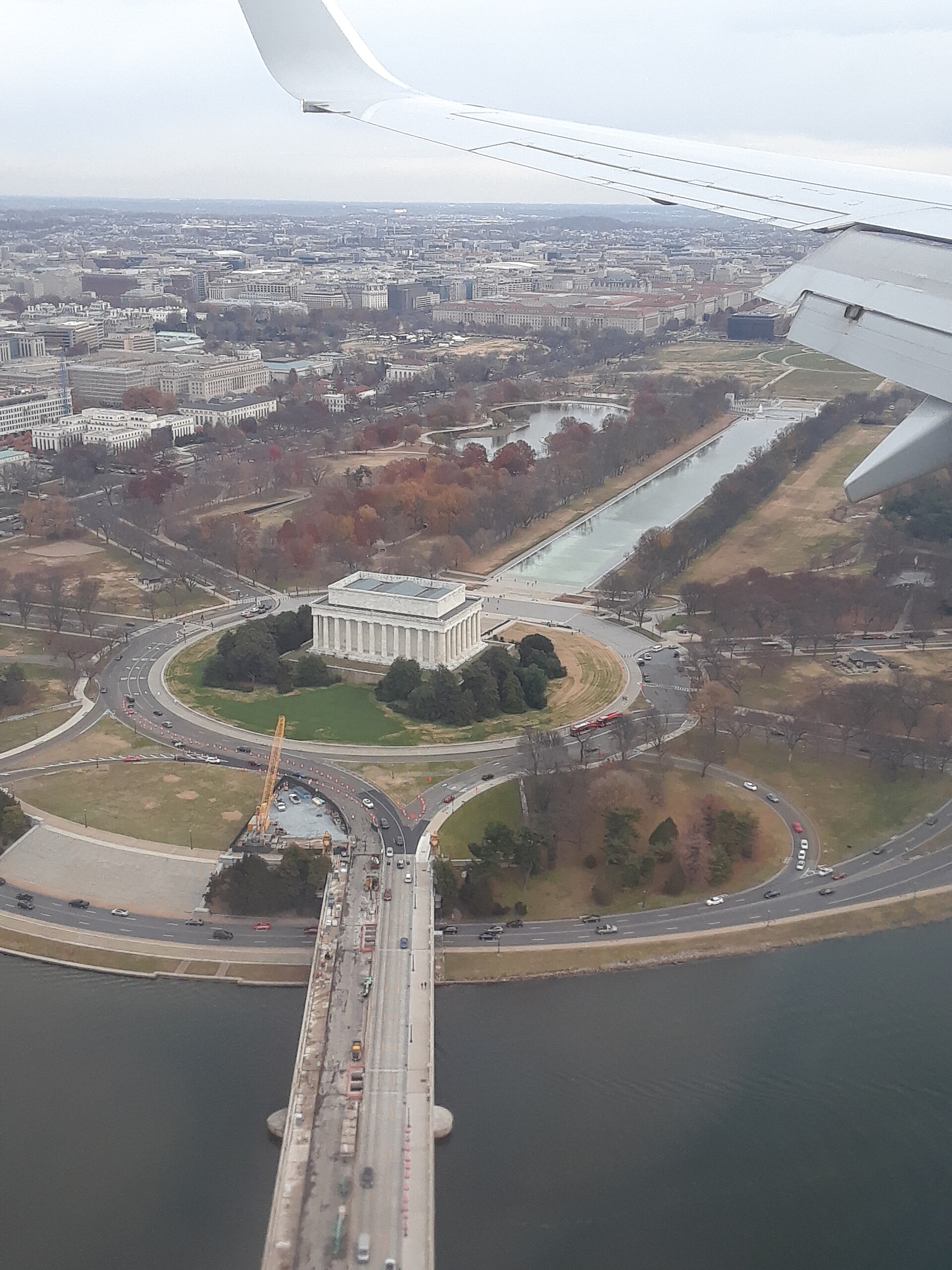
A disagreement over the revamp of the Lincoln Memorial Reflecting Pool illustrates the competing accounts. Trump said vandalism caused problems with the project.
The office of a prosecutor Trump appointed said the damage resulted from shoddy workmanship, according to AP. The supplied reporting does not resolve the underlying dispute.
The disagreement over a Washington landmark captures the wider question surrounding any presidency: how much should a setback be attributed to conditions a president inherited, and how much belongs to the administration in office?
The Reflecting Pool episode does not settle that question. It instead makes the division clear as voters weigh the White House’s claim that Trump is confronting inherited failures against critics’ argument that accountability requires more direct ownership when outcomes go badly.
Leave a Reply