The vote puts Congress closer to ending the twice-a-year clock reset. The harder debate is whether the country should permanently favor lighter evenings or brighter mornings.
The U.S. House of Representatives passed a bill to make daylight saving time permanent on Tuesday, July 14, 2026, approving H.R. 139, the Sunshine Protection Act. The daylight saving time bill would end the twice-yearly clock changes across the United States if it becomes law, replacing the spring-and-fall reset with a permanent time standard.
The measure still needs Senate action and a presidential signature, so Americans should not assume the clock changes are finished. The stakes are practical: Congress is weighing whether later sunsets are worth darker winter mornings.
A vote, not a final rule
The House vote marks a real advance for supporters of permanent daylight saving time, but it does not change anyone’s clock yet. The proposal must still clear the Senate before it can be sent to the president.
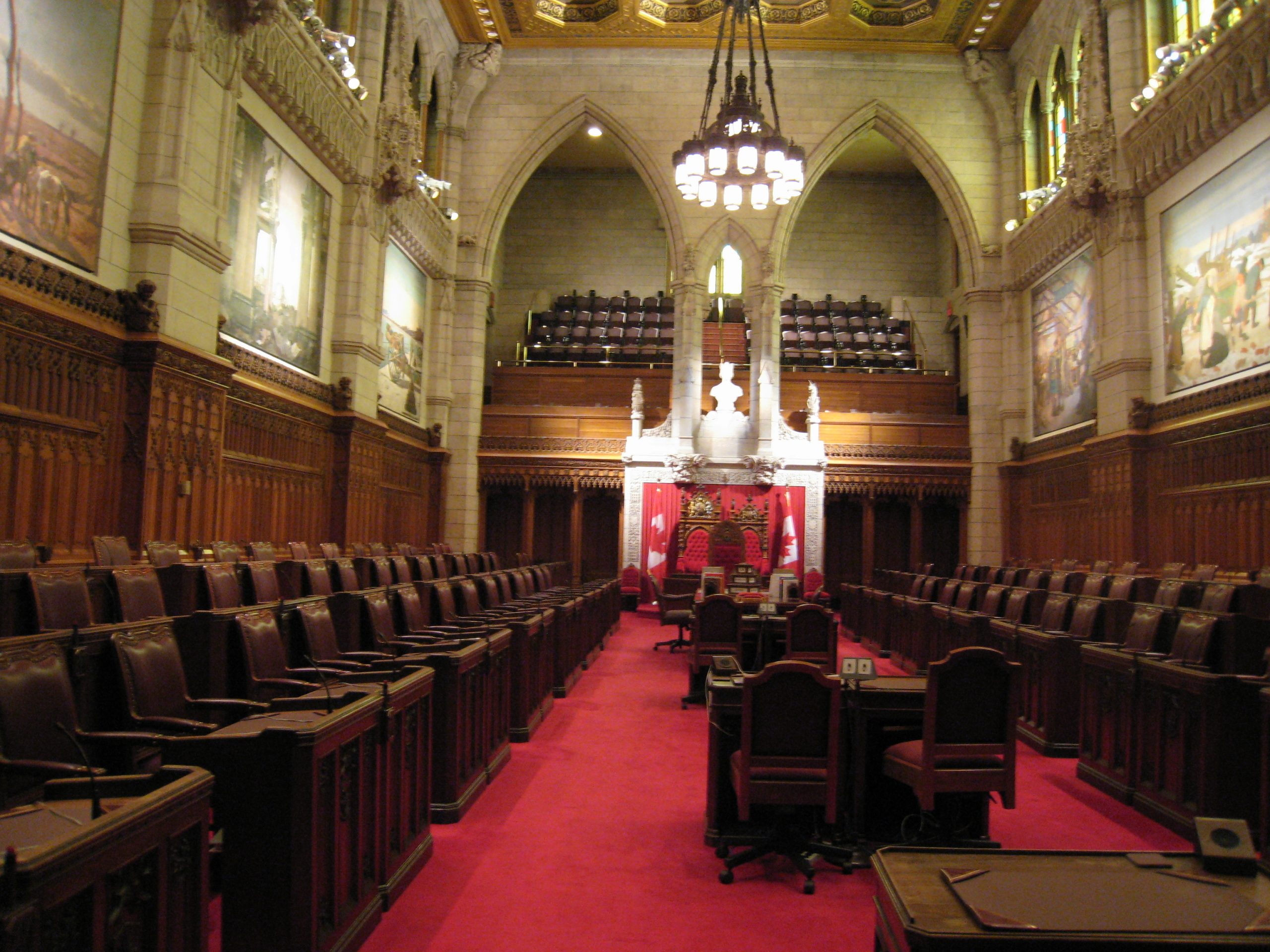
The House Committee on Energy and Commerce said the chamber passed legislation to make daylight saving time permanent. Chairman Brett Guthrie of Kentucky, Subcommittee Chairman Gus Bilirakis of Florida and Rep. Vern Buchanan of Florida applauded the move in the committee’s release.
Reuters also reported that the U.S. House voted to pass a bill making daylight saving time permanent and ending the twice-yearly clock changes. The committee said the Sunshine Protection Act had been included in the Motor Vehicle Modernization Act, which previously cleared the committee by a 48-to-1 vote.
That committee margin points to broad interest in changing the current system. It does not resolve the central question that has slowed this debate before: if the country stops changing clocks, which clock should it keep?
The tradeoff behind later sunsets
Permanent daylight saving time would not create more daylight. It would shift when many people experience it.
Under year-round daylight saving time, the sun would generally rise later and set later than it would under standard time, especially in colder months. That means more light after work or school, but less morning light during parts of the year.
For some households, the appeal is immediate. Dark evening commutes could be reduced. Youth sports, outdoor exercise, after-work errands and restaurant or retail activity could benefit from more usable evening light.
For others, the concern is just as concrete. Later winter sunrises could mean darker school drop-offs, darker morning commutes and more people starting their day before natural light arrives.
Why supporters see relief
Supporters have framed the bill as a quality-of-life measure and a way to stop a recurring disruption that affects millions of routines. Twice a year, schedules shift, sleep patterns wobble and people spend days adjusting to a one-hour change.
Guthrie said in the House committee release that Americans have asked Congress to reevaluate the current system. He connected year-round daylight saving time with economic activity and public safety.
Bilirakis said the twice-a-year time change disrupts routines and burdens families and businesses. Buchanan said permanent daylight saving time would give families more daylight after work and school while improving public safety and encouraging more active lifestyles.
That argument has a simple political advantage: almost everyone understands the irritation of changing clocks. Phones may update automatically, but ovens, car dashboards and body clocks do not always keep up as smoothly.
The standard time objection
The most important disagreement is not whether the clock change is annoying. It is whether permanent daylight saving time is the right replacement.
Business groups, tourism interests and many outdoor recreation advocates tend to favor later sunsets. Restaurants, retailers and youth sports leagues can gain when people have more evening daylight.
Sleep researchers and some medical groups have often argued that if the United States ends seasonal clock changes, permanent standard time may be the healthier choice. Their concern is that later winter sunrises under permanent daylight saving time could push wake-up schedules further away from morning light, which helps regulate the body’s internal clock.
That is why a broadly popular complaint can still produce a complicated policy fight. Ending the switch is one decision. Choosing permanent daylight saving time over permanent standard time is another.
States pushed Congress here
State-level pressure is one reason the issue keeps returning to Washington. Under current federal rules, states may generally opt out of daylight saving time and stay on standard time, as Hawaii and most of Arizona do.
States cannot simply move to permanent daylight saving time on their own. That federal limit has led state lawmakers in different places to pass or debate measures supporting year-round daylight saving time, while waiting for Congress to act.
The House vote matters because it moves the issue from scattered state frustration to a live federal decision. If the proposal becomes law, the effect would be national, though the experience would not feel identical everywhere.
A later winter sunrise can land differently in Maine than in Florida, and differently again for communities on the western edge of a time zone. Florida has been especially visible in the push, and both Bilirakis and Buchanan are from the state, where late-day light is closely tied to tourism, outdoor dining, boating and after-work recreation.
What remains unsettled
Even if the Senate takes up the measure, several practical questions remain. Congress would need to clarify when any change would take effect and how federal agencies would coordinate the transition.
Industries built around precise scheduling would also need lead time. Airlines, rail systems, financial markets, broadcasters and digital systems all depend on reliable time coordination.
Lawmakers may also need to address how states already on standard time, including Hawaii and most of Arizona, would fit into a permanent daylight saving system if one is adopted nationally.
The House has moved the United States closer to ending one of its most familiar calendar rituals. But for now, the spring and fall reminders should stay on the calendar: the Senate and president still decide whether the clock switch is actually ditched.