
Donald Trump’s conviction was historic, but the jury’s decision was only one stage of a longer criminal process. The key question after the verdict was not whether prison was legally possible, but whether a judge would decide it was appropriate.
Donald Trump was convicted of felony crimes in New York on May 30, 2024, when a New York jury found him guilty on all 34 felony counts in the criminal business-records case. The verdict could lead to prison time, making Trump the first former U.S. president convicted of felony crimes.
But a guilty verdict did not automatically mean jail. It established criminal liability and opened the possibility of a prison sentence; the punishment itself remained a decision for Judge Juan M. Merchan, shaped by New York sentencing law, the facts of the case and the arguments made by both sides.
A historic verdict, not an automatic sentence
The Manhattan jury found Trump guilty of falsifying business records in a case centered on a hush money payment made during the 2016 presidential campaign. Prosecutors said the records were falsified as part of a scheme to illegally influence that election.
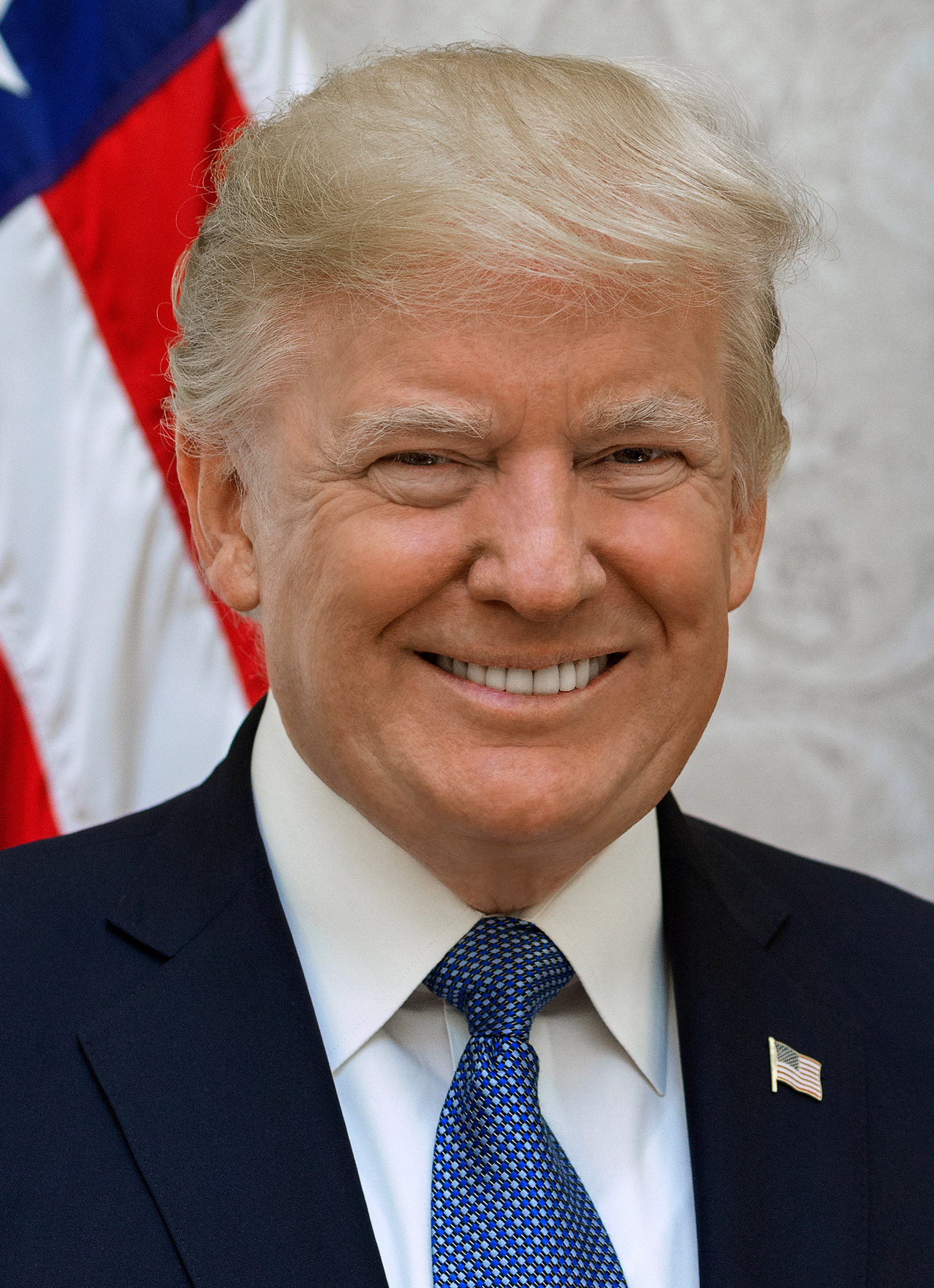
Trump denied wrongdoing throughout the proceedings. After the verdict, he called the trial “rigged” and “disgraceful,” claims he and his allies used to argue that the prosecution was politically motivated.
The jury’s verdict nonetheless carried a straightforward legal meaning: it found the prosecution had proved each charged offense beyond a reasonable doubt. The finding did not resolve every future legal question, and it did not itself specify a penalty.
That distinction matters because public discussion often treats “convicted” and “sentenced to prison” as interchangeable. They are not. A conviction can create exposure to incarceration without requiring it in every case.
Why prison was legally possible
Each falsifying-business-records conviction was a felony under New York law. As the Associated Press reported after the verdict, the charges carried a potential maximum sentence of up to four years behind bars.
Maximum penalties, however, are not predictions. Judges may impose sentences below the maximum, and a judge may also consider alternatives to incarceration where the law permits them.
At the time of the verdict, Manhattan District Attorney Alvin Bragg had not said whether prosecutors would seek imprisonment. Merchan, who had previously warned Trump about possible jail over violations of a gag order, was responsible for determining the eventual sentence.
The case therefore produced two different headlines at once: Trump had become a convicted felon, and he faced a possible prison sentence. The second proposition depended on a later judicial decision, not on the jury’s verdict alone.
Sentencing would weigh more than politics
Sentencing is not supposed to be a referendum on a defendant’s popularity, party or electoral prospects. A judge generally considers the offense, the defendant’s history, conduct during the case, the parties’ recommendations and the purposes of punishment under the applicable law.
Trump’s legal team was expected to argue for a sentence that did not include incarceration. Prosecutors could argue for a tougher outcome, though their precise position was not clear immediately after the jury returned its verdict.
Trump’s status as a former president and active presidential candidate made the situation without modern precedent. That did not erase the ordinary structure of a criminal case: conviction first, sentencing afterward, then potential post-trial motions and appeals.
Supporters of Trump portrayed the prosecution as an abuse of the justice system. Democrats and other critics viewed the verdict as evidence that even a former president could be held accountable in court. Neither political reaction changed the jury’s finding or gave either side control over sentencing.
An appeal was central to the fight
Trump said he would appeal, and his lawyer Todd Blanche criticized Merchan’s refusal to recuse himself and what Blanche described as excessive pretrial publicity. An appeal does not retry every witness account or automatically replace a jury’s verdict.
Instead, appellate courts typically examine claims of legal error: whether the trial judge made an incorrect ruling, whether instructions to jurors were improper, whether evidence should have been excluded, or whether a defendant’s rights were violated in a way that affected the outcome.
That process is one reason a conviction and its consequences should be described carefully. The May 30 verdict was a decisive event, but it was not the final word on every issue raised by the prosecution and defense.
Trump also faced other criminal cases at the time. AP noted that the New York prosecution could be the only one among those cases to reach a conclusion before the November 2024 election, increasing the public and political importance of the Manhattan result.
The election consequences were uncertain
A felony conviction did not bar Trump from running for president, campaigning or seeking office. Nor would imprisonment itself automatically remove him from the presidential contest.
The political effect was much harder to measure. Trump’s campaign argued that voters were focused on issues including inflation and would not be moved by the case. His campaign also used the verdict in fundraising appeals, describing him as a political prisoner.
Democrats gained a new basis for arguing that Trump was unfit for office, while the White House said it respected the rule of law. Republican leaders largely continued backing Trump, showing how firmly partisan views had already formed around the case.
For many voters, the facts underlying the prosecution had been public for years. That meant the verdict had the potential to reinforce existing loyalties as much as it had the potential to change minds.
What the verdict changed immediately
The most immediate change was legal and historical. Trump was no longer merely accused in the New York case; a jury had convicted him on 34 felony counts after a criminal trial.
It also created a new sentencing question with real stakes. Prison was legally available, but neither inevitable nor predetermined by the number of counts alone. The judge’s eventual decision would require a separate assessment after hearing from the prosecution and defense.
That is the clearest way to understand why the verdict mattered: it opened the door to incarceration while leaving the final punishment, the appellate challenges and the political fallout unresolved.
Leave a Reply