Blog

  • Trump Health Cuts Strain the Quiet System That Spots Outbreaks Early

    Trump Health Cuts Strain the Quiet System That Spots Outbreaks Early

    The effects may not show up first as a hospital crisis or a national headline. Experts say the warning signs are more likely to appear in staffing gaps, canceled grants and slower detection of local health threats.

    Trump administration health cuts are starting to affect disease tracking and outbreak response. Experts warn the cuts are weakening public health surveillance and staffing, with effects now appearing inside public health agencies, state health departments and global HIV programs.

    The article explains why the impact may not be immediately visible but could make future outbreaks harder to detect and contain. The concern is not only what has already changed, but what happens when a weakened system is tested by a local health crisis.

    The damage can be quiet

    Public health is built to work before most people notice it. Disease trackers look for patterns, local departments investigate clusters of illness, and federal grants help move money and expertise into state, local and tribal systems.

    That makes cuts to the system hard to judge in real time. A reduction in staff does not automatically produce an outbreak the next day. A canceled grant may not immediately close a clinic or end a surveillance project.

    But experts cited in the reporting warn that the first visible sign may be delay: fewer people checking data, fewer investigations opened quickly, or a missed signal that would have been easier to catch with a stronger team.

    HHS cuts ripple outward

    According to reporting by The Guardian, the Department of Health and Human Services was being reduced from 82,000 workers to 62,000 through firings and buyouts. The same reporting said hundreds of grants to state, local and tribal governments, as well as research institutions, had been eliminated, with more than $6.8 billion in unpaid obligations affected.

    HHS is not a single-purpose bureaucracy. It sends major funding to states and helps oversee Medicare, Medicaid, medical research, food and drug safety, disease control and family services.

    That means reductions at the federal level can surface far from Washington. The practical impact may be felt in a county health office, a laboratory contract, a disease surveillance unit or a local program that depends on federal grant funding.

    The Trump administration and its allies have argued broadly for shrinking the size and cost of the federal government. The public health counterargument is that complex systems can be easy to cut quickly and hard to rebuild when specialized capacity is needed again.

    Surveillance depends on people

    Disease surveillance is one of the least visible parts of public health, but it is central to outbreak response. It includes monitoring for warning signs tied to foodborne illness, respiratory viruses, water safety problems, infections and other threats.

    In South Carolina, more than 70 public health staff members were laid off in March because of funding cuts, The Guardian reported. One epidemiologist whose role was eliminated described surveillance as the system that helps health officials recognize patterns early and act before more people get sick.

    The risk is not that every smaller team will fail. It is that fewer staff can mean fewer calls to providers, fewer data reviews, slower investigations and less ability to connect scattered cases before they grow into a larger problem.

    A South Carolina public health spokesperson told The Guardian that employees hired through grants are temporary and that when grant funding is no longer available, those jobs may end. That distinction matters for budgets, but it also shows why local health capacity can be fragile when prevention work depends on grants that can disappear.

    HIV programs show broader stakes

    The cuts have also reached global HIV work with a long record outside the United States. At the Centers for Disease Control and Prevention, employees working on maternal and child health within the President’s Emergency Plan for AIDS Relief, known as PEPFAR, were included in a reduction in force, according to The Guardian.

    PEPFAR was created in 2003 under President George W. Bush and is widely credited with helping save millions of lives. The Guardian reported that all federal experts working on HIV prevention in children overseas were fired as part of the reduction, and that 22 epidemiologists in one CDC branch were affected.

    Former workers quoted in the report raised a concern that goes beyond whether a program keeps its name. Their worry was that the technical machinery behind the work — data review, pediatric HIV expertise, treatment planning and accountability — was being stripped down.

    That is a key distinction in public health. A program can continue to exist formally while losing the specialists who understand how to run it well. Institutional memory, local relationships and technical expertise are not cosmetic; they are part of the response system itself.

    Officials acknowledge some errors

    There are important limits to what can be concluded now. The available reporting does not prove that every affected program has stopped functioning. It also does not show that every feared health consequence has already happened.

    Public health harms can take months or years to measure, especially when the loss is prevention. A missed outbreak signal, a slower investigation or a weakened HIV prevention system may become clear only after a test arrives.

    HHS Secretary Robert F. Kennedy Jr. said after an April 1 reduction in force that 20% of the firings were in error and that those workers would be reinstated, The Guardian reported. An HHS spokesperson attributed such errors to data-collection issues and did not comment on other parts of the outlet’s reporting.

    That leaves unresolved questions. Which jobs were restored? Which grants remain canceled? How many state and local positions disappeared because of federal decisions? Which agencies are being asked to deliver the same public health work with fewer people?

    Why the public may notice late

    Debates over public health cuts often center on large numbers: the size of HHS, grant totals, unpaid obligations and the cost of federal programs. For the public, the effect is more likely to be experienced in small operational gaps.

    A health department may take longer to identify a cluster of illness. A state may have fewer epidemiologists available to investigate food poisoning. A school or community program may lose support. A global health effort may still have medicine, but fewer experts coordinating who receives it and when.

    That is why experts describe the impact as only beginning. Public health is judged most harshly when it fails, but much of its value comes from problems that never become visible because someone caught them early.

    The practical takeaway is sober: Trump health cuts hit disease tracking in ways that may not look dramatic at first. The evidence now points to vacancies, canceled grants, lost expertise and strained systems — the kinds of weaknesses that matter most when the next outbreak or local health emergency demands a fast response.


  • Hackers Targeted Exposed Water Controls, Forcing Boil Notices Across States

    Hackers Targeted Exposed Water Controls, Forcing Boil Notices Across States

    Officials say no contamination has been reported, but the incidents show how exposed industrial controls can turn a local utility into a national cybersecurity concern.

    Hackers targeted water systems in several U.S. states, disrupting water utility operations and forcing some utilities to issue boil-water notices and switch to manual operations. Federal agencies responded to the attack, with CISA, the FBI and the EPA moving to help secure affected facilities across the United States.

    Officials say no contamination has been reported. The seriousness lies elsewhere: a coordinated cyberattack on drinking-water infrastructure can still disrupt pressure, alarms, chemical dosing and public confidence, even when the water supply is not known to have been tainted.

    Why boil notices followed

    A cyberattack on a water system does not have to involve someone directly contaminating water to create risk. The operational side of a utility matters just as much: pumps, pressure levels, chemical treatment, alarms and remote controls all help keep service stable.

    According to U.S. officials cited in reports on the incident, some affected utilities responded by moving systems into manual mode and issuing boil-water notices. That can be a protective step, not proof that contamination occurred.

    Manual operations can keep a utility running when digital controls are considered vulnerable. But it also means workers must monitor and adjust equipment directly, rather than relying on remote systems that may be exposed or compromised.

    That shift is especially difficult for smaller utilities. Many water systems serve local communities with limited staffing and older control equipment built around reliability, not modern cybersecurity threats.

    Minnesota raised the first alarm

    The first public sign of the campaign came from Minnesota, where authorities said hackers targeted about 30 water systems on Sunday night and Monday morning.

    A memo distributed by the Minnesota Bureau of Criminal Apprehension said the likely desired impact was to cause loss of system pressure and possible contamination of the water supply. That language described a potential objective or risk, not a confirmed contamination event.

    Loss of pressure can matter because it may create conditions where unsafe water can enter parts of a system. That is one reason utilities may tell customers to boil water while operators verify that service remains safe.

    Wisconsin officials also detected malicious cyber activity at water facilities and urged utilities to take immediate action to prevent potentially serious effects, according to a state Department of Natural Resources memo cited in reports. Multiple sources familiar with the investigation told CNN that roughly six states have reported related cyber incidents over the last week.

    The target was exposed equipment

    The reported attacks appear to center on programmable logic controllers, or PLCs. These devices help machinery communicate inside industrial facilities, including water plants.

    In water systems, PLCs can help monitor pressure, chemical dosing and other functions that keep operations steady. When those devices are connected to the public internet or poorly configured, they can become attractive targets.

    Officials and analysts described attackers searching for internet-connected PLCs with weak protections. The concern is not necessarily that the attackers used highly sophisticated techniques; it is that some equipment may have been reachable in the first place.

    CISA said in a Thursday warning that hackers were targeting water entities of all sizes and urged facilities to take vulnerable industrial equipment offline. John Israel, Minnesota’s chief information security officer, told CNN that attackers would likely keep looking nationally across infrastructure and “rattle those doorknobs” for weak configurations.

    Attribution is still unsettled

    U.S. and state officials are treating Iran as one possible suspect, according to reports, but they have not made a formal determination about who is responsible.

    That caution matters. Cyber operations can be routed through compromised machines, and investigators must account for the possibility of false flags, where attackers try to make an operation appear to come from someone else.

    Iran-linked hackers have previously targeted U.S. water and industrial systems, including incidents that disrupted water and oil-and-gas sites, according to prior reporting. That history makes Iran a line of inquiry, not a confirmed answer.

    President Donald Trump, speaking at a cabinet meeting Friday, cast doubt on whether Iran was involved and criticized Minnesota authorities. His comments added a political layer to an investigation that federal cybersecurity agencies are still treating as unresolved.

    Small utilities carry a big burden

    The water sector is essential infrastructure, but it is not funded or staffed like a major bank or technology company. A large city may have cybersecurity specialists on call; a small district may have only a handful of employees responsible for operations, compliance and emergency response.

    Remote access is part of the trade-off. It lets operators check systems without driving to a facility, allows vendors to troubleshoot equipment and helps small teams manage wide responsibilities.

    That same convenience can become a weakness if passwords are poor, devices are exposed online or old equipment lacks modern safeguards. Disconnecting vulnerable systems can reduce risk, but it can also make routine work slower and more labor-intensive.

    Joshua Corman, an industrial cybersecurity expert and co-founder of the volunteer group I Am The Cavalry, told CNN that water systems have benefited from remote access, but so have people who wish harm. The incidents show why that balance is becoming harder for utilities to manage quietly.

    What agencies want now

    The federal response is focused on containment, alerts and defensive guidance. CISA, the FBI and the Environmental Protection Agency have been working with state officials and utilities to identify vulnerable systems, share technical information and help prevent further disruption.

    For local operators, the recommendations described in reports are familiar but urgent:

    • Identify industrial devices that can be reached from the public internet.
    • Disconnect or restrict access to vulnerable PLCs and related equipment.
    • Use strong authentication and remove default passwords.
    • Watch for unusual pressure, chemical-dosing or system-control changes.
    • Prepare manual operating plans before an incident forces the issue.

    Several major questions remain unanswered. Officials have not publicly released a full list of affected states, a final technical timeline or the name of a responsible actor. They also have not said whether every incident was carried out by the same group using the same method.

    The clearest point is that no reported contamination is not the same as no serious threat. A multi-state cyberattack that pushes utilities into boil-water notices and manual operations is enough to show why federal agencies are treating local water controls as a national security concern.

  • ICE Deported a DACA Mother, Then Used the Trip Against Her

    ICE Deported a DACA Mother, Then Used the Trip Against Her

    The lawsuit turns on a narrow but consequential question: whether the government can remove a DACA recipient and then use that trip abroad as grounds to end her protection.

    Jessica Treviño Villegas, a 34-year-old Texas DACA mother of three, says ICE deported her to Mexico in March despite legal permission to stay in the United States through April 2027. In a lawsuit filed Wednesday in U.S. District Court for the Southern District of Texas, she seeks her return to the United States after the federal government cited “unauthorized travel” and moved to end her DACA protection, according to the filing reported July 31, 2026.

    The case involves DACA protections and immigration enforcement, but it is also a family separation fight. Villegas’ lawyers say the government created the very travel problem it is now using against her; DHS says she accepted voluntary departure and waived appeal.

    The core dispute is timing

    Villegas’ lawsuit centers on a sequence that her attorneys say should not have happened: she had active Deferred Action for Childhood Arrivals protection, was removed to Mexico, and then received notice that her time outside the country could be used to terminate that protection.

    Her legal team says her DACA status remained valid through April 2027. On that basis, they argue she could not be lawfully removed while the protection was still in effect.

    The government’s account is different. DHS officials said Villegas “knowingly accepted voluntary departure and waived appeal,” according to the report. The agency also said she left the U.S. on March 25, 2026, and “will NOT return.”

    That disagreement puts the court in the position of sorting out whether March 25 was an unlawful deportation of a protected DACA recipient or the execution of a departure process the government considers legally binding.

    Why “unauthorized travel” matters

    The phrase at the heart of the lawsuit is “unauthorized travel.” According to Villegas’ filing, DHS sent her a notice seeking to terminate her DACA status because she had “engaged in unauthorized travel” outside the United States on or about March 25.

    That is the same date the lawsuit says she was deported to Mexico. Villegas’ attorneys argue the government cannot remove her and then treat the removal as though she had chosen to travel abroad without permission.

    For DACA recipients, travel outside the United States can carry serious consequences if it is not authorized. Villegas’ lawyers are not simply challenging a technical label; they are arguing that the government is using its own enforcement action as the basis for ending her protection.

    DHS has not accepted that framing. Its position, as described in the report, relies on the voluntary departure order and the claim that Villegas waived appeal.

    What Villegas wants now

    The lawsuit names DHS Secretary Markwayne Mullin and ICE Acting Director Todd Lyons as defendants, according to the report. Villegas’ legal team is asking the court to declare her removal unlawful and order the government to facilitate her return to Texas.

    Attorney David Rozas said in a statement that her DACA “remains valid through April 2027” and that the government had “no lawful basis” to remove her.

    The request is not limited to a future review of her status. Her lawyers want immediate return, which would require the court to address the practical result of the removal, not only the paperwork behind it.

    Villegas described the case in personal terms. She said she renewed DACA, followed the rules and believed the country would “do right” by her and her family. “Instead, I was taken from my children,” she said in a statement released Thursday.

    A family case with legal stakes

    Villegas had lived in Alamo, Texas, after coming to the United States from Mexico when she was 7, according to the lawsuit described in Newsweek. She later received DACA protection at age 20.

    Her three children are U.S. citizens, according to the filing, and were set to return to school the next month. That detail gives the legal fight an immediate human consequence: whether their mother can return while the court reviews what happened.

    DACA does not grant permanent legal status or create a path to citizenship by itself. It can allow eligible immigrants who came to the United States as children to remain temporarily and work if they meet program requirements and keep renewing their protection.

    That limited nature is part of the wider tension. Immigration advocates point to cases like Villegas’ as evidence that even current DACA recipients can be vulnerable. Supporters of stricter enforcement generally emphasize that DACA is not legal status and does not erase other immigration issues.

    The government cites December

    DHS officials said Villegas and her husband were arrested in late December after a collision involving the couple’s vehicle and an unmarked Homeland Security Investigations vehicle in South Texas. Officials also said her husband had been in the country without permission when they were arrested.

    Villegas was detained and placed into removal proceedings, according to the lawsuit. In February, she received an order of voluntary departure “under safeguards,” with a deadline of March 19 to leave the United States, the lawsuit states.

    She remained in DHS custody before being deported to Mexico on March 25. Those facts may matter because voluntary departure can carry legal consequences, and the government is relying on that process in its account of the case.

    Villegas’ side is not denying that the departure paperwork existed. Her attorneys argue that the government could not use that process to remove someone whose DACA protection had not expired.

    Broader implications for DACA recipients

    According to a DHS letter cited in the report, 86 DACA recipients had been deported during the current Trump administration, while 241 others had been arrested. Villegas’ case now adds a specific question to that broader enforcement picture: what happens when active DACA protection, custody and departure orders collide?

    Tania Chavez, executive director of La Unión del Pueblo Entero, said Villegas did not willingly leave the country and accused the government of trying to take away protections after causing the removal.

    What remains unclear is how DHS will defend the unauthorized-travel notice in detail, and whether the agency will argue that the voluntary departure order changed the legal effect of Villegas’ DACA protection.

    The immediate issue for the court is whether to order the government to bring Villegas back while her challenge proceeds. For her family, the stakes are return to Texas or continued separation in Mexico. For other DACA recipients, the case may become a warning about how temporary protection can be tested when enforcement actions move faster than the legal questions around them.

  • Hormuz Fears Push Crude Past $90 After Trump’s Iran Threat

    Hormuz Fears Push Crude Past $90 After Trump’s Iran Threat

    The move was less about barrels already missing from the market and more about what traders fear could happen next. The Strait of Hormuz and wider U.S.-Iran tensions are now central to the price story.

    Oil prices rose above $90 a barrel after Donald Trump threatened retaliation over an Iranian attack. Global crude climbed 7% on Wednesday, according to ABC News, before any confirmed shortage, as traders weighed whether U.S.-Iran tensions could threaten the Strait of Hormuz, the Persian Gulf shipping route central to global energy supply.

    This article explains how Trump’s Iran retaliation vow affected oil markets: geopolitical risk can lift crude prices before barrels stop flowing, especially if a wider conflict could disrupt shipping routes and global energy supply.

    A price move built on risk

    The key point is that oil did not need a verified supply disruption to move sharply higher. In commodity markets, prices often shift when traders believe the chance of disruption has changed.

    That is what made Trump’s warning so sensitive for crude. A retaliation threat involving Iran can change assumptions about military risk, shipping delays, insurance costs and the reliability of energy flows through a region tied closely to global supply.

    ABC News reported the market figure: global oil prices climbed 7% on Wednesday and crossed above $90 a barrel. Reuters reported that Trump vowed more aggressive attacks on Iran, sending oil prices higher again and deepening strain on consumers.

    The distinction matters. A market can price fear before a tanker is stopped or a refinery is shut. The move above $90 was a signal that traders saw greater exposure to a possible shortage, not proof that one had already arrived.

    Why Hormuz changes everything

    Iran matters to energy markets partly because of production, but geography is the larger concern when tensions rise. The Strait of Hormuz connects the Persian Gulf to the Gulf of Oman and the Arabian Sea, with Iran to the north and Oman to the south.

    A Congressional Research Service report describes the Strait as a key route for oil and natural gas moving to world markets. At its narrowest point, the report says, it is 22 nautical miles wide, with two shipping lanes that are each two miles wide and separated by a two-mile buffer.

    That narrow setup helps explain why rhetoric around Iran can have an outsized effect. If ships face a higher perceived risk of attack, delay, rerouting or higher war-risk insurance, crude can become more expensive even while supplies are still technically available.

    The CRS report also noted that Middle East supply disruptions can come through threats to production and trade, kinetic attacks on oil facilities, and attacks on ships. For oil traders, that range of possible outcomes makes military language part of the pricing equation.

    How fear enters the barrel

    A 7% jump above $90 is not only a reaction to a political headline. It reflects a fast reassessment of probabilities: whether U.S. retaliation happens, how Iran might respond, whether shipping slows and whether buyers need to seek alternatives.

    Crude prices are shaped by current supply, but they are also shaped by expectations. When the path ahead becomes less certain, buyers may be willing to pay more now rather than risk paying even more later.

    That is the market’s risk premium. It can appear quickly when a conflict threatens infrastructure or transportation routes. It can also disappear if the feared disruption does not materialize.

    The counterpoint is important: geopolitical oil spikes do not always last. If shipping continues, supply remains steady and officials signal restraint, the market can cool after the first shock.

    Consumers feel it with a delay

    For households, crude oil is not usually the price they see directly. The more familiar pressure points are gasoline, diesel and heating fuels.

    The pass-through is not instant or perfectly proportional. Pump prices depend on crude costs, refining margins, regional supply, taxes and distribution. A single-day surge does not automatically mean drivers see the same size increase overnight.

    Still, a sustained move above $90 a barrel would be harder to ignore. Higher crude can raise costs for freight and travel, which can eventually work into food, retail goods and services.

    Businesses watch the same chain reaction. Airlines can face higher jet-fuel costs, shipping companies may pay more for fuel, and manufacturers can see transportation bills rise for raw materials and finished goods.

    Foreign policy meets inflation pressure

    Trump’s retaliation threat sits where national security and market confidence overlap. Supporters of a forceful response may argue that deterrence requires a clear warning after an Iranian attack.

    Critics may see a different risk: escalating rhetoric can increase the chance of a broader conflict and raise economic costs at home. Oil markets do not settle that argument. They price the exposure created by uncertainty.

    That is why statements from Washington, Tehran and military officials can move markets even before confirmed battlefield developments. A promise of retaliation may suggest the conflict is not contained. A sign of de-escalation can have the opposite effect.

    Congress has a direct interest when the Strait of Hormuz is in focus. The CRS report noted congressional concern about how a closure or threat of closure could affect oil, natural gas and other commodities, along with U.S. policy options including military action or sanctions.

    What remains unsettled

    The largest unanswered question is whether Trump’s retaliation threat becomes action, and if it does, how Iran responds. The market reaction shows anxiety about escalation, not certainty about the next phase.

    It is also unclear whether the oil spike will hold. If shipping routes remain open and supply stays steady, prices could ease. If attacks spread or shipping risk rises, the premium could grow.

    The takeaway is narrow but important: oil surged because traders saw higher geopolitical risk after Trump’s vow of retaliation for an Iranian attack. The move above $90 a barrel shows how quickly U.S.-Iran tensions can become a global market event.

    The danger for consumers and policymakers is not only one day of higher crude. It is the possibility that fear becomes a sustained cost built into fuel, freight and inflation expectations until the path of the conflict becomes clearer.

  • Trump Presses Thune on SAVE America Act as Senate Lacks 60 Votes

    Trump Presses Thune on SAVE America Act as Senate Lacks 60 Votes

    The dispute over a proof-of-citizenship voting bill has become a test of Republican Senate unity and the limits of a 53-47 majority. The immediate obstacle is not simply scheduling: it is the 60-vote threshold required to advance most legislation.

    Donald Trump is pressuring the Senate to pass the SAVE America Act, while Senate Majority Leader John Thune says the voting bill still faces a 60-vote filibuster barrier. Senate Republicans hold a 53-47 majority, but lack enough votes to advance the measure under current rules, creating a direct clash between Trump’s demand for action and Thune’s assessment of the Senate math.

    Trump has urged senators not to leave Washington for the August break without passing the bill or ending the filibuster. Thune has said he would support canceling the break if there were a viable route to passage, but has questioned what that route would be after repeated failed attempts to move the legislation.

    A majority is not enough

    The central problem is built into Senate procedure. The legislative filibuster effectively requires 60 votes for most bills to advance in the 100-member chamber.

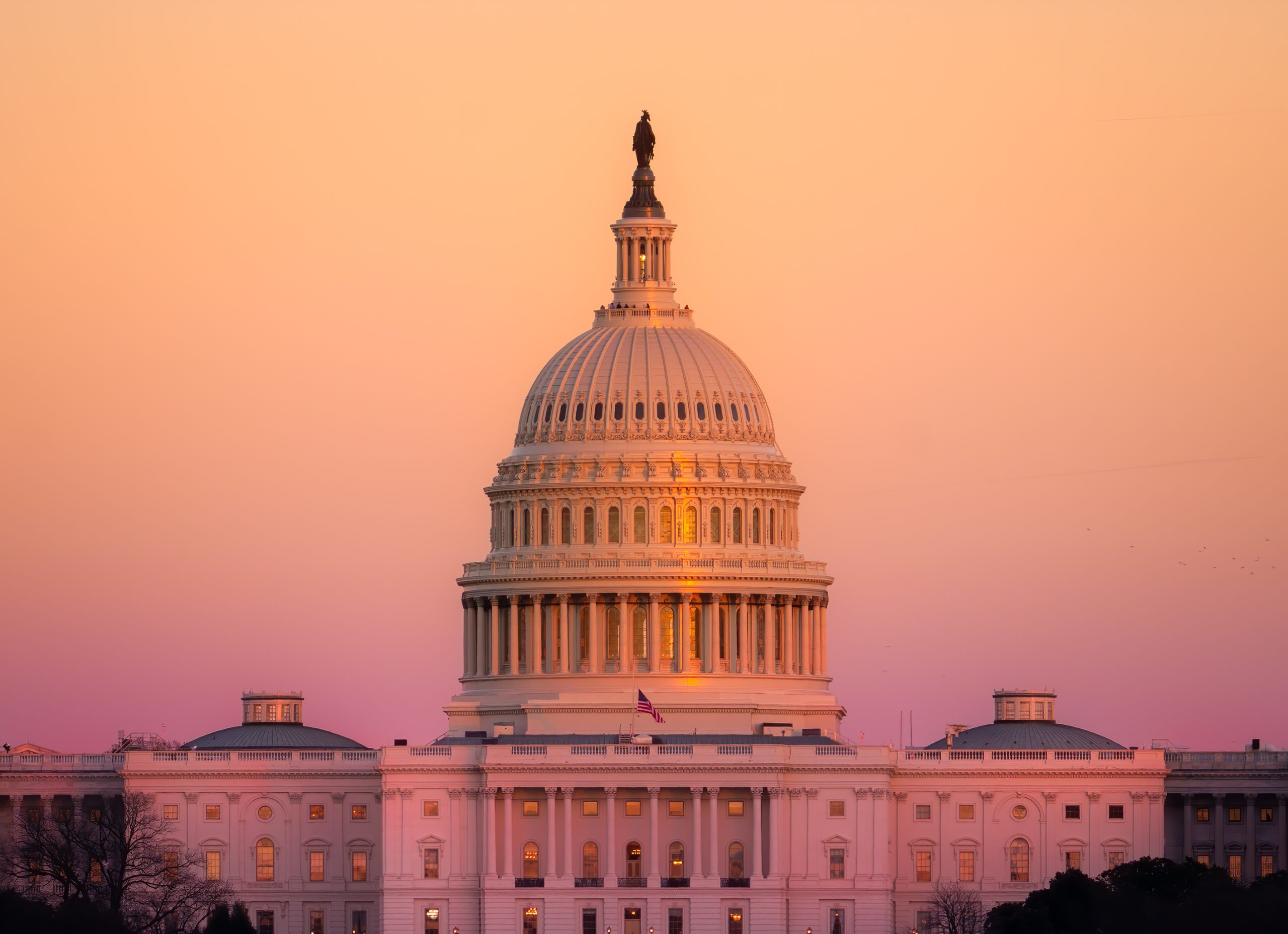
    Capitol Dome at Sunset
    Image: John Brighenti, via Flickr, CC BY 2.0.

    With Republicans holding 53 seats, Thune would need support from at least seven Democrats unless the Senate changes its rules or finds another legislative route. GOP leaders have said those votes are not available.

    That leaves Trump and Thune describing the same situation in sharply different terms. Trump has demanded that Senate leaders force an outcome; Thune has maintained that neither the bill nor a rules change has the support needed to succeed.

    According to the Associated Press, Trump wrote on social media that Thune should not allow senators to “leave town” until they pass the measure or “TERMINATES THE FILIBUSTER.” Trump later told reporters that he has a good relationship with Thune but said the majority leader has “got to get his job done.”

    What the bill would require

    The SAVE America Act, short for Safeguard American Voter Eligibility, would establish new national requirements for voter registration and voting. It would require Americans to prove citizenship when registering, generally with documents such as a U.S. passport or birth certificate.

    The measure would also require valid photo identification before a person casts a ballot. Trump has made the bill a major priority for 2026 and has claimed it would help “guarantee” the midterms.

    Supporters say the legislation is needed to protect elections and reassure voters who believe the system is vulnerable. Critics and voting experts warn that documentation requirements could create obstacles for eligible voters who cannot easily obtain the required records.

    The AP reported that experts have said roughly 20 million Americans may lack readily available birth certificates or other documents. The argument also unfolds amid Trump’s repeated claims that election cheating is “rampant,” though broad claims of widespread noncitizen voting or mass election fraud have not been supported by evidence on the scale he suggests.

    Republicans disagree on the response

    Thune is facing pressure from more than Trump. Republican senators backing the SAVE America Act have urged party leaders to identify a way to bring it forward.

    Utah Sen. Mike Lee has been among the Senate’s most vocal proponents. According to the AP, Lee warned that Republican handling of the bill could affect both the midterm elections and future Senate GOP leadership races.

    Louisiana Sen. John Kennedy said Thune was being “a bit too cautious” and argued that senators eventually need to vote. That position reflects a faction that sees a public confrontation over election policy as politically important even if passage is uncertain.

    Other Republicans have sided with Thune’s more restrained approach. Texas Sen. John Cornyn said keeping senators in Washington indefinitely would not alter the vote count, warning against “overpromising and underdelivering.” North Carolina Sen. Thom Tillis said most Senate Republicans support Thune’s position.

    Trump’s push collides with the calendar

    The demand comes as Thune has been managing a final pre-recess Senate push on government funding, cryptocurrency legislation and Russia sanctions. Trump’s intervention has returned attention to a voting measure that has stalled repeatedly.

    The August break has particular political value because senators use the time to return home, hold events, raise money and prepare for midterm campaigns. Several Republican senators face competitive races, making an extended fight in Washington more complicated.

    Trump’s allies view the recess as leverage: senators should remain in session until they act on the bill. Thune’s defenders argue that staying in Washington would be largely symbolic without a workable plan to secure the missing votes.

    Thune told reporters that he would back canceling the break if there were a clear path to victory. Pointing to prior votes on the legislation, he asked, “Show me how this ends.”

    A simple-majority route remains uncertain

    House Republicans have explored another option through budget reconciliation, a process that can allow some legislation to pass the Senate with a simple majority. The House approved a budget framework including $10 billion for voting-related changes tied to the SAVE America Act.

    But reconciliation has strict rules governing what can be included. Thune has said Republicans do not currently have the votes for that approach either.

    Ending or weakening the filibuster would be another path, but Senate Republican leaders have said they lack the support to make that rules change. The disagreement is therefore not only over the bill’s substance; it is over whether pursuing a vote without a clear route to enactment is useful political pressure or an avoidable failure.

    The broader fight is over power

    The confrontation has become a test of authority inside the Republican Party. Trump is pressing the Senate to show it can turn his priorities into legislative action, while Thune is emphasizing the institutional limits imposed by Senate rules and a narrow majority.

    For the moment, Republican support for the SAVE America Act has not translated into the 60 votes generally needed for passage. What remains unclear is whether Trump will increase pressure on Thune, whether enough Republicans will embrace a move to bypass or weaken the filibuster, or whether a compromise version can advance before the midterm campaign intensifies.

    The immediate impasse is straightforward: Trump wants a voting bill passed, but Thune says the Senate does not yet have a path to deliver it.

  • Trump Meets Zelenskyy and Netanyahu as Two Wars Seek U.S. Support

    Trump Meets Zelenskyy and Netanyahu as Two Wars Seek U.S. Support

    Two wartime leaders met with Donald Trump on the same day as their countries look to Washington for support. The closely watched sessions underscored how much remains unsettled about the next U.S. moves in Ukraine and the Middle East.

    Donald Trump held back-to-back meetings with Volodymyr Zelenskyy and Benjamin Netanyahu at the White House, bringing the leaders of Ukraine and Israel into one day of high-stakes diplomacy. The meetings tested U.S. backing in the wars involving Ukraine and Israel because neither session produced an immediately clear public roadmap for military support, diplomacy or the next phase of either conflict.

    Reuters reported that Trump first held brief closed-door talks with Zelenskyy before meeting Netanyahu. The order and compressed schedule put attention on a larger question: whether White House access will translate into concrete U.S. policy as both leaders face wars with very different risks and demands.

    Access was clear, commitments were not

    The most visible outcome was that both Zelenskyy and Netanyahu met directly with Trump. BBC live coverage also described consecutive meetings and reported that Zelenskyy shared photographs from inside the Oval Office.

    Donald Trump official portrait (cropped 2)
    Image: Shealeah Craighead, via Wikimedia Commons, Public domain.

    That access carries political value on its own. Leaders confronting war need to show domestic audiences, allies and adversaries that they can reach the U.S. president, particularly when American weapons, diplomacy and public messaging can influence events far beyond Washington.

    But available public accounts did not establish a new Ukraine aid package, a new Middle East initiative or a specific diplomatic breakthrough. The meetings delivered a strong image of engagement while leaving the substance of any private discussions largely undisclosed.

    That distinction matters. High-level diplomacy often happens behind closed doors, and a short meeting does not prove that nothing was decided. Still, in the absence of a detailed announcement, outside observers are left interpreting signals rather than measuring outcomes.

    Ukraine needs confidence from Washington

    For Zelenskyy, the White House session came with familiar but urgent stakes. Ukraine’s ability to continue its war effort depends heavily on Western weapons, intelligence, sanctions pressure and the political willingness of allies to sustain support.

    Air defense, ammunition, long-term security commitments and a message to Moscow that U.S. backing is not collapsing are among Ukraine’s core concerns. A private Oval Office discussion may be the setting for sensitive conversations, but Kyiv also needs confidence that Washington’s public posture matches any private assurances.

    Trump’s approach to Ukraine remains closely watched by allies and critics. Supporters argue that a president willing to pressure both sides could help drive negotiations. Critics contend that pressure on Kyiv without equivalent pressure on Russia could reward aggression and weaken Europe’s broader security order.

    Those competing views explain why even a brief meeting can have consequences beyond its official agenda. Moscow, European capitals and Ukrainians themselves look for clues about whether the United States is steady, wavering or preparing a policy shift.

    Israel faces a different calculation

    Netanyahu arrived with another set of pressures. Israel’s relationship with the United States remains central to its military and diplomatic position, yet the politics of that alliance have become more strained as conflict and regional tensions continue.

    Reuters placed the Netanyahu meeting against tensions involving Israel, Iran and the wider Middle East. The full agenda was not made public, but Israel’s broad interests in Washington include maintaining U.S. backing, shaping regional strategy and keeping pressure on adversaries.

    Trump and Netanyahu have often been described as ideological allies. Even close partnerships, though, can become harder to manage when wars extend and the possibility of regional escalation rises.

    Any U.S. president must weigh support for Israel against concerns over escalation, civilian harm, hostage diplomacy, energy markets and the safety of American personnel in the region. That makes a White House meeting with Netanyahu more than a routine bilateral encounter; it touches decisions that can affect the wider Middle East.

    One calendar, two very different wars

    Scheduling Zelenskyy and Netanyahu on the same White House day highlighted a common reality: both countries depend significantly on U.S. support, and both use security arguments to make their case in Washington.

    There are meaningful similarities. Each conflict has global consequences. Each involves adversaries shaped by larger regional or international networks. And in both cases, U.S. domestic politics can affect the flow of assistance and the tenor of diplomacy.

    The differences are just as important. Ukraine is fighting a war of national survival against a neighboring invader. Israel is a long-standing U.S. ally operating in a volatile region where military actions can bring intense international backlash and concern about a wider conflict.

    That contrast makes a single, simple foreign-policy formula difficult. The same-day meetings allowed Trump to project control across two major crises, but they also put the challenge in plain view: managing two alliances does not mean applying the same strategy to each war.

    Trump’s leverage comes with expectations

    The meetings also reinforced Trump’s preferred role as a central dealmaker. Bringing both leaders to the Oval Office made the White House the focal point for questions about aid, negotiations, regional pressure and possible diplomatic off-ramps.

    Yet visibility can create its own pressure. Once wartime leaders meet the president, allies and adversaries alike look for evidence that the encounter changed something. Without public details, the administration’s next decisions will carry more weight than the meeting photographs.

    BBC coverage added a symbolic element to the day, reporting that Trump, Zelenskyy and Netanyahu later appeared in the setting of Lindsey Graham’s funeral. Graham, the Republican senator associated with hawkish foreign-policy views and strong support for Ukraine and Israel, represented a more traditional Republican emphasis on backing allies and confronting adversaries.

    Trump’s foreign-policy brand has been more transactional and less tied to older party formulas. The day therefore reflected not only tensions abroad, but also an unresolved debate within Republican politics about the scale and purpose of American power.

    The next moves will define the meetings

    The key unanswered question is whether the White House follows the meetings with tangible policy. Possibilities cited in the public debate include military aid decisions, diplomatic pressure, sanctions moves, ceasefire efforts, security guarantees or public red lines.

    Each would offer a clearer indication of whether Trump’s meetings with Zelenskyy and Netanyahu were primarily symbolic or part of a larger strategy. For now, the available record shows direct presidential access, not a fully articulated public plan.

    That leaves both wars at a familiar but consequential point. Ukraine and Israel each received a place on Trump’s White House calendar; what remains unclear is the kind of commitment each will receive after the meetings end.

  • Florida Executes Two Men in Five Hours as 2026 Death-Penalty Pace Surges

    Florida Executes Two Men in Five Hours as 2026 Death-Penalty Pace Surges

    The same-day executions of James Duckett and Dominick Occhicone Jr. were a rare event, but they also marked the clearest example of Florida’s expanding use of capital punishment. Here is how the state’s warrant process, courts and political climate converged.

    Florida executed two men within five hours on Tuesday, July 28, 2026, at Florida State Prison in north-central Florida. The Florida Department of Corrections carried out lethal injections of James Duckett and Dominick Occhicone Jr. after the U.S. Supreme Court declined to halt the executions.

    The day underscored how sharply Florida’s execution pace accelerated in 2026. With 11 executions already completed before Duckett and Occhicone became the state’s 11th and 12th of the year, Florida’s capital-punishment pipeline has been driven by Gov. Ron DeSantis’ death warrants, court rulings and a political environment more receptive to carrying out death sentences.

    A rare afternoon at state prison

    According to The New York Times, Duckett, 68, was pronounced dead at 1:19 p.m. Occhicone, 80, was pronounced dead at 6:13 p.m. Both executions were conducted by lethal injection at Florida State Prison.

    Same-day executions are rare in the modern era. The Death Penalty Information Center has tracked only a small number of days on which states have executed multiple people since the U.S. Supreme Court reinstated capital punishment in 1976.

    Florida had not carried out a same-day double execution since 1964, when it used the electric chair. The July 28 schedule therefore attracted attention not simply because two death sentences were carried out, but because the state completed two separate final procedures in one afternoon.

    Duckett, a former police officer, had been convicted in the 1987 murder of 11-year-old Teresa McAbee. Occhicone had been convicted of murdering his ex-girlfriend’s parents. Both cases illustrate a familiar feature of capital punishment: convictions can be decades old when an execution date is finally set.

    Warrants activate long-dormant cases

    Florida’s recent pace begins with an authority held by the governor. After courts have affirmed a death sentence and ordinary appeals have run their course, the governor decides when to schedule an execution by signing a death warrant.

    That makes DeSantis central to the timing, even though juries and courts imposed the underlying death sentences years earlier. A warrant can bring a case that has moved through litigation for decades into an intensive final phase.

    Once a warrant is issued, prison officials prepare for the scheduled date while defense lawyers pursue last-minute challenges. Prosecutors and victims’ families can argue that the sentence should proceed, and courts decide whether the late filings justify a stay.

    The effect is a compressed timetable at the end of a lengthy legal process. A conviction may be old, but an execution date is a current decision by the state to move forward.

    Courts allowed the executions to proceed

    The U.S. Supreme Court declined to stop Duckett’s and Occhicone’s executions, The New York Times reported. The court offered no public explanation for the denials, and there were no noted separate writings or public dissents.

    That lack of explanation is not unusual in emergency death-penalty litigation, where requests can reach the justices within days or even hours of an execution. A denial without comment does not explain the court’s reasoning, but its immediate consequence is straightforward: the state can proceed.

    Florida courts shape the process much earlier as well. Over years of litigation, prisoners can raise claims involving innocence, trial errors, mental competency, jury instructions or execution methods. Courts may reject late claims if they determine the issue was already decided or could have been raised earlier.

    That legal finality is viewed very differently depending on one’s position on capital punishment. Supporters say completed appeals should not indefinitely override jury verdicts. Opponents contend that a strict finality rule can be dangerous when new evidence, questions about intellectual disability, advanced age or execution procedures arise near the end of a case.

    Policy changes signal a tougher stance

    Florida’s 2026 schedule includes executions on March 31, May 1, May 26, June 2 and June 25, followed by the July 28 double execution. The frequency has placed the state at the center of the country’s death-penalty debate.

    DeSantis has supported a tougher death-penalty posture during his time as governor, while Florida has also changed parts of its capital-punishment law. In 2023, the state lowered the jury threshold for recommending a death sentence to an 8-4 vote rather than requiring unanimity.

    That 2023 change does not account for every execution occurring now, because the people executed in 2026 were sentenced under earlier legal systems. Still, it signals the direction of state policy and its greater willingness to use the death penalty.

    National politics have added context. The New York Times reported that Florida’s 2026 pace came as the Trump administration encouraged states to use capital punishment more aggressively.

    Families and opponents see different stakes

    For relatives of victims and prosecutors, the conclusion of a long-running case can represent justice and closure. Dorothy Tula, McAbee’s mother, said in a statement released by prosecutors that her family was grateful Duckett’s execution had occurred.

    “My family and I are glad this day is finally here — because it’s about justice for my daughter and remembering her, not the man who stole her future,” Tula said, according to The New York Times.

    Bill Gladson, the state attorney in Florida’s Fifth Judicial District, said many people had waited a long time for Duckett’s case to end. His statement characterized the execution as part of the state’s obligation to support victims and uphold the rule of law.

    Death-penalty opponents viewed the closely scheduled executions differently. Floridians for Alternatives to the Death Penalty called the back-to-back procedure risky and unnecessary, arguing that the state had not explained why two executions needed to occur hours apart.

    Florida now drives the national count

    Florida has accounted for more than half of U.S. executions this year, according to The New York Times. That makes its choices consequential beyond state lines, even as executions nationally remain far below their late-1990s peak.

    Many states that retain the death penalty rarely conduct executions. Others have paused them amid litigation, drug-supply difficulties, political opposition or concerns about wrongful convictions. Florida has moved in the other direction.

    At least one additional Florida execution was scheduled after July 28, and more warrants could follow. It remains unclear whether 2026 is an unusually intense year or the beginning of a lasting new pace.

    What is clear is that Florida’s surge did not result from one case or one court decision. It emerged from old sentences reaching legal finality, a governor willing to sign warrants, courts declining to intervene and a state political climate that has widened the path to executions.

  • Kansas Rejects Supreme Court Overhaul as Michigan Senate Primary Stalls

    Kansas Rejects Supreme Court Overhaul as Michigan Senate Primary Stalls

    One state delivered a clear verdict on how its highest court should be chosen. Another was left waiting for a winner in a closely watched Senate contest, underscoring how differently primary-night results can shape the road to November.

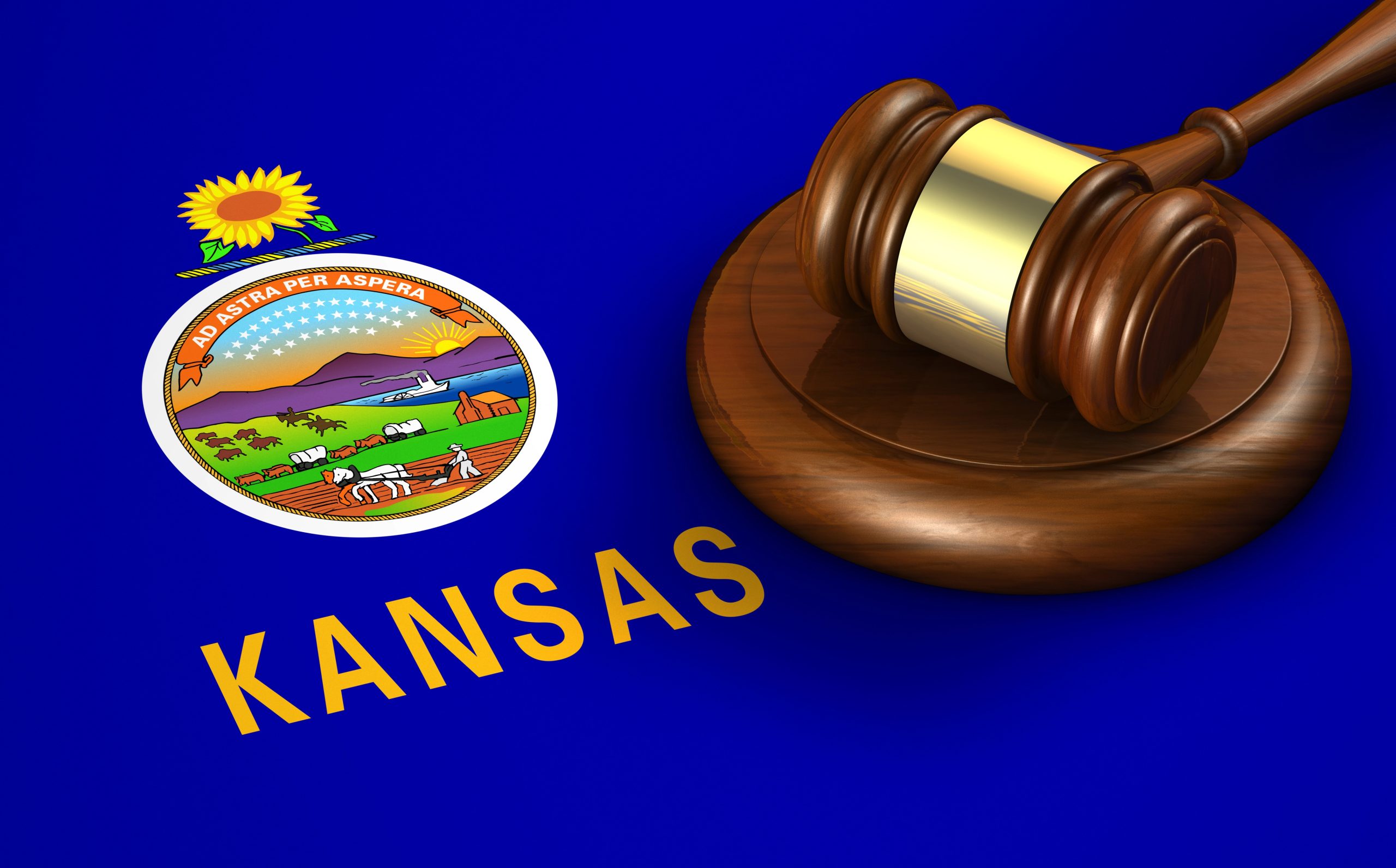
    Kansas voters rejected a Republican-backed plan to elect Kansas Supreme Court justices on August 4, 2026, while Michigan’s Democratic Senate primary remained too close to call as of midnight. The two results from the same primary night produced sharply different signals: Kansas settled a consequential fight over its courts, while a battleground Senate contest remained unresolved.

    The contrast matters because the Michigan race could affect the next stage of a nationally watched campaign, and the Kansas vote preserved a judicial-selection system that places a nominating commission between candidates and the state’s highest court.

    Kansas delivered the clearer verdict

    Kansas voters rejected a Republican-backed constitutional amendment that would have changed how justices reach the Kansas Supreme Court. According to the Kansas Secretary of State’s ballot language, the proposal would have given citizens the right to elect the justices directly.

    The amendment would have set six-year terms and phased in elections for different seats beginning in 2028, 2030 and 2032. It also would have abolished the Kansas Supreme Court nominating commission, according to the official explanatory statement.

    Instead, voters retained the existing process. The commission screens candidates and sends the governor a list of three nominees for a vacancy; the governor selects from that list, and justices later stand in retention elections rather than running against opponents in contested races.

    The vote centered on court independence

    The ballot question went beyond the mechanics of filling vacancies. It captured a broader dispute over whether state supreme court justices should be accountable through direct elections or insulated from campaign politics through nomination and appointment.

    Supporters of judicial elections argue that voters should directly choose judges who interpret state constitutions and decide major public questions. The official explanation of a yes vote stressed the right of Kansas citizens to elect justices.

    The system preserved by the no vote puts an independent nominating commission between political campaigns and the court. Supporters of that structure often argue that it reduces direct political pressure on judges, while critics see commissions as too removed from voters.

    Kansas voters resolved the immediate proposal, but not the wider argument. State supreme courts increasingly sit at the center of disputes involving abortion, voting rules, education funding, executive authority and redistricting.

    Michigan still awaited a nominee

    Michigan offered the opposite kind of result. The state’s contentious Democratic primary for a battleground U.S. Senate seat was still too close to call as of midnight after the Aug. 4 primaries, according to The Washington Post.

    The reporting available at that point did not provide a winner or final margin. That leaves a narrow but important conclusion: Michigan Democrats did not have a quick resolution in one of the cycle’s closely watched Senate contests.

    In a battleground state, a delayed result can complicate the usual transition from a primary campaign to a general-election campaign. The eventual winner will need to bring together primary voters, raise money and appeal to a broader statewide electorate where relatively small shifts can matter.

    A close primary can cut both ways

    A tight Senate primary may indicate energy and engagement within a party. It can also expose divisions, consume resources and delay the effort to define the general-election contest.

    That is why Michigan’s unresolved result has relevance beyond the state. Competitive Senate seats can shape the balance of power in Washington, and national parties, donors and outside groups often move quickly once a nominee is known.

    Until the contest is called, however, the general-election picture remains incomplete. The available reporting does not establish how large the eventual margin will be, what turnout looked like or which parts of the state and voter groups drove the outcome.

    One primary night, no single message

    Michigan and Kansas were among several states voting that night, alongside Virginia, Missouri and Washington state. The Washington Post also reported that Rep. Wesley Ball of Missouri survived a primary challenge, while Rep. Shri Thanedar of Michigan was in a close race with his opponent.

    Those outcomes point to uneven pressure on incumbents and candidates across the 2026 cycle. Some survived challenges, some contests stayed tight, and Kansas voters rejected a change to a major state institution.

    It would be a mistake to treat the results as one national verdict. Kansas voters made a definite choice about the structure of their judiciary; Michigan’s Democratic voters left a major Senate decision unsettled, at least in the reporting available as of midnight.

    The immediate takeaway is practical. Primary ballots can decide far more than nominees: they can preserve or remake the rules governing state courts, affect how quickly parties unify and influence where political attention and money go next.

    Key details remain to be seen

    Michigan’s most immediate unanswered question is when the Democratic primary will be called and what the final result will show. Final margins, geographic patterns and turnout data could shape how party strategists interpret the contest.

    In Kansas, the ballot outcome is settled, but debate over judicial selection is likely to continue. Republican-backed efforts to change how judges are chosen have emerged in multiple states over time, and the state’s vote keeps Kansas part of that broader conversation.

    For now, the Aug. 4 primaries left two distinct political facts: Kansas voters chose to keep their existing Supreme Court selection process, and Michigan’s key Democratic Senate primary remained uncalled.

  • Stephen King Warns Voters After Trump Claims His Poll Numbers Are ‘the Best’

    Stephen King Warns Voters After Trump Claims His Poll Numbers Are ‘the Best’

    A sharp celebrity insult drew attention, but King’s larger message was aimed at how voters interpret claims about public approval. The exchange highlights a widening argument over polling, trust and political accountability before November.

    Stephen King branded Donald Trump a “narcissistic megalomaniac” and warned voters to be careful who they vote for after Trump claimed his polling numbers were the best they had ever been. King’s post on X puts a celebrity voice into a larger fight over public approval and trust ahead of the November midterm elections.

    The author’s attack was blunt, but its central point was directed at voters rather than simply at Trump. King argued that elections have consequences, while Trump continued to challenge polls showing weak approval ratings.

    The post behind King’s warning

    According to the Irish Star, King wrote on X on Wednesday, August 5, that Trump’s “numbers are in the basement.” He then criticized Trump for believing his polling numbers were at their best.

    King followed the insult with a direct appeal: “Next time, be careful who you vote for. Don’t do it casually. It does make a difference.”

    That wording is important because it shifts the post beyond a familiar celebrity broadside. King was framing the issue as one of voter responsibility, arguing that political choices have lasting effects and should not be treated lightly.

    The Irish Star reported that the post received more than 287,000 views. Its reach reflects how quickly a short social-media message can turn an insult into a broader argument about elections and public opinion.

    Trump’s polling claim prompted it

    King was responding to a message from Trump on Truth Social. Trump rejected unfavorable polling and said his “REAL Polling Numbers” were “the best they have ever been.”

    Trump also accused the “Fake News Media” and the “Radical Left” of promoting corrupt numbers. The Irish Star noted that he made a similar claim in a late-June Truth Social post, saying his real poll numbers were the highest they had ever been.

    Trump’s approach draws a clear distinction between polling he accepts and polling he dismisses. Supporters can view that as a challenge to institutions they believe are hostile to him. Critics, including King, see it as a refusal to accept measurable signs of political weakness.

    The dispute is not merely about one polling average or one social-media post. It is also about who gets to define political reality when public figures and major surveys offer sharply different accounts.

    Several surveys tell another story

    The available reporting cited polling that did not support Trump’s broad claim that his approval was at its strongest. The New York Times reported that Trump was at or near low points in several nonpartisan surveys.

    The New York Times polling cited by the Irish Star put Trump’s approval at 38 percent, with 59 percent disapproving. AP-NORC placed his approval at 33 percent at the end of July, while Quinnipiac University put it at 32 percent, described as an all-time low in that pollster’s tracking.

    The New York Times also described Trump as the most unpopular second-term president at this stage of a term in polling history reaching back to the 1940s. Those findings are the backdrop for King’s assertion that Trump’s numbers were “in the basement.”

    Polls are not election results, and no single survey can predict an outcome. Survey timing, methodology, sample composition and question wording can all affect results. Still, several polls moving in the same direction carry more political weight than one isolated snapshot.

    A celebrity message with limits

    King has long used social media to criticize Trump and Republican politics. As the author of Carrie, The Shining and other major novels, he brings a cultural following rather than the authority of a pollster, campaign strategist or elected official.

    For people who share his view, King’s plain language can feel like a useful expression of political frustration. For Trump supporters, the same message may reinforce a belief that prominent entertainers hold their candidate and his voters in contempt.

    That divide is a limitation as well as a source of attention. The phrase “narcissistic megalomaniac” is likely to travel farther than a discussion of survey methodology, but it may also harden the views of people already aligned with Trump.

    King’s warning and Trump’s polling defense both rely on audiences deciding whom to trust. One side treats unfavorable polls as meaningful evidence; the other argues that the numbers are distorted by institutions it does not trust.

    Why the argument matters before November

    Public approval is becoming an increasingly important political measure ahead of the November midterm elections. Polling can shape campaign strategy, donor confidence, media coverage and how voters assess whether a political leader is gaining or losing support.

    Yet approval ratings do not settle an election. The political environment can change, and the available reporting identifies inflation, foreign conflict, gas prices and other concerns as issues that could alter the map before voters cast ballots.

    The reporting does not indicate that Trump responded directly to King’s latest post. That leaves the episode less like a direct exchange than two well-known figures addressing their own audiences: Trump defending his standing and King warning voters about what he sees as the consequences of Trump’s leadership.

    For now, the clash captures a larger midterm tension. Trump says polls showing weakness are fake, while King points to those numbers as a reason for voters to take their choices seriously. The unresolved question is whether either message reaches beyond people who already agree with it.

  • Teen Held 218 Days by ICE Despite Green Card Application

    Teen Held 218 Days by ICE Despite Green Card Application

    The reported case puts a difficult distinction in focus: applying for lawful permanent residence is not the same as having it. Key details about the teen’s immigration history, detention and legal case have not been made public.

    A teenager who was applying for a green card was held in U.S. Immigration and Customs Enforcement (ICE) custody for 218 days and is reportedly facing deportation proceedings. The case was tied to an alleged speeding incident.

    The teen’s pending green card application did not prevent ICE detention or protect against possible removal. That distinction is central to the case: applying for lawful permanent residence is not the same as already holding that status, and a pending application did not by itself shield the teen from an immigration case.

    Publicly available accounts provide few additional details about the teenager’s age, immigration history, location or the government’s stated basis for continued custody. The reported sequence—an alleged traffic violation followed by prolonged ICE detention and removal proceedings—raises questions about how a traffic allegation can become part of a broader immigration case.

    218 days is the central fact

    The alleged speeding incident may be the event that brought the case into public view, but the length of detention is what makes the report especially consequential. Two hundred eighteen days is more than seven months in custody for a teenager while a deportation case is apparently moving forward.

    A speeding allegation is not a criminal conviction. The available reporting also does not establish whether any state or local charge was filed, remains pending or was dismissed.

    That distinction is important because ICE detention and removal proceedings can rest on immigration-law grounds separate from the underlying traffic allegation. The limited public summary does not say what specific grounds the government has cited in this case.

    Applying is not the same as approval

    A green card is evidence of lawful permanent resident status. Filing an application for one does not itself mean an applicant has received that status, and it does not automatically stop detention or deportation proceedings.

    U.S. Citizenship and Immigration Services lists several possible routes to a green card, including family and employment categories, refugee or asylee status, certain protections for crime victims, abuse-related protections and Special Immigrant Juvenile status. Each route has separate requirements.

    The available reporting does not identify the category under which this teen applied. It also does not reveal whether the application was submitted before or after the alleged speeding incident, how far along it was, or whether the teen had another potential protection from removal.

    Those missing facts prevent firm conclusions about the likely outcome. What the report does establish is narrower: a pending application can exist at the same time as ICE detention and removal proceedings.

    Why detention changes the case

    Months in detention can reshape an immigration case long before a final decision is made. For a teenager, custody can mean separation from family, disruption to school and more difficulty gathering documents or working with legal counsel.

    Even an applicant with a potentially viable claim may face practical obstacles when trying to prepare that claim from detention. The reported 218-day period therefore carries implications beyond the initial allegation tied to the case.

    Critics of aggressive immigration enforcement see this kind of fact pattern as evidence that a traffic stop can become a pathway into severe federal consequences, particularly for young people and families who are attempting to regularize their immigration status.

    Supporters of enforcement take a different view. They argue that the relevant legal issues may be whether a person is removable under federal law, has violated immigration rules, presents public-safety concerns or is likely to appear for future proceedings — not simply the traffic allegation that preceded ICE involvement.

    ICE’s position remains unreported

    ICE has not been quoted in the extracted reporting available for this account. As a result, its specific rationale for seeking detention or deportation in the teen’s case is unknown.

    In general, a speeding allegation alone would not be the legal basis for removal. Federal immigration authorities would need to rely on immigration-law grounds to pursue detention and deportation proceedings.

    That leaves a central dispute unresolved. Advocates may view the reported detention as disproportionate to an allegation involving speeding, while enforcement supporters may say the traffic stop does not reveal the full immigration record or legal basis for the case.

    Neither side can be fully assessed from the information currently public. The account does not identify any prior removal order, bond decision, alleged public-safety concern or other basis that might explain why the teen remained detained for 218 days.

    The unknowns shape the outcome

    Several details that would determine the legal stakes have not been established: the teen’s home country, precise age, detention location, immigration history, court schedule and green card eligibility category.

    It is also unclear whether the teen has sought bond, received a bond ruling, challenged the detention or applied for another form of relief from removal. Immigration cases involving minors may have limited public records, so some of those details may never be broadly available.

    The timing of the green card application could matter as well. An application filed before the alleged incident could suggest the teen was already pursuing a lawful immigration route; an application filed later could present a different procedural picture. The available report does not answer that question.

    A case that exposes a broader divide

    The case has drawn attention because it compresses a larger immigration-policy argument into a stark reported timeline: an alleged speeding incident, 218 days in ICE custody, a pending green card application and the threat of deportation.

    For families dealing with immigration paperwork, the immediate lesson is that a pending application may be significant but is not a guarantee against enforcement. Status, eligibility category, prior immigration history and the posture of a removal case can all affect what happens next.

    For policymakers and the public, the unanswered issue is when contact with local law enforcement should lead to federal immigration detention, especially when the triggering allegation is nonviolent and not yet shown to have resulted in a conviction.

    Whether the teen is released, allowed to continue the green card process or ultimately ordered removed will depend on legal facts that have not been publicly established. For now, the reported 218 days in custody remains the clearest measure of the case’s stakes.