Blog

  • Karoline Leavitt’s Photo With Husband Turns 32-Year Age Gap Into Flashpoint

    Karoline Leavitt’s Photo With Husband Turns 32-Year Age Gap Into Flashpoint

    The renewed reaction shows how quickly a family image can become a political and cultural flashpoint. Leavitt has acknowledged the age gap is unusual while defending Riccio as a supportive husband and father.

    A photo of Karoline Leavitt with her husband Nicholas Riccio reignited backlash over their 32-year age gap marriage, bringing fresh attention to a relationship she has already described as “very unusual.” The article explains the online scrutiny and ridicule directed at her marriage, why social-media critics seized on the image, and how Leavitt has defended Riccio as a supportive partner while serving as White House press secretary. Riccio has been described in recent coverage as 60, while some online chatter puts him at 59 or 60, making him much older than her.

    The image did not create the age-gap debate around Leavitt. It simply gave it a new visual hook at a moment when her public profile makes even personal details easy material for strangers, critics and supporters to argue over.

    A photo becomes the story

    The renewed attention centers on a photo or family image showing Leavitt posing with Riccio. Online critics focused less on the specific setting of the image and more on the 32-year age difference between the couple.

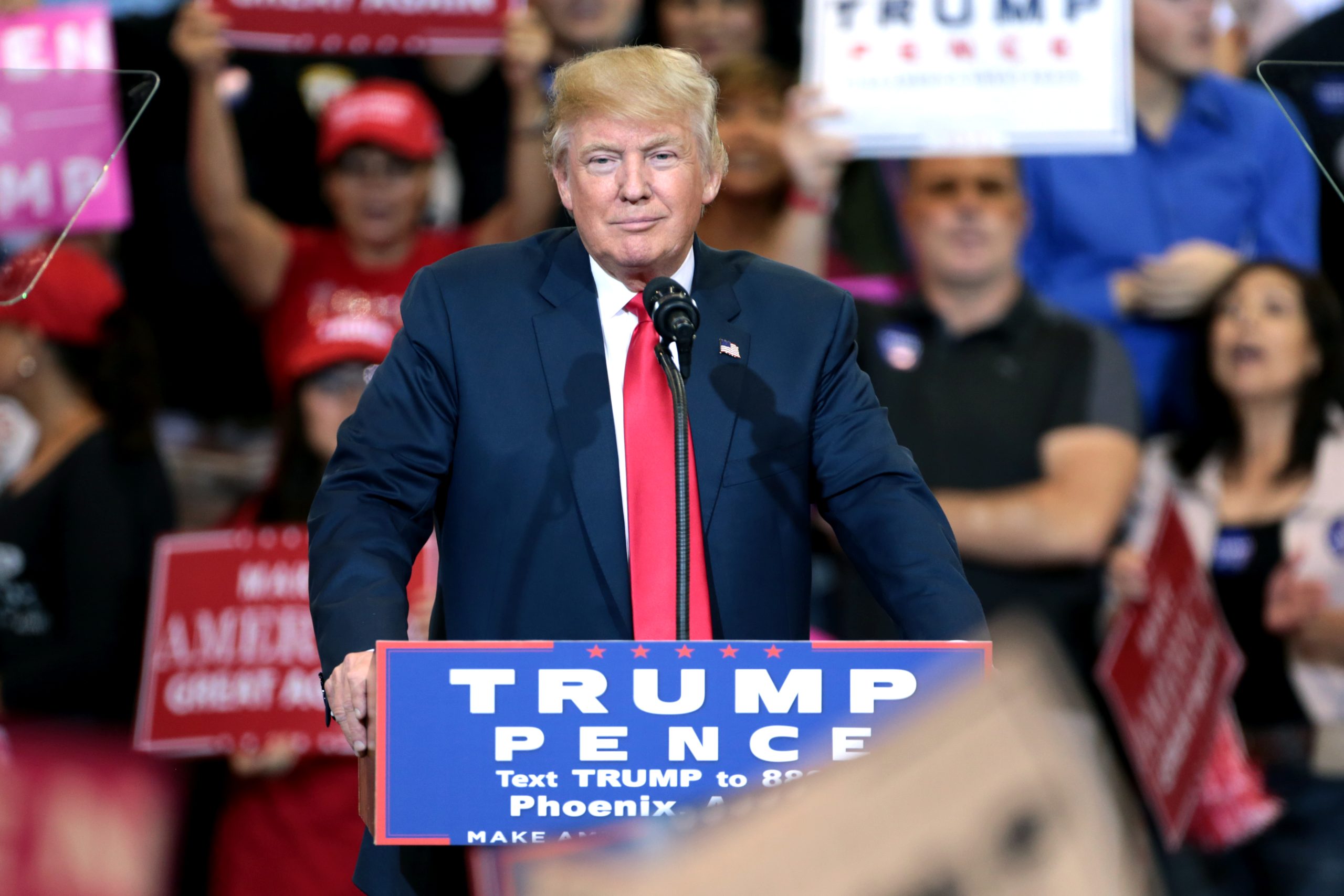
    Karoline Leavitt
    Image: Gage Skidmore, via Flickr, CC BY-SA 2.0.

    Some social-media users mocked the pairing outright. Others pushed back, arguing that the jokes were invasive, sexist or unfairly personal, especially because the discussion centered on how the couple looked together rather than on any documented problem in the marriage.

    That distinction matters. There is no public evidence that Leavitt herself was “humiliated” by the image. That framing reflects the tone of tabloid-style commentary and online ridicule, not a verified account of her reaction.

    The backlash spread because the image was easy to process. A young, highly visible political figure standing beside an older spouse became a shortcut for a much bigger argument about age, power, privacy and public judgment.

    What Leavitt has acknowledged

    Leavitt has not tried to avoid the age-gap subject. In an appearance on the New York Post’s “Pod Force One” podcast, she discussed her marriage to Riccio with host Miranda Devine.

    According to Realtor.com’s account of the interview, Devine pressed Leavitt on whether she could not find men her own age who were mature enough. Leavitt laughed and answered, “Honestly? No,” while also describing the 32-year gap as “very unusual.”

    She has said she and Riccio first met while she was campaigning for Congress in New Hampshire’s 1st District, after a mutual connection invited him to an event.

    Leavitt has also acknowledged that her parents, Bob and Erin, needed time to understand the relationship. In the podcast appearance, she said the conversation was difficult at first, but that they came around after learning more about Riccio’s character and how he treated her.

    Riccio’s lower-profile role

    Riccio is a real estate investor and has not been portrayed as a regular presence in Washington media. Leavitt has described him as introverted and private, which helps explain why images of the couple tend to draw extra attention when they surface.

    Their relationship timeline has also fueled public interest. Leavitt and Riccio went Instagram-official in 2023 when she posted about their engagement. They welcomed their son, Niko, on July 10, 2024, and married in January 2025, shortly before President Donald Trump’s inauguration.

    Leavitt has said Riccio’s established career gives him flexibility to support their family while she manages a demanding political schedule. In a separate interview with Megyn Kelly, she described him as her best friend, her rock and the father of her child.

    That is the version of the marriage Leavitt has presented publicly: not a punchline built around an age calculation, but a partnership shaped by parenting, work demands and her unusually visible job.

    Scrutiny is not the same as mockery

    Age-gap relationships involving public figures often draw scrutiny, especially when the younger partner is a woman and the older partner is wealthy, established or less visible. Some critics argue that large age differences can raise legitimate questions about life stage, influence and power.

    That view is not automatically out of bounds. Major age gaps can invite real concerns depending on the circumstances, and public figures rarely get to separate their image entirely from their private lives.

    But the latest reaction to Leavitt and Riccio appears to have leaned heavily on ridicule. Much of the commentary described in the originating report focused on the look of the couple in a photograph, not on a specific allegation or documented issue.

    Supporters of Leavitt see a double standard in that treatment. Their argument is that she is being judged not only for her politics and public role, but also for her spouse’s age, appearance and the private choices of her family.

    Why this keeps resurfacing

    Leavitt’s age has long been part of how she is discussed publicly. At 28, she has been described as the youngest White House press secretary in history, a fact that already makes her a frequent subject of fascination and criticism.

    That visibility changes the life cycle of a family image. A picture that might otherwise be treated as a personal milestone can become content for political opponents, celebrity-style pages and casual spectators who are not really debating the couple so much as reacting to a symbol.

    The story also shows how entertainment coverage and political coverage can blur. Leavitt is a senior communications figure in the federal government, but the renewed attention around her marriage is being consumed like celebrity gossip.

    That mix creates an uneasy standard. Readers may be interested because Leavitt is powerful and visible, while the details being debated are personal, visual and often disconnected from her actual work.

    What remains unanswered

    It is not clear whether the renewed attention will change anything for Leavitt or Riccio. So far, Leavitt has not appeared to pull back from discussing her marriage, and Riccio’s preference for privacy appears unchanged.

    What does seem clear is that the 32-year age gap will likely keep returning whenever the couple appears in public or in shared images. The number is simple, the contrast is easy for social media to frame, and the narrative is already familiar.

    The more grounded takeaway is narrower. Leavitt has acknowledged that the relationship is unusual, explained how it began, said her family adjusted, and repeatedly defended Riccio as a supportive husband and father.

    The ridicule around one photo says as much about online spectatorship as it does about the marriage itself. The age gap is the viral hook, but the harder question is how much of a public figure’s family life should be turned into a referendum by people outside it.
  • Jennifer Horn Blames Trump’s Poor WHCD Reception on the Room—and Gets Pushback

    Jennifer Horn Blames Trump’s Poor WHCD Reception on the Room—and Gets Pushback

    The dispute was not just about whether Trump’s speech worked. It was about whether viewers accepted the argument that the room, not the speaker, caused the poor reception.

    Jennifer Horn blamed the crowd for Donald Trump’s White House Correspondents’ Dinner speech after his July 24, 2026 appearance, and Fox News fans reacted negatively on social media Saturday. The backlash centered on Horn, a Fox News guest and conservative radio host, after she argued on Fox News’s Night with Trace Gallagher that Trump’s poor reception at the WHCD said more about the room than the remarks.

    The social-media backlash over Trump’s poor reception at the WHCD turned a familiar cable-news defense into the story itself. Horn said the crowd was a “bunch of duds,” but critics online weren’t buying the idea that the audience was mainly responsible.

    A defense that flipped blame

    According to Daily Express US, Horn appeared on Fox News’s Night with Trace Gallagher during a segment about reaction to Trump’s White House Correspondents’ Dinner address. The on-screen chyron reportedly read, “Liberal media unimpressed with Trump’s speech to press.”

    FOX NEWS CHANNEL
    Image: Al Pavangkanan, via Flickr, CC BY 2.0.

    Horn’s assessment was blunt. “I thought he killed it,” she said, according to the report. “The losers of the night, I thought, were the room. The room was kind of a bunch of duds.”

    Gallagher also leaned into the notion that the audience had been overly sour. He said some journalists appeared to be shaking their heads as if Trump was “being so mean,” then added: “Come on, have a little fun, people.”

    That framing gave Trump’s defenders a clean explanation: the speech did not land because the room was hostile, humorless or predisposed to disapprove. But it also gave critics a clear target. They argued Horn was shifting responsibility away from the person at the podium.

    Why the audience became the issue

    The White House Correspondents’ Dinner is a strange venue for any president, and especially for one whose political brand is built on confrontation with the press. It is part roast, part media ritual and part televised test of timing.

    At the WHCD, presidents are expected to tease journalists, absorb jokes at their own expense and signal that they understand the room. The audience is not a campaign crowd, and the expectations are different.

    Daily Express US described Trump’s address as a roughly one-hour speech that began with praise for the Secret Service and condemnation of political violence before moving into complaints about the media. The report said Trump also targeted late-night hosts Jimmy Kimmel, Jimmy Fallon and Stephen Colbert, calling them “people without talent.”

    That kind of attack fits Trump’s combative style. The dispute is whether it fit the room. Horn’s “bunch of duds” line became memorable because it turned a reception problem into a character judgment about the audience.

    The Collins moment intensified criticism

    The sharpest reported exchange involved CNN’s Kaitlan Collins. Daily Express US reported that Collins accepted an award tied to her coverage of Trump’s February 2025 Oval Office exchange with Ukrainian President Volodymyr Zelensky.

    According to that account, Trump shook Collins’s hand as she crossed the stage. Later, from the podium, he criticized her reporting as “fake,” said she “shouldn’t get the award,” and brought back a past complaint that she does not smile enough.

    The report said Trump told her: “Just smile, Kaitlan. Just smile.” The remarks reportedly drew boos from the audience, while CNN staffers defended Collins online.

    That episode made the backlash harder to dismiss as a simple argument about joke quality. To Trump’s critics, Horn was defending not only a flat comic performance but a speech that included personal media attacks and a pointed remark at a journalist being honored in the room.

    Online reaction is a signal, not a survey

    The social-media reaction cited in the Daily Express US report included users mocking Horn’s explanation. Some argued Trump sounded “tired” rather than funny. Another post sarcastically suggested the entire room must have had no sense of humor if Horn’s reading was right.

    Those posts show backlash, but they do not prove what Fox News viewers broadly think. Social media can magnify the sharpest responses and make a reaction look more unified than it is.

    Still, the pushback mattered because it came in response to a Fox News segment designed to frame the poor reception as liberal media disapproval. At least some viewers resisted the idea that the room alone explained why the speech landed badly.

    The distinction is important. It is one thing to say a hostile audience made a speech harder to sell. It is another to say the audience was the “loser” of the night when clips, boos and reactions from inside the room were already circulating.

    Fox’s framing met a clip-era problem

    Cable-news framing can still shape a story, but it no longer controls all the evidence viewers see. A chyron can say the “Liberal media” was unimpressed. A guest can say Trump “killed it.” But viewers can also see excerpts, reactions and competing commentary almost immediately.

    That is where Horn’s comment ran into trouble. Supporters of Trump often see his attacks on media institutions as proof that he is willing to confront people he believes treated him unfairly. Critics see the same remarks as grievance politics, especially when delivered in front of journalists who are both the audience and the subject.

    Horn’s argument sat between those readings. To sympathetic viewers, she may have been saying the press corps refused to laugh because it dislikes Trump. To critics, she sounded unwilling to admit that the performance simply did not work for that setting.

    The phrase “bunch of duds” traveled because it compressed the entire argument into one question: when a political speech falls flat, who gets the blame?

    What remains unsettled

    Several key points remain unclear from the available reporting. It is not clear how broad the backlash was beyond the posts cited in coverage. It is also unclear whether Horn or Fox News will respond to the criticism.

    There is also the unusual context of the event itself. Daily Express US described the July 24 dinner at Washington, D.C.’s Waldorf Astoria hotel as a “do-over” after an April event connected to an assassination attempt on the president.

    That background would make the atmosphere unusually tense before any jokes were told. But tension does not fully resolve the debate over Trump’s reception, because the WHCD has always required presidents to manage a skeptical room.

    Horn tried to put the focus back on that room. The reaction showed the risk of that move: even viewers who watch a friendly outlet may resist being told a performance succeeded when the most visible aftermath is an argument over why it did not.

  • Tate Brothers’ 59 UK Charges Revive Scrutiny of Reported Outreach to Barron Trump

    Tate Brothers’ 59 UK Charges Revive Scrutiny of Reported Outreach to Barron Trump

    The key issue is not a confirmed relationship, but whether a reported effort to reach Trump-aligned circles is being blurred with a serious criminal case. The brothers deny wrongdoing as extradition proceedings move forward.

    Barron Trump was cited in a story about the Tate brothers, and the reported connection is drawing scrutiny after Andrew Tate and Tristan Tate were arrested in the U.S.; the brothers were arrested and face 59 UK charges. British authorities authorized 38 new charges, bringing the UK total to 59, the BBC reported; the supplied reporting identifies the U.S. and the UK, while not establishing Miami as the arrest location or as part of the Barron Trump link.

    The important line is the one between outreach and involvement. Barron’s name appears in reporting about Andrew Tate’s attempts to court Trump-aligned figures, not in the criminal allegations or the extradition case now moving toward the UK.

    The arrest turned up scrutiny

    The latest legal development is what pushed an older political-access story back into public attention. According to the BBC, Andrew and Tristan Tate were arrested in the U.S. after British authorities issued 38 new charges against them.

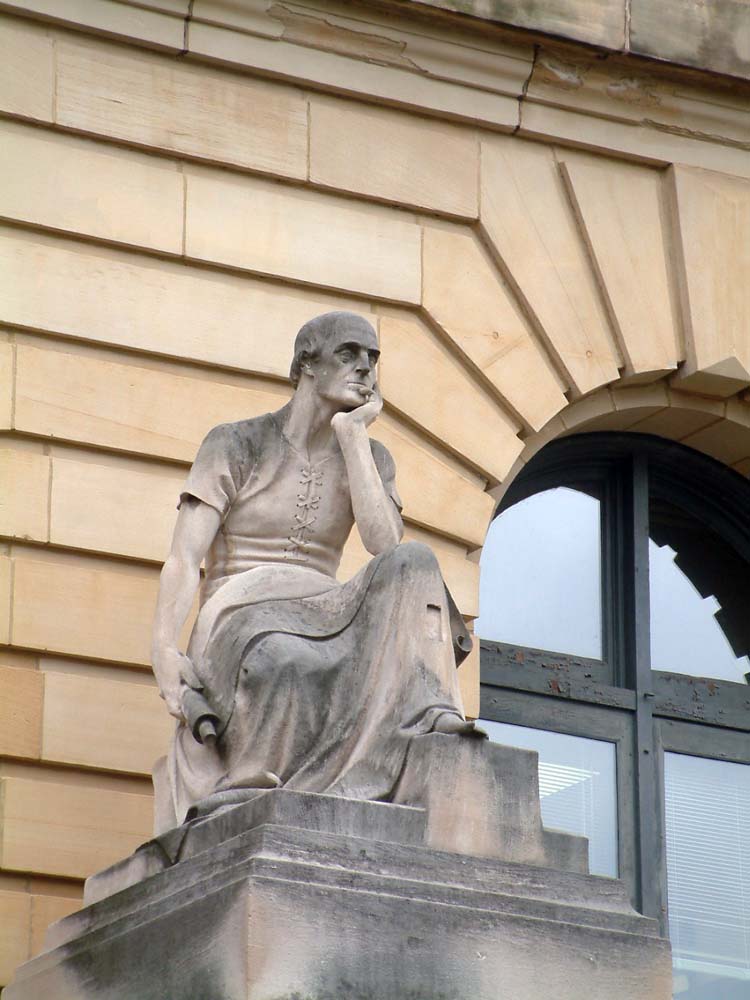
    Law by Matzen, Summit CCH 1909
    Image: Carptrash, via Wikimedia Commons, CC BY-SA 3.0.

    The UK’s Crown Prosecution Service said the new charging decisions followed another file of evidence from Bedfordshire Police. Police said the brothers now face a total of 59 UK charges.

    The BBC reported that U.S. Marshals confirmed the brothers had been taken into custody. A U.S. Department of Justice spokesperson said the arrests were made pursuant to extradition proceedings.

    That procedural shift matters because it moves the story beyond online controversy and into a fresh legal phase. It also explains why past reporting about Andrew Tate seeking proximity to American political figures is being revisited now.

    Where Barron fits in

    The Barron Trump angle is narrower than some online discussion suggests. The New York Times reported in December 2025 that Andrew Tate, while barred from leaving Romania, courted powerful figures on the American right, including Barron Trump.

    That places Barron inside an influence-seeking account. It does not place him inside the UK criminal case, the extradition proceedings or any decision involving the brothers’ travel or prosecution.

    There is no public evidence in the supplied reporting that Barron Trump advocated for Andrew or Tristan Tate, helped them, or had any role in their legal matters. The responsible framing is that Andrew Tate reportedly sought access to Trump-aligned circles, and Barron’s name has been cited in that context.

    That distinction is not a technicality. A reported approach, contact or attempted connection is not the same as a confirmed friendship, endorsement or act of influence.

    The UK allegations are serious

    The BBC’s account of the UK case describes allegations including rape, sex trafficking and offenses involving indecent images of a child. The alleged offending is said to have taken place between July 2010 and August 2017.

    The charges remain allegations, not convictions. The Tates have previously denied wrongdoing, and their lawyer has sharply rejected the case.

    • Andrew Tate faces 42 UK charges, including seven further counts of rape and charges relating to sex trafficking and indecent images of a child, according to the BBC’s account of the CPS announcement.
    • Tristan Tate faces 17 UK charges, including two counts of rape and three counts of arranging or facilitating trafficking for sexual exploitation.
    • Seven alleged victims are now involved in the UK case, according to Malcolm McHaffie, head of the CPS Special Crime Division.

    The scale of the charges is why adjacent questions about political access draw attention. But the legal claims against the Tates and the reported mention of Barron Trump are separate matters unless evidence connects them more directly.

    Two sides are hardening

    Joseph McBride, a lawyer for the Tates, said after the arrests that “the world knows Andrew and Tristan are innocent,” according to the BBC. He described the new UK charges as a political attack and suggested they were tied to a defamation action filed by the brothers in the U.S.

    Lawyer Matt Jury, who represents several alleged British victims of Andrew Tate, welcomed the charges and said it was time for the brothers to face justice.

    Those responses show how contested the case is before any extradition fight or trial resolves the facts in court. Supporters and critics are already reading the same development through sharply different lenses.

    For readers, the careful position is to hold both points at once: the allegations are grave, and the brothers deny wrongdoing. A court process, not social media momentum, is where the legal facts are meant to be tested.

    Why Barron’s name is sensitive

    Barron Trump is not an elected official and has not held a public policy role. Scrutiny of him is therefore different from scrutiny of a lawmaker, campaign adviser or government official.

    Still, he is Donald Trump’s son, and the Trump family name carries weight in political media networks. That is why a reported effort to court Barron or other right-leaning figures can become part of a broader discussion about access and legitimacy.

    Critics of the Tates may see the reported outreach as an attempt by controversial influencers to move closer to power. Defenders may see Barron’s mention as guilt by association, especially because the supplied reporting does not show that he did anything wrong.

    What remains unknown is basic but important: whether Barron reciprocated, ignored or meaningfully engaged with any outreach. The available reporting does not answer that.

    Influence is still unproved

    Andrew Tate built a major online following through displays of wealth, a combat-sports persona and aggressive commentary on masculinity. He has also become a prominent figure in the so-called manosphere, where supporters cast him as defiant and critics view him as promoting misogyny.

    Political proximity has been part of that public image. The New York Times framed Tate’s outreach as an effort to court figures on the American right while he was restricted in Romania.

    That context makes Barron Trump’s mention newsworthy, but it does not prove influence. Public figures and their relatives are often contacted by people seeking status, access or visibility.

    The unanswered question is whether any reported outreach produced meaningful access, assistance or public support. Based on the supplied reporting, that has not been established.

    What happens next

    The immediate legal question is extradition. The CPS said prosecutors will begin legal proceedings to extradite the brothers to the UK, and the arrests in the U.S. appear to be part of that process, according to the DOJ statement reported by the BBC.

    The brothers’ legal team is expected to fight the case aggressively. Their lawyer has already framed the UK charges as politically motivated, while lawyers for alleged victims have described the charges as a step toward accountability.

    For the Barron Trump portion of the story, the next meaningful development would be evidence: documented contact, public statements, court filings or reliable reporting that clarifies the nature of the reported connection.

    Until then, the cleanest takeaway is that two stories are overlapping without merging. Andrew and Tristan Tate face serious alleged crimes and extradition proceedings; Barron Trump faces scrutiny over a reported connection, but the public record supplied here does not show that he is accused of wrongdoing or tied to the charges themselves.

  • White House Correspondents’ Dinner Food Review Turns Catering Into a Critique of Access

    White House Correspondents’ Dinner Food Review Turns Catering Into a Critique of Access

    The menu is only part of the story. The sharper question is why a dinner built around the press, power and performance can make even catering feel political.

    The White House Correspondents’ Dinner in Washington, D.C., is being read through its food after a first-person review of the plates served at the White House Correspondents’ Association event argued Donald Trump was not the only source of a sour impression. The menu became a critique of the room itself, reflecting broader tensions around politics, access, celebrity and spectacle.

    That is why a food story from a White House-adjacent gala has traveled beyond taste. In this reading, dinner service becomes a way to talk about Washington’s uneasy mix of journalism, power and performance.

    The meal became the message

    The notable turn in the circulating food review, described in the originating report as a Mirror US piece shared through MSN, is that it does not treat the White House Correspondents’ Dinner as a normal banquet. It treats the food as evidence.

    A disappointing course at an ordinary gala might produce a few jokes and then disappear. At this event, the same complaint can be read as a verdict on the mood of the city’s most visible media-political ritual.

    That is the editorial force of the claim that Donald Trump was not the only sour taste. The phrase points beyond one politician and toward a broader discomfort: the event can feel celebratory, performative, self-conscious and uneasy all at once.

    The food review works because it gives readers a concrete object to judge. Most people will never sit in that ballroom, but everyone understands the meaning of a supposedly important dinner that leaves guests unsatisfied.

    Why Trump changes the flavor

    Trump’s presence in the framing matters even when the critique expands beyond him. His long-running hostility toward the press has made any event centered on White House journalists feel more charged than a ceremonial dinner might otherwise appear.

    The White House Correspondents’ Dinner is built around the people who cover the presidency. It also has a public comedy tradition, a social hierarchy and a long history of presidents, journalists and invited guests sharing a room under cameras.

    That combination turns Trump into more than a name in a headline. He sharpens the conflict between a press corps that says it is defending accountability and a political movement that has often cast the media as an opponent.

    Still, the point of the food-review backlash is not simply that Trump spoils the mood. It is that the room already contains tensions that one politician can expose but not fully explain.

    A gala with two identities

    The White House Correspondents’ Association organizes the dinner, and the association has long presented it as a night tied to the First Amendment, journalism awards and scholarships. That mission gives the event a civic frame, not just a social one.

    Yet the dinner’s public image has grown well beyond a professional association gathering. Presidents have used it for jokes. Comedians have roasted political figures and the press. Celebrities have appeared alongside anchors, donors, consultants and administration officials.

    That split identity is the reason even the menu can become symbolic. Supporters can see a tradition honoring journalism under pressure; critics can see a glossy Washington club congratulating itself near power.

    The review’s sourness lands in the space between those two readings. If the dinner is meant to stand for press freedom, the optics surrounding the room have to help make that case.

    Food became access commentary

    Food criticism around Correspondents’ Dinner weekend is not new in the sourcing behind the originating report. The Guardian’s 2024 account treated the weekend’s parties almost like a hospitality circuit, ranking gatherings by their food rather than by the names on the guest list.

    That account gave unusually specific attention to the side-event menus:

    • A Politico Sunday brunch in Georgetown drew especially strong marks, with marmalade buns and mini-waffles each rated 9 out of 10.
    • A Semafor house party was praised for jerk pork skewers and Bajan ham-and-cheese sandwiches.
    • A Politico-British Embassy reception earned strong marks for fish and chips, despite some saltiness.

    Those details sound light, but they reveal how food becomes a proxy for money, planning, exclusivity and care. In Washington, catering can quietly signal who has resources, who knows how to host and who can make guests feel included.

    That is why a plate-by-plate review can carry more meaning than it appears to. It lets writers talk about status without turning the piece into a guest-list autopsy.

    The strongest defense of dinner

    There is a fair case for the White House Correspondents’ Dinner. Journalists are allowed to gather, recognize work, raise scholarship money and mark the strain of covering the presidency.

    A formal event does not automatically erase the independence of the reporters in the room. Professional associations hold dinners, give awards and host public programs without those events defining every member’s work.

    There is also a human argument. Reporters and officials often interact in tense, adversarial settings. A public dinner with jokes and awards can soften the atmosphere without necessarily ending the scrutiny that should come the next day.

    That defense is strongest when the event’s public presentation matches its stated purpose. The more the dinner looks like a celebrity-heavy status ritual, the harder it becomes to separate mission from spectacle.

    The access critique still sticks

    The familiar criticism is that the dinner blurs a line the press can least afford to blur. When journalists, administration figures, political operatives, sponsors and celebrities mingle in a glamorous setting, the public can see closeness where the profession insists there is distance.

    That perception matters because trust in institutions is already fragile. Viewers skeptical of Washington do not need much prompting to read the dinner as proof that the city operates like a private club.

    The food review’s power comes from making that abstract concern feel sensory. It is not a lecture about media ethics. It is a report from a table where the meal, the atmosphere and the symbolism all seemed to point in the same uneasy direction.

    The unresolved question is where the bad taste really came from: the menu, the execution, Trump’s shadow, the room’s social dynamics or the broader awkwardness of the press celebrating itself near the power it covers.

    The takeaway from the table

    The useful reading is not that catering now matters more than politics. It is that the food offered a sharper metaphor than many formal speeches could.

    For supporters, the White House Correspondents’ Dinner remains a tradition linked to journalism, scholarships and public recognition of the press. For critics, it remains an annual portrait of a media-political world too comfortable with proximity.

    The sour-taste framing holds both ideas together. Trump may be the most obvious political reference point, but the unease around the dinner is larger than one figure.

    Based on the originating Idaho Public Press article, which cited the Mirror US via MSN framing, The Guardian’s 2024 account of Correspondents’ Dinner weekend food events and public descriptions of the White House Correspondents’ Association’s mission, the central question remains the same: can a dinner built to honor accountability persuade the public it is not mainly honoring access?

  • Aaron Lee Tasjan’s America Song Turned Eight Walkouts Into a Patriotism Fight

    Aaron Lee Tasjan’s America Song Turned Eight Walkouts Into a Patriotism Fight

    A small exit at a Galveston show turned into a wider argument once Tasjan answered critics online. The dispute shows how quickly a song about America can become a test of what fans expect from roots music.

    Aaron Lee Tasjan criticized fans after eight people walked out of his Texas concert during a political song, I Love America Better Than You. The Galveston moment, which Tasjan first addressed on July 14, was picked up by USA Today by July 24, 2026, and the backlash spread across X and Instagram.

    The dispute matters because a tiny walkout became a loud argument over patriotism in music: whether love of country has room for dissent, discomfort and lyrics that name politics directly.

    Eight exits became the spark

    Tasjan, a country-adjacent folk musician known to many listeners for Diamond Studded Shoes, said the people left near the end of his performance of I Love America Better Than You. According to USA Today’s report, he said they were “clearly put off by the messages in the song.”

    Galveston, Texas (2024) 42
    Image: Another Believer, via Wikimedia Commons, CC BY-SA 4.0.

    On its own, eight people leaving a concert would usually be a minor moment. In this case, the number stayed small, but the symbolism grew. The song’s title alone sets up a challenge: it turns patriotism from a shared label into a contested claim.

    Tasjan did not describe the walkout as a catastrophe. He said he felt no ill will toward the people who left, and he framed his job as making art that affects people. He also wrote that the “time to remain comfortable is gone.”

    That line helps explain why the story traveled. For some listeners, a concert ticket is supposed to buy escape. For a songwriter like Tasjan, the stage can also be where the argument happens.

    Tasjan did not soften the message

    Once the story began circulating more widely, Tasjan did not retreat from the song or from the politics around it. On X on July 23, he wrote that articles about people walking out of his Texas show had brought “some true characters” into his life.

    Then he sharpened the point: “People who love to play the role of patriotic American. Bless ’em.” The phrasing was not just a defense of one song. It suggested that Tasjan saw some of the outrage itself as a performance of patriotism.

    He also responded to a now-removed post that reportedly told people to remember his name so they could avoid his music. Tasjan replied, “Good luck remembering it most people can’t even pronounce it.”

    On Instagram, he reposted the exchange with the caption, “People are so mad I wrote a song lolz.” The humor was casual, but the stance was firm: he was not apologizing for putting politics in the set.

    The song makes patriotism confrontational

    I Love America Better Than You is not built like a neutral flag-waving anthem. USA Today described the 2024 song as taking aim at the wealth gap, gun culture and “Christian nation” rhetoric, while also invoking immigrants and queer trans feminists.

    One quoted passage shows why the song can land as either cathartic or antagonistic, depending on the listener: “I love America better than you / Her Founding Mothers and her hotdogs, too / First Black president / Insurrectionists / I love America better than you.”

    For people aligned with Tasjan’s politics, the lyrics may sound like an argument made from inside affection for the country. For people who hear the title as a personal accusation, the song can feel hostile before the verses even unfold.

    That is the pressure point. Tasjan is not merely saying he loves America. He is challenging who gets to define that love, and whether public patriotism can include criticism of the country’s failures and contradictions.

    Fans can leave, artists can push

    The fairest reading of the episode leaves room for both sides to have agency. Fans are not obligated to stay for a song they dislike. Walking out is also a form of expression.

    But the argument did not stop at the exit. It expanded when critics treated the song’s politics as a reason to reject Tasjan, and when Tasjan answered by questioning the kind of patriotism being performed back at him.

    This is a familiar fault line in country and roots music. Songs about family, faith, work, war, small towns and national pride often carry political meaning even when they are presented as personal stories. The tension rises when the politics are named directly.

    A song about belonging may feel broad until it mentions immigrants. A song about freedom may feel familiar until it criticizes gun culture. A song about faith may feel safe until it pushes back on “Christian nation” rhetoric.

    Album week added another layer

    The flare-up also arrived at a complicated moment in Tasjan’s release cycle. He released his latest album, Get Over It, Underdog, on July 17, just days after he first described the Texas walkout.

    The song at the center of the fight is from Stellar Evolution, which USA Today described as openly political. USA Today also noted that Get Over It, Underdog is somewhat less political than Stellar Evolution.

    That contrast matters because the public argument narrowed attention to one pointed 2024 song while Tasjan was moving into a new project. For an artist, controversy can bring listeners closer, but it can also flatten a career into a single viral exchange.

    It can also turn a songwriter into a symbol for people who may know only a title, a quoted lyric or a social media reply. Online music fights often travel faster than the music itself.

    What the public record leaves out

    The eight concertgoers have not been described in detail in the available reports. The public record is mainly Tasjan’s account of the walkout and his later responses to criticism.

    That leaves important gaps:

    • It is unclear whether the people who left were longtime fans, casual attendees or listeners unfamiliar with Tasjan’s political material.
    • It is unclear whether they objected to specific lyrics, the title, the tone of the performance or the presence of politics at the show.
    • It is also unclear how much of the later backlash came from people who were actually at the Galveston concert.

    What is clear is that Tasjan treated the discomfort as proof that the song had done something. His critics treated that same discomfort as a reason to push him away.

    The clean takeaway is not that every fan must stay for every song, or that every political lyric deserves applause. It is that Tasjan’s Texas walkout became a reminder of how charged the word “America” remains in country and roots music, and how quickly a performance can become a fight over who gets to claim it.

  • White House Epstein Refusal Hinges on Victim Privacy, Not Just DOJ Findings

    White House Epstein Refusal Hinges on Victim Privacy, Not Just DOJ Findings

    The White House says the Epstein review is settled. Critics say Leavitt’s answer left the biggest transparency questions unresolved.

    Karoline Leavitt responded to questions about Jeffrey Epstein files, and her answer reveals why the White House is refusing to release more Epstein-related files. She cited DOJ findings, no client list and victim privacy as reasons, pointing to child sexual abuse material that officials say cannot be made public.

    The response drew analyst scrutiny and criticism because it asks the public to accept two claims at once: that the review found no hidden client list or murder evidence, and that some underlying material remains too sensitive to release.

    Leavitt’s answer narrowed the case

    The dispute sharpened during a July 17, 2025, briefing in the James S. Brady Press Briefing Room, according to the transcript published by the American Presidency Project. A reporter pressed Leavitt on President Donald Trump’s campaign-era posture toward releasing Epstein-related files and asked what had changed.

    James S. Brady Press Briefing Room Plaque
    Image: JoshBerglund19, via Wikimedia Commons, CC BY 2.0.

    Leavitt’s response put the Department of Justice and the attorney general at the center of the explanation. She said Trump had directed them to conduct an “exhaustive review” of all files related to Epstein, and that officials spent months going through the material.

    She then described the administration’s bottom line: the review found “no further evidence,” “no client list” and “no evidence that Jeffrey Epstein was murdered.” Those points track the core claims of a Justice Department memo that Politico reported had already angered parts of the MAGA movement.

    The sharper exchange came when another reporter asked why the files could not be released if there was nothing there. Leavitt said the attorney general had stated that the files included child sexual abuse material and called it “despicable” that reporters would want to expose victims of a heinous crime.

    The privacy argument cuts both ways

    Leavitt’s answer did not reveal that Epstein’s crimes involved minors. That has long been public. Epstein pleaded guilty in 2008 to soliciting a minor for prostitution and was facing federal sex-trafficking charges when he died by suicide in jail in 2019, as Politico noted in its coverage of the administration’s Epstein fight.

    The revealing part was the White House’s framing. Leavitt’s answer suggested the administration’s strongest rationale is not only that the Justice Department found no explosive new evidence, but also that some material in the files involves victims and illegal content that cannot be put into public circulation.

    That is a serious argument. Material involving minors and sexual abuse victims can create new harm if handled carelessly, and child sexual abuse material is not just sensitive; authorities have a duty to protect it.

    But the same answer leaves room for criticism. If the concern is victim privacy, critics can argue that redactions, summaries or a public index might allow more transparency without exposing victims. In the briefing transcript, someone in the room immediately raised the point that there are ways to redact.

    Why critics are not satisfied

    Leavitt did not use the moment to lay out a detailed redaction process, a timetable for further releases or a category-by-category account of what could and could not be disclosed. Instead, she leaned on the attorney general’s position and accused the press of seeking exposure of victims.

    That is why the answer kept generating attention beyond its tone. The White House is telling the public the Justice Department review should settle the matter, while critics argue the administration still has not shown enough of its work.

    The issue is especially difficult for Trump’s White House because the pressure is not coming only from Democrats or mainstream media outlets. Politico reported that right-wing influencers and Trump supporters were furious over the Justice Department and FBI decision to withhold files after figures in Trump’s orbit had spent years building expectations of major revelations.

    Leavitt tried to turn the focus back on Democrats, saying they had controlled the White House for four years and “didn’t do a dang thing” on transparency involving Epstein’s crimes. She also said Trump was the one who ordered the Justice Department review. That gives the White House a partisan response, but it does not fully address the disappointment among supporters who expected more disclosure from Trump’s administration.

    The client list phrase became a trap

    One reason the controversy has been hard to contain is the phrase “client list.” For years, it has been used online as shorthand for a supposed hidden roster of powerful people linked to Epstein.

    According to Politico, the Justice Department memo said no such list exists and ruled out foul play in Epstein’s death. Leavitt repeated that position at the briefing.

    She also addressed a question about the attorney general’s earlier remark that Epstein’s “client list” was sitting on her desk. Leavitt said the attorney general had clarified that she was referring to the entirety of the paperwork related to Epstein’s crimes.

    That distinction matters. A body of investigative files is not the same thing as a verified client list. Still, the clarification helps explain why critics remain suspicious: officials previously used language that sounded more definitive than the administration’s current position.

    Transparency still has open lanes

    The White House position now rests on several claims: no client list, no evidence Epstein was murdered, no further evidence justifying speculation and sensitive victim material that cannot be publicly released.

    Those claims can be legally and ethically important while still being politically unsatisfying. People who expected full disclosure may see the administration’s answer as a retreat from a promise, even if officials say the withheld material cannot responsibly be released.

    A fuller explanation could, in theory, separate categories of records: what exists, what has already been released, what is sealed by court order, what is withheld to protect victims and what might be releasable in redacted form. Leavitt’s briefing answer did not provide that level of detail.

    That gap is where the controversy now lives. The White House says the review found no client list and no murder evidence. Critics want to know whether that finding ends the matter, or whether the public is still entitled to a clearer accounting of what remains hidden and why.

    What remains unclear

    Leavitt said the attorney general would be willing to testify and discuss the matter further, and she maintained that the administration had committed to transparency. The White House has also made clear that it views the Justice Department review as the authoritative answer.

    Still unresolved is whether the administration will release any additional redacted material, provide a public index of withheld files or explain how much of the unreleased material is blocked by victim-protection concerns rather than investigative discretion.

    The political problem is also unresolved. Trump’s team wants to move past Epstein, but the issue has split parts of his base in a way ordinary opposition attacks have not.

    Leavitt’s answer explains the White House refusal more clearly than a simple denial would have. It also shows why the dispute has not gone away: the administration says there is nothing more meaningful to reveal, while critics say that claim needs more visible proof.

  • QR Codes and 700 Seats Recast the Correspondents’ Dinner

    QR Codes and 700 Seats Recast the Correspondents’ Dinner

    The WHCA still plans awards, scholarships and remarks from Trump, but Politico reports the rescaled event is being managed less like a spectacle than a controlled gathering.

    The White House Correspondents’ Dinner is still meant to honor journalism, recognize scholarships and put the presidency in the same room as the reporters who cover it. This year, the most visible changes may be the tighter gate, the smaller room and the number of invitees choosing not to be there.

    According to a Politico Playbook report published Friday, the dinner has gone from an originally expected crowd of roughly 2,600 to about 700 guests, with President Donald Trump expected to attend and speak.

    The program still centers journalism

    The White House Correspondents’ Association uses the dinner to present scholarships and journalism awards, a purpose that complicates the idea that the night is simply a Washington social event.

    January 2025 Official Presidential Portrait of Donald J. Trump
    Image: Daniel Torok, via Wikimedia Commons, Public domain.

    Trump is expected to sit through the scholarships and awards before delivering remarks, Politico reported. The program also includes a closing performance by mentalist Oz Pearlman.

    Politico noted that some awards will recognize work Trump has criticized, including Wall Street Journal reporting on Jeffrey Epstein. That places journalism the president has objected to inside a room where he is expected to be present and later speak.

    WHCA President Weijia Jiang has tried to keep the evening from feeling, in Politico’s phrasing, “like a candlelight vigil.” Even so, the setting described in the report is more controlled than celebratory.

    Attendance has become part of the story

    Politico reported that invitees are avoiding or declining the dinner and that interest in the event is very low. The reasons described in the report are not all the same.

    Some conflicts are ordinary calendar problems: late-July vacations, weddings and family obligations. One White House reporter told Politico they would attend if they were in town, but called the event “exhausting.”

    Other reluctance is tied more directly to the political atmosphere. A prominent veteran journalist told Politico that attendees were “pretty unhappy about being there,” citing “tension and unease” among members of the press over Trump’s repeated attacks on the media.

    The bluntest assessment came from one White House reporter quoted by Politico Playbook: “Nobody wants this, other than Donald Trump and the WHCA board.”

    The room is far smaller than planned

    The original dinner had been expected to bring roughly 2,600 guests to the Washington Hilton. Politico reported that the scaled-back version is expected to draw about 700 people at the Waldorf Astoria, formerly the Trump International Hotel.

    A member of the WHCA leadership team told Politico the smaller gathering would feel more intimate. That may be true, but the size also changes the optics of the event.

    The dinner has long relied on a broad mix of reporters, officials, guests, donors, award winners and people who want to be seen near power. In a room this much smaller, attendance and absence are easier to notice.

    Security replaces the red-carpet feel

    Politico reported that the dinner will have no red carpet, fewer guests and tighter security. That is a sharp departure from the celebrity-heavy versions of the event that often shaped public attention around the dinner.

    Every guest, including Cabinet members, registered to receive an individual QR code. Entry requires both that code and photo identification.

    The WHCA is coordinating with the Secret Service and a private security firm on added precautions, according to Politico. Those details point to a more security-forward atmosphere than the pop-culture spectacle many readers may remember.

    The White House says officials are not avoiding it

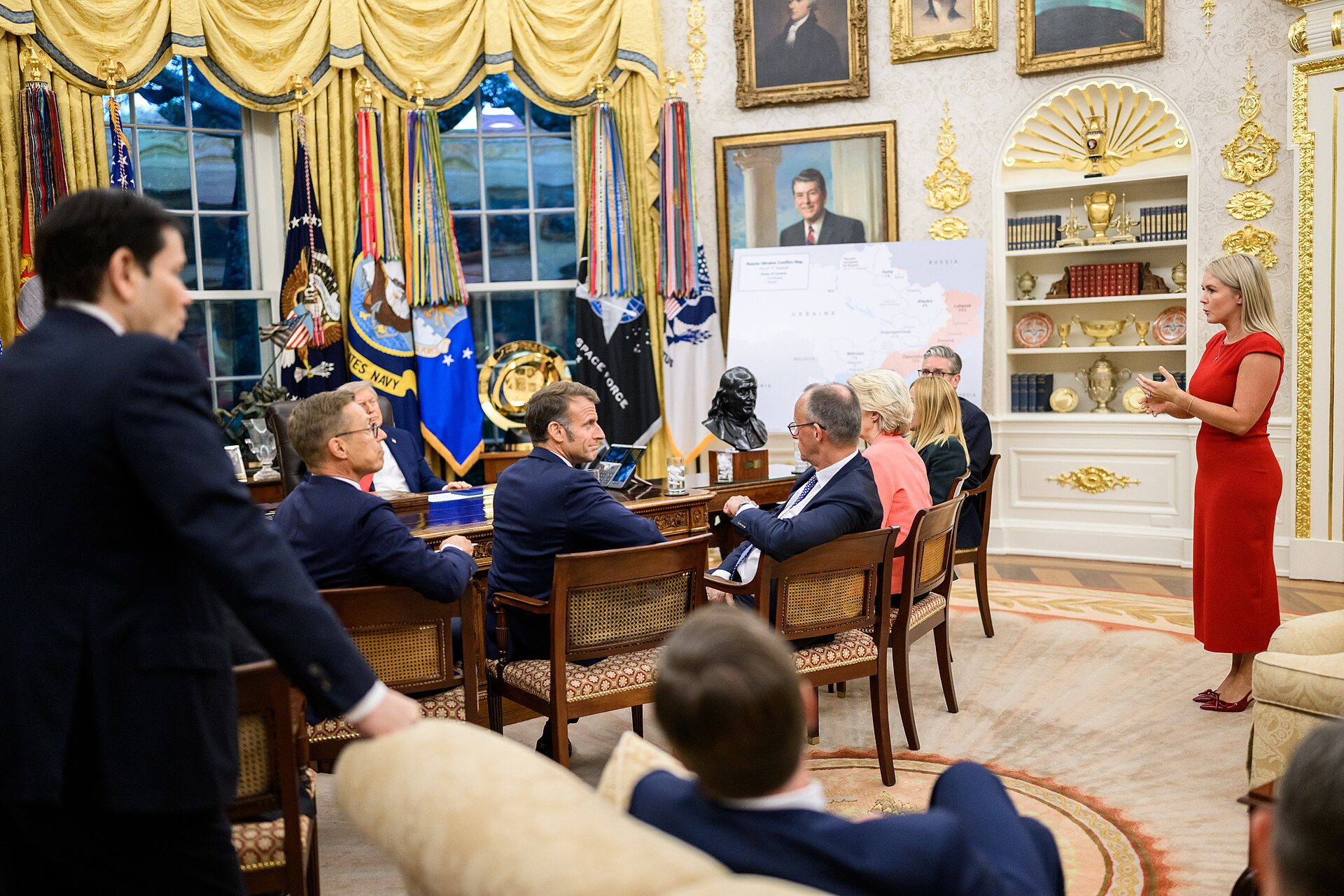
    Press secretary Karoline Leavitt told Politico Playbook that Trump’s speech would be “unifying yet vicious, and serious yet hilarious.” After reading a draft, she also said, “It will be entertaining.”

    Trump’s presence gives the dinner a built-in point of tension: a president who has repeatedly targeted the media appearing at an event organized by the journalists who cover the White House.

    Leavitt also pushed back on the idea that administration officials are steering clear. She said the administration expects most Cabinet members and senior staff to attend, and that anyone absent has a scheduling conflict rather than a lack of enthusiasm.

    The longer question is about the dinner itself

    The White House Correspondents’ Dinner has long drawn criticism from different directions. Some critics view it as too cozy, putting journalists and powerful officials in a social setting that blurs the distance the press should maintain. Defenders point to its role as a civic ritual that funds scholarships and publicly celebrates reporting.

    This year’s smaller, stricter format gives both sides fresh material. It could look like a necessary correction after years of spectacle, or it could suggest that the old formula is harder to sustain in the current relationship between the White House and the press corps.

    What remains unclear is whether the low enthusiasm is mostly a one-year reaction to timing, security and Trump-era tension, or a sign of deeper fatigue with the dinner itself.

    For now, the WHCA still has awards and scholarships to present, the White House still has a prominent platform, and journalists still have a room in which their presence — or absence — may speak before anyone reaches the podium.

  • Trump’s 220 Million Voter Data Claim Runs Into Brennan’s Cover-Up Charge

    Trump’s 220 Million Voter Data Claim Runs Into Brennan’s Cover-Up Charge

    The argument is less about whether election-security intelligence should be public than about how Trump’s team is using newly declassified material to frame China, voter data and the Russia-interference record.

    The latest clash over election intelligence starts with a number: 220 million. Donald Trump has promoted a claim, highlighted by the White House, that China obtained or compromised data tied to American voters. Former CIA Director John Brennan says the way the material is being released and described amounts to a deliberate cover-up and a selective effort to rewrite the record.

    That puts two competing interpretations in front of the public. Trump’s side says declassification exposes election-security information that officials kept from view. Brennan and other critics say the presentation risks turning fragments of intelligence into a political argument aimed at discrediting earlier findings Trump has long disputed.

    The dispute is about presentation as much as documents

    Brennan’s criticism, made publicly on Thursday, does not appear to rest on a simple objection to making intelligence public. His objection is to the White House’s framing of the newly declassified material.

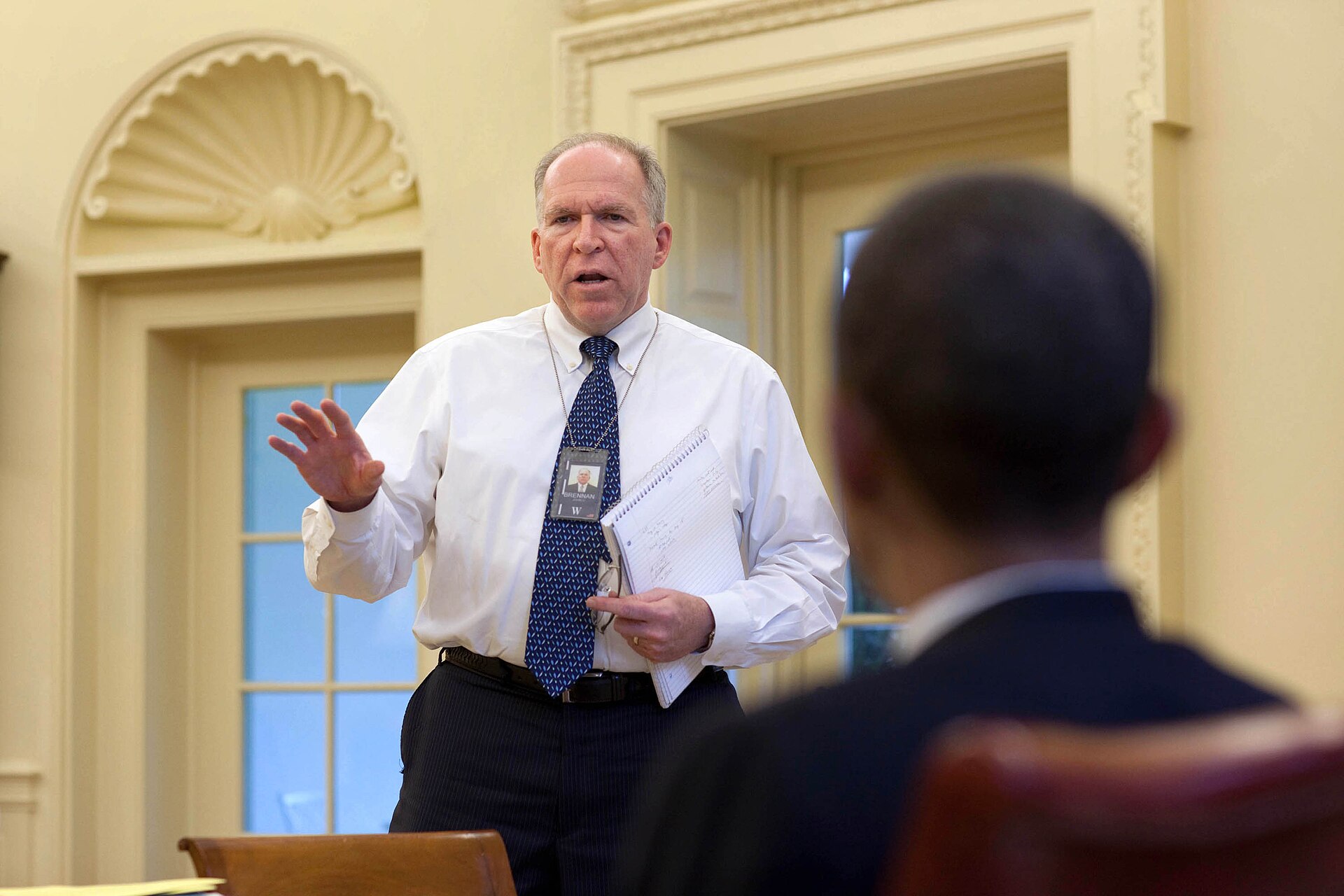
    John Brennan, Assistant to the President for Homeland Security and Counterterrorism, 2010
    Image: The White House from Washington, DC, via Wikimedia Commons, Public domain.

    According to the source brief, Brennan said the release and presentation amounted to a deliberate cover-up and a selective attempt to rewrite the record on foreign interference and the Russia investigation. That attribution matters because the strongest version of the claim is Brennan’s assessment, not an established finding.

    The disagreement is therefore about more than access to records. It is about whether the released material is being used to clarify what intelligence agencies knew, or to validate Trump’s preferred account of past election-interference disputes.

    What the White House release asserted

    The White House’s July release said Trump had declassified intelligence involving foreign election threats. As summarized in the source brief, the release argued that information about vulnerabilities and foreign adversaries had been hidden from the public, Congress and Trump.

    The release pointed to China, Russia, Iran, North Korea and other foreign actors in describing threats to U.S. election infrastructure. It also asserted that intelligence agencies knew about a breach or compromise affecting 220 million American voters and at least 18 states, and that key material was allegedly kept out of the President’s Daily Brief.

    The White House also said Trump directed the Director of National Intelligence, the Justice Department, the FBI and the CIA to investigate how the intelligence was handled. It accused political opponents and media organizations of minimizing the disclosures and characterized the handling of the information as deliberate suppression by government officials.

    Where Brennan draws the line

    Brennan’s charge focuses on the leap from releasing records to declaring what they prove. In his view, as reflected in the source brief, the documents are being used selectively to reshape the public understanding of election interference and the Russia probe.

    That is a narrower and more precise point than saying the underlying records are irrelevant. Intelligence can illuminate what officials knew, when they knew it and how they briefed senior leaders. But intelligence also depends heavily on context, including sourcing, confidence levels, timelines and competing assessments.

    Brennan has been a prominent Trump critic for years. He led the CIA during the Obama administration, and Reuters reported in 2018 that he said he would not be scared into silence after Trump revoked his security clearance.

    That history adds political weight to the current exchange. Trump and his allies have portrayed Brennan as part of an intelligence establishment hostile to Trump. Brennan has argued that Trump’s attacks on intelligence officials are intended to intimidate critics and alter the public record.

    Why the Russia assessment remains part of the backdrop

    The voter-data claim is now connected to a longer-running fight over the 2016 intelligence assessment on Russian election interference. One of that assessment’s most disputed judgments was that Russian President Vladimir Putin aspired to help Trump.

    Trump has repeatedly rejected or minimized the idea that Russia’s interference reflected a preference for him. Former intelligence officials have defended the broader conclusion that Russia intervened in the election.

    A CIA tradecraft review later examined the debated judgment about Putin’s preference. Separately, PBS recently framed a segment around an ex-CIA analyst criticizing Trump’s effort to deny the Russia probe, showing that the old dispute continues to appear in current coverage.

    The new declassification argument adds another layer. It raises questions about whether China-related voter-data intelligence was underplayed, whether other foreign-threat information was suppressed, and whether Trump is using those claims to weaken confidence in Russia-related conclusions he disputes.

    What remains unresolved

    The public record described so far does not, by itself, settle whether the newly declassified material changes the established understanding of Russia’s 2016 interference. It also does not fully answer who saw the China-related voter-data intelligence, when they saw it or why it moved through government channels as it did.

    Those details are central because the controversy turns on process as well as substance. If officials improperly withheld significant election-security information from Trump, Congress or the public, that would raise oversight questions. If the records are being presented selectively, Brennan’s criticism would point to a different problem: political framing outpacing the underlying evidence.

    Reuters separately reported in July that Brennan, described as a Trump target, sought to force the Justice Department to preserve records related to federal activity involving him. That legal step sits alongside the public dispute over declassification and recordkeeping.

    For now, the core question remains contested: whether Trump’s release exposes mishandled intelligence about foreign election threats, or whether Brennan is right that the material is being used selectively to recast the Russia investigation and the broader interference record.

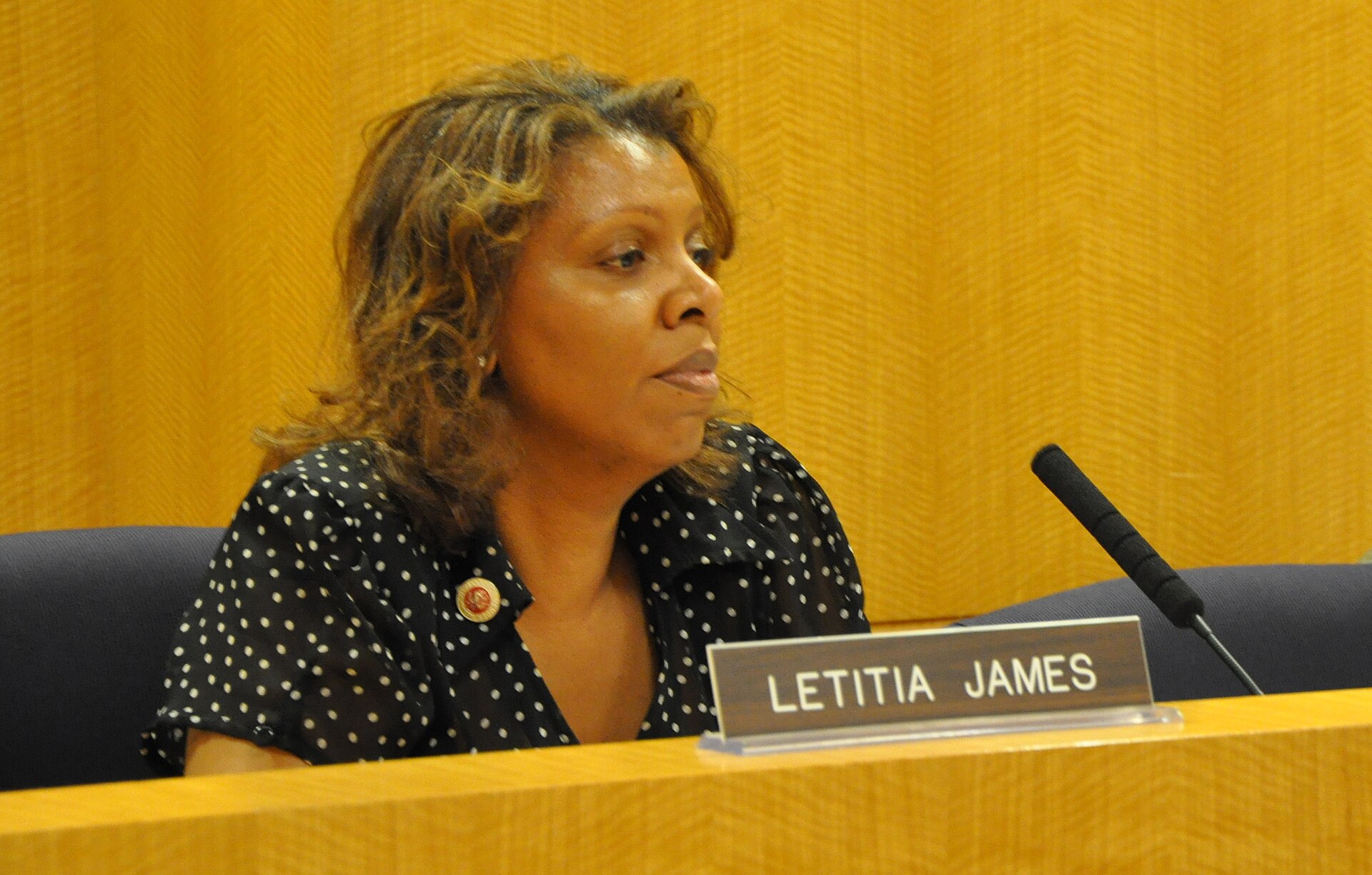
  • Letitia James Caught in NYC Shelter Accountability Fight Over Disputed $81,700 Cost

    Letitia James Caught in NYC Shelter Accountability Fight Over Disputed $81,700 Cost

    The number has become shorthand for a broader fight over whether New York City can prove its shelter dollars are buying safe beds, documented services and real exits from homelessness.

    A disputed $81,700 per-homeless-person figure is fueling scrutiny of New York City homelessness spending. Letitia James is being pulled into the oversight fight after a July 25 report said New York City spent about $81,700 per unsheltered homeless person in fiscal year 2025, with critics citing a March New York State Comptroller report and other audits to question accountability for New York City’s shelter system.

    The dispute centers on nonprofit homeless shelter providers in New York, public oversight failures and whether taxpayers can see clear proof that the shelter system is delivering safe services and progress toward stable housing.

    Why this number matters

    The $81,700 figure has power because it compresses a sprawling public system into one striking comparison. For critics, it is a way to argue that New York City is spending heavily while homelessness remains visible and shelter operations continue to draw complaints.

    Black and white image of a historic public school facade in New York City.
    Image: Brett A, via Pexels, Pexels License.

    But the figure is also disputed as a measure of performance. Homeless services budgets can cover far more than a bed for the night, including security, food, case management, placement work, medical or mental health supports, administration and payments to outside shelter operators.

    That makes the number useful, but incomplete. It raises a fair value-for-money question without answering the harder operational one: whether the city can document that costs are allowable, supported and tied to actual services.

    How James enters the fight

    Letitia James is New York’s attorney general. She is not the city official who signs daily Department of Homeless Services shelter contracts, and that distinction matters in assigning responsibility.

    New York City’s shelter system is run through city agencies, especially the Department of Homeless Services and the Department of Social Services. The controversy reaches James because many shelter operators are nonprofit organizations, and the attorney general’s office has oversight authority over charities in New York.

    That role makes James a political target when critics argue that nonprofit providers are receiving public money without enough accountability. It does not, by itself, prove wrongdoing by James or by any specific provider.

    The tension is structural. When public dollars move through private nonprofit networks, responsibility is spread across city contract managers, state auditors and charity regulators. That diffusion can make it harder for the public to see who should have caught problems earlier.

    The audit trail already exists

    The public record cited in the controversy does show documented oversight problems. A New York State Comptroller audit issued Feb. 6, 2024 examined how the New York City Department of Homeless Services monitored contract expenditures by Samaritan Daytop Village, Inc., a nonprofit shelter provider.

    The audit reviewed expenses claimed for fiscal years ending June 30, 2020 and June 30, 2021, with limited review of DHS monitoring through June 30, 2022. Samaritan operated the 160-bed Myrtle Avenue Men’s Shelter for men with mental illness under a contract that began at $30.1 million and was later renewed and increased to about $44 million, according to the comptroller’s report.

    The comptroller found that DHS was not effectively monitoring the contract to ensure claimed costs were allowable, supported and program-related. Auditors identified $566,556 in reported expenses that did not comply with applicable manuals and contract requirements, including personal service costs, other-than-personal-service costs and indirect costs.

    The recommendations were practical rather than symbolic. The comptroller said DHS should review and recover noncompliant expenses as appropriate, make sure providers keep sufficient documentation, and train both providers and DHS staff on reimbursement rules.

    Nonprofits carry the system

    New York City’s own Department of Homeless Services describes its shelter model as one built with nonprofit partners. DHS says it works with those partners to provide temporary shelter and services to New Yorkers experiencing homelessness and to help them achieve stability.

    That model has clear advantages. Nonprofit providers can add capacity, operate specialized shelters and connect vulnerable people with services that city agencies may not deliver directly.

    It also creates a demanding oversight job. If a provider invoices the city for staff, supplies, indirect costs or services, someone has to verify that the money was spent properly and that the expenses match the contract.

    This is why shelter scandals are so damaging politically. Many residents may support spending to keep people off the street, but confidence weakens when audits point to poor documentation, weak monitoring or unclear reviews.

    Two arguments can both hold

    Critics view the $81,700 figure as evidence that New York City’s homelessness policy is not delivering enough value. Their case is straightforward: if spending is that high, the public should see cleaner shelters, stronger controls over nonprofit operators and clearer movement into permanent housing.

    Defenders of the system would counter that New York is an expensive city with a legal and moral obligation to provide shelter. They would also argue that a per-person calculation can flatten the real costs of operating a 24-hour safety net for people with complicated needs.

    Those positions are not mutually exclusive. New York may need to spend heavily on homelessness while still failing to monitor that spending with enough rigor.

    The core issue for James, City Hall and state watchdogs is whether they can separate necessary costs from waste, weak controls or provider misconduct. A single audit of one provider does not prove abuse across the entire nonprofit shelter network, but it does show why the oversight question is not hypothetical.

    What remains unresolved

    Several questions remain central because the public debate is moving faster than the paper trail available to ordinary residents.

    • How the $81,700 figure was calculated: The denominator matters. Comparing total spending to unsheltered people creates a different impression than comparing spending to all people served by shelters and related programs.
    • What the March comptroller material found: Critics have cited a March New York State Comptroller report, but the specific findings, scope and agencies covered matter for assigning responsibility.
    • Whether questioned money was recovered: In the Samaritan audit, the comptroller recommended reviewing and recovering $566,556 where appropriate. The public still needs to know what happened after that recommendation.
    • What James’ office has done: The key question is whether the attorney general has investigated nonprofit governance or charity compliance issues tied to shelter operators, and what results, if any, followed.
    • What outcomes taxpayers are buying: Spending debates should not stop at invoices. The city also needs to show whether shelters are safe, services are delivered and residents move toward stable housing.

    The takeaway is not that one number explains New York City homelessness policy. It is that the $81,700 figure has become a symbol of frustration with a costly, complex system that depends heavily on nonprofit providers.

    The real test is documentary: contracts, audits, recoveries, enforcement actions and measurable outcomes for people without stable housing. Until those answers are clearer, the fight over spending will keep pulling in City Hall, state watchdogs and Letitia James.

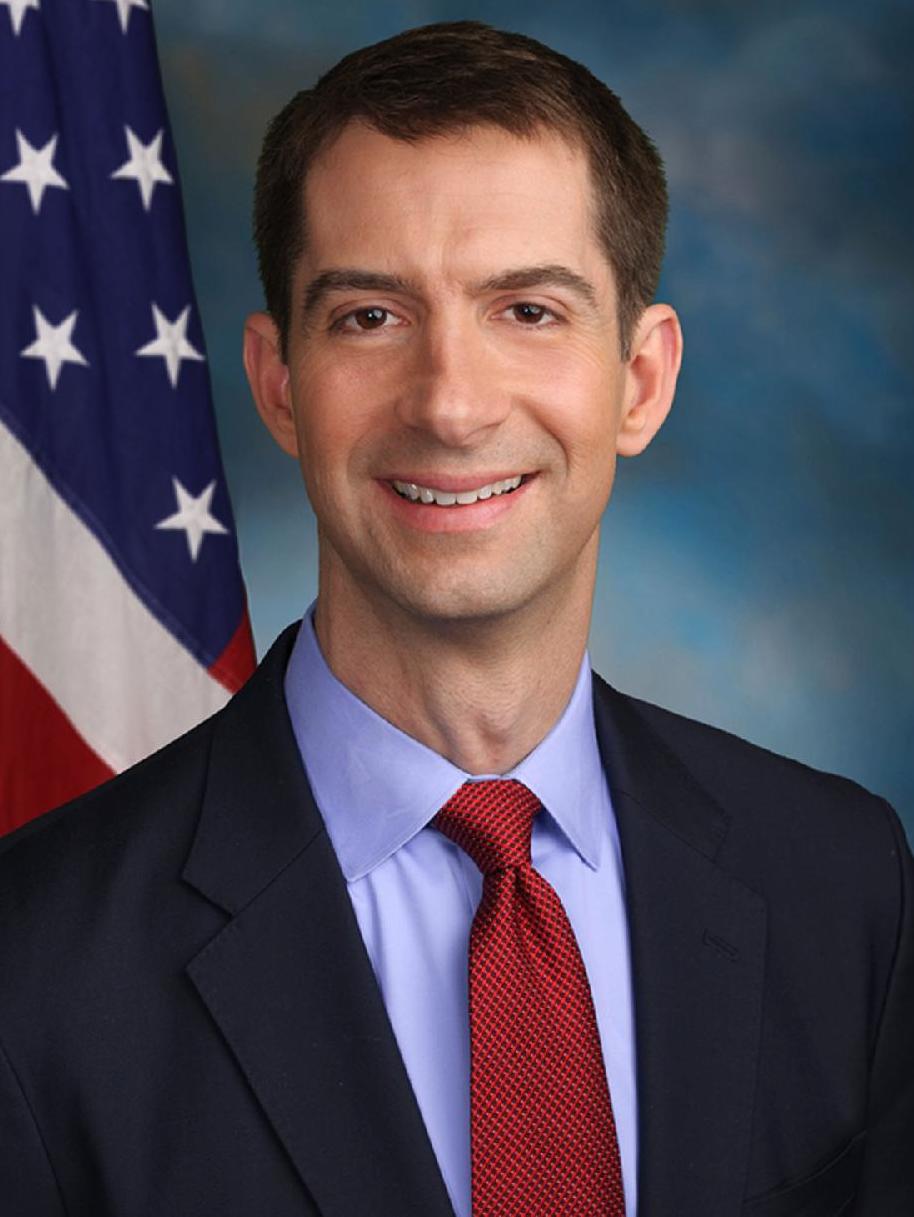
  • Tom Cotton Puts Permanent Daylight Saving Time on Hold Over Dark Mornings

    Tom Cotton Puts Permanent Daylight Saving Time on Hold Over Dark Mornings

    The fight is not just about ending clock changes. Senators are split over whether brighter evenings are worth darker winter mornings.

    Tom Cotton says he will block any fast-track effort for permanent daylight saving time, putting the Sunshine Protection Act at the center of a Senate fight after the bill passed the House but is stalled in the Senate. Some Senate Republicans oppose the measure over dark winter mornings, while Senator Rick Scott is among Republican figures pressing to move it.

    Congress.gov lists H.R.139, the Sunshine Protection Act of 2025, as received in the Senate and referred on July 15, 2026, to the Senate Commerce, Science, and Transportation Committee. That means the proposal is alive, but nowhere near finished.

    A popular idea meets Senate rules

    The public-facing pitch is easy to understand: stop changing the clocks twice a year. The political problem is that Congress still has to decide which clock setting becomes permanent.

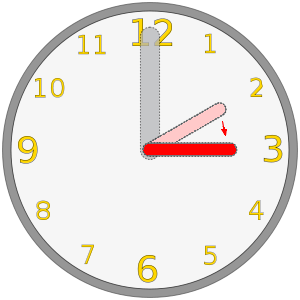
    Daylight saving time in Slovakia start
    Image: original pictures: Rei-artur, derivate work: MmichaelDr., via Wikimedia Commons, CC BY 2.5.

    Supporters want daylight saving time to become the year-round standard. That would generally mean more light later in the day, but it would also move winter sunrise an hour later by the clock in many communities.

    The procedural fight is just as important as the policy debate. Reuters reported that Cotton, an Arkansas Republican, said he would oppose any effort to fast-track the bill.

    In the Senate, fast action often depends on senators not objecting. If leaders try to move legislation by unanimous consent, one senator can derail that shortcut and force a slower route through committee and floor procedure.

    What the bill actually changes

    The Sunshine Protection Act of 2025 is not simply a bill to end clock changes. According to Congress.gov, the official summary says it would make daylight saving time the new, permanent standard time.

    That distinction matters. A country could stop changing clocks by staying on standard time all year, or by staying on daylight saving time all year. H.R.139 chooses the second option.

    Congress.gov identifies the bill as sponsored by Rep. Vern Buchanan, a Florida Republican. It passed the House with one roll call vote before being sent to the Senate.

    The measure also includes language for states with areas exempt from daylight saving time, allowing those areas to choose standard time. That provision matters for places that already do not follow the same daylight saving pattern as most of the country.

    Cotton’s argument is about mornings

    Cotton’s opposition centers on the experience of winter morning darkness. In a floor speech posted by his Senate office, he pointed to the 1974 experiment with year-round daylight saving time.

    According to the speech text from Cotton’s office, he argued that the policy left Americans commuting and sending children to school in darkness. His office’s text also says public support dropped sharply after people lived under the change, and that Congress reversed course before the experiment reached its planned end.

    That is the warning Cotton is using against the current bill: an idea that sounds convenient in theory can look different when families are facing dark school-bus stops and morning commutes.

    Opponents of permanent daylight saving time do not argue that daylight disappears. They argue that the policy shifts light away from the start of the day, when children, workers and drivers may be navigating winter mornings.

    Why supporters keep pressing

    Scott, a Florida Republican, has been among the Republican figures associated with the push for permanent daylight saving time. Buchanan, also from Florida, sponsored the House bill.

    The appeal for supporters is straightforward. Many Americans dislike the spring and fall clock changes, and a permanent system promises a more predictable routine.

    Backers also argue that later daylight can support recreation, shopping and outdoor activity after work and school. In states with tourism economies or strong outdoor cultures, evening daylight can be framed as a practical benefit.

    Geography is part of the divide. A rule that feels attractive in a sunny state can land differently in northern areas, parts of the Midwest, the Great Plains or communities on the western edges of time zones, where winter sunrise may already come late.

    House passage did not settle it

    The House vote gave supporters momentum, but it did not make the bill law. The measure has not passed the Senate, and it has not gone to the president.

    The Senate Commerce, Science, and Transportation Committee referral is a necessary step, not a guarantee of action. Unless the committee advances the bill or Senate leaders decide to spend floor time on it, the measure can remain parked.

    Cotton’s objection matters because supporters seeking a fast-track path do not need to lose a full vote to be slowed down. They can be forced into a longer process simply because quick action is no longer available.

    That longer path would compete with other Senate demands, including spending bills, nominations, foreign policy disputes and election-year pressures. A clock-change bill may be recognizable to voters and still struggle to claim time on the Senate calendar.

    The trade-off Congress cannot avoid

    The unresolved question is not whether people are annoyed by changing clocks. The harder issue is which inconvenience lawmakers are willing to lock in: darker winter mornings or earlier evening darkness.

    There is also a practical federal concern. Time rules shape transportation, broadcasting, commerce, school schedules and daily work patterns. States may want flexibility, but a patchwork system can create confusion across borders and time zones.

    For now, the Sunshine Protection Act sits in an awkward middle ground. Supporters can point to House passage and the broad appeal of ending twice-yearly clock changes. Opponents can argue the Senate should not rush a national change that would alter winter mornings for millions of people.

    The takeaway is narrower than the slogan. Ending clock changes may be popular; choosing permanent daylight saving time is the contested part. Until Cotton and other Senate Republicans stop objecting, or supporters find enough backing for a slower route, permanent daylight saving time remains a proposal rather than a done deal.