Virginia’s governor’s race does not settle the national debate over Donald Trump’s influence. It does show that a Trump-shaped political environment can produce a different outcome when voters judge candidates on state-level concerns.
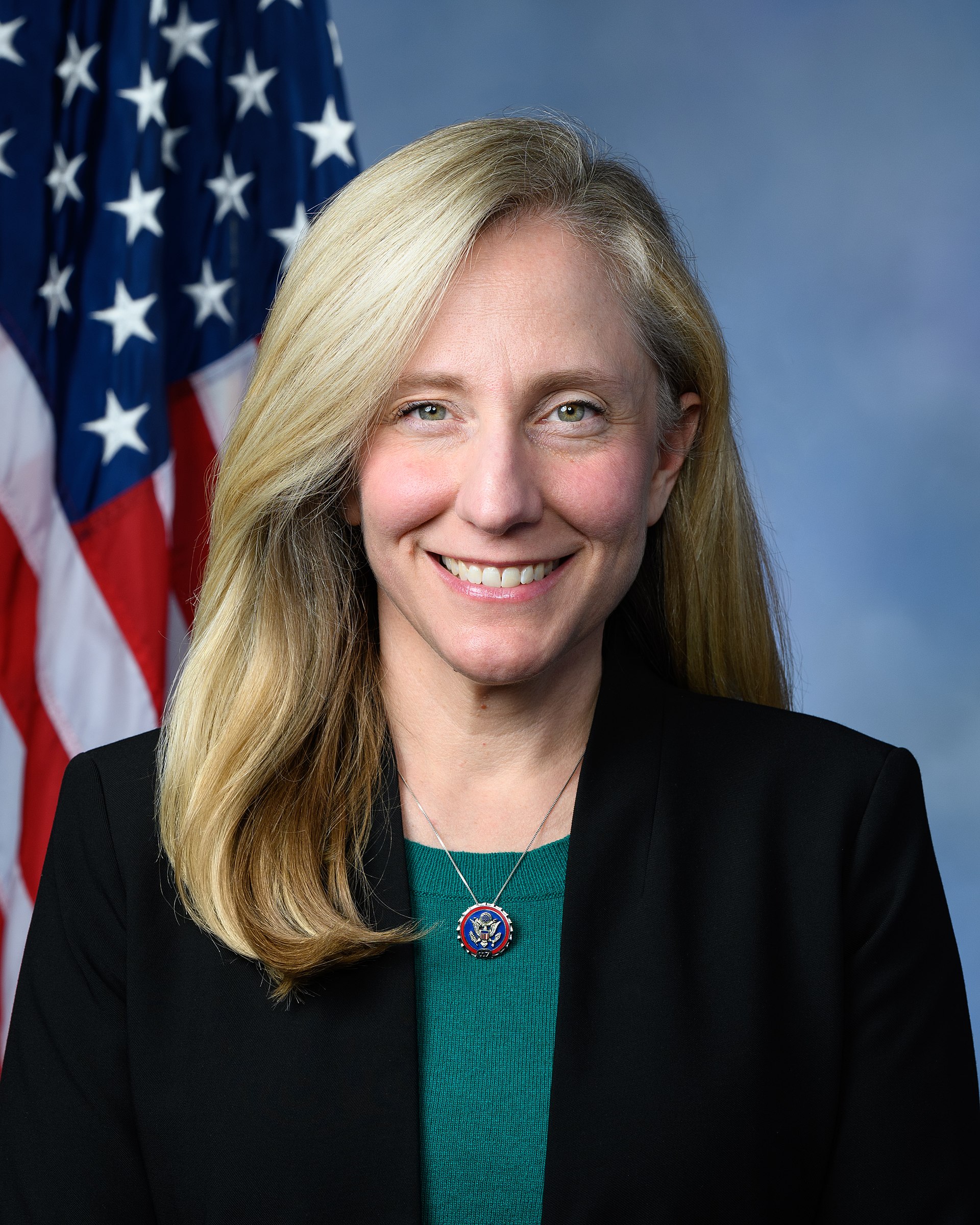
Donald Trump was not on Virginia’s ballot when Democrat Abigail Spanberger defeated Republican Winsome Earle-Sears in the governor’s race. That fact is essential to interpreting the result: it was not a direct referendum on Trump, nor does it establish that he has lost his influence over Republican voters.
Still, Reuters described Spanberger’s decisive victory as a result that may illustrate the limits of Trump’s MAGA movement. In a political environment shaped by Trump, Virginia voters selected a Democrat over a Republican whose campaign operated alongside his broader political brand.
A state race has limits as a national measure
Republicans have a credible reason not to treat Virginia as a simple verdict on Trump. State contests bring their own candidate dynamics, local organizing and issue priorities, and Democrats may have benefited from factors that would not carry the same weight elsewhere.

Off-year elections can also reflect the concerns of especially motivated voters. State-level controversies and economic anxiety may affect voters differently across regions.
There is a significant difference between a loss by one Trump-aligned candidate and a meaningful weakening of Trump’s hold on the GOP. The latter would require enough losses to persuade Republican officials and donors that the Trump brand is costing the party power.
MAGA candidates can still win when turnout works in their favor, Democrats field weak opponents, or voters prioritize inflation, immigration and crime over concerns about democratic norms. Virginia therefore is not proof that MAGA politics has stopped working.
Democrats are preparing a broader election argument
For Democrats, the idea of a MAGA “takeover” extends beyond campaign messaging. They have increasingly used the term for what they view as efforts by Trump and his allies to shape election administration, voting rules and law enforcement around elections.
A press release from Sen. Alex Padilla’s office said Padilla, Sen. Adam Schiff and other Senate Democrats met with election experts to prepare for what they described as threats to the 2026 midterms. The release cited concerns about misinformation, foreign interference, federal agents near polling places and a possible seizure of ballots from local election officials.
Those are Democratic allegations and preparations, not neutral findings of fact. They nevertheless indicate the argument Democrats intend to make: in their view, the next cycle will concern both policy and protecting election systems from a Trump-led effort to control the rules.
Trump and his allies have long argued that tighter election rules are needed to protect ballot integrity. Democrats counter that many such efforts restrict access, intimidate voters or pressure local officials. That conflict is likely to shape contests well beyond Virginia.
Virginia put candidate choices alongside national politics
Trump’s influence often operates through endorsements, party pressure, fundraising energy and expectations that Republican candidates show loyalty to his political base. Those forces can be powerful without Trump’s name appearing on the ballot.
But voters in a statewide general election can weigh those political signals against the person seeking to govern. Virginia’s contest involved more than national slogans: voters considered affordability, schools, abortion rights, public services and the temperament of the candidates competing to run state government.
That gave Democrats an opportunity to connect broader concerns to questions closer to daily life. Rather than arguing only that MAGA politics was objectionable in the abstract, they could tie a Trump-aligned governing approach to immediate state concerns.
The result suggests that Trump-aligned MAGA efforts can be defeated when a race turns on candidates, turnout, local issues and governing style. It does not suggest that Trump’s position inside the Republican Party has suddenly disappeared.
Primary incentives can look different in a general election
Trump’s political strength has often included turning Republican institutions into tests of loyalty. Candidates closely aligned with him may gain traction in primaries, attention from conservative media and a familiar language of grievance aimed at elites, judges, journalists and election officials.
Those tools can unify a party coalition. They may also make a broader appeal more difficult once the electorate expands beyond voters most motivated by Trump loyalty.
A Republican who reaches a general election after demonstrating allegiance to Trump may carry positions, rhetoric or associations that are harder to sell to independents and suburban voters. Virginia can expose that tension because Democrats cannot win there without persuading voters beyond their core support.
Spanberger’s path offers a narrower lesson than a wholesale rejection of Trump. An anti-MAGA case may be more effective when it explains what voters believe a Trump-aligned project would mean for schools, doctor’s offices, workplaces and local election systems.
The result offers a test, not a fixed template
For Democrats, simply applying the “MAGA” label to a Republican is not enough. The label must be tied to concrete consequences, including health care access, public education, voting rules, federal interference or the ability of state officials to operate independently of Trump’s political demands.
Abortion rights remain a difficult fault line for Republican candidates, who may need to satisfy primary voters seeking restrictions while appealing to general-election voters who oppose them. A candidate who addresses everyday costs and projects state-level competence can make that tension more consequential.
For anti-Trump Republicans, a high-profile defeat can offer evidence that complete MAGA alignment is not an automatic route to victory. For Democrats, Virginia offers a possible approach: hold a national political brand accountable to local governing choices.
The unanswered question is whether Virginia was an early signal or a state-specific exception. Trump’s MAGA movement remains a dominant force in Republican politics. The Virginia outcome showed that dominance is not inevitability, but future tests will unfold across a larger map, with different electorates and Trump’s influence more directly in view.
Leave a Reply