Blog

  • Big Bend Bulldozers Spark Texas Pushback Over Border Construction

    Big Bend Bulldozers Spark Texas Pushback Over Border Construction

    Bulldozer activity tied to border-security construction has put one of Texas’ most remote national landscapes at the center of a political and environmental fight. The dispute is also raising questions about public access, habitat damage and whether the region’s terrain already serves as a barrier.

    Bulldozers have entered or disturbed Big Bend National Park as U.S. Customs and Border Protection-backed border-security work moves through the remote Texas region. The activity has sparked anger and growing opposition from sheriffs, Texas leaders and environmental groups, who say sensitive habitat near Santa Elena Canyon could be altered for barriers, roads and related infrastructure.

    The immediate fight is over heavy equipment and land clearing. The larger question is whether a national park defined by canyons, desert and the Rio Grande can absorb new construction without losing the wild character, access and ecological protections that draw visitors there.

    Heavy equipment triggers alarm

    Images shared by the Center for Biological Diversity on August 6 showed heavy equipment in Big Bend National Park, according to USA Today. The National Parks Conservation Association said federal contractors authorized by Customs and Border Protection had begun clearing miles of sensitive habitat near Santa Elena Canyon.

    That location matters. Santa Elena Canyon is among the park’s best-known areas, where the Rio Grande runs beneath towering limestone walls at the U.S.-Mexico border. The broader Big Bend landscape is rugged, isolated and difficult to build through, which is precisely why opponents argue conventional border infrastructure could bring outsized disruption.

    The reported work is part of an administration plan for new border barriers, paved roads and other infrastructure in the Big Bend region. Officials have not publicly laid out, in the reporting available, a complete project map, construction timetable or a detailed account of which park areas could be affected.

    A border plan meets park protections

    Customs and Border Protection has said it coordinates with federal and state agencies while planning border-barrier and technology deployments to meet Border Patrol operational priorities. That framing reflects the federal government’s argument that the border requires tools, routes and infrastructure tailored to operational needs.

    Critics do not necessarily dispute that border management is a federal responsibility. Their objection is that Big Bend presents a different calculation from an urban border corridor: steep mountains, canyon walls, desert expanses and the Rio Grande already make travel through portions of the area exceptionally difficult.

    Sen. John Cornyn, a Texas Republican, relayed that view in an August 11 letter to Homeland Security Secretary Markwayne Mullin. Cornyn wrote that local sheriffs, county judges, landowners and park advocates had raised concerns, and said constituents believe the area’s terrain itself deters large-scale unauthorized crossings.

    His request was not a blanket rejection of security policy. Cornyn urged fuller coordination with affected stakeholders and a clearer explanation of how construction would affect the region and what assessments the department used to support it.

    Why habitat concerns run deep

    For conservation advocates, roads can be as consequential as a physical barrier. A new paved route can fragment habitat, invite further construction, alter drainage and create lasting visual scars in a place managed for natural and cultural preservation.

    The National Parks Conservation Association said the work threatens landscape, wildlife habitat, recreation access and nearby gateway communities. Its president and CEO, Tiernan Sittenfeld, called the reported bulldozing an attack on a major American public land.

    The Center for Biological Diversity raised a related concern: that expanded road building could restrict public access to the Rio Grande. Its public-lands advocate, Laiken Jordahl, described the prospect of extensive roads through Big Bend as destructive and questioned the benefit of the proposed work.

    Those are advocacy groups’ assessments, not a final government determination of damage. But they point to the practical issue at the heart of the fight: in a protected desert environment, even limited construction can have effects that are difficult to reverse once grading, blasting or road cutting begins.

    Texas opposition crosses party lines

    Big Bend has become an unusual point of overlap in Texas politics. Democratic officials have denounced the project in sharper terms, while Cornyn’s letter shows that concern about consultation and the project’s justification reaches beyond one party.

    Democratic candidate James Talarico argued that the Chisos Mountains and the region’s severe terrain already function as a natural wall, while criticizing the cost and environmental footprint of a new barrier. U.S. Rep. Veronica Escobar highlighted a failed House proposal that would have barred Homeland Security funds from being used for barriers inside the national park.

    Rep. Lloyd Doggett, another Texas Democrat, has asked the administration to delay work until more project details are available. He specifically warned that road construction across rugged terrain near Mariscal Mountain could send blasted rock toward Mariscal Canyon, the Rio Grande and Mexico.

    Supporters of more aggressive border construction can reasonably argue that natural obstacles do not eliminate the need for surveillance, mobility and access for law enforcement. The unresolved policy question is whether the particular mix of roads, barriers and technology proposed for Big Bend is proportionate to the operational challenge—and whether less damaging alternatives have been adequately considered.

    What remains unclear at Big Bend

    The reports establish that heavy equipment was seen in the park and that opposition is intensifying. They do not, by themselves, settle the scope of all authorized work, the exact route of future infrastructure, the environmental review process or what mitigation measures may be required.

    Those details will determine whether this becomes a short-lived construction controversy or a broader precedent for development within and around protected federal lands. They also matter to nearby communities that depend on visitors drawn by Big Bend’s remoteness and access to the river and backcountry.

    For now, the pressure on federal officials is growing from several directions: explain what is being built, show why the work is necessary, identify the land that could be changed and demonstrate how damage to habitat and public access would be avoided or minimized.

    Big Bend’s appeal has long been its sense of distance from the rest of Texas. The bulldozer dispute has brought a national border-policy debate directly into that landscape—and made the consequences far more visible.


  • Jimmy Fallon Jokes Karoline Leavitt Could Work Taylor Farms Recall PR

    Jimmy Fallon Jokes Karoline Leavitt Could Work Taylor Farms Recall PR

    The late-night punch line lands at the intersection of a reported White House departure and a real food-safety investigation. Federal agencies say recalled Taylor Farms de Mexico iceberg lettuce was connected to an ongoing Cyclospora outbreak spanning 15 states.

    Jimmy Fallon reportedly joked that Karoline Leavitt could work for Taylor Farms PR after Leavitt resigned from the White House, calling it “an easier job.” The Jimmy Fallon joke came amid a parasite outbreak linked to recalled Taylor Farms de Mexico iceberg lettuce from central Mexico, which was recalled July 17, 2026, and has been associated with illnesses in 15 states.

    The gag turns a reported political staffing change into a late-night line about crisis communications. But the Taylor Farms reference is rooted in an active federal food-safety investigation, not a hypothetical entertainment storyline.

    A joke built on a recall

    According to the entertainment report behind the item, Fallon used Leavitt’s reported White House resignation as the setup for a joke about her taking a public-relations role with Taylor Farms. The punch line was that the food-company assignment would be “an easier job.”

    That framing draws on the reputational challenge companies face when a recall and illness investigation are underway. It also reflects late night’s familiar approach: using a current political figure and a separate national news event to create a pointed comparison.

    There is no indication in the available reporting that Leavitt is pursuing a role with Taylor Farms. The proposed PR job is the premise of Fallon’s joke, not a reported employment development.

    The outbreak behind the reference

    The food-safety issue is considerably more serious than the monologue’s comic setup. The Food and Drug Administration says it is investigating a 15-state outbreak of Cyclospora illnesses tied to exposure to recalled iceberg lettuce from Taylor Farms de Mexico.

    Cyclospora is a parasite that can cause an intestinal infection known as cyclosporiasis. The FDA says people who become ill commonly experience diarrhea, and may also have stomach cramps, bloating, nausea, fatigue, appetite loss and weight loss.

    Symptoms can be prolonged and may return after appearing to improve. The agency says untreated illness can lead to dehydration and, in some cases, complications requiring more intensive care.

    What Taylor Farms recalled

    On July 17, 2026, Taylor Farms de Mexico announced it was voluntarily removing from the U.S. market all iceberg lettuce sourced from central Mexico, according to the FDA. The recall included certain Marketside products sold at Walmart, including Iceberg Salad and Shredded Lettuce items carrying specified July and early-August use-by dates.

    The FDA also identified recalled products distributed to food-service customers. Its investigation said Taylor Fresh Foods distributed affected iceberg lettuce from June 29 through July 16 across a wide group of states.

    • Cases reporting exposure to recalled Taylor Farms de Mexico lettuce were identified in 15 states.
    • Recalled retail products were sold at select Walmart stores in multiple states.
    • The FDA said some Taco Bell locations received recalled lettuce; Taco Bell said it stopped using lettuce from Taylor Farms de Mexico on July 17.

    The FDA’s status designation was ongoing as of its August 5 update. That matters because outbreak counts, exposure locations and the scope of a food investigation can change as interviews and testing information are added.

    Why the line has bite

    Public relations is a natural target for late-night satire because it is often where public-facing explanations, apologies and damage control meet. By suggesting Taylor Farms would be an easier communications job, Fallon’s joke implicitly contrasts the demands of defending a White House message with explaining a food recall.

    Supporters of that style of comedy may see it as a quick way to make a complicated news cycle legible. Critics may argue that folding an outbreak into a political punch line risks making a consumer-health issue feel like mere background material.

    Both readings can be true. The joke is about Leavitt’s reported departure, but it only works because viewers recognize the Taylor Farms outbreak as an active and consequential story.

    Leavitt’s reported departure

    The entertainment item says Leavitt had resigned from the White House before Fallon made the joke. The available research supplied for this article does not include a White House statement confirming the timing, terms or reason for that departure.

    That distinction is important. A late-night monologue can react quickly to a headline, while official personnel details may emerge separately, be disputed, or remain limited.

    Likewise, neither the FDA nor the Centers for Disease Control and Prevention materials on the Cyclospora outbreak discuss Leavitt, Fallon or any public-relations arrangement. Their focus is the recalled lettuce, reported illnesses and consumer guidance.

    The practical takeaway for shoppers

    For consumers, the useful part of this story is not the punch line. The FDA advises people, restaurants and retailers that purchased or received recalled iceberg lettuce distributed by Taylor Fresh Foods to discard it and not eat it.

    People who believe they may have eaten recalled lettuce and develop symptoms consistent with Cyclospora infection should consider contacting a health-care provider, particularly if symptoms are severe, persistent or lead to dehydration. The FDA notes that some infected people may have no symptoms at all.

    Fallon’s line may keep the Taylor Farms story in pop-culture circulation. The unresolved point is the one federal investigators are still working on: the full scope of the outbreak and whether additional cases, states or exposure sites will be identified.

  • Donald and Melania Trump Face a Shared Public-Sentiment Test

    Donald and Melania Trump Face a Shared Public-Sentiment Test

    A political commentary headline casts frustration with Donald Trump and Melania Trump as part of the same public backlash. The available material points to an important distinction: intense online criticism and a measured public-opinion trend are not the same thing.

    Donald Trump and Melania Trump are both facing negative public sentiment in a political commentary framing that says people are expressing dissatisfaction with the president and with his wife, too. The central question is why criticism directed at Donald Trump is now being discussed as a shared problem for Melania Trump—and why the distinction between visible online backlash and broad public opinion matters.

    The available research does not include polling that measures a single, nationwide wave of dissatisfaction with both Trumps. It does, however, show Melania Trump responding directly to false claims linking her to Jeffrey Epstein, a subject that has added another volatile layer to public discussion around the Trump family.

    Criticism can spread beyond a president

    First ladies are not elected officials, but they often become symbols in the political arguments surrounding an administration. That is especially true when a president has a uniquely personal political brand, a highly engaged base and equally committed critics.

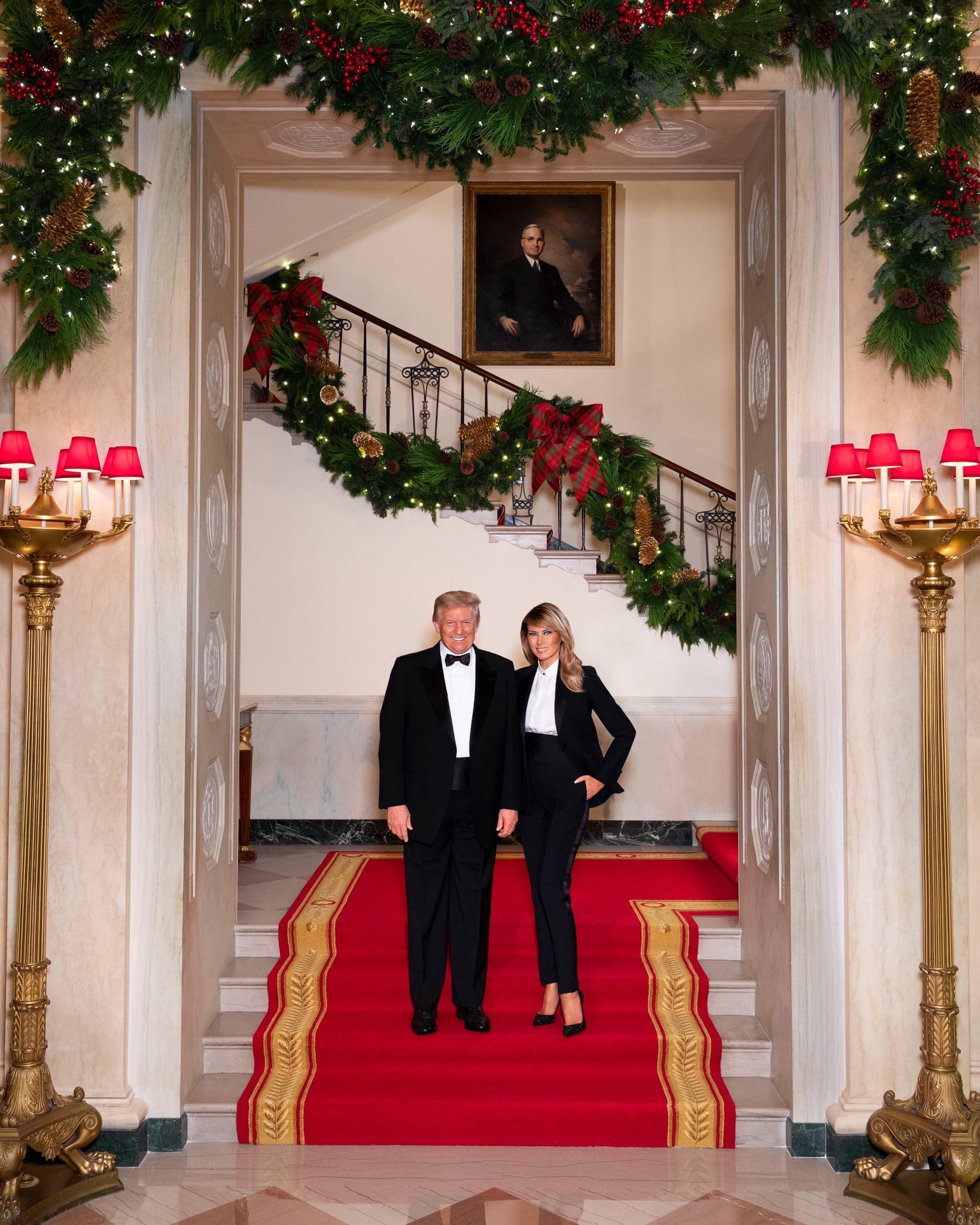
    President Donald Trump and First Lady Melania Trump official 2020 Christmas portrait
    Image: (Official White House Photo by Andrea Hanks), via Wikimedia Commons, Public domain.

    Donald Trump has long blurred the line between private family identity and public political identity. His business history, celebrity profile and family’s visibility mean that public reactions to him can quickly reach relatives who are not responsible for White House policy.

    That does not mean every criticism of Melania Trump is fair, or that it reflects the views of most Americans. It means her public image can become part of the broader fight over Donald Trump’s legacy, conduct and political agenda.

    Melania Trump answered Epstein claims

    In an April statement published by the White House, Melania Trump forcefully rejected allegations and online material connecting her to Epstein. She said she had never been friends with him, had no relationship with him or Ghislaine Maxwell, and had no knowledge of Epstein’s abuse of victims.

    She also said she first met Donald Trump at a New York City party in 1998 and first encountered Epstein at an event she and Donald Trump attended in 2000. Melania Trump said images and statements circulating online were false and warned the public to be cautious about what it believes.

    The statement is significant because it shows the first lady addressing a reputational controversy personally rather than allowing it to remain an implied extension of criticism of her husband. Her position is unambiguous: she calls the allegations false, defamatory and politically motivated.

    Claims involving Epstein require particular care. A viral accusation, an old photograph, a social-media post or an overlap in social circles is not proof of criminal involvement. Melania Trump said she has not been accused or convicted of a crime connected to Epstein’s sex-trafficking operation and has not appeared as a witness in related court records, depositions, victim statements or FBI interviews.

    Online anger is not public opinion

    The phrase that people are “sick” of Donald Trump and Melania Trump is emotionally clear, but it is not a polling result. It is an interpretation of public mood, likely shaped by social-media reactions, political commentary and the unusually high level of attention surrounding the Trumps.

    That distinction matters. Online platforms reward sharp language, repeat conflict and elevate the most engaged participants. A heavily shared criticism may demonstrate that a topic has become culturally resonant; it cannot, by itself, establish what a representative cross-section of voters believes.

    A more reliable assessment would require recent polling that asks separate questions about Donald Trump and Melania Trump, identifies the wording used, reports sample size and explains the margin of error. None of that evidence was included in the supplied material.

    There are also competing interpretations. Critics may see Melania Trump’s response as part of a broader effort to protect the Trump family brand. Supporters may see it as a necessary correction to damaging misinformation. Both reactions can coexist, and neither should be mistaken for a definitive national consensus.

    The first lady has a separate role

    Melania Trump’s relationship to public controversy is complicated by her role. She is a public figure with access to the White House platform, but she is not the president and does not make executive decisions. Scrutiny of her conduct, statements and advocacy is legitimate; treating her as automatically accountable for every dispute involving Donald Trump is a different proposition.

    Her April statement tried to draw that boundary. It rejected personal allegations while also calling for greater transparency and for survivors of Epstein’s abuse to have an opportunity to testify publicly before Congress if they wish.

    That combination is politically notable. It places a personal defense alongside a call to center victims, rather than simply denying the claims and ending the matter. Whether that changes skeptical minds is unclear, particularly in an environment where many audiences already distrust opposing political institutions and media sources.

    What remains unproven

    The available record supports a narrower conclusion than the headline-style rhetoric suggests: Donald Trump and Melania Trump are both subjects of intense public discussion, and criticism of one can spill into perceptions of the other. Melania Trump has publicly disputed specific allegations about her own connection to Epstein.

    What remains unclear is the scale and durability of any shared negative sentiment. There is no supplied independent survey showing that most Americans, or even a defined bloc of voters, are dissatisfied with Melania Trump because of Donald Trump.

    That uncertainty should not erase the political reality. For a White House family whose name functions as a political brand, personal reputation and presidential politics are difficult to separate. It does mean the strongest claims about public backlash deserve evidence beyond the loudest corners of the internet.

  • USS Abraham Lincoln Faces Oversight Push as Families Report Supply, Mental-Health Concerns

    USS Abraham Lincoln Faces Oversight Push as Families Report Supply, Mental-Health Concerns

    The dispute centers on the strain of an unusually long deployment for roughly 5,000 sailors and Marines. It also highlights the gap between families’ accounts and the Navy’s assessment of life aboard the carrier.

    Officials are demanding an investigation involving the USS Abraham Lincoln after families raised alarm about conditions affecting sailors aboard the aircraft carrier. Senate Democrats want answers from Navy leaders about reports of food shortages, plumbing problems and mental-health concerns during a deployment that has lasted more than 250 days, including more than 200 consecutive days at sea.

    The USS Abraham Lincoln dispute matters because the accounts from families and lawmakers sharply contrast with the Navy’s assertion that the ship has clean water, working air conditioning and healthy meal options. The central question is whether a lengthy deployment and disrupted supply routes are creating risks the service has not fully addressed in public.

    Lawmakers press the Navy for answers

    Sen. Richard Blumenthal of Connecticut wrote to Defense Secretary Pete Hegseth and acting Navy Secretary Hung Cao seeking an accounting of conditions aboard the carrier, according to CBS News. He cited reports of basic-supply shortages, possible water contamination, plumbing troubles, deck-safety concerns and worsening mental health.

    US Navy 101210 N 1261P 044 The aircraft carrier USS Abraham Lincoln (CVN 72) is underway in the Arabian Sea in support of Operation Enduring Freedo
    Image: U.S. Navy photo by Chief Mass Communication Specialist Eric S. Powell, via Wikimedia Commons, Public domain.

    Blumenthal’s letter focused on the duration of the ship’s deployment. His office said the carrier had been deployed for more than 250 days and had not come ashore for more than 200 days, describing that stretch as a record for consecutive days at sea.

    Sen. Ruben Gallego of Arizona called for the Navy to permit a bipartisan congressional delegation to visit the Lincoln for an oversight investigation. That request is broader than a routine exchange of letters: an in-person congressional visit could allow lawmakers to question leadership and review conditions directly.

    Neither senator’s demand by itself establishes that a formal congressional inquiry has begun. It does, however, put the Navy under pressure to explain how it is monitoring living conditions, morale and access to support services while the carrier remains deployed.

    Families describe a different reality

    Family members reportedly confronted Navy leadership in two recent meetings over difficult conditions aboard the ship, including food shortages, and asked when their loved ones would return home. The Lincoln carries about 5,000 sailors and Marines, making even day-to-day supply problems a major operational and family concern.

    Some families also reported severe mental-health struggles and attempted suicides among personnel. Those accounts are serious allegations, but they are not the same as independently verified findings from an investigation.

    Military Times reported that several sailors had tried to go overboard or had been stopped from doing so in recent months, an account cited by Gallego in his call for oversight. The Navy told CBS News that, based on the information available to the command, it had not identified an increase in reported suicidal ideation or suicide attempts aboard the ship.

    That disagreement is at the heart of the controversy. Families are describing warning signs they believe demand urgent scrutiny, while Navy officials say their available reporting does not show a broader rise in such incidents.

    The Navy points to disrupted supply lines

    A Navy official said the Lincoln has been operating in a “highly contested environment” in which traditional Middle East supply hubs were disrupted by combat actions. The official said commanders prioritized supplies in this order: food, hygiene items and then mail.

    The Navy’s explanation acknowledges that the deployment environment has complicated resupply, even as it rejects the suggestion that sailors lack essentials. The service said current reports from the ship showed continuous access to clean water, functional air conditioning and healthy meal options.

    Those statements leave important practical questions unresolved. A ship can maintain official access to meals and water while sailors and families still experience shortages, quality concerns or uneven availability in particular spaces or at particular points in an extended deployment.

    The Navy also said the Lincoln has a support network that includes deployment-resilience counselors, chaplains, Fleet and Family Support Center services, Military OneSource and medical professionals. Lawmakers are effectively asking whether those resources are sufficient for the demands of the deployment, not merely whether they exist.

    An overboard case is being reviewed

    Separately, the Navy confirmed that a sailor assigned to the air wing attached to the USS Abraham Lincoln went overboard earlier in August. The sailor was recovered by an air-wing search and helicopter, received treatment from the ship’s medical department and was transferred off the ship for additional care.

    The sailor’s family was notified, the Navy said. The circumstances of that incident are under investigation.

    That is a distinct investigation from the wider oversight push sought by Gallego and supported by concerns raised by other lawmakers and families. Still, the incident has intensified attention on the carrier at a time when questions about exhaustion, morale and living conditions were already emerging.

    Officials have not publicly tied the overboard case to the reports about broader conditions on the ship. It would be premature to draw that connection without the Navy’s findings.

    Why deployment conditions now matter

    Aircraft carriers are built to sustain long operations, but extended time at sea tests more than equipment and logistics. It can affect sleep, maintenance workloads, access to fresh supplies, communication with families and the ability of sailors to recover from routine stress.

    The Lincoln case is also a test of transparency. Congress does not need to accept every family report as established fact to seek a clearer account of how the Navy investigates complaints, communicates with relatives and safeguards personnel during demanding operations.

    For the Navy, the immediate challenge is to provide evidence that its assurances match sailors’ experience. For lawmakers, the task is to distinguish between problems caused by an exceptionally difficult operational environment and problems that may reflect preventable failures in command, resupply or support.

    What happens next depends on whether the Pentagon responds publicly to Blumenthal’s letter, whether the Navy allows congressional visitors aboard the carrier, and what the separate investigation into the overboard incident finds. Until then, the USS Abraham Lincoln remains the focus of competing accounts: families seeking fuller scrutiny and a Navy insisting it is meeting the crew’s essential needs.

  • Houston Teacher Darius Williams Weeps Over Seniors’ Reading and Writing Gaps

    Houston Teacher Darius Williams Weeps Over Seniors’ Reading and Writing Gaps

    Darius Williams’ reaction at Wheatley High School puts a personal face on a problem that can be hidden behind graduation rates and test scores. His account also raises questions about how schools identify and address literacy gaps before students leave high school.

    Darius Williams, a Texas high school teacher at Wheatley High School in Houston, wept while discussing his senior students’ reading and writing abilities in an emotional social media video. Williams said the seniors struggled to complete a reading and writing assignment, a moment that left him visibly shaken and turned one classroom account into a wider conversation about literacy at the end of high school.

    The concern matters because seniors are close to graduation, college, job training and work. A student can earn credits and still need substantial help with the sustained reading, written analysis and clear communication expected after high school.

    One teacher’s difficult classroom moment

    Williams’ video has drawn attention because it does not frame the issue as an abstract argument over education policy. It shows a teacher reacting to what he says he sees directly: students near the finish line of high school having serious difficulty with core reading and writing work.

    That distinction is important. The available account describes Williams’ experience with his students, not a verified measure of every senior at Wheatley High School, every Houston school or every Texas district. His statement should not be used to label an entire campus or its students.

    Still, a teacher’s account can point to a real pressure point. By senior year, students are expected to read independently, evaluate information, make an argument and explain their reasoning in writing. When those skills are fragile, every subject can become harder—not only English class.

    Why senior-year literacy carries weight

    Reading and writing are often discussed as early-elementary priorities, and early intervention does matter. But literacy needs do not disappear when students enter high school. They can become less visible as courses grow more specialized and students work to meet graduation requirements.

    A student who struggles to decode complex text, follow an argument, summarize a source or organize a written response may find barriers in history, science, career programs and workplace training. The challenge is not simply whether a student can read words aloud. It is whether they can understand, use and communicate information independently.

    Senior year also compresses the timeline for support. Students are making decisions about community college, four-year institutions, apprenticeships, military service and employment. A literacy gap that has been managed through extra help, simplified materials or repeated practice can become much harder to navigate once the school day ends.

    Graduation and readiness are not identical

    Williams’ comments feed into a longstanding debate: Does a high school diploma always tell families and employers enough about a graduate’s readiness for next-step coursework?

    In Texas, students who are not exempt generally take the Texas Success Initiative Assessment, or TSIA, before enrolling in public higher education. The Texas Education Agency says the assessment helps colleges determine whether students are ready for entry-level coursework in English language arts, reading and mathematics.

    Students who do not meet the relevant benchmarks can still be admitted to college, but they may be required to receive developmental education or other academic support. That system recognizes an uncomfortable reality: admission, graduation and readiness for college-level reading and writing are related, but they are not interchangeable.

    The TSIA is not a verdict on a student’s potential, and no single test captures every learner’s ability. It does, however, show why literacy remains a practical issue after high school. Students may encounter placement requirements and additional support needs just as they are beginning college courses.

    What a viral video cannot answer

    The emotional force of Williams’ video has helped the story travel, but it also leaves major questions unanswered. The public account does not establish what assignment students were given, how many students struggled, what reading levels were involved or what instruction and intervention had already been provided.

    It also cannot explain why students may be struggling. Attendance disruptions, staffing shortages, learning differences, language acquisition, family responsibilities, poverty, gaps from earlier grades and uneven access to tutoring can all affect academic progress. Reducing the situation to student effort alone would miss the complexity teachers and families often confront.

    There is also a fair concern about public discussion of struggling students. Educators can sound an alarm without turning young people into a cautionary tale. Students described as unable to read or write may have specific unmet needs, but they also have strengths, histories and the ability to improve when instruction and support are consistent.

    The most useful reading of Williams’ reaction is not that one video proves a universal collapse. It is that the experience he describes deserves careful attention rather than dismissal.

    Support has to reach older students

    When literacy gaps persist into high school, the response cannot be limited to telling students to try harder. Older students need time to practice with texts that matter, direct feedback on their writing and instruction that does not embarrass them for skills they have not yet mastered.

    Schools face difficult tradeoffs. A senior may need credit recovery, college applications, work-based learning and graduation preparation at the same time. Building intensive reading and writing support into that schedule requires staffing, planning and a willingness to treat literacy as a schoolwide responsibility rather than an English department problem.

    Useful support can take different forms:

    • regular diagnostic checks that identify specific skill gaps rather than relying on broad labels;
    • small-group or one-to-one instruction for students who need it;
    • writing feedback that gives students a clear next step instead of only a grade;
    • content-area lessons that teach students how to read technical, historical and scientific material; and
    • transparent communication with families about readiness, graduation requirements and available help.

    The warning behind Williams’ tears

    Williams’ emotional response at Wheatley High School is ultimately a warning about timing. By the time students are seniors, the stakes are immediate, but meaningful growth is still possible. The key question is whether schools, districts and communities provide support early enough—and sustain it long enough—for students to use those final high school years well.

    His video may not offer a complete diagnosis of literacy in Houston or Texas. It does make one point difficult to ignore: a diploma should open doors, and reading and writing remain among the skills students need to walk through them with confidence.

  • Stephen Miller’s Fox News attack on Democrats backfires over ‘putrid and hateful’ line

    Stephen Miller’s Fox News attack on Democrats backfires over ‘putrid and hateful’ line

    Miller’s appearance shows how a line intended to sharpen a partisan attack can be turned back on the speaker. The dispute quickly centered on political accountability, allegations of abuse and the limits of television messaging.

    Stephen Miller delivered a rant on Fox News attacking the Democratic Party, and the White House deputy chief of staff faced immediate backlash after saying Democrats were defending what is “putrid and hateful.” Critics said Miller’s comments, made during an exchange with Fox News anchor Will Cain, backfired because they invited scrutiny of President Donald Trump, Republicans and their handling of allegations involving sexual abuse.

    The reaction matters because Miller is not simply a TV commentator. He is a central Trump adviser whose combative defense of the administration’s immigration and political agenda often reaches far beyond one cable-news segment.

    The line that changed the exchange

    According to Raw Story’s account of the Fox News appearance, Miller was arguing that Democrats had used courts and political opposition to frustrate Trump’s agenda. He cited efforts to dismantle what he called left-wing ideology, secure the border and deport people in the country illegally.

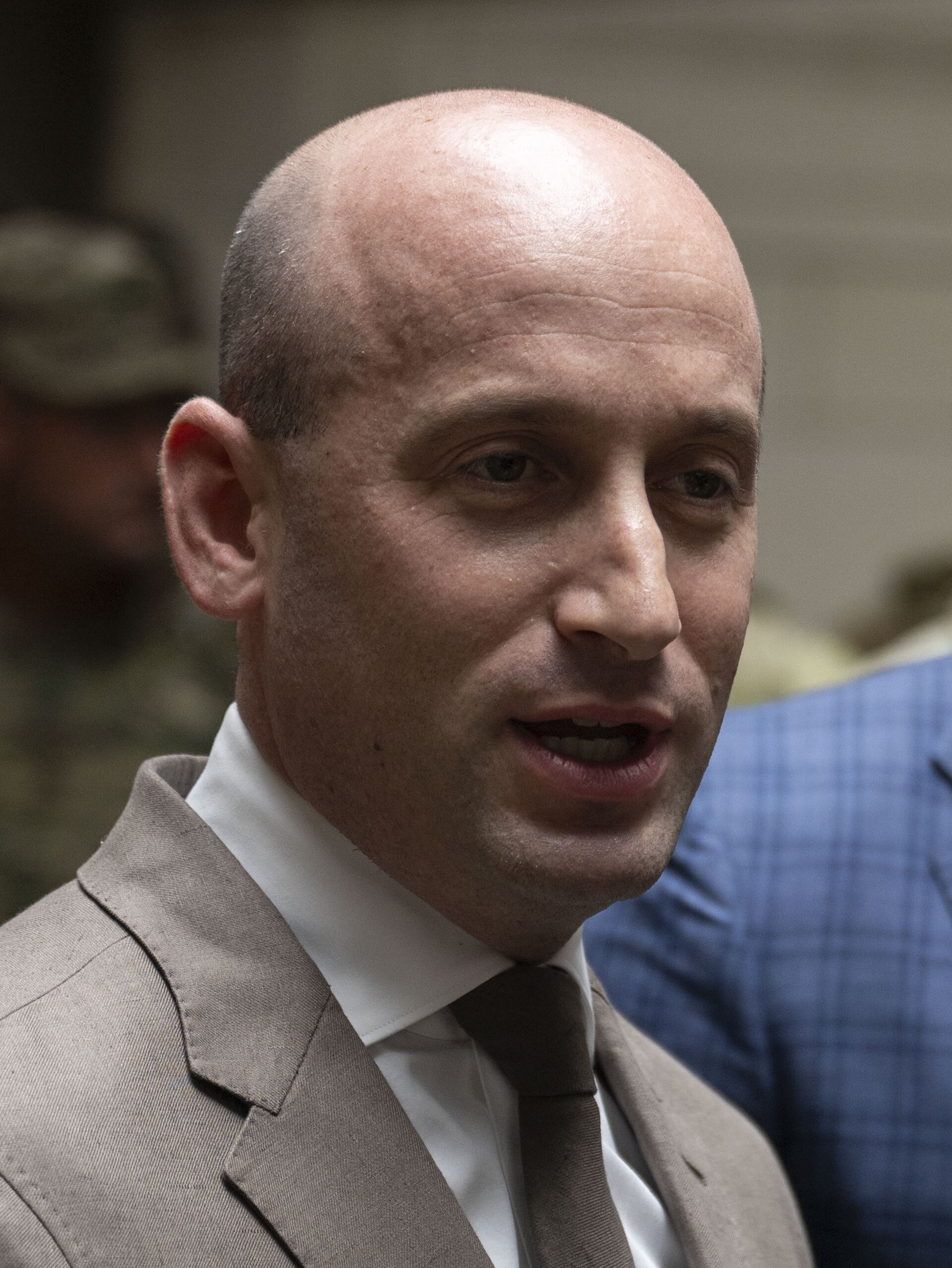
    2025 White House Deputy Chief of Staff Stephen Miller meets National Guard troops posted at Union Station in Washington, D.C. on August 20 (cropped)
    Image: U.S. Secretary of Defense, via Wikimedia Commons, Public domain.

    His broader point was familiar: that Democrats oppose initiatives the administration describes as necessary for public safety, border enforcement and national renewal. Supporters of that position can see Miller’s remarks as an emphatic defense of policies they believe opponents have tried to block through litigation and political pressure.

    But the most consequential part of the segment was not his immigration argument. It was his declaration that Democrats were “defending the sexual abusers” and “defending what’s putrid and hateful.” Those words became the focal point of the online response.

    Critics turned the accusation around

    Several prominent progressive commentators and accounts treated Miller’s language as a glaring contradiction rather than a persuasive attack. Zeteo founder Mehdi Hasan wrote that a “putrid and hateful guy who works for an adjudicated sexual abuser has views,” while the official MeidasTouch account responded simply: “Oof.”

    Democratic strategist Leslie Marshall also challenged Miller’s framing, citing Republican responses to issues involving the Epstein files, Texas Attorney General Ken Paxton and Rep. Max Miller. Those are political assertions made in a social-media exchange, not findings established by the Fox News segment itself, but they illustrate why the clip spread.

    The response was immediate because Miller’s wording supplied critics with a ready-made counterargument. Instead of debating the particulars of his border and court claims, they used his own language to question whether the administration has standing to deliver a moral denunciation of its opponents.

    Why the Trump connection matters

    The criticism repeatedly invoked Trump’s personal and political record. That requires careful distinction: public allegations are not all the same as court findings. Trump has denied wrongdoing in various matters, while a New York civil jury found him liable in 2023 for sexually abusing and defaming writer E. Jean Carroll; a later jury found him liable for additional defamation damages.

    That legal history is why critics viewed Miller’s reference to sexual abusers as unusually vulnerable to reversal. The dispute was not merely over tone. It was over who has credibility when using morally loaded language in a political fight.

    Raw Story also reported that commenters pointed to the administration’s handling of files connected to Jeffrey Epstein. The underlying records, public expectations around their release and the government’s decisions about disclosure are separate issues from the claims Miller made on Fox News. Yet in political messaging, those distinctions can collapse quickly when a high-profile official makes a sweeping accusation.

    Miller’s role raises the stakes

    Miller has long been one of Trump’s most forceful advocates for restrictive immigration policies and an aggressive use of executive power. A BBC profile described him as a conservative firebrand whose influence over the White House’s hard-line immigration agenda has made him a lightning rod for opponents.

    That profile helps explain the intensity of the response. Miller’s television appearances are often read as an extension of administration strategy, not as casual punditry. His words can be interpreted as a signal of the White House’s political posture toward courts, Democrats and immigration enforcement.

    To allies, that directness is the point. They may argue that Miller is naming what they regard as Democratic obstruction of enforcement priorities and that critics are avoiding the policy dispute by concentrating on a provocative phrase.

    To opponents, the appearance demonstrates the risk of rhetoric built around broad moral condemnation. When the speaker is closely tied to a polarizing president and contested policies, a line designed to place the other party on the defensive can create an opening for a wider indictment of the speaker’s own side.

    A familiar cable-news feedback loop

    The episode also shows how partisan television arguments now travel. A guest makes a forceful claim on air; a short clip circulates; political accounts isolate the most combustible sentence; and the argument moves from the original policy subject to the credibility of the people making it.

    That shift does not settle the underlying fight over immigration, court challenges or executive authority. Miller’s complaint about legal resistance to Trump policies is part of a larger and continuing conflict over what the administration can do, what Congress has authorized and when judges should intervene.

    Still, the rapid backlash changed the public frame of this particular appearance. The question was no longer only whether Democrats should oppose Trump’s agenda. It became whether Miller’s accusation about abuse and hate could withstand examination of the political coalition he serves.

    What remains unresolved after backlash

    Online reaction is not a measure of national opinion, and the cited responses came largely from Democratic and progressive voices. It does not show how Fox News viewers, Republican officials or the broader electorate assessed Miller’s argument.

    Nor does a viral rebuttal answer the policy questions Miller raised. Immigration enforcement, deportation priorities, border security and court oversight remain subjects of real disagreement, with sharply competing views on law, effectiveness and human consequences.

    What the segment does make clear is that moral language carries a special risk in a polarized environment. Miller sought to portray Democrats as defenders of conduct beyond the bounds of acceptable politics. Critics quickly argued that the charge described the contradictions of Trump-world more than it described its targets.

    For a senior White House adviser whose influence rests partly on his ability to deliver uncompromising arguments, that is the practical meaning of the backlash: the sharpest line in the speech became the one his opponents could most effectively use against him.

  • David Crowley Upsets Francesca Hong in Wisconsin’s Democratic Governor Primary

    David Crowley Upsets Francesca Hong in Wisconsin’s Democratic Governor Primary

    Francesca Hong entered Wisconsin’s Democratic primary for governor as the favorite. David Crowley’s upset victory offers a reminder that momentum in city-centered progressive races does not always translate to a battleground-state electorate.

    David Crowley defeated Francesca Hong in Wisconsin’s Democratic primary for governor, an unexpected result in which mainstream Democrats pulled off an upset against a democratic socialist. Hong had been widely seen as the favorite, but Crowley’s narrow victory suggests the democratic socialist movement still faces a difficult task when it tries to expand beyond urban strongholds into a competitive statewide electorate.

    The Wisconsin contest matters because it arrived after a string of high-profile wins by democratic socialists in major cities. Crowley, the Milwaukee County executive, now becomes Democrats’ nominee in a battleground state, while Hong’s loss complicates the idea that the party’s populist left can automatically turn local energy into statewide power.

    A favorite who fell short

    Hong, a Wisconsin state lawmaker and former restaurant owner, had built an unusually strong position for a candidate openly identified with democratic socialism. Reporting before the primary described left-leaning activists as increasingly confident that she could become the first democratic socialist in decades to win a gubernatorial primary.

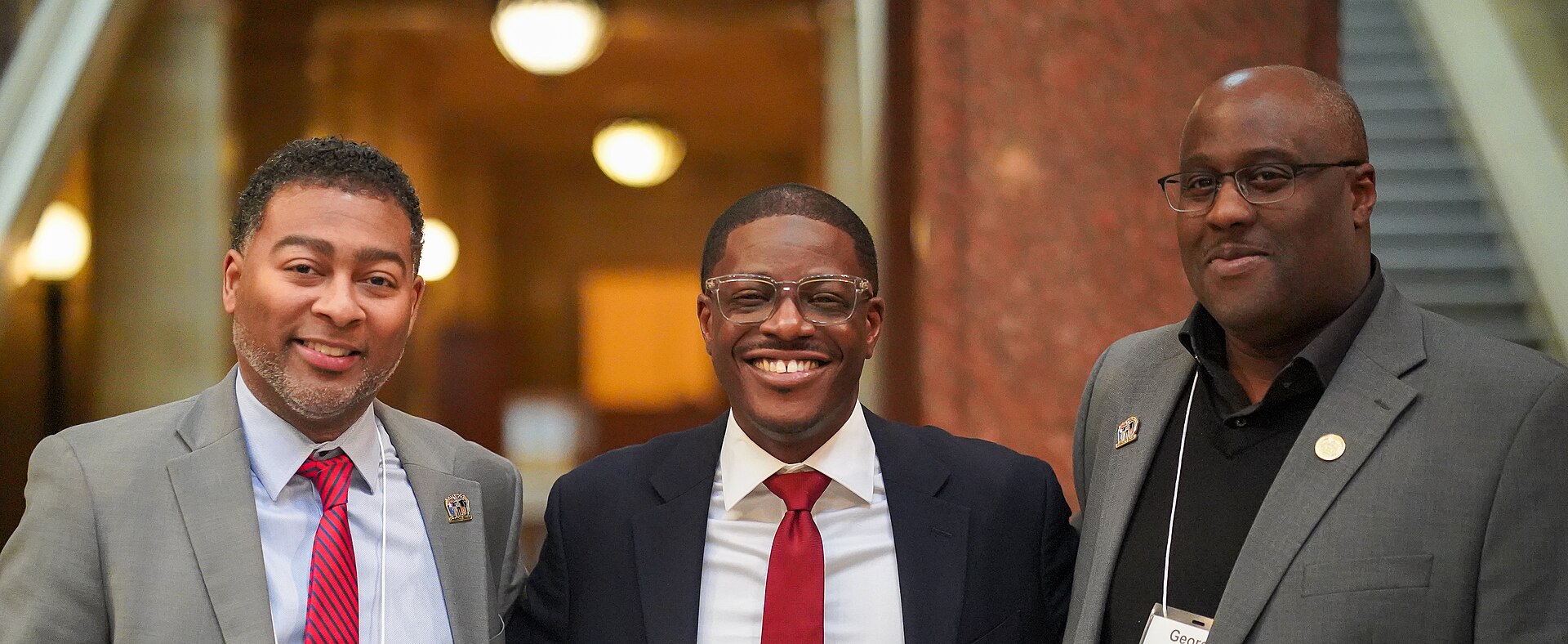
    David Crowley, Milwaukee County Executive, at the Wisconsin State Capitol, Madison, WI, February 26, 2026 03
    Image: LaShawnda Jones, via Wikimedia Commons, CC BY-SA 4.0.

    Her campaign appeared to fit a moment when progressive candidates had been attracting attention with messages focused on economic populism and dissatisfaction with the Democratic establishment. The expectation was not simply that Hong could compete; it was that her coalition would be large enough to carry Wisconsin’s Democratic electorate.

    That did not happen. The key distinction in the result is that Hong did not produce the outsized margins among favorable voters that her supporters had anticipated. A candidate can have enthusiastic volunteers, national ideological momentum and strength in liberal pockets of a state, yet still need a broader vote base to win a primary for governor.

    Crowley’s statewide coalition held

    Crowley’s victory does not fit neatly into a simple moderate-versus-progressive frame. He is a progressive Democrat in his own right, but his win was celebrated by party figures who had worried that a Hong nomination could create fresh uncertainty in Wisconsin’s general election.

    That distinction is important. The contest was not a referendum on whether Democratic voters want progressive policies. It was, at least in part, a contest over which kind of progressive candidate could assemble support across different communities, regions and levels of ideological intensity.

    Crowley’s position as Milwaukee County executive also gave him a recognizable governing profile in the state’s largest metro area. That is different from a campaign built chiefly around movement identity. In statewide races, familiarity, coalition relationships and perceived general-election viability can carry as much weight as an ideological label.

    The margin was described as razor-thin, so the result should not be read as a sweeping repudiation of Hong or the left. It does show, however, that a close race can turn on voters who are open to progressive politics but not necessarily aligned with the democratic socialist movement.

    Urban wins have different math

    Democratic socialists had reason to see 2026 as a breakthrough year. The movement had won a mayoral primary in Washington, D.C., as well as House primaries in New York, Detroit, Philadelphia and Denver, according to reporting on the Wisconsin race.

    Those victories demonstrated that democratic socialist candidates can organize effectively, motivate younger and more ideological voters, and win in places where dense urban networks make grassroots campaigning especially potent. They also gave Hong’s campaign a broader narrative: the left was no longer limited to symbolic protest campaigns.

    Wisconsin presented a different challenge. A governor’s primary reaches beyond a city or even a congressional district. It requires candidates to perform in metropolitan areas while also limiting losses or winning support in suburbs, smaller cities and rural communities with very different political concerns.

    That does not make urban victories insignificant. It means their lessons cannot be mechanically transferred. A successful citywide or district campaign may depend on a concentrated coalition; a statewide campaign needs that coalition plus enough voters who may be less ideological, less engaged in movement politics or more focused on electability.

    Why establishment Democrats cared

    For mainstream Democrats, Crowley’s win brought relief after months in which the party’s more traditional wing had watched democratic socialist candidates gain ground. A Hong nomination would have been historically notable and would have intensified a familiar Democratic argument over ideology, messaging and general-election strategy.

    Wisconsin is especially consequential because it is a swing state. Democrats are preparing for a general-election contest against Republican Representative Tom Tiffany, who is aligned with President Donald Trump’s political movement. In that setting, party leaders are likely to see Crowley as a nominee with a governing record and a potentially broader appeal.

    Supporters of Hong could reasonably argue that “electability” is often used to discount candidates who want more dramatic change. They may also point out that a narrow loss is evidence of substantial appetite for the left’s agenda, not proof that the agenda is unpopular.

    Crowley’s supporters can make the opposite case: that winning a statewide Democratic primary requires building a coalition larger than the most energized ideological faction. Both interpretations will shape the debate that follows, especially if future progressive candidates try to run statewide.

    Hong’s loss is not a final verdict

    One primary cannot settle the future of democratic socialism inside the Democratic Party. Hong’s campaign showed that a democratic socialist candidate could become a serious contender for a governorship in a politically important state, an outcome that would have seemed far less plausible in earlier election cycles.

    Her defeat does place limits around the movement’s current momentum. The clearer takeaway is not that democratic socialists cannot win outside cities, but that a statewide breakthrough demands more than favorable headlines, strong organizing and recent victories elsewhere.

    Hong called for party unity after the result, saying Wisconsin Democrats needed to fight for one another ahead of the general election. That response highlights the immediate political reality: Crowley and Hong’s supporters now share an interest in preventing an intraparty contest from weakening Democrats against Tiffany.

    What remains unclear is whether Crowley’s win will become a model for establishment-backed candidates elsewhere or an exception shaped by Wisconsin’s particular electorate. The answer will depend on whether democratic socialist campaigns can broaden their coalitions without losing the intensity that made their urban victories possible.

    The broader lesson from Wisconsin

    The upset is best understood as a warning against treating any political trend as inevitable. Democratic socialists have proved they can win meaningful elections, and Hong’s campaign made that expansion visible on a statewide stage. But elections are decided by the voters who show up in a particular place, not by a national storyline.

    Crowley’s victory gives mainstream Democrats evidence that their coalition-building approach can still prevail against a well-positioned left challenger. Hong’s strong pre-primary standing gives democratic socialists a different lesson: they are close enough to force the party to take them seriously, even when they fall short.

    For Wisconsin Democrats, the immediate question is no longer whether Hong could make history in the primary. It is whether Crowley can unite the competing wings of the party and carry that coalition into a general election in one of the country’s most closely watched states.

  • ICE Agent Points Gun at Carolina Molina in Falls Church Standoff

    ICE Agent Points Gun at Carolina Molina in Falls Church Standoff

    A recorded encounter near Falls Church has put competing accounts from Carolina Molina and the Department of Homeland Security under scrutiny. The Fairfax County Commonwealth’s Attorney is reviewing the video, but key questions about the confrontation remain unresolved.

    On Monday near Falls Church in Northern Virginia, an ICE agent pointed a gun at Carolina Molina, a Virginia woman who had shouted at ICE personnel, during a roadside confrontation captured on dashboard and cellphone video. U.S. Immigration and Customs Enforcement agents said Molina nearly ran them over; the Department of Homeland Security later said she tried to harm officers by weaponizing her car.

    The video conflicts with key parts of the government’s account, according to CNN’s review and Molina’s account of the incident. It shows why the encounter has drawn attention beyond one heated exchange: a firearm was displayed, federal agents made a serious accusation, and local prosecutors are now reviewing the footage.

    The encounter caught on video

    Molina, a licensed mental health therapist, said she was visiting immigration lawyers in Bailey’s Crossroads for work when she saw ICE agents taking people into custody. She told CNN affiliate WUSA that she yelled insults at the agents from her vehicle after seeing two Latino men being handcuffed and led toward an unmarked vehicle.

    Her dashboard footage records Molina using profanity toward the agents. She has said she then turned her vehicle around because she did not want to draw attention to the lawyers’ office, where she believed immigrants could be present.

    What followed is the core of the dispute. Video released by Molina shows a gray SUV pull in front of her vehicle. Masked federal agents get out, and one can be heard asking whether she was following them and saying she had almost run them over.

    An agent then threatens arrest and points a gun in Molina’s direction. The weapon appears to remain out for much of the recorded exchange before the agents return to their vehicles and leave.

    DHS says her car was weaponized

    In a statement provided to CNN, a DHS spokesperson described Molina as an “anti-ICE agitator.” The department said she drove in circles around officers and attempted to hurt them by using her vehicle as a weapon while trying to help people evade immigration enforcement.

    DHS said the officers were conducting an operation focused on people it described as criminal undocumented immigrants, including people accused of hit-and-run and drug-trafficking offenses and those with final removal orders.

    The department also said Molina could face criminal prosecution. It did not publicly specify a charge in the material reported by CNN, and the available account does not establish that any charge had been filed.

    DHS framed the agent’s response within a broader safety argument, saying its personnel have faced increases in assaults, vehicular attacks and death threats. That context explains the department’s position that officers acted according to their training, but it does not settle what happened during this particular encounter.

    Molina disputes the allegation

    Molina has forcefully denied trying to strike or threaten anyone. In the video, she can be heard challenging the claim that she tried to run over agents and referring to her dashcam recording.

    At a Wednesday news conference, Molina said she was trying to leave when agents blocked her in. She said the situation shifted after she began recording with her phone, when an agent accused her of trying to run them over.

    Her account and the video do not erase the possibility that agents perceived a risk based on events outside the recorded frame. Yet the footage has become significant precisely because it captures the most consequential visible moment: an armed federal agent confronting a civilian in a vehicle.

    Molina has called for an investigation and for any available body-camera footage to be released. Such footage, if it exists and is made public, could offer a fuller view of the movements leading up to the confrontation.

    Why the video matters now

    Video increasingly determines how quickly official accounts of enforcement encounters are tested. In this case, the recordings preserve the words exchanged, the positioning of the vehicles at key moments and the fact that an agent displayed a firearm.

    They do not, on their own, answer every factual question. The earlier interaction Molina described involving detained men was not visible in the footage cited by CNN, and video may not show all the vehicle movement that prompted the agents’ response.

    Still, a claim that a person used a car as a weapon carries substantial legal and public consequences. It can justify a high-alert response by officers, shape public perception of the civilian involved and potentially support criminal allegations. That raises the stakes for a careful review of every available recording, rather than reliance on either side’s account alone.

    The episode also lands amid sustained conflict over ICE operations in Northern Virginia and elsewhere. Residents and immigrant-rights advocates have increasingly documented enforcement activity, while DHS has argued that its agents face unusually dangerous conditions and require room to protect themselves.

    Prosecutors are reviewing footage

    The office of Fairfax County Commonwealth’s Attorney Steve Descano told CNN it was aware of community concerns and was reviewing the incident. The office did not announce a finding or say whether its review would lead to any action.

    Rep. Don Beyer, whose Virginia district includes Bailey’s Crossroads, said he had been in touch with Molina and called for answers and accountability. His comments reflect one side of the political response; DHS maintains its officers acted to protect themselves, fellow officers and the public.

    For now, the strongest documented facts are narrow but important: Molina shouted at ICE agents, agents confronted her vehicle, one agent pointed a gun at her, and DHS says it believed her vehicle posed a danger. The disagreement is over whether the evidence supports the government’s far more serious allegation that she tried to harm officers.

    The unanswered questions ahead

    The next phase depends on evidence not yet publicly available. Investigators may seek body-camera video, surveillance footage, radio traffic, witness accounts and a precise timeline of the vehicles’ movements before Molina began recording.

    It is also unclear whether DHS will provide additional detail supporting its claim or whether Molina will face any formal allegation. Until then, the case remains an example of how quickly a volatile enforcement encounter can become a public dispute over what the camera shows, what it misses and whose account can be verified.

    The prosecutor’s review may clarify those questions. It may also leave the public with a broader concern: when a federal agent draws a gun during a civilian encounter, the threshold for transparency is necessarily high.

  • Kennedy Center Board Approves Two-Year Closure for Washington Renovations

    Kennedy Center Board Approves Two-Year Closure for Washington Renovations

    Washington’s landmark performing arts venue could largely go dark for two years as leaders pursue extensive repairs. The decision puts needed infrastructure work alongside an unresolved fight over the board’s authority and the building’s future.

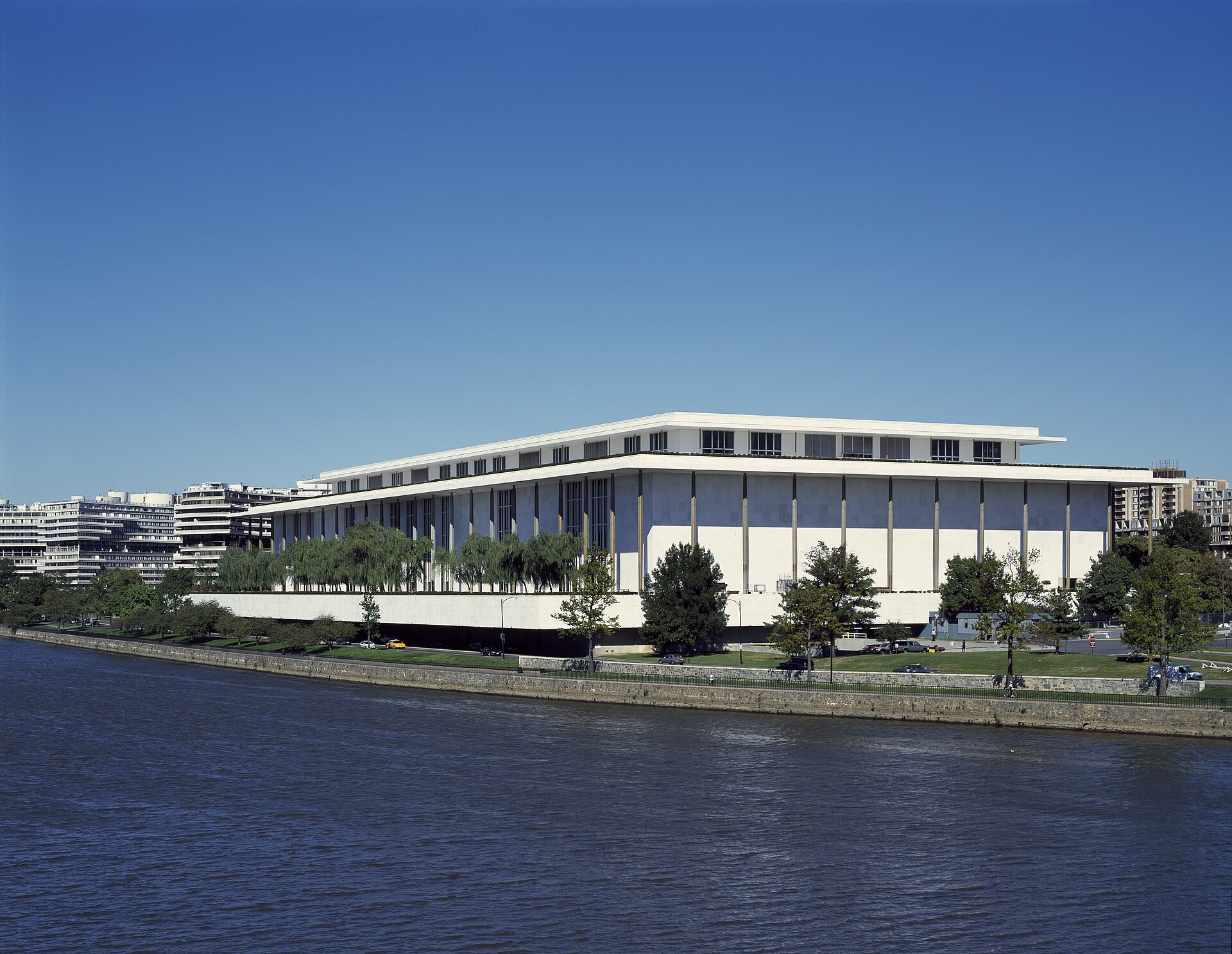
    The Kennedy Center board approved a two-year closure for renovations at the Kennedy Center in Washington, D.C., according to reporting by The Associated Press. The decision would close most of the landmark performing arts complex while extensive work is carried out, though some programming could still be considered for its outdoor Reach space.

    For patrons, artists and the city’s cultural calendar, the practical question is how much of the center will remain accessible. For the institution’s leaders and critics, the bigger issue is whether the board has adequately justified a sweeping shutdown after a federal judge blocked an earlier two-year closure proposal.

    Most of the complex could close

    AP reported that the board chose a two-year closure during a lengthy virtual meeting. The proposal calls for shutting most of the building to make room for substantial renovations, rather than attempting to complete repairs piecemeal while full operations continue.

    Moulin Rouge at the John F. Kennedy Center for the Performing Arts
    Image: Sdkb, via Wikimedia Commons, CC BY-SA 4.0.

    The action does not necessarily mean every Kennedy Center activity disappears for two years. The board left open the possibility of some programming at the Reach, the center’s outdoor arts space. But the scope, schedule and practical availability of that programming have not been detailed.

    No specific start and end dates for the newly approved closure were provided in the AP report. That leaves ticket holders, resident arts groups and visitors waiting for basic operational details, including which venues and services would be affected first.

    Officials cite urgent building needs

    Kennedy Center leadership has argued that the building needs serious repair and modernization. In an April tour for journalists, executive director and chief operating officer Matt Floca pointed to severe water damage and corrosion affecting steel, according to AP.

    Floca also highlighted aging equipment, including several chillers used to cool the facility that are decades old. He said completing the work all at once, during a defined closure, would be the more efficient approach than tackling individual projects around performances and public activity.

    That case is easy to understand at a facility with demanding technical needs: theaters, rehearsal areas, public gathering spaces and building systems all have to operate reliably. A partial repair approach can stretch work over years, increase disruption and make it harder to coordinate major infrastructure projects.

    Still, a claim that repairs are necessary does not by itself settle the dispute over how much should close, for how long, or whether alternatives received real consideration.

    A judge already rejected one plan

    The new vote comes after U.S. District Judge Christopher Cooper blocked an earlier two-year closure that had been scheduled to begin July 5. AP reported that Cooper described the prior board action as “ill-informed and seemingly preordained.”

    Before the latest meeting, Kennedy Center leaders said trustees would be given three possible paths: a full shutdown, a partial closure allowing limited public access and programming in unaffected spaces, or highly limited phased closures focused on the most urgent infrastructure problems while preserving a full programming slate.

    The board’s choice of a two-year closure may renew scrutiny of whether those options were substantively weighed. Rep. Joyce Beatty, an Ohio Democrat and ex-officio board member, said the moves amounted to an effort to circumvent the court’s ruling and said she would continue to oppose them.

    A Kennedy Center representative did not immediately respond to AP’s request for comment after the meeting. It remains unclear whether the revised plan will face a new court challenge, or how the board believes it addresses the concerns Cooper raised about the earlier vote.

    The vote included a Trump tribute

    The closure decision was made alongside other changes involving President Donald Trump. AP reported that the board voted to add Trump’s name to the facade, with the proposed wording: “The John F. Kennedy Center for the Performing Arts Restored and Renovated By President Donald J. Trump.”

    The plaza in front of the building would also be named for Trump under the board’s action. Those proposals carry legal and political significance because Cooper previously ordered letters bearing Trump’s name removed from the building, finding that they had been installed illegally.

    Trump became chairman after returning to office in 2025, when he moved to replace the institution’s leadership and much of its board. The Kennedy Center has since become a prominent arena for arguments over presidential influence, governance of public institutions and the use of nationally recognized landmarks.

    Supporters can view a renovation as an overdue investment in a major cultural asset. Critics see the simultaneous renaming and closure moves as evidence that a public institution is being reshaped without sufficient independent oversight. Both arguments now sit beside the more immediate need to keep an aging building safe and functional.

    Access is the immediate unknown

    The Kennedy Center is not simply a theater building; it is a major public destination on the Potomac and a home for concerts, theater, dance, education programs and national cultural events. A long closure could reshape where performances are staged and how audiences encounter the institution.

    The potential use of the Reach offers one route to retain a public presence, particularly in favorable weather. Yet outdoor programming cannot readily substitute for the center’s indoor performance halls, technical capacity or year-round calendar.

    Details that matter most have not been announced: the exact construction timeline, the renovation budget, whether events will move to partner venues, the extent of continued public access and how existing programming commitments will be handled. Those answers will determine whether the closure functions as a focused repair project or a much broader interruption to Washington’s arts ecosystem.

    The next fight may be procedural

    The board has made its choice, but approval is only one step. Any effort to implement the two-year closure must contend with the previous court ruling, possible legal objections and the need to communicate clear plans to performers, workers, donors and audiences.

    The central tension is not whether old buildings need maintenance. It is whether a two-year shutdown is the proportionate, legally sound way to complete it. Until the Kennedy Center releases a fuller plan, the public has a major decision but not yet a complete picture of how the nation’s cultural center will operate while it is under renovation.

  • Karoline Leavitt to Exit White House as Todd Blanche Memo Theory Swirls

    Karoline Leavitt to Exit White House as Todd Blanche Memo Theory Swirls

    Karoline Leavitt’s announced departure has prompted speculation after an expert connected it to a reported Todd Blanche memo. The publicly available record confirms Leavitt’s plans, but leaves major questions about the alleged link unanswered.

    Karoline Leavitt is leaving her role as White House press secretary, and an expert has linked her departure to Todd Blanche’s surprise memo after his confirmation as attorney general. The reported connection follows Blanche’s 50-49 U.S. Senate confirmation on August 8, 2026, but the available reporting does not establish that the memo caused Leavitt’s exit.

    What is clear in the United States is that Leavitt plans to step down at the end of the month. What remains unclear is whether Blanche’s reported memo had any role in the decision, or whether the theory is reading a personnel change through the lens of a broader White House shake-up.

    Leavitt’s departure is confirmed

    President Donald Trump and Leavitt announced that she would leave the press secretary job to spend more time with her family. The New York Times reported that Trump said Leavitt, who recently returned from maternity leave after having her second child, would step down at the end of August.

    Karoline Leavitt at her first Press Conference in 2025
    Image: YouTube channel called White House, via Wikimedia Commons, Public domain.

    Trump also said Leavitt would remain one of his outside advisers and an influential Republican voice. That detail matters: the announcement was not framed as a break with the president or an abrupt removal from his political orbit.

    Leavitt said serving as press secretary had been “the honor and adventure of a lifetime.” Trump did not name a replacement or provide a timetable for selecting one.

    The Blanche memo claim lacks detail

    The report driving the speculation says an expert tied Leavitt’s departure to a surprise memo by Todd Blanche after his confirmation. But the material available for review does not identify the expert, describe the memo’s language, say where it was sent, or show direct evidence linking it to Leavitt’s decision.

    That leaves an important gap between a provocative theory and a verified account. A memo can trigger internal debate, signal a change in management or alter the balance of influence inside an administration without being the reason a specific official leaves.

    There is also no public statement in the available reporting from Leavitt, Trump, Blanche, the White House or the Justice Department confirming a connection between the two events.

    Why the timing invites scrutiny

    The timing is naturally drawing attention because Leavitt is among the administration’s most visible communicators. A transition in that position can affect how a White House responds to legal disputes, policy fights, foreign events and the approaching midterm campaign.

    Blanche, meanwhile, would hold an office with unusual institutional weight if the reported confirmation and memo details are accurate. The attorney general oversees the Justice Department, while the press secretary shapes the administration’s public explanation of its decisions. That proximity can make any perceived overlap seem more significant than the available evidence supports.

    Supporters of the memo theory may see a pattern in the timing. Skeptics can reasonably point to the explanation supplied by Leavitt and Trump: a planned departure centered on family, coupled with a continuing advisory role.

    A high-profile role at a sensitive moment

    Leavitt, 28, was the youngest person to serve as White House press secretary, according to the Times. She had worked for Trump during his first term and on his campaign before taking one of the most demanding public-facing jobs in the administration.

    Her departure comes as Trump faces domestic and international pressures and looks toward November’s midterm elections. Press secretaries do more than deliver daily briefings; they defend policy, manage political fallout and help set the administration’s message when events move quickly.

    Replacing an experienced spokesperson is therefore a consequential staffing decision even when the reason for leaving is straightforward. The choice of successor could reveal whether the White House wants continuity in tone, a more aggressive political messenger or a different approach to briefing the press.

    What would prove a connection

    For the claim that Leavitt’s exit was tied to Blanche’s memo to move beyond speculation, public evidence would need to show more than a close sequence of events. That could include the text of the memo, confirmed recipients, a statement from an involved official, or reporting based on named or independently corroborated sources.

    Absent that evidence, the responsible reading is narrower: Leavitt’s departure is real, her stated reason has been publicly presented, and a reported theory has attached significance to a Blanche memo whose substance and relevance have not been established.

    The unanswered questions are substantial. Was there a memo? What did it direct or signal? Did it concern White House staffing or communications at all? Until those points are documented, the reported link should be treated as an allegation, not an explanation.

    The practical takeaway for readers

    The immediate development is a pending change at the White House podium, not a proven clash between Leavitt and Blanche. Trump’s announcement suggests Leavitt is expected to remain connected to his political operation, which cuts against claims of a clean rupture unless new evidence emerges.

    At the same time, the episode shows why personnel announcements can become magnets for broader theories in Washington. When powerful officials change roles at roughly the same time, chronology can be informative—but it is not proof of cause.

    Readers watching this story should look for a named replacement, a formal White House explanation of the transition, and independently documented details about the reported Blanche memo. Those developments would provide a firmer basis for judging whether there is a meaningful connection or simply a coincidence in timing.