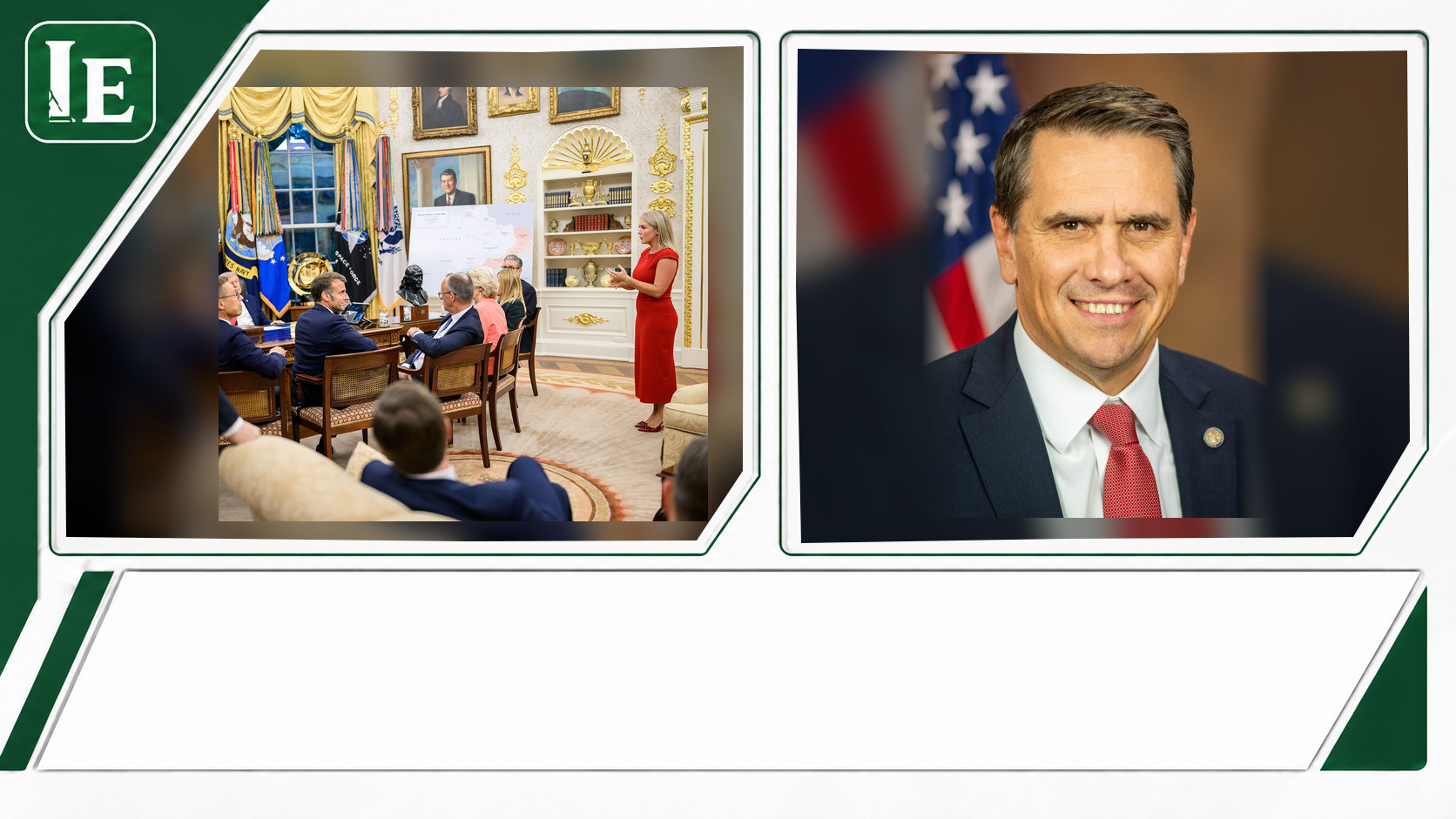
Karoline Leavitt’s announced departure has prompted speculation after an expert connected it to a reported Todd Blanche memo. The publicly available record confirms Leavitt’s plans, but leaves major questions about the alleged link unanswered.
Karoline Leavitt is leaving her role as White House press secretary, and an expert has linked her departure to Todd Blanche’s surprise memo after his confirmation as attorney general. The reported connection follows Blanche’s 50-49 U.S. Senate confirmation on August 8, 2026, but the available reporting does not establish that the memo caused Leavitt’s exit.
What is clear in the United States is that Leavitt plans to step down at the end of the month. What remains unclear is whether Blanche’s reported memo had any role in the decision, or whether the theory is reading a personnel change through the lens of a broader White House shake-up.
Leavitt’s departure is confirmed
President Donald Trump and Leavitt announced that she would leave the press secretary job to spend more time with her family. The New York Times reported that Trump said Leavitt, who recently returned from maternity leave after having her second child, would step down at the end of August.
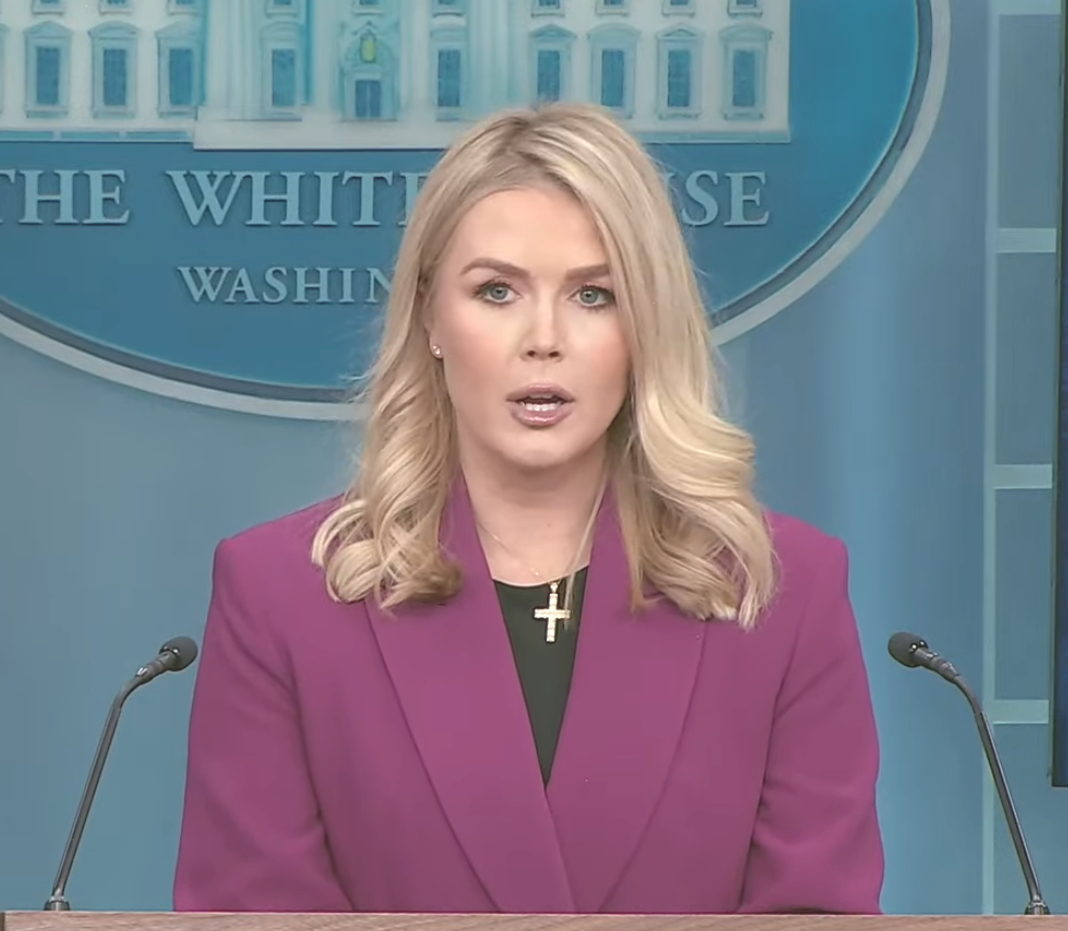
Trump also said Leavitt would remain one of his outside advisers and an influential Republican voice. That detail matters: the announcement was not framed as a break with the president or an abrupt removal from his political orbit.
Leavitt said serving as press secretary had been “the honor and adventure of a lifetime.” Trump did not name a replacement or provide a timetable for selecting one.
The Blanche memo claim lacks detail
The report driving the speculation says an expert tied Leavitt’s departure to a surprise memo by Todd Blanche after his confirmation. But the material available for review does not identify the expert, describe the memo’s language, say where it was sent, or show direct evidence linking it to Leavitt’s decision.
That leaves an important gap between a provocative theory and a verified account. A memo can trigger internal debate, signal a change in management or alter the balance of influence inside an administration without being the reason a specific official leaves.
There is also no public statement in the available reporting from Leavitt, Trump, Blanche, the White House or the Justice Department confirming a connection between the two events.
Why the timing invites scrutiny
The timing is naturally drawing attention because Leavitt is among the administration’s most visible communicators. A transition in that position can affect how a White House responds to legal disputes, policy fights, foreign events and the approaching midterm campaign.
Blanche, meanwhile, would hold an office with unusual institutional weight if the reported confirmation and memo details are accurate. The attorney general oversees the Justice Department, while the press secretary shapes the administration’s public explanation of its decisions. That proximity can make any perceived overlap seem more significant than the available evidence supports.
Supporters of the memo theory may see a pattern in the timing. Skeptics can reasonably point to the explanation supplied by Leavitt and Trump: a planned departure centered on family, coupled with a continuing advisory role.
A high-profile role at a sensitive moment
Leavitt, 28, was the youngest person to serve as White House press secretary, according to the Times. She had worked for Trump during his first term and on his campaign before taking one of the most demanding public-facing jobs in the administration.
Her departure comes as Trump faces domestic and international pressures and looks toward November’s midterm elections. Press secretaries do more than deliver daily briefings; they defend policy, manage political fallout and help set the administration’s message when events move quickly.
Replacing an experienced spokesperson is therefore a consequential staffing decision even when the reason for leaving is straightforward. The choice of successor could reveal whether the White House wants continuity in tone, a more aggressive political messenger or a different approach to briefing the press.
What would prove a connection
For the claim that Leavitt’s exit was tied to Blanche’s memo to move beyond speculation, public evidence would need to show more than a close sequence of events. That could include the text of the memo, confirmed recipients, a statement from an involved official, or reporting based on named or independently corroborated sources.
Absent that evidence, the responsible reading is narrower: Leavitt’s departure is real, her stated reason has been publicly presented, and a reported theory has attached significance to a Blanche memo whose substance and relevance have not been established.
The unanswered questions are substantial. Was there a memo? What did it direct or signal? Did it concern White House staffing or communications at all? Until those points are documented, the reported link should be treated as an allegation, not an explanation.
The practical takeaway for readers
The immediate development is a pending change at the White House podium, not a proven clash between Leavitt and Blanche. Trump’s announcement suggests Leavitt is expected to remain connected to his political operation, which cuts against claims of a clean rupture unless new evidence emerges.
At the same time, the episode shows why personnel announcements can become magnets for broader theories in Washington. When powerful officials change roles at roughly the same time, chronology can be informative—but it is not proof of cause.
Readers watching this story should look for a named replacement, a formal White House explanation of the transition, and independently documented details about the reported Blanche memo. Those developments would provide a firmer basis for judging whether there is a meaningful connection or simply a coincidence in timing.
Leave a Reply