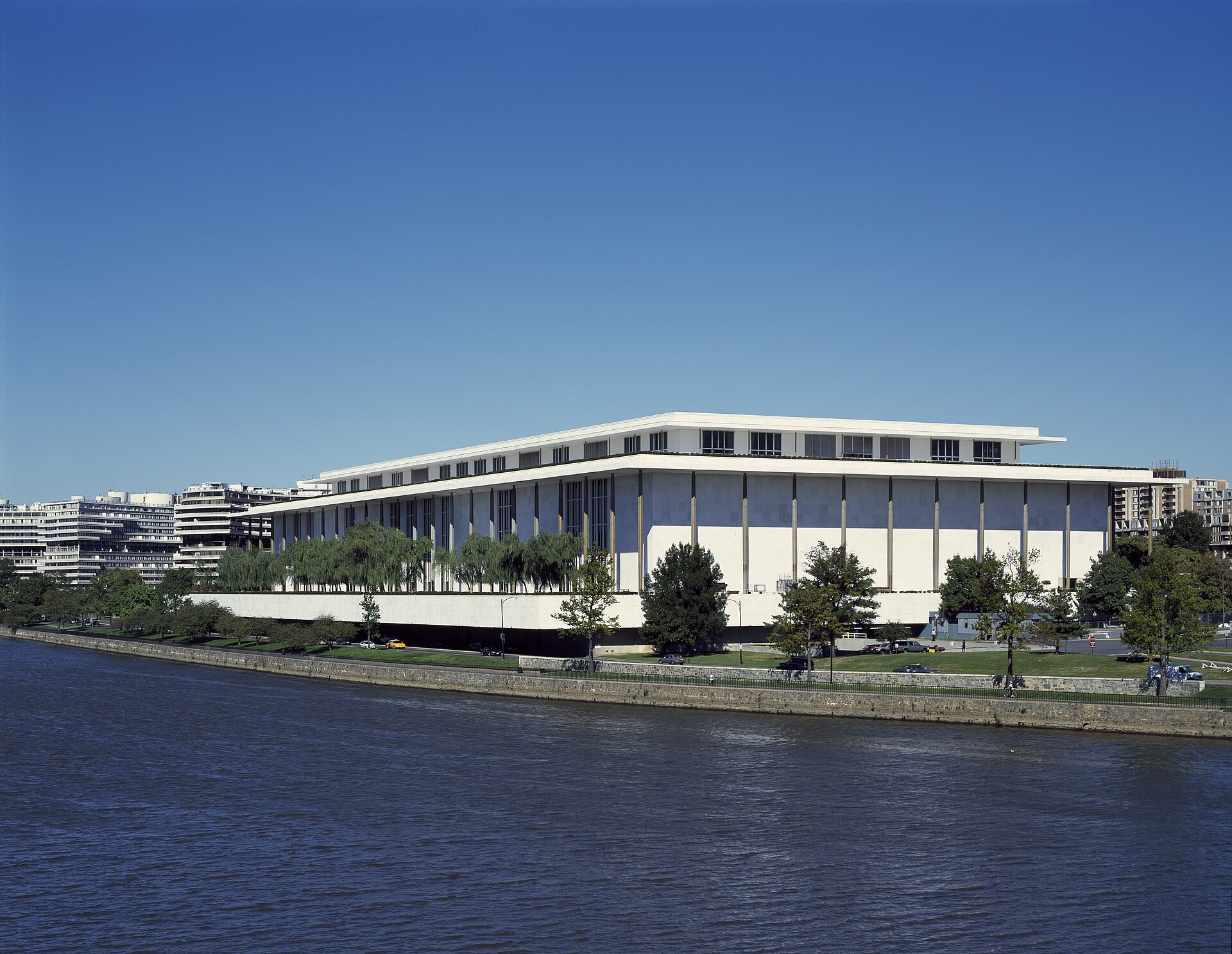
Washington’s landmark performing arts venue could largely go dark for two years as leaders pursue extensive repairs. The decision puts needed infrastructure work alongside an unresolved fight over the board’s authority and the building’s future.
The Kennedy Center board approved a two-year closure for renovations at the Kennedy Center in Washington, D.C., according to reporting by The Associated Press. The decision would close most of the landmark performing arts complex while extensive work is carried out, though some programming could still be considered for its outdoor Reach space.
For patrons, artists and the city’s cultural calendar, the practical question is how much of the center will remain accessible. For the institution’s leaders and critics, the bigger issue is whether the board has adequately justified a sweeping shutdown after a federal judge blocked an earlier two-year closure proposal.
Most of the complex could close
AP reported that the board chose a two-year closure during a lengthy virtual meeting. The proposal calls for shutting most of the building to make room for substantial renovations, rather than attempting to complete repairs piecemeal while full operations continue.
The action does not necessarily mean every Kennedy Center activity disappears for two years. The board left open the possibility of some programming at the Reach, the center’s outdoor arts space. But the scope, schedule and practical availability of that programming have not been detailed.
No specific start and end dates for the newly approved closure were provided in the AP report. That leaves ticket holders, resident arts groups and visitors waiting for basic operational details, including which venues and services would be affected first.
Officials cite urgent building needs
Kennedy Center leadership has argued that the building needs serious repair and modernization. In an April tour for journalists, executive director and chief operating officer Matt Floca pointed to severe water damage and corrosion affecting steel, according to AP.
Floca also highlighted aging equipment, including several chillers used to cool the facility that are decades old. He said completing the work all at once, during a defined closure, would be the more efficient approach than tackling individual projects around performances and public activity.
That case is easy to understand at a facility with demanding technical needs: theaters, rehearsal areas, public gathering spaces and building systems all have to operate reliably. A partial repair approach can stretch work over years, increase disruption and make it harder to coordinate major infrastructure projects.
Still, a claim that repairs are necessary does not by itself settle the dispute over how much should close, for how long, or whether alternatives received real consideration.
A judge already rejected one plan
The new vote comes after U.S. District Judge Christopher Cooper blocked an earlier two-year closure that had been scheduled to begin July 5. AP reported that Cooper described the prior board action as “ill-informed and seemingly preordained.”
Before the latest meeting, Kennedy Center leaders said trustees would be given three possible paths: a full shutdown, a partial closure allowing limited public access and programming in unaffected spaces, or highly limited phased closures focused on the most urgent infrastructure problems while preserving a full programming slate.
The board’s choice of a two-year closure may renew scrutiny of whether those options were substantively weighed. Rep. Joyce Beatty, an Ohio Democrat and ex-officio board member, said the moves amounted to an effort to circumvent the court’s ruling and said she would continue to oppose them.
A Kennedy Center representative did not immediately respond to AP’s request for comment after the meeting. It remains unclear whether the revised plan will face a new court challenge, or how the board believes it addresses the concerns Cooper raised about the earlier vote.
The vote included a Trump tribute
The closure decision was made alongside other changes involving President Donald Trump. AP reported that the board voted to add Trump’s name to the facade, with the proposed wording: “The John F. Kennedy Center for the Performing Arts Restored and Renovated By President Donald J. Trump.”
The plaza in front of the building would also be named for Trump under the board’s action. Those proposals carry legal and political significance because Cooper previously ordered letters bearing Trump’s name removed from the building, finding that they had been installed illegally.
Trump became chairman after returning to office in 2025, when he moved to replace the institution’s leadership and much of its board. The Kennedy Center has since become a prominent arena for arguments over presidential influence, governance of public institutions and the use of nationally recognized landmarks.
Supporters can view a renovation as an overdue investment in a major cultural asset. Critics see the simultaneous renaming and closure moves as evidence that a public institution is being reshaped without sufficient independent oversight. Both arguments now sit beside the more immediate need to keep an aging building safe and functional.
Access is the immediate unknown
The Kennedy Center is not simply a theater building; it is a major public destination on the Potomac and a home for concerts, theater, dance, education programs and national cultural events. A long closure could reshape where performances are staged and how audiences encounter the institution.
The potential use of the Reach offers one route to retain a public presence, particularly in favorable weather. Yet outdoor programming cannot readily substitute for the center’s indoor performance halls, technical capacity or year-round calendar.
Details that matter most have not been announced: the exact construction timeline, the renovation budget, whether events will move to partner venues, the extent of continued public access and how existing programming commitments will be handled. Those answers will determine whether the closure functions as a focused repair project or a much broader interruption to Washington’s arts ecosystem.
The next fight may be procedural
The board has made its choice, but approval is only one step. Any effort to implement the two-year closure must contend with the previous court ruling, possible legal objections and the need to communicate clear plans to performers, workers, donors and audiences.
The central tension is not whether old buildings need maintenance. It is whether a two-year shutdown is the proportionate, legally sound way to complete it. Until the Kennedy Center releases a fuller plan, the public has a major decision but not yet a complete picture of how the nation’s cultural center will operate while it is under renovation.
Leave a Reply