Blog

  • Reports Say Jennifer Aniston Is Supportive of Brad Pitt’s Return to Drinking

    Reports Say Jennifer Aniston Is Supportive of Brad Pitt’s Return to Drinking

    A reported private reaction from Jennifer Aniston has put renewed attention on Brad Pitt’s relationship with alcohol and the former couple’s long-scrutinized history. The key detail is what has—and has not—been publicly confirmed.

    Jennifer Aniston reportedly supports Brad Pitt after he reportedly started drinking again following more than seven years of sobriety. But the account of Aniston’s nonjudgmental reaction came from unnamed sources rather than a public statement by Aniston, and neither actor appears to have directly addressed the reported private exchange.

    The claim has drawn attention because of Aniston and Pitt’s history, yet it also involves a sensitive subject that cannot be reduced to celebrity relationship gossip. What is established, what is reported and what remains private are three different things in this story.

    The report centers on support

    Coverage of the situation says Aniston is not judging Pitt over his reported decision to drink again. One unnamed source said she is still rooting for him and wants him to be happy.

    Grupo Amor y Fe Alcoholics Anonymous Los Angeles
    Image: Downtowngal, via Wikimedia Commons, CC BY-SA 4.0.

    The same account characterized Aniston, Pitt’s former wife, as accepting of him having a drink socially. That framing presents her alleged reaction as compassionate and hands-off rather than critical.

    It is an attention-grabbing account largely because the two actors’ former marriage has remained a point of public fascination long after it ended. Yet the central claim is still a description of an alleged private feeling, not a statement made by Aniston herself.

    No public quote from Aniston

    The most important limitation is straightforward: there is no public quote from Aniston in the available material confirming that she supports Pitt’s reported return to drinking, discussed his choices with people close to him or said she would drink with him.

    Anonymous sourcing is common in entertainment coverage, especially when reports concern private conversations and emotional reactions. It can point to information that is not otherwise public, but readers cannot independently assess a source’s closeness to the people involved, their motives or the precise basis for the claim.

    That distinction matters here. A report that Aniston is supportive may suggest goodwill, but it does not establish how often she and Pitt communicate, what their current relationship is like or whether the reported account reflects a conversation between them.

    • Public context: Pitt has spoken previously about getting sober and attending Alcoholics Anonymous.
    • Reported recent development: Pitt has allegedly resumed drinking with greater restraint after years without alcohol.
    • Unconfirmed personal claim: Aniston reportedly reacted without judgment and supports his right to make his own choices.

    Pitt has discussed sobriety before

    Pitt’s past comments give the story a factual foundation, even if they do not confirm every newer detail. In a 2019 interview with The New York Times, he spoke about attending Alcoholics Anonymous after his separation from Angelina Jolie.

    He said at the time that he had taken his drinking privileges “as far as I could take it.” Those on-the-record remarks explain why reports of a change in his approach to alcohol have attracted attention.

    According to the newer accounts, Pitt said in an Esquire interview that he had begun drinking again after a lengthy period without alcohol and was approaching it with more restraint. The reports describe the sober period as more than seven years, although coverage differs on the precise length.

    Past disclosures about sobriety do not provide an outside view of Pitt’s present health, recovery plan or personal circumstances. Those are private matters, and the available reporting does not establish them.

    Old relationship interest drives attention

    Aniston and Pitt were married from 2000 until their divorce was finalized in 2005. Their brief public reunion at the 2020 Screen Actors Guild Awards renewed attention around a relationship that had already been heavily covered for decades.

    That history helps explain why a reported response from Aniston has become part of a story about Pitt. Celebrity coverage often turns a development involving one former partner into a measure of the other person’s feelings.

    In this case, the lack of alleged conflict is the main hook. Reports depict a former spouse who may be wishing Pitt well without attempting to control his choices.

    That may be a meaningful interpretation to some readers, but it is still an interpretation. An unnamed source’s portrayal of cordiality is not proof of the present-day nature, depth or frequency of contact between Aniston and Pitt.

    Support is not the same as approval

    The reported account has been framed as an example of support without judgment. For some people, that can mean recognizing another adult’s autonomy while hoping they are well; it does not necessarily mean endorsing every decision they make.

    There is also a reasonable competing view. For people with experience of recovery, a return to drinking can carry substantial emotional weight, and moderation is not a universal path. No celebrity report can determine what is safe, healthy or appropriate for Pitt, or for anyone else.

    That is why the story should not be treated as medical guidance or a simple redemption narrative. Only Pitt could fully explain his current circumstances, and he has not publicly addressed the reported details described in the coverage.

    The confirmed picture remains narrow

    The clearest takeaway is more limited than the headline attention around the story. Pitt has publicly discussed past sobriety and Alcoholics Anonymous. Newer reports say he is drinking again with restraint after years without alcohol.

    Separately, unnamed sources say Aniston is not judging him and supports his choices. Those claims may indicate goodwill between two high-profile former partners, but they remain unconfirmed by either actor.

    Unless Aniston or Pitt addresses the reports directly, the details of any conversations between them—and Pitt’s current relationship with alcohol—remain private. Careful language is not a technicality in this case; it is the line between established public information and an unverified account of a personal reaction.
  • Bryan Randall’s ALS Death at 57 Put Sandra Bullock’s Private Grief in View

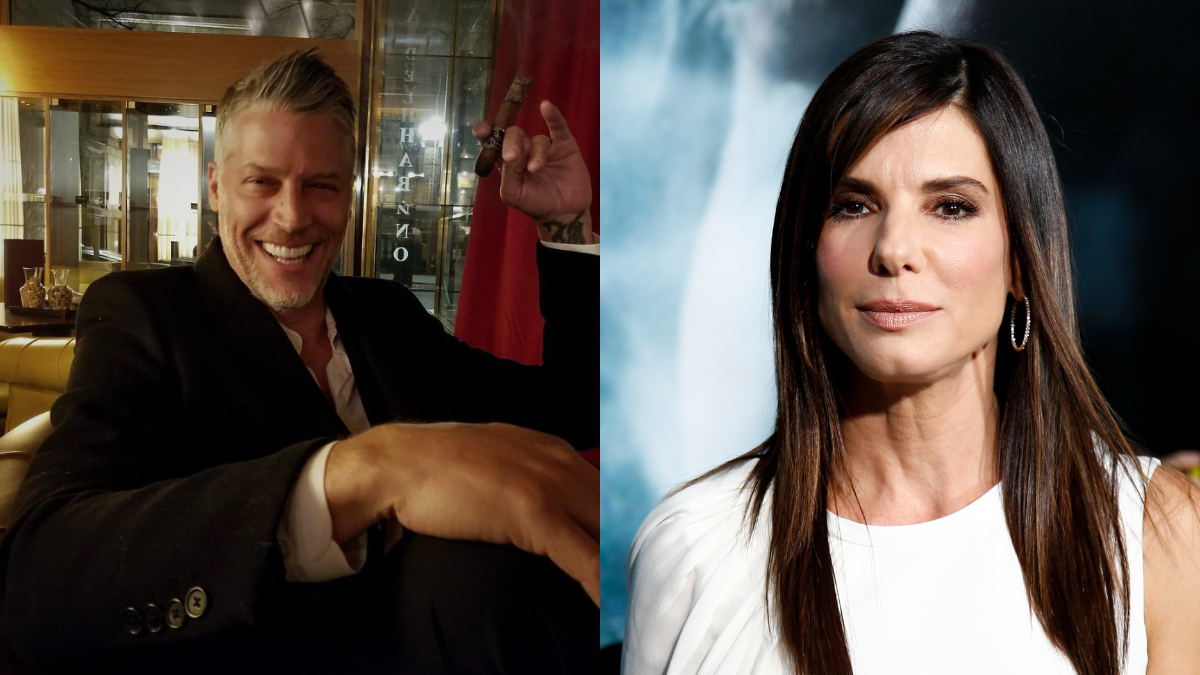
    Bryan Randall’s ALS Death at 57 Put Sandra Bullock’s Private Grief in View

    Bryan Randall’s death drew attention not only because of his relationship with Sandra Bullock, but because those closest to him had carefully kept his illness out of public view. The public record that emerged focused on family, caregiving and honoring his wishes.

    Bryan Randall died at age 57 on Aug. 5, 2023, after privately battling ALS for three years. His death was a profound personal loss for Sandra Bullock, his longtime partner, and the limited public detail around it reflected the privacy Randall maintained throughout his illness.

    Randall’s family disclosed his diagnosis only after his death, while later messages from Bullock’s sister offered a rare glimpse of the care Bullock and nurses provided at home. The story surrounding Randall was never built around celebrity spectacle; it was shaped by a family’s effort to honor the boundaries he set.

    His family confirmed the loss

    Randall’s family announced his death in a statement shared with USA Today on Aug. 6, 2023. They said he had “passed away peacefully” after a three-year battle with amyotrophic lateral sclerosis, commonly known as ALS.

    The family also made clear that Randall had decided early in his illness not to disclose his diagnosis publicly. “Bryan chose early to keep his journey with ALS private and those of us who cared for him did our best to honor his request,” the statement said.

    That decision explains why many people learned about his illness only after his death. It also provides important context for the quieter-than-usual public response to the loss of a man closely connected to one of Hollywood’s most recognizable actors.

    ALS reshaped a private life

    ALS is a progressive neurological disease affecting nerve cells that control voluntary muscle movement. It can change a person’s ability to move, speak and breathe, and there is no cure.

    Those medical realities were not publicly discussed by Randall or Bullock during his illness. The family’s statement instead placed the emphasis on his wish for privacy and the people who supported him through the three-year period.

    Randall’s relatives thanked the doctors and nurses involved in his care, describing the nurses as becoming “our roommates” and recognizing sacrifices they made involving their own families. The wording put a human face on the daily demands of long-term care without revealing the details Randall had chosen to keep private.

    Bullock and Randall kept distance

    Bullock met Randall in 2015, when the former model and photographer was hired to photograph her son Louis’ birthday party. Their relationship developed largely beyond red carpets, public announcements and the usual celebrity-news cycle, though Randall did occasionally attend events with Bullock.

    In a 2021 appearance on Red Table Talk, Bullock offered one of the few substantial public descriptions of their bond. She said she did not need “a paper” to be a devoted partner and mother, and said she did not need to be told “to weather a storm with a good man.”

    Bullock also said Randall was the example she wanted her children to have. In the aftermath of his death, those comments became a more meaningful public record of a relationship that was otherwise intentionally guarded.

    Caregiving became the clearest tribute

    The most specific account of Bullock’s role during Randall’s final years came from her sister, Gesine Bullock-Prado. In a tribute reported by the BBC, Bullock-Prado called ALS “a cruel disease” and wrote that there was comfort in knowing Randall had “the best of caretakers” in Bullock and the nurses who cared for him at home.

    The tribute did not turn Bullock’s involvement into a public performance. Instead, it recognized caregiving as part of the family’s experience of the disease, alongside the work of medical professionals and loved ones.

    That distinction matters because public expectations around celebrity grief can be very different from the needs of people confronting a serious illness. Bullock did not release an extensive statement after Randall’s death, and the available accounts consistently centered his wishes rather than outside curiosity about her mourning.

    Quiet tributes were not indifference

    Randall’s death did not produce the extended social-media tributes, memorial events or celebrity statements that often follow the loss of someone linked to a major film star. That contrast led to the perception of a restrained response, but restraint is not the same as a lack of support.

    Randall’s stated preference for privacy, combined with Bullock’s longstanding efforts to protect her children and personal life, makes a more public response difficult to interpret as the only measure of grief. The statements that did emerge came from people closest to the couple and kept their attention on Randall’s life, illness and care.

    The public knows the central facts: Randall died at 57 after a three-year battle with ALS, and his family said Bullock helped care for him at home. What remains undisclosed is extensive, by design.

    A river gesture carried meaning

    Months after Randall’s death, Bullock-Prado posted a video of a frozen river on what would have been his birthday. Her caption read, “Happy birthday, Bry. Sandy brought you to the river, just as she promised.”

    USA Today reported that the post appeared to show Bullock honoring a promise related to Randall’s ashes. The family did not provide extensive public details, consistent with the approach they had taken since his diagnosis.

    For a relationship that stayed largely out of view, the gesture captured the story’s central theme: a private promise shared sparingly, rather than grief turned into a public event. Randall’s death remains a story of illness and loss, but also of a family choosing to preserve the dignity he requested.

  • Trump Rally Study Estimated 30,000 Cases, but Not Thousands of Supporter Deaths

    Trump Rally Study Estimated 30,000 Cases, but Not Thousands of Supporter Deaths

    The rally analysis measured modeled community effects, not the deaths of identified attendees or Trump supporters. January 6 has its own documented toll and should not be merged into that estimate.

    A 2020 study estimated that Trump campaign rallies were associated with roughly 30,000 additional coronavirus infections and more than 700 COVID-19 deaths. But the analysis did not produce a list of people who died, identify their political beliefs or establish that thousands of Trump supporters had died.

    The difference is central to assessing a claim that turns a public-health estimate into a verified political death count. The study described a modeled effect across communities, while the available record does not document thousands of deaths among Trump supporters.

    There is no verified supporter death tally

    No official national registry identifies people as Trump supporters and tracks their deaths. That leaves no defined dataset for counting deaths among voters, donors, activists, rally attendees or people who might otherwise be described as supporters.

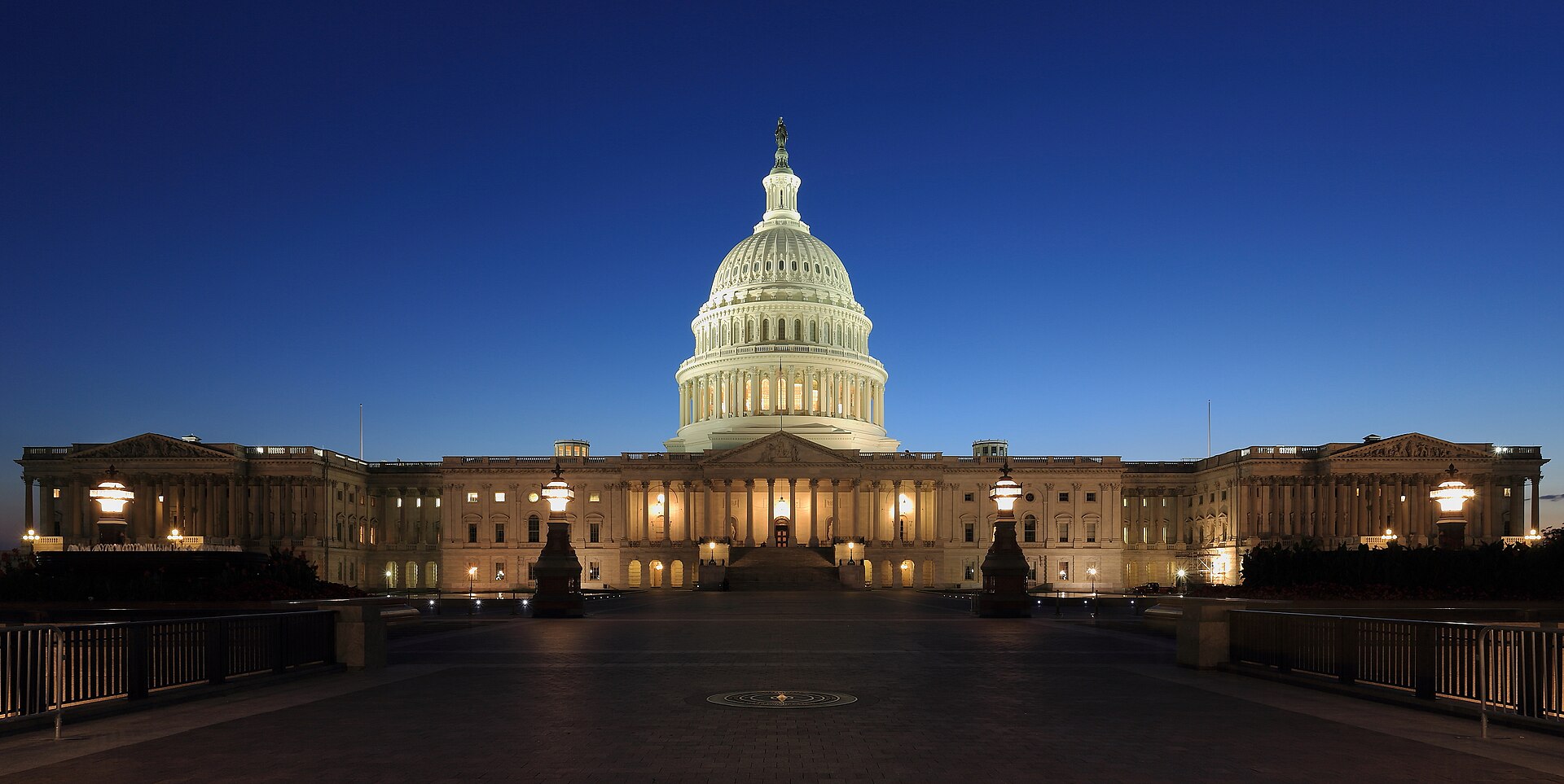
    Capitol at Dusk 2
    Image: Martin Falbisoner, via Wikimedia Commons, CC BY-SA 3.0.

    Those groups are not interchangeable. A person at a rally, a Trump voter, a donor, a January 6 participant and someone living in an area with particular voting patterns may have different relationships to Trump and to the events being discussed.

    Without identifiable data and a method for separating correlation from causation, the assertion that “thousands” of supporters were revealed to be dead exceeds the available evidence.

    January 6 has a separate documented toll

    The January 6, 2021, attack on the U.S. Capitol is also cited in arguments about Trump, his supporters and political violence. Its consequences should not be combined with the COVID-19 estimate from campaign rallies.

    A Congressional Research Service report said the unrest resulted in at least five deaths, dozens of injuries and damage to federal property. More than 140 law enforcement officers were injured during the attack.

    The deaths associated with that day did not all occur under the same circumstances. Ashli Babbitt, 35, was shot by a U.S. Capitol Police officer while attempting to enter the Speaker’s Lobby. After reviewing video, witness statements, physical evidence and autopsy findings, the Justice Department said it would not pursue criminal charges against the officer.

    Other deaths associated with January 6 involved medical emergencies or later deaths of officers who responded to the attack. Those circumstances matter when considering what can fairly be attributed to particular actions and cannot be reduced to one political death total.

    What the rally model measured

    Reported by Politico, the 2020 study examined Trump campaign rallies held from June through September of that year. Researchers compared COVID-19 outcomes in counties that hosted rallies with a modeled scenario in which those events had not occurred.

    The resulting figures were estimates of likely community-wide effects, not records tracing infections between specific individuals. The method cannot establish the source of every infection, identify the exact cause of every death or determine the political affiliation of everyone affected.

    Some people affected by community transmission may not have attended a rally. As a result, the more-than-700 figure was not a count of rallygoers who died, nor was it a count of Trump voters, donors, activists or other identified supporters.

    The estimate was contested, but its limits are clear

    Trump’s White House called the study flawed and said it was intended to shame Trump supporters. The Trump campaign said attendees received temperature checks, were provided masks and hand sanitizer, and were instructed to wear masks.

    Critics cited the difficulty of controlling transmission at large, tightly packed gatherings, particularly when mask use was inconsistent and COVID-19 was spreading widely. They argued that campaigns had a responsibility to reduce risks in communities confronting outbreaks.

    Real-world public-health models carry uncertainty and cannot prove an individual chain of infection. That limitation does not make the estimates meaningless, but it does define what they can support.

    The precise description is that researchers estimated Trump rallies were associated with more than 700 COVID-19 deaths. The finding does not prove that Trump personally caused 700 identified deaths, and it does not substantiate a claim that thousands of identified supporters died.

    Distinct records require distinct conclusions

    The rally study offered a serious, contested estimate of possible public-health harm. January 6 left a separate record of documented deaths, injuries and damage at the Capitol.

    Critics of Trump argue that foreseeable risks from political events and messages should weigh in judgments about a leader’s decisions, even when no individual death can be assigned to a single speech or rally. Defenders argue that individuals remain responsible for their own choices and that safeguards at events must be considered.

    What remains unresolved is a verified total of Trump supporters who died because of their support, rally attendance or involvement in January 6. The supplied record does not provide one.

    The supported facts remain substantial: researchers estimated roughly 30,000 additional COVID-19 infections and more than 700 deaths associated with Trump rallies, while the January 6 attack resulted in at least five deaths, dozens of injuries and injuries to more than 140 officers. They are distinct findings and should be treated that way.

  • James Talarico Takes Odds Lead Over Ken Paxton in 2026 Texas Senate Race

    James Talarico Takes Odds Lead Over Ken Paxton in 2026 Texas Senate Race

    The change in odds gives Democrats a notable new talking point in a state Republicans have dominated statewide for decades. But polling, fundraising, turnout and the long campaign ahead will determine whether that early signal lasts.

    James Talarico has overtaken Ken Paxton in the odds to win the Texas Senate race, putting the Democrat ahead of the Republican for the first time in the 2026 contest. Talarico is favored over Paxton in Texas Senate odds, but the shift does not decide the election.

    The development matters because it suggests the race is being treated as more competitive than many expected in a state where Republicans have held every statewide office for decades. It is a change in expectations, not a vote count—and the next polling, fundraising reports and campaign moves could change the picture again.

    A new measure of uncertainty

    Prediction-market odds are a real-time assessment of what participants believe is likely to happen. When Talarico moved ahead of Paxton, participants collectively gave him the better chance of winning at that point.

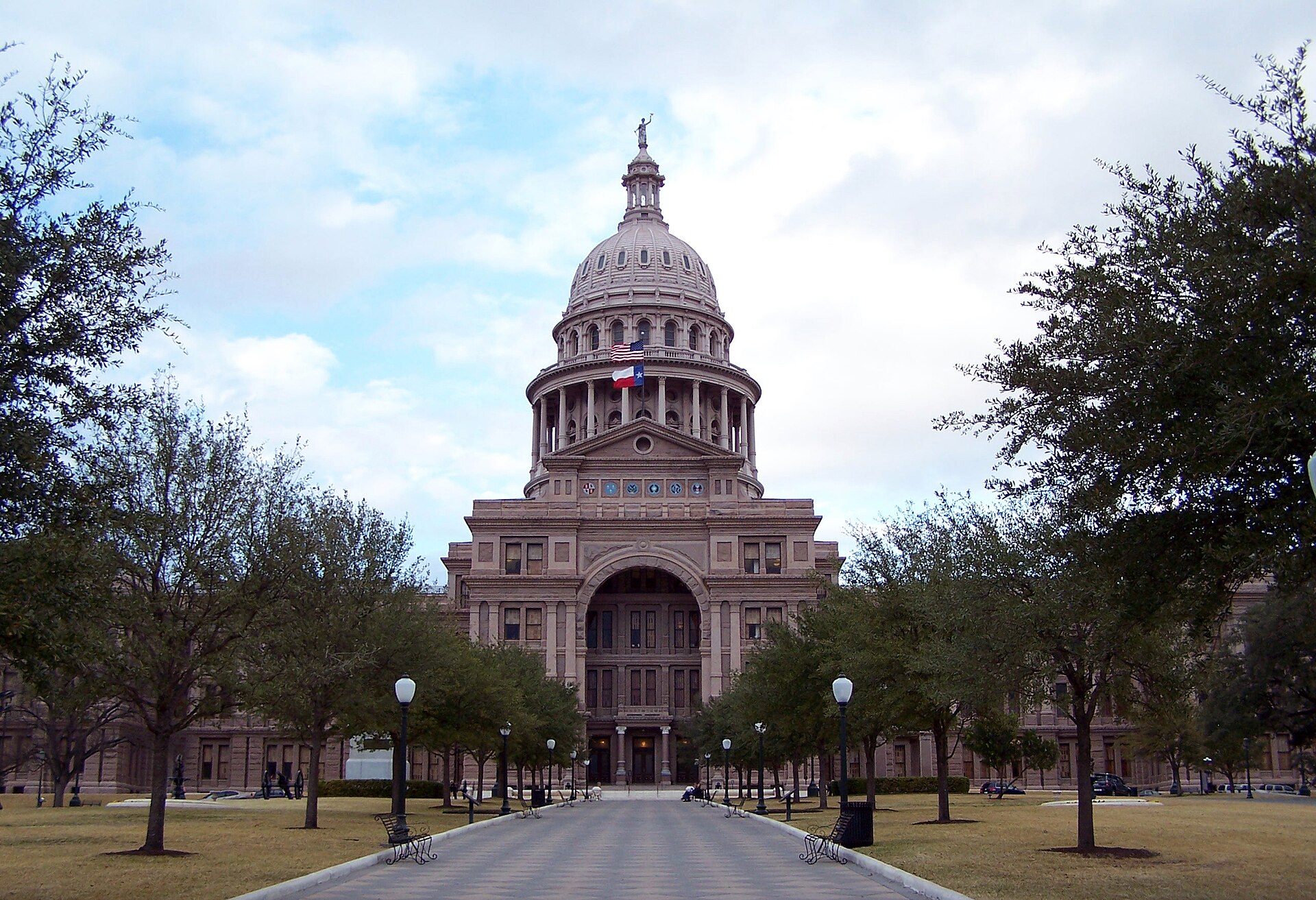
    Texas capitol day
    Image: Larry D. Moore, via Wikimedia Commons, CC BY 4.0.

    That does not establish a single reason for the move. Markets can react to polling, fundraising news, candidate performance and perceived weaknesses, but the available reporting does not identify one definitive cause or guarantee a margin for either candidate.

    Newsweek reported that Talarico had moved ahead in the Texas Senate race odds. Federal News Network linked the change to a recent poll showing Talarico with a slight edge over Paxton.

    The clearest takeaway is narrower than a prediction of the final result: confidence in an uncomplicated Paxton victory appears to have weakened. That is significant in a contest expected to attract intense national scrutiny.

    Odds are not election results

    Markets, polls and election returns answer different questions. Prediction-market odds reflect what participants are willing to pay based on their expectations, while polls record responses from a defined group of voters at a particular moment.

    Neither measure can substitute for the ballot box. The outcome will depend on who votes, where turnout is strongest and whether late developments alter voters’ choices.

    Markets can move quickly, which is part of their appeal. They can also be volatile, particularly when trading is thin, partisan enthusiasm is high or a single new survey changes the conversation.

    A candidate favored in a market may not lead every poll. Likewise, a candidate with a polling lead is not automatically the eventual winner. In a statewide Texas campaign, a favorable number can become a headline long before it becomes a durable advantage.

    Texas makes every advantage costly

    The New York Times has described the Paxton-Talarico contest as likely to be among the most expensive Senate races in U.S. history. Texas’ size makes it costly to communicate consistently across major media markets and rural areas alike.

    That puts unusual weight on fundraising, advertising and ground organization. Each campaign will need the resources to reach voters who are not yet closely following the race, while also building turnout among its core supporters.

    For national Republicans, keeping a Texas Senate seat would be important to protecting their party’s position in Washington. For Democrats, a credible statewide opportunity could require major investment and potentially reshape calculations about the Senate map.

    The stakes explain why a modest movement in market odds has drawn attention. The number itself is not decisive, but it points to a race that could demand far more effort from both parties than a routine Texas statewide contest.

    Two sharply different candidates

    Paxton enters the contest with statewide name recognition from his time as Texas attorney general and a profile tied to combative conservative politics. Talarico, a Democratic state representative, has built a different public identity as a younger Texas House member focused on issues including public education and economic opportunity.

    Those contrasts give each side clear ways to frame the campaign. The contest may be shaped by party loyalty, but also by how voters judge the candidates’ records, styles and claims to represent a fast-changing state.

    Paxton supporters can point to Texas’ underlying Republican lean, an established statewide campaign apparatus and substantial time before Election Day. From that perspective, an early market deficit leaves ample room for a recovery.

    Talarico supporters can reasonably view the new odds and recent polling as evidence that old assumptions about the contest no longer fully explain it. A race can be genuinely competitive, however, without being settled.

    The polling signal needs context

    The Texas Politics Project at the University of Texas at Austin has included a hypothetical 2026 Senate matchup between Paxton and Talarico in its polling. Its question asks respondents how they would vote if the election were held that day.

    That wording underscores the limitation of any individual survey: it records a snapshot, not a final verdict. One recent poll cited in coverage showed Talarico narrowly ahead, a result that is politically notable but not conclusive.

    Poll findings can vary based on sample selection, methodology, likely-voter assumptions and the timing of interviews. A slight lead in Texas may signal an opening for Democrats, while still leaving Paxton with a plausible path based on the state’s political alignment and the campaign’s long runway.

    The most useful test will be whether additional independent surveys show a similar pattern. Until then, neither the poll nor the prediction market should be treated as a final answer about the race.

    What can change the race

    The next phase will likely be defined less by one set of odds than by the practical work of a statewide campaign. Fundraising will shape how widely the candidates can advertise and organize; visits, debates and paid media will help introduce or redefine them for less-engaged voters.

    Party unity will matter as well. Both candidates need dependable support from their bases while limiting defections among independents and persuadable voters. Turnout operations could prove especially consequential in a large and diverse state.

    National conditions may also influence the contest. Voters could assess the Senate race through concerns about the economy, immigration, abortion policy, federal leadership or other issues beyond either candidate’s individual campaign.

    What remains unclear is whether Talarico’s edge in the odds will endure long enough to become a lasting narrative. For now, the central fact is not that the result is known; it is that Ken Paxton may face a harder fight than the conventional Texas political script once suggested.

  • Mark Cuban’s Lottery Advice Starts With Skipping the Cash Option

    Mark Cuban’s Lottery Advice Starts With Skipping the Cash Option

    Cuban’s preference for annuity payments is rooted in a broader warning about sudden wealth: a jackpot can create pressure long before it creates a plan.

    Mark Cuban urged lottery winners to reject a lump-sum payout and consider how they receive their winnings before making fast decisions. His advice favors an annuity over immediate cash, but it also addresses the pressure that can follow a major prize: taxes, investment pitches and requests for money from friends or relatives.

    For Cuban, the central risk is not simply choosing the wrong payment option. It is assuming that a sudden windfall comes with the experience, discipline and boundaries needed to manage it.

    The case for slower money

    Cuban’s best-known instruction to jackpot winners is blunt: do not take the lump sum. In comments reported by CBS Miami during the record $1.5 billion Powerball frenzy in January 2016, he said winners do not want to “blow it all in one spot.”

    That warning is largely about behavior. A cash option puts a very large amount of money under a winner’s control immediately, inviting rapid choices about purchases, investments, gifts and debts. Someone who has never managed substantial wealth may suddenly face a stream of appeals and decisions that all seem urgent.

    Cuban instead has favored an annuity, which distributes scheduled payments over time. CNBC reported in 2024 that he still preferred an annuity for mega-jackpot winners. The attraction is not that an annuity solves every money problem; it can make it harder to spend the entire prize early.

    Why the advertised jackpot misleads

    The headline number attached to a lottery prize and the cash option are not the same thing. The advertised jackpot generally reflects an annuity paid over time, while the lump-sum offer represents the value available upfront under a game’s rules.

    That distinction matters because comparing the cash option directly with the advertised jackpot can make the upfront payment look like a loss rather than a different structure. A winner needs the exact cash figure and the full annuity schedule before weighing either choice.

    There is a legitimate counterargument to Cuban’s preference. A lump sum offers flexibility: it can be used to pay obligations, invest or build a tailored long-term financial plan. But that flexibility transfers more responsibility to the winner immediately, including the need to manage a large pool of money, navigate market volatility and avoid promises of quick returns.

    There is no guarantee that investing a lump sum will outperform an annuity after taxes, fees, inflation and behavior are taken into account. Lottery rules, tax treatment, privacy rules and claim procedures also vary by game and jurisdiction, so no celebrity rule can settle the decision for every winner.

    A plan before the announcement

    Cuban’s advice points toward a first principle that applies before either payout is chosen: pause. His first tip in the 2016 report was to hire a tax attorney, and the wider message was to protect the money before trying to spend, invest or distribute it.

    Before claiming a prize where possible, winners may need to secure the ticket, understand local claim and anonymity rules, and assemble qualified advisers. Independent tax and legal guidance is especially important because a winner’s situation may involve debt, dependents, estate needs or other complications that change the calculation.

    A strong professional team can also help distinguish informed planning from the sudden rush of opportunities that often follows public news of a jackpot. Rushed investment offers, celebratory large purchases and supposedly once-in-a-lifetime proposals all demand caution when the winner is still processing what has happened.

    The essential question is not whether cash is always bad or an annuity is always best. It is whether the winner has enough information, support and time to make a decision that fits their circumstances rather than the excitement of the moment.

    When friends start asking

    Cuban’s other memorable piece of advice is about the social side of a windfall: tell people no when they ask for money. He did not frame that as a license to be dismissive. “Be nice,” he said. “No one likes a mean billionaire.”

    That approach recognizes the difference between intentional generosity and reacting to each request as it arrives. A winner may already know which close people they want to help. The risk comes when a gift, loan or business investment is made simply to end an uncomfortable conversation.

    Money given under pressure can create recurring expectations. Loans to relatives can become family disputes, while backing a proposal from an acquaintance can leave the winner tied to somebody else’s gamble. Clear boundaries can protect both the prize and the relationships around it.

    A private giving policy can add needed structure. It could set aside a fixed amount for gifts, rule out personal loans or direct charitable help through a formal plan. The point is not to eliminate generosity; it is to ensure generosity remains a decision rather than a reflex.

    Firm boundaries need not be cruel

    A winner does not have to disclose account balances or defend every refusal. A short response such as, “I’m not making personal loans or financial commitments right now,” can be more effective than arguing over whether a particular request is deserving.

    Repeating the same response can prevent every appeal from becoming a new negotiation. It also avoids making promises that may be difficult to keep once tax obligations, payout terms and long-term needs become clearer.

    Politeness does not require accepting manipulation. If someone becomes angry, threatening or coercive after hearing no, the priority shifts to safety and privacy rather than preserving that person’s comfort. Attorneys, accountants and financial planners can provide distance, document gifts and help keep sensitive conversations out of family gatherings or group chats.

    The bigger warning behind Cuban’s tip

    Cuban also cautioned that money does not automatically produce happiness. In the CBS Miami report, he described a jackpot as a way to make life easier by reducing worries about bills, not as a solution to an unhappy life.

    That is why his annuity preference should be read as a guardrail, not a universal command. The soundest takeaway is to resist treating sudden wealth as sudden expertise. Understand the payment terms, seek professionals obligated to put the client first, and establish boundaries before the money becomes the center of every relationship.

    For a winner, the most valuable early move may be the least dramatic one: slow down. The payout choice matters, but so does building enough space to make every next decision on purpose.

  • Melania Trump’s Minus-12 Rating Signals a Wider Trump Family Image Problem

    Melania Trump’s Minus-12 Rating Signals a Wider Trump Family Image Problem

    New polling suggests negative views of Donald Trump are reaching beyond the president himself. Melania Trump’s standing is drawing attention because first ladies have often remained more popular than their husbands.

    Melania Trump’s favorability has fallen to 12 points underwater, according to new polling highlighted by CNN, as President Donald Trump faces broader public backlash. The findings show weak public ratings for both Melania Trump and Donald Trump, putting fresh focus on the first lady’s standing alongside her husband’s.

    The result matters because first ladies have often been more popular than the presidents they serve, giving a White House a measure of goodwill during difficult political periods. Melania Trump’s negative net favorability suggests that familiar buffer is missing.

    That does not by itself establish why respondents view her negatively, but it does point to a wider Trump family image problem: dissatisfaction associated with the president is appearing to reach a close family member as well. The polling therefore frames Melania Trump’s decline as more than an isolated change in her public standing.

    A rare position for a first lady

    CNN senior data analyst Harry Enten pointed to CNN/SSRS polling that put Melania Trump’s net favorability at minus 12. Net favorability measures the difference between favorable and unfavorable views, so a rating 12 points underwater means unfavorable opinions outnumber favorable ones by double digits.

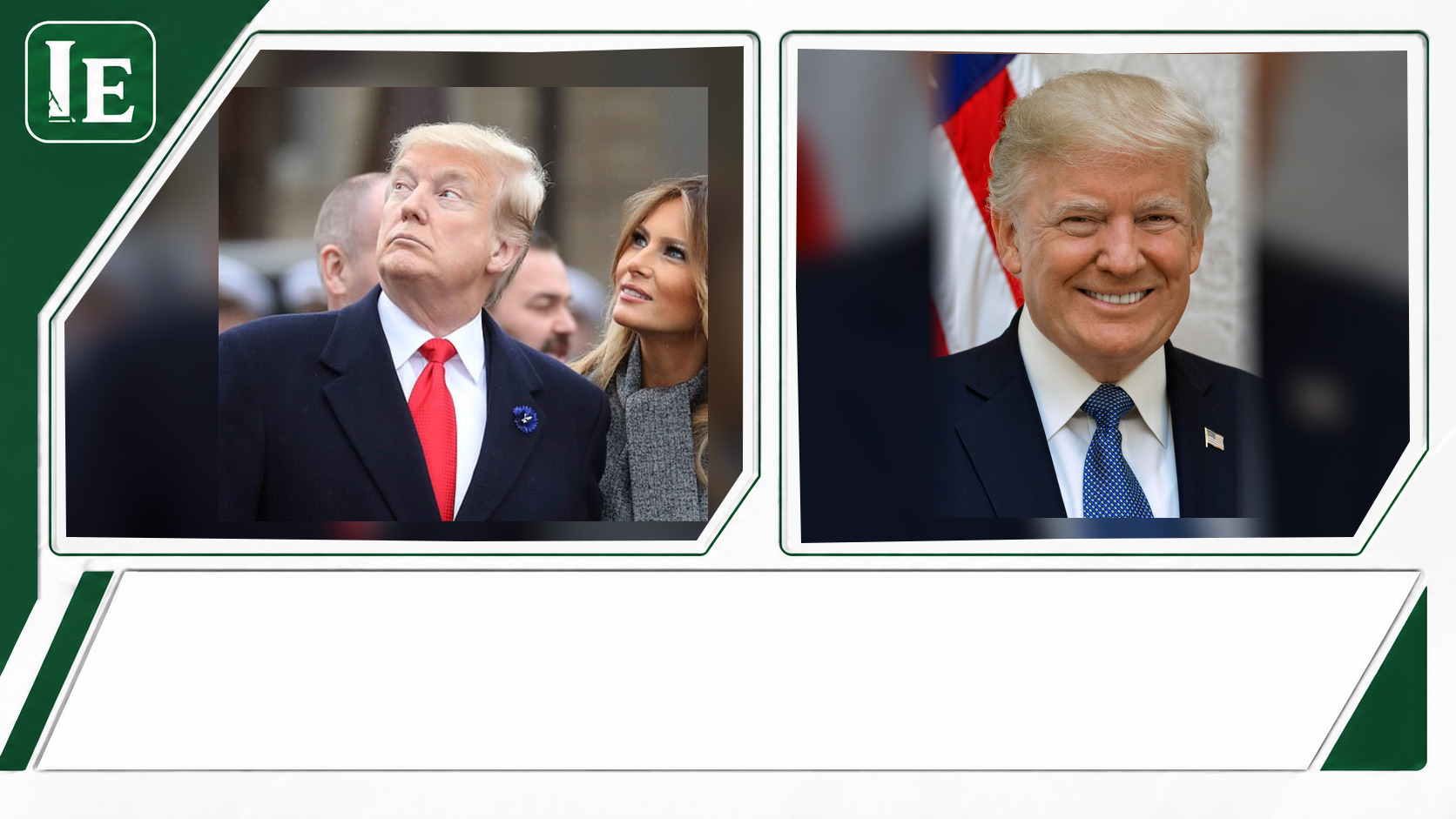
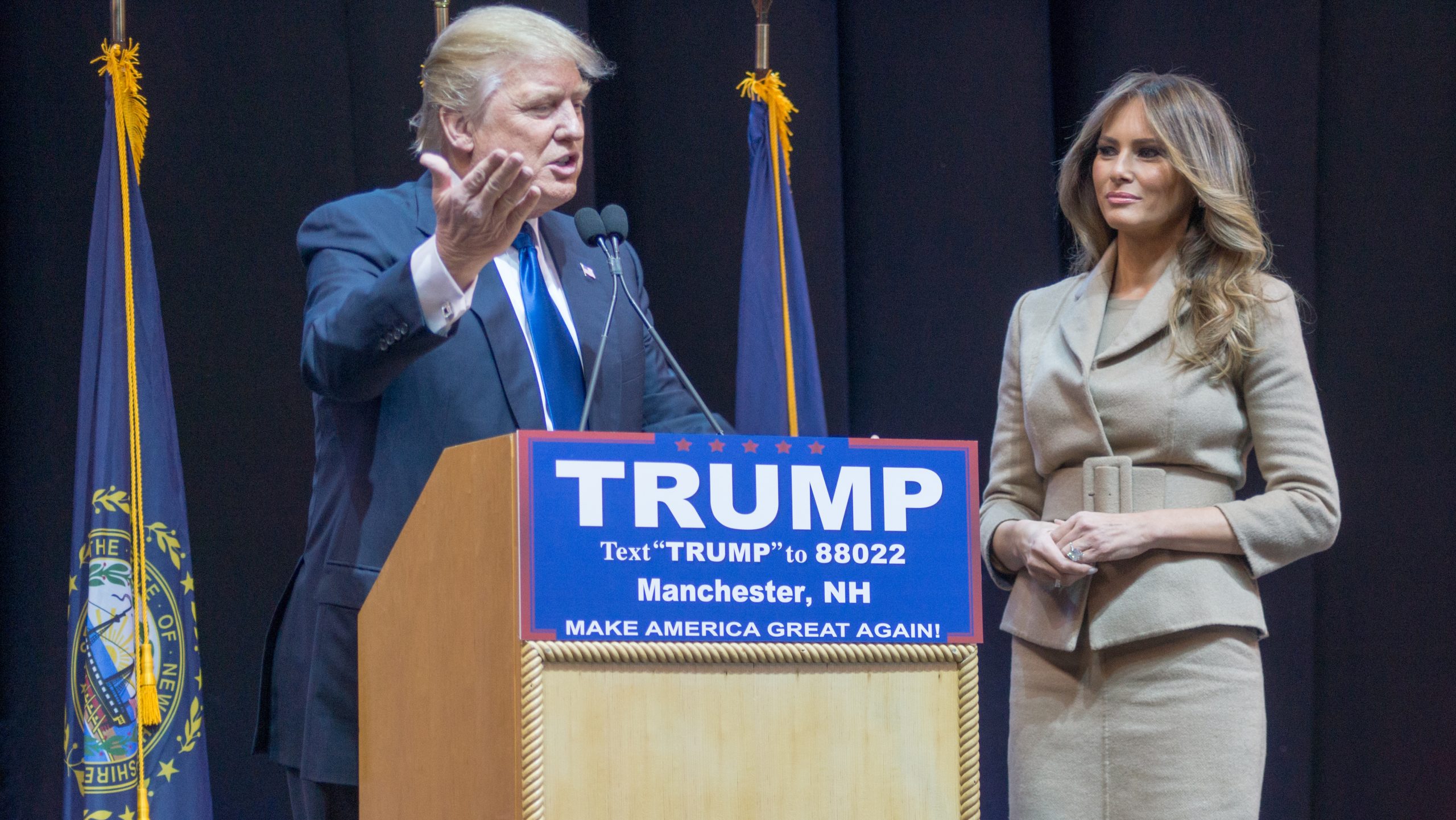
    Donald Trump & Melania Trump
    Image: marcn, via Flickr, CC BY 2.0.

    The figure does not mean every respondent dislikes the first lady. It does show that negative views held a clear advantage in that survey.

    The historical comparison is what makes the result notable. Reporting on the CNN/SSRS data said no modern first lady included in its comparison had registered a lower net rating at a comparable point in her husband’s presidency.

    Why spouses can become political assets

    First ladies are not elected officials, and favorability is different from a president’s job-approval rating. Still, they can affect how a White House is perceived through public appearances, advocacy work, interviews and major ceremonial events.

    They also are often less directly linked than presidents to legislation, executive orders, economic conditions, foreign policy and partisan conflict. That separation can allow a presidential spouse to retain goodwill even when an administration is unpopular.

    There have been exceptions. Hillary Clinton faced unusually intense political scrutiny during and after her years as first lady. But the broader pattern has generally favored presidential spouses, making Melania Trump’s position unusual rather than routine.

    How Melania Trump compares

    The CNN/SSRS comparison described in the reporting placed Melania Trump below Nancy Reagan, Laura Bush, Hillary Clinton and Michelle Obama at similar points in their White House years. Such comparisons have limits: political eras, media conditions and survey methods differ.

    Even with those cautions, the change in Melania Trump’s own standing is significant. She had appeared in positive territory during Donald Trump’s first term, but the more recent measurement places her below zero.

    That leaves her less able to serve as a point of distance between the administration and voters who hold unfavorable views of the president. A first lady can never be fully separate from a White House, but personal popularity has sometimes softened an administration’s broader image.

    Donald Trump’s numbers sharpen the picture

    Melania Trump’s rating arrives alongside weak favorability figures for Donald Trump. An Issues & Insights/TIPP Poll conducted from March 31 through April 2 found that 39 percent of respondents viewed the president favorably, while 53 percent viewed him unfavorably. Eight percent were undecided.

    Those results and the CNN/SSRS measure are not interchangeable, and polls are snapshots rather than election forecasts. Results can vary based on timing, question wording and methodology.

    Still, the overlap matters politically. When a president and first lady both have more unfavorable than favorable views, the White House does not have the common contrast of an unpopular administration paired with a more warmly regarded spouse.

    The debate behind the polling

    Critics of the administration may see the numbers as evidence that frustration has spread beyond particular policies or controversies into a broader judgment about the Trump family. That interpretation fits the view that the president’s standing shapes public perceptions of those closest to him.

    Trump supporters could reasonably see a different explanation: an intensely polarized political environment in which the first lady is evaluated largely through partisan attitudes toward Donald Trump. Under that view, the polling may reflect political sorting more than a distinct assessment of Melania Trump.

    The surveys themselves cannot settle the question. Favorability polling can show whether people hold positive or negative views, but it cannot fully identify whether those views arise from the president’s agenda, the first lady’s public profile, media coverage, personal impressions or polarization.

    What could matter before midterms

    Melania Trump has no elected mandate and does not require broad approval to perform the first lady’s formal public role. But public perception can affect how effectively a White House uses high-profile appearances, initiatives and events such as the White House Easter Egg Roll to project stability or expand its appeal.

    The issue could also matter to Republicans approaching midterm elections. Candidates generally need a president and governing party that can energize core supporters without alienating voters outside that base. Negative impressions of prominent family members could make that wider appeal harder to rebuild.

    There is no guarantee the numbers will last. Public attitudes can move after a major policy development, an economic shift, an international event or a more sustained public campaign by the first lady.

    For now, the polling is a warning rather than a final judgment. Donald Trump’s standing remains the central political measure because he is president, but Melania Trump’s decline indicates that the Trump family may no longer have the usual first-lady reserve of public goodwill.

  • USS Abraham Lincoln: Navy Says Food Came First Amid Oversight Push

    USS Abraham Lincoln: Navy Says Food Came First Amid Oversight Push

    The dispute over conditions aboard the USS Abraham Lincoln centers on two competing accounts: Navy assurances that the crew has essential support and families’ reports of serious strains during a prolonged deployment. Senators are seeking access and a fuller accounting, but key questions remain unresolved.

    The U.S. Navy said the USS Abraham Lincoln prioritized food during its prolonged Middle East deployment after disrupted supply hubs affected normal logistics. Senators are seeking answers about conditions aboard the carrier, where military families have reported shortages and other concerns involving maintenance, mail and crew mental health.

    The Navy maintains that sailors have continued to receive essential services, including clean water, functioning air conditioning, healthy meal options and access to support resources. The growing disagreement matters because the carrier has spent more than 250 days deployed, including more than 200 consecutive days without coming ashore, while lawmakers seek a clearer view of daily conditions.

    Supply priorities are at issue

    A Navy official told CBS News that combat actions in a highly contested Middle East environment disrupted traditional supply hubs. According to the official, commanders prioritized needs in order: food first, followed by hygiene items and then mail.

    That sequence is at the heart of the Navy’s explanation for complaints about delayed mail and supplies. It also illustrates the operational tradeoffs faced by a carrier operating for an extended period in a region where normal resupply routes have been disrupted.

    The Navy’s position is that prioritizing essential items did not mean the ship lost basic support. The official said current reports from the Lincoln showed continuous access to clean water, working air conditioning and healthy meal choices.

    The Navy says support remained available

    Beyond food and shipboard systems, the Navy says the carrier has access to medical professionals, chaplains, deployment-resilience counselors, Fleet and Family Support Center services and Military OneSource.

    Officials have also rejected reports suggesting an increase in suicidal ideation or suicide attempts aboard the ship. Their broader account is that the crew has remained supported while carrying out a difficult mission under austere conditions.

    Defense Secretary Pete Hegseth, speaking to Newsmax while in Panama, said the situation had been “completely misrepresented” and praised the crew’s service. That response has not settled the concerns raised by families and Senate Democrats, who want more detail about how reported problems were handled.

    Families describe a different experience

    Military families have described food and supply shortages, broken plumbing and worsening mental health, NPR reported. NPR said it had not independently confirmed the underlying reports, which were first reported by Navy Times and Stars and Stripes.

    Families have also raised concerns about reported water contamination, deck-safety issues and disruptions in the mail system. Some care packages were reportedly lost in transit for months.

    CBS News reported that family members confronted Navy leadership in meetings over difficult onboard conditions and uncertainty about when their relatives would return. The deployment had been scheduled to end in May, but it was extended and no public return date has been announced.

    More than 200 days at sea

    The Lincoln’s length of time underway gives the dispute added weight. CBS News reported that the carrier has been deployed for more than 250 days overall, including more than 200 straight days without coming ashore.

    Extended deployments are not unusual for naval crews, especially during tense operations. Still, fewer chances for port calls, a longer-than-expected tour and alleged supply disruptions can make ordinary shipboard problems more consequential for sailors and their families.

    Food service, sanitation, sleeping arrangements, medical care, communication with home and time away from the ship are practical parts of sustaining a crew. Families and lawmakers argue that operational readiness and crew welfare should not be treated as competing priorities; the Navy says it has maintained both.

    An overboard case drew attention

    The Navy confirmed that a sailor assigned to the carrier’s attached air wing went overboard earlier in August. The sailor was recovered safely, treated by the ship’s medical department and transferred off the vessel for further care, CBS News reported.

    U.S. Central Command said no service members aboard the aircraft carrier had died during the deployment and said the sailor, who went overboard on Aug. 3, was quickly recovered. The circumstances remain under investigation.

    The episode received greater scrutiny amid family reports that sailors had experienced severe distress and references to reports that some sailors tried, or were stopped from trying, to go overboard. Those accounts have fueled calls for outside review, while the Navy disputes that there is a rising pattern of suicide attempts.

    Congress seeks access, not just assurances

    Sen. Richard Blumenthal of Connecticut wrote to Hegseth and acting Navy Secretary Hung Cao seeking an account of conditions aboard the carrier, according to CBS News. He cited reports involving basic supplies, water contamination, plumbing, deck safety and crew well-being.

    Sen. Ruben Gallego of Arizona called for a bipartisan congressional delegation to visit the Lincoln for an oversight review. Available reporting does not show that the requested visit has been approved.

    What is established is that Senate Democrats have requested answers, families’ concerns have reached senior Navy leaders and the Navy says core services remain available. What remains unclear is the scope and duration of any supply or infrastructure problems, and whether Congress will be allowed to conduct the shipboard oversight lawmakers have requested.

    Without a complete independent public accounting across the carrier’s crew, the gap between the Navy’s assurances and families’ reports remains the central unresolved issue.

  • White House Confirms Trump’s Chronic Venous Insufficiency After Leg Swelling

    White House Confirms Trump’s Chronic Venous Insufficiency After Leg Swelling

    The White House said testing ruled out several more serious potential causes of leg swelling. The diagnosis also renewed debate over how much medical detail the public should receive about a president.

    Donald Trump was diagnosed with chronic venous insufficiency after Trump experienced swelling in his lower legs, the White House medical unit said on July 17, 2025. The evaluation matters because it provided a medical explanation for the swelling while ruling out several potentially more serious causes.

    White House press secretary Karoline Leavitt said the testing followed Trump’s report of mild swelling. It did not, however, substantiate online claims that Trump or his team had deliberately hidden his ankles from public view.

    What the White House disclosed

    According to the White House account reported by The Associated Press, Trump underwent vascular and ultrasound examinations of his lower extremities after he noticed the swelling.

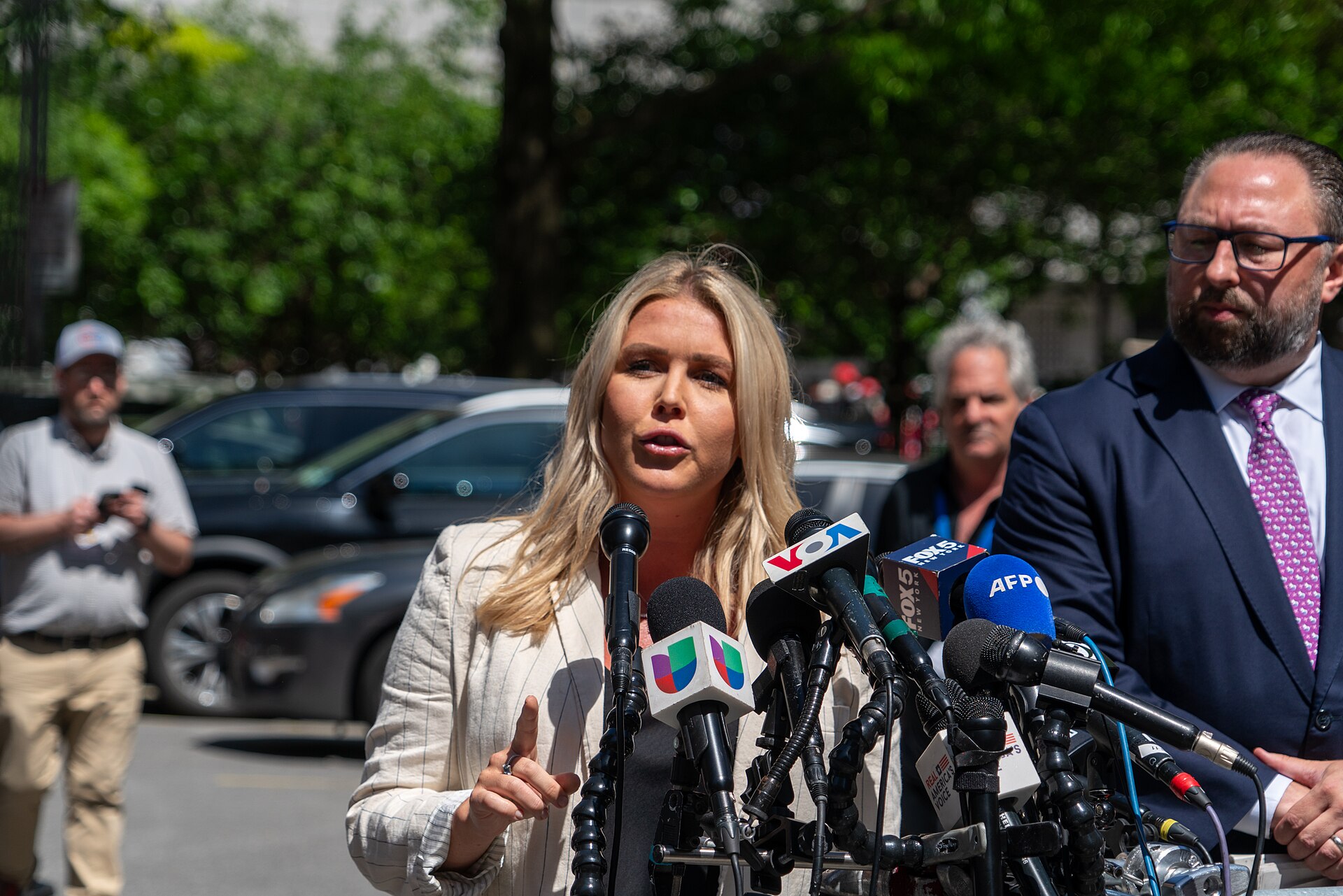
    Karoline Leavitt addresses press outside Trump trial in New York 05 28 24
    Image: BruceSchaff, via Wikimedia Commons, CC BY-SA 4.0.

    Those examinations identified chronic venous insufficiency, a circulation condition in which leg veins do not return blood toward the heart as effectively as they should. The White House described it as a common condition in older adults.

    Leavitt said the evaluation found no evidence of deep vein thrombosis, arterial disease, heart failure, renal impairment or a broader systemic illness. She characterized the condition as benign and said Trump was not experiencing discomfort.

    The White House’s stated position is that Trump remains in excellent health. The disclosure was a narrower finding than broad conclusions about his overall health, his future prognosis or his daily medical care.

    How the circulation condition works

    Veins in the legs rely on small valves to help blood travel upward against gravity. When those valves weaken, blood can pool in the lower legs, which may lead to swelling around the ankles, legs or feet.

    Symptoms can also include heaviness, aching and skin changes. In more severe cases, ulcers can occur, but the seriousness of chronic venous insufficiency varies widely from person to person.

    Dr. Anahita Dua, a vascular surgeon at Mass General Brigham who has not treated Trump, told AP that most people with the condition have a mild-to-moderate form. Management can include walking, elevating the legs and medical-grade compression socks or stockings.

    The White House did not publicly detail Trump’s treatment plan, if any, or describe what monitoring or follow-up his doctors recommended. That means outside observers cannot reliably infer his symptoms or level of impairment from photographs.

    Photos do not establish concealment

    Images and video clips of Trump’s lower legs prompted intense online discussion about his shoes, trouser length and the visibility of his ankles. Some users described his ankles in exaggerated terms and argued that they had been intentionally kept out of view.

    But the available reporting does not establish that there was a directive, strategy or admission to conceal Trump’s ankles. A photograph showing a particular camera angle, clothing choice or shoe does not by itself demonstrate intent.

    Visual impressions can also be affected by lighting, lens distortion, posture, shoe shape, clothing fit and the instant a photo was taken. Images may explain why people noticed a possible change in appearance, but they cannot diagnose a medical condition or prove why someone dressed a certain way.

    The confirmed fact is that Trump reported mild lower-leg swelling and was evaluated. The allegation that his ankles were deliberately hidden remains an interpretation of public images rather than an established finding.

    The April report raised timing questions

    Scrutiny intensified in part because the White House had released a report after Trump’s April physical saying he had normal blood flow and no swelling. Trump was 79 when the later diagnosis was disclosed in July.

    The July announcement did not say when the swelling began, whether it was present at the time of the April physical or why chronic venous insufficiency was not included in the earlier report. Those omissions left a gap between the two official accounts.

    Critics of the White House’s disclosure can reasonably argue that the public deserves a clearer medical timeline for a president, including more detail about what changed between April and July. The White House said the newer information was intended to address speculation, but it has not publicly provided all of those details.

    At the same time, supporters of a more limited disclosure can point to the condition’s prevalence, the reassuring test results and a president’s legitimate interest in medical privacy. The central disagreement is not resolved by speculation about photos.

    What remains publicly unknown

    Several relevant points have not been publicly answered: the precise onset of the swelling, whether it had appeared before the April physical, and the treatment or follow-up plan recommended by Trump’s doctors.

    Those questions are distinct from claims built around his appearance. They concern the completeness and timing of official health information, not whether public images can reveal medical facts that have not been disclosed.

    For now, the record described by the White House is limited but clear: Trump reported mild lower-leg swelling, received vascular and ultrasound testing, and was diagnosed with chronic venous insufficiency. The tests, according to Leavitt, did not show a clot, heart failure, kidney impairment or the other serious conditions the White House listed.

    That medical context offers an explanation for the swelling. It does not provide evidence that Trump’s ankles were intentionally concealed, and it leaves some questions about the timeline and future care for continued reporting.

  • 65,000 Sign Petition to Block Mamdani From NYC 9/11 Ceremony

    65,000 Sign Petition to Block Mamdani From NYC 9/11 Ceremony

    A petition with more than 65,000 signatures asks the National September 11 Memorial & Museum to exclude Mamdani. The larger disagreement is whether a mayor’s limited ceremonial presence protects or politicizes a day of remembrance.

    Curtis Sliwa criticized 9/11 families seeking to exclude Zohran Mamdani from the ceremony, calling them “sore losers,” according to the source headline. The dispute concerns Mamdani’s planned attendance at New York City’s September 11 remembrance ceremony marking the 25th anniversary.

    Some relatives want the National September 11 Memorial & Museum to bar New York City Mayor Zohran Mamdani from the commemoration. Mamdani says he will attend to honor families, survivors and first responders, leaving organizers’ established protocol at the center of an intensely personal public argument.

    A petition targets Mamdani’s presence

    More than 65,000 people had signed a petition by Aug. 1 asking the memorial and museum to exclude Mamdani, USA TODAY reported. The request is specifically about his attendance at the annual observance, not a proposed change to the event’s broader policies.

    New York National September 11 Memorial South Pool April 2012 9693C
    Image: NormanB, via Wikimedia Commons, CC BY-SA 3.0.

    Giovanni Galante, whose wife, Grace Catherine Galante, was working on the 105th floor of the North Tower, helped launch the petition. USA TODAY reported that a woman whose husband was killed in the attacks also helped launch it.

    Supporters say the anniversary should remain focused on mourning, unity, and rejection of the violence and extremism behind the 2001 attacks. They argue that Mamdani’s public positions, associations and statements make his presence inconsistent with that purpose.

    For those relatives, the question is not an abstract debate over civic etiquette. It is about the setting in which names are read and loved ones are remembered.

    Sliwa’s words sharpen the conflict

    Sliwa’s response — “Stop being sore losers!” — introduced a confrontational political frame into a dispute voiced by people grieving spouses, siblings and other relatives. His criticism characterizes the effort to exclude Mamdani as a reaction to the mayor rather than a request rooted in the meaning of the ceremony.

    That assessment is likely to anger petition supporters, who say they are trying to prevent the observance from becoming a fight over an elected official. Their concern is that Mamdani’s attendance itself could pull attention away from victims, survivors and first responders.

    Yet the opposing view is that singling out and excluding a sitting mayor could create its own political controversy. An official’s attendance is not necessarily an endorsement of every position associated with that official.

    The essential disagreement is therefore narrow but consequential: would Mamdani’s presence interrupt the day’s solemnity, or would barring him from a customary civic role do more to transform remembrance into political conflict?

    Families and survivors are not united

    The petition’s size shows substantial support for the request, but it does not establish that every signer is a victim’s relative, a survivor or a New Yorker. Nor does it show a single view among the people most directly affected by September 11.

    Jennifer Glass, a 9/11 survivor, told USA TODAY that she did not object to Mamdani attending if he did not speak or directly interact with families. Her position draws a line between bearing witness at the event and taking a visible role in it.

    Dennis McKeon, who organizes a Staten Island group for 9/11 survivors, made a similar point to CBS New York. He noted that mayors and governors have attended memorial events before, including when survivors and relatives had criticized their records on 9/11-related matters.

    Other relatives remain firmly opposed. Meryl Mayo-Marshall’s husband, Robert J. Mayo, died after staying behind at the World Trade Center to help people evacuate. Lori Schertzer Brody, whose brother Scott Schertzer was killed in the attacks, told a USA TODAY network partner that Mamdani should stay home.

    The memorial’s protocol sets limits

    The National September 11 Memorial & Museum has described its annual commemoration as intentionally free of politics. CBS New York reported that officials across the political spectrum attend, do not make remarks and stay in a designated area during the ceremony.

    That structure matters because it separates attendance from participation. The event can recognize the presence of public officials while reserving its central space for the names of those killed, their families, survivors and first responders.

    It also means the current request appears to challenge a longstanding practice rather than a rule created for Mamdani. There is no indication in the available reporting that he is scheduled to speak.

    Mamdani said in a statement reported by CBS New York that he would “proudly honor” families, survivors and first responders affected by the terror attack by standing alongside them at the commemoration.

    Why the attendance question persists

    A designated, non-speaking role may be a practical compromise for people who accept that elected leaders attend public memorials but do not want them to dominate the program. For relatives seeking Mamdani’s exclusion, however, limiting his role does not resolve their objection to his presence.

    Both sides describe the ceremony as a day that should remain solemn. Their conflict is over the method of protecting that solemnity and over whether the office of mayor belongs within the boundaries of an occasion shaped by individual loss.

    The petition also carries resonance because September 11 commemorations are unlike routine government events. For bereaved relatives and survivors, decisions about proximity, participation and public visibility can carry a weight that standard political protocol does not.

    What remains unresolved before September 11

    Based on the available reporting, Mamdani still intends to attend, and the memorial has pointed to its established nonpolitical format. It is not clear whether organizers will make any change in response to the petition.

    It also remains unclear whether the memorial’s limits on public officials will reassure those who want Mamdani excluded. Sliwa’s rebuke may make that discussion more difficult by questioning the motivations of people who say their objections arise from mourning.

    Whatever organizers decide, the enduring test for New York City’s 25th-anniversary commemoration will be whether it keeps the focus on those killed on September 11, 2001, and on the survivors, first responders and families whose lives were permanently changed.

  • Hegseth Pushes Back as USS Abraham Lincoln Deployment Draws Questions

    Hegseth Pushes Back as USS Abraham Lincoln Deployment Draws Questions

    More than 5,000 sailors and Marines are reported to be aboard the carrier after an unusually long stretch at sea. The dispute is now centered on whether the Navy can document how it is managing fatigue, supplies, morale and readiness.

    Pete Hegseth said reports about poor conditions aboard the USS Abraham Lincoln were misrepresented as the carrier’s deployment in the Middle East nears nine months. The accounts have raised questions about sailor welfare and ship readiness for the more than 5,000 sailors and Marines reported to be aboard.

    The dispute centers on reports about conditions aboard the USS Abraham Lincoln, including alleged supply and plumbing problems, exhaustion and mental-health strain. Hegseth’s rejection of those reports has not ended congressional scrutiny of a deployment that had lasted more than 240 consecutive days at sea without a port call by mid-August.

    Hegseth disputes the portrayal

    Speaking during a visit to Panama, the defense secretary said the military ensures ships, crews and commanders receive what it can provide throughout a deployment. He acknowledged that some deployments run longer than others and praised sailors operating in austere conditions with fewer opportunities to visit ports.

    His clearest response was that depictions of deteriorating conditions on the Lincoln had been “completely misrepresented.” The statement amounts to a firm challenge to the broader portrayal of the ship’s circumstances, rather than a public point-by-point response to each allegation.

    That distinction matters. Senior officials can express confidence in a crew and its command, but claims about supplies, maintenance, medical support and workload ultimately depend on records and assessments that have not been publicly detailed in Hegseth’s remarks.

    Families raised several concerns

    The reports cited by lawmakers and news organizations did not focus on one isolated problem. They included allegations of shortages of basic supplies, possible water-contamination issues, plumbing troubles, disrupted mail, fatigue and falling morale.

    Some accounts also described serious mental-health concerns, including allegations involving sailors who may have tried to go overboard. The available reporting does not establish what happened in any individual case, whether a specific event was related to deployment conditions or what followed afterward.

    A Navy official told the Guardian that, based on the information available to the command, it had not found an increase in reported suicidal ideation or suicide attempts aboard the ship. That statement addresses whether the command identified a rise in those reported incidents; it does not settle every concern about conditions, access to care, morale or exhaustion.

    A longer-than-usual stretch at sea

    The Lincoln departed its San Diego home port in November and was later redirected to the Middle East for U.S. operations connected to the war with Iran, according to the reporting. By mid-August, it had spent more than 240 straight days at sea without a port call.

    Carrier deployments are often planned for roughly six or seven months. Extended operations at sea are part of naval life, but port visits generally offer crews a break from the demands of continuous shipboard work.

    Those demands can be significant even during a typical deployment. During operations, sailors may work shifts longer than 12 hours, while sleep is shaped by watch rotations, mission requirements, noise and close quarters.

    A 2024 Naval Postgraduate School study cited in the reporting linked poorer and more fragmented sleep among sailors with worse mood. The study does not establish what is occurring aboard the Lincoln, but it helps explain why fatigue and morale are treated as operational readiness concerns, not simply quality-of-life issues.

    Congress wants measurable answers

    Sen. Richard Blumenthal, a Connecticut Democrat on the Senate Armed Services Committee, wrote to Hegseth and acting Navy Secretary Hung Cao seeking information about the deployment and the crew’s conditions. He requested a response by Aug. 27.

    Blumenthal said he was concerned about the increasing length of carrier strike group deployments and whether the Navy can generate carrier forces sustainably while protecting service members’ well-being. Among other questions, he asked how the department tracks fatigue and morale.

    The letter shifts attention from broad public claims toward information that could be evaluated: staffing, maintenance, access to medical care, sleep, supply availability, mail service, port-call planning and procedures for recognizing personnel in distress.

    Democrats have described the issue as both a personnel and readiness matter. For the administration and Pentagon, the challenge is to show how operational requirements are being balanced with the needs of a crew assigned to an extended mission.

    Welfare and readiness overlap

    There is little disagreement that carrier deployments are hard. The sharper disagreement is whether the Lincoln’s extended period without port calls, alongside the reported problems, calls for a different response from Navy leadership.

    Critics see the duration of the deployment and reports of exhausted sailors as possible risks to safety, retention and mission performance. Hegseth and the Pentagon, by contrast, have reason to resist what they see as incomplete or sensationalized accounts that could unfairly cast doubt on a deployed crew and command.

    Both views lead to the same practical test: whether the Navy has enough personnel, supplies, maintenance support and mental-health resources for the mission it has assigned. A carrier’s ability to keep operating depends on more than the resolve of its crew.

    What could settle the dispute

    A detailed Pentagon reply to Congress could clarify the carrier’s port-call history, reported supply or maintenance issues, available medical and behavioral-health resources, and the way leaders monitor fatigue and well-being.

    It also remains unclear when the Lincoln will be relieved. Reporting indicated that the USS George Washington was moving toward the Middle East and could replace the Lincoln, though the Navy had not publicly confirmed a timetable for a full handoff.

    Hegseth has rejected the account of poor conditions aboard the USS Abraham Lincoln. The unresolved question is whether the Navy can provide specific, credible information addressing the concerns behind those reports and explaining how the lengthy deployment is being managed.