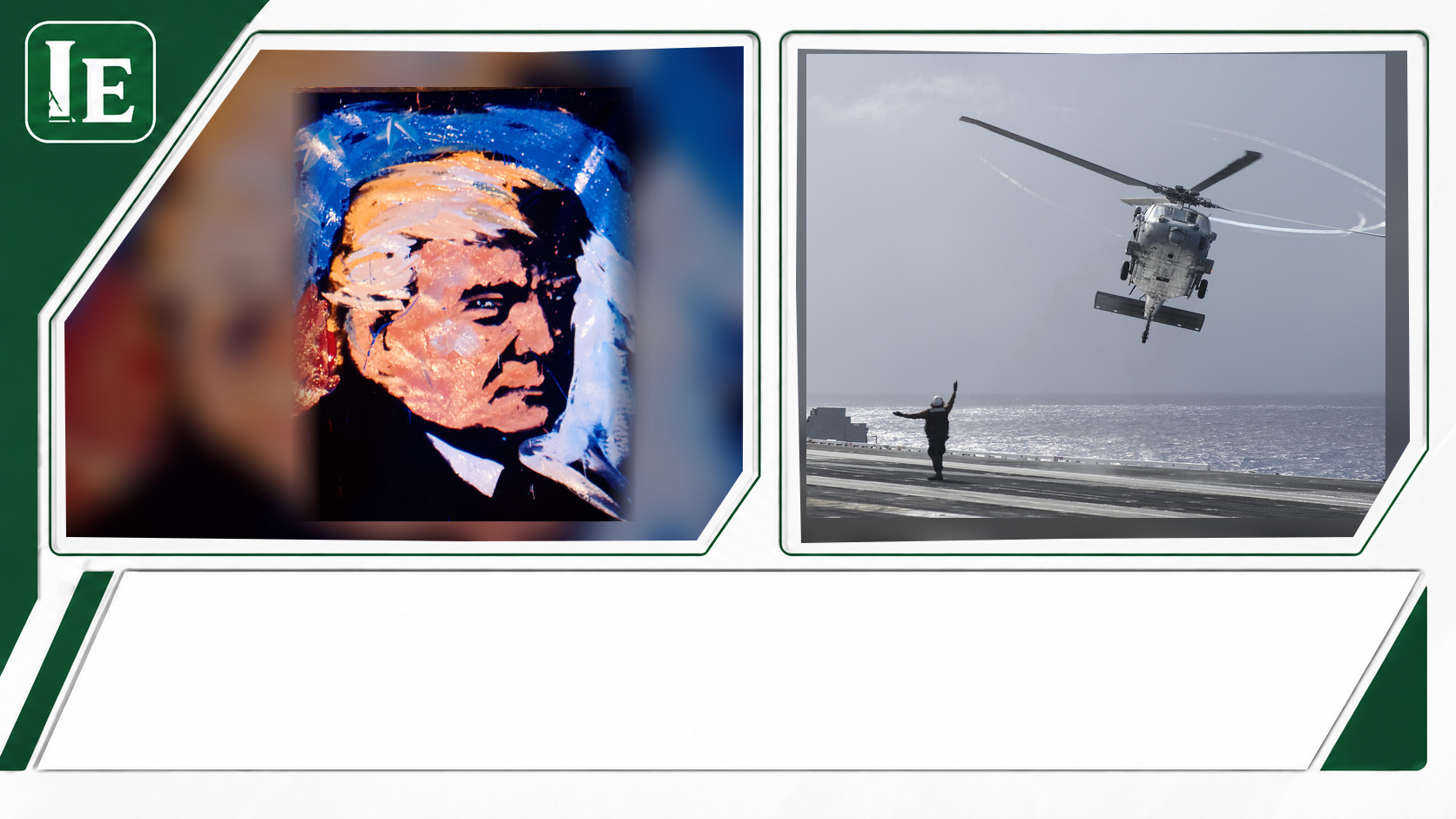
The key split is between what is known and what is not: the Pentagon’s major naval and air buildup is documented, while the reported shipboard crisis has not been publicly identified or confirmed in basic detail.
The safest reading of the Middle East warship report is a split-screen one. A report carried by The Independent via MSN says a crisis is unfolding aboard a U.S. warship associated with President Donald Trump’s regional deployment decisions. But the public record available for this article does not identify the vessel, its location, its crew or the nature of the alleged problem.
At the same time, the broader U.S. military movement is much clearer. PBS NewsHour, citing Associated Press reporting, described the Pentagon as sending the largest force of American warships and aircraft to the Middle East in decades, including two aircraft carrier strike groups, as Trump warns of possible military action against Iran if nuclear talks fail.
Those two facts should not be fused into one conclusion. The buildup is verified; the reported warship crisis remains unresolved. Without confirmation of the ship or circumstances, there is no verified basis to say whether the incident has affected U.S. operations.
Start with the missing basics
The warship report does not publicly establish the name of the vessel, the precise operating area, the type of emergency alleged or whether anyone was injured. It also does not confirm damage, a mission change or a wider operational consequence.
Those gaps matter because very different events can sound similar in shorthand. A personnel emergency, mechanical problem, medical incident, security concern or combat-related event would carry different implications for the crew and for the wider deployment.
No official Pentagon statement, U.S. Central Command update or Navy release in the reporting available for this article identified a specific shipboard incident. That leaves the report notable but not yet independently defined in public detail.
The phrase “Trump’s warship” also requires care. It is not a formal military term and does not mean Trump owns, commands or is aboard the ship. In this context, it refers to a vessel politically associated with his administration’s Middle East military posture.
The confirmed force picture is larger than one ship
The better-documented development is the size of the U.S. force moving through or toward the region. According to PBS NewsHour’s AP-based account, the deployment includes two aircraft carrier strike groups along with additional warships and aircraft.
The USS Abraham Lincoln and three guided-missile destroyers had been operating in the Arabian Sea after being redirected from the South China Sea. That carrier strike group added roughly 5,700 service members to a smaller U.S. naval presence already in the region.
Trump later ordered the USS Gerald R. Ford, described as the world’s largest aircraft carrier, and three destroyers toward the Middle East. PBS reported that the combined naval force was expected to reach 14 ships.
None of that identifies the ship referenced in the unconfirmed report. It does, however, explain why any unresolved claim involving a U.S. warship would draw attention during a major air-and-sea buildup.
Iran is the pressure point behind the posture
The deployment is tied to Trump’s public warnings that military action could follow if negotiations over Iran’s nuclear program fail. Trump has said he wants a meaningful agreement while cautioning that consequences could follow without one.
Military analysts cited by PBS said the force package appears designed to give Washington strike options while also helping protect U.S. forces and regional partners from retaliation. Carrier strike groups bring combat aircraft, escorts, missile-defense capacity and support for sustained operations.
Ali Vaez of the International Crisis Group told PBS that a limited U.S. strike could be difficult to keep limited if Iran responded more broadly. Behnam Ben Taleblu of the Foundation for Defense of Democracies pointed to Iran’s remaining missile capabilities as an ongoing threat to U.S. interests and allies.
PBS also reported that, after U.S. strikes on Iranian nuclear sites in June, Iran fired more than a dozen missiles at Al Udeid Air Base in Qatar. That response caused limited damage after advance signaling and air-defense preparations, but analysts have cautioned that a future exchange might not follow the same pattern.
The buildup is not the same as an invasion force
The size of the naval and air deployment does not, by itself, indicate preparations for a major ground invasion. Defense analyst Seth Jones told PBS that the United States is not moving a major ground invasion force.
The composition of the buildup points instead toward air and maritime options. Carrier groups can support strikes, defend U.S. personnel and regional partners, and maintain a sustained presence without signaling the same type of occupation planning associated with a large land campaign.
That distinction does not remove the risk. Iran has drones, cruise missiles and ballistic missiles that can threaten military bases, naval assets, shipping routes and other targets around the Gulf and Arabian Sea.
The Strait of Hormuz adds another layer of concern because it is a narrow waterway used by a significant share of global oil and gas shipments. Any serious disruption there could have effects far beyond the immediate military theater.
What would change the story
The unanswered warship report would become more consequential if officials or credible reporting identified the vessel, confirmed an incident, described injuries or damage, or explained any effect on the ship’s mission.
Military officials may withhold details to protect personnel, avoid exposing vulnerabilities or preserve an investigation, especially near a potential conflict zone. Even so, the absence of basic public facts leaves room for speculation.
For now, the public picture remains divided. Trump’s major U.S. naval and air buildup in the Middle East is the confirmed development. The reported crisis aboard a U.S. warship remains unresolved, with its cause, scale and outcome not publicly established.
Leave a Reply