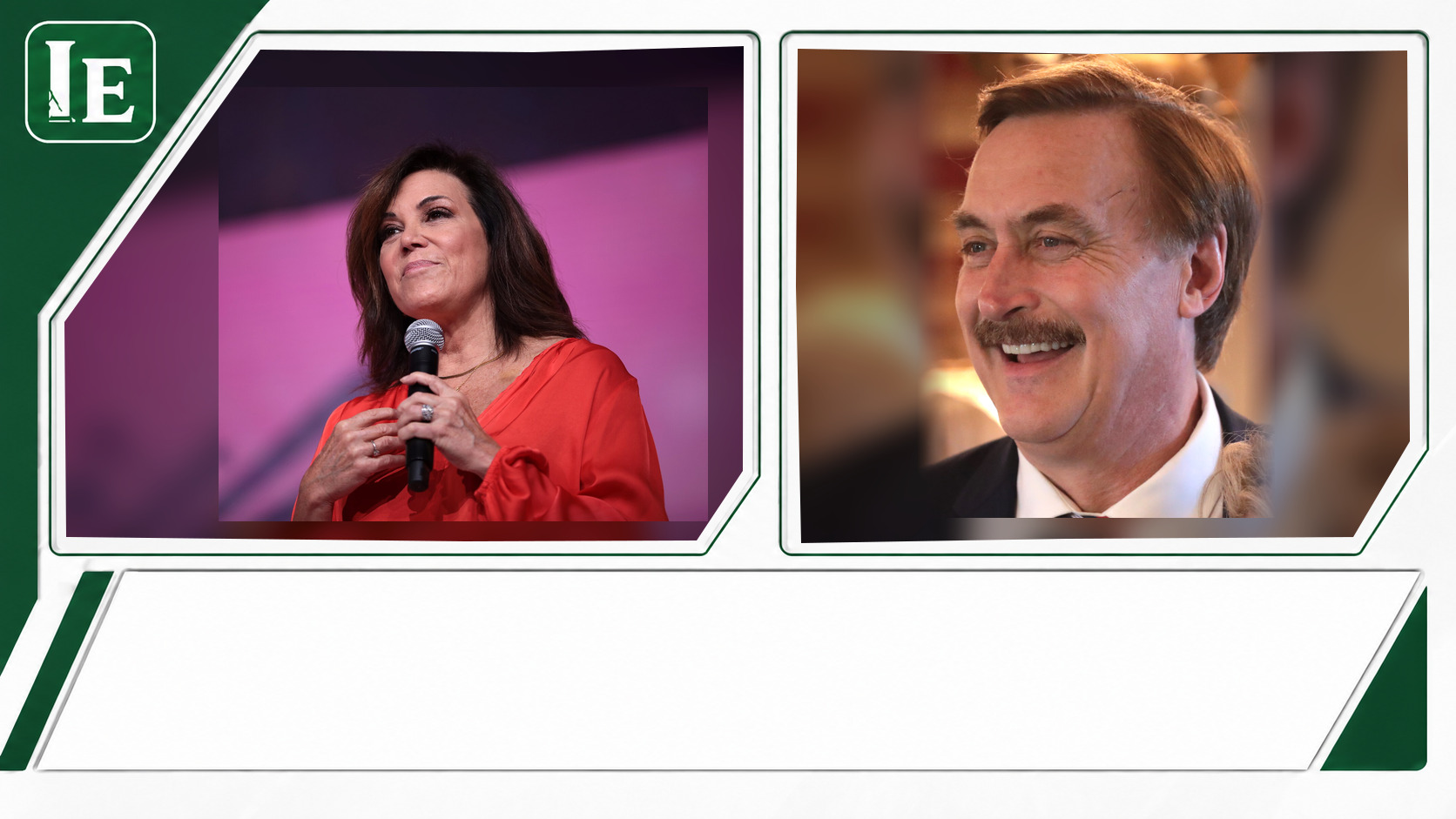
Minnesota Republicans have chosen Michele Tafoya as their Senate nominee after a decisive primary result. Mike Lindell’s defeat underscores that national visibility alone did not settle the state’s GOP contests.
Michele Tafoya won Minnesota’s Republican Senate primary on Tuesday, August 11, 2026, with 52 percent of the vote, while Mike Lindell fell short in his own Minnesota primary bid. The result gives Minnesota Republicans a Senate nominee for the general election and ends Lindell’s latest campaign for office.
Tafoya’s victory puts a former sports broadcaster and conservative political media figure at the center of the GOP’s statewide strategy. Lindell’s loss, meanwhile, leaves a clear result but not a complete answer about why a nationally prominent candidate did not prevail.
Tafoya secures the Senate nomination
NBC News projected Tafoya as the winner of Minnesota’s Republican Senate primary, reporting that she received 52 percent. The vote settles the party’s nomination contest and moves Tafoya from candidate to the Republican standard-bearer in the Senate race.
For a primary electorate, the immediate choice was about selecting a nominee for the fall campaign. Tafoya now carries the party’s formal backing into a broader contest that will require more than a winning coalition within the GOP.
Her victory was decisive, but it does not determine the general election. A primary result shows which candidate Republican voters selected; it does not predict how independents, Democratic voters or less frequent voters will respond in November.
A public profile meets statewide politics
Tafoya comes to the Senate race with an unusually recognizable background for a first-time federal nominee. Many voters know her from years as a prominent NFL sideline reporter, and she later became more visible in conservative political media.
That recognition may help a candidate introduce herself across a large state, beyond party activists and the biggest metropolitan areas. It can also bring closer scrutiny, because a statewide Senate campaign demands a sustained argument about policy, organization and appeal to voters beyond a candidate’s existing audience.
Supporters can interpret Tafoya’s result as a preference for a candidate with communication skills and a public profile that could extend beyond the party’s most committed voters. Critics may argue that the general election will test whether familiarity from television translates into confidence on the issues associated with the Senate.
Lindell’s campaign ends in defeat
Lindell lost his Minnesota primary race, according to the reported results. The MyPillow founder has long been a conspicuous figure in national conservative politics, particularly through his false claims about the 2020 presidential election and his support for efforts challenging that result.
His name recognition ensured that his candidacy drew attention. But attention is not the same as the support needed to win a statewide primary, where organization, endorsements, donors, local officials and voters’ views of a candidate’s November prospects can all matter.
The available result establishes that Lindell lost, not precisely why each voter made that choice. It cannot by itself show whether concerns were centered on ideology, campaign strategy, personal reputation or the office he sought.
Still, the outcome limits Lindell’s ability to claim a statewide electoral mandate in Minnesota. Whether he remains active as a donor, media figure or political advocate is separate from the result voters delivered on August 11.
Two kinds of political visibility
Tafoya and Lindell entered Minnesota’s primary contests with broad public recognition, but it came from different sources. Tafoya built her profile in mainstream sports television before expanding into political commentary. Lindell became widely known through a consumer brand and then through his high-profile role in election conspiracy theories.
The results do not mean public prominence was irrelevant. They show, instead, that recognition alone did not settle either contest. Tafoya translated her visibility into a Senate nomination; Lindell did not clear his own primary.
There is room for competing readings of Lindell’s defeat. It may be seen as a rejection of a candidate strongly associated with election falsehoods, or more narrowly as the outcome of one candidate’s campaign in one race. The primary cannot settle that larger argument, though it provides a concrete measure of voter preference when ballots were counted.
The challenge shifts to November
Minnesota’s Senate contest now moves beyond an internal Republican fight. Winning a primary requires motivating a party base; winning statewide requires building a larger coalition across a more varied electorate.
Minnesota has a record of close, expensive and nationally watched elections. Senate contests can bring outside money, heavy advertising and close attention to turnout in the Twin Cities, suburbs, regional centers and rural counties.
The matchup, campaign messages and spending picture will become clearer as the parties organize around their nominees. Tafoya’s 52 percent has answered the GOP’s immediate nomination question, but it has not erased differences within the Republican coalition or resolved what combination of endorsements, fundraising and activist energy will shape the fall campaign.
What the primary result settles
The clearest takeaway is straightforward: Minnesota Republicans selected Tafoya as their Senate nominee, and Lindell’s latest bid for office ended in defeat.
For Tafoya, the next test is whether a clear intraparty win can become a statewide coalition. For Lindell, the primary result separates national political visibility from a victory at the ballot box in Minnesota.
Leave a Reply