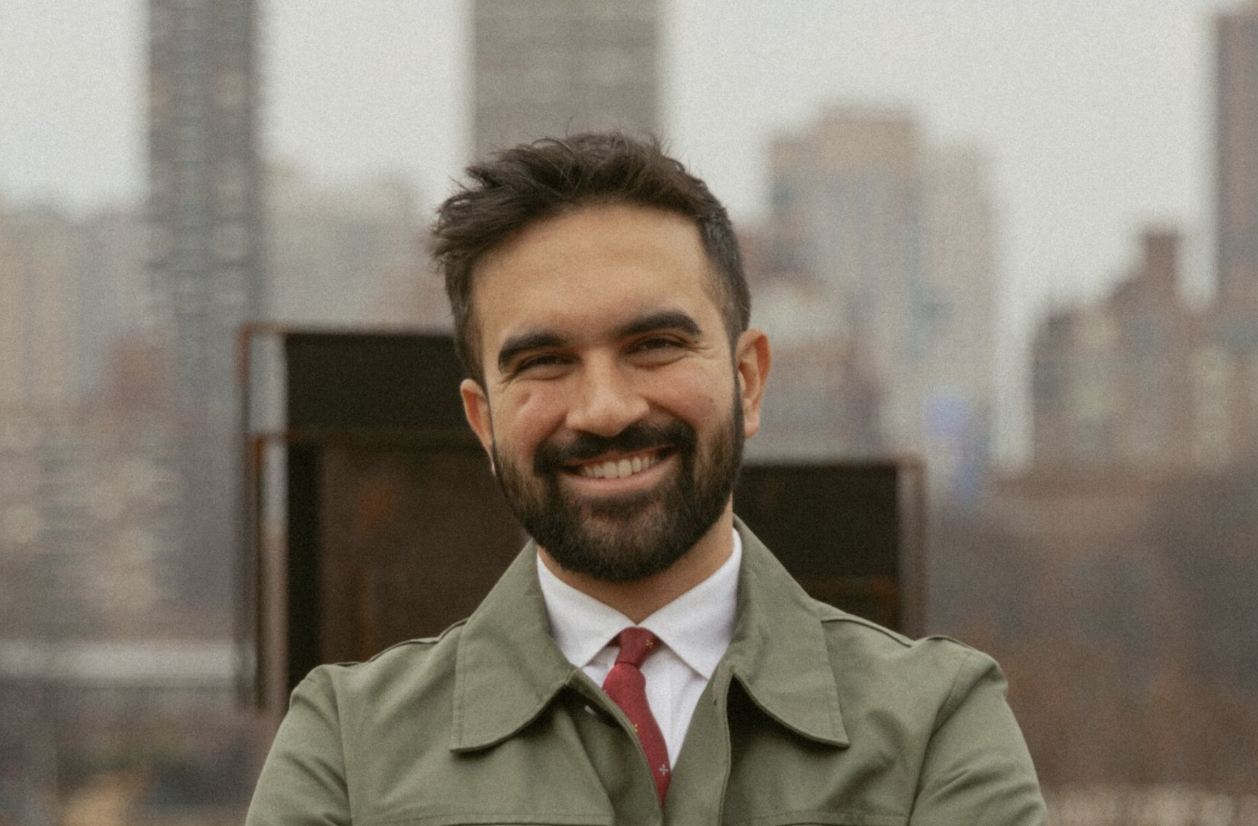
The political shift is less about one bad week than the difficult move from campaigning to governing. For Mamdani, disputes over taxes, business relations and Israel are testing how broad his governing coalition really is.
Zohran Mamdani’s political honeymoon with New York City is over, according to recent Wall Street Journal reporting. The New York City mayor is facing growing discontent from some residents, a fraying relationship with the City Council and policy difficulties around marquee promises, including the launch of a pied-à-terre tax.
The shift matters because Mamdani entered office with a mandate for an ambitious progressive agenda. Now the question is whether he can turn early visibility and political wins into the durable alliances needed to govern a city where every tax, public gesture and legislative fight creates new opponents.
Early momentum met governing reality
Mamdani was sworn in as New York City’s 112th mayor on Jan. 1, 2026, according to the official mayoral website. Before becoming mayor, he represented parts of Queens in the New York State Assembly, including Astoria, Ditmars-Steinway and Astoria Heights.
Reporting relayed by Political Wire, citing the Wall Street Journal, described Mamdani as riding high earlier in the summer. The account pointed to a new tax on the wealthy, endorsements of three successful progressive congressional candidates and a high-profile moment handing the New York Knicks the keys to the city.
Those events created the picture of a mayor with momentum: a recognizable political brand, a national progressive profile and a willingness to use the office as a platform. But a strong opening does not settle the harder question of whether a mayor can convert energy into policy that works smoothly and earns support beyond core allies.
The pied-à-terre tax became a test
The reported messy launch of the pied-à-terre tax is central to the emerging criticism. The policy, aimed at owners of high-value secondary homes, was presented as part of Mamdani’s broader campaign commitment to place more of the tax burden on wealthy New Yorkers.
Taxes can be politically attractive in principle because they offer a clear statement about fairness. Administration is more complicated. A new levy must be understood by taxpayers, carried out by agencies and defended against concerns about its economic effects, legal mechanics and unintended consequences.
That is why implementation problems carry more weight than a routine policy dispute. Supporters may see friction as the cost of pursuing an overdue change. Critics can point to the same problems as evidence that a slogan-ready idea was not prepared for the machinery of city government.
The available reporting does not establish the full scope of the tax’s launch problems or how they will be resolved. Still, the episode shows the narrow margin a new mayor has when a signature pledge moves from campaign language into daily administration.
Business criticism widens the coalition challenge
The Wall Street Journal report said some of Mamdani’s critics are upset by what they view as slights against the business community. That criticism matters in New York City, where major employers, property owners, small businesses and civic groups often have a large role in debates over jobs, taxes and development.
Mamdani’s political appeal has rested in part on a willingness to challenge wealthy interests. To supporters, that posture is not a liability; it is the point. They may argue that business leaders are accustomed to outsized influence and that a mayor should not dilute promises on affordability and worker protections to avoid elite discomfort.
Opponents see a different risk. They argue that a mayor who wants to expand services or reshape housing and tax policy still needs working relationships with the employers and investors whose decisions affect the city’s economic health.
Neither view eliminates the other. The political task is whether Mamdani can maintain a confrontational reform message while building enough trust to make his agenda workable. That is a much tougher balancing act than winning applause from either side alone.
Israel dispute carries political costs
The same report cited discontent among New Yorkers over Mamdani’s anti-Israel rhetoric. Separately, the New York Times reported that elected officials and pro-Israel Jewish organizations criticized his decision not to attend the annual Israel Day Parade.
Foreign-policy disputes do not disappear at the city line, especially in a city with large and politically engaged Jewish, Muslim, immigrant and diaspora communities. A mayor’s statements and appearances can become tests of belonging, representation and public leadership even when City Hall does not control national policy.
Mamdani’s supporters may view his positions as consistent with a human-rights-focused progressive politics and argue that criticism of Israel should not be treated as hostility toward Jewish New Yorkers. His critics, including those upset by his rhetoric or decisions around public events, see the issue as a warning sign about how he engages with an important part of the city’s civic life.
The immediate political consequence is not simply disagreement over the Middle East. It is a question of whether the mayor can address deep divisions without allowing them to harden into lasting distrust across communities he must represent.
City Council ties now matter more
A fraying relationship with the City Council may be the most consequential problem in the report. A mayor can set priorities and command attention, but many major changes require legislation, budget agreements, oversight cooperation and sustained negotiations with council members.
That institutional reality can be frustrating for leaders who campaign on speed and transformation. It is also a safeguard: the Council represents neighborhoods and constituencies that may not share City Hall’s political calculations or timetable.
For Mamdani, a tense relationship could slow or reshape initiatives that depend on Council support. It could also make ordinary governing disputes more public, giving critics additional opportunities to frame setbacks as failures of management rather than normal legislative bargaining.
On the other hand, conflict does not necessarily mean permanent rupture. New York City politics is built on bargaining, and both City Hall and the Council have incentives to claim progress on issues residents feel directly, from housing costs to public services.
The next measure is delivery
The reported end of Mamdani’s honeymoon should not be confused with a final verdict on his mayoralty. He remains early in his tenure, and new administrations often encounter resistance once broad campaign promises collide with budget limits, bureaucracy and competing constituencies.
What is clear is that the terms of the debate have changed. Mamdani is no longer being judged mainly on the ambition of his agenda or the force of his political message. He is being judged on execution, relationships and whether he can prevent individual setbacks from becoming a larger story of stalled governing.
His supporters can reasonably argue that opposition was inevitable for a mayor pursuing redistributive policies and taking controversial positions. His critics can reasonably ask whether his approach has made it harder to assemble the partnerships required to govern effectively.
The outcome will depend less on the symbolism of an early political rise than on the unglamorous work ahead: clarifying policy, repairing strained alliances and showing New Yorkers that difficult promises can produce results.
Leave a Reply