The fluffy white dog attracting attention around Taylor Swift and Travis Kelce may make more people curious about Samoyeds. But the French Bulldog boom shows why viral breed appeal and responsible pet ownership are not the same thing.
Taylor Swift’s Samoyed could turn the breed into a status symbol, at least in theory, after Travis Kelce was photographed with a Samoyed puppy in Palm Beach, Florida. The reported link between Swift, Kelce and the dog has prompted comparisons with French Bulldogs—and with the way celebrity ownership can influence dog-breed popularity.
There is no public evidence that Samoyed registrations, buyer inquiries or purchases have risen because of Swift. Still, the moment offers a useful look at how a famous face can create fascination around a breed, and why the comparison with French Bulldogs carries both appeal and caution.
The Palm Beach sighting sparked curiosity
The Wall Street Journal reported that Kelce was photographed arriving in Palm Beach with a Samoyed puppy. Fans quickly connected the animal to Swift and Kelce, putting a breed that is less common than the French Bulldog into a much larger pop-culture conversation.
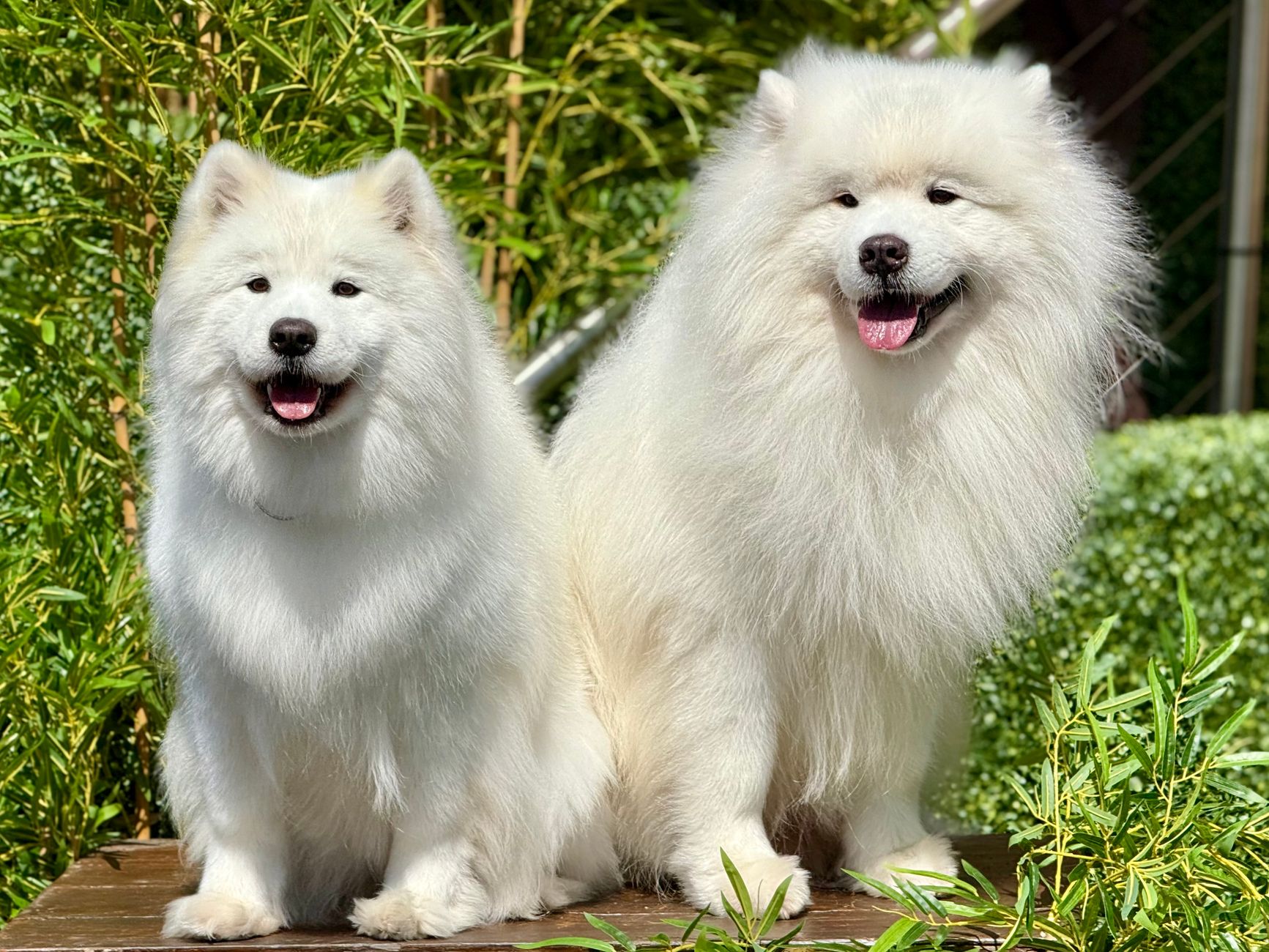
That attention makes sense. Samoyeds have an unusually recognizable appearance: a bright white double coat, dark eyes and an upturned expression often described as a smile. In photographs and short videos, those traits can make the dog feel instantly familiar, even to people who know little about the breed.
Celebrity pets can become style signals as easily as celebrity clothing, accessories or travel destinations. A dog associated with a major star may seem aspirational, luxurious or newly fashionable simply because audiences encounter the breed repeatedly in celebrity and fan content.
Swift’s cultural reach makes that possibility more noticeable. But a striking sighting is not the same thing as a measurable pet trend. For now, this is a question about potential influence, not proof of a Samoyed market surge.
French Bulldogs offer a useful warning
The French Bulldog is the clearest comparison because it moved from celebrity favorite to a widely recognized mainstream pet. Its compact frame, expressive face and reputation as an apartment-friendly dog helped make it a frequent companion of actors, musicians and influencers.
Fame alone did not make Frenchies popular. Social media spread their appeal, breeders and retailers benefited from strong demand, and prospective owners were drawn to a dog many perceived as manageable for city living. Celebrity visibility worked alongside those larger commercial and cultural forces.
That history also has a harder edge. A 2017 BBC report cited British animal-welfare groups that linked the celebrity and Instagram trend around French Bulldogs to an increase in dogs being surrendered. The groups warned that some buyers did not fully understand the breed’s health concerns, including breathing problems associated with its flat-faced conformation.
A Samoyed trend would not necessarily produce the same result. Still, the Frenchie example shows why calling any breed “the next” celebrity dog can be misleading. High visibility can encourage rushed purchases, poorly informed breeding and households that are unprepared for the costs and work involved.
One famous owner is rarely enough
Media exposure can affect which dogs people want, but its influence has limits. A 2014 study indexed by the National Institutes of Health examined links between dog movies and breed popularity. It found that movies had their strongest effect in the early 20th century and that their influence declined over time.
That finding challenges the idea that one celebrity can single-handedly create a lasting breed craze. People now make pet decisions amid competing influences, including algorithmic feeds, breed-specific communities, rescue organizations, veterinary advice, housing limits and household budgets.
At the same time, fragmented media can help a trend build momentum after an initial spark. A celebrity image may lead to fan accounts, pet creators, breeder marketing and search recommendations, all giving audiences more opportunities to see and think about the same breed.
If Samoyeds draw more public interest, Swift could be one part of the explanation rather than the entire reason. A true rise in demand would require sustained exposure and a pool of people whose lives, finances and living situations actually fit the breed.
The real dog behind the image
The biggest gap between a Samoyed on a feed and a Samoyed at home is daily care. Breed guides, including one published by the Los Angeles Times, advise prospective owners to consider grooming, training, temperament and health needs before bringing one home.
Samoyeds were developed as working dogs in cold climates. Their thick coats need regular maintenance, and the polished white fur that looks so dramatic in a photo requires brushing, cleaning and tolerance for heavy shedding.
They also need more than a quick walk and an appealing camera angle. The breed requires activity, training and social contact. A Samoyed that does not receive enough physical exercise or mental engagement can become bored or disruptive.
- Grooming: The dense coat requires steady care and sheds heavily.
- Time: Exercise, training and companionship are core needs, not extras.
- Climate: A dog developed for cold conditions may require careful management in heat.
- Cost: Food, grooming, veterinary care, training and pet care extend well beyond the purchase price.
Those demands do not make Samoyeds unsuitable pets. They mean the breed is best suited to owners with the schedule, space, resources and willingness to meet those needs over the long term.
What a genuine boom would look like
Fan excitement alone would not establish a celebrity-driven Samoyed boom. More concrete signs would include increased inquiries to reputable breeders, breed-rescue groups, veterinarians and shelters. Search interest could also rise, though online curiosity cannot show whether people are prepared to become responsible owners.
There is a positive version of that outcome. More awareness could connect knowledgeable households with a breed that genuinely suits them and broaden interest in training, adoption and ethical breeding.
The risk is that people first meet Samoyeds as an image: an exceptionally fluffy puppy associated with famous people. The reality arrives later, in the form of shedding, energy requirements, grooming appointments and long-term expenses that cannot be filtered out of a social-media post.
Attention does not equal suitability
Swift and Kelce may give Samoyeds a short-term cultural boost simply by making more people notice the breed. Turning that attention into a lasting status-symbol phenomenon, however, would require much more than one highly photogenic puppy and a famous household.
The breed’s real-life demands may be the strongest brake on an unchecked craze. For people newly drawn to the Samoyed look, the sensible next step is to research the actual dog—not just the celebrity association—and weigh responsible breeders or rescue organizations, a realistic budget and a long-term commitment before making a decision.
Leave a Reply