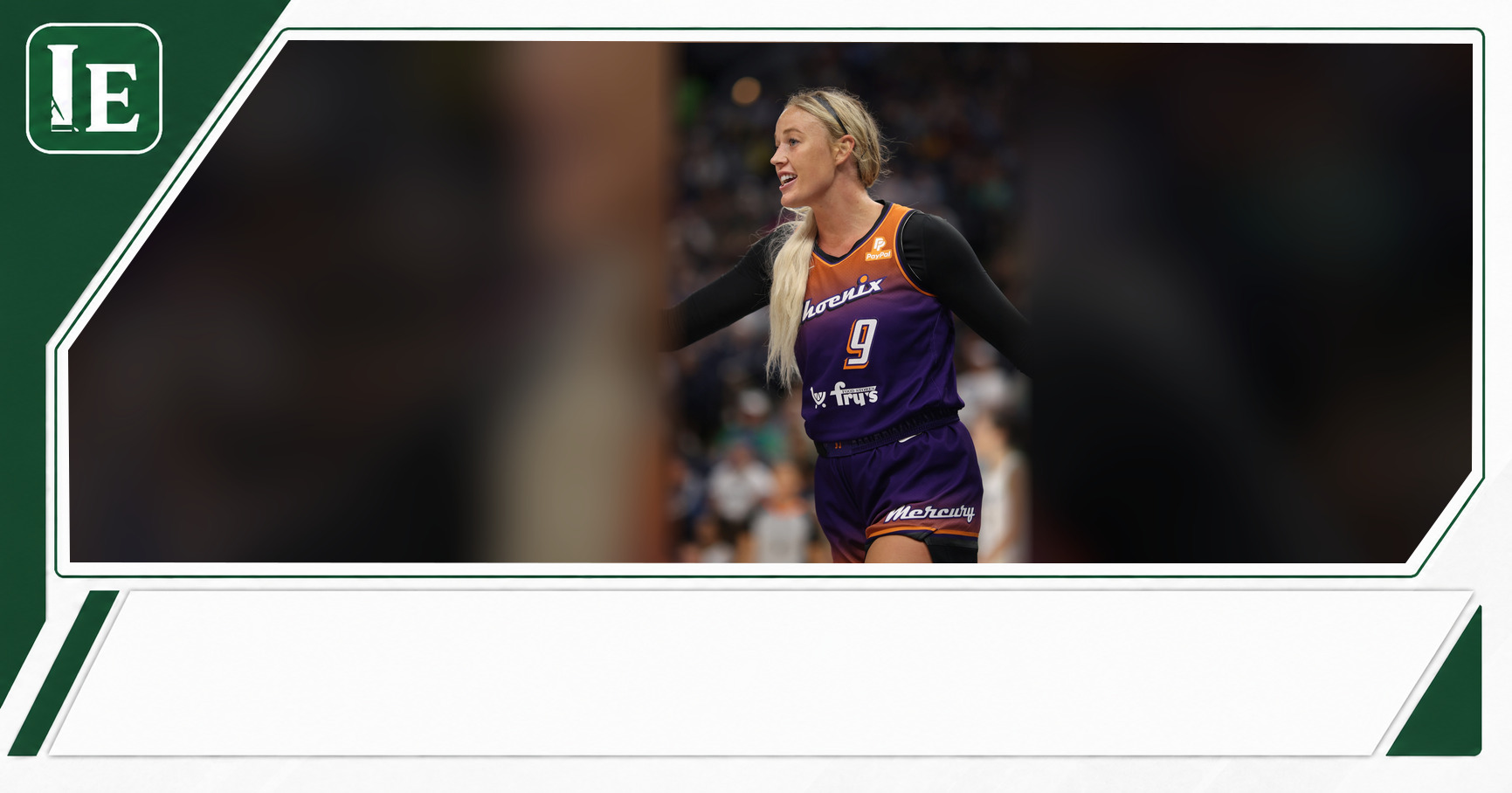
Cunningham did not treat a hostile reception as a grievance after Indiana’s road win. Her reaction put the spotlight on a loud Toronto crowd and the kind of atmosphere the WNBA wants more of.
Sophie Cunningham was booed by a Toronto crowd during the Indiana Fever’s game against the Toronto Tempo at Scotiabank Arena on Tuesday, August 18, 2026. Rather than objecting, Cunningham embraced the boos and responded positively after Indiana’s 101-95 win, praising Toronto fans for bringing the loud, passionate atmosphere that makes a road game feel meaningful.
The Fever guard finished with 13 points and made all three of her 3-point attempts, but her postgame comments became a telling part of the night. Cunningham’s message was simple: cheers and boos are both part of a healthy sports environment when they come from fans invested in their home team.
Boos did not change her view
Cunningham said she had no problem with the reception from Tempo fans. Instead of framing their jeers as disrespect, she described them as part of the competitive exchange between athletes and a home crowd.
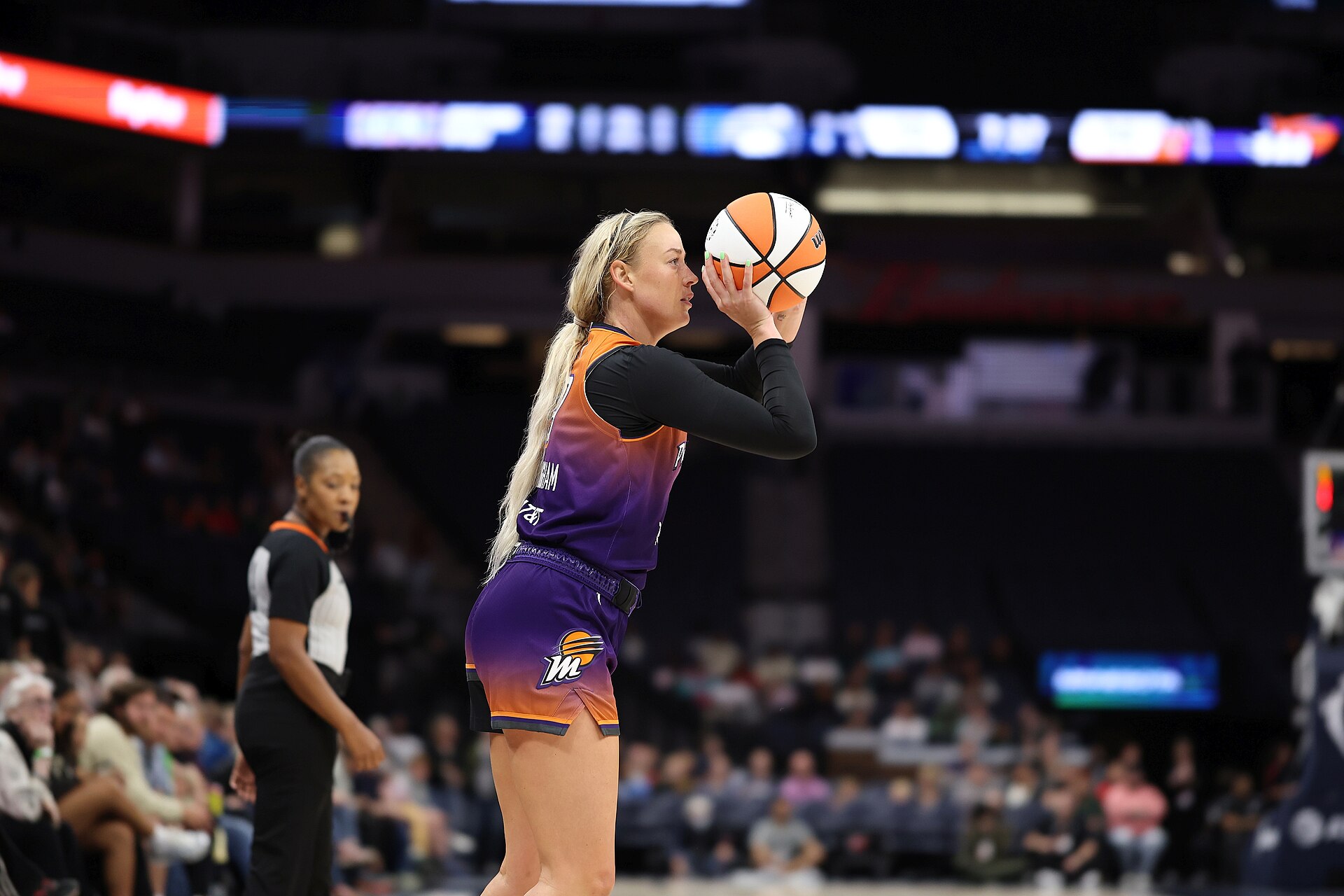
“You’re gonna get boos. You’re gonna get cheers,” Cunningham said after the game, according to USA Today. What stood out to her was not the negativity of a few loud moments, but the energy behind them: fans who were engaged, vocal and eager to support their city’s team.
That is a notably different response from the usual social-media cycle around booing. A player receiving a hostile reaction can quickly become a story about conflict, blame or an imagined feud. Cunningham instead treated the crowd’s reaction as evidence that the game mattered to the people in the building.
Her answer also avoided claiming that every boo has the same meaning. Fans may boo an opponent for any number of reasons, including rivalry, a tense moment in the game or a player’s public profile. Cunningham did not try to define the crowd’s motives. She focused on the part she could appreciate: Toronto showed up and made its presence felt.
Indiana earned a tight road win
The crowd reaction came during a game that gave Toronto supporters plenty of reason to stay invested. Indiana left Scotiabank Arena with a 101-95 victory, a close result rather than a routine road win.
Cunningham contributed 13 points while going 3-for-3 from beyond the arc. Kelsey Mitchell led all scorers with 29 points and extended her streak of 20-point games to 20. Caitlin Clark added 24 points, seven assists and three rebounds.
The victory also matched the Fever franchise record for wins in a season, with 24. That milestone gives the result a larger place in Indiana’s season: the Fever were not merely playing an exhibition-style date in a new market, but pursuing a benchmark in a competitive campaign.
For Toronto, the loss did not erase the value of the event’s atmosphere. A close game, recognizable stars and a crowd willing to challenge the visiting team are ingredients leagues look for when measuring whether a market can sustain attention beyond opening-night novelty.
Toronto got its flowers
Cunningham’s appreciation extended beyond the fans. During an on-court interview, she praised the setting for women’s basketball and credited the Tempo organization for the environment around the game.
She specifically mentioned coach Sandy Brondello and noted the quality of Toronto’s roster, including Marina Mabrey and Brittney Sykes. That context matters because the compliment was not simply a polite gesture after a victory. Cunningham acknowledged Toronto as a competitive opponent in a building she said was fun to play in.
Her choice of words also highlighted a useful distinction. Players want support for their own teams, but that does not mean they want silent arenas on the road. A charged crowd can create pressure and discomfort while still being something competitors respect.
Toronto fans, from that perspective, did their job. They backed the Tempo and made the Fever feel like visitors. Cunningham’s reaction suggests that the boos did not cross a line for her; they helped create the intensity that separates a real road game from a neutral-site event.
A growing league needs real road games
The exchange carries a broader lesson for a WNBA that has drawn increasing attention to crowd energy, star players and market expansion. Interest is not measured only by ticket sales or highlight clips. It is also visible in whether fans are emotionally invested enough to cheer, groan and boo at the right moments.
There is, of course, a boundary between spirited heckling and personal abuse. Cunningham praised the passion she experienced in Toronto, not every possible form of fan behavior. Teams and leagues still have a responsibility to keep arenas safe and ensure competition does not become harassment.
But sports crowds are not supposed to be uniformly polite. Home teams benefit from noise. Visiting players test themselves against it. When an athlete can acknowledge that dynamic without escalating it, the moment can become less about controversy and more about the shared stakes of the game.
Cunningham’s response also reflects the confidence of a team that handled a difficult setting and left with a win. It is easier to appreciate a hostile crowd after making shots, surviving a close finish and adding a franchise-level accomplishment to the season ledger. Still, her remarks gave Toronto recognition rather than treating the arena as an obstacle to dismiss.
Dallas is Indiana’s next stop
The Fever do not have much time to linger on the Toronto atmosphere. Indiana and Cunningham are scheduled to travel to Texas for a Thursday game against the Dallas Wings, who were listed at 20-16. The game is set for 8 p.m. ET on Prime Video.
For Indiana, the immediate question is whether it can carry the same scoring balance and late-game execution into its next road test. Mitchell’s extended scoring streak, Cunningham’s efficient perimeter shooting and Clark’s playmaking gave the Fever multiple ways to win in Toronto.
For the bigger WNBA picture, the unanswered question is how consistently new and growing markets can reproduce nights like this one. One loud crowd does not settle that issue. Yet Cunningham’s comments offered a useful signal: players notice when a city creates a real basketball atmosphere, even when that atmosphere includes boos directed at them.
The final score belonged to Indiana, and the record-tying win will matter most to the Fever. But Toronto’s crowd earned an unusual kind of endorsement from an opposing guard: it was loud enough to be heard, competitive enough to be felt and, in Cunningham’s view, exactly what sports should sound like.
Leave a Reply