Blog

  • QR Codes and 700 Seats Recast the Correspondents’ Dinner

    QR Codes and 700 Seats Recast the Correspondents’ Dinner

    The WHCA still plans awards, scholarships and remarks from Trump, but Politico reports the rescaled event is being managed less like a spectacle than a controlled gathering.

    The White House Correspondents’ Dinner is still meant to honor journalism, recognize scholarships and put the presidency in the same room as the reporters who cover it. This year, the most visible changes may be the tighter gate, the smaller room and the number of invitees choosing not to be there.

    According to a Politico Playbook report published Friday, the dinner has gone from an originally expected crowd of roughly 2,600 to about 700 guests, with President Donald Trump expected to attend and speak.

    The program still centers journalism

    The White House Correspondents’ Association uses the dinner to present scholarships and journalism awards, a purpose that complicates the idea that the night is simply a Washington social event.

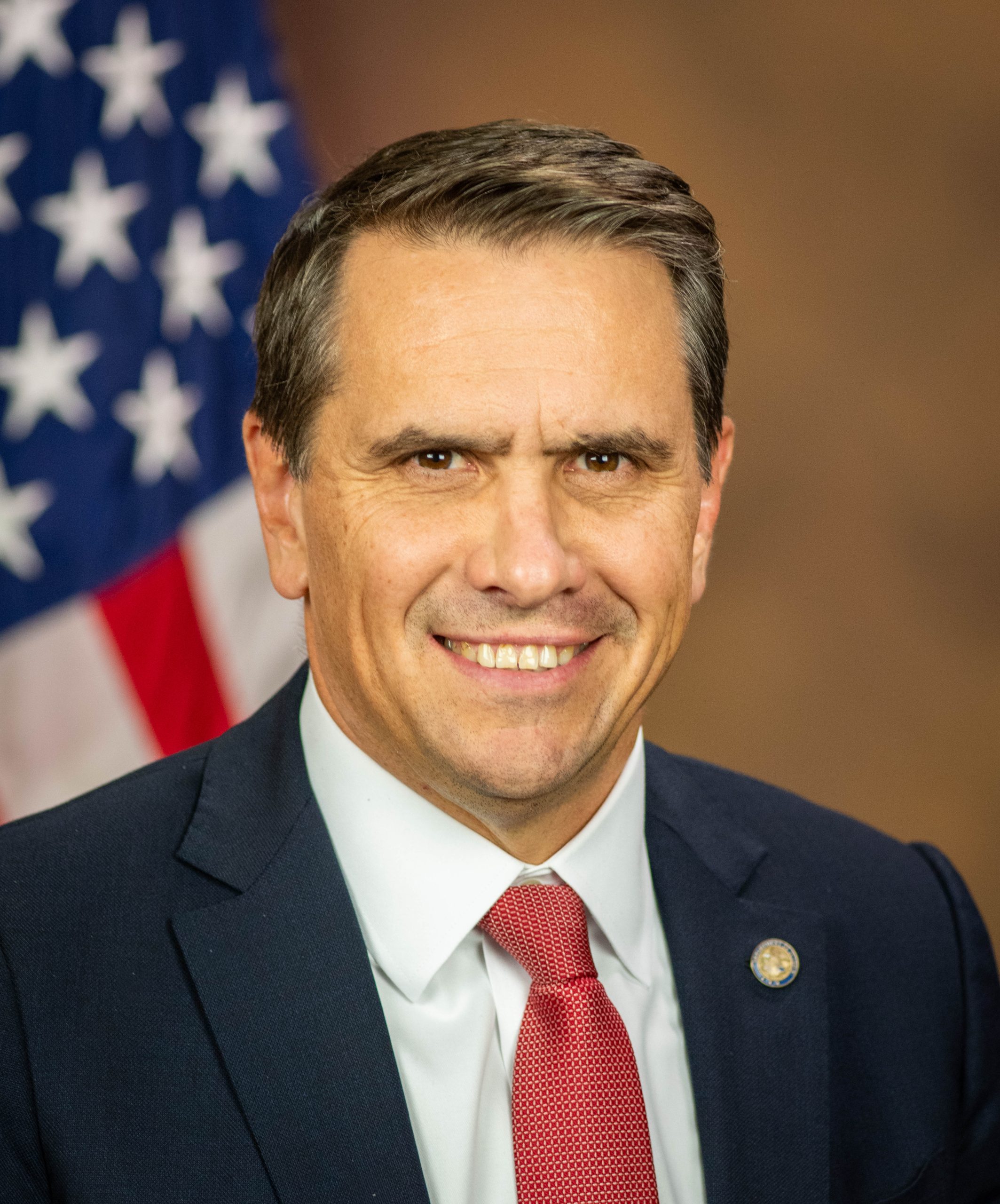
    January 2025 Official Presidential Portrait of Donald J. Trump
    Image: Daniel Torok, via Wikimedia Commons, Public domain.

    Trump is expected to sit through the scholarships and awards before delivering remarks, Politico reported. The program also includes a closing performance by mentalist Oz Pearlman.

    Politico noted that some awards will recognize work Trump has criticized, including Wall Street Journal reporting on Jeffrey Epstein. That places journalism the president has objected to inside a room where he is expected to be present and later speak.

    WHCA President Weijia Jiang has tried to keep the evening from feeling, in Politico’s phrasing, “like a candlelight vigil.” Even so, the setting described in the report is more controlled than celebratory.

    Attendance has become part of the story

    Politico reported that invitees are avoiding or declining the dinner and that interest in the event is very low. The reasons described in the report are not all the same.

    Some conflicts are ordinary calendar problems: late-July vacations, weddings and family obligations. One White House reporter told Politico they would attend if they were in town, but called the event “exhausting.”

    Other reluctance is tied more directly to the political atmosphere. A prominent veteran journalist told Politico that attendees were “pretty unhappy about being there,” citing “tension and unease” among members of the press over Trump’s repeated attacks on the media.

    The bluntest assessment came from one White House reporter quoted by Politico Playbook: “Nobody wants this, other than Donald Trump and the WHCA board.”

    The room is far smaller than planned

    The original dinner had been expected to bring roughly 2,600 guests to the Washington Hilton. Politico reported that the scaled-back version is expected to draw about 700 people at the Waldorf Astoria, formerly the Trump International Hotel.

    A member of the WHCA leadership team told Politico the smaller gathering would feel more intimate. That may be true, but the size also changes the optics of the event.

    The dinner has long relied on a broad mix of reporters, officials, guests, donors, award winners and people who want to be seen near power. In a room this much smaller, attendance and absence are easier to notice.

    Security replaces the red-carpet feel

    Politico reported that the dinner will have no red carpet, fewer guests and tighter security. That is a sharp departure from the celebrity-heavy versions of the event that often shaped public attention around the dinner.

    Every guest, including Cabinet members, registered to receive an individual QR code. Entry requires both that code and photo identification.

    The WHCA is coordinating with the Secret Service and a private security firm on added precautions, according to Politico. Those details point to a more security-forward atmosphere than the pop-culture spectacle many readers may remember.

    The White House says officials are not avoiding it

    Press secretary Karoline Leavitt told Politico Playbook that Trump’s speech would be “unifying yet vicious, and serious yet hilarious.” After reading a draft, she also said, “It will be entertaining.”

    Trump’s presence gives the dinner a built-in point of tension: a president who has repeatedly targeted the media appearing at an event organized by the journalists who cover the White House.

    Leavitt also pushed back on the idea that administration officials are steering clear. She said the administration expects most Cabinet members and senior staff to attend, and that anyone absent has a scheduling conflict rather than a lack of enthusiasm.

    The longer question is about the dinner itself

    The White House Correspondents’ Dinner has long drawn criticism from different directions. Some critics view it as too cozy, putting journalists and powerful officials in a social setting that blurs the distance the press should maintain. Defenders point to its role as a civic ritual that funds scholarships and publicly celebrates reporting.

    This year’s smaller, stricter format gives both sides fresh material. It could look like a necessary correction after years of spectacle, or it could suggest that the old formula is harder to sustain in the current relationship between the White House and the press corps.

    What remains unclear is whether the low enthusiasm is mostly a one-year reaction to timing, security and Trump-era tension, or a sign of deeper fatigue with the dinner itself.

    For now, the WHCA still has awards and scholarships to present, the White House still has a prominent platform, and journalists still have a room in which their presence — or absence — may speak before anyone reaches the podium.
  • Trump’s 220 Million Voter Data Claim Runs Into Brennan’s Cover-Up Charge

    Trump’s 220 Million Voter Data Claim Runs Into Brennan’s Cover-Up Charge

    The argument is less about whether election-security intelligence should be public than about how Trump’s team is using newly declassified material to frame China, voter data and the Russia-interference record.

    The latest clash over election intelligence starts with a number: 220 million. Donald Trump has promoted a claim, highlighted by the White House, that China obtained or compromised data tied to American voters. Former CIA Director John Brennan says the way the material is being released and described amounts to a deliberate cover-up and a selective effort to rewrite the record.

    That puts two competing interpretations in front of the public. Trump’s side says declassification exposes election-security information that officials kept from view. Brennan and other critics say the presentation risks turning fragments of intelligence into a political argument aimed at discrediting earlier findings Trump has long disputed.

    The dispute is about presentation as much as documents

    Brennan’s criticism, made publicly on Thursday, does not appear to rest on a simple objection to making intelligence public. His objection is to the White House’s framing of the newly declassified material.

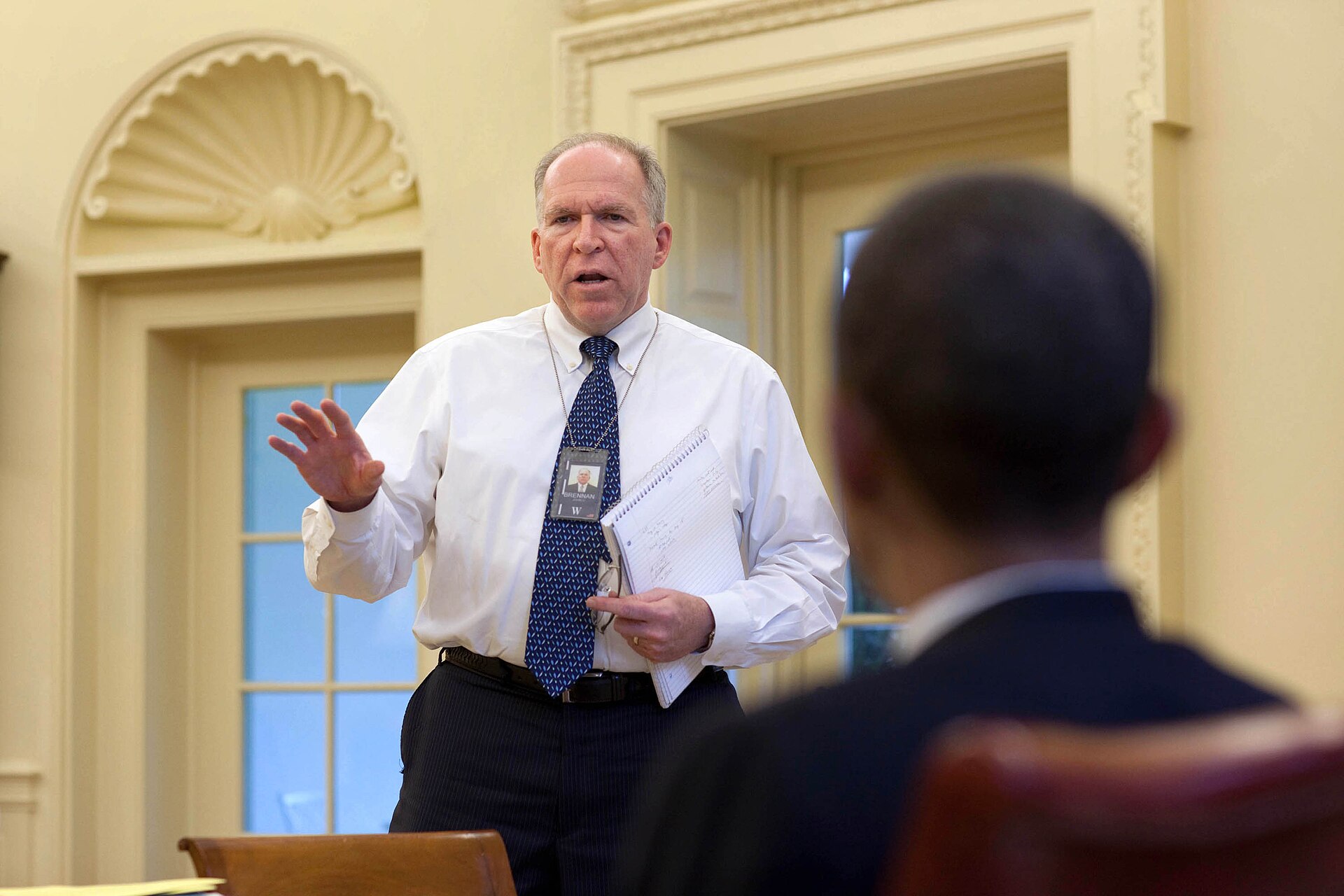
    John Brennan, Assistant to the President for Homeland Security and Counterterrorism, 2010
    Image: The White House from Washington, DC, via Wikimedia Commons, Public domain.

    According to the source brief, Brennan said the release and presentation amounted to a deliberate cover-up and a selective attempt to rewrite the record on foreign interference and the Russia investigation. That attribution matters because the strongest version of the claim is Brennan’s assessment, not an established finding.

    The disagreement is therefore about more than access to records. It is about whether the released material is being used to clarify what intelligence agencies knew, or to validate Trump’s preferred account of past election-interference disputes.

    What the White House release asserted

    The White House’s July release said Trump had declassified intelligence involving foreign election threats. As summarized in the source brief, the release argued that information about vulnerabilities and foreign adversaries had been hidden from the public, Congress and Trump.

    The release pointed to China, Russia, Iran, North Korea and other foreign actors in describing threats to U.S. election infrastructure. It also asserted that intelligence agencies knew about a breach or compromise affecting 220 million American voters and at least 18 states, and that key material was allegedly kept out of the President’s Daily Brief.

    The White House also said Trump directed the Director of National Intelligence, the Justice Department, the FBI and the CIA to investigate how the intelligence was handled. It accused political opponents and media organizations of minimizing the disclosures and characterized the handling of the information as deliberate suppression by government officials.

    Where Brennan draws the line

    Brennan’s charge focuses on the leap from releasing records to declaring what they prove. In his view, as reflected in the source brief, the documents are being used selectively to reshape the public understanding of election interference and the Russia probe.

    That is a narrower and more precise point than saying the underlying records are irrelevant. Intelligence can illuminate what officials knew, when they knew it and how they briefed senior leaders. But intelligence also depends heavily on context, including sourcing, confidence levels, timelines and competing assessments.

    Brennan has been a prominent Trump critic for years. He led the CIA during the Obama administration, and Reuters reported in 2018 that he said he would not be scared into silence after Trump revoked his security clearance.

    That history adds political weight to the current exchange. Trump and his allies have portrayed Brennan as part of an intelligence establishment hostile to Trump. Brennan has argued that Trump’s attacks on intelligence officials are intended to intimidate critics and alter the public record.

    Why the Russia assessment remains part of the backdrop

    The voter-data claim is now connected to a longer-running fight over the 2016 intelligence assessment on Russian election interference. One of that assessment’s most disputed judgments was that Russian President Vladimir Putin aspired to help Trump.

    Trump has repeatedly rejected or minimized the idea that Russia’s interference reflected a preference for him. Former intelligence officials have defended the broader conclusion that Russia intervened in the election.

    A CIA tradecraft review later examined the debated judgment about Putin’s preference. Separately, PBS recently framed a segment around an ex-CIA analyst criticizing Trump’s effort to deny the Russia probe, showing that the old dispute continues to appear in current coverage.

    The new declassification argument adds another layer. It raises questions about whether China-related voter-data intelligence was underplayed, whether other foreign-threat information was suppressed, and whether Trump is using those claims to weaken confidence in Russia-related conclusions he disputes.

    What remains unresolved

    The public record described so far does not, by itself, settle whether the newly declassified material changes the established understanding of Russia’s 2016 interference. It also does not fully answer who saw the China-related voter-data intelligence, when they saw it or why it moved through government channels as it did.

    Those details are central because the controversy turns on process as well as substance. If officials improperly withheld significant election-security information from Trump, Congress or the public, that would raise oversight questions. If the records are being presented selectively, Brennan’s criticism would point to a different problem: political framing outpacing the underlying evidence.

    Reuters separately reported in July that Brennan, described as a Trump target, sought to force the Justice Department to preserve records related to federal activity involving him. That legal step sits alongside the public dispute over declassification and recordkeeping.

    For now, the core question remains contested: whether Trump’s release exposes mishandled intelligence about foreign election threats, or whether Brennan is right that the material is being used selectively to recast the Russia investigation and the broader interference record.

  • Letitia James Caught in NYC Shelter Accountability Fight Over Disputed $81,700 Cost

    Letitia James Caught in NYC Shelter Accountability Fight Over Disputed $81,700 Cost

    The number has become shorthand for a broader fight over whether New York City can prove its shelter dollars are buying safe beds, documented services and real exits from homelessness.

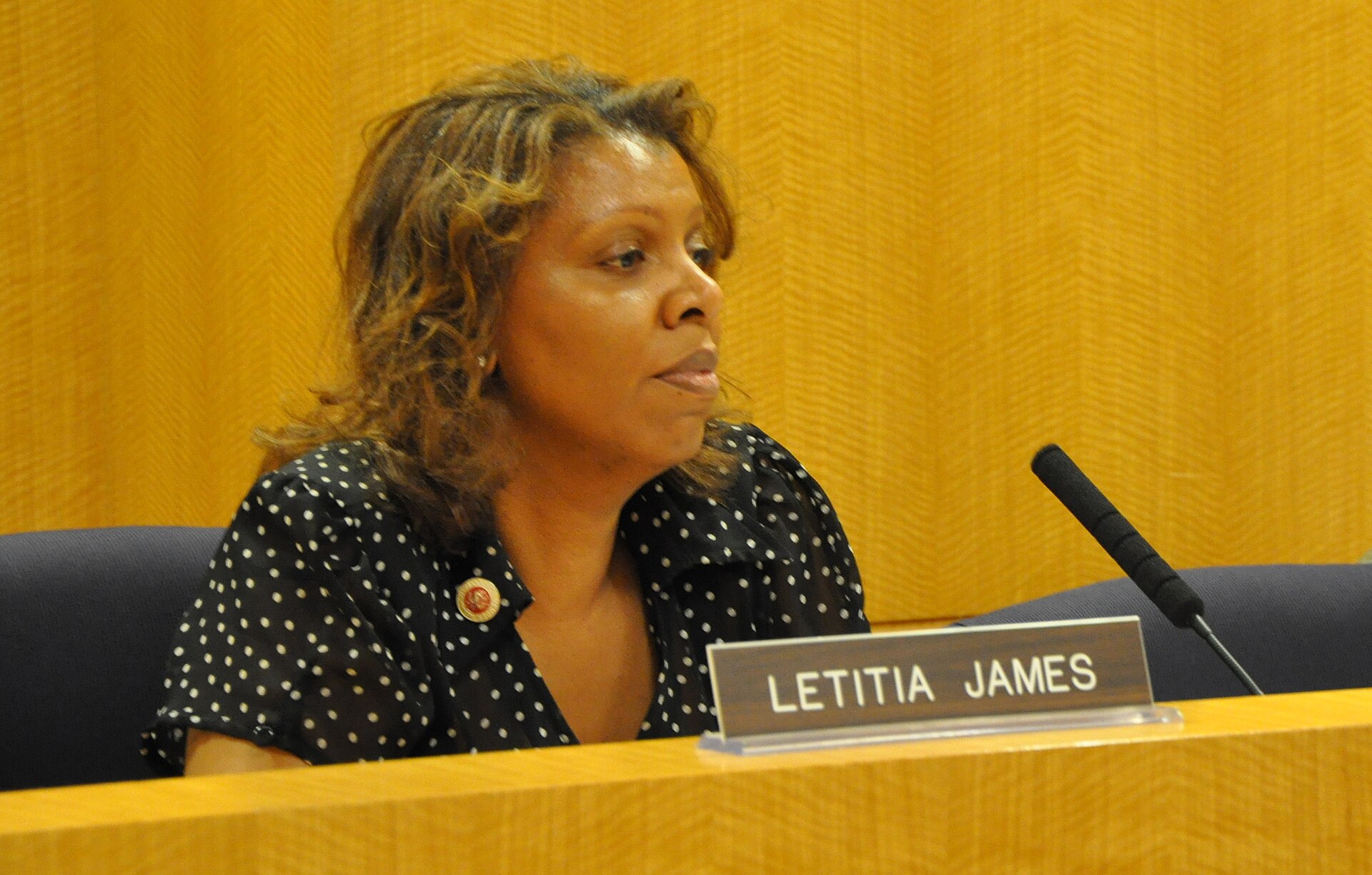
    A disputed $81,700 per-homeless-person figure is fueling scrutiny of New York City homelessness spending. Letitia James is being pulled into the oversight fight after a July 25 report said New York City spent about $81,700 per unsheltered homeless person in fiscal year 2025, with critics citing a March New York State Comptroller report and other audits to question accountability for New York City’s shelter system.

    The dispute centers on nonprofit homeless shelter providers in New York, public oversight failures and whether taxpayers can see clear proof that the shelter system is delivering safe services and progress toward stable housing.

    Why this number matters

    The $81,700 figure has power because it compresses a sprawling public system into one striking comparison. For critics, it is a way to argue that New York City is spending heavily while homelessness remains visible and shelter operations continue to draw complaints.

    Black and white image of a historic public school facade in New York City.
    Image: Brett A, via Pexels, Pexels License.

    But the figure is also disputed as a measure of performance. Homeless services budgets can cover far more than a bed for the night, including security, food, case management, placement work, medical or mental health supports, administration and payments to outside shelter operators.

    That makes the number useful, but incomplete. It raises a fair value-for-money question without answering the harder operational one: whether the city can document that costs are allowable, supported and tied to actual services.

    How James enters the fight

    Letitia James is New York’s attorney general. She is not the city official who signs daily Department of Homeless Services shelter contracts, and that distinction matters in assigning responsibility.

    New York City’s shelter system is run through city agencies, especially the Department of Homeless Services and the Department of Social Services. The controversy reaches James because many shelter operators are nonprofit organizations, and the attorney general’s office has oversight authority over charities in New York.

    That role makes James a political target when critics argue that nonprofit providers are receiving public money without enough accountability. It does not, by itself, prove wrongdoing by James or by any specific provider.

    The tension is structural. When public dollars move through private nonprofit networks, responsibility is spread across city contract managers, state auditors and charity regulators. That diffusion can make it harder for the public to see who should have caught problems earlier.

    The audit trail already exists

    The public record cited in the controversy does show documented oversight problems. A New York State Comptroller audit issued Feb. 6, 2024 examined how the New York City Department of Homeless Services monitored contract expenditures by Samaritan Daytop Village, Inc., a nonprofit shelter provider.

    The audit reviewed expenses claimed for fiscal years ending June 30, 2020 and June 30, 2021, with limited review of DHS monitoring through June 30, 2022. Samaritan operated the 160-bed Myrtle Avenue Men’s Shelter for men with mental illness under a contract that began at $30.1 million and was later renewed and increased to about $44 million, according to the comptroller’s report.

    The comptroller found that DHS was not effectively monitoring the contract to ensure claimed costs were allowable, supported and program-related. Auditors identified $566,556 in reported expenses that did not comply with applicable manuals and contract requirements, including personal service costs, other-than-personal-service costs and indirect costs.

    The recommendations were practical rather than symbolic. The comptroller said DHS should review and recover noncompliant expenses as appropriate, make sure providers keep sufficient documentation, and train both providers and DHS staff on reimbursement rules.

    Nonprofits carry the system

    New York City’s own Department of Homeless Services describes its shelter model as one built with nonprofit partners. DHS says it works with those partners to provide temporary shelter and services to New Yorkers experiencing homelessness and to help them achieve stability.

    That model has clear advantages. Nonprofit providers can add capacity, operate specialized shelters and connect vulnerable people with services that city agencies may not deliver directly.

    It also creates a demanding oversight job. If a provider invoices the city for staff, supplies, indirect costs or services, someone has to verify that the money was spent properly and that the expenses match the contract.

    This is why shelter scandals are so damaging politically. Many residents may support spending to keep people off the street, but confidence weakens when audits point to poor documentation, weak monitoring or unclear reviews.

    Two arguments can both hold

    Critics view the $81,700 figure as evidence that New York City’s homelessness policy is not delivering enough value. Their case is straightforward: if spending is that high, the public should see cleaner shelters, stronger controls over nonprofit operators and clearer movement into permanent housing.

    Defenders of the system would counter that New York is an expensive city with a legal and moral obligation to provide shelter. They would also argue that a per-person calculation can flatten the real costs of operating a 24-hour safety net for people with complicated needs.

    Those positions are not mutually exclusive. New York may need to spend heavily on homelessness while still failing to monitor that spending with enough rigor.

    The core issue for James, City Hall and state watchdogs is whether they can separate necessary costs from waste, weak controls or provider misconduct. A single audit of one provider does not prove abuse across the entire nonprofit shelter network, but it does show why the oversight question is not hypothetical.

    What remains unresolved

    Several questions remain central because the public debate is moving faster than the paper trail available to ordinary residents.

    • How the $81,700 figure was calculated: The denominator matters. Comparing total spending to unsheltered people creates a different impression than comparing spending to all people served by shelters and related programs.
    • What the March comptroller material found: Critics have cited a March New York State Comptroller report, but the specific findings, scope and agencies covered matter for assigning responsibility.
    • Whether questioned money was recovered: In the Samaritan audit, the comptroller recommended reviewing and recovering $566,556 where appropriate. The public still needs to know what happened after that recommendation.
    • What James’ office has done: The key question is whether the attorney general has investigated nonprofit governance or charity compliance issues tied to shelter operators, and what results, if any, followed.
    • What outcomes taxpayers are buying: Spending debates should not stop at invoices. The city also needs to show whether shelters are safe, services are delivered and residents move toward stable housing.

    The takeaway is not that one number explains New York City homelessness policy. It is that the $81,700 figure has become a symbol of frustration with a costly, complex system that depends heavily on nonprofit providers.

    The real test is documentary: contracts, audits, recoveries, enforcement actions and measurable outcomes for people without stable housing. Until those answers are clearer, the fight over spending will keep pulling in City Hall, state watchdogs and Letitia James.

  • Tom Cotton Puts Permanent Daylight Saving Time on Hold Over Dark Mornings

    Tom Cotton Puts Permanent Daylight Saving Time on Hold Over Dark Mornings

    The fight is not just about ending clock changes. Senators are split over whether brighter evenings are worth darker winter mornings.

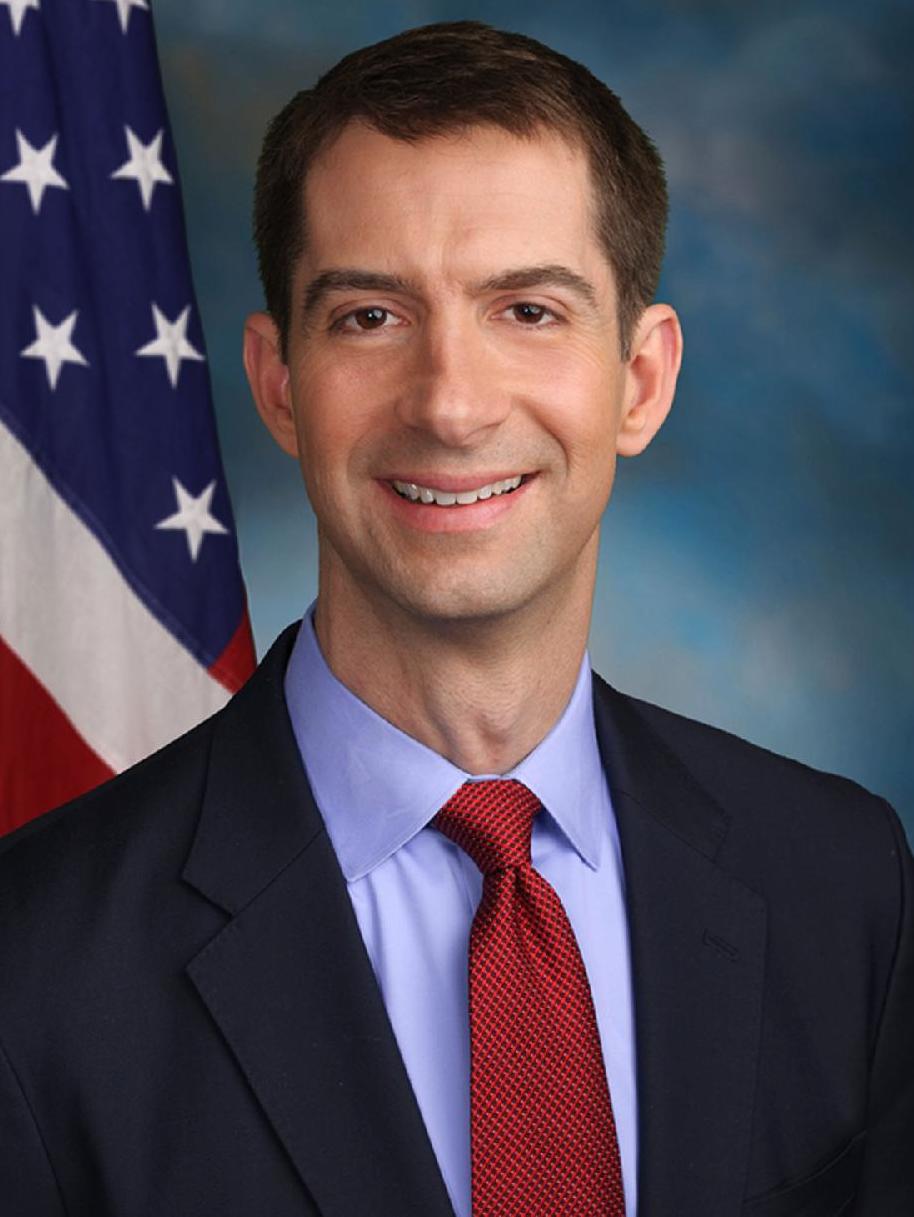
    Tom Cotton says he will block any fast-track effort for permanent daylight saving time, putting the Sunshine Protection Act at the center of a Senate fight after the bill passed the House but is stalled in the Senate. Some Senate Republicans oppose the measure over dark winter mornings, while Senator Rick Scott is among Republican figures pressing to move it.

    Congress.gov lists H.R.139, the Sunshine Protection Act of 2025, as received in the Senate and referred on July 15, 2026, to the Senate Commerce, Science, and Transportation Committee. That means the proposal is alive, but nowhere near finished.

    A popular idea meets Senate rules

    The public-facing pitch is easy to understand: stop changing the clocks twice a year. The political problem is that Congress still has to decide which clock setting becomes permanent.

    Daylight saving time in Slovakia start
    Image: original pictures: Rei-artur, derivate work: MmichaelDr., via Wikimedia Commons, CC BY 2.5.

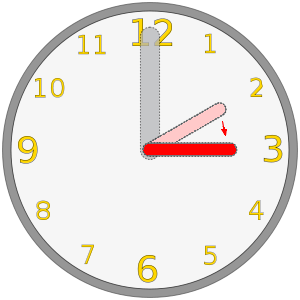
    Supporters want daylight saving time to become the year-round standard. That would generally mean more light later in the day, but it would also move winter sunrise an hour later by the clock in many communities.

    The procedural fight is just as important as the policy debate. Reuters reported that Cotton, an Arkansas Republican, said he would oppose any effort to fast-track the bill.

    In the Senate, fast action often depends on senators not objecting. If leaders try to move legislation by unanimous consent, one senator can derail that shortcut and force a slower route through committee and floor procedure.

    What the bill actually changes

    The Sunshine Protection Act of 2025 is not simply a bill to end clock changes. According to Congress.gov, the official summary says it would make daylight saving time the new, permanent standard time.

    That distinction matters. A country could stop changing clocks by staying on standard time all year, or by staying on daylight saving time all year. H.R.139 chooses the second option.

    Congress.gov identifies the bill as sponsored by Rep. Vern Buchanan, a Florida Republican. It passed the House with one roll call vote before being sent to the Senate.

    The measure also includes language for states with areas exempt from daylight saving time, allowing those areas to choose standard time. That provision matters for places that already do not follow the same daylight saving pattern as most of the country.

    Cotton’s argument is about mornings

    Cotton’s opposition centers on the experience of winter morning darkness. In a floor speech posted by his Senate office, he pointed to the 1974 experiment with year-round daylight saving time.

    According to the speech text from Cotton’s office, he argued that the policy left Americans commuting and sending children to school in darkness. His office’s text also says public support dropped sharply after people lived under the change, and that Congress reversed course before the experiment reached its planned end.

    That is the warning Cotton is using against the current bill: an idea that sounds convenient in theory can look different when families are facing dark school-bus stops and morning commutes.

    Opponents of permanent daylight saving time do not argue that daylight disappears. They argue that the policy shifts light away from the start of the day, when children, workers and drivers may be navigating winter mornings.

    Why supporters keep pressing

    Scott, a Florida Republican, has been among the Republican figures associated with the push for permanent daylight saving time. Buchanan, also from Florida, sponsored the House bill.

    The appeal for supporters is straightforward. Many Americans dislike the spring and fall clock changes, and a permanent system promises a more predictable routine.

    Backers also argue that later daylight can support recreation, shopping and outdoor activity after work and school. In states with tourism economies or strong outdoor cultures, evening daylight can be framed as a practical benefit.

    Geography is part of the divide. A rule that feels attractive in a sunny state can land differently in northern areas, parts of the Midwest, the Great Plains or communities on the western edges of time zones, where winter sunrise may already come late.

    House passage did not settle it

    The House vote gave supporters momentum, but it did not make the bill law. The measure has not passed the Senate, and it has not gone to the president.

    The Senate Commerce, Science, and Transportation Committee referral is a necessary step, not a guarantee of action. Unless the committee advances the bill or Senate leaders decide to spend floor time on it, the measure can remain parked.

    Cotton’s objection matters because supporters seeking a fast-track path do not need to lose a full vote to be slowed down. They can be forced into a longer process simply because quick action is no longer available.

    That longer path would compete with other Senate demands, including spending bills, nominations, foreign policy disputes and election-year pressures. A clock-change bill may be recognizable to voters and still struggle to claim time on the Senate calendar.

    The trade-off Congress cannot avoid

    The unresolved question is not whether people are annoyed by changing clocks. The harder issue is which inconvenience lawmakers are willing to lock in: darker winter mornings or earlier evening darkness.

    There is also a practical federal concern. Time rules shape transportation, broadcasting, commerce, school schedules and daily work patterns. States may want flexibility, but a patchwork system can create confusion across borders and time zones.

    For now, the Sunshine Protection Act sits in an awkward middle ground. Supporters can point to House passage and the broad appeal of ending twice-yearly clock changes. Opponents can argue the Senate should not rush a national change that would alter winter mornings for millions of people.

    The takeaway is narrower than the slogan. Ending clock changes may be popular; choosing permanent daylight saving time is the contested part. Until Cotton and other Senate Republicans stop objecting, or supporters find enough backing for a slower route, permanent daylight saving time remains a proposal rather than a done deal.

  • John Fetterman Quit Prediction Hits Official Record Showing 2029 Term

    John Fetterman Quit Prediction Hits Official Record Showing 2029 Term

    The claim has gained attention because a real vacancy would matter far beyond one senator. For now, the verified record shows continuity, not a resignation.

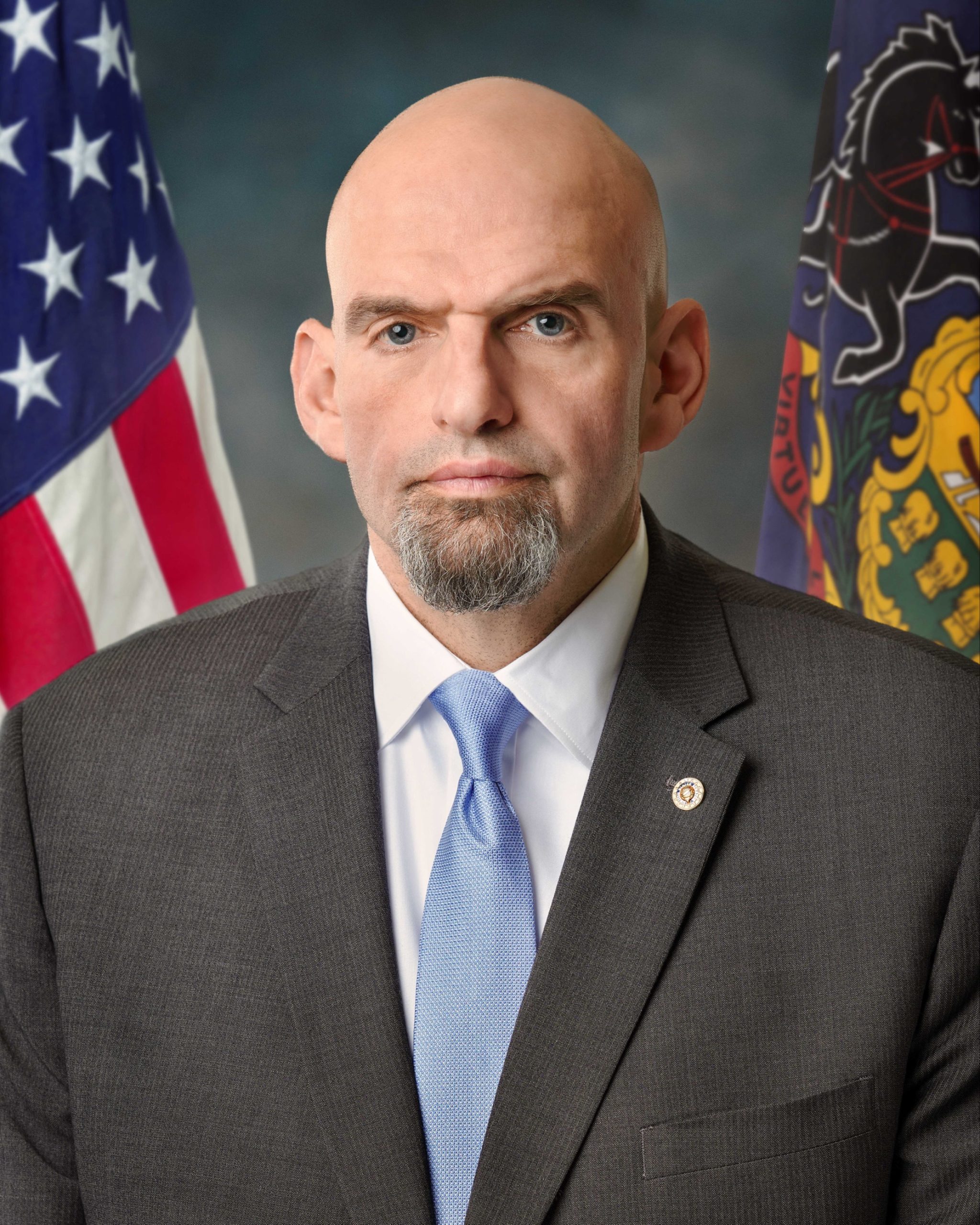
    John Fetterman is the subject of an opinion claim that he will probably resign, but official congressional records still show the Pennsylvania Democrat’s Senate term ending in 2029 — specifically Jan. 3, 2029. The distinction between a John Fetterman resignation prediction and a verified resignation announcement matters because his Pennsylvania Senate seat carries active committee power and national political stakes.

    That is the useful starting point: the prediction may be politically interesting, but it is not the same thing as a documented exit. The current public record described here still lists Fetterman as a sitting U.S. senator from Pennsylvania.

    The claim is not confirmation

    The phrase driving the discussion is blunt: Fetterman “will probably quit.” But the key word is probably. It signals a forecast, not a filing, statement or confirmed step toward resignation.

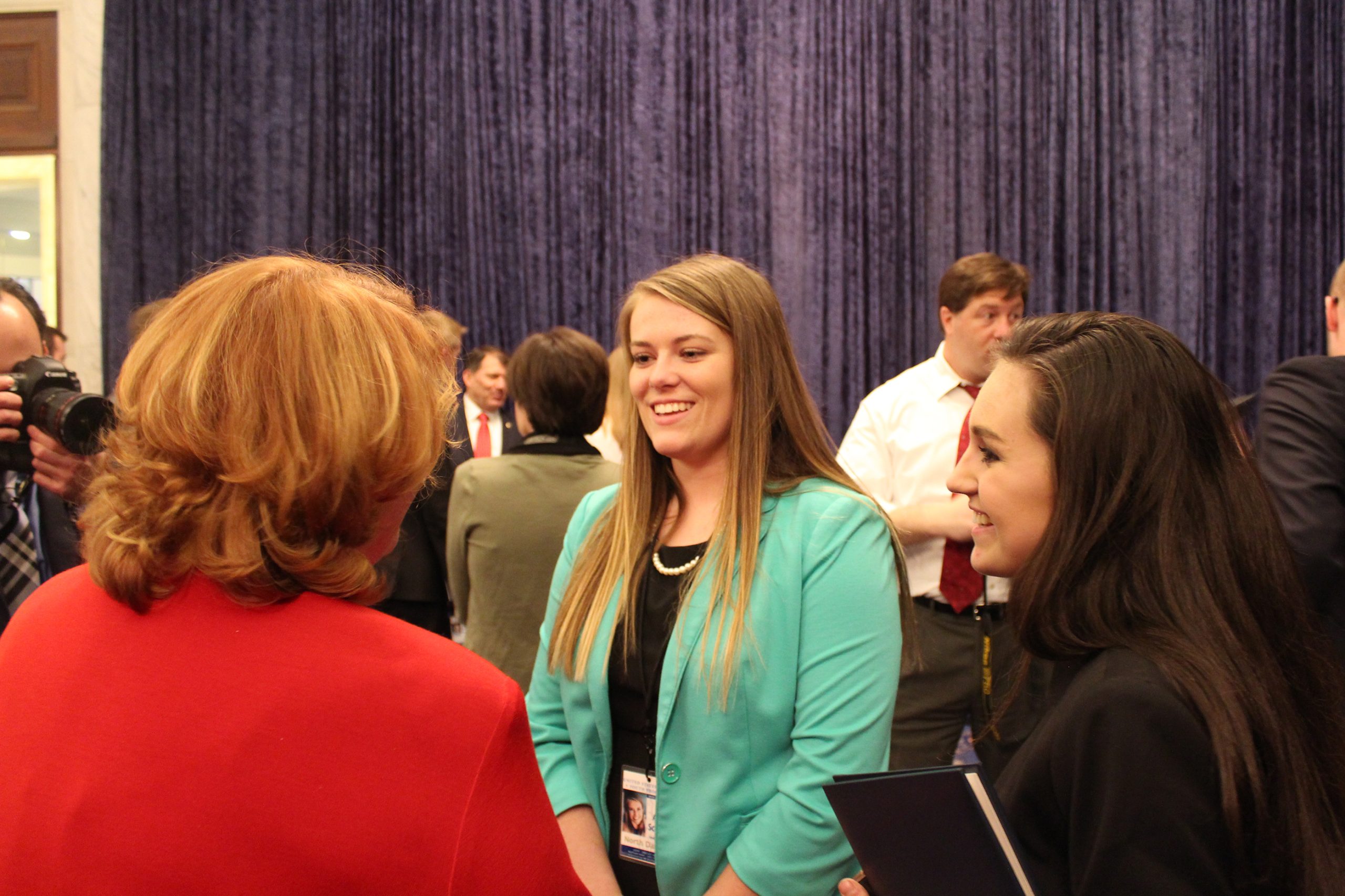
    U.S. Senate Youth Program
    Image: senatorheitkamp, via Flickr, Public Domain Mark 1.0.

    The headline that pushed the argument was labeled as opinion. That label matters in political coverage, where commentary can be written with confidence while still resting on interpretation rather than documentary proof.

    There is no confirmed resignation announcement from Fetterman in the public record reviewed here. The official congressional biography identifies John Karl Fetterman as a senator from Pennsylvania, elected as a Democrat in 2022 for a term ending Jan. 3, 2029.

    That does not make the conversation meaningless. It does mean readers should separate three things: what a columnist predicts, what political observers infer and what official records actually show.

    Records show an active senator

    Fetterman’s Senate biography does more than list a name and a term date. It describes current responsibilities, including service on several committees: Agriculture, Nutrition, and Forestry; Commerce, Science, and Transportation; and Homeland Security and Governmental Affairs.

    The biography also lists him as ranking member of a Homeland Security subcommittee focused on border management, the federal workforce and regulatory affairs. It says he is a member of the U.S. Commission on Security and Cooperation in Europe, known as the Helsinki Commission, and a continuing member of the U.S. Senate Mental Health Caucus.

    Those listings are not a crystal ball. Official pages can lag behind fast-moving developments. But they are a baseline for what institutions currently show: Fetterman is presented as a senator with assignments, not as someone whose resignation has been verified.

    The Congressional Bioguide gives the longer arc of his public career: born in Reading, Pennsylvania; mayor of Braddock from 2006 to 2019; lieutenant governor from 2019 to 2023; elected to the U.S. Senate in 2022. That résumé is part of why resignation talk lands as a major political claim rather than a minor personnel rumor.

    Why the rumor travels

    Speculation about Fetterman has an easy path to attention because he represents Pennsylvania, a closely watched political state. Any sudden change involving one of its Senate seats would be read through national politics almost immediately.

    Fetterman also has a distinct political identity and draws attention well beyond his home state. For allies, critics and voters trying to interpret his next move, a confident prediction can feel like a clue.

    That is part of the appeal of the wording. “Will probably quit” sounds more definite than ordinary speculation, but it still does not assert that resignation has happened. It leaves readers searching for signals instead of confirmed evidence.

    There is also a prior rumor cycle. In March 2023, USA Today published a fact check saying Fetterman had not announced his resignation, responding to claims that were circulating online at the time. That history explains why new resignation chatter can spread quickly — and why caution is necessary.

    The case remains circumstantial

    The argument for a possible resignation appears to be built from political inference rather than a stated decision. Observers may look at the pressure around Fetterman and decide that leaving office is plausible.

    That kind of analysis can be part of politics. Senators face pressure from voters, parties, donors, activists, opponents and the media. They can frustrate allies, anger critics or shift their public image without leaving office.

    What would make the claim stronger is specific evidence tied to an actual departure. That would include:

    • a statement from Fetterman;
    • confirmation from his office;
    • a formal filing or Senate record;
    • authoritative reporting based on named or otherwise substantiated sources;
    • visible procedural steps consistent with a planned resignation.

    Without that, the word “probably” remains a judgment call. It may later look prescient, or it may look wrong. Either way, it is not the same as confirmation.

    Pennsylvania is the stakes

    The reason this story has traction is not only Fetterman’s profile. It is the seat. A Pennsylvania U.S. Senate vacancy would matter to both parties and to voters who expect representation through the end of a six-year term.

    A real resignation could trigger intense political maneuvering, speculation about succession and attention to the balance of power. That is why a forecast about a Pennsylvania senator can move quickly through partisan conversation even before any vacancy exists.

    For voters, the practical question is simpler: who represents Pennsylvania, what work is being done and whether any change has actually occurred. On the first point, the official sources described here are clear. Fetterman is listed as the sitting senator.

    The unresolved piece is political, not procedural. The opinion claim is making an argument about Fetterman’s durability. The official record, at this point, shows continuity.

    What would change the story

    A verified resignation would not be subtle. It would be supported by a direct announcement, confirmation from the senator’s office, Senate documentation or authoritative reporting that goes beyond speculation.

    Until then, the fair way to read the claim is as commentary about Fetterman’s future. There is room to debate whether his political path is sustainable, whether his brand fits his party and whether pressure could eventually push him out.

    Those are opinion questions. The factual takeaway is narrower: an opinion piece can argue John Fetterman will probably quit, and readers can evaluate that argument. But the confirmed record still shows the Pennsylvania Democrat serving a Senate term scheduled to end on Jan. 3, 2029.

  • Melania Trump’s Rebuttal Put Wolkoff’s Memoir Under New Scrutiny

    Melania Trump’s Rebuttal Put Wolkoff’s Memoir Under New Scrutiny

    Stephanie Winston Wolkoff says a 15-year friendship with Melania Trump ended in betrayal. Melania Trump, in a statement reported by NBC News, cast her as a former contractor who distorted her character.

    The public fight between Melania Trump and Stephanie Winston Wolkoff is less a settled account of one broken friendship than a clash over who should be believed after private access became public material.

    Wolkoff, a New York events figure and former unpaid adviser in the first lady’s office, put her version of the relationship in Melania and Me: The Rise and Fall of My Friendship with The First Lady. Melania Trump rejected that account in a statement reported by NBC News, saying Wolkoff “hardly knew me” and was trying to distort her character.

    Melania Trump challenged the premise of the friendship

    Melania Trump’s rebuttal did not simply dispute a detail from Wolkoff’s book. It challenged the foundation of Wolkoff’s public role as a former close friend.

    In the statement reported by NBC News, Trump described Wolkoff as a former contractor and accused her of releasing claims that misrepresented her. She also connected the dispute to her Be Best initiative, arguing that attention to “salacious claims” from “self-serving adults” distracted from work meant to help children.

    That framing made credibility the central issue. Wolkoff’s book depended on the idea that she had been close enough to understand Melania Trump’s private world. Melania Trump’s response cast that closeness as exaggerated and the account as self-serving.

    Wolkoff pointed to access as proof of closeness

    Wolkoff’s answer, reported by NBC News, was to point to the places and moments where she says Melania Trump included her.

    She said she found it “puzzling” that the first lady would say she “hardly knew me” after asking her to attend the Trumps’ wedding, join her for many lunches, help plan the presidential inauguration, stay at the White House and Mar-a-Lago, and act as her senior adviser.

    Those examples are central to Wolkoff’s case. She presents access as evidence that the relationship was not casual or distant.

    In the memoir account, Wolkoff described “our fifteen-year friendship, and her ultimate betrayal,” according to a statement reported by NBC News. Her version is that the relationship did not merely cool; it broke under the pressure of White House-era events.

    The inauguration work brought outside scrutiny

    The dispute became more than a private falling-out because Wolkoff’s White House-adjacent role included inaugural planning.

    NBC News reported that Wolkoff helped organize Donald Trump’s inaugural events. It also reported that spending for the inauguration later drew scrutiny, including an investigation by federal prosecutors in Manhattan and a lawsuit by Washington, D.C.’s attorney general.

    Wolkoff’s account placed the emotional rupture against that backdrop. NBC News reported that she felt Melania Trump had “thrown her under the bus” when questions intensified.

    That is why the argument over closeness matters. If Wolkoff was only a marginal contractor, Melania Trump’s rebuttal gains force. If she was a longtime confidante with significant access, Wolkoff’s sense of betrayal is easier to understand as a public claim, even if it remains contested.

    Recordings deepened the trust dispute

    Melania Trump also accused Wolkoff of secretly recording phone calls and releasing portions out of context, according to NBC News.

    That allegation shifted the dispute from memory and interpretation to methods. To Melania Trump’s side, the recordings claim supported the argument that Wolkoff violated trust. To Wolkoff, the memoir and public statements were part of her effort to tell her side after the relationship collapsed.

    Related reporting has also noted that Wolkoff said she recorded Melania Trump after she felt accused, publicly shamed and made a scapegoat. That context does not resolve the dispute, but it explains why the recordings became one of the most contentious parts of the fallout.

    The legal fight kept the memoir in the spotlight

    The Justice Department later sued Wolkoff over Melania and Me, according to reporting cited in the public record. The complaint alleged that she breached a confidentiality agreement by publishing the book.

    Wolkoff denied wrongdoing and defended the publication of the memoir as an exercise of free expression. The legal action added another layer to a fight already defined by competing versions of loyalty, access and betrayal.

    By then, the story was no longer only about whether two former friends remembered their relationship differently. It also involved official roles, confidentiality claims and the limits of what a former adviser could reveal.

    What the public record can and cannot settle

    The available record shows the outlines of the conflict: Wolkoff says she had a 15-year friendship with Melania Trump that ended in betrayal; Melania Trump says Wolkoff exaggerated the relationship and distorted her character.

    It also shows why the dispute became unusually durable. Wolkoff’s account included personal access, inaugural work, legal fallout and recorded-call accusations. Melania Trump’s response attacked both the claims and the credibility of the person making them.

    What remains unresolved is the private meaning of the relationship before it broke. The public can compare memoir claims, reported statements and legal filings, but the central question is still contested: whether Wolkoff’s access proved intimacy, or whether her public account proved a breach of trust.

  • Mike Johnson’s GOP Rebels Are Testing the Speaker’s Most Important Power

    Mike Johnson’s GOP Rebels Are Testing the Speaker’s Most Important Power

    The speaker’s challenge is not just managing anger inside his conference. It is proving that Republican leaders still control what happens on the House floor.

    Mike Johnson is facing a Republican revolt over his leadership of the House. In Washington, Johnson’s reported outburst signals deeper dissent among House Republicans, after a Mediaite report distributed on MSN said the speaker was quoted as saying, “I’m sick of this.”

    The article explains why his speakership is under pressure: Republican rebels are challenging his control of the chamber through procedural tools, public pressure and factional demands. The question exposed by the reported outburst is not just whether Johnson is frustrated. It is whether the House GOP still accepts his authority to set the agenda.

    The fight is over control

    Speakers draw much of their power from deciding what reaches the floor, when votes happen and how much room members have to break from leadership. Johnson’s problem, as described in the available reporting, is that rank-and-file Republicans are increasingly willing to test those limits.

    Chamber of the House of Representatives of Japan
    Image: Kimtaro, via Wikimedia Commons, CC BY 3.0.

    That makes the reported “I’m sick of this” moment more than a flash of irritation. It lands in the middle of a broader leadership struggle inside the House Republican conference, where members from different factions have found ways to pressure Johnson from the outside and from within.

    CBS News and The Wall Street Journal have chronicled repeated Republican defiance of Johnson’s leadership. The disputes have included spending fights and attempts to use discharge petitions, a House procedure that can force votes without the speaker’s blessing if enough members sign on.

    Discharge petitions change the leverage

    One of the sharpest tools available to frustrated lawmakers is the discharge petition. It allows House members to bypass leadership and force a vote if they can gather enough support.

    CBS News reported that rank-and-file Republicans frustrated with Johnson’s inaction have used the procedure as a preferred weapon. For a speaker, that is a direct challenge because control of the floor is not a symbolic perk. It is the mechanism that lets leadership negotiate, protect vulnerable members, delay politically difficult votes and keep the party’s message aligned.

    In one recent case cited in the reporting, a Democratic bill to reverse President Trump’s executive order stripping collective bargaining rights from some federal workers passed the House with support from nearly two dozen Republicans after moderates helped move it forward.

    Republican Rep. Brian Fitzpatrick of Pennsylvania also introduced a discharge petition seeking a vote on a bipartisan measure to extend Affordable Care Act premium tax credits for two years with reforms, CBS reported. A separate petition from Democratic Rep. Josh Gottheimer of New Jersey also drew Republican support.

    Rebels are not one bloc

    Johnson’s challenge is complicated because the pressure is not coming from one wing of the party with one demand. Hard-line conservatives have objected to deals they view as too accommodating to Democrats. Moderates have pushed for votes on issues with bipartisan support, including health care subsidies and other measures leadership has been reluctant to bring to the floor.

    Those demands create different political risks. Conservative opposition can threaten must-pass legislation. Moderate cooperation with Democrats can embarrass leadership and show that Republicans can assemble floor coalitions without the speaker’s preferred route.

    Taken together, the pressure points suggest a larger shift: some House Republicans no longer see the speaker’s office as the only path to action. That is the core reason Johnson’s reported outburst resonated beyond the quoted phrase.

    Republicans are saying it publicly

    The dispute is no longer confined to private meetings or anonymous frustration. Some Republicans have openly criticized the way leadership has handled major deadlines and policy fights.

    Rep. Kevin Kiley of California told CBS News that being up against a deadline without a clear path forward was “not the kind of leadership” he wanted to see. He also said the discharge petitions showed members felt there had been “less than the desired level of leadership” on major policy issues.

    Fitzpatrick has presented the rank-and-file push in a different light. He said members were “leading the charge” because they believed action was necessary.

    That framing matters. It lets Republican rebels argue they are not simply undermining Johnson for the sake of disruption. They can claim they are filling a vacuum. Johnson’s allies would likely see it differently: when members bypass leadership, they can strengthen Democrats’ hand on the floor and make it harder for Republicans to negotiate as a unified party.

    Funding fights expose the bind

    The Wall Street Journal described another episode that hurt Johnson’s standing: a short-term government funding plan crafted with Democrats that drew backlash from Republican colleagues. The Journal reported that the revolt intensified after President-elect Donald Trump and Elon Musk sharply criticized the measure.

    That episode illustrates the speaker’s central dilemma. To keep the government operating, Johnson may need Democratic votes. But cooperation with Democrats risks inflaming conservatives who want deeper spending cuts and fewer compromises.

    The math leaves little room for mistakes. A small group of Republican defectors can derail legislation, force rewrites or publicly weaken leadership’s position. In that environment, even a reported expression of frustration can become evidence in a larger debate over whether Johnson can keep his conference aligned.

    Johnson still has cards to play

    The pressure does not mean Johnson has lost all power. Speakers can shape the House calendar, negotiate with faction leaders, steer committee priorities and frame the political consequences of dysfunction for members who do not want to be blamed for chaos.

    CBS News reported that Johnson has met with leaders of several Republican factions, sometimes described as the conference’s “five families,” to assemble a plan. Johnson called one such meeting “very productive” and predicted Republicans would unite around the legislation.

    That is the strongest case for Johnson: the public confrontation may be part of bargaining, not proof that the speakership is collapsing. House Republicans have fought loudly before and still reached compromises when deadlines forced decisions.

    The risk for him is that successful rebellions can become habits. If members see procedural end-runs and public pressure produce results, they may be more willing to use the same tactics again.

    What remains unresolved

    The exact setting and full context of Johnson’s reported outburst have not been established in the available MSN-distributed summary of the Mediaite report. It is also unclear whether the anger was directed at a specific bloc, a specific procedural move or the broader pattern of GOP defiance.

    What is clear from the cited reporting is that Johnson’s test is practical, not just personal. He has to show that he can turn a divided House Republican majority into governing votes.

    The next measure of his speakership will not be whether Republican rebels stop complaining. It will be whether negotiation becomes more useful to them than rebellion. Until that changes, every discharge petition, funding clash and public criticism will keep raising the same question: who is really setting the House GOP agenda?

  • Sophie Cunningham’s 22-Second Bonner Stare Went Viral With a Caitlin Clark Hook

    Sophie Cunningham’s 22-Second Bonner Stare Went Viral With a Caitlin Clark Hook

    The clip traveled because it had more than a long stare: a Caitlin Clark flashpoint, Fever-Mercury tension and a player already built for social media.

    Sophie Cunningham stared at DeWanna Bonner for 22 seconds on Monday night during the Fever-Mercury game in Indianapolis, and the gesture went viral as a WNBA meme. The moment came after Bonner and Caitlin Clark clashed during the Indiana Fever’s 86-77 win over the Phoenix Mercury, according to the Associated Press.

    Cunningham stepped into the sequence, Bonner had to be held back, and both Cunningham and Bonner received technical fouls. What might have stayed as another tense in-game exchange became a widely shared clip because it was simple, readable and tied to the league’s biggest online conversation.

    The stare became the story

    The official record was ordinary enough: two technical fouls in a heated WNBA game. The video, though, had a different life.

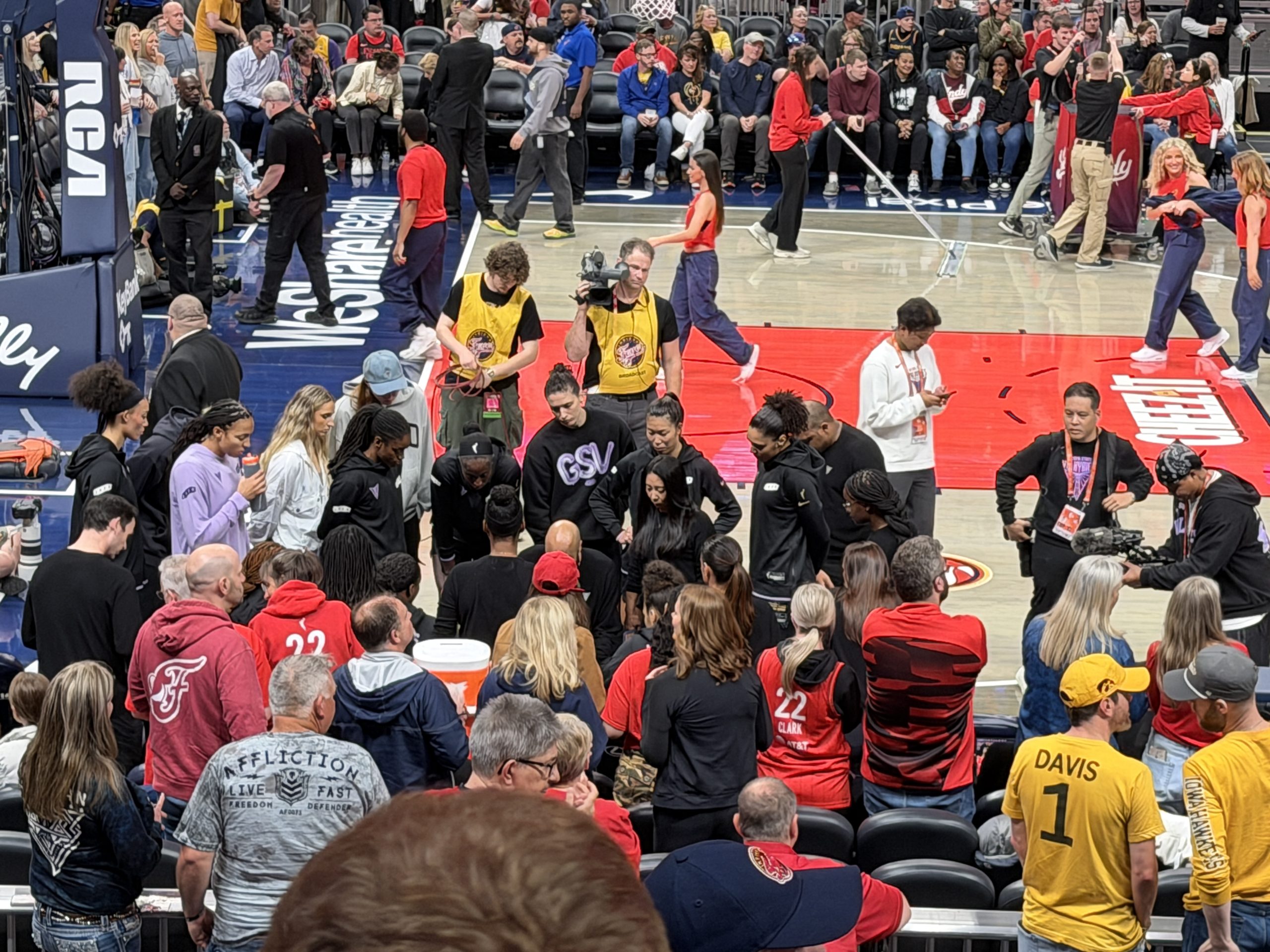
    Golden State Valkyries at Indiana Fever May 2026 Sarah Stierch 02
    Image: Missvain, via Wikimedia Commons, CC0.

    Cunningham pointed at Bonner and kept staring while Fever staff moved her away. AP described it as a 22-second pointing staredown, a detail that gave the moment its hook. It was long enough to look intentional and strange enough to become funny outside the game context.

    That is why the clip did not need much explanation to travel. Viewers could understand the body language in a freeze-frame: Cunningham was not backing off, Bonner was the target, and the crowd had a reaction to read.

    Sports memes often work best when they require almost no setup. This one had the advantage of being both specific to the Fever-Mercury game and broad enough for fans to apply to everyday situations.

    How Clark raised the stakes

    The viral moment began with Caitlin Clark, not Cunningham. According to AP, Bonner and Clark had a disagreement during Indiana’s win over Phoenix. Cunningham then became involved, turning a Clark-Bonner exchange into a Cunningham-Bonner image.

    That mattered because Clark’s presence changes the temperature around almost any Fever flashpoint. Her games already draw heightened attention, and fan reaction often extends beyond the box score into debates about teammates, protection and physical play.

    Cunningham has become part of that conversation. AP noted a separate incident in which she chased down and essentially tackled Connecticut Sun guard Jacy Sheldon after Sheldon poked Clark in the eye. Cunningham and Sheldon were ejected from that game.

    For some Fever fans, the Bonner staredown fit the image of a teammate publicly standing up for Clark. For critics, it could look like escalation or performance. The same 22 seconds allowed both readings, which helped keep the clip moving.

    Bonner brought a backstory

    The staredown also landed because Bonner was not just another opponent. She has a recent Indiana connection, having played nine games for the Fever last season before moving on.

    AP reported that Cunningham had previously criticized Bonner on a podcast for not texting her Fever teammates before leaving. Once the clip resurfaced and spread, that detail gave fans a ready-made storyline.

    Without that history, the scene might have been processed as a routine basketball argument. With it, the clip looked more personal: a current Fever player pointing at a former Fever player after an exchange involving Clark.

    There is a limit to what the video can prove. Fans can see the pointing, the stare and the reaction around them. They cannot know from the clip alone exactly what was said, how much was emotion, or how much was gamesmanship in the moment.

    Why social media grabbed it

    The Cunningham-Bonner clip had the ingredients social platforms reward: a clear visual, a recognizable player, a tense game, a Clark connection and enough backstory to invite argument.

    It also had Cunningham’s own online profile behind it. AP reported she has about 1.5 million Instagram followers, meaning the moment did not begin with an anonymous player suddenly discovered by the internet. Many fans already had a sense of her personality.

    That existing audience helps explain why the stare became a template so quickly. One user compared the look to a spouse judging a badly loaded dishwasher. NFL analyst Warren Sharp likened it to an offensive lineman spotting a defensive lineman flinch on a hard count.

    By Wednesday, according to AP, the bit had moved into real-life fan interaction. Fever fans asked Cunningham to pose for photos while pointing, and she obliged. At that point, the gesture was no longer only a game clip; it had become a fan pose.

    The league’s viral tradeoff

    For the WNBA, this is part of a larger shift. More attention brings more highlight sharing, more jokes, more slow-motion debate and more attempts to turn single moments into symbols.

    That can be good for reach. A clip like Cunningham’s stare can pull in casual viewers who may not have watched the full Fever-Mercury game. It gives fans a shorthand image and gives the league a place in broader sports conversation.

    It also comes with a cost. Viral moments can flatten a game into one gesture. Indiana’s 86-77 win over Phoenix was the actual result, but the staredown traveled farther than the score.

    Players can also become stand-ins for bigger arguments. Cunningham’s supporters may see loyalty and edge. Skeptics may see unnecessary theatrics. Bonner’s side of the moment can be reduced to a reaction shot. Clark’s involvement can make the entire exchange feel larger than a standard technical-foul sequence.

    What remains after 22 seconds

    The immediate basketball consequence was clear: Cunningham and Bonner received technical fouls. AP did not describe additional league discipline tied to the exchange.

    The cultural consequence is less tidy. Cunningham’s point at Bonner is now part of the Fever’s season imagery, whether it fades quickly or gets revived the next time these teams meet.

    That is what made the clip more durable than a normal confrontation. It was not only about who said what in Indianapolis. It connected Clark’s orbit, Bonner’s brief Fever history, Cunningham’s reputation and a WNBA audience ready to turn body language into content.

    The standings are still decided by games like Indiana’s 86-77 win. But in the league’s current attention cycle, the moments people replay afterward can shape the story almost as much as the final score.

  • Mary Trump’s ‘First Domino’ Warning Put Trump’s Family Image in Play

    Mary Trump’s ‘First Domino’ Warning Put Trump’s Family Image in Play

    The quote was more than a sharp line from a Trump relative. It showed why criticism from inside the Trump family carries political force — and why it still has limits.

    Mary Trump made the “first domino” remark about Donald Trump’s presidency, and the quote resurfaced because it came from inside the Trump family. Mary Trump was behind the warning against Trump that the first domino had fallen and would “topple his presidency,” a political claim that still draws attention.

    This article explains why the warning mattered politically: it was not just an insult from Donald Trump’s niece, but an insider criticism that challenged the public image of loyalty around the Trump family.

    A family source changed the line

    The relative in question was Mary Trump, the daughter of Donald Trump’s late older brother, Fred Trump Jr. She became one of the most visible members of the extended Trump family to publicly break with him.

    That relationship is central to why the “first domino” line traveled. Presidents are criticized constantly by opponents, activists, analysts and former officials. A niece making the argument lands differently because it comes from within the family story that has long surrounded Donald Trump’s public identity.

    The available source material identifies Mary Trump as the speaker and preserves the core claim: the first “domino” had fallen and would “topple his presidency.” What remains unclear from the extracted record is the exact immediate event she was describing as that first domino.

    That uncertainty matters. The remark is best read as a political warning and prediction, not as proof that a specific outcome had already happened.

    Why “domino” carried force

    The power of the phrase comes from the image itself. A domino suggests sequence: one fall leads to another, and then another, until what looked secure is suddenly vulnerable.

    Mary Trump used that metaphor to frame Donald Trump’s presidency as exposed to cascading damage. The point was not simply that he faced criticism. It was that one setback could reveal weakness, encourage other critics or bring more facts into public view.

    That is also why the line can be reused whenever Trump appears under pressure. It is vivid enough to be memorable, but broad enough to be applied to different moments.

    For Trump’s critics, the remark can sound like an insider spotting a pattern early. For his supporters, it can sound like wishful thinking from a hostile relative. Both reactions help explain why the quote continues to circulate.

    The Trump family image was contested

    The broader context is the public story Donald Trump has told about his family. The Washington Post reported in 2020 that Trump had insisted a financial feud involving his late brother’s children had been settled amicably, quoting him as saying, “We all get along.”

    That same Washington Post report described Mary Trump’s then-upcoming book as a potential challenge to the image of a unified Trump family.

    The significance was political as much as personal. Donald Trump’s family brand has been part of his public persona. A public break by a relative complicated the image of a loyal, successful and aligned family circle.

    Still, family proximity does not automatically settle political truth. A relative can have access to private history and personal experience, but readers still have to separate documented fact from interpretation, grievance and political argument.

    Other relatives also drew scrutiny

    Mary Trump was not the only Trump relative whose public comments became part of the political conversation. In a 2024 Time essay, Fred Trump III, another member of the extended family, wrote about using his limited access during Donald Trump’s presidency to advocate for people with intellectual and developmental disabilities, including his son William.

    Fred Trump III described meetings involving federal officials and advocates. Those included a 2017 meeting connected to then-Housing and Urban Development Secretary Ben Carson and a 2020 meeting with Chris Neeley, who headed the President’s Committee for People with Intellectual Disabilities.

    In the same Time piece, Fred Trump III made a serious allegation about comments Donald Trump made regarding disabled Americans.

    Those accounts are separate from Mary Trump’s “domino” remark. Together, though, they show how criticism from Trump relatives became a distinct category of political commentary: part memory, part proximity, part public challenge.

    What the quote can prove

    The “first domino” remark proves something narrow but important: Mary Trump viewed Donald Trump’s presidency as more fragile than his public posture suggested. It also shows how she framed his problems as connected pressures rather than isolated controversies.

    It does not prove that the presidency was destined to fall. Political predictions are not evidence of outcome. They are evidence of how a speaker assessed power, momentum and vulnerability at a particular moment.

    That distinction is important because memorable political quotes often outlive their original context. When a line resurfaces later, supporters and critics may treat it as prophecy, proof or partisan drama, depending on what they already believe.

    A more careful reading is narrower: Mary Trump, a relative with a public record of criticizing Donald Trump, used the “first domino” metaphor to argue that his presidency was beginning to unravel.

    Why the warning still matters

    The lasting relevance of the remark is not that it conclusively explained Donald Trump’s presidency. It is that it showed how a family rupture could become a political argument.

    For Trump’s critics, Mary Trump’s family connection made her a compelling messenger. She could speak not only about policy or public behavior, but about the culture and history around the man who became president.

    For Trump’s defenders, that same connection made her suspect. A family conflict can be personal, selective and useful to political opponents. That skepticism is part of how any insider account should be weighed.

    What remains unclear from the available extracted record is the specific event Mary Trump labeled the first domino. What is clear is why the remark endured: it was a public claim from inside the Trump family that Donald Trump’s presidency could be undone by a chain reaction already in motion.

  • Redacted Maxwell Transcripts Put Todd Blanche Inside Epstein Accountability Fight

    Redacted Maxwell Transcripts Put Todd Blanche Inside Epstein Accountability Fight

    The records do not accuse Blanche of Epstein-related wrongdoing. They do place him inside a disputed Justice Department process now being judged by survivors, skeptics and transparency advocates.

    Todd Blanche personally questioned Ghislaine Maxwell in redacted Justice Department interview transcripts dated July 24, 2025, and July 25, 2025, putting Blanche’s role in the Epstein case under fresh scrutiny as survivors are pressing the Justice Department for answers about Epstein and accountability beyond Jeffrey Epstein and Maxwell.

    The records do not accuse Blanche of wrongdoing. They show a senior Justice Department official directly involved in questioning one of Epstein’s most notorious surviving associates, at a time when victims and the public are still demanding to know whether anyone else tied to Epstein’s network can be held accountable.

    The records place Blanche inside

    The redacted Justice Department materials identify Maxwell as the interview subject and list Todd Blanche among the officials involved. In one DOJ transcript, he is identified as “Todd Blanche, Deputy Attorney General,” alongside another Justice Department official.

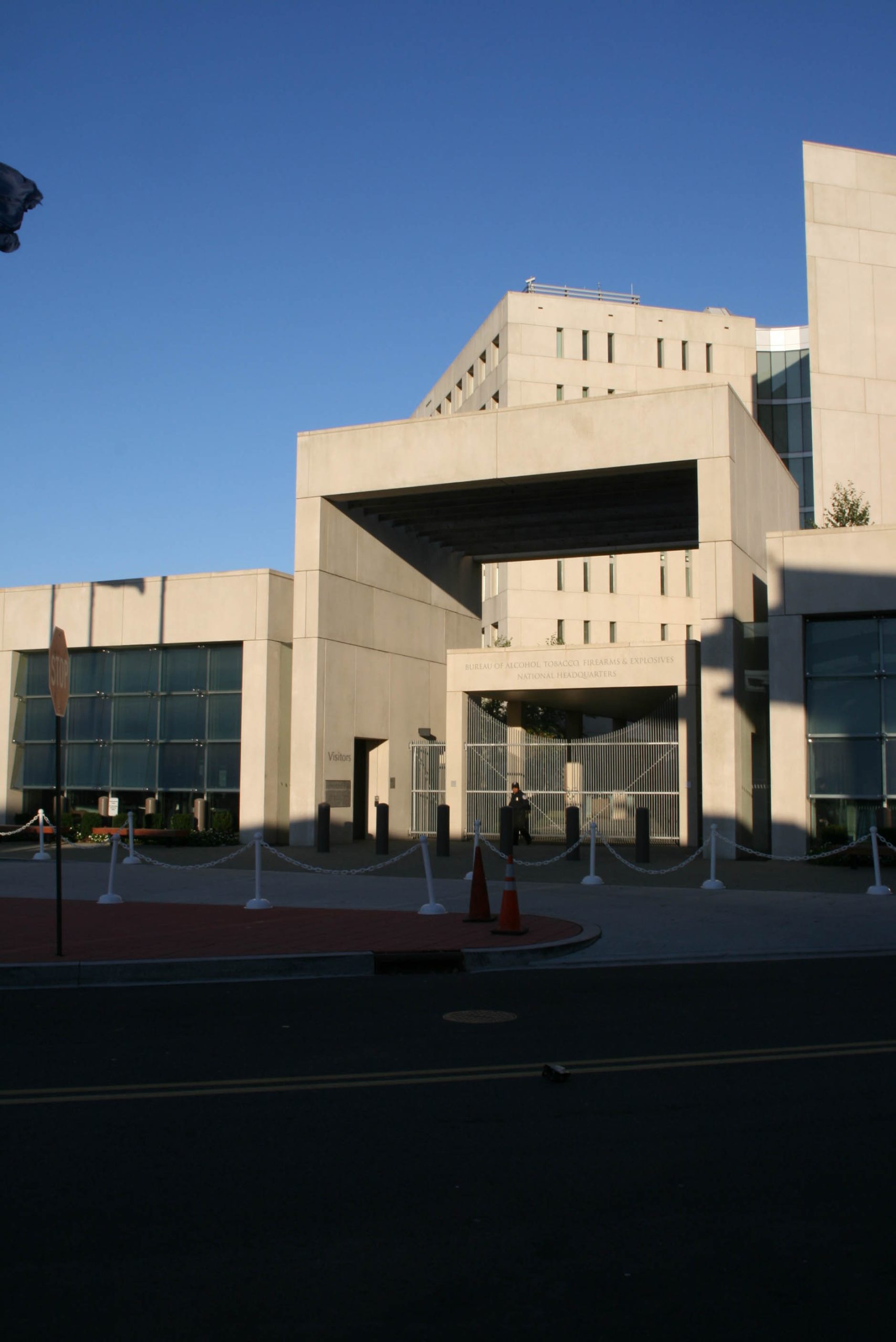
    Headquarters of the Bureau Of Alcohol, Tobacco And Firearms
    Image: paul houle, via Flickr, CC BY 2.0.

    A second redacted transcript dated July 25 includes Blanche discussing “testimony” and saying he was using the term in its “broadest sense.” That detail matters because the document at issue is an interview transcript, not a courtroom proceeding before a judge and jury.

    So the public record appears to show Maxwell giving information to government officials in an interview setting that Blanche himself described, at least broadly, as testimony. It does not establish that every statement Maxwell made was true, complete or useful to investigators.

    The redactions also leave major gaps. Readers can see enough to understand that Blanche was part of the interview process, but not enough to judge every question, answer, lead or investigative choice that may have followed.

    Why the wording matters

    The word “implicated” is loaded in a case like Epstein’s. In everyday political language, it can sound like an accusation that someone did something wrong.

    Here, the narrower meaning is the accurate one: Blanche has been drawn into the Epstein record because he participated in the Justice Department’s interview process with Maxwell. Based on the available public material, that is not the same as being implicated as a participant in Epstein’s abuse or as someone who concealed it.

    That distinction is not a technicality. The Epstein case carries legitimate public anger, suspicion and unresolved questions, but it is also a legal matter where wording can mislead if it outruns the record.

    What the transcripts do show is influence and proximity. Blanche was not merely reacting from outside the case file; the DOJ records put him in the room as Maxwell was questioned about Epstein.

    Survivors pressed him directly

    The scrutiny around Blanche did not begin and end with the Maxwell transcripts. PBS NewsHour reported that Blanche met with Epstein accusers at Justice Department headquarters in Washington after pressure from a Republican senator whose support was important to his nomination to lead the department.

    After that meeting, Blanche told reporters he encouraged accusers to come to the FBI with information that could help investigators build cases against additional people tied to Epstein. He also acknowledged a hard limit: he could not promise more prosecutions.

    “It wasn’t all cordial,” Blanche said, according to PBS/AP reporting, because survivors wanted “some form of justice” that he did not know whether he could deliver through prosecutions.

    One survivor, Dani Bensky, criticized the meeting as a “check-the-box” exercise meant to help Blanche’s confirmation prospects. She said he offered “no credible plan” to pursue accountability beyond Epstein and Maxwell.

    Maxwell’s account cuts both ways

    Maxwell is not an ordinary witness in the Epstein matter. She was Epstein’s longtime associate, and PBS NewsHour, citing Associated Press reporting, described her as convicted of luring teenage girls to be sexually abused by Epstein.

    That makes her potentially important and deeply compromised at the same time. Someone with her proximity could, in theory, describe names, logistics, patterns and networks that outsiders could not know.

    But survivors and skeptics have obvious reasons to distrust her. Maxwell also has reasons to protect herself, shade the truth or shape the narrative around her own role.

    That is why the key question is not just what Maxwell said to Blanche and other officials. It is whether the Justice Department independently checked anything she provided and whether any corroborated information could support additional accountability.

    The transparency fight widened

    The Epstein files have become a recurring flashpoint because they combine criminal accountability, elite access and a deep public distrust of institutions. The Justice Department has released large volumes of investigative material, but those releases have not ended suspicion that more remains hidden or unexplained.

    A Congressional Record entry later referred to Blanche conducting a “secret interview” with Maxwell, language that shows how the matter became part of a Senate fight over transparency and confirmation politics.

    CNN also reported on a tense meeting involving Blanche and Epstein survivors, another sign that the controversy has moved beyond record management. It now sits at the intersection of legal caution, political pressure and survivors’ demands for a fuller accounting.

    There are real competing pressures. Prosecutors cannot ethically charge people without admissible evidence. Survivors and the public can still expect the government to seriously examine whether Epstein’s network included additional criminal actors who avoided consequences.

    What remains unknown

    The basic question of whether Blanche asked Maxwell questions is largely answered by the public record: the redacted transcripts indicate that he did. The more consequential question is what the Justice Department did afterward.

    The available documents do not show whether Maxwell provided names, timelines or claims that investigators could independently verify. They also do not reveal whether redactions conceal active investigative leads, privacy protections or material the department simply does not want public.

    That uncertainty is why Blanche’s role is now being examined from multiple directions. To DOJ defenders, the transcripts may show ordinary investigative work involving a difficult witness. To critics, they may look like another instance in which the government had access to a central Epstein figure without producing the accountability survivors wanted.

    The sober takeaway is that Blanche is now a central figure in the government’s handling of the Epstein aftermath. Whether the Maxwell interviews become evidence of serious follow-through, missed opportunity or standard prosecutorial limits depends on what DOJ can prove, what it releases and whether survivors believe the department is doing more than managing optics.