The number has become shorthand for a broader fight over whether New York City can prove its shelter dollars are buying safe beds, documented services and real exits from homelessness.
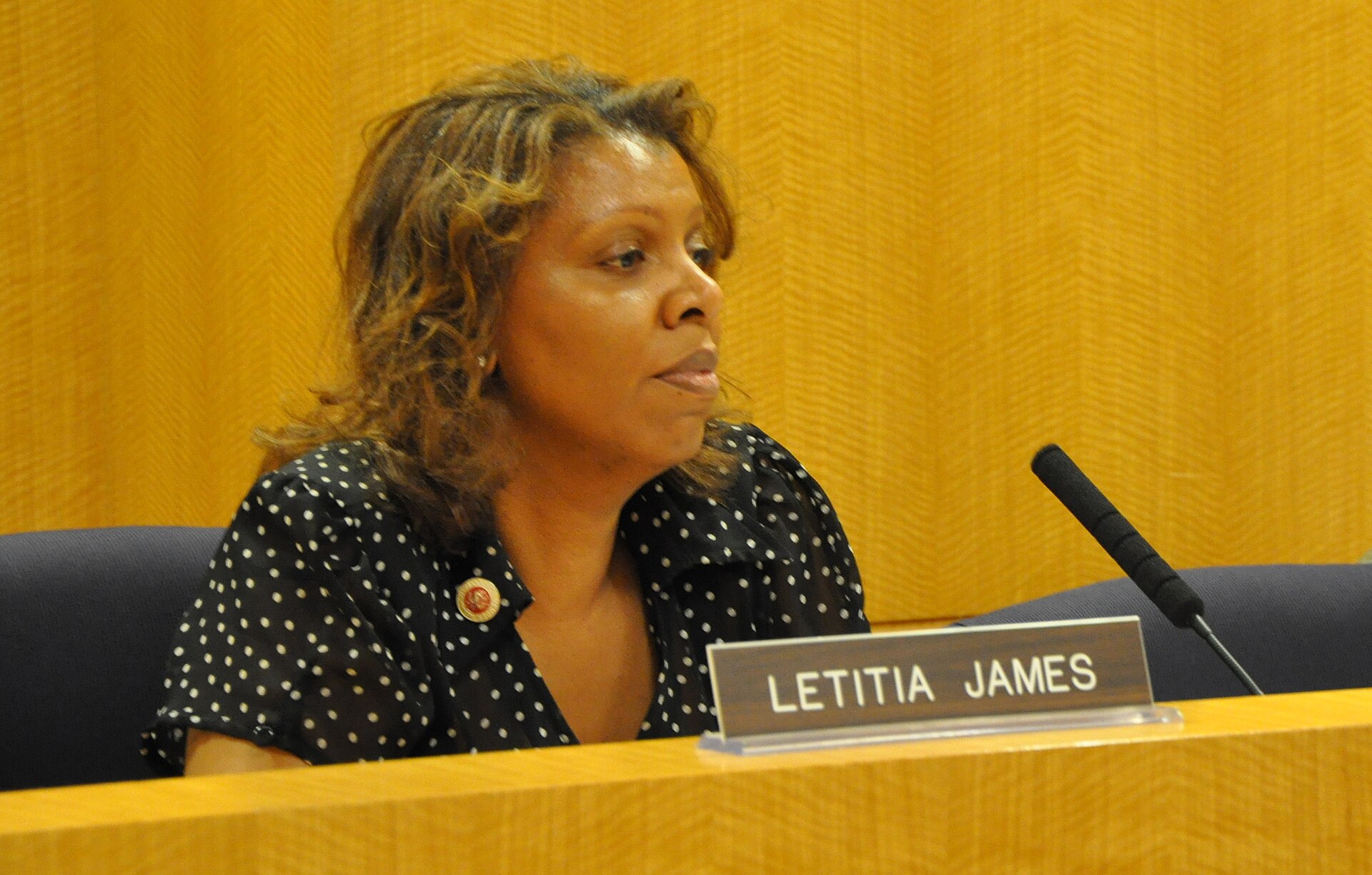
A disputed $81,700 per-homeless-person figure is fueling scrutiny of New York City homelessness spending. Letitia James is being pulled into the oversight fight after a July 25 report said New York City spent about $81,700 per unsheltered homeless person in fiscal year 2025, with critics citing a March New York State Comptroller report and other audits to question accountability for New York City’s shelter system.
The dispute centers on nonprofit homeless shelter providers in New York, public oversight failures and whether taxpayers can see clear proof that the shelter system is delivering safe services and progress toward stable housing.
Why this number matters
The $81,700 figure has power because it compresses a sprawling public system into one striking comparison. For critics, it is a way to argue that New York City is spending heavily while homelessness remains visible and shelter operations continue to draw complaints.
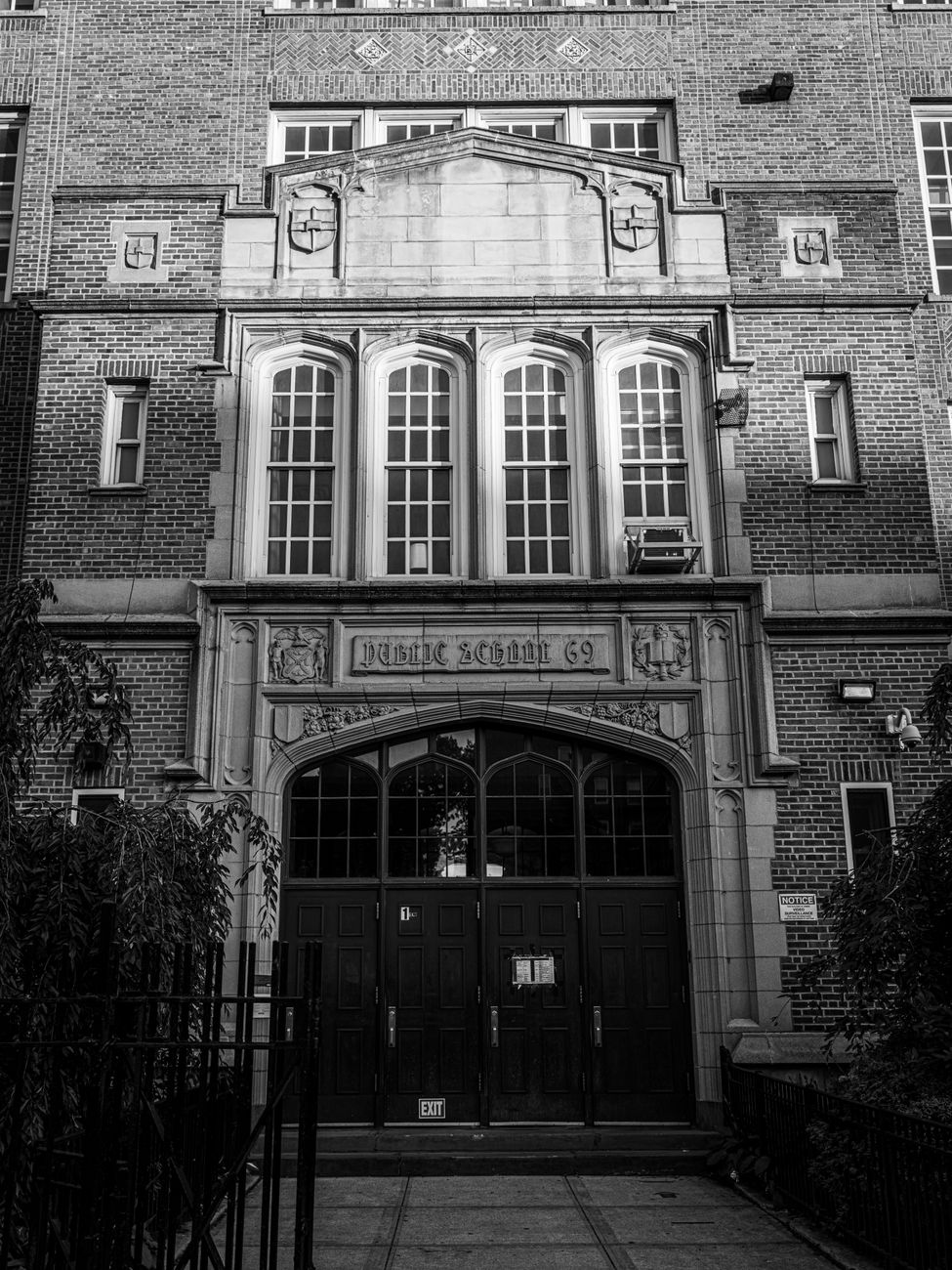
But the figure is also disputed as a measure of performance. Homeless services budgets can cover far more than a bed for the night, including security, food, case management, placement work, medical or mental health supports, administration and payments to outside shelter operators.
That makes the number useful, but incomplete. It raises a fair value-for-money question without answering the harder operational one: whether the city can document that costs are allowable, supported and tied to actual services.
How James enters the fight
Letitia James is New York’s attorney general. She is not the city official who signs daily Department of Homeless Services shelter contracts, and that distinction matters in assigning responsibility.
New York City’s shelter system is run through city agencies, especially the Department of Homeless Services and the Department of Social Services. The controversy reaches James because many shelter operators are nonprofit organizations, and the attorney general’s office has oversight authority over charities in New York.
That role makes James a political target when critics argue that nonprofit providers are receiving public money without enough accountability. It does not, by itself, prove wrongdoing by James or by any specific provider.
The tension is structural. When public dollars move through private nonprofit networks, responsibility is spread across city contract managers, state auditors and charity regulators. That diffusion can make it harder for the public to see who should have caught problems earlier.
The audit trail already exists
The public record cited in the controversy does show documented oversight problems. A New York State Comptroller audit issued Feb. 6, 2024 examined how the New York City Department of Homeless Services monitored contract expenditures by Samaritan Daytop Village, Inc., a nonprofit shelter provider.
The audit reviewed expenses claimed for fiscal years ending June 30, 2020 and June 30, 2021, with limited review of DHS monitoring through June 30, 2022. Samaritan operated the 160-bed Myrtle Avenue Men’s Shelter for men with mental illness under a contract that began at $30.1 million and was later renewed and increased to about $44 million, according to the comptroller’s report.
The comptroller found that DHS was not effectively monitoring the contract to ensure claimed costs were allowable, supported and program-related. Auditors identified $566,556 in reported expenses that did not comply with applicable manuals and contract requirements, including personal service costs, other-than-personal-service costs and indirect costs.
The recommendations were practical rather than symbolic. The comptroller said DHS should review and recover noncompliant expenses as appropriate, make sure providers keep sufficient documentation, and train both providers and DHS staff on reimbursement rules.
Nonprofits carry the system
New York City’s own Department of Homeless Services describes its shelter model as one built with nonprofit partners. DHS says it works with those partners to provide temporary shelter and services to New Yorkers experiencing homelessness and to help them achieve stability.
That model has clear advantages. Nonprofit providers can add capacity, operate specialized shelters and connect vulnerable people with services that city agencies may not deliver directly.
It also creates a demanding oversight job. If a provider invoices the city for staff, supplies, indirect costs or services, someone has to verify that the money was spent properly and that the expenses match the contract.
This is why shelter scandals are so damaging politically. Many residents may support spending to keep people off the street, but confidence weakens when audits point to poor documentation, weak monitoring or unclear reviews.
Two arguments can both hold
Critics view the $81,700 figure as evidence that New York City’s homelessness policy is not delivering enough value. Their case is straightforward: if spending is that high, the public should see cleaner shelters, stronger controls over nonprofit operators and clearer movement into permanent housing.
Defenders of the system would counter that New York is an expensive city with a legal and moral obligation to provide shelter. They would also argue that a per-person calculation can flatten the real costs of operating a 24-hour safety net for people with complicated needs.
Those positions are not mutually exclusive. New York may need to spend heavily on homelessness while still failing to monitor that spending with enough rigor.
The core issue for James, City Hall and state watchdogs is whether they can separate necessary costs from waste, weak controls or provider misconduct. A single audit of one provider does not prove abuse across the entire nonprofit shelter network, but it does show why the oversight question is not hypothetical.
What remains unresolved
Several questions remain central because the public debate is moving faster than the paper trail available to ordinary residents.
- How the $81,700 figure was calculated: The denominator matters. Comparing total spending to unsheltered people creates a different impression than comparing spending to all people served by shelters and related programs.
- What the March comptroller material found: Critics have cited a March New York State Comptroller report, but the specific findings, scope and agencies covered matter for assigning responsibility.
- Whether questioned money was recovered: In the Samaritan audit, the comptroller recommended reviewing and recovering $566,556 where appropriate. The public still needs to know what happened after that recommendation.
- What James’ office has done: The key question is whether the attorney general has investigated nonprofit governance or charity compliance issues tied to shelter operators, and what results, if any, followed.
- What outcomes taxpayers are buying: Spending debates should not stop at invoices. The city also needs to show whether shelters are safe, services are delivered and residents move toward stable housing.
The takeaway is not that one number explains New York City homelessness policy. It is that the $81,700 figure has become a symbol of frustration with a costly, complex system that depends heavily on nonprofit providers.
The real test is documentary: contracts, audits, recoveries, enforcement actions and measurable outcomes for people without stable housing. Until those answers are clearer, the fight over spending will keep pulling in City Hall, state watchdogs and Letitia James.
Leave a Reply