Blog

  • The $787.5 Million Reason Fox News Is Slowing Trump’s Election-Denial Claims

    The $787.5 Million Reason Fox News Is Slowing Trump’s Election-Denial Claims

    The network has not broken with Trump, but election-fraud narratives now sit in a different category. The question is whether that restraint holds when campaign pressure rises.

    Fox News is distancing itself from Donald Trump’s election-denial claims. The change follows the $787.5 million Dominion settlement, and the article explains why this shift matters as Trump’s election-denial rhetoric returns to campaign coverage: the claims can energize Republican voters, but for Fox News they now carry concrete legal and financial risk.

    Put plainly, Fox News pulls back from Trump’s election-denial claims in a narrow but important way. The network can still court Trump’s audience and cover his campaign aggressively while treating claims about rigged voting, stolen elections or voting-technology companies as a far more hazardous lane.

    A boundary, not a breakup

    The central mistake is to read Fox’s caution as a clean split from Trump. The relationship is more complicated than that. Fox remains a major platform in conservative politics, and Trump remains the dominant figure in the Republican Party.

    Fox News 6th 48 jeh
    Image: Jim.henderson, via Wikimedia Commons, CC0.

    The adjustment is more specific: election denial is where the network has the clearest reason to slow down. It is the portion of Trump’s politics most directly tied to the expensive defamation fight that followed the 2020 election.

    That distinction can be easy to miss for viewers. A network can be supportive of Trump on many issues, sharply critical of Democrats and still decide that certain election-fraud claims are too risky to present as fact.

    The result is not a softer Fox across the board. It is a Fox that appears more careful around one category of claims that already produced legal, financial and reputational consequences.

    The Dominion price tag

    Dominion Voting Systems sued Fox News for $1.6 billion over claims tied to the 2020 election, according to Reuters and the Associated Press. Dominion accused the network of spreading false claims that the voting-technology company helped rig the 2020 presidential election.

    The Associated Press reported in 2021 that Dominion argued Fox promoted those claims to serve its commercial interests after Trump’s loss to Joe Biden. Fox denied wrongdoing and defended its coverage.

    In the AP account of the lawsuit filing, Fox News Media said it was proud of its 2020 election coverage and would vigorously defend itself. But the case never became the courtroom victory Fox had sought.

    In April 2023, Fox agreed to pay Dominion $787.5 million to settle the defamation case shortly before opening statements were expected. The settlement did not require Fox to issue an on-air apology, but the size of the payment became a warning sign for media companies covering election-fraud allegations.

    Why election claims are different

    Political spin is one thing. Repeating unsupported factual claims about identifiable companies or people is another. That is the line the Dominion case helped clarify for newsrooms, opinion shows and cable hosts.

    Trump’s election-denial rhetoric remains politically useful to him. It can rally supporters, cast institutions as corrupt and force allies to choose sides. A fight with Fox can also keep Trump at the center of conservative attention.

    Fox’s incentives are not identical. The network may benefit from covering Trump heavily and serving an audience that is deeply invested in his politics. But it has already paid a large price for what can happen when election claims are amplified without sufficient guardrails.

    That is why the current posture matters. The network is not rejecting Trump as a political force. It is treating election-fraud narratives as a product with a liability label attached.

    Trump still gains from tension

    Trump has long used friction with media allies as part of his public performance. When he criticizes Fox, the dispute can operate as a loyalty test for viewers, hosts and Republican rivals.

    The Washington Post noted after the 2020 election that Trump’s anger at Fox did not mean the network had fully rejected his election-denial narrative. Some Fox figures pressed officials to acknowledge Biden’s win, while other parts of the network continued to give oxygen to Trump-aligned claims and grievances.

    The difference now is the settlement history. Fox knows how quickly commentary, guest claims and amplification can become evidence in a defamation dispute.

    Trump can keep raising doubts and attacking institutions. Fox, however, has a sharper reason to distinguish between reporting that Trump made a claim and treating the claim itself as established fact.

    Why Fox can sound split

    Fox coverage can appear contradictory because the network is not a single voice. News anchors, opinion hosts, guests and digital platforms can all frame Trump’s claims differently.

    That internal variety did not keep the company out of scrutiny after 2020. The Dominion fight put attention on what executives, producers and hosts understood about claims being aired.

    It also exposed a larger challenge for partisan media: audiences can reward repetition of a preferred narrative even when the evidence does not support it. After 2020, many Trump allies claimed widespread fraud.

    Election officials, courts and Trump’s own attorney general at the time, William Barr, found no evidence of fraud sufficient to change the result. The AP reported that nearly all legal challenges from Trump and his allies were dismissed, including cases rejected by the Supreme Court.

    The audience pressure remains

    Fox’s influence with Republican voters is part of why this shift matters. If a major outlet treats certain election claims more cautiously, it can affect what millions of viewers hear as plausible.

    But audience loyalty cuts both ways. If viewers want validation of Trump’s claims, Fox risks frustrating some of them by refusing to go along. If the network indulges those claims too freely, it risks another legal or reputational blow.

    That tension explains why critics and defenders may see the same posture differently. Critics may call it a correction driven by money rather than principle. Defenders may argue Fox can cover Trump’s claims as news while avoiding legally dangerous assertions.

    Both interpretations can overlap. The network can be guided by legal caution and still remain a powerful conservative media force.

    The next pressure test

    The hardest moment will not be a calm retrospective about 2020. It will be a live campaign environment with close vote counts, delayed results, partisan spin and an audience demanding certainty.

    That is when Fox’s restraint will be tested by Trump, competitors and its own viewers. Conservative media is crowded, and outlets promising fewer filters can pressure Fox if it sounds too careful.

    Still, the Dominion case changed the risk map. It attached a dollar figure to the consequences of amplifying false election claims, and it showed that private doubts inside a media company can become public evidence.

    The Fox-Trump relationship is not ending. It is being renegotiated around a subject that has already proved costly: election denial. Fox can keep courting Trump’s voters, but on those claims, it now has a powerful reason to keep its foot near the brake.

  • How One White House Sculpture Could Shape Trump’s Library Legacy

    How One White House Sculpture Could Shape Trump’s Library Legacy

    The possible move is not just about where an object is displayed. It shows how presidential libraries can turn art, gifts and White House objects into lasting public narratives.

    A White House sculpture may be transferred to a future Trump presidential library, according to a USA TODAY report published Tuesday, placing Donald Trump and the White House at the center of a larger legacy question. The article explains why that matters for Trump’s legacy: where the White House sculpture ends up could shape public memory of his presidency.

    The reported possibility sounds like a museum placement decision. It is also a fight over context, ownership and who gets to frame presidential history for visitors years from now.

    The object is the message

    The immediate issue is whether the latest White House sculpture will eventually be displayed in a future Trump presidential library. The available public summary identifies the work as a White House sculpture under consideration for that destination, but it does not confirm the title, artist, ownership status or transfer timetable.

    GLAMcamp DC 2012 National Archives building 4
    Image: Jarek Tuszyński, via Wikimedia Commons, CC BY-SA 3.0.

    Those missing details matter because a sculpture is not automatically free to follow a president into a future exhibit. Its path depends on whether it is part of the White House Collection, a loan, a gift, a personal possession or something commissioned by an outside group.

    That is why the phrase “may go to a Trump library” should be read carefully. It describes a possibility, not a completed transfer.

    Why placement carries power

    Presidential libraries are not neutral storage rooms. They are archives, museums and public-facing stages where objects help turn an administration into a story.

    Visitors may never read the full documentary record of a presidency. But they will see what gets placed at the entrance, what receives dramatic lighting, what themes repeat across galleries and which objects become visual shorthand for an era.

    That is the real significance of a White House sculpture tied to Trump. If displayed at a Trump presidential library, it could be preserved as evidence of his administration, presented as a tribute, or used to reinforce a preferred version of his public image.

    Those possibilities are not the same, and the difference depends heavily on curation.

    White House art has status

    The National Archives’ White House materials describe the executive mansion’s collection of fine and decorative arts as including historic objects associated with the White House and the presidency. In other words, the importance of an item can come from more than artistic merit.

    Where it was displayed, who used it and what moment it came to represent can all give an object meaning. Once a work is seen inside or around the White House, it can become part of the visual language of an administration.

    The Reagan Library’s National Archives blog has made a similar point in discussing Ronald Reagan’s Oval Office: presidents decorate the Oval Office, and those choices reflect values, tastes and inspiration.

    That history helps explain why a Trump-linked sculpture would draw scrutiny. A later move to a presidential library can deepen the connection between the object and the president’s chosen image.

    Ownership decides the path

    Before anyone can know whether the sculpture properly belongs in a Trump library, the institutional status of the work has to be clear.

    The Reagan Library blog offers examples showing why the category matters. A Sanford R. Gifford painting displayed during multiple administrations was returned in January 1989. A Charles Willson Peale portrait of George Washington was loaned to the White House in 1971 and later donated to the White House Collection.

    Other works, including sculptures associated with Reagan’s Oval Office, came through loans or gifts. Those precedents do not answer the Trump sculpture question, but they show why the paperwork can be as important as the artwork.

    • If the sculpture is a loan, the lender may control where it goes next.
    • If it belongs to the White House Collection, it may be part of a public collection rather than material for a president-branded museum.
    • If it is a personal gift, different rules may apply.
    • If it was commissioned by an outside group, the terms of that arrangement would matter.

    The legacy argument cuts both ways

    Supporters of sending the sculpture to a future Trump presidential library could make a straightforward case: if the work was created for, displayed during or closely identified with the Trump White House, then a library exhibit may be the most logical place to explain it to the public.

    In that view, the sculpture belongs alongside other materials from Trump’s time in office, including photographs, videos, campaign artifacts, ceremonial objects and records that help visitors understand his presidency.

    Critics may see a different risk. A White House-associated object could be folded into a highly controlled political narrative instead of being presented as part of a broader institutional record.

    That tension is familiar in presidential museums. They often combine commemoration with historical accountability, and the balance between the two can shape what visitors remember.

    Key facts remain unresolved

    The most important unanswered questions are practical. Who owns the sculpture? Was it purchased, donated, borrowed or commissioned? Is it part of the White House Collection? Has any formal transfer request been made?

    There is also a larger institutional question: would the future Trump library be run through the federal presidential library system, a private foundation or some combination of institutions?

    The answers would determine whether the move is routine, symbolic or controversial. A loan returning to its owner would be one thing. A transfer from a public collection to a president-branded museum would invite closer scrutiny. A personal item heading to a future exhibit would be less surprising.

    Timing also matters. A future Trump presidential library is not the same as an existing, fully open institution with a confirmed site, governing structure and final exhibit plan. Until those pieces are settled, the sculpture’s possible destination remains more a signal of intent than a finished display decision.

    Context will decide its meaning

    The reported possible transfer is a reminder that presidential history is built object by object. A sculpture displayed at the White House can begin as decoration or commemoration. Years later, in a library gallery, it can become evidence of how a president wanted to be seen.

    If the sculpture eventually lands in a Trump presidential library, the key question will be what story surrounds it. A responsible exhibit would identify who made it, who paid for it, where it was displayed, who approved the move and how it fits into the larger record of the presidency.

    Without that context, even one sculpture can carry more weight than its size suggests. It can become a polished argument about legacy, placed where future visitors are meant to notice it first.

  • Trump’s 250-Foot D.C. Arch Could Bypass Bidding Through White House Contract

    Trump’s 250-Foot D.C. Arch Could Bypass Bidding Through White House Contract

    The dispute is less about whether a monument can be admired than how fast a politically symbolic federal project can move before the public process catches up. Key questions remain about contracts, historic resources, design and cost.

    The Trump administration plans to start work on a proposed 250-foot triumphal arch in Washington, D.C., and officials may use an unrelated White House grounds contract to begin the project without public bidding. The National Park Service is at the center of the fight over Trump arch work at Memorial Circle, within the George Washington Memorial Parkway, where workers surveyed the site May 11 and emails reported May 14, 2026, described the contract route. The story involves efforts to bypass federal regulations and historic-preservation review; NPS reopened comments July 10, 2026, before a July 30, 2026 deadline.

    That makes the arch more than a design argument. It is now a test of how procurement rules, preservation law and presidential symbolism collide on federal land in one of the most visible parts of the capital.

    A monument fight over process

    The proposed triumphal arch has obvious political meaning because it is associated with President Donald Trump and tied to the United States’ 250th anniversary. But the immediate dispute is not only about taste, legacy or whether Washington needs another monumental structure.

    Philippines Israel friendship Dedication Marker in Quezon Memorial Circle
    Image: RFNirmala, via Wikimedia Commons, CC0.

    The sharper question is whether work connected to the arch can begin through an existing contract for the White House grounds, rather than through a separate public-bidding process for the Memorial Circle site. That is why the phrase “Trump Arch Work Could Start” has become less about construction equipment and more about paperwork.

    According to reporting cited in the originating article, The Washington Post reported that Trump officials approved a plan to begin work related to the arch by piggybacking on an existing engineering-services contract for the White House grounds. The proposed arch site is more than a mile from those grounds.

    That distance matters because the controversy turns on whether the work is close enough in scope to fit under the existing contract, or whether it should be treated as a separate federal project requiring fresh competition.

    Why the contract route matters

    Using an existing federal contract is not automatically improper. Agencies often modify contracts or issue task orders when the work fits within a contract’s existing scope.

    The concern here is narrower and more politically charged: whether an engineering-services contract for the White House grounds can reasonably be used to start work at Memorial Circle, a different location tied to a proposed commemorative arch.

    A new public-bidding process can slow a project down. It can also invite competing firms, disclose more information, clarify costs and create a record of why one vendor was chosen over another. Those steps are not incidental; they are part of how federal projects are supposed to maintain public confidence.

    Supporters of a faster route could argue that preliminary work needs coordination and that an anniversary-linked project has a real timetable. Critics are likely to see the shortcut as a way to reduce scrutiny before major assumptions about design, engineering and site conditions are locked in.

    Preservation review is not finished

    The National Park Service has posted a Section 106 Assessment of Effect and a draft Programmatic Agreement for the Triumphal Arch. The agency says it is developing a design for construction of the arch and analyzing possible adverse effects within the project area.

    NPS reopened public comment on July 10, 2026, after a previous June 5-15, 2026 window. The reopened comment period is scheduled to close July 30, 2026, at 11:59 p.m. Mountain time.

    The agency also said people who submitted comments during the earlier June 5-15 period do not need to submit them again. That detail matters because it shows the review process is still active, not settled.

    Public comments already filed with the National Capital Planning Commission show at least some resistance. One comment included in an NCPC file said the writer was “strongly against” the new Monumental Arch at Memorial Circle.

    Why Memorial Circle is sensitive

    The proposed arch is not planned for a generic construction site. NPS documents describe the Triumphal Arch as a federal undertaking within the George Washington Memorial Parkway in Washington, D.C.

    The site identified in reporting is Memorial Circle, a prominent traffic and ceremonial space near the capital’s monumental core. Because of that location, the project triggers historic-preservation review under Section 106 of the National Historic Preservation Act and its implementing regulations.

    Section 106 does not automatically stop a federal project. It requires agencies to identify historic properties, assess possible effects and consult on ways to avoid, minimize or resolve harm. The review can include concerns about archaeological resources.

    In practical terms, the law is meant to make the government slow down long enough to understand what could be affected before it acts. That is why early engineering and survey work can become controversial, even if major construction has not started.

    The anniversary clock adds pressure

    The arch is tied to commemoration of the United States’ 250th anniversary. That gives the proposal a built-in political deadline: a monument meant for a national milestone loses some force if it arrives years after the event.

    That pressure helps explain why speed has become central to the dispute. A large commemorative structure in Washington can face multiple layers of review because it may affect traffic, viewsheds, historic landscapes and public memory.

    Supporters may view a triumphal arch as a grand civic gesture for a rare anniversary. Opponents may view it as a personal legacy project placed in one of the country’s most scrutinized public spaces.

    Both views collide over the same procedural reality: once a project is designed, contracted and physically begun, it can become harder to reverse. That makes the early paperwork a high-stakes part of the fight.

    What remains unclear

    Several important facts are not yet clear from the public record described in the originating reporting. It is unclear how much work, if any, has been performed under the existing White House contract for the arch site.

    It is also unclear what final design the National Park Service will advance, what the full cost would be and how agencies will respond to preservation concerns raised through the review process.

    The draft Programmatic Agreement is intended to guide how effects from the undertaking would be resolved. That could shape whether the project advances with conditions, mitigation measures or design changes.

    For now, the proposed 250-foot arch is both a monument plan and a procedural test case. The administration wants speed; public bidding and preservation review are built to create friction. The next visible marker is July 30, 2026, when the reopened NPS comment period closes.

  • Katie Porter Jumps Into California Senate Race Before Feinstein Decides

    Katie Porter Jumps Into California Senate Race Before Feinstein Decides

    Porter’s move gives her time to build a statewide campaign, but it also raises questions about timing, party unity and her competitive Orange County House seat.

    Katie Porter announced a 2024 U.S. Senate campaign in California on Tuesday, 22 months before Election Day, while Dianne Feinstein’s political future remains uncertain. Porter’s move puts the California succession fight into the open, turning a long-anticipated Washington question into an active Democratic contest before Feinstein has said whether she will run again.

    The announcement matters because California Senate races are expensive, crowded and national in consequence. By moving early, Porter is trying to define the race before other Democrats — and before Feinstein herself — finish deciding what comes next.

    An early move with consequences

    Rep. Katie Porter, a California Democrat, launched her 2024 Senate campaign in a video announcement, according to NBC News. In the video, Porter said California needed a warrior in Washington who would stand up to powerful interests.

    Amboy (California, USA), Hist. Route 66 2012 1
    Image: Dietmar Rabich, via Wikimedia Commons, CC BY-SA 4.0.

    She did not directly name Sen. Dianne Feinstein. But Porter’s call for new leadership in the U.S. Senate landed squarely in the middle of a sensitive Democratic question: whether Feinstein would seek another term.

    At the time of Porter’s launch, Feinstein had not announced her 2024 plans. NBC News reported that Feinstein, then 89, was the longest-serving female senator and was widely expected to retire at the end of her term, though she had not said so publicly.

    That is what made Porter’s announcement more than a standard rollout. Instead of waiting for a formal opening, she stepped into a race that many Democrats had been treating as hypothetical.

    Feinstein had not cleared the field

    Feinstein’s unresolved status is the central tension. If an incumbent senator says she is running again, the party often organizes around that reality. If she retires, the competition to replace her begins in earnest.

    Porter acted before that signal arrived.

    Feinstein responded by saying everyone was welcome to run, but that she would announce her own 2024 plans at the appropriate time. She also said her focus was on ensuring California had the resources it needed as severe storms hit the state.

    A spokesperson had previously told the Los Angeles Times, as cited by NBC News, that Feinstein had no plans to step down and would announce her 2024 plans at the appropriate time.

    Storms complicated the rollout

    Porter’s timing drew attention for another reason: California was dealing with severe storms and deadly flooding when she announced.

    That emergency quickly became part of the political response. Rep. Adam Schiff, another possible Democratic contender, told NBC News he had been talking with local officials and FEMA about relief for Californians and said that was where his focus should be.

    Rep. Ro Khanna, also discussed as a possible contender, said he would make a decision in the next few months but was focused on severe storms and flooding in his district.

    Porter defended the timing by connecting the storms to her campaign argument. She told reporters she was concerned about what climate change was doing to California and argued the storms showed the urgency of having leaders who understood the threats facing the state.

    Why money favors moving first

    California is a costly place to run statewide. A rare open Senate seat in the nation’s largest state can turn into a long contest of fundraising, organization and name recognition before most voters are paying close attention.

    That helps explain Porter’s early jump. Announcing 22 months before Election Day gives her time to raise money, build a statewide operation and claim space in a Democratic primary that could become crowded.

    Feinstein’s own campaign finances added to the speculation around her future. NBC News reported that her most recent campaign finance report at the time showed less than $10,000 in the bank, an unusually small amount for a senior senator from a costly state.

    Political professionals often read a lack of fundraising as a sign that an incumbent may not be preparing for another campaign. But Feinstein had not said she would retire, leaving Democrats to interpret signals rather than a final decision.

    Porter’s brand gets tested statewide

    Porter’s campaign message leaned on the political style that made her nationally recognizable: a progressive Democrat known for sharp questioning, plain language and whiteboard-driven exchanges in congressional hearings.

    Her announcement cast her as someone willing to challenge powerful interests, including banking, oil and pharmaceutical companies. Those targets fit the profile she has built with Democratic primary voters who want a more confrontational approach to corporate power.

    Porter first entered Congress in 2019 and later served as deputy chair of the Congressional Progressive Caucus. Before politics, she was a law professor, a background that matches the case-building style she has used in hearings.

    But a Senate campaign is not a viral hearing clip. California is not one media market, and Porter would have to turn a national progressive profile into a statewide coalition broad enough to win.

    Her House seat is now in play

    Porter’s decision also affects the House. She had just won re-election to a third term in California’s 47th Congressional District, a coastal Orange County seat listed as a toss-up by the nonpartisan Cook Political Report.

    Her 2022 race showed both her strength and the district’s competitiveness. Porter defeated Republican Scott Baugh, but NBC News cited Federal Election Commission filings showing Porter raised nearly $26 million in the 2022 cycle, compared with about $3 million for Baugh.

    That fundraising advantage helped her hold the seat. If she runs statewide rather than defending the district, Republicans get another opportunity in a seat they already viewed as winnable.

    An adviser to Baugh told NBC News that Baugh planned to run for the Orange County district again in 2024, with a formal announcement expected later.

    The succession fight has begun

    Porter’s announcement did not answer the biggest question: what Feinstein will do. It did, however, make clear that at least one major California Democrat was no longer willing to wait quietly.

    The incentives now diverge. Porter benefits from speed, especially if she can consolidate progressive support and fundraising before rivals enter. Other possible contenders may benefit from appearing focused on governing during a state emergency and avoiding the appearance of pushing aside a historic incumbent.

    Schiff had signaled interest. Khanna said he would decide within months. Feinstein said she would speak at the appropriate time.

    Porter chose a different path: start the race now, and force everyone else to decide how long they can afford to wait.

  • Johnson’s SAVE Act Win Doesn’t Change Law—It Moves Fight to Citizenship Proof

    Johnson’s SAVE Act Win Doesn’t Change Law—It Moves Fight to Citizenship Proof

    The House vote did not make the measure law, but it gave Republicans a concrete election-law proposal to defend. The biggest questions now are how citizenship proof rules would work and whether states could administer them without blocking eligible voters.

    Mike Johnson and House Republicans passed the SAVE America Act on April 10, 2025, and the vote was 220-208 over Democratic opposition, with 5 members not voting, according to the Office of the Clerk. The fight now centers on proof of U.S. citizenship to register to vote, along with photo identification rules for federal elections.

    The House result gave Johnson a clear win inside a closely divided chamber. It also moved a familiar election-integrity argument into a harder arena: the details of who must show which documents, when states must reject applications and how errors would be fixed.

    A House win with limits

    The House Clerk recorded the measure as passed in the 119th Congress, 1st Session. The vote question was passage, the vote type was yea-and-nay, and the final count was 220 yeas, 208 nays, 0 present and 5 not voting.

    That margin matters politically, even if it does not settle the law. In a narrowly divided House, Johnson and House Republicans showed they could keep enough members together on a voting bill that Democrats opposed.

    For Republicans, the vote is a tangible answer to voters who want tighter election safeguards. For Democrats, it is evidence that the GOP is advancing rules they argue could make registration and voting more difficult for eligible citizens.

    The key distinction is that House passage alone does not change federal voting law. It creates a legislative marker and sets up the next round of debate over what citizenship verification should require in practice.

    What the SAVE proposal requires

    Congress.gov’s summary for H.R.7296 identifies the measure as the Safeguard American Voter Eligibility Act, or SAVE America Act. The Congressional Research Service summary says it would require individuals to provide documentary proof of U.S. citizenship when registering to vote in federal elections.

    The summary also says the bill would require photo identification to vote in federal elections. For absentee ballots, a voter would have to submit a copy of an identification document when requesting the ballot and again when submitting it.

    The measure would prohibit states from accepting and processing a voter registration application for a federal election unless the applicant presents documentary proof of citizenship. Congress.gov notes that acceptable documents would include certain identification that complies with the REAL ID Act and indicates U.S. citizenship.

    States also would have to create an alternative process for people to demonstrate citizenship. They would be required to take ongoing steps to ensure that only U.S. citizens remain on voter rolls, including programs to identify noncitizens using information from specified sources and removing noncitizens from official lists of eligible voters.

    The partisan divide is narrow but deep

    The dispute is not over whether noncitizens may vote in federal elections. Federal law already limits voting in federal elections to U.S. citizens.

    The conflict is over the burden of proof before a person can register or cast a ballot. Republicans frame documentary citizenship requirements as a common-sense safeguard meant to strengthen public confidence in election results.

    Democrats and voting-access advocates typically argue that paperwork rules can block or delay eligible voters who do not have easy access to birth certificates, passports, naturalization papers or IDs that clearly establish citizenship.

    The groups most likely to face obstacles, critics argue, can include older voters, married women whose names changed, low-income voters, students, rural voters and people born outside hospital systems. Supporters see that concern as outweighed by the need for visible verification rules; opponents see it as the central risk of the proposal.

    States would carry the workload

    The SAVE America Act debate is often framed nationally, but its practical weight would fall on state and local election offices. States administer voter registration systems, even when federal rules impose requirements for federal elections.

    Under the Congress.gov summary, states would have to reject federal voter registration applications that do not include documentary proof of citizenship. They also would have to maintain systems to check rolls for noncitizens and remove ineligible names.

    That would require more than a new line on a form. Election offices would need procedures, databases, staff training, voter notices, appeal routes and ways to correct mistakes.

    The error-correction question is one of the most important unresolved issues. If an eligible citizen is wrongly flagged, the speed and fairness of the fix could determine whether the verification rule protects the system or disrupts a lawful voter.

    Enforcement could trigger litigation

    The bill also includes enforcement mechanisms. Congress.gov says it provides a private right of action for certain violations and establishes criminal penalties for certain offenses.

    Those provisions could increase pressure on state officials to follow the law exactly as written. They also could create new disputes over how states interpret documentary proof, alternative processes and voter-roll checks.

    Any major change in election administration tends to invite scrutiny beyond Congress. If the measure advanced further, legal fights could focus on the balance between federal requirements and state-run election systems, as well as the effect on eligible voters.

    That is why the House vote is only the start of the governing test. Passing a message bill through one chamber is different from building rules that states can implement consistently and voters can navigate reliably.

    A records detail worth watching

    There is an important records distinction for readers tracking the proposal. The House Clerk’s April 10, 2025 roll call page labels the passed measure as the SAVE Act. Congress.gov’s page for H.R.7296, introduced on Jan. 30, 2026, uses the title SAVE America Act and expands it as the Safeguard American Voter Eligibility Act.

    That does not erase the policy throughline: the legislation is aimed at tightening eligibility verification for federal voting. But it does mean the acronym alone is not enough to follow the measure precisely.

    Bill numbers, vote pages and congressional actions matter, especially in election law. A passed House measure, an introduced bill and a later version of a proposal can carry different wording and different legal consequences.

    For now, the verified outcome is clear: Johnson and House Republicans passed the measure 220-208 over Democratic opposition, with 5 members not voting. Whether that becomes a turning point or remains a political marker depends on what happens after the House, how states would administer the rules and how courts might view any challenge.

  • Trump Seeks Path to Recover $88.3 Million in Carroll Verdicts

    Trump Seeks Path to Recover $88.3 Million in Carroll Verdicts

    The courtroom fight has shifted from what juries decided to what happens to the money while appeals continue. The answer could affect how quickly major civil verdicts become enforceable in practice.

    Donald Trump is trying to claw back money tied to E. Jean Carroll’s jury awards, and E. Jean Carroll’s lawyers are opposing Trump’s attempt to recover the payments in Manhattan federal court. The dispute concerns the $5 million and $83.3 million judgments in Carroll’s New York cases — $88.3 million total — while appeals continue.

    The Trump clawback bid puts Carroll’s million-dollar jury awards back before the court in a narrower but still consequential way. The issue now is not a fresh trial of the underlying allegations, but whether Trump can unwind or preserve a path to recover money if later appellate rulings change the legal landscape.

    The fight has moved to enforcement

    After two headline-making verdicts, the Carroll litigation has entered a phase that can matter just as much as the verdict itself: enforcement. A jury award is one thing. Collecting it, keeping it, or protecting it during appeal is another.

    Panorama of United States Supreme Court Building at Dusk
    Image: Joe Ravi, via Wikimedia Commons, CC BY-SA 3.0.

    According to The Independent, Carroll’s attorneys are opposing Trump’s effort to claw back payments connected to the case. Their position is that juries have already decided the core issues and that the judgments should not be treated as endlessly provisional simply because Trump continues to challenge them.

    Trump’s side is pressing a different concern. If a higher court later narrows or overturns part of the judgments, Trump wants a legal route to recover money he argues Carroll should not be allowed to keep.

    That is why the dispute is procedural but not minor. The court’s handling of the money could determine whether the verdicts have immediate force or remain partly suspended by the appellate process.

    Two awards, separate legal tracks

    The $88.3 million total comes from two related but distinct proceedings in New York.

    The $5 million verdict came from a 2023 Manhattan federal jury. That jury found Trump liable for sexually abusing Carroll and defaming her, while not finding that he raped her under New York’s legal definition of rape. Trump has denied wrongdoing and has continued to contest the result.

    Reuters previously reported that a judge said Carroll could collect the $5 million award, rejecting Trump’s push to block collection while pointing to his continuing appellate efforts.

    The larger $83.3 million award came in a separate defamation trial over Trump’s 2019 statements after Carroll publicly accused him. In that trial, the judge instructed jurors to determine damages based on earlier liability findings, and the jury returned an award meant to address reputational harm and punishment.

    Why Trump wants clawback protection

    A clawback argument is built around a practical question: what happens if money changes hands and the judgment later changes?

    In civil litigation, a defendant who pays or secures a judgment during an appeal may seek restitution if the judgment is reversed. Courts can also decide whether payment should be delayed, whether a bond sufficiently protects the winning party, or whether a plaintiff can collect while appellate review continues.

    Trump posted a bond of more than $90 million while appealing the $83.3 million verdict, according to earlier Associated Press reporting carried by PBS. Bonds are commonly used to protect a judgment while an appeal proceeds, but they do not eliminate disputes over timing, control and possible recovery.

    Carroll’s side is emphasizing the other half of the equation. From her lawyers’ perspective, verdicts and judgments are meant to have real consequences after full trials, not become bargaining chips that can be delayed indefinitely by continued appeals.

    The Supreme Court adds uncertainty

    The fight also has a Supreme Court thread, though that does not mean the high court has sided with Trump or agreed to decide the merits.

    The court’s public docket lists a case titled Donald J. Trump, President of the United States, Petitioner v. E. Jean Carroll, docketed on November 13, 2025, as No. 25-573. The docket entry shows that the dispute has reached the nation’s highest court in some form.

    For Trump, that helps support the argument that appellate activity remains live and that he should preserve options if the judgments are disturbed. For Carroll’s lawyers, pending filings are not the same as a reversal, and lower-court judgments remain enforceable unless a court orders otherwise.

    That distinction is central. The current money fight is not about asking jurors to revisit every fact from the trials. It is about what courts do when a case has jury verdicts on one side and still-active appeals on the other.

    What the court must weigh

    Manhattan federal court is being asked to balance two competing risks.

    One risk falls on Carroll: if payment or enforcement is slowed after years of litigation and multiple jury findings, the awards could lose force in practice. Civil judgments are meant to compensate plaintiffs and, where applicable, punish or deter wrongful conduct.

    The other risk falls on Trump: if money is paid out and then a later court changes the result, he could argue he has been deprived of funds that should have been returned. That is the reason courts use tools such as stays, bonds and restitution claims.

    The politics surrounding Trump make the case unusually visible, but the underlying mechanics are not unique to him. Large civil verdicts in defamation, personal injury, corporate and other cases often produce fights over collection while appeals are pending.

    What remains undecided

    The immediate question is whether Trump can recover any money, or at least keep a clear route open to do so, if future rulings go his way. Carroll’s team is trying to block that path and keep the judgments moving toward final enforcement.

    It is also unclear how quickly the remaining appellate steps will unfold. The Supreme Court docket adds attention but not certainty. The court could decline further review, ask for more briefing or take action affecting only part of the litigation.

    For now, the Carroll cases show how civil litigation can continue long after juries announce damages. Carroll has jury awards totaling $88.3 million across two trials. Trump has denials, appeals and arguments for recovery if the legal ground shifts.

    The next rulings are likely to be procedural rather than theatrical. But they will decide something with real consequences: whether the money awarded to Carroll can remain with her, or whether Trump can claw some of it back if later courts alter the judgments.

  • Mike Lindell Faces Court Penalty Over Unpaid $56,369 Smartmatic Sanction

    Mike Lindell Faces Court Penalty Over Unpaid $56,369 Smartmatic Sanction

    The MyPillow founder’s latest court fight is not only about money. It is about whether a judge can force a high-profile litigant to obey orders in a long-running election-related defamation case.

    Mike Lindell must pay an extra court-ordered penalty after he defied a judge’s orders, with the sanction tied to Smartmatic litigation over the MyPillow founder’s 2020 election claims. The court action comes after reporting that Lindell was held in civil contempt in connection with a $56,369 payment obligation to Smartmatic.

    The penalty is meant to compel Lindell’s compliance with the court, not merely criticize him. That distinction matters because civil contempt is a pressure tool: the judge is trying to make continued defiance more costly.

    Compliance is the court’s target

    The latest sanction shifts the dispute from a fight between Lindell and Smartmatic to a direct test of the court’s authority. According to reporting by Law & Crime, the judge described Lindell as “recalcitrant” and ordered an extra penalty to be paid in one lump sum directly to the court.

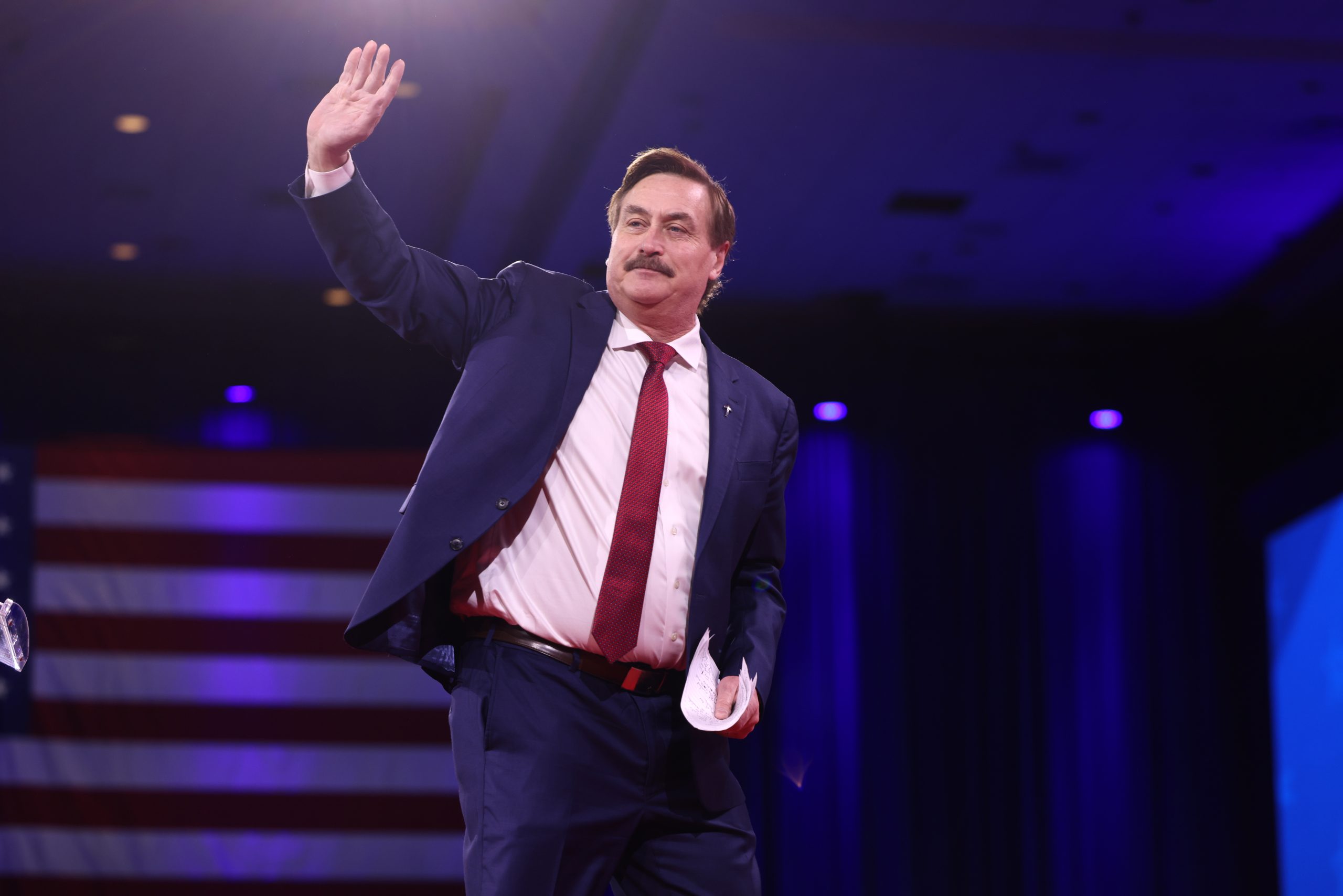
    Mike Lindell
    Image: Gage Skidmore, via Flickr, CC BY-SA 2.0.

    That kind of order sends a pointed message. The court is not only concerned with whether Smartmatic receives money it says it is owed. It is also saying that its orders have to be followed when issued, not treated as optional while litigation continues.

    Civil contempt does not mean Lindell has been convicted of a crime in this order. It is a civil finding used when a party fails to comply with a clear court directive and does not provide a legally sufficient reason for noncompliance.

    Courts can use several enforcement tools in these situations, including fee awards, evidence sanctions, daily fines and contempt findings. The central purpose of civil contempt is usually to coerce compliance or compensate for losses, rather than to punish in the criminal sense.

    How the Smartmatic dispute escalated

    The contempt finding sits inside Smartmatic’s broader litigation against Lindell. Smartmatic sued Lindell in 2022, alleging he made false statements about the company’s role in the 2020 election.

    ABC News has reported that Smartmatic accused Lindell of lying about the company as part of his post-election claims. Lindell, the founder of MyPillow and a prominent promoter of claims about the 2020 vote, has long portrayed the litigation over his statements as politically charged and financially draining.

    Public docket information on Justia lists an order in Smartmatic USA Corp. et al. v. Lindell et al. granting a motion for contempt. The docket identifies Judge Jeffrey M. Bryan as signing a written order.

    The docket entry is brief, but it confirms that a contempt motion was granted in litigation involving Smartmatic and Lindell. The fuller public picture comes from reports describing the unpaid sanction and the judge’s reasoning.

    The $56,369 at issue

    KYMA, citing NBC, reported that a federal judge held the MyPillow founder in civil contempt for failing to pay $56,369 to Smartmatic in connection with claims the judge called “frivolous.” That report said Lindell had originally been ordered to pay the amount in January 2025 and had not done so.

    According to the same report, the judge wrote that Lindell failed to establish an inability to pay that excused his noncompliance. That is a key point in contempt fights: courts often distinguish between someone who truly cannot comply and someone who will not.

    Lindell has publicly described severe financial strain tied to lawsuits, business losses and legal expenses. But a general claim of hardship may not satisfy a court if the judge sees other evidence of available resources or spending.

    KYMA’s report said the judge also pointed to Lindell’s Minnesota gubernatorial campaign making a $187,000 purchase of “Mike Lindell Books.” Law & Crime has described Smartmatic’s position in prior filings as arguing that Lindell’s claimed poverty did not match his public activities and spending.

    Both sides see different stakes

    Smartmatic has sought pressure on Lindell until he pays what the court ordered. In filings described by Law & Crime, the company asked the court to “coerce his compliance” with penalties until payment was made in full.

    From that perspective, the issue is straightforward: a court ordered a payment, the payment was not made, and continued delay imposes costs on the opposing party and the judicial system.

    Lindell’s side views the broader litigation differently. He has repeatedly cast legal actions around his election claims as part of a wider campaign against him, and his supporters often see the cases as attempts to silence him.

    The court’s focus is narrower. The judge is not resolving the political debate in a contempt order. The questions are whether Lindell was subject to clear commands, whether he failed to follow them and whether he had a legally valid excuse.

    Why direct payment matters

    An order requiring money to be paid directly to the court carries a different meaning than a payment solely to an opposing party. It frames the problem as defiance of the judicial process itself.

    Courts depend on deadlines, discovery orders and fee awards to move cases forward. If litigants can ignore those requirements without consequences, cases become more expensive and slower, and judges lose control over their own calendars.

    That is why sanctions can escalate. A court might begin with an order to pay attorney fees, then impose additional penalties or daily fines if the order is ignored. A contempt finding can increase pressure because it makes noncompliance a direct confrontation with the court.

    The lump-sum structure also matters. It leaves less room for delay through partial payments or rolling excuses. The court is demanding a clear act of compliance.

    What remains unresolved

    The immediate question is whether Lindell pays the lump-sum penalty directly to the court and satisfies any outstanding orders. If he does, the contempt pressure could ease, although the underlying Smartmatic litigation can continue.

    If he does not, the court could consider additional sanctions. KYMA previously reported that Lindell faced a $500-per-day fine for failing to pay the full $56,369 judgment to Smartmatic.

    There may also be further motions or appeals over the sanction, the amount owed, Lindell’s asserted ability to pay and the scope of the court’s power. Those issues will shape whether this becomes a brief enforcement episode or another extended side battle in the case.

    For now, the practical message is clear: the judge is using civil contempt to push Lindell toward compliance. The fight is no longer only about what Smartmatic says it is owed; it is also about whether court orders can be ignored without growing financial consequences.

  • Sophie Cunningham’s Caitlin Clark Bond Becomes a 2026 Fever Test

    Sophie Cunningham’s Caitlin Clark Bond Becomes a 2026 Fever Test

    Cunningham’s comments offered a teammate’s view of Clark’s fame, pressure and personality. They also come as Indiana weighs chemistry against roster decisions before the 2026 WNBA season.

    Sophie Cunningham commented on Caitlin Clark by calling the Indiana Fever star “such a normal human” and “the biggest dork you will ever meet.” It is the kind of Caitlin Clark quote that lands differently as Clark’s rise with the Indiana Fever keeps reshaping expectations in Indiana.

    The comments, made on the “Like a Farmer” podcast with Pat Spinosa and reported by Sports Illustrated, arrive with Fever roster uncertainty ahead of the 2026 WNBA season. They show why Cunningham’s bond with Clark is both a locker-room story and a basketball question.

    A teammate cut through the hype

    Cunningham was asked for her best Caitlin Clark story during the podcast appearance. Instead of offering a dramatic behind-the-scenes moment, she described Clark in plain, affectionate terms.

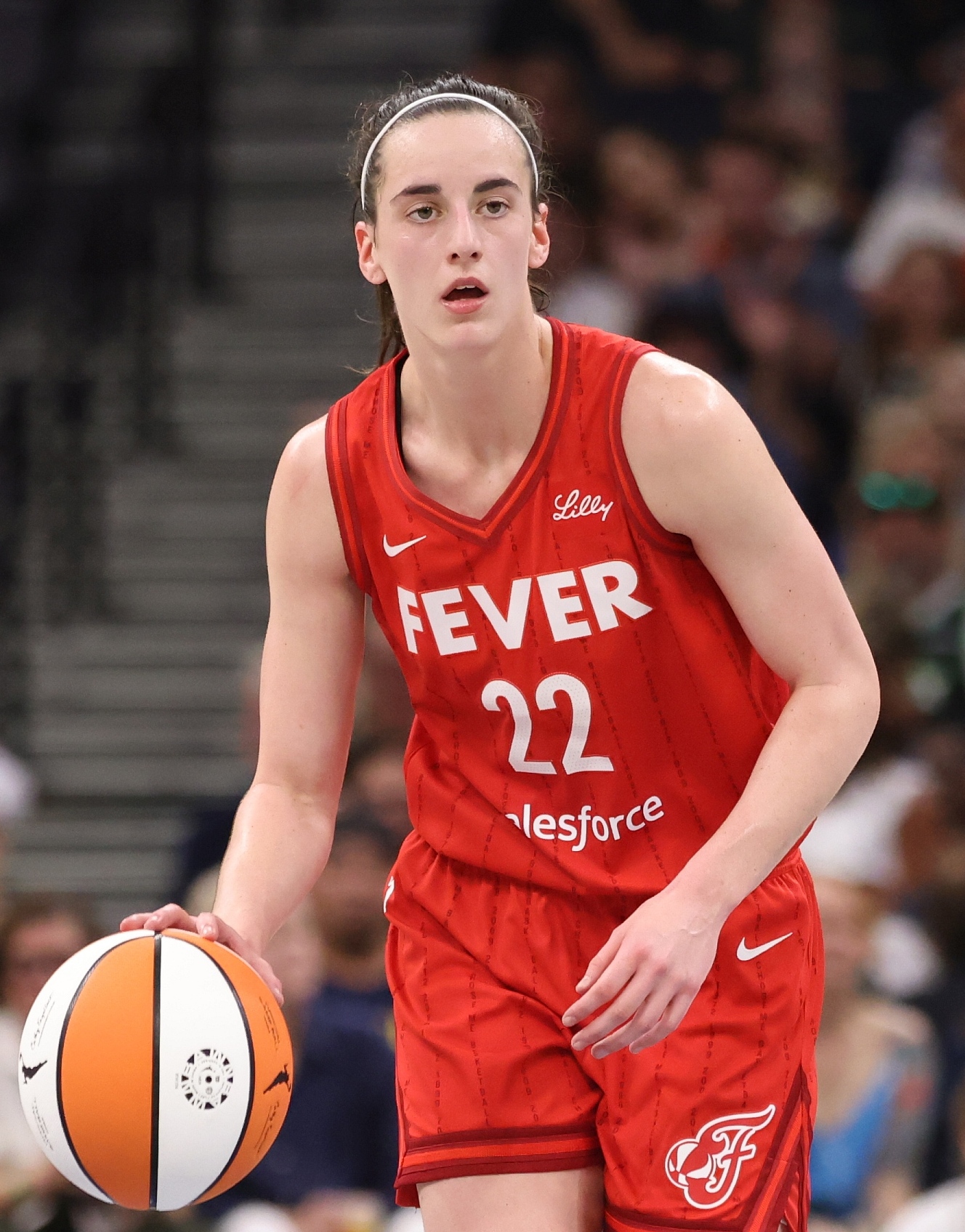
    Caitlin Clark Fever (cropped)
    Image: John Mac, via Wikimedia Commons, CC BY-SA 2.0.

    She said Clark is “such a normal human,” someone who “loves ball,” and a player who has handled an unusual amount of attention. Then came the line that gave the clip its life: Clark, Cunningham said, is “the biggest dork you will ever meet.”

    That description works because it goes against the public scale of the Caitlin Clark conversation. Clark is discussed as a franchise force, a major draw and one of the central figures in the WNBA’s current spotlight. Cunningham’s answer made the story smaller in the most revealing way.

    She was not describing a brand or a phenomenon. She was describing a teammate she likes being around.

    Why normal matters here

    Clark’s prominence with the Fever has turned ordinary teammate interactions into material for public interpretation. A joke, a sideline exchange or a podcast answer can quickly become part of the larger story around Indiana.

    That is why Cunningham’s “normal human” comment matters. It suggests that, inside the Fever environment, Clark has not become untouchable or isolated by the attention around her.

    According to Sports Illustrated’s account, Cunningham also noted that Clark has “all this tension” around her and carries it well, especially at her age. That is a different kind of compliment from praising a shot or a stat line. It is about emotional balance under constant scrutiny.

    The outside version of Clark can be overwhelming: star, symbol, lightning rod, engine of attention. Cunningham’s version is more grounded: a player who loves basketball and can still be teased.

    Chemistry became part of the product

    Cunningham’s connection with Clark became part of the Fever’s off-court appeal after Cunningham was traded to Indiana in 2025, according to Sports Illustrated. The same report noted that fans enjoyed their bond even though the two did not spend extensive time together on the court.

    That creates an unusual split. A team can have a relationship fans love without that relationship automatically deciding basketball value. Chemistry can help a locker room breathe, especially around a player whose every move is magnified, but front offices still have to weigh role, minutes, fit and cost.

    For Indiana, that tension is unavoidable. Clark’s rise has made the Fever a national conversation, but popularity does not replace roster construction. Winning still depends on health, defense, depth and the practical decisions that shape a team around its franchise guard.

    Cunningham’s quote landed because it gave fans a piece of something that feels real. The harder question is how much that kind of connection should matter when the Fever plan what comes next.

    The 2026 question changes everything

    The timing is the reason a playful line carries more weight than a normal teammate compliment. Sports Illustrated reported that Clark remains under her rookie contract with the Fever, while Cunningham is an unrestricted free agent ahead of the 2026 WNBA season.

    Cunningham has also made clear, according to that report, that she would like to return to Indiana if it makes sense for both sides. That wording leaves room for the reality of professional sports.

    A player can enjoy a locker room and still need to consider money, role and opportunity. A team can value a player’s presence and still decide it has other roster needs.

    That is where fans and front offices often see the same situation differently. Fans may look at Cunningham’s bond with Clark and see a reason to keep a popular piece of the Fever’s identity. Indiana’s decision-makers have to decide how that chemistry fits into a broader plan.

    The WNBA joke needs context

    Cunningham’s podcast appearance also included a broader observation about the league’s locker-room culture. She joked that the WNBA is “so inappropriate,” laughed, and described it as “tight-knit” and “wild,” adding that she could not repeat a lot of what gets said.

    That part of the conversation is easy to stretch beyond what was said. Cunningham did not describe a specific incident or accuse anyone of misconduct. She was talking, jokingly, about player banter and the tone inside a close professional environment.

    Still, the line helps explain why the clip traveled. Fans often want evidence that athletes are more than polished interviews and postgame answers. Cunningham gave them a glimpse of a looser setting around a team usually discussed in high-pressure terms.

    There is a risk built into that attention. As the Fever become more visible, even casual comments can become headlines within hours.

    Indiana’s balance is the story

    The most useful reading of Cunningham’s comments is that she sees Clark as both exceptional and approachable. That is not an easy balance for a young star surrounded by attention.

    Star treatment can separate a player from teammates. Constant scrutiny can make a player guarded. Cunningham’s remarks suggested Clark has avoided at least some of that trap, remaining central to the Fever without acting removed from the group around her.

    What remains unclear is whether Cunningham will continue to be part of that environment in Indiana. Her free agency, the Fever’s roster needs and the team’s ambitions for the next season will determine whether this chemistry remains part of the ongoing story or becomes a memorable snapshot from a short overlap.

    Either way, the quote explains something beyond Clark’s highlights. Her rise with the Fever is also about whether Indiana can keep the people around her connected, grounded and useful while the spotlight keeps growing brighter.

  • House Moves to End Clock Changes, but Darker Winter Mornings Divide the Debate

    House Moves to End Clock Changes, but Darker Winter Mornings Divide the Debate

    The vote puts Congress closer to ending the twice-a-year clock reset. The harder debate is whether the country should permanently favor lighter evenings or brighter mornings.

    The U.S. House of Representatives passed a bill to make daylight saving time permanent on Tuesday, July 14, 2026, approving H.R. 139, the Sunshine Protection Act. The daylight saving time bill would end the twice-yearly clock changes across the United States if it becomes law, replacing the spring-and-fall reset with a permanent time standard.

    The measure still needs Senate action and a presidential signature, so Americans should not assume the clock changes are finished. The stakes are practical: Congress is weighing whether later sunsets are worth darker winter mornings.

    A vote, not a final rule

    The House vote marks a real advance for supporters of permanent daylight saving time, but it does not change anyone’s clock yet. The proposal must still clear the Senate before it can be sent to the president.

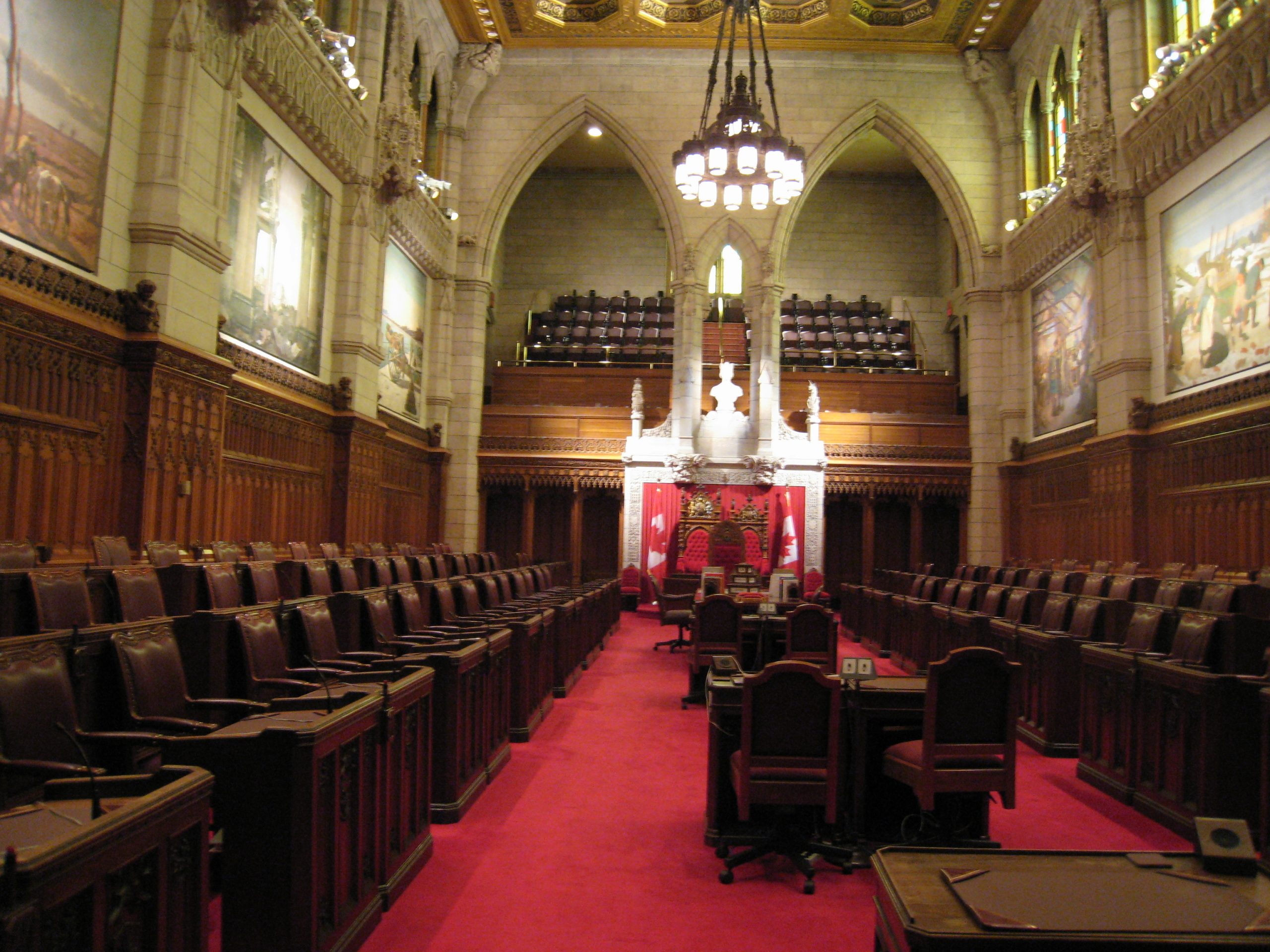
    Senate
    Image: elPadawan, via Flickr, CC BY-SA 2.0.

    The House Committee on Energy and Commerce said the chamber passed legislation to make daylight saving time permanent. Chairman Brett Guthrie of Kentucky, Subcommittee Chairman Gus Bilirakis of Florida and Rep. Vern Buchanan of Florida applauded the move in the committee’s release.

    Reuters also reported that the U.S. House voted to pass a bill making daylight saving time permanent and ending the twice-yearly clock changes. The committee said the Sunshine Protection Act had been included in the Motor Vehicle Modernization Act, which previously cleared the committee by a 48-to-1 vote.

    That committee margin points to broad interest in changing the current system. It does not resolve the central question that has slowed this debate before: if the country stops changing clocks, which clock should it keep?

    The tradeoff behind later sunsets

    Permanent daylight saving time would not create more daylight. It would shift when many people experience it.

    Under year-round daylight saving time, the sun would generally rise later and set later than it would under standard time, especially in colder months. That means more light after work or school, but less morning light during parts of the year.

    For some households, the appeal is immediate. Dark evening commutes could be reduced. Youth sports, outdoor exercise, after-work errands and restaurant or retail activity could benefit from more usable evening light.

    For others, the concern is just as concrete. Later winter sunrises could mean darker school drop-offs, darker morning commutes and more people starting their day before natural light arrives.

    Why supporters see relief

    Supporters have framed the bill as a quality-of-life measure and a way to stop a recurring disruption that affects millions of routines. Twice a year, schedules shift, sleep patterns wobble and people spend days adjusting to a one-hour change.

    Guthrie said in the House committee release that Americans have asked Congress to reevaluate the current system. He connected year-round daylight saving time with economic activity and public safety.

    Bilirakis said the twice-a-year time change disrupts routines and burdens families and businesses. Buchanan said permanent daylight saving time would give families more daylight after work and school while improving public safety and encouraging more active lifestyles.

    That argument has a simple political advantage: almost everyone understands the irritation of changing clocks. Phones may update automatically, but ovens, car dashboards and body clocks do not always keep up as smoothly.

    The standard time objection

    The most important disagreement is not whether the clock change is annoying. It is whether permanent daylight saving time is the right replacement.

    Business groups, tourism interests and many outdoor recreation advocates tend to favor later sunsets. Restaurants, retailers and youth sports leagues can gain when people have more evening daylight.

    Sleep researchers and some medical groups have often argued that if the United States ends seasonal clock changes, permanent standard time may be the healthier choice. Their concern is that later winter sunrises under permanent daylight saving time could push wake-up schedules further away from morning light, which helps regulate the body’s internal clock.

    That is why a broadly popular complaint can still produce a complicated policy fight. Ending the switch is one decision. Choosing permanent daylight saving time over permanent standard time is another.

    States pushed Congress here

    State-level pressure is one reason the issue keeps returning to Washington. Under current federal rules, states may generally opt out of daylight saving time and stay on standard time, as Hawaii and most of Arizona do.

    States cannot simply move to permanent daylight saving time on their own. That federal limit has led state lawmakers in different places to pass or debate measures supporting year-round daylight saving time, while waiting for Congress to act.

    The House vote matters because it moves the issue from scattered state frustration to a live federal decision. If the proposal becomes law, the effect would be national, though the experience would not feel identical everywhere.

    A later winter sunrise can land differently in Maine than in Florida, and differently again for communities on the western edge of a time zone. Florida has been especially visible in the push, and both Bilirakis and Buchanan are from the state, where late-day light is closely tied to tourism, outdoor dining, boating and after-work recreation.

    What remains unsettled

    Even if the Senate takes up the measure, several practical questions remain. Congress would need to clarify when any change would take effect and how federal agencies would coordinate the transition.

    Industries built around precise scheduling would also need lead time. Airlines, rail systems, financial markets, broadcasters and digital systems all depend on reliable time coordination.

    Lawmakers may also need to address how states already on standard time, including Hawaii and most of Arizona, would fit into a permanent daylight saving system if one is adopted nationally.

    The House has moved the United States closer to ending one of its most familiar calendar rituals. But for now, the spring and fall reminders should stay on the calendar: the Senate and president still decide whether the clock switch is actually ditched.

  • Trump’s Rally Image Collides With Boos in Rooms He Can’t Fully Control

    Trump’s Rally Image Collides With Boos in Rooms He Can’t Fully Control

    The pattern is not a polling substitute, but it does expose the difference between Trump’s carefully supportive rally audiences and public rooms he cannot fully control.

    Donald Trump has been booed at public appearances before, and this article revisits that history: he has faced boos at political, sports, and cultural events in Washington, DC, and New York, including a Wednesday night Kennedy Center outing and a Saturday Libertarian Party convention. Trump keeps hearing boos when the crowd isn’t his because the audience is not always a rally crowd.

    The pattern matters now because coverage dated June 12, 2025, brought the Kennedy Center moment back into a wider story about Trump’s public image: adored in rooms built for supporters, contested in spaces where the crowd arrives for something else.

    The Kennedy Center made it cultural

    The Kennedy Center episode stood out because it was not just another political stop. Trump’s appearance there on a Wednesday night drew both boos and cheers, according to reports and video from inside the venue.

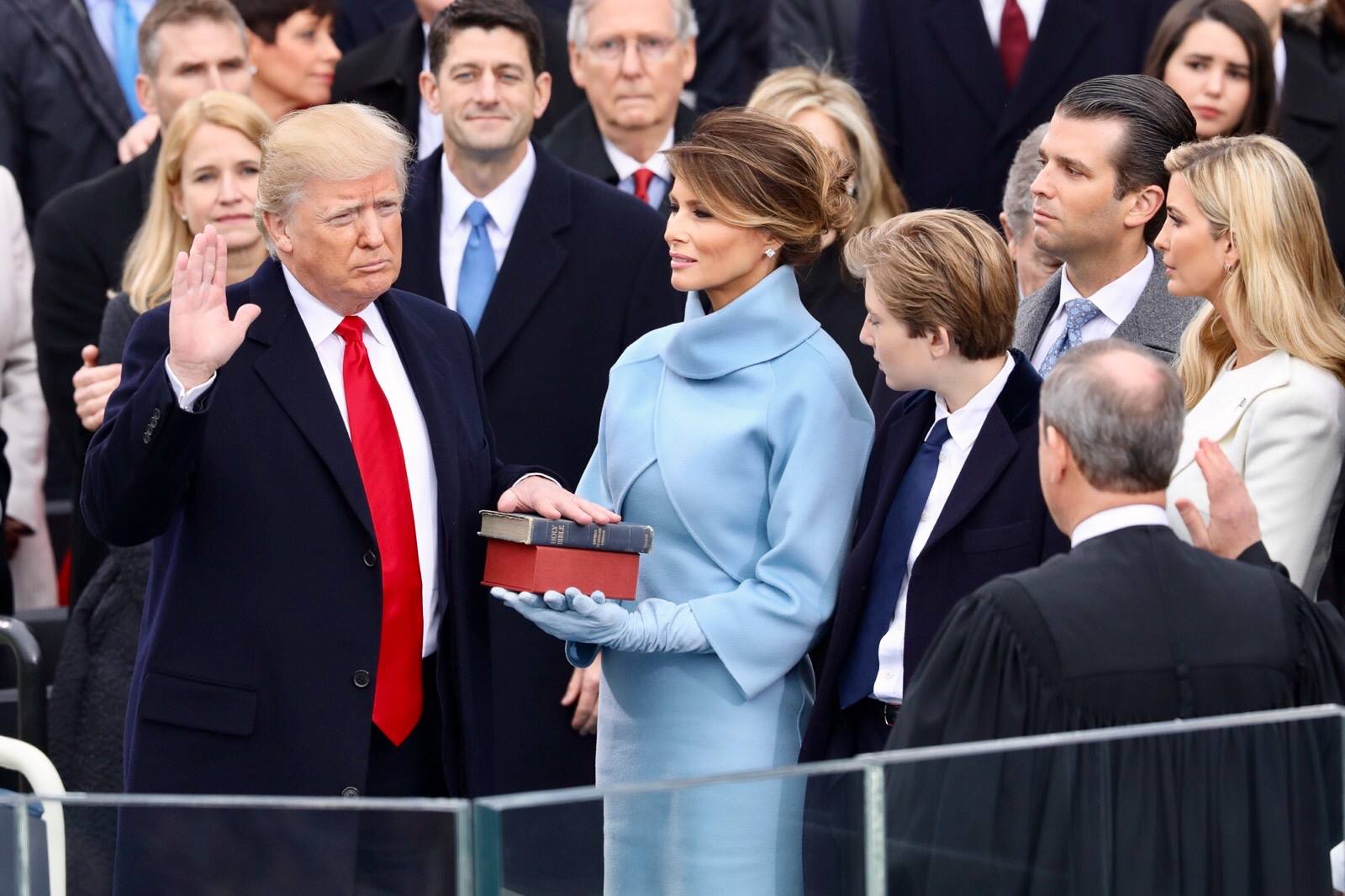
    Donald Trump swearing in ceremony
    Image: The White House, via Wikimedia Commons, Public domain.

    That mixed reaction carried added weight because Trump had taken a direct interest in the institution’s leadership. His administration’s move to reshape the Kennedy Center board, along with Trump’s own role as chair, made the visit more than a routine appearance at a cultural event.

    For supporters, Trump’s presence could be read as a challenge to what they view as liberal dominance in major arts institutions. For opponents, the boos registered as a protest against political control of a national cultural venue.

    The sound in the room did not resolve that fight. It did, however, put it on display in a way that campaign messaging rarely can.

    Libertarians rejected the pitch

    Another recent example came at the Libertarian Party’s national convention in Washington, DC. The BBC reported that Trump was booed repeatedly during a Saturday appearance as he asked delegates to support him in the 2024 presidential race.

    Trump told the crowd, “We must work together,” and urged Libertarians to join with Republicans to defeat Joe Biden. Many delegates jeered and heckled instead.

    The reaction had specific roots. Libertarians in the hall objected to Trump’s record on Covid policy, federal debt, and executive power. Some also opposed the party giving speaking time to major-party candidates they did not see as aligned with libertarian principles.

    Trump tried to recast the moment by joking that his criminal indictments made him more sympathetic to libertarian complaints about government power. He also pushed back, telling the crowd that if they did not support him they could keep getting about 3 percent of the vote every four years, a reference to the party’s typical national share.

    Sports crowds cut through staging

    Sports venues have produced some of the most visible examples because they are not campaign rooms. Fans come for the game, not necessarily for a political performance, and the camera can turn a few seconds of crowd noise into a national clip.

    In October 2019, Trump attended Game 5 of the World Series between the Washington Nationals and the Houston Astros at Nationals Park. When he appeared on the video board, the crowd reaction included loud boos.

    Some fans then chanted “Lock him up,” reversing a slogan Trump supporters had used against Hillary Clinton during the 2016 campaign. The moment spread quickly because it happened during Trump’s presidency, in the nation’s capital, at a patriotic sporting event.

    Supporters argued then that the boos reflected Washington, DC, more than the country as a whole. Critics saw the scene as a rare public puncture of Trump’s aura in a venue he could not fully manage.

    New York’s reaction was mixed

    Trump’s connection to New York has always been layered. He built celebrity there, placed his name on buildings there, and used the city’s media world to become nationally famous. Politically, though, New York has long been hostile ground for him.

    Madison Square Garden became part of that tension in November 2019, when Trump appeared at UFC 244 in New York. Contemporary accounts described a mixed reaction, with cheers from some sections and audible boos from others.

    That matters because it was not a simple rejection, and it was not the overwhelming approval Trump often receives at rallies. It was a collision of celebrity, sports spectacle, presidential politics, and a city that knew Trump long before he became a Republican president.

    Trump has also had friendlier moments at sporting events, particularly in places more favorable to him. The point is not that boos follow him everywhere. It is that less predictable audiences can produce very different scenes from the ones his campaign prefers to project.

    Rally crowds tell one story

    Trump’s political style relies heavily on crowd energy. His rallies often feature chants, applause, slogans, music, and a sense that the room is united behind him.

    That is why hostile or mixed reactions elsewhere attract attention. They interrupt the image of total command. They also show the limits of celebrity: a figure can fill arenas and still face resistance inside arenas that were not assembled for him.

    There is a risk in overreading any single crowd. A booing theater, convention hall, stadium section, or arena is not a poll. Audiences are shaped by geography, ticket access, culture, timing, and who chose to attend.

    Still, the repeated episodes point to something narrower and real. Trump can dominate Republican spaces while remaining deeply polarizing in mixed, urban, libertarian, cultural, or nonpolitical settings.

    The boos are not ballots

    The history of Trump being booed says less about election forecasting than about political performance. Trump has won major elections, remains powerful inside the Republican Party, and can still generate intense applause from supporters.

    But when he enters shared civic spaces — a convention, a ballpark, a theater, Madison Square Garden — he becomes a contested symbol in front of people who did not necessarily gather to affirm him.

    That is why these moments keep becoming stories. The boos are audible evidence of polarization, followed almost immediately by competing interpretations: proof of hostility, proof of elite bias, proof of local politics, or just the predictable noise around one of the country’s most divisive public figures.

    The more useful question is not whether Trump will hear boos again. Given his visibility and the intensity of feeling around him, that seems likely. The more revealing questions are where it happens, who is in the room, and whether the reaction says more about Trump, the audience, or a country that increasingly turns public entertainment into political theater.