
The speaker’s challenge is not just managing anger inside his conference. It is proving that Republican leaders still control what happens on the House floor.
Mike Johnson is facing a Republican revolt over his leadership of the House. In Washington, Johnson’s reported outburst signals deeper dissent among House Republicans, after a Mediaite report distributed on MSN said the speaker was quoted as saying, “I’m sick of this.”
The article explains why his speakership is under pressure: Republican rebels are challenging his control of the chamber through procedural tools, public pressure and factional demands. The question exposed by the reported outburst is not just whether Johnson is frustrated. It is whether the House GOP still accepts his authority to set the agenda.
The fight is over control
Speakers draw much of their power from deciding what reaches the floor, when votes happen and how much room members have to break from leadership. Johnson’s problem, as described in the available reporting, is that rank-and-file Republicans are increasingly willing to test those limits.
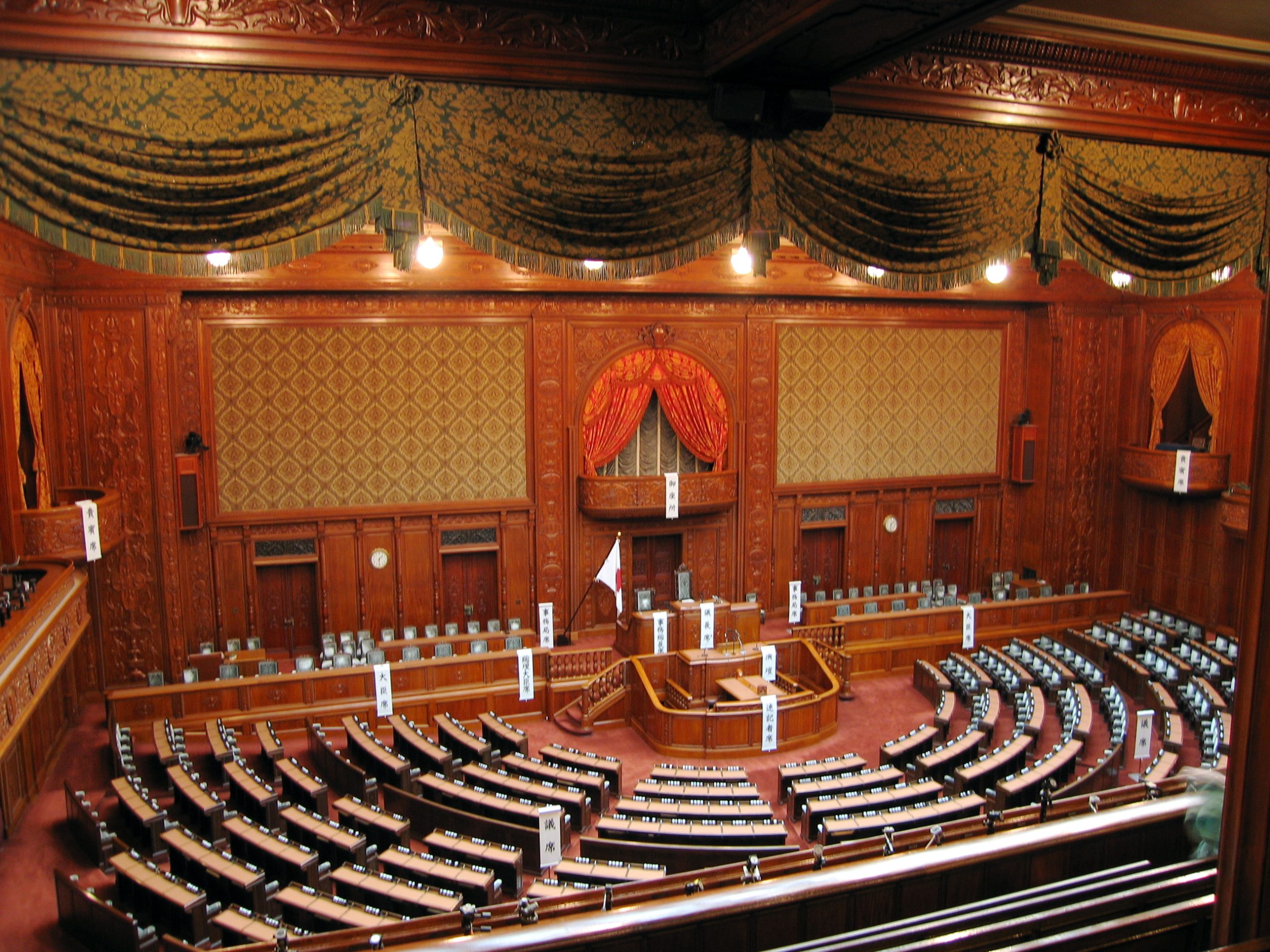
That makes the reported “I’m sick of this” moment more than a flash of irritation. It lands in the middle of a broader leadership struggle inside the House Republican conference, where members from different factions have found ways to pressure Johnson from the outside and from within.
CBS News and The Wall Street Journal have chronicled repeated Republican defiance of Johnson’s leadership. The disputes have included spending fights and attempts to use discharge petitions, a House procedure that can force votes without the speaker’s blessing if enough members sign on.
Discharge petitions change the leverage
One of the sharpest tools available to frustrated lawmakers is the discharge petition. It allows House members to bypass leadership and force a vote if they can gather enough support.
CBS News reported that rank-and-file Republicans frustrated with Johnson’s inaction have used the procedure as a preferred weapon. For a speaker, that is a direct challenge because control of the floor is not a symbolic perk. It is the mechanism that lets leadership negotiate, protect vulnerable members, delay politically difficult votes and keep the party’s message aligned.
In one recent case cited in the reporting, a Democratic bill to reverse President Trump’s executive order stripping collective bargaining rights from some federal workers passed the House with support from nearly two dozen Republicans after moderates helped move it forward.
Republican Rep. Brian Fitzpatrick of Pennsylvania also introduced a discharge petition seeking a vote on a bipartisan measure to extend Affordable Care Act premium tax credits for two years with reforms, CBS reported. A separate petition from Democratic Rep. Josh Gottheimer of New Jersey also drew Republican support.
Rebels are not one bloc
Johnson’s challenge is complicated because the pressure is not coming from one wing of the party with one demand. Hard-line conservatives have objected to deals they view as too accommodating to Democrats. Moderates have pushed for votes on issues with bipartisan support, including health care subsidies and other measures leadership has been reluctant to bring to the floor.
Those demands create different political risks. Conservative opposition can threaten must-pass legislation. Moderate cooperation with Democrats can embarrass leadership and show that Republicans can assemble floor coalitions without the speaker’s preferred route.
Taken together, the pressure points suggest a larger shift: some House Republicans no longer see the speaker’s office as the only path to action. That is the core reason Johnson’s reported outburst resonated beyond the quoted phrase.
Republicans are saying it publicly
The dispute is no longer confined to private meetings or anonymous frustration. Some Republicans have openly criticized the way leadership has handled major deadlines and policy fights.
Rep. Kevin Kiley of California told CBS News that being up against a deadline without a clear path forward was “not the kind of leadership” he wanted to see. He also said the discharge petitions showed members felt there had been “less than the desired level of leadership” on major policy issues.
Fitzpatrick has presented the rank-and-file push in a different light. He said members were “leading the charge” because they believed action was necessary.
That framing matters. It lets Republican rebels argue they are not simply undermining Johnson for the sake of disruption. They can claim they are filling a vacuum. Johnson’s allies would likely see it differently: when members bypass leadership, they can strengthen Democrats’ hand on the floor and make it harder for Republicans to negotiate as a unified party.
Funding fights expose the bind
The Wall Street Journal described another episode that hurt Johnson’s standing: a short-term government funding plan crafted with Democrats that drew backlash from Republican colleagues. The Journal reported that the revolt intensified after President-elect Donald Trump and Elon Musk sharply criticized the measure.
That episode illustrates the speaker’s central dilemma. To keep the government operating, Johnson may need Democratic votes. But cooperation with Democrats risks inflaming conservatives who want deeper spending cuts and fewer compromises.
The math leaves little room for mistakes. A small group of Republican defectors can derail legislation, force rewrites or publicly weaken leadership’s position. In that environment, even a reported expression of frustration can become evidence in a larger debate over whether Johnson can keep his conference aligned.
Johnson still has cards to play
The pressure does not mean Johnson has lost all power. Speakers can shape the House calendar, negotiate with faction leaders, steer committee priorities and frame the political consequences of dysfunction for members who do not want to be blamed for chaos.
CBS News reported that Johnson has met with leaders of several Republican factions, sometimes described as the conference’s “five families,” to assemble a plan. Johnson called one such meeting “very productive” and predicted Republicans would unite around the legislation.
That is the strongest case for Johnson: the public confrontation may be part of bargaining, not proof that the speakership is collapsing. House Republicans have fought loudly before and still reached compromises when deadlines forced decisions.
The risk for him is that successful rebellions can become habits. If members see procedural end-runs and public pressure produce results, they may be more willing to use the same tactics again.
What remains unresolved
The exact setting and full context of Johnson’s reported outburst have not been established in the available MSN-distributed summary of the Mediaite report. It is also unclear whether the anger was directed at a specific bloc, a specific procedural move or the broader pattern of GOP defiance.
What is clear from the cited reporting is that Johnson’s test is practical, not just personal. He has to show that he can turn a divided House Republican majority into governing votes.
The next measure of his speakership will not be whether Republican rebels stop complaining. It will be whether negotiation becomes more useful to them than rebellion. Until that changes, every discharge petition, funding clash and public criticism will keep raising the same question: who is really setting the House GOP agenda?
Leave a Reply