Blog

  • MAGA Family Estrangement Is Testing Where Boundaries Become Breaks

    MAGA Family Estrangement Is Testing Where Boundaries Become Breaks

    For some Americans, the fight is no longer only about a vote. It is about whether a relative’s politics now feels like a judgment on safety, dignity and belonging.

    A family cutoff can look, from the outside, like an overreaction to politics. Inside the relationship, it may feel like the final version of a boundary that failed too many times.

    That is the tension behind reports of families ending contact with MAGA relatives. The break is not always about one election, one argument or one social-media post. For some relatives, MAGA support is read as a broader statement about race, democracy, immigration, gender, religion, loyalty and basic respect. For others, being pushed away over that support feels like punishment for beliefs they consider legitimate.

    The central question is not whether every political disagreement should become a family rupture. It is how a disagreement becomes so morally loaded that ordinary contact no longer feels possible.

    A cutoff usually starts as a limit

    No contact is often described as a dramatic act, but many family breaks begin with smaller rules. Do not turn dinner into a campaign rally. Do not attack a spouse or child. Do not use slurs. Do not flood the family chat with claims that others experience as hostile or degrading.

    When those limits are ignored, the dispute can stop feeling like a debate. A relative may decide that the real issue is not the ballot choice itself, but the behavior that comes with it. In that frame, distance is less about winning an argument than stopping a cycle.

    The same decision can be experienced very differently on the other side. A MAGA-aligned relative may see the boundary as elitism, censorship or rejection by family members who have judged them unfairly. That mismatch helps explain why repair can be so difficult: each side may believe the other has violated something fundamental.

    What Coleman’s estrangement work adds

    According to Joshua Coleman in Greater Good Magazine, political differences appear to be an increasing cause of family breakups. Coleman, a psychologist who specializes in family estrangement, said he completed a 2020 survey of more than 1,600 estranged parents through the University of Wisconsin Survey Center.

    His work places political estrangement inside a larger change in how families talk about distance. Estrangement has long been discussed around abuse, addiction, divorce, inheritance disputes or accumulated personal harm. Politics could make a holiday meal miserable, but it was not always treated as a reason to end contact.

    Now, political identity can function as moral shorthand. A slogan, vote or post may be interpreted as a signal about whose dignity matters and whose fears count. Once that happens, the old family formula of agreeing to disagree may no longer sound neutral. It may sound like asking one person to absorb harm quietly.

    Coleman’s Greater Good essay also cites social psychology research indicating that group identity can affect how outsiders are perceived, even when the group categories are minimal. Political categories carry far more meaning, which can make the emotional reaction stronger.

    Why the MAGA label lands differently

    The MAGA label does not mean every supporter is being cut off. It also does not mean every estranged family is divided only over Donald Trump personally.

    What it does show is how politics can become a test of trust in private life. One relative may say they are defending tradition, faith, borders or free speech. Another may hear support for ideas or behavior they believe threatens an immigrant neighbor, an LGBTQ relative, a spouse, a child or democratic values.

    Coleman’s essay cites Pew Research Center findings to underscore that political affiliation can strongly shape personal judgments. The safer way to put the point is that party identity may now influence how people evaluate one another in ways that reach beyond ordinary policy disagreement.

    That is why the same conversation can feel minor to one person and intolerable to another. If relatives no longer believe they share a basic reality, each exchange can become a test of loyalty, endurance and self-respect.

    When distance protects a household

    There is a serious case for walking away when politics shows up as harmful behavior. Family ties are meaningful, but they do not grant unlimited access to someone else’s home, marriage, child or emotional stability.

    The distinction is important. A relative who votes differently but remains respectful is not the same as one who uses politics to humiliate, bully or dehumanize. For some people, the line is crossed when political talk repeatedly becomes contempt.

    That is why a cutoff may feel less like rage than relief. By the time contact ends, the relationship may already feel emotionally exhausted. The person leaving may not be trying to make a final point. They may be trying to stop reliving the same fight.

    Permanence is still hard to measure. Some people describe a break as final because that is the boundary they need now. Illness, aging, apologies or major life events can change some relationships. Others remain frozen for years because neither side sees a way back that does not feel like surrender.

    How a bridge survives, if it does

    There is also a serious case against permanent cutoff when the relationship is painful but not abusive, threatening or degrading. Some families may still have enough respect to keep contact alive with clear limits.

    Coleman’s advice in Greater Good emphasizes that difficult political conversations are more likely to improve when people stop focusing only on proving the other person wrong and try to understand what need a belief may be serving. That does not require pretending every view is harmless.

    It does recognize that political identity can be tied to fear, belonging, status, resentment, religion, economic anxiety or community. Coleman recommends looking for shared values where possible. Relatives may agree that working people are under pressure or that powerful interests have too much influence, even if they sharply disagree about causes and solutions.

    The bridge depends on boundaries. A family can limit political talk, set expectations for gatherings and protect children from attacks. But if one side treats every limit as oppression, there may not be enough respect left for repair.

    The unresolved part

    MAGA-related family estrangement is not just a story about awkward holidays. It shows how deeply national politics has entered private life.

    Families are often expected to be places where belonging survives disagreement. When that expectation collapses, politics begins to operate less like a set of opinions and more like a total identity system.

    What remains unclear is how many families are ending relationships forever and how many are entering long freezes that may later thaw. Estrangement is private, and it is difficult to measure in real time.

    The uncomfortable takeaway is that political disagreement becomes family-ending when it stops feeling like disagreement. Once relatives experience one another as threats to dignity, safety or reality itself, love may not be enough to keep the relationship intact.
  • Trump’s Rumpled TV Look Fueled an Unproven Claim About His Aides

    Trump’s Rumpled TV Look Fueled an Unproven Claim About His Aides

    A viral image criticism moved quickly from what viewers saw to what people assumed about the White House. The verified facts support the mockery and the accusation’s existence, not the alleged intent behind it.

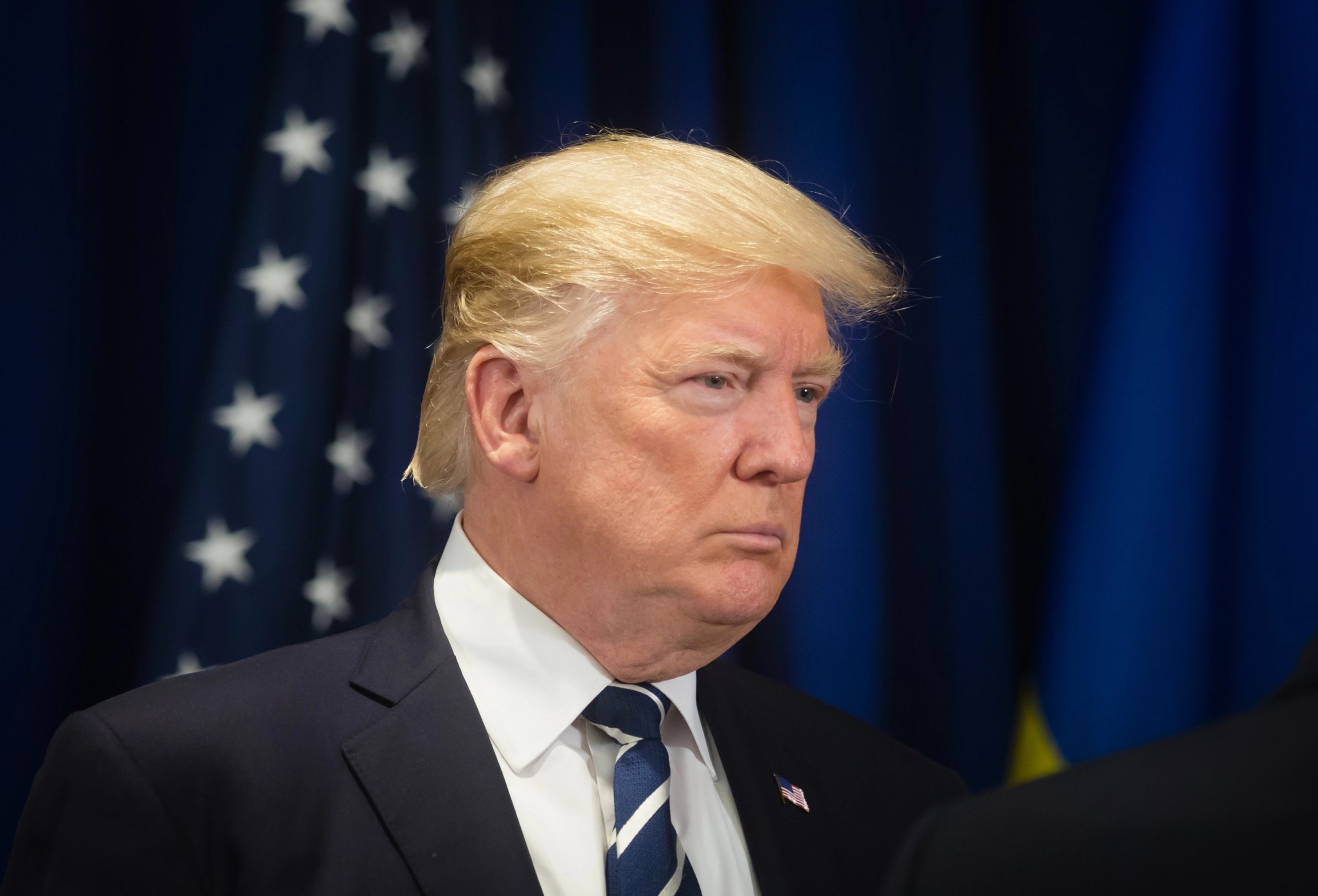
    Donald Trump’s appearance drew online criticism after a televised appearance on Monday, when viewers pointed to a crooked tie and wrinkled shirt in an image that circulated online. The Mirror US, in a story republished by MSN, reported criticism of Trump’s White House team after one X user highlighted his tie, shirt, collar, suit, makeup and hair. But there is no proof that staff deliberately neglected his appearance, and the viral implication — that aides let him look unpolished on purpose — remains an Unproven Staff Claim.

    The useful question is how a Crooked Tie Turned into something bigger than a clothing jab. Trump’s Crooked Tie became a case study in how fast online criticism can move from visual observation to an allegation about motives inside the White House.

    A visual jab became intent

    The core of the story is simple: Trump appeared on live television, viewers noticed details of his clothing and grooming, and an image from that brief appearance circulated online.

    According to the Mirror US item republished by MSN, the criticism focused on visible elements including a crooked golden tie and a wrinkled shirt. The cited X user also pointed to Trump’s collar, suit, makeup and hair, while leaving some uncertainty about whether the appearance meant anything beyond an unflattering moment.

    That uncertainty is the hinge. Saying a shirt looked wrinkled or a tie looked crooked is a judgment about an image. Saying the White House team allowed that appearance on purpose is a claim about knowledge, choice and intent.

    The first type of claim is supported by the reported social media criticism. The second is not established by the available reporting.

    What the reporting actually shows

    The verified record, as presented in the available material, shows that Trump’s appearance drew online comment and that the criticism was directed in part at people around him. It also shows that The Mirror US reported the reaction and that the article was republished by MSN.

    What it does not show is equally important. The available material does not identify a White House staff member who saw the issue before Trump appeared. It does not document an internal decision to ignore his appearance. It does not include an on-record explanation from the White House about what happened before the televised moment.

    That gap matters because the staff allegation is not just about optics. It suggests conduct: that aides deliberately let Trump go on camera looking less polished than expected.

    Without evidence about what staff knew or did, the claim remains online commentary reported as criticism, not a verified account of events inside the White House.

    Why the claim traveled

    The allegation spread because it fit a familiar political frame. Presidents and major political figures are usually surrounded by staff, cameras, advance teams and image-conscious aides. When something looks off, viewers often assume someone should have noticed.

    That assumption can be reasonable as a reaction, but it is not the same as proof. Clothing can shift. A shirt can crease. A tie can move between moments. A still image can make a brief live shot look more dramatic than it appeared in motion.

    None of those alternate explanations is confirmed either. They simply show why the leap to intent is a bigger claim than the image alone can carry.

    The viral version depends on a more pointed idea: that the people around Trump may have let his look deteriorate on purpose. Available reporting supports that people made or circulated that accusation. It does not prove the accusation true.

    Trump’s image history adds context

    The reaction also landed in a broader history of Trump and image-making. The Washington Post has reported on Trump’s longtime interest in physical appearance, including his use of “central casting” language and comments about how people look in political settings.

    Glamour, citing Axios and New York Times reporting, previously described Trump as particular about staff attire and grooming. That context helps explain why critics connected a rumpled appearance to the people around him rather than treating it as a random wardrobe moment.

    Still, context is not evidence of what happened Monday. Prior reporting about Trump’s attention to presentation can make the online reaction easier to understand, but it does not prove that aides deliberately neglected him before the live appearance.

    In other words, Trump’s reputation for caring about presentation may have made the criticism more shareable. It does not close the evidentiary gap.

    Opinion versus allegation

    This episode turns on a distinction that often gets blurred online. Viewers are free to mock a crooked tie, a wrinkled shirt, a collar, a suit, makeup or hair. Those are subjective reactions to what they believe they saw.

    The staff claim is different. It assigns responsibility and motive to people who are not shown, quoted or documented in the available material.

    That does not mean the criticism was fabricated. It means the verified claim should be kept narrow: an appearance prompted social media criticism, and some of that criticism accused Trump’s White House team of letting the look happen.

    The unsupported claim is the more provocative one: that the team did so deliberately.

    The takeaway from the viral moment

    For Trump’s critics, the image fit a broader habit of scrutinizing his presentation and the machinery around him. For supporters, the focus on grooming and clothing may read as shallow ridicule or another example of appearance-based political mockery.

    Both reactions can emerge from the same image. That is why the distinction between observation and proof matters.

    The safest reading is limited and clear: Donald Trump’s televised appearance on Monday drew online criticism over a crooked tie and wrinkled shirt; The Mirror US, in a story republished by MSN, reported that the criticism included an accusation aimed at Trump’s White House team; and available reporting does not show that anyone intentionally allowed the look to happen.

    The viral story may be memorable because of the tie. The factual story is about the unsupported jump from what viewers saw to what they claimed staff meant to do.

  • AOC’s 100-Year Income Warning Puts Wage Stagnation in Focus

    AOC’s 100-Year Income Warning Puts Wage Stagnation in Focus

    AOC’s viral warning is not a prediction that every household will wait 100 years for a raise. It is a long-term comparison that helps explain why paychecks can rise while many families still struggle to get ahead.

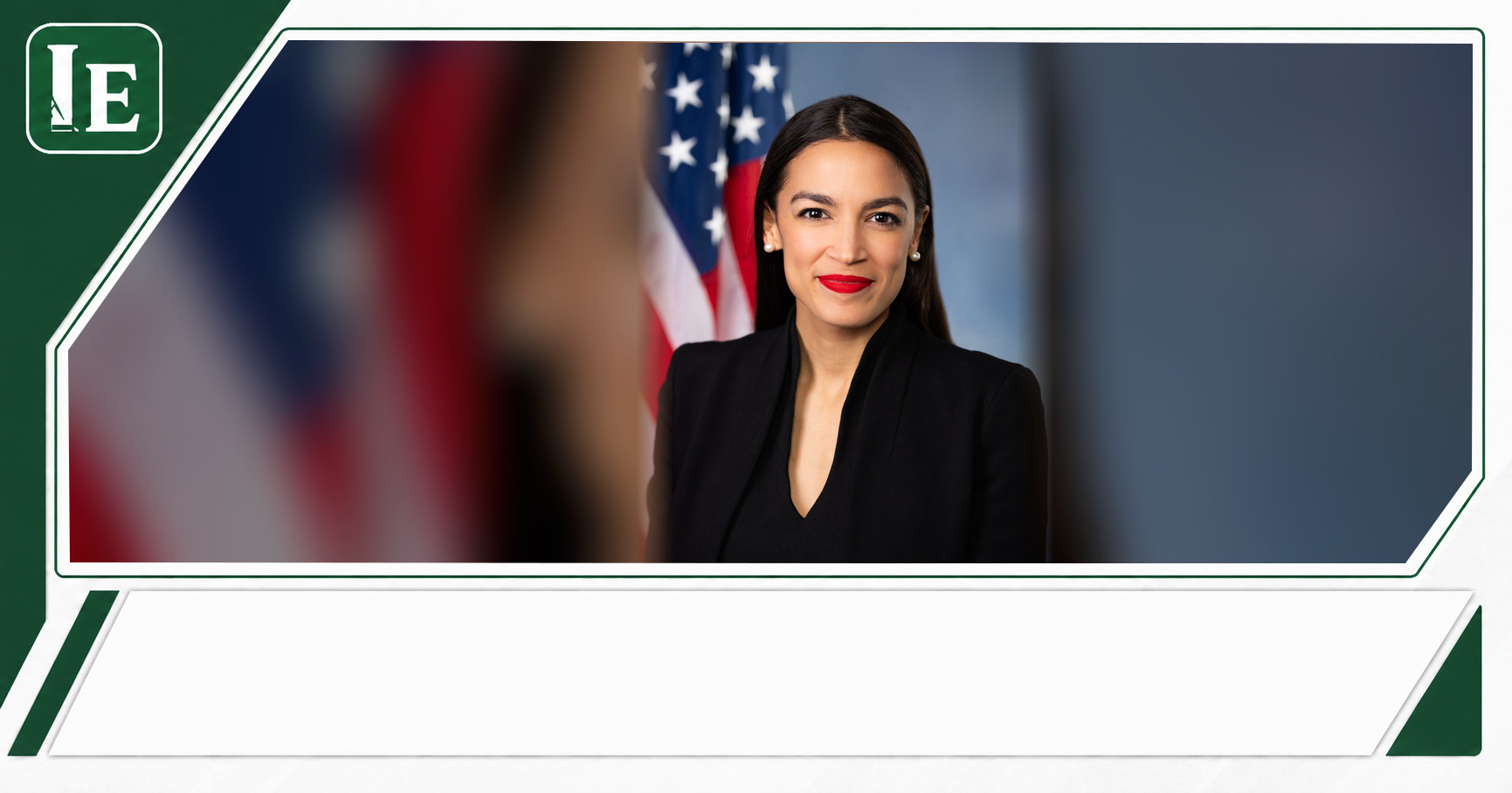
    Alexandria Ocasio-Cortez warned that American families now take over 100 years to double their income, compared with 23 years in the past. Her 100-year income warning in the United States explains why many families feel financially stuck: income growth has slowed while wages must stretch across rising living costs and diminished generational mobility.

    The comparison has spread because it turns an argument about inequality into a question households recognize immediately: can work still lead to the milestones that once seemed achievable within a working life?

    A Timescale That Lands Hard

    Ocasio-Cortez, the New York representative widely known as AOC, presented the gap as evidence of what she called an inequality crisis. In her public comments, she argued that income would no longer double within a lifetime or even one working generation, but over three or four generations.

    That framing speaks to younger and middle-income Americans who may be trying to buy a home, cover child care, pay for education or put away retirement savings. Household economic security is often judged less by broad national figures than by whether pay leaves anything after recurring bills.

    The argument is not simply that older Americans are responsible for younger people’s financial pressures. It challenges the idea that milestones such as homeownership, raising children on one income or building savings remain as attainable as they were for previous generations.

    The Source Behind 23 Years

    The figures cited by Ocasio-Cortez were tied to findings presented by Jason Furman, a former top economic adviser to President Barack Obama. Furman testified before the Select Committee on Economic Disparity and Fairness in Growth about the slowdown in income growth for typical American families.

    According to an account published on Ocasio-Cortez’s House website, a typical U.S. family’s income doubled about every 23 years from 1943 to 1973. In the period after that, the time needed to double income extended beyond a century.

    That distinction matters. The statistic is a broad historical measure of slower income growth for a typical family, not a literal claim that every individual household has waited exactly 100 years for a pay increase. Earnings paths differ sharply by occupation, region, household circumstances, debt and access to benefits.

    Why Pay Raises Can Feel Small

    A family can earn more and still feel as if it is sliding backward if major expenses increase faster. The House.gov account of Ocasio-Cortez’s remarks identified child care, education and health care as significant pressures on household budgets.

    A White House analysis referenced in that account said lower- and middle-income households are especially exposed when essential costs rise because necessities consume a larger share of what they earn. Rent, insurance premiums, college expenses and child care can narrow the room left for savings even when income is increasing.

    This helps explain why debates about the economy can seem disconnected from daily experience. A strong jobs report or expanding gross domestic product may describe national economic activity, while a household’s outlook depends on what remains after routine costs are paid.

    The Dispute Over Uneven Gains

    Ocasio-Cortez’s broader case rests on the view that the rewards from economic growth have not been distributed evenly. The source material cited a long-term decline in the share of gross domestic product going to wages and salaries despite overall economic expansion.

    It also cited Economic Policy Institute research showing a dramatic increase in CEO compensation between 1978 and 2020. That finding does not establish that every executive gain came directly at the expense of every worker. It does focus attention on a central distributional question: who benefits most when profits, productivity and asset values rise?

    Critics of sweeping inequality arguments point out that wages are not the only measure of living standards. Tax credits, public benefits, shifts in household size, women’s increased workforce participation and noncash employer benefits can all affect a family’s financial position.

    Those caveats are important, and no single income figure can settle the debate. But the long-term slowdown in the cited analysis still raises a difficult question about whether ordinary workers have received the sustained gains needed to make major life goals feel within reach.

    Different Eras, Different Pressures

    The 1943-to-1973 period and the decades that followed were not identical economic environments. The earlier era included postwar expansion, strong productivity growth and institutions that helped many workers capture a larger share of gains.

    Later decades brought globalization, changing labor markets, weaker union membership, rising housing costs and widening returns to education and capital, among other changes. These differences complicate direct comparisons across generations, even as they help explain the slowdown described by Furman’s analysis.

    They also fuel competing prescriptions. Some favor higher wages, stronger labor protections and expanded public support for health care and child care. Others emphasize increasing housing supply, reducing taxes and regulation, investing in education, and policies designed to raise productivity.

    The Point Beyond The Viral Line

    “Over 100 years” is a powerful phrase, but it should not be read as a personal forecast for every family. Some households see rapid income gains, while others face stagnant or falling inflation-adjusted income.

    The more durable point is the contrast between a 23-year path to doubling income and a century-long one for a typical family in the cited historical comparison. One suggests progress visible during a working life; the other captures why many people believe the connection between work and financial stability has weakened.

    What remains unresolved is which combination of wage, housing, tax, labor and cost-of-living policies can restore broad-based progress. AOC’s warning has resonated because it gives that larger debate a concrete measure of what families say they are missing: a realistic path to getting ahead.

  • Mohamed Coulibaly Found Dead, Leaving NFL Website Investment Allegations Unanswered

    Mohamed Coulibaly Found Dead, Leaving NFL Website Investment Allegations Unanswered

    The case links a death investigation with allegations that professional athletes were recruited into investments in seemingly bogus websites. Many core facts, including the cause of death and possible losses, have not been publicly established.

    Authorities in New Jersey are investigating Mohamed Coulibaly’s death on Aug. 3, 2026, after he was found dead. Mohamed Coulibaly was identified by Barron’s as the founder of an alleged scheme targeting NFL players that recruited professional athletes to invest in seemingly bogus e-commerce websites.

    The case is drawing attention because it joins two unresolved tracks: a death investigation and fraud allegations involving pro athletes. Key details about the cause of death and the losses remain unclear, including where in New Jersey he was found, which agency is leading the inquiry and how many athletes may have been approached.

    Known facts remain limited

    Barron’s reported that New Jersey authorities are investigating Coulibaly’s death. The same report identified him as the founder of an alleged e-commerce operation that recruited professional athletes to put money into websites described as seemingly bogus.

    That is the confirmed public frame. The available information does not say whether Coulibaly had been charged, whether any civil or criminal case was pending, or whether a regulator or law enforcement agency had already taken formal action connected to the alleged investment activity.

    It also does not identify the NFL players or other professional athletes who were allegedly targeted. Without those details, the public picture is still narrow: Coulibaly is dead, New Jersey authorities are investigating, and his name has been tied by Barron’s to allegations about an athlete-focused e-commerce pitch.

    The website pitch at issue

    The reported investment scheme centered on websites. According to Barron’s, Coulibaly’s operation recruited professional athletes to invest in e-commerce sites described as seemingly bogus.

    That description matters, but it does not answer how the alleged pitch worked. The public report does not specify whether investors were offered ownership stakes, revenue-sharing, fixed returns, brand partnerships or some other financial arrangement.

    It also remains unclear whether the websites were active businesses, prototypes, shells or allegedly fabricated ventures. Those distinctions would be central to any investigation because a failed business is not automatically fraud.

    For an allegation of a bogus investment pitch to become a provable case, investigators typically need evidence about what was represented to investors and what actually existed behind the pitch. In this case, public reporting has not yet established details about financial records, site operations, investor contracts or how any money was used.

    Why athletes draw pitches

    Professional athletes can be especially visible to people selling investment opportunities. NFL players may earn substantial money during a relatively short career window, and that can attract legitimate advisers as well as people pushing speculative ventures.

    That does not mean athletes are careless with money. It means their financial lives can be unusually exposed. A business opportunity can arrive through social circles, friends, advisers, agents, events, family connections or social media before formal due diligence begins.

    Digital businesses can be particularly difficult to judge from the outside. A website can look polished even if the underlying revenue, inventory, customers or vendors are weak, unverified or nonexistent.

    A pitch deck can show growth projections, branding plans or online market potential without proving that a business is operating as promised. That is one reason athlete-focused investment cases often turn on documents, communications and money trails rather than the surface appearance of the business.

    Two investigations, not one

    Coulibaly’s death and the reported investment allegations are connected by timing and by his role in the alleged operation. They are not the same inquiry.

    Authorities must first determine the circumstances of his death. The available report does not state a cause or manner of death, and it does not identify the New Jersey agency handling the matter.

    The fraud-related questions are separate. If investigators were already examining the alleged e-commerce operation, they may still review records such as bank documents, contracts, website data, emails, corporate filings and witness accounts.

    If that review was only beginning, Coulibaly’s death could make it more difficult to determine who said what, who controlled funds and whether anyone else participated in recruiting athletes or managing the websites.

    The missing pieces matter

    Several basic facts have not been publicly confirmed. Those gaps are not minor because they determine whether the case remains mainly a death investigation, becomes a broader fraud matter, or develops as both.

    • How did Coulibaly die?
    • Where exactly was he found in New Jersey?
    • Which agency or agencies are investigating?
    • How many NFL players or other professional athletes were recruited?
    • How much money, if any, was invested or lost?
    • Were any websites operational, inactive, incomplete or fabricated?
    • Were partners, promoters or advisers involved in the alleged operation?
    • Had any lawsuit, criminal complaint or regulatory action been filed?

    Those answers would shape the legal meaning of the allegations. An accusation, a civil claim, a regulatory complaint, a criminal charge and a proven finding are all different things.

    At this stage, the public record does not establish which category applies to Coulibaly or to the alleged scheme described by Barron’s.

    A careful read of the case

    The attention around the story is understandable. NFL players are high-profile potential victims, e-commerce is a familiar investment pitch, and Coulibaly’s death adds a serious and unresolved element.

    But the safest reading is restrained. The allegations involving professional athletes raise the profile of the case, yet they do not fill in the missing facts about the death investigation or the alleged financial conduct.

    For now, what is publicly known is limited: Mohamed Coulibaly, identified by Barron’s as the founder of an alleged e-commerce scheme that recruited professional athletes, has been found dead, and authorities in New Jersey are investigating.

    Until officials release more information, the case turns on two unanswered questions: what happened to Coulibaly, and what happened with the money behind the websites.

  • Florida Judge Lets BBC Seek Trump Trust Records in $10 Billion Lawsuit

    Florida Judge Lets BBC Seek Trump Trust Records in $10 Billion Lawsuit

    The order does not decide whether the BBC defamed Trump. It gives the broadcaster a path to examine the financial evidence behind the damages he says a Panorama edit caused.

    A Florida judge ordered Donald Trump to turn over financial records held by the Donald J. Trump Revocable Trust after the BBC sought them in its defense against Trump’s defamation lawsuit. The Miami ruling matters because Trump is seeking $10 billion in damages and says the BBC’s Panorama edit caused him financial harm.

    Judge Enjoliqué Lett’s order does not determine whether the BBC defamed Trump. It does give the broadcaster access, at least for now, to records it says could test the basis, size and cause of the losses behind Trump’s multibillion-dollar claim.

    The fight has shifted to damages

    The lawsuit centers on a Panorama program that combined portions of Trump’s January 6, 2021, speech, delivered on the day of the U.S. Capitol riot. Trump alleges the edited clip defamed him.

    BBC White City in London, spring 2013 (1)
    Image: Chmee2, via Wikimedia Commons, CC BY-SA 3.0.

    But the immediate dispute in Florida is narrower. The parties are fighting over what evidence the BBC may obtain before the court reaches the underlying questions of defamation, dismissal or a possible trial.

    For the BBC, Trump’s request for $10 billion puts his alleged economic losses at the heart of the case. The broadcaster is seeking to examine whether financial records support a connection between the program and the harm Trump says he experienced.

    That makes this a consequential procedural ruling. A court’s discovery decisions can shape the evidence available to each side long before a jury, if there is one, considers the central allegations.

    Trust records are now in play

    According to BBC reporting on the hearing, Lett granted the broadcaster’s motion to compel records from the Donald J. Trump Revocable Trust. The trust manages Trump’s business interests while he is president.

    Trump had sought to avoid broader financial discovery. The records are sensitive business information, and his legal team had argued against allowing the BBC broad access through the lawsuit.

    The court’s decision does not mean every financial document will automatically be produced or made public. Discovery can be limited by date range, document category, confidentiality protections and rules governing how material may be used.

    Still, the order gives the BBC a court-approved route to seek evidence from a central area of Trump’s damages claim: his finances and business interests.

    Both sides describe discovery differently

    The hearing also exposed a sharp disagreement over how much information each side has provided. BBC lawyer Charles Tobin said the corporation had produced 87,000 pages of documents, while Trump’s side had produced 735 pages that he characterized as news articles and internet material.

    Tobin described the process as “entirely one-sided,” according to the BBC’s account. That argument helps explain the broadcaster’s push for a court order requiring further production.

    Trump lawyer Alejandro Brito called the BBC’s requests “oppressive” and “sweeping.” He argued the broadcaster was conducting an improper fishing expedition, including through requests concerning Trump’s communications with aides and subpoenas aimed at government agencies and former officials.

    Those arguments reflect the usual tension in civil discovery. One side says documents are needed to examine a claim; the other says the demands are overly broad, burdensome or insufficiently connected to the issues before the court.

    Why the $10 billion figure matters

    A claim for damages on that scale raises a practical question: what proof shows that an allegedly false publication caused the financial loss being claimed? The BBC’s interest in the trust records rests on its effort to test that question.

    If the records support a clear link between the program and a financial setback, they could become part of Trump’s evidence. If they do not show that link, the BBC could argue that the damages demand is overstated or unproven.

    That possibility is why the discovery ruling may give the broadcaster leverage. It has not won the defamation case, but it has secured access to a category of evidence that could be important to Trump’s requested award.

    The ruling also does not establish that Trump’s claim lacks merit. It concerns the exchange of information in litigation, not a final assessment of whether the BBC’s reporting was defamatory or whether Trump suffered recoverable damages.

    The disputed edit remains unresolved

    The BBC has acknowledged that the Panorama edit unintentionally created what chairman Samir Shah described in a letter as the mistaken impression that Trump made a direct call for violent action. Trump’s lawyer has treated that letter as a significant concession.

    The BBC has separately sought dismissal of the lawsuit, arguing that the documentary was not broadcast in the United States. That request remains unresolved.

    Lett also issued a split decision on another BBC discovery request involving documents related to the Capitol riot, according to the BBC. The mixed ruling underscores that the financial-records order was not a complete victory for either side.

    Courts can permit discovery on one issue while limiting, delaying or denying requests they consider too broad or not sufficiently tied to the case at that stage.

    Production details come next

    The next arguments may focus on which trust documents must be produced, how quickly they must be turned over and whether particular records should receive confidentiality protections. Trump may also challenge the order; the BBC reported that the financial ruling can be appealed.

    An appeal or request for reconsideration could slow the process. The BBC’s pending dismissal effort could also end the case without a trial.

    For now, the Florida decision leaves the biggest questions unanswered: whether the case will proceed, whether the Panorama program meets the legal standard for defamation, and whether Trump can prove the $10 billion in damages he seeks.

    What the ruling changes is the evidence battle. The BBC now has a stronger opportunity to examine the financial claim that gives the case its extraordinary scale.

  • Roy Cooper Opens North Carolina Senate Race With 7-Point Lead

    Roy Cooper Opens North Carolina Senate Race With 7-Point Lead

    The seven-point result puts former Gov. Roy Cooper in front early, but the open race for retiring Sen. Thom Tillis’ seat is set to be tested by millions in advertising and a sizable bloc of undecided independents.

    Roy Cooper leads Michael Whatley by seven points in a poll of the North Carolina Senate race, with the former Democratic governor at 50% and the Republican candidate at 43%. The Carolina Forward survey, conducted by Change Research, offers an early advantage for Cooper in the contest for the seat being vacated by retiring Republican Sen. Thom Tillis.

    The result matters because North Carolina is the only one of six Republican-held Senate seats Democrats are targeting that the Cook Political Report rates as leaning Democratic. Still, this is one survey months before November, and both parties are preparing to spend heavily to reshape the race.

    Cooper’s margin clears the poll’s error range

    The survey included 915 respondents and listed a margin of error of 3.5 percentage points. Cooper’s seven-point advantage is outside that range, making the finding more substantial than a statistical tie within the poll’s own stated limits.

    That does not make the poll a prediction of the November result. Polls capture opinion at a particular point in time, and their findings can be affected by question wording, turnout assumptions, timing and which voters are reached.

    The sponsor also warrants context. Change Research conducted the poll for Carolina Forward, a left-leaning organization. That affiliation does not automatically invalidate the data, but it is a reason to treat one survey as evidence of the race’s current shape rather than a final verdict.

    Seven percent of respondents said they were unsure or did not plan to vote in November. That group alone is not large enough to eliminate Cooper’s current lead, but it underscores that neither candidate can assume today’s support is locked in.

    Independents are the clearest divide

    The poll showed the expected partisan sorting: 97% of Democratic respondents backed Cooper, while 91% of Republicans backed Whatley. The sharper strategic difference appeared among independents.

    Cooper led Whatley 48% to 20% among independent respondents. Another 32% of independents said they were unsure or did not plan to vote, leaving a large portion of that group uncommitted or disengaged.

    That combination gives Cooper a substantial current advantage while leaving Whatley a potentially important opening. In close statewide contests, independents can become the principal targets for advertising, debate messages and efforts to introduce candidates to voters who have not formed firm views.

    For Whatley, improving with independents is not simply about winning over a few voters at the margins. The poll suggests he must reduce Cooper’s advantage among a group that remains much less settled than each party’s base.

    North Carolina’s familiar political map

    The survey also pointed to a coalition split that reflects North Carolina’s broader electoral geography. Cooper led by 15 points among women, by 35 points among urban respondents and by 20 points among suburban respondents.

    Whatley led by one point among men and by 20 points among rural voters. Those numbers suggest that Republican strength in rural parts of the state remains important, while Democratic margins in cities and suburbs could determine whether Cooper’s lead endures.

    The practical challenge is different for each campaign. Cooper will need to maintain his edge across urban and suburban voters while protecting support from voters who may not reliably participate. Whatley’s task is not only to hold rural territory but also to limit Cooper’s suburban advantage.

    North Carolina statewide races can be closely decided, which makes the size of turnout and the margins each candidate builds in these different areas as important as the statewide top line in any one poll.

    Name recognition is part of the contest

    Cooper begins with a long record in statewide politics. Before serving eight years as governor, he was North Carolina’s attorney general. According to the poll report cited by The Hill, he has won each of his six general-election contests in the state since 2000.

    His name recognition appears to be an advantage, though not an overwhelming one. The survey gave Cooper a net favorability rating of plus 2 points.

    Whatley, a former Republican National Committee chair, had a different profile. The poll found that 37% viewed him unfavorably, 29% viewed him favorably and 17% said they had never heard of him.

    Those figures carry competing implications. Lower familiarity can be a problem for a candidate seeking statewide office, particularly against a former governor. It can also leave room for a campaign to define the candidate before an opponent’s message becomes more established.

    Outside groups are ready to test it

    The financial contrast is already clear. Federal Election Commission filings showed Cooper’s campaign had about $17.2 million more cash on hand than Whatley’s at the end of June.

    Republican-aligned groups are planning a substantial response. The Senate Leadership Fund announced a $17 million summer advertising effort supporting Whatley and opposing Cooper, calling it the first stage of a $71 million investment in North Carolina.

    Democratic-aligned Senate Majority PAC has said it will spend $11 million on television advertising connected to the race as part of a broader $42 million television investment in the state.

    The planned spending means voters can expect repeated efforts to raise Whatley’s profile, reinforce Cooper’s established image and compete for the independents who have not made up their minds. Television, digital outreach and ground operations could all change the current picture.

    An open seat raises the stakes

    Tillis’ retirement makes this an open-seat contest, removing the usual advantage an incumbent senator can bring to a reelection campaign. Democrats view it as one of their clearest opportunities to gain a Senate seat.

    Republicans currently hold a 53-47 Senate edge. Democrats would need a net gain of four seats to win the chamber outright under the current alignment. A 50-50 split would leave Vice President JD Vance with the tie-breaking vote on party-line Senate decisions.

    For Democrats, Cooper’s poll lead is an encouraging sign that North Carolina could become a pickup opportunity. For Republicans, the same numbers define the immediate work: increase Whatley’s visibility, consolidate Republican-leaning voters and narrow Cooper’s advantage with independents.

    The survey offers a meaningful snapshot, not a settled outcome. Turnout, debates, the national political environment, undecided voters and the coming spending battle will determine whether Cooper’s seven-point edge becomes a durable advantage or an early campaign marker.

  • Judge Orders DOJ to Justify Epstein File Redactions by July 2

    Judge Orders DOJ to Justify Epstein File Redactions by July 2

    A court fight over Jeffrey Epstein records is now focused on the government’s explanations for what remains hidden. The outcome could determine whether specific names, emails and FBI interview material stay redacted.

    The DOJ faces a July 2 deadline to defend or remove blackouts in Jeffrey Epstein files. U.S. District Judge Emmet Sullivan ordered the Justice Department to release less-redacted records or justify why disputed information must remain withheld, putting the focus on the government’s explanations for each redaction.

    The dispute is not an order to publish every name in the Epstein records. It is a test of whether the DOJ can document why particular material—including names, emails and interview notes—was withheld under a federal disclosure law.

    A deadline focused on explanations

    Sullivan’s order requires the Justice Department to make a choice by Thursday, July 2: disclose more of the records, provide a legally grounded reason for continued redactions, or pursue relief from a higher court.

    Central to that task is a redaction log. According to CBS News, Sullivan directed DOJ to produce a list of every redaction in the Epstein files it has released, a record the source evidence says is required by law.

    That log matters because it shifts the argument from pages marked with black bars to identifiable decisions. The government would need to specify what it withheld and explain the legal basis for doing so, rather than rely on broad assertions that the material is confidential.

    The order does not itself settle whether every disputed blackout is improper. It requires DOJ to defend each decision with enough specificity for the court to assess it.

    The records at the center

    The challenged material includes eight emails in which the sender or recipient was redacted, CBS reported. A draft indictment of Epstein is also in dispute because names of potential co-conspirators were obscured.

    A 2019 email mentioning several co-conspirators contains redacted names as well. Those records illustrate why the case has drawn attention: the question is not only how many documents have been released, but whether the remaining omissions have been adequately explained.

    Sullivan also ordered DOJ to release, or explain why it cannot release, interview notes behind FBI documents that summarize unverified allegations involving President Donald Trump. The order concerns access to underlying records, not a determination that those allegations are true.

    That distinction is significant. A court’s demand for disclosure or a legal explanation is not a finding about the accuracy of every claim described in the documents.

    Phang’s lawsuit challenges DOJ

    The case was brought by independent journalist and legal commentator Katie Phang. Her lawsuit alleges that Acting Attorney General Todd Blanche and the Justice Department improperly redacted records required to be released under the federal Epstein-related disclosure law.

    The records concern Jeffrey Epstein, who died in federal pretrial custody in 2019. CBS reported that millions of records, including photographs, emails and law-enforcement documents from federal investigations, have been made public since December.

    DOJ argued that Phang could not use this lawsuit to compel disclosure and should instead seek records through the Freedom of Information Act. Phang’s legal team responded that Epstein-related FOIA requests had already been denied.

    CBS reported that Sullivan found Phang had standing to bring the challenge and was likely to prevail on the merits. He also concluded that FOIA did not offer an adequate alternative remedy in this particular dispute.

    A missed filing shaped ruling

    The court’s view of DOJ’s litigation conduct became part of the controversy. Phang’s lawyers highlighted the government’s position on the redactions, and Sullivan ordered a response by a 1 p.m. Thursday deadline.

    After the department did not meet that deadline, Sullivan ordered the requested documents released, according to CBS. He later wrote that Blanche had effectively conceded Phang’s merits arguments by not substantively responding to them.

    The Justice Department strongly disputes that characterization. A DOJ spokesperson told CBS News that the acting attorney general had not conceded anything, and the department accused Sullivan of adopting an interpretation that could lead to misleading coverage.

    So the disagreement is not merely over the records. It also concerns what legal consequence should follow from DOJ’s failure to make the response Sullivan sought on time.

    Privacy concerns remain central

    DOJ has said its redactions protect personal information, victims’ identities and legally protected material. It has also maintained that some unreleased documents are duplicative, unrelated to Epstein or shielded by privilege.

    The department has warned that unredacting certain names could expose victims who, it said, had become co-conspirators. That position reflects a difficult part of disclosure cases involving sexual-abuse investigations: public scrutiny can be important, while indiscriminate release can cause further harm to survivors or people never charged with wrongdoing.

    Critics of expansive redactions make the opposite concern central. In their view, blackouts without detailed explanations can conceal information that deserves public and legal scrutiny.

    Sullivan’s order does not eliminate either concern. It places the immediate burden on DOJ to show why the privacy, privilege or relevance grounds it invokes apply to particular material.

    An appeal could reset timetable

    DOJ asked Sullivan to pause an order in Phang’s favor for at least seven days while it considered an appeal. Sullivan denied that request, and the department said it planned to appeal.

    An appellate court could ultimately decide whether Sullivan interpreted the disclosure law correctly and whether the government has the obligations he described. Until then, it remains unclear whether any records will be released with fewer redactions before the appeal process unfolds.

    The immediate practical issue is narrower but consequential: by July 2, DOJ must provide more disclosure, present a document-by-document legal justification for keeping material hidden, or persuade another court that Sullivan’s order goes too far.

  • Fallon Turns Trump’s Health Secretary Pick Into a Regret Joke

    Fallon Turns Trump’s Health Secretary Pick Into a Regret Joke

    Fallon turned a Cabinet appointment into a pointed joke about presidential responsibility. The key distinction is that his imagined version of Trump’s thinking was a comedy premise, not a report of private views.

    Jimmy Fallon joked that Donald Trump may regret choosing his health secretary in a Tonight Show monologue, using Trump’s Cabinet appointment to speculate humorously about what may be going on in the president’s mind.

    The point was satire, not inside reporting: Fallon used the health secretary choice to criticize Trump, but the joke does not establish that Trump privately regrets the appointment or that Fallon knows his views.

    The Cabinet choice became the setup

    Fallon’s recent Trump material focused on the president’s health secretary, according to a New York Times late-night roundup published July 29. The roundup described Fallon as suggesting that Trump might be regretting the choice.

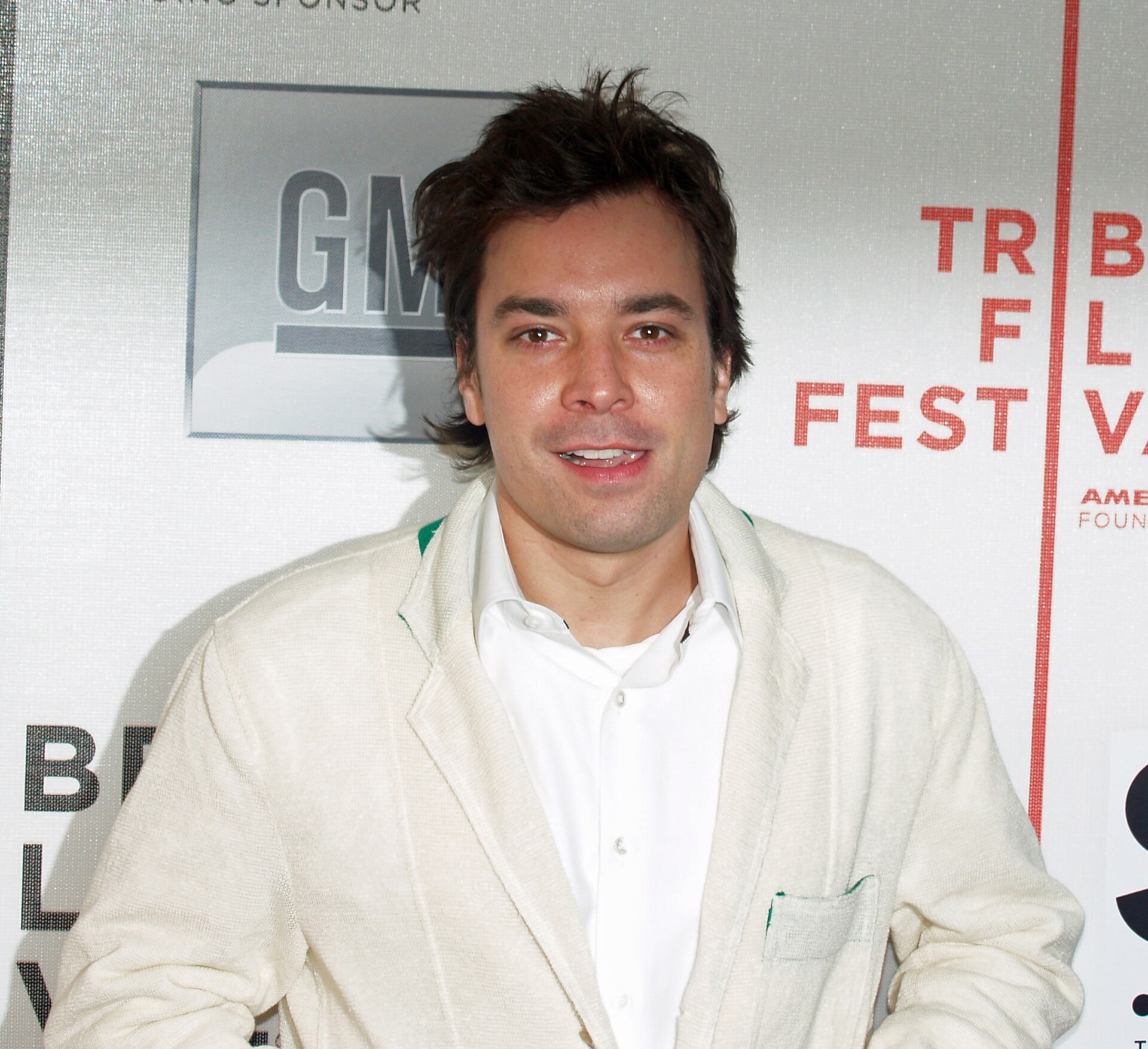
    Jimmy Fallon by David Shankbone
    Image: David Shankbone, via Wikimedia Commons, CC BY-SA 3.0.

    That framing matters because the joke rests on an imagined moment of presidential second-guessing. Fallon was not presenting a private conversation, a direct statement from Trump or evidence that the president has changed his position.

    Instead, the monologue used a familiar comedy device: treating a major government appointment as the kind of decision that could trigger an awkward case of buyer’s remorse. The criticism underneath is straightforward—presidents remain accountable for the people they choose.

    Satire is not a claim of access

    Late-night monologues often use exaggeration, invented inner dialogue and sharp assumptions to make a political point quickly. Fallon’s suggestion about Trump’s thinking belongs in that tradition.

    There is no evidence in the supplied reporting that Fallon has direct knowledge of Trump’s private views about his health secretary. The verified takeaway is narrower: he made the appointment the subject of a joke aimed at Trump.

    That distinction can get lost when a comedy bit is reduced to a headline about what a public figure may be thinking. A punchline can express a public criticism or capture a mood around an official, but it does not prove motives, intentions or private regret.

    What the monologue supports: Fallon used Trump’s health secretary appointment as material for pointed political comedy. What it does not support: a factual conclusion that Trump regrets the choice.

    Why the health portfolio raises stakes

    A health secretary position carries consequences beyond the usual Washington personnel drama. Public-health decisions can shape federal agencies, medical guidance, research priorities and public trust.

    That is why the setup carries more weight than a routine gag about a campaign speech or a verbal stumble. Fallon’s joke invites viewers to connect a presidential appointment with the possible real-world effects of the official’s actions and public profile.

    The monologue was not a health-policy analysis, and it did not attempt to settle a policy dispute. Its argument was more compact: a president cannot neatly distance himself from an administration official he selected.

    Supporters of political comedy often see that compression as useful. A joke can make a complicated government decision feel immediate. Critics see the trade-off: a short bit may leave viewers with a forceful impression while omitting the nuance of the underlying policy debate.

    Fallon’s Trump history shapes reactions

    Viewers are also likely to interpret Fallon’s latest jab through the host’s long-running and complicated public history with Trump. In 2016, Fallon faced backlash after a lighthearted Tonight Show interview in which he playfully mussed Trump’s hair.

    Fallon later said he regretted the hurt caused by that segment. In comments reported by The Associated Press, he said he had not intended to endorse Trump or normalize his political views, while acknowledging he would have handled the moment differently.

    That history gives the newer monologue added context. Some viewers may regard the health secretary joke as evidence that Fallon is willing to be more direct in criticizing Trump. Others may believe one pointed bit does not resolve the debate that followed the 2016 interview.

    Both readings can exist at once. A television host’s reputation is built over years, and each new political moment is often judged against earlier choices rather than on its own.

    Late night turns politics into shorthand

    Trump’s speeches, appointments, public statements and political conflicts have repeatedly supplied material for late-night television. Yet hosts do not all use political satire in the same way.

    Some shows make political commentary central to their identity. Fallon’s program has more often been associated with a broad entertainment-first mix of celebrity interviews, games, music and lighter topical material, which can make a direct political joke stand out.

    That format offers speed. A monologue can take a dense political development and give an audience a clear emotional frame in minutes. It also has limits: a punchline cannot carry every detail of a personnel dispute or the full complexity of health policy.

    What Fallon’s joke leaves unresolved

    Fallon’s monologue clearly shows that he was willing to target Trump over the health secretary appointment. It also makes the comic premise easy to identify: the host imagines Trump questioning a decision that has drawn fresh attention.

    It does not show that Trump actually regrets naming the official, that he has altered his view of the appointment or that Fallon possesses information not available publicly. Those would require direct evidence from Trump or the administration.

    The broader significance lies in how the joke assigns responsibility. Fallon turned a consequential Cabinet choice into a punchline about ownership, showing how late-night satire can make an administrative decision feel personal to the president who made it.

  • After Jason Arday’s Departure, Cambridge Faces Questions Beyond the Allegations

    After Jason Arday’s Departure, Cambridge Faces Questions Beyond the Allegations

    The dispute has brought together questions about alleged plagiarism, personal claims, public commentary and how Cambridge communicates its response to concerns about a prominent scholar.

    Jason Arday’s departure from the University of Cambridge has prompted sharply different reactions. Some academics and public figures have urged that allegations be examined carefully without turning public discussion into a judgment on his character. Others say concerns about academic propriety require answers.

    Arday, a British scholar who held a professorship at Cambridge, stepped down amid accusations that he plagiarized other scholars and embellished elements of his personal story. His resignation did not establish the allegations or resolve the wider debate around them.

    Supporters have focused on the public response

    The BBC reported support for Arday from academics and public figures, including a petition organized by the Good Law Project. Supporters did not argue that plagiarism allegations should be disregarded. Their concern was that a necessary inquiry could become a public pile-on.

    That concern has particular weight because Arday has spoken openly about autism and disability. Supporters have questioned whether the intensity of public commentary has gone beyond what the available evidence establishes.

    Simon Baron-Cohen, a cognitive neuroscientist and Cambridge fellow quoted by the BBC, said plagiarism should be investigated to protect academic standards. He also warned against what he described as relentless bullying of a vulnerable autistic man.

    The competing responses show the difficulty of separating a legitimate examination of academic work from broader conclusions about an individual. A process viewed as too lenient can damage confidence in scholarly standards, while one seen as punitive or driven by outside pressure can create doubts about fairness.

    Arday did not admit wrongdoing in his resignation letter

    The New York Times reported that Arday’s memoir, Great and Unfortunate Things, was due to go on sale shortly after his resignation. In the resignation letter described by the Times, Arday did not acknowledge wrongdoing.

    Instead, he said relentless accusations, speculation and public commentary had taken a profound toll on him and on those close to him. Resigning from a post is not, by itself, an admission of the allegations made against him.

    The BBC reported that Arday admitted errors in his work while defending himself against claims that he was a liar. An error can require correction without establishing an intent to deceive, while plagiarism concerns warrant examination under clear standards.

    Some commentary has used severe language about Arday’s character, including an unsubstantiated accusation that he was habitually dishonest. Arday has denied being a liar. Available reporting does not establish that personal accusation as fact.

    The case has combined distinct kinds of claims

    Questions about scholarly practice have been discussed alongside questions about autobiography. Arday’s memoir recounts disability, educational struggles and his later academic rise, while the plagiarism allegations concern academic work.

    In a preview cited by the Times, Arday wrote that he was nonverbal until shortly before his 12th birthday and could not read or write until age 18. Those are personal accounts, not findings about his scholarly work.

    Public debate can blur those categories. But claims involving attribution, correction and plagiarism are not the same as claims about a person’s life story. Treating them as one undifferentiated question can obscure what evidence supports each allegation.

    Cambridge’s handling is also under examination

    The scrutiny is not confined to Arday. Cambridge’s appointments, oversight and response to concerns are being viewed as tests of how the university balances academic ambition, verification and research integrity.

    Critics argue that universities can create problems when they celebrate an exceptional personal story, elevate a scholar rapidly and then offer little explanation of how concerns were assessed after they emerge. That argument does not establish that Cambridge failed in this case.

    Universities also face real limits on what they can disclose. Employment obligations, privacy rules and formal research-integrity procedures may restrict public discussion of an inquiry.

    Still, limited information can carry a cost. When people cannot see whether a process is careful and proportionate, they may fill the gaps with assumptions. Institutional trust can suffer even if a university believes it is following appropriate procedures.

    Clearer standards can help separate evidence from speculation

    A university cannot necessarily publish every detail of an employment-related matter. It can, however, make its framework more understandable so that students, staff and the public can distinguish a formal process from reputation management.

    • Clear standards: Explain the difference between plagiarism, error, correction and misconduct.
    • Independent review: Ensure serious allegations are assessed through a process demonstrably separate from protecting an institution’s image.
    • Proportionate communication: Describe procedures and outcomes where possible without unnecessarily exposing private information.
    • Room for correction: Publish corrections and document remedies where appropriate without assuming every flaw proves deliberate deception.

    Such measures cannot guarantee agreement or end public debate. They can give the public a firmer basis for distinguishing evidence from rumor and accountability from a running public prosecution.

    The unresolved issue is institutional credibility

    Arday’s departure did not answer every question raised by the allegations. Nor does the available reporting establish the broader personal claims made in hostile commentary.

    For Cambridge, the lasting issue is whether its systems appear sufficiently rigorous before concerns become public and sufficiently credible afterward. Universities are expected to investigate potential misconduct seriously while treating the people involved fairly.

    The Arday case remains a reminder that academic accountability depends not only on the eventual outcome of a dispute, but also on whether the process is clear enough to earn trust.

  • Supreme Court: Texas Lacked Standing to Challenge Four States

    Supreme Court: Texas Lacked Standing to Challenge Four States

    The court’s December 2020 ruling turned on Texas’ legal right to sue, ending its attempt to reopen certified presidential results in four other states.

    The U.S. Supreme Court rejected a Trump-backed lawsuit brought by Texas on December 12, 2020, concluding that Texas had not demonstrated “a judicially cognizable interest in the manner in which another State conducts its elections.” The decision prevented Texas from pursuing its challenge to presidential results already certified in Georgia, Michigan, Pennsylvania and Wisconsin.

    The ruling did not itself determine the winner of the election. Those four states had already certified their results. But it ended this judicial route for Donald Trump’s campaign to change Joe Biden’s 306-to-232 Electoral College victory.

    A ruling days before the Electoral College met

    The timing gave the decision unusual practical weight. The court acted days before the Electoral College was scheduled to meet on December 14, 2020.

    Biden had won 306 electoral votes, comfortably above the 270 needed to win, while Trump had 232. Biden also won about seven million more votes nationwide.

    Once the Supreme Court rejected the case, there was no pending Supreme Court proceeding capable of stopping those states’ electors from meeting and casting their votes. The Electoral College later formalized Biden’s victory.

    Congress certified the result on January 7, 2021, after the counting process had been interrupted the previous day by the attack on the U.S. Capitol. The Texas ruling was therefore a major legal defeat for Trump’s post-election effort even as some supporters continued to object politically to the result.

    What the court did — and did not — decide

    The Supreme Court did not evaluate every underlying allegation in Texas’ complaint. Its decision centered on standing: whether Texas had the legal basis to sue over the way other states administered their elections. The court concluded that it did not.

    This was a procedural ruling, not a sweeping Supreme Court declaration approving every election-policy decision made by Georgia, Michigan, Pennsylvania or Wisconsin. But the procedural issue was decisive. Without standing, Texas could not press its broader claims or seek the remedy of discarding certified results.

    Two justices, Clarence Thomas and Samuel Alito, said they would have allowed Texas to file its complaint under the court’s original-jurisdiction procedures for disputes between states. Neither said Texas should prevail, and neither expressed a view on the merits of the allegations. No justice endorsed the request to throw out the four certified presidential results.

    Broad political backing for a narrow legal case

    Texas Attorney General Ken Paxton, a Republican and Trump ally, filed the case directly with the Supreme Court. Trump supported the lawsuit and moved to intervene as a plaintiff.

    According to reporting by Idaho Public Press, the case became one of the most prominent legal efforts supported by Trump after Biden’s victory. The lawsuit also had substantial Republican support: 18 states and more than 100 Republican members of Congress supported Texas’ position, according to contemporaneous BBC reporting cited by Idaho Public Press.

    After the ruling, then-White House press secretary Kayleigh McEnany criticized the justices for not reaching the substance of Texas’ case. Biden’s campaign and Democratic officials characterized the decision as a rejection of an effort to deny certified election results.

    Trump and his allies had repeatedly alleged that fraud or illegal voting changed the election outcome. Courts reviewing post-election challenges did not find a basis to overturn Biden’s victory, and election officials from both parties said the 2020 election was secure.

    The remedy Texas sought

    Texas alleged that election administrators in the four states had improperly changed voting procedures during the COVID-19 pandemic. The requested remedy went far beyond a challenge to a single ballot count or local recount.

    Texas asked the court to invalidate the presidential outcomes in all four states and allow their Republican-controlled legislatures to decide which presidential electors should be recognized. Georgia, Michigan, Pennsylvania and Wisconsin were part of Biden’s certified Electoral College majority.

    Supporters of the lawsuit argued that election procedures in contested states could have national consequences because presidential electors affect the entire country. The four defendant states countered that Texas had no authority to dictate how they conducted elections and that the lawsuit lacked a factual and legal foundation.

    Limits on one state challenging another

    Presidential elections are administered by states within a framework shaped by state law, federal law and constitutional rules. Challenges commonly move through recounts, state courts, election-administration processes and, in limited situations, federal courts.

    Texas took a different path: one state asked the Supreme Court to intervene in elections conducted by four other states after voters had cast ballots and state officials had certified the results.

    Legal experts had widely been skeptical before the decision. The court’s response underscored a narrower principle: a dispute with national political consequences does not automatically give one state a legally recognizable right to challenge another state’s election system.

    That limit, rather than a ruling on every allegation, decided Texas’ bid to reopen the 2020 Electoral College outcome.