
Fallon turned a Cabinet appointment into a pointed joke about presidential responsibility. The key distinction is that his imagined version of Trump’s thinking was a comedy premise, not a report of private views.
Jimmy Fallon joked that Donald Trump may regret choosing his health secretary in a Tonight Show monologue, using Trump’s Cabinet appointment to speculate humorously about what may be going on in the president’s mind.
The point was satire, not inside reporting: Fallon used the health secretary choice to criticize Trump, but the joke does not establish that Trump privately regrets the appointment or that Fallon knows his views.
The Cabinet choice became the setup
Fallon’s recent Trump material focused on the president’s health secretary, according to a New York Times late-night roundup published July 29. The roundup described Fallon as suggesting that Trump might be regretting the choice.
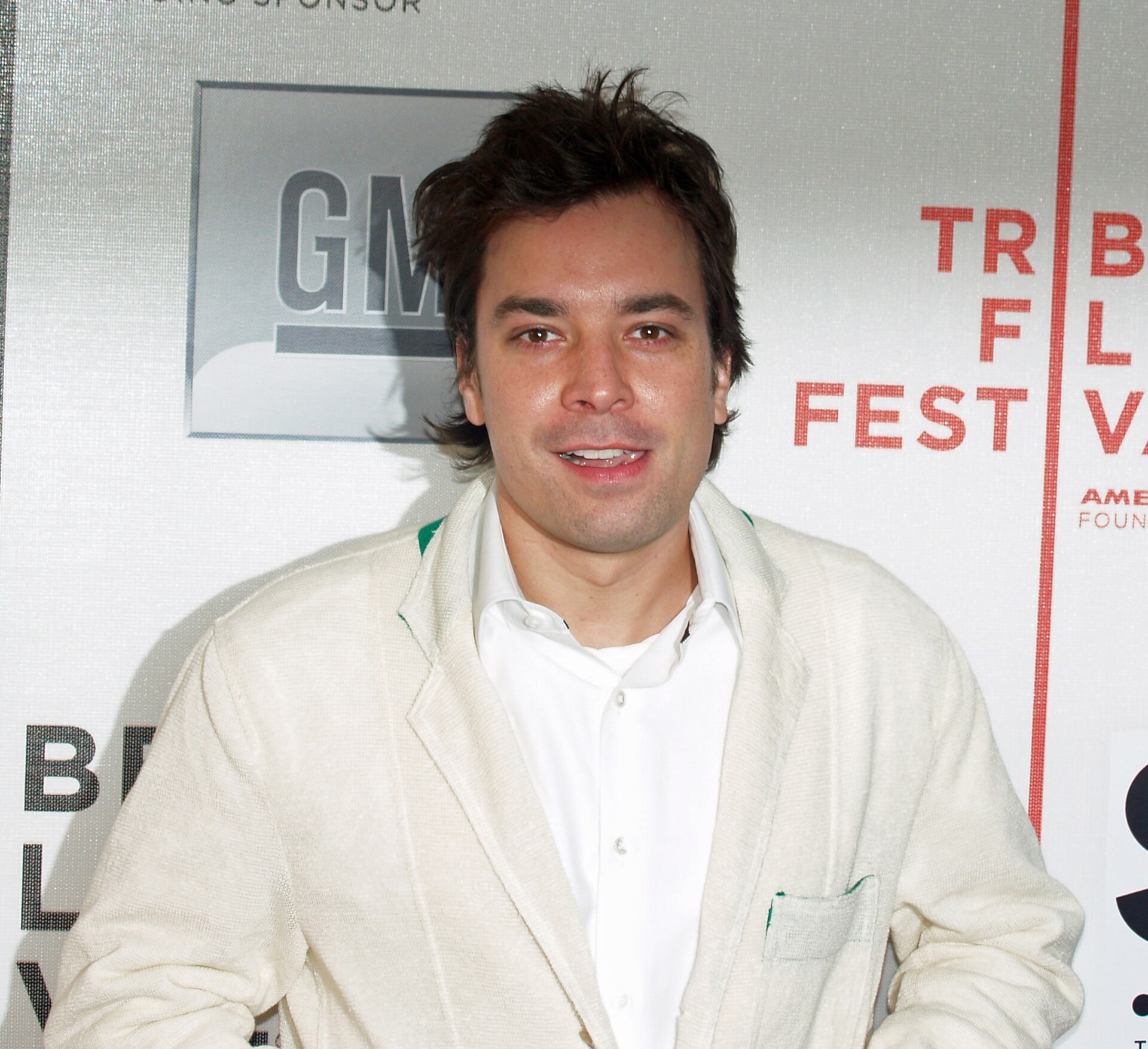
That framing matters because the joke rests on an imagined moment of presidential second-guessing. Fallon was not presenting a private conversation, a direct statement from Trump or evidence that the president has changed his position.
Instead, the monologue used a familiar comedy device: treating a major government appointment as the kind of decision that could trigger an awkward case of buyer’s remorse. The criticism underneath is straightforward—presidents remain accountable for the people they choose.
Satire is not a claim of access
Late-night monologues often use exaggeration, invented inner dialogue and sharp assumptions to make a political point quickly. Fallon’s suggestion about Trump’s thinking belongs in that tradition.
There is no evidence in the supplied reporting that Fallon has direct knowledge of Trump’s private views about his health secretary. The verified takeaway is narrower: he made the appointment the subject of a joke aimed at Trump.
That distinction can get lost when a comedy bit is reduced to a headline about what a public figure may be thinking. A punchline can express a public criticism or capture a mood around an official, but it does not prove motives, intentions or private regret.
What the monologue supports: Fallon used Trump’s health secretary appointment as material for pointed political comedy. What it does not support: a factual conclusion that Trump regrets the choice.
Why the health portfolio raises stakes
A health secretary position carries consequences beyond the usual Washington personnel drama. Public-health decisions can shape federal agencies, medical guidance, research priorities and public trust.
That is why the setup carries more weight than a routine gag about a campaign speech or a verbal stumble. Fallon’s joke invites viewers to connect a presidential appointment with the possible real-world effects of the official’s actions and public profile.
The monologue was not a health-policy analysis, and it did not attempt to settle a policy dispute. Its argument was more compact: a president cannot neatly distance himself from an administration official he selected.
Supporters of political comedy often see that compression as useful. A joke can make a complicated government decision feel immediate. Critics see the trade-off: a short bit may leave viewers with a forceful impression while omitting the nuance of the underlying policy debate.
Fallon’s Trump history shapes reactions
Viewers are also likely to interpret Fallon’s latest jab through the host’s long-running and complicated public history with Trump. In 2016, Fallon faced backlash after a lighthearted Tonight Show interview in which he playfully mussed Trump’s hair.
Fallon later said he regretted the hurt caused by that segment. In comments reported by The Associated Press, he said he had not intended to endorse Trump or normalize his political views, while acknowledging he would have handled the moment differently.
That history gives the newer monologue added context. Some viewers may regard the health secretary joke as evidence that Fallon is willing to be more direct in criticizing Trump. Others may believe one pointed bit does not resolve the debate that followed the 2016 interview.
Both readings can exist at once. A television host’s reputation is built over years, and each new political moment is often judged against earlier choices rather than on its own.
Late night turns politics into shorthand
Trump’s speeches, appointments, public statements and political conflicts have repeatedly supplied material for late-night television. Yet hosts do not all use political satire in the same way.
Some shows make political commentary central to their identity. Fallon’s program has more often been associated with a broad entertainment-first mix of celebrity interviews, games, music and lighter topical material, which can make a direct political joke stand out.
That format offers speed. A monologue can take a dense political development and give an audience a clear emotional frame in minutes. It also has limits: a punchline cannot carry every detail of a personnel dispute or the full complexity of health policy.
What Fallon’s joke leaves unresolved
Fallon’s monologue clearly shows that he was willing to target Trump over the health secretary appointment. It also makes the comic premise easy to identify: the host imagines Trump questioning a decision that has drawn fresh attention.
It does not show that Trump actually regrets naming the official, that he has altered his view of the appointment or that Fallon possesses information not available publicly. Those would require direct evidence from Trump or the administration.
The broader significance lies in how the joke assigns responsibility. Fallon turned a consequential Cabinet choice into a punchline about ownership, showing how late-night satire can make an administrative decision feel personal to the president who made it.
Leave a Reply