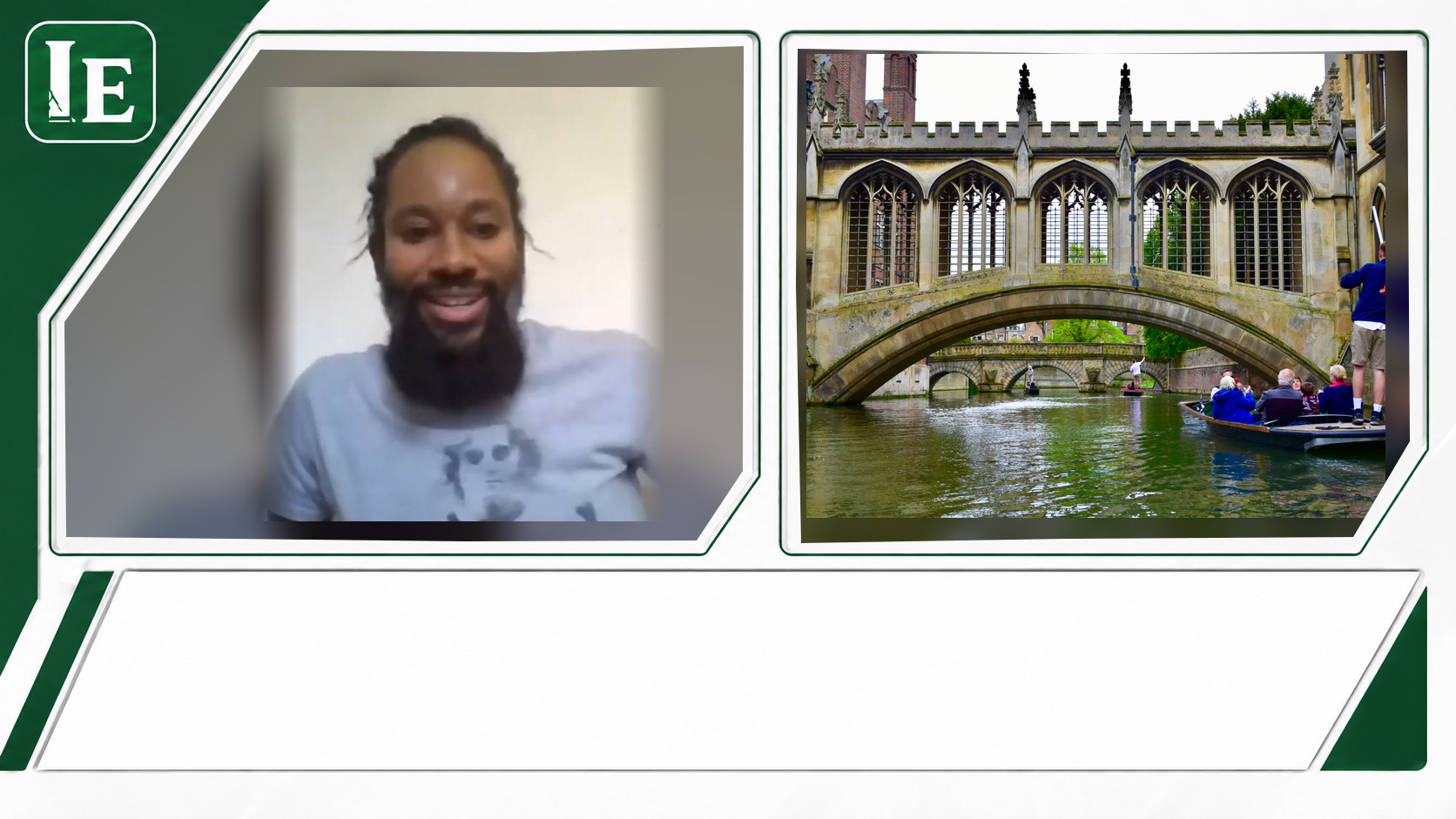
The dispute has brought together questions about alleged plagiarism, personal claims, public commentary and how Cambridge communicates its response to concerns about a prominent scholar.
Jason Arday’s departure from the University of Cambridge has prompted sharply different reactions. Some academics and public figures have urged that allegations be examined carefully without turning public discussion into a judgment on his character. Others say concerns about academic propriety require answers.
Arday, a British scholar who held a professorship at Cambridge, stepped down amid accusations that he plagiarized other scholars and embellished elements of his personal story. His resignation did not establish the allegations or resolve the wider debate around them.
Supporters have focused on the public response
The BBC reported support for Arday from academics and public figures, including a petition organized by the Good Law Project. Supporters did not argue that plagiarism allegations should be disregarded. Their concern was that a necessary inquiry could become a public pile-on.
That concern has particular weight because Arday has spoken openly about autism and disability. Supporters have questioned whether the intensity of public commentary has gone beyond what the available evidence establishes.
Simon Baron-Cohen, a cognitive neuroscientist and Cambridge fellow quoted by the BBC, said plagiarism should be investigated to protect academic standards. He also warned against what he described as relentless bullying of a vulnerable autistic man.
The competing responses show the difficulty of separating a legitimate examination of academic work from broader conclusions about an individual. A process viewed as too lenient can damage confidence in scholarly standards, while one seen as punitive or driven by outside pressure can create doubts about fairness.
Arday did not admit wrongdoing in his resignation letter
The New York Times reported that Arday’s memoir, Great and Unfortunate Things, was due to go on sale shortly after his resignation. In the resignation letter described by the Times, Arday did not acknowledge wrongdoing.
Instead, he said relentless accusations, speculation and public commentary had taken a profound toll on him and on those close to him. Resigning from a post is not, by itself, an admission of the allegations made against him.
The BBC reported that Arday admitted errors in his work while defending himself against claims that he was a liar. An error can require correction without establishing an intent to deceive, while plagiarism concerns warrant examination under clear standards.
Some commentary has used severe language about Arday’s character, including an unsubstantiated accusation that he was habitually dishonest. Arday has denied being a liar. Available reporting does not establish that personal accusation as fact.
The case has combined distinct kinds of claims
Questions about scholarly practice have been discussed alongside questions about autobiography. Arday’s memoir recounts disability, educational struggles and his later academic rise, while the plagiarism allegations concern academic work.
In a preview cited by the Times, Arday wrote that he was nonverbal until shortly before his 12th birthday and could not read or write until age 18. Those are personal accounts, not findings about his scholarly work.
Public debate can blur those categories. But claims involving attribution, correction and plagiarism are not the same as claims about a person’s life story. Treating them as one undifferentiated question can obscure what evidence supports each allegation.
Cambridge’s handling is also under examination
The scrutiny is not confined to Arday. Cambridge’s appointments, oversight and response to concerns are being viewed as tests of how the university balances academic ambition, verification and research integrity.
Critics argue that universities can create problems when they celebrate an exceptional personal story, elevate a scholar rapidly and then offer little explanation of how concerns were assessed after they emerge. That argument does not establish that Cambridge failed in this case.
Universities also face real limits on what they can disclose. Employment obligations, privacy rules and formal research-integrity procedures may restrict public discussion of an inquiry.
Still, limited information can carry a cost. When people cannot see whether a process is careful and proportionate, they may fill the gaps with assumptions. Institutional trust can suffer even if a university believes it is following appropriate procedures.
Clearer standards can help separate evidence from speculation
A university cannot necessarily publish every detail of an employment-related matter. It can, however, make its framework more understandable so that students, staff and the public can distinguish a formal process from reputation management.
- Clear standards: Explain the difference between plagiarism, error, correction and misconduct.
- Independent review: Ensure serious allegations are assessed through a process demonstrably separate from protecting an institution’s image.
- Proportionate communication: Describe procedures and outcomes where possible without unnecessarily exposing private information.
- Room for correction: Publish corrections and document remedies where appropriate without assuming every flaw proves deliberate deception.
Such measures cannot guarantee agreement or end public debate. They can give the public a firmer basis for distinguishing evidence from rumor and accountability from a running public prosecution.
The unresolved issue is institutional credibility
Arday’s departure did not answer every question raised by the allegations. Nor does the available reporting establish the broader personal claims made in hostile commentary.
For Cambridge, the lasting issue is whether its systems appear sufficiently rigorous before concerns become public and sufficiently credible afterward. Universities are expected to investigate potential misconduct seriously while treating the people involved fairly.
The Arday case remains a reminder that academic accountability depends not only on the eventual outcome of a dispute, but also on whether the process is clear enough to earn trust.
Leave a Reply