Trump’s order to replace the USS Doris Miller’s electromagnetic launch system with steam catapults puts staffing, construction schedules and a potentially multibillion-dollar redesign at the center of the Navy’s next carrier decision.
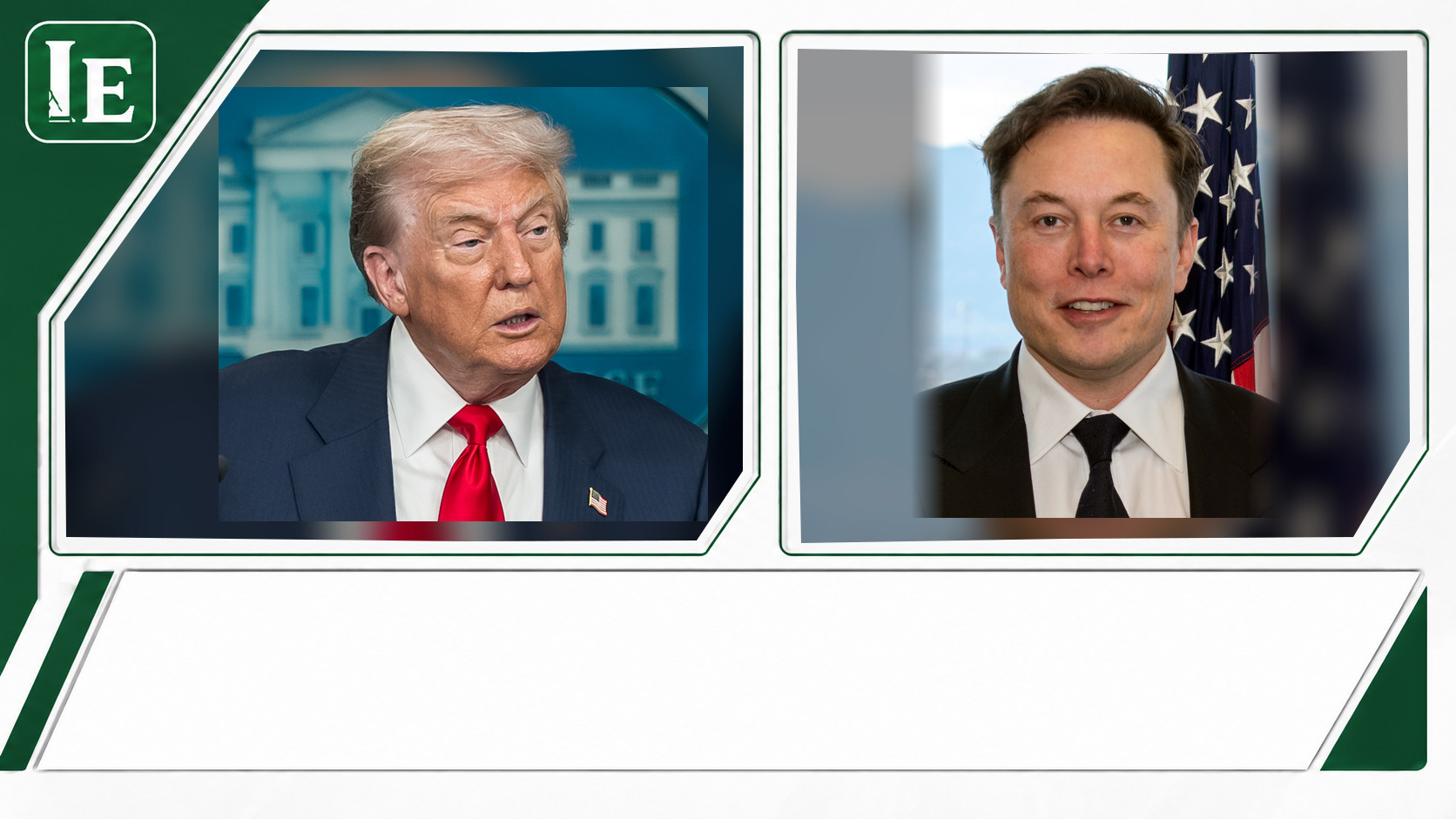
President Donald Trump has directed the Pentagon and Navy to develop plans to remove EMALS from the USS Doris Miller and replace it with older steam catapults. The mandate, issued August 13, 2026, would likely cost billions of dollars and could require more sailors to operate the carrier’s launch system.
The Navy now has two months to present Trump with plans. Those plans must address not only the practical work of changing an unfinished Ford-class carrier, but also the staffing, maintenance and scheduling tradeoffs tied to returning to steam.
Staffing is central to the decision
The order arrives as the Navy tries to fill positions across its fleet. The Associated Press reported that the service had about 20,000 unfilled jobs on its ships at the beginning of 2026, even after recruiting improved.
Steam catapults require more sailors to operate and are more difficult to maintain than the electromagnetic system, according to AP. EMALS reduced the catapult operating crew on the USS Gerald R. Ford from roughly a dozen sailors to two, AP reported.
That makes the launch-system decision more than a debate over familiar technology. A return to steam could add personnel demands for a service already balancing staffing needs throughout the fleet.
Other carrier programs are continuing to use electromagnetic launch technology. According to AP, China’s newest carriers use electromagnetic catapults, while France has said it plans to use the technology on its next carrier. Those choices do not resolve questions about EMALS reliability, but they show the technology remains central to other carrier programs.
An unfinished carrier faces a costly redesign
AP reported that the directive would likely cost billions, though no public price estimate or implementation timeline was provided. General Atomics, the company that makes EMALS, told AP that removing the system from the Doris Miller deserves “careful reconsideration.”
The company said work on the ship’s catapults and arresting gear was already about halfway complete. It warned of integration, schedule and cost risks.
Changing the launch system would involve more than swapping equipment on the flight deck. Steam catapults need different support infrastructure, potentially requiring changes to construction plans, maintenance arrangements, training and supply chains.
The White House memo also calls for replacing the Ford-class carrier’s electromagnetic weapons elevators. Together, the changes could require substantial work on interconnected systems already included in the ship’s design.
What EMALS was designed to do
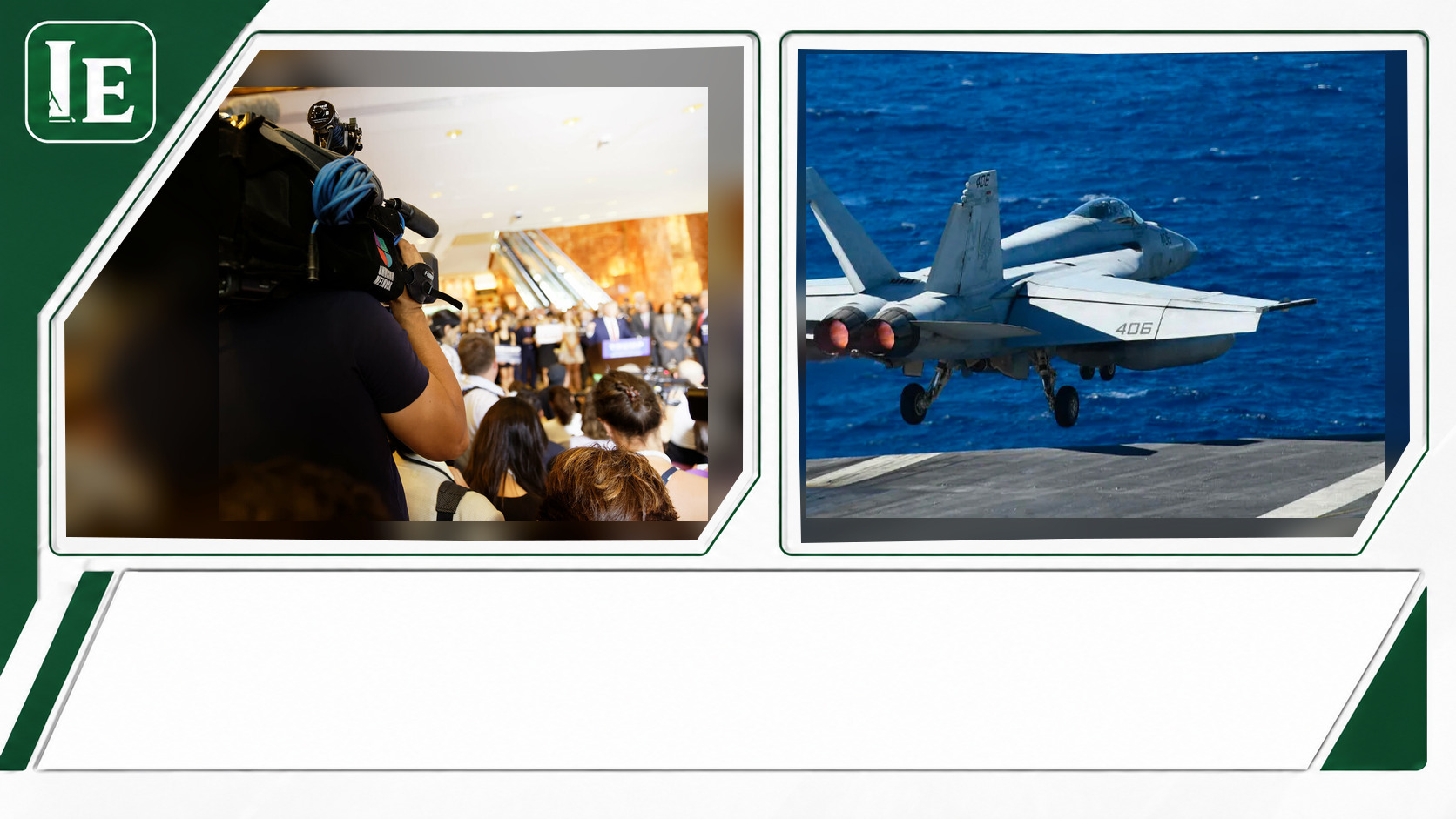
EMALS, short for Electromagnetic Aircraft Launch System, is the Navy’s newest carrier-based launch system, designed for the USS Gerald R. Ford and future Ford-class carriers. It uses stored kinetic energy and solid-state electrical power conversion rather than steam pressure.
NAVAIR says the technology permits a high degree of computer control, monitoring and automation. The Navy has also cited increased reliability and efficiency, smoother acceleration, more precise end-speed control, reduced manning and maintenance requirements, and the ability to launch aircraft ranging from lightweight unmanned platforms to heavy strike fighters.
Steam catapults, by contrast, have been used to launch aircraft from U.S. carriers for more than 50 years. They remain the same basic launch function, but rely on different technology and supporting machinery.
The Navy has promoted the intended operational benefits of EMALS. In a February release cited by AP, the service said the USS Gerald R. Ford could launch and recover aircraft at a higher rate than older Nimitz-class carriers.
A longtime Trump preference becomes an order
Trump has criticized the magnetically powered system since at least 2017, when he said in a Time magazine interview during his first term that the new system was “not good” and did not have the power of older steam systems.
He has raised the subject at rallies and other public events since then. The August directive turns that longstanding preference into a specific shipbuilding decision focused on the USS Doris Miller, the fourth Ford-class aircraft carrier.
The order does not direct the same overhaul for every Ford-class carrier. AP reported that the USS Gerald R. Ford, USS John F. Kennedy and USS Enterprise would remain unchanged under the current direction.
That leaves the Doris Miller as the first designated test of whether an older launch system can be incorporated into a carrier designed around electromagnetic technology.
The Navy’s two-month planning test
Trump’s directive does not provide an engineering blueprint. The Pentagon and Navy must determine whether a steam conversion can be designed, funded and scheduled for the Doris Miller within the plans due in two months.
The decision also comes amid a broader defense-spending debate. AP reported that Congress is considering funding requested by the Trump administration for Pentagon priorities and the Iran war, with the Senate expected to act after returning in September.
Supporters may view steam as proven technology with a long service record. Critics are likely to weigh that familiarity against the Ford class’s intended gains in space, staffing and launch performance.
For now, the final price, construction timetable and precise operational tradeoffs remain unresolved. The Navy’s plan will show whether the conversion can deliver the reliability Trump wants without creating further cost, delay and staffing pressures.