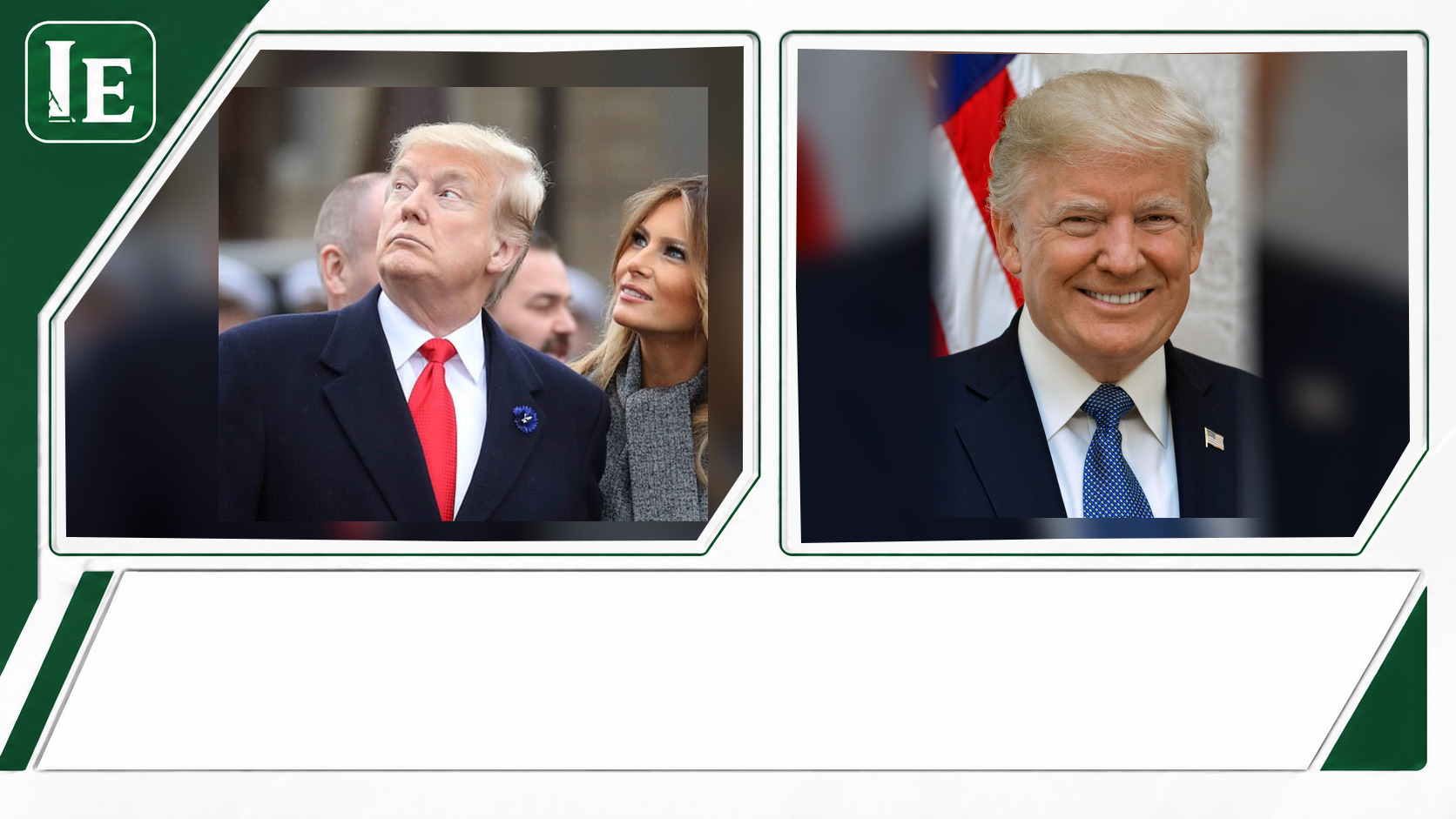
New polling suggests negative views of Donald Trump are reaching beyond the president himself. Melania Trump’s standing is drawing attention because first ladies have often remained more popular than their husbands.
Melania Trump’s favorability has fallen to 12 points underwater, according to new polling highlighted by CNN, as President Donald Trump faces broader public backlash. The findings show weak public ratings for both Melania Trump and Donald Trump, putting fresh focus on the first lady’s standing alongside her husband’s.
The result matters because first ladies have often been more popular than the presidents they serve, giving a White House a measure of goodwill during difficult political periods. Melania Trump’s negative net favorability suggests that familiar buffer is missing.
That does not by itself establish why respondents view her negatively, but it does point to a wider Trump family image problem: dissatisfaction associated with the president is appearing to reach a close family member as well. The polling therefore frames Melania Trump’s decline as more than an isolated change in her public standing.
A rare position for a first lady
CNN senior data analyst Harry Enten pointed to CNN/SSRS polling that put Melania Trump’s net favorability at minus 12. Net favorability measures the difference between favorable and unfavorable views, so a rating 12 points underwater means unfavorable opinions outnumber favorable ones by double digits.
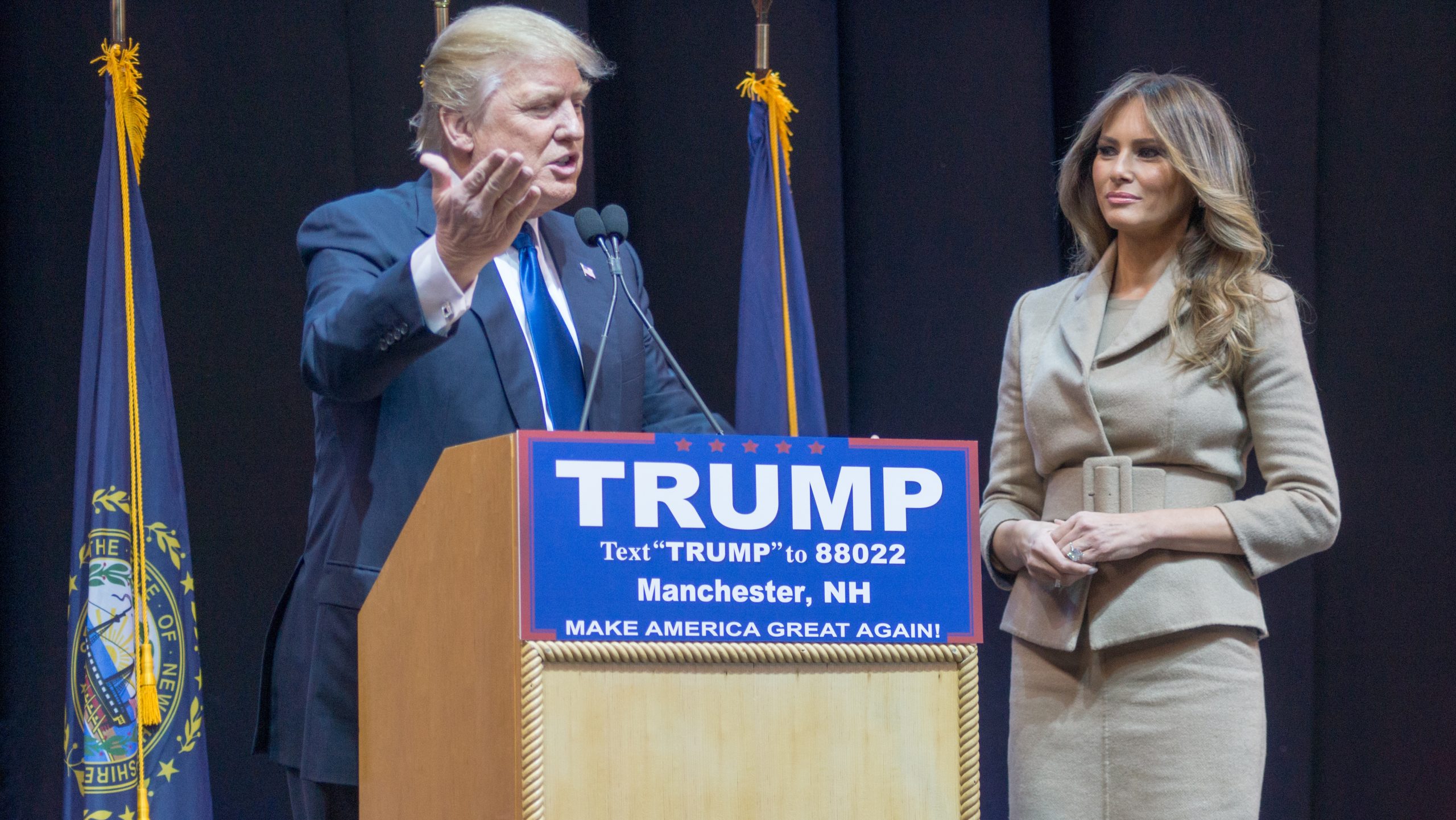
The figure does not mean every respondent dislikes the first lady. It does show that negative views held a clear advantage in that survey.
The historical comparison is what makes the result notable. Reporting on the CNN/SSRS data said no modern first lady included in its comparison had registered a lower net rating at a comparable point in her husband’s presidency.
Why spouses can become political assets
First ladies are not elected officials, and favorability is different from a president’s job-approval rating. Still, they can affect how a White House is perceived through public appearances, advocacy work, interviews and major ceremonial events.
They also are often less directly linked than presidents to legislation, executive orders, economic conditions, foreign policy and partisan conflict. That separation can allow a presidential spouse to retain goodwill even when an administration is unpopular.
There have been exceptions. Hillary Clinton faced unusually intense political scrutiny during and after her years as first lady. But the broader pattern has generally favored presidential spouses, making Melania Trump’s position unusual rather than routine.
How Melania Trump compares
The CNN/SSRS comparison described in the reporting placed Melania Trump below Nancy Reagan, Laura Bush, Hillary Clinton and Michelle Obama at similar points in their White House years. Such comparisons have limits: political eras, media conditions and survey methods differ.
Even with those cautions, the change in Melania Trump’s own standing is significant. She had appeared in positive territory during Donald Trump’s first term, but the more recent measurement places her below zero.
That leaves her less able to serve as a point of distance between the administration and voters who hold unfavorable views of the president. A first lady can never be fully separate from a White House, but personal popularity has sometimes softened an administration’s broader image.
Donald Trump’s numbers sharpen the picture
Melania Trump’s rating arrives alongside weak favorability figures for Donald Trump. An Issues & Insights/TIPP Poll conducted from March 31 through April 2 found that 39 percent of respondents viewed the president favorably, while 53 percent viewed him unfavorably. Eight percent were undecided.
Those results and the CNN/SSRS measure are not interchangeable, and polls are snapshots rather than election forecasts. Results can vary based on timing, question wording and methodology.
Still, the overlap matters politically. When a president and first lady both have more unfavorable than favorable views, the White House does not have the common contrast of an unpopular administration paired with a more warmly regarded spouse.
The debate behind the polling
Critics of the administration may see the numbers as evidence that frustration has spread beyond particular policies or controversies into a broader judgment about the Trump family. That interpretation fits the view that the president’s standing shapes public perceptions of those closest to him.
Trump supporters could reasonably see a different explanation: an intensely polarized political environment in which the first lady is evaluated largely through partisan attitudes toward Donald Trump. Under that view, the polling may reflect political sorting more than a distinct assessment of Melania Trump.
The surveys themselves cannot settle the question. Favorability polling can show whether people hold positive or negative views, but it cannot fully identify whether those views arise from the president’s agenda, the first lady’s public profile, media coverage, personal impressions or polarization.
What could matter before midterms
Melania Trump has no elected mandate and does not require broad approval to perform the first lady’s formal public role. But public perception can affect how effectively a White House uses high-profile appearances, initiatives and events such as the White House Easter Egg Roll to project stability or expand its appeal.
The issue could also matter to Republicans approaching midterm elections. Candidates generally need a president and governing party that can energize core supporters without alienating voters outside that base. Negative impressions of prominent family members could make that wider appeal harder to rebuild.
There is no guarantee the numbers will last. Public attitudes can move after a major policy development, an economic shift, an international event or a more sustained public campaign by the first lady.
For now, the polling is a warning rather than a final judgment. Donald Trump’s standing remains the central political measure because he is president, but Melania Trump’s decline indicates that the Trump family may no longer have the usual first-lady reserve of public goodwill.
Leave a Reply