The argument is no longer only about alleged fraud. It is also about whether Minnesota leaders built adequate safeguards around programs meant to serve vulnerable residents.
Democrats are blaming each other over Minnesota’s welfare fraud scandal, turning the political dispute over accountability into a wider argument about who failed to spot risks in public-benefit programs. The immediate issue is Minnesota’s response to suspected fraud and billing irregularities; the larger stakes are public trust, protection for people who rely on services and who owns the consequences of weak oversight.
The fight matters because fraud allegations can quickly become a referendum on government competence. Minnesota officials have moved toward tougher screening and outside review, but those steps do not settle the central Democratic disagreement: whether the breakdown was primarily criminal conduct by providers, an agency-management failure, a policy-design problem or some combination of all three.
The dispute is over responsibility
The Wall Street Journal reported that Democrats are publicly faulting one another as Minnesota’s welfare fraud scandal draws scrutiny. That framing captures a familiar tension in state politics: elected officials want wrongdoing stopped and prosecuted, while opponents and frustrated allies want to know why existing controls did not prevent losses earlier.
Those are related but distinct questions. A criminal investigation can focus on whether particular people submitted false claims or misused funds. Political accountability asks a broader question: which offices set the rules, reviewed warning signs, staffed compliance teams and acted when a program showed vulnerabilities?
Democrats defending the state’s response can reasonably point out that fraud schemes often exploit complex systems and can be difficult to identify before a pattern emerges. Critics within the party can still argue that difficulty is not an excuse for inadequate monitoring, delayed enforcement or rules that made suspicious billing easier to conceal.
The debate is especially uncomfortable for a governing party. It is one thing to criticize an administration from outside; it is another to explain why agencies led by allies did not have stronger guardrails in place.
What Minnesota has changed
Minnesota has begun adding controls aimed at catching questionable Medicaid claims before money goes out. In a governor’s office announcement, Gov. Tim Walz said the state ordered a third-party audit of billing for 14 Medicaid services identified as high-risk for billing irregularities or fraud.
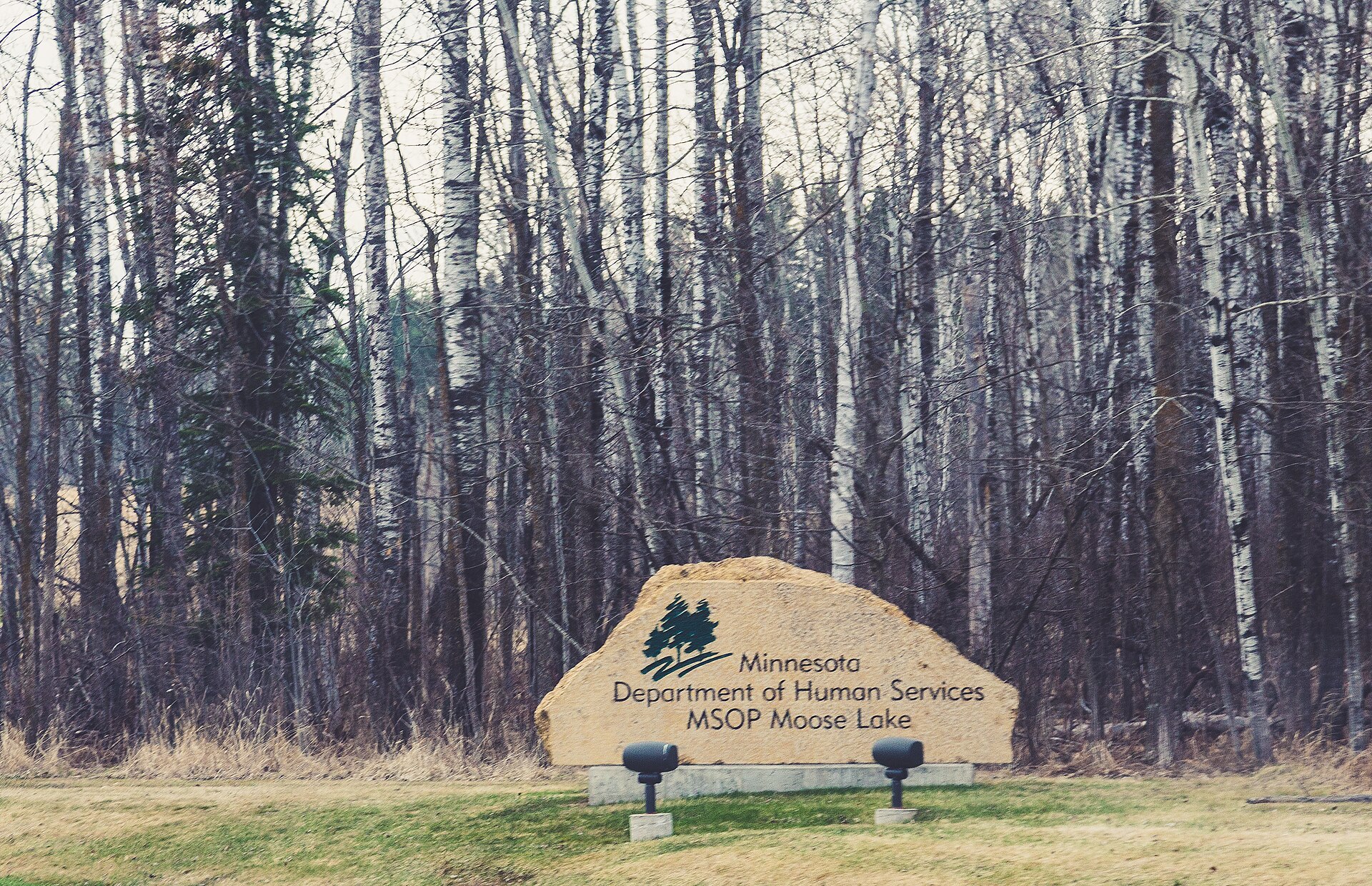
According to that announcement, the Minnesota Department of Human Services contracted with Optum to analyze fee-for-service claims data and flag patterns for agency review. The state said payments for the covered programs could be paused for up to 90 days while suspicious activity is examined.
The affected services include supports involving autism care, transportation, mental-health services, adult day services, personal-care assistance and housing stabilization. These are not marginal programs: they touch people with disabilities, older adults, people seeking behavioral-health support and residents facing housing instability.
That explains the policy challenge. A state can tighten verification, conduct unannounced visits and demand more documentation. But each new layer can also mean slower payment for legitimate providers, added administrative work and possible disruption for recipients if a provider cannot sustain a delay.
Fraud prevention has real trade-offs
There is broad political appeal in a promise to root out fraud. Taxpayers expect public dollars to be protected, and people who need services have an interest in programs that are credible enough to survive political pressure.
Still, “more oversight” is not a complete plan on its own. Oversight can fail if it arrives only after money has been spent. It can also fail if agencies generate large numbers of alerts without enough trained investigators to separate paperwork errors from deliberate misconduct.
- Pre-payment review can stop improper claims earlier, but may delay legitimate reimbursements.
- Data analytics can identify unusual billing patterns, but an unusual pattern is not automatically proof of fraud.
- Site visits and background checks can deter bad actors, but require staffing and consistent follow-through.
- Program closures or pauses may reduce risk quickly, but can leave eligible Minnesotans searching for other services.
The strongest response, then, is not simply punitive language. It is a system that investigates credible concerns promptly, gives legitimate providers clear rules and protects beneficiaries from being stranded while the state repairs oversight.
Why the politics are escalating
Welfare fraud carries an unusually potent political charge because it combines money, public services and trust in government. It gives Republicans an opening to attack Democratic administration, while forcing Democrats to decide whether unity or candor is the better response.
Some Democrats may emphasize that alleged wrongdoing should be assigned to the people responsible for it, rather than used to discredit every benefit program. That is an important distinction: an allegation involving a provider is not evidence that every recipient or every organization in a program acted improperly.
Others may argue that leaders cannot limit their response to individual prosecutions. If repeated vulnerabilities were visible, critics will ask why agencies did not update payment controls, inspect providers more aggressively or share information more effectively across departments.
Both positions can contain truth. Fraud is committed by people, but institutions decide how much opportunity, scrutiny and consequence surround the use of public funds. The political argument is about where that institutional responsibility begins and ends.
Restoring trust requires evidence
The third-party review and enhanced safeguards are concrete steps, but their success will depend on results that can be measured. Minnesotans will need to see whether the state identifies improper claims before payment, recovers funds when warranted, removes bad actors and preserves access for people receiving legitimate care.
Several important questions remain unclear from the available public material. How many claims will be flagged by the new review process? How quickly can the Department of Human Services resolve flags? What will happen to providers whose payments are delayed but whose services are valid? And how will the state report outcomes without compromising active investigations or private health information?
Those details matter more than partisan blame alone. A scandal can produce headlines and accusations; durable accountability requires transparent reporting, independent review and changes that make the same weaknesses less likely to recur.
The test goes beyond one scandal
Minnesota’s Democratic infighting is ultimately a fight over the obligations of people who govern. The state’s challenge is to show that it can pursue alleged fraud aggressively without treating every provider, recipient or public-benefit program as suspect.
For elected officials, the clearest path out of the dispute is not a better blame narrative. It is a credible record: timely investigations, usable safeguards, clear responsibility inside government and proof that essential services remain available to Minnesotans who qualify for them.
That is the standard by which the response will be judged long after the immediate political argument fades.
Leave a Reply