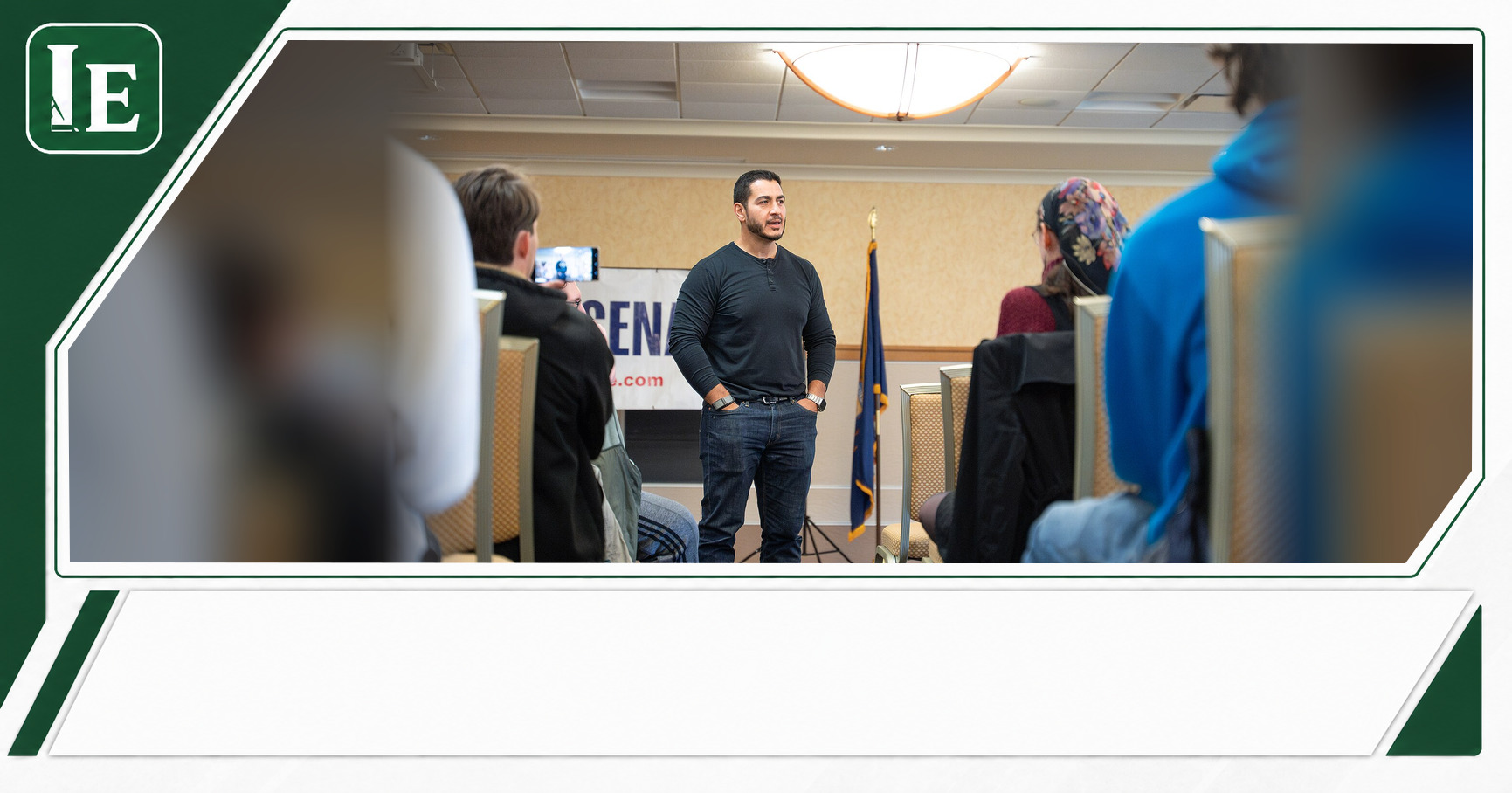
Abdul El-Sayed’s role in a 2007 University of Michigan protest has resurfaced as he runs as the Democratic nominee for a U.S. Senate seat in Michigan.
Contemporary reporting from The Michigan Daily shows that El-Sayed joined a walkout from a terrorism-focused event hosted by Young Americans for Freedom and later spoke at a separate counter-discussion. The archival record presents a dispute over free expression, representation and whether the program’s framing generalized about Muslims.
The available accounts do not show that El-Sayed opposed condemning terrorism itself. They show that he participated in a protest over what demonstrators regarded as an overly broad portrayal of Muslims.
Why the 2007 episode has returned
The incident is receiving renewed attention because El-Sayed is now the Democratic nominee for a U.S. Senate seat in Michigan. He attended the University of Michigan from 2003 to 2007 and served as vice president of the Muslim Student Association during his senior year.
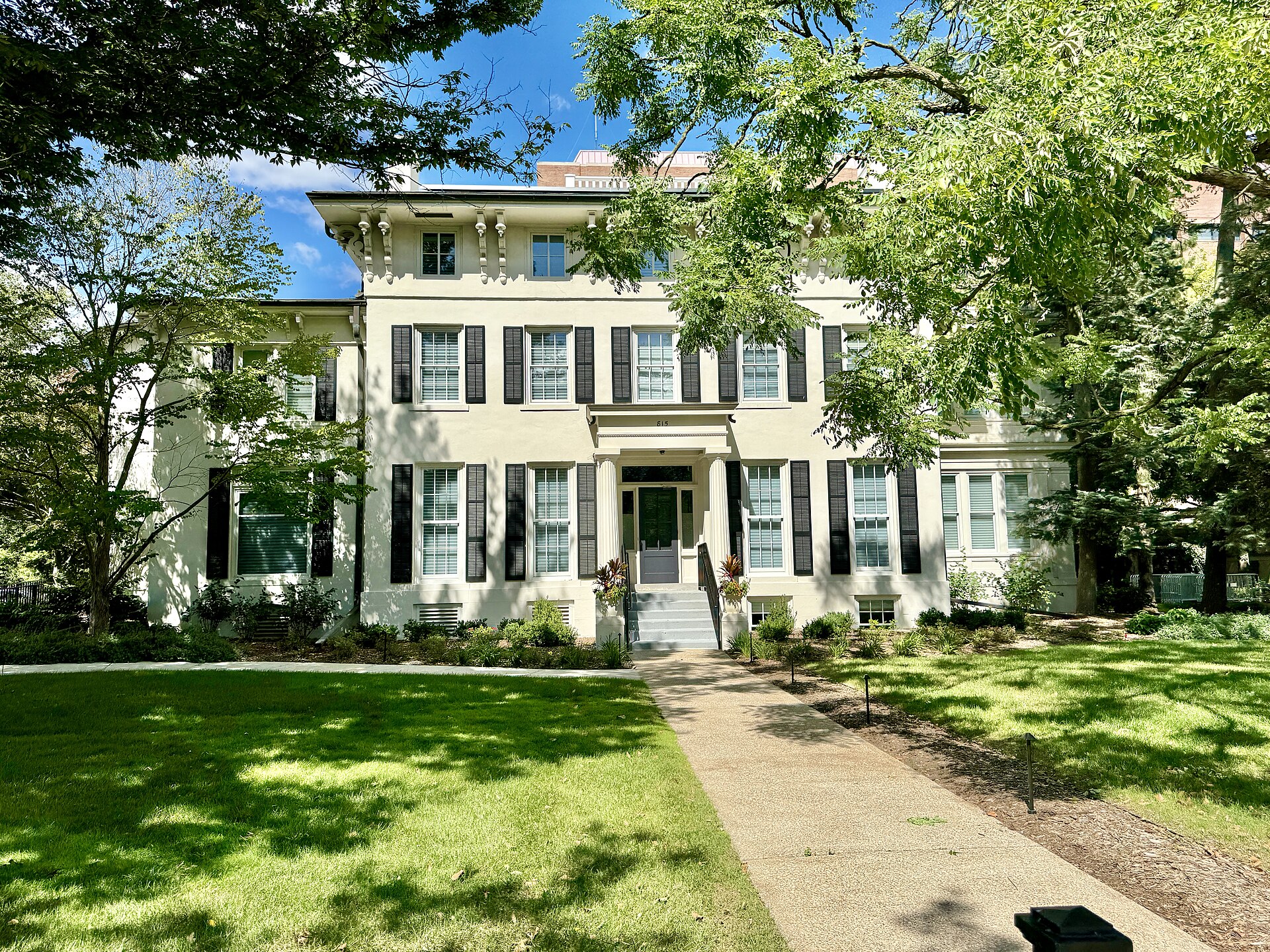
A recent Michigan Daily archive review included the protest among episodes from his university years, along with his commencement appearance with former President Bill Clinton and later recognition as a graduate student.
Campus activism can become part of the public record surrounding a candidate, particularly when it involves religion, speech and political violence. But the reporting does not establish that the political meaning assigned to the protest today is the same meaning participants attached to it in 2007.
What happened at the event
The University of Michigan chapter of Young Americans for Freedom hosted the January 2007 program, titled Terrorism: The World’s Greatest Threat, according to contemporary reporting by The Michigan Daily.
The event featured Walid Shoebat, Zachariah Anani and Kamal Saleem. A later account described the three Arab men as having been involved in radical Islamic terrorism before converting to Christianity and publicly rejecting their former beliefs and conduct.
The supplied reporting does not independently establish the speakers’ personal histories. What the record clearly documents is that Young Americans for Freedom presented them as former extremists at an event focused on terrorism.
More than 300 students and non-students protested outside the Rackham Building before the scheduled start, according to the student newspaper. Protesters in yellow shirts filled many seats inside the auditorium, where they made up about a quarter of the audience by the time the program began.
A dispute over the program’s framing
Several student groups and the Michigan office of the American-Arab Anti-Discrimination Committee objected to the event, The Michigan Daily reported. Their stated concern was that it generalized about Muslims.
Organizers and supporters viewed the program as a discussion of political violence and what they regarded as a serious security threat. Protesters objected to language and emphasis they believed linked Islam and terrorism in a way that implicated Muslims more broadly.
Those competing views shaped the confrontation. Supporters could regard the speakers as people denouncing extremism from personal experience, while critics could see the event’s format as reinforcing collective blame against a religious community.
The available account does not support treating the protest as a rejection of condemning extremist violence. Instead, it records an argument over whether the event scrutinized violent extremists or placed a wider population under suspicion.
El-Sayed’s part in the protest
El-Sayed was identified in the archival record as a participant in the walkout, rather than as the organizer of the entire demonstration. In his senior year, he was Muslim Student Association vice president under the name Abdul-Rahman El Sayed, the student newspaper reported.
Organizers asked demonstrators occupying seats to leave so supporters could attend, but the request did not end the confrontation. The newspaper described tense exchanges between presenters and some audience members.
At one point, Saleem asked why moderate Muslims were not protesting extremists within their faith, according to the report. About 30 minutes into the event, roughly 25% of the audience stood and left in protest.
After leaving the auditorium, participants held a counter-discussion elsewhere on campus. El-Sayed spoke at that gathering, and The Michigan Daily quoted him afterward as saying, “We’ve done something good today, and we need to keep that going in the future.”
What the archival record does and does not settle
The reporting establishes a basic sequence: conservative students hosted a terrorism-focused event; El-Sayed and other demonstrators challenged what they saw as its portrayal of Muslims; and a substantial share of the audience left for a separate discussion.
The estimate that roughly a quarter of the audience walked out reflects that auditorium at that time, not the views of the University of Michigan community as a whole. The record also does not establish how representative either side was of campus opinion in 2007.
Neither the supplied archival reporting nor the available account includes a current statement from El-Sayed about the event. It also does not provide detailed accounts from every organizer, speaker or participant, leaving important parts of the dispute unresolved.
What remains documented is a campus clash in which both sides addressed terrorism, but disagreed sharply over how Muslims were being represented in that conversation.
Leave a Reply