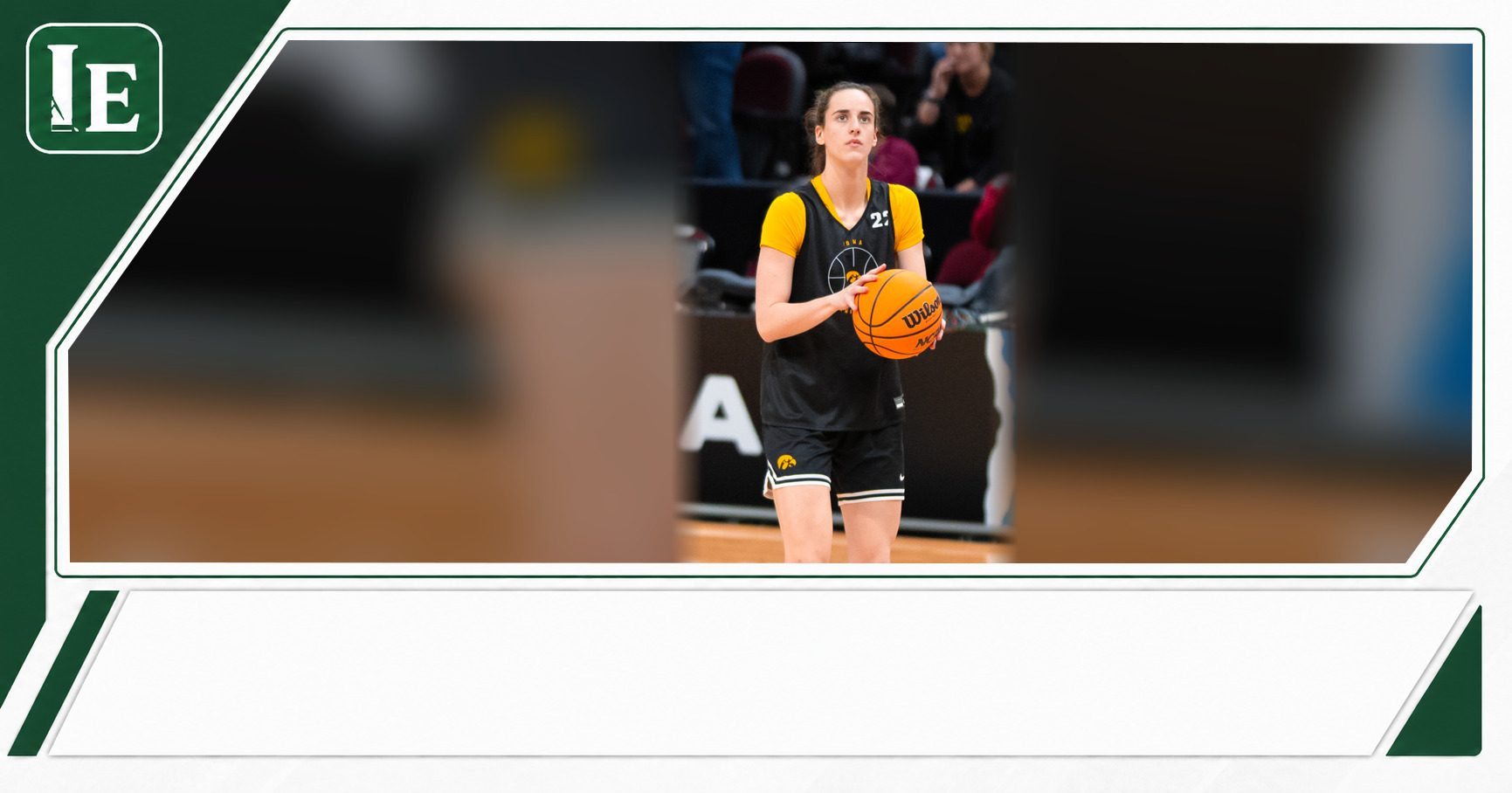
Clark’s historic scoring-and-playmaking performance came one day after a disputed technical foul briefly put her next game in jeopardy. The sequence highlights both her on-court impact and the scrutiny surrounding every call involving the Fever guard.
Caitlin Clark became the first player in WNBA history to record more than 40 points and 10 assists in a game, delivering 45 points and 10 assists as the Indiana Fever beat the Seattle Storm 110-107 in Indianapolis on August 9, 2026. The milestone arrived a day after Clark received an eighth technical foul during a 90-86 win over the Chicago Sky in Chicago, then avoided an automatic suspension when the WNBA rescinded the call.
The contrast is striking: one sequence centered on whether Clark should be available for Indiana’s next game; the next put her in the record book. Her explosive night against Seattle turned an officiating controversy into the immediate backdrop for one of the defining individual performances of the WNBA season.
A record built on scoring and creation
Forty-point games demand control of the scoreboard. Adding 10 assists means a player is also creating a high volume of offense for teammates. Clark did both against Seattle, crossing the 45-point mark while reaching double figures in assists.
According to the game result reflected in the Fever’s 110-107 win, Indiana needed all of that production. A three-point final margin leaves little room to treat a big individual total as empty late-game accumulation. Clark’s points and playmaking were central to a win over a Storm team capable of making any road or home matchup demanding.
The WNBA’s history is full of exceptional scorers and elite passers. What separates this performance is the combination: no player before Clark had cleared both 40 points and 10 assists in the same regular-season game.
That distinction also explains why the record has resonance beyond a single hot shooting night. Clark’s game has long been defined by range, pace and passing vision. Against Seattle, those traits landed together at a scale the league had not previously seen in one box score.
The technical foul that changed plans
The previous day, on August 8, Clark’s status for the Fever’s upcoming schedule appeared far less secure. She was assessed her eighth technical foul of the regular season in the third quarter of Indiana’s 90-86 victory over the Chicago Sky.
USA Today reported that the technical came with 1:06 left in the third quarter. Clark had driven along the baseline and was bumped by Chicago guard Natasha Cloud while attempting a pass. No foul was called on Cloud; Clark went out of bounds and made contact with an official nearby.
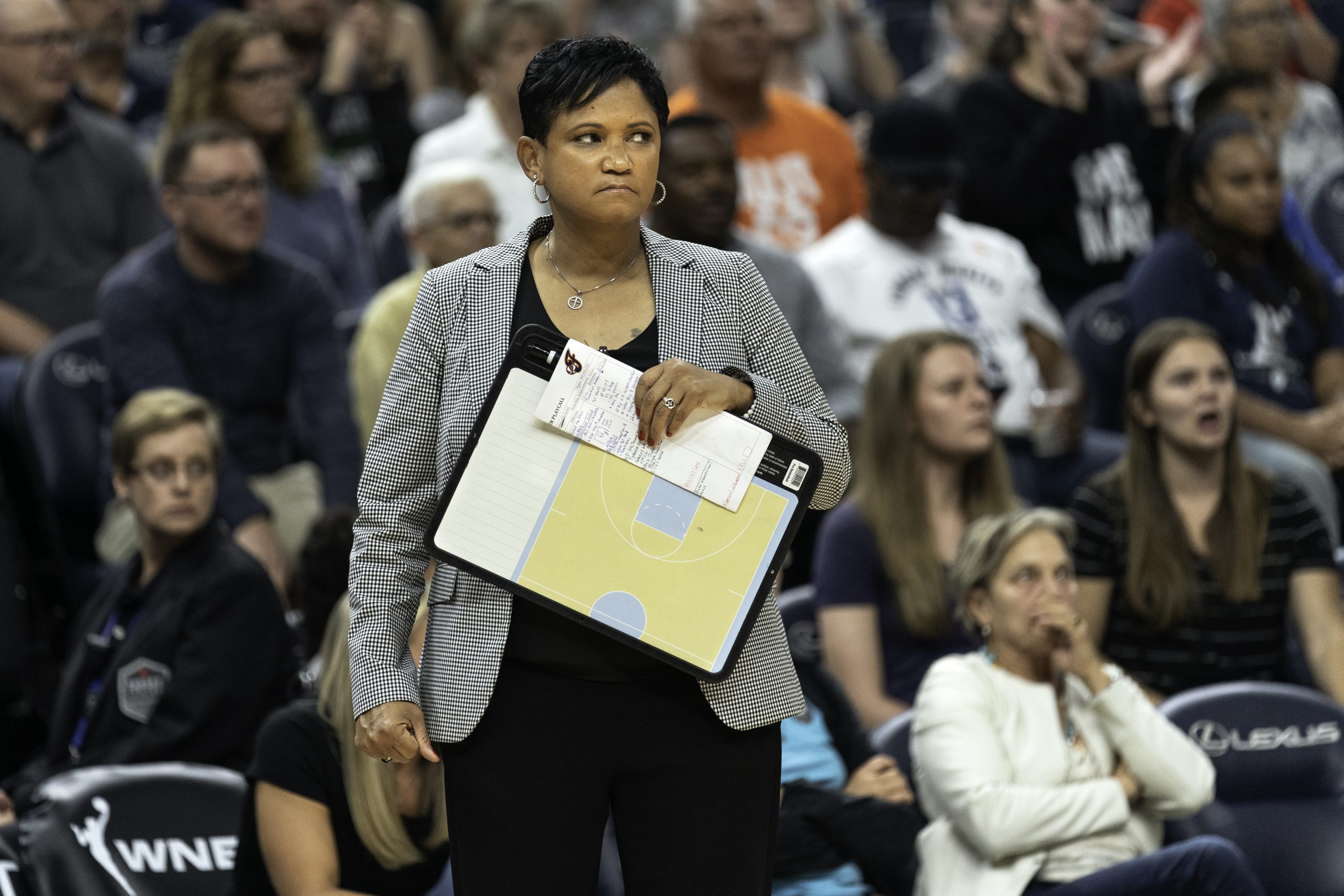
Officials assessed Clark a technical for contact with the official. Fever coach Stephanie White said afterward that the explanation from officials was that Clark had intentionally sought out the official and thrown her forearm. White disputed that interpretation, calling the contact incidental and labeling the decision a bad call.
Clark also said she had reviewed the sequence and did not believe the contact was intentional. Her response was measured but direct: she said the league would decide whether the call stood.
Why the eighth technical mattered
Under WNBA rules cited by USA Today, a player or coach who receives an eighth technical foul during the regular season is automatically suspended for one game. That made the ruling more consequential than a routine in-game whistle or a financial penalty.
Had the foul remained on Clark’s record, she would have missed Indiana’s scheduled August 11 game against the New York Liberty. For a Fever team coming off consecutive wins, losing its lead guard for disciplinary reasons would have been a major disruption.
The technical-foul system is designed to curb repeated unsportsmanlike conduct, and automatic thresholds create a straightforward enforcement mechanism. Yet plays involving accidental contact are often the difficult cases. They can look different at full speed, from a referee’s angle and on replay.
That is where the competing views in Chicago mattered. The game officials initially saw intentional contact. Clark and her coach said the collision resulted from the uncalled contact on the drive. The league’s later decision did not erase the disagreement over the moment, but it determined the practical outcome.
The WNBA reverses the call
The WNBA rescinded Clark’s eighth technical, according to Reuters and USA Today. The reversal removed the automatic-suspension trigger and cleared her to play rather than sit out the Liberty game.
A person with direct knowledge of the league office’s decision told USA Today that the technical had been rescinded, while speaking anonymously because they were not authorized to discuss the process publicly. The available reporting did not detail the league’s full review or explain precisely why the ruling was changed.
That lack of a public, play-by-play rationale leaves room for the broader debate to continue. Supporters of the reversal can point to the reported sequence and the possibility that Clark was knocked off balance. Others may focus on the need to protect officials and uphold the original judgment unless a clear error is established.
What is not in dispute is the immediate consequence: Clark was no longer at the suspension threshold. Instead of preparing for a forced absence, she was available to lead Indiana into its next stretch of games.
From controversy to a statement game
Clark had already produced 26 points and 11 assists against Chicago before the rescission. Her 45 points and 10 assists against Seattle one day later made clear that the controversy had not slowed her output.
There is a temptation to frame every disputed call around a star as either proof of preferential treatment or evidence of unfair scrutiny. Neither shortcut captures this sequence. The original technical was serious because league rules attached an automatic suspension to it; the reversal was serious because it acknowledged that the call should not carry that consequence.
For the Fever, the larger value is continuity. Teams build offensive rhythm around their primary ball handler, and Clark’s record game offered a vivid reminder of how much Indiana’s attack runs through her scoring and distribution.
For the WNBA, the episode reinforces the pressure attached to officiating decisions in highly visible games. A whistle can prompt a review, a roster adjustment and a public argument within hours. Then, in Clark’s case, the next night can produce a piece of league history.
What remains after the milestone
The two games leave Indiana with a win over Chicago, a win over Seattle and its guard available after the rescinded technical. They also leave a useful distinction between the record and the dispute: the 45-point, 10-assist performance is a verified historical achievement, while the Chicago play remains a flashpoint over judgment and interpretation.
Clark’s milestone will stand as the cleaner long-term marker. The technical-foul episode, though, explains why her Seattle performance carried extra weight. It came not simply after a strong game, but after a league decision that preserved her place on the court.
That is the real arc of the weekend for the Fever guard: a call that briefly threatened to sideline her, a reversal that kept her active, and a 110-107 win in Indianapolis in which she did something no WNBA player had done before.
Leave a Reply