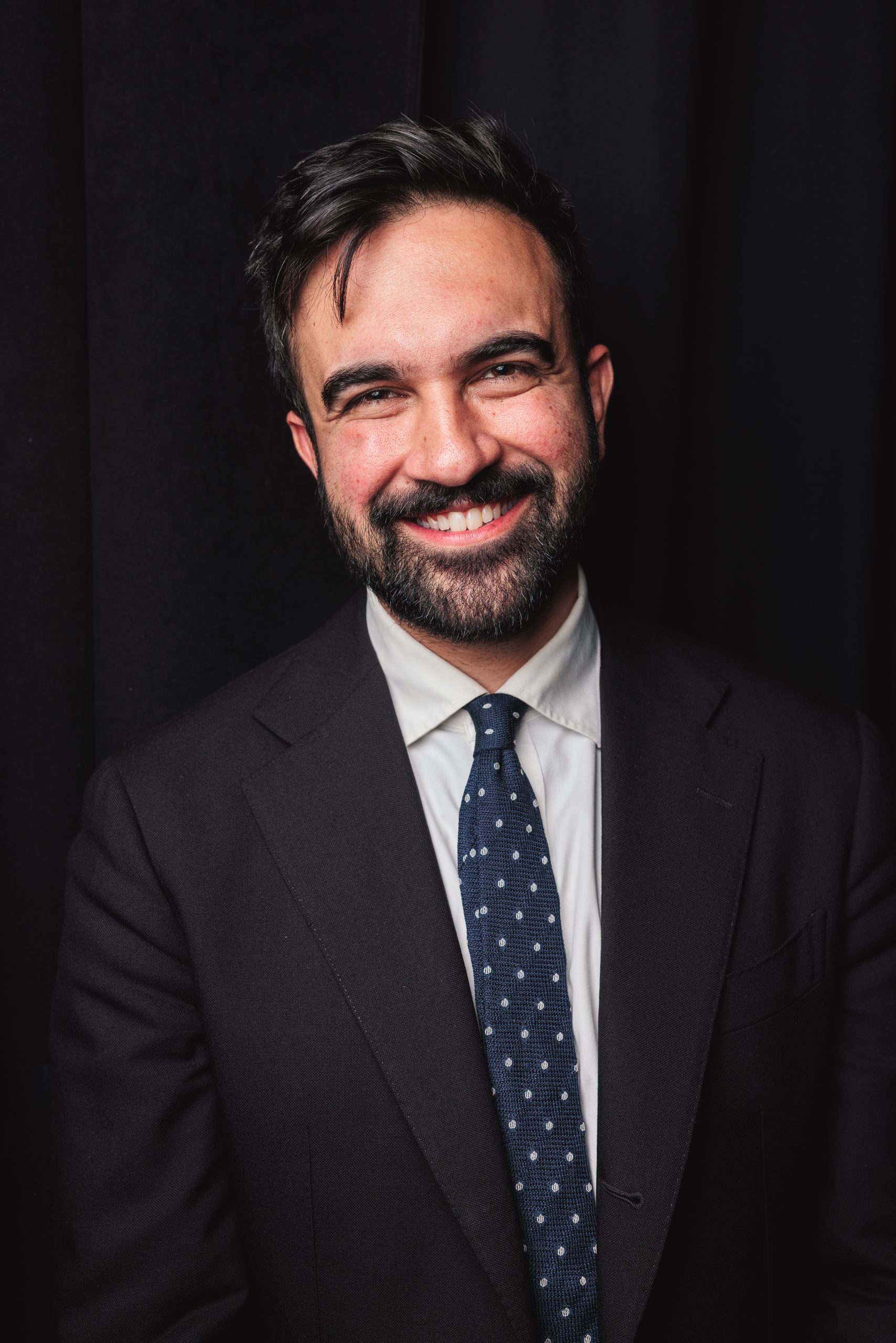
The reported decision by Rampersad’s family turned a military funeral into a flashpoint over political presence, public mourning and who gets to speak in sacred civic spaces.
Zohran Mamdani was denied the chance to speak at the funeral of Army Sgt. Angel Sarah Rampersad, and the funeral took place in Queens, New York, on Friday because, according to a person involved in planning cited by the New York Post, her family wanted to avoid political distractions. Rampersad, a 28-year-old U.S. Army sergeant, was killed July 17, 2026, in combat-related violence tied to an Iranian missile attack on Muwaffaq Salti Air Base in Jordan, an episode reported alongside the deaths of three U.S. service members.
Why Mamdani got denied is now the center of a local political fight. This article explains the controversy surrounding the snub, the family’s reported reasoning, and why the moment has become a test of how public officials should show up when private grief becomes a civic event.
A family chose limits
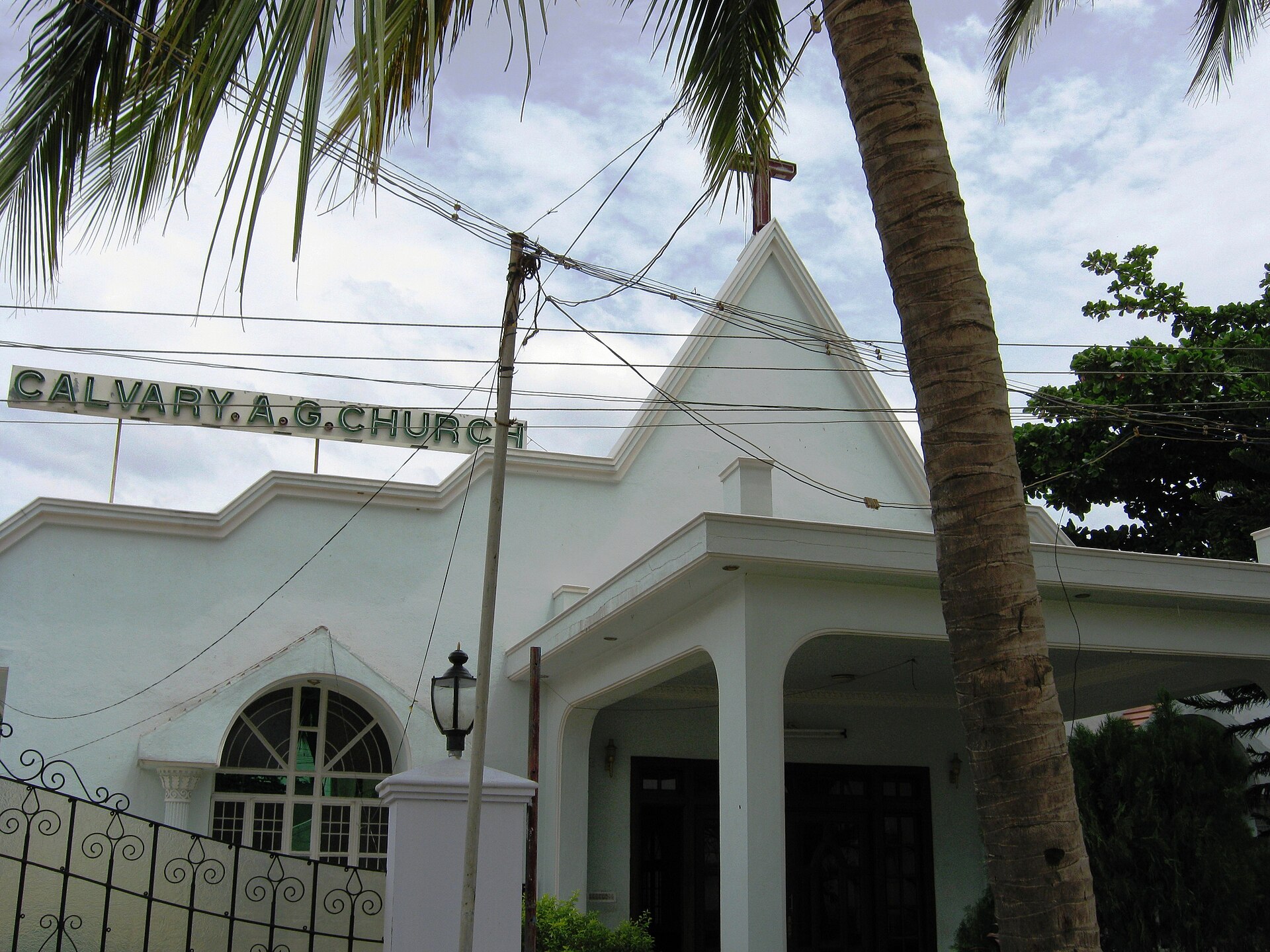
The central fact is simple: Mamdani attended the service for Rampersad but was not allowed to address mourners. The New York Post column that brought the episode to national attention said he was seated in the fourth row at Calvary Assembly of God Church in Queens and waited without being called to speak.
The reported explanation came from a source involved in funeral planning, who told the Post that the family was more conservative and wanted to limit political distractions. That is a narrow explanation, but it carries a broad message: at a funeral, especially a military funeral, the family controls the room.
That choice does not mean the family barred Mamdani from attending. It means, according to the account, that they declined to give him a speaking role. In public life, that distinction matters. Presence can be an act of respect; a microphone can turn remembrance into a political moment.
Why the snub escalated
The controversy grew because Mamdani is not just another guest. He is New York City’s mayor, a figure whose attendance at a fallen soldier’s funeral would normally be treated as an official gesture of condolence.
But Mamdani’s critics have long cast his politics as combative and polarizing, especially around foreign policy, capitalism and the language of national identity. The Post opinion piece framed the funeral decision as a rebuke of the mayor himself, arguing that the family was right to keep him from speaking.
That is one side of the dispute. Another view is that elected officials often attend funerals and memorials precisely because they represent the public, not because every family agrees with their politics. Supporters could argue that a mayor’s role at such a service is ceremonial: to honor sacrifice on behalf of the city.
The unanswered question is whether Mamdani or his office formally requested a speaking slot, whether the family directly rejected such a request, or whether organizers simply never included him in the program. The available account points to a deliberate decision to avoid political distraction, but it does not fully document the behind-the-scenes exchange.
The soldier behind the dispute
Lost in the political argument is Rampersad herself. According to the Post account, she was from Queens and served as a U.S. Army staff sergeant as part of Operation Inherent Resolve, the American-led campaign against ISIS in Iraq and Syria.
The column reported that Rampersad was killed at Muwaffaq Salti Air Base in Jordan on July 17. Her death was described in the account as the result of an Iranian missile attack, a detail that immediately gave the funeral a larger geopolitical shadow.
Her family’s story also complicates any easy political framing. The Post reported that Rampersad came to the United States from Trinidad at age 2 and grew up in a family with military ties. A family friend and neighbor, Carlos Garcia, was quoted as saying she died for her country doing what she loved.
Her mother, Carol Acevedo, was quoted in the Post as saying she was highly proud of her daughter because she died for this country. That line, more than any political reaction, explains why the family may have wanted the service to remain centered on sacrifice, faith and mourning.
Public office meets private grief
Funerals for fallen service members sit in a difficult space. They are deeply private, but they also attract public ritual: flags at half-staff, police processions, honor guards, elected officials and cameras.
The Post account said NYPD officers carried Rampersad’s flag-draped coffin and that officials including Gov. Kathy Hochul and state Attorney General Letitia James were present. Mamdani’s presence therefore was not unusual by itself. What was unusual was the reported refusal to let the mayor speak.
That kind of decision can be read in several ways. To critics of Mamdani, it was a public humiliation and a sign that parts of Queens rejected his politics. To others, it may have been a family making the least political choice available: keeping speeches limited so the service did not become a headline about the mayor.
Either way, the moment shows how hard it is for elected officials to appear at emotional public events without becoming part of the story. Even silence can be interpreted. Even a seat assignment can become a statement.
The politics beneath the pews
The Post column’s sharpest claims were not about funeral protocol. They were about Mamdani’s ideology, his critics’ view of his patriotism, and whether he represents the values of the city he leads. Those claims are opinion, not neutral reporting, but they explain why the story traveled.
Mamdani’s political brand has attracted both fervent support and intense opposition. The funeral episode gave opponents a vivid scene: a mayor present at a solemn event, but not entrusted with the microphone.
For a politician, that image can be damaging because it suggests a loss of moral authority in a setting where rhetoric usually gives way to unity. For a grieving family, though, the calculation may have been far simpler. They did not want their daughter’s service used as a stage for anyone else.
The tension is not new. After military deaths, elected officials often speak in language meant to unite. But when an official is already controversial, even conventional remarks can be received as opportunistic or unwelcome.
What remains unclear
Several key details remain unresolved from the available reporting. The public record provided in the Post account does not include a direct statement from Mamdani explaining whether he expected to speak, nor does it include a full statement from the family laying out its decision in its own words.
It is also unclear how the funeral program was set, which officials were invited to speak, and whether organizers treated Mamdani differently from other public figures in attendance. Those details matter because they separate a personal rejection from a logistical decision.
What is clear is that the family’s reported boundary has become a political symbol. Some will see it as a deserved rebuke. Others will see the backlash as an attempt to turn a soldier’s funeral into another partisan fight.
The cleanest takeaway may be the simplest one: a fallen soldier’s family asked, reportedly, for fewer political distractions at a service meant to honor Army Sgt. Angel Sarah Rampersad. In a city where every public gesture can become a battlefield, that boundary was enough to ignite a larger argument.
Leave a Reply