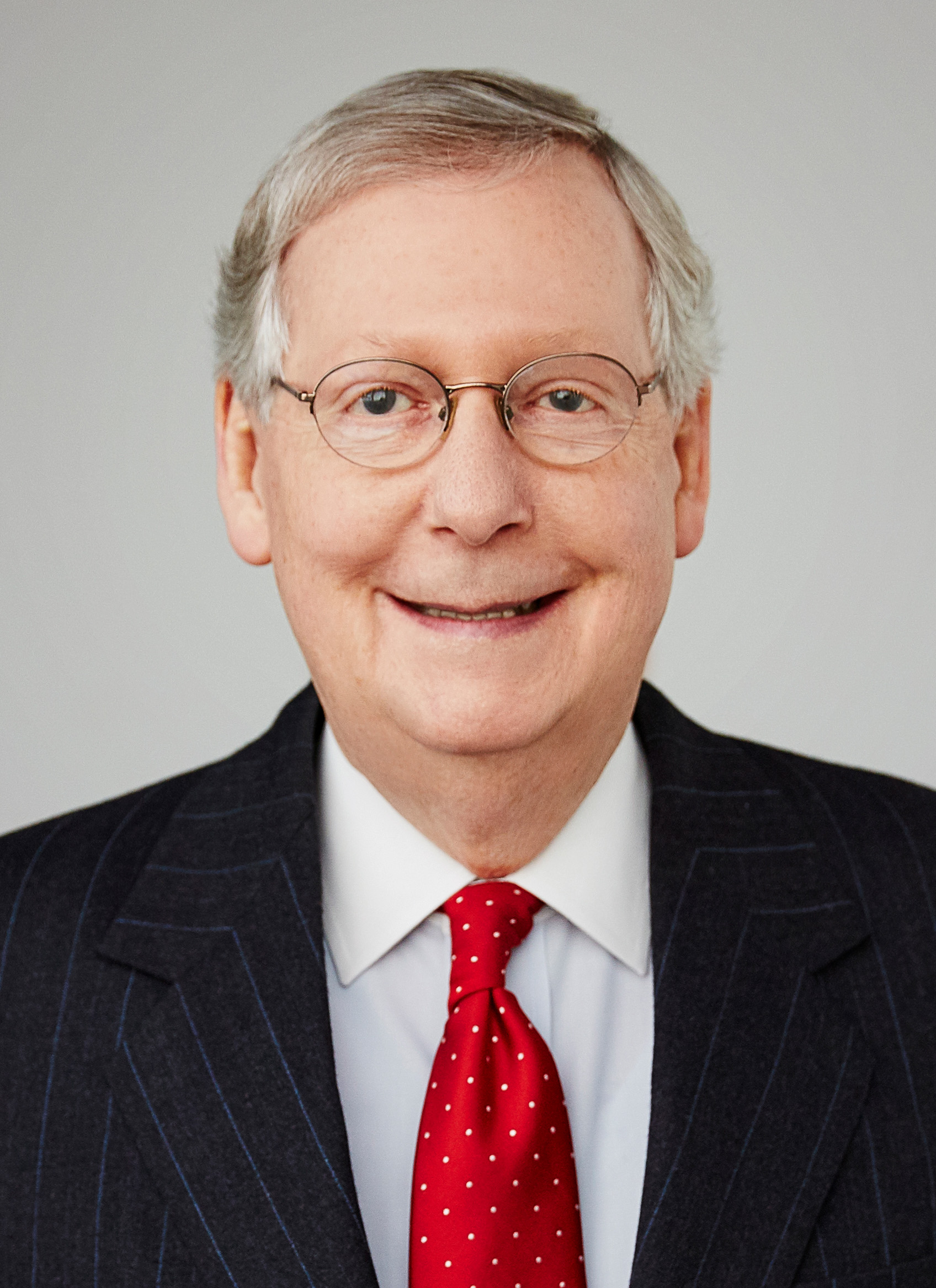
The dispute is no longer just about one senator’s medical privacy. It has become a test of how much voters are owed when illness affects public power.
The backlash against Mitch McConnell over concerns about his health now includes a voter protest tied to a major event, with an Alternet/MSN headline framing the scene as “Voters revolt against” a “McConnell health scandal.” The point is not just the protest. It is why McConnell’s health became a political issue after weeks of limited disclosure about the Kentucky Republican’s condition.
Records cited below show McConnell was reportedly hospitalized on June 14. On July 8, Kentucky Gov. Andy Beshear asked his office for a health update. On July 13, NPR reported McConnell said a fall had led to his hospitalization.
The protest exposed an information gap
The protest tied to the major event landed because it attached a visible voter reaction to a question that had already been building: What, exactly, was going on with McConnell?
The extracted MSN reference does not identify the event’s location, date or the specific protest tactics. That matters. The public record available here supports the existence of backlash and a protest framing, but not additional details about chants, organizers or crowd size.
Still, the political meaning is clear enough. Voters using a high-profile event to press the issue suggests that the debate had moved beyond online speculation and into public performance.
The phrase “McConnell health scandal” should be read as political language, not a verified finding of misconduct. The documented issue is limited disclosure after a hospitalization, followed by pressure for a fuller explanation.
What McConnell later disclosed
NPR reported on July 13 that McConnell said a fall led to his hospitalization, ending weeks of silence about his condition. According to NPR, the 84-year-old senator said he was briefly unconscious around the time he was first taken to the hospital.
McConnell said he had undergone tests to determine what caused the fall. He also said he had been treated for mild pneumonia and had moved to a rehabilitation facility.
His statement was specific in some ways and limited in others. NPR reported that McConnell said doctors confirmed he did not break any bones, did not suffer a concussion, did not have a heart attack or stroke, and did not have tumors or hemorrhages.
He also said he was regaining his strength, but could not return to the Senate quite yet. That distinction is why the matter remained political: a health update can reassure voters about one set of rumors while still leaving open questions about timing, capacity and Senate duties.
Beshear pushed for transparency
Kentucky Gov. Andy Beshear’s office made the transparency argument directly in a July 8 release. Beshear sent a letter to McConnell’s office requesting an update on the senator’s health and well-being amid growing concerns about his ability to serve.
Beshear said Kentuckians had become increasingly concerned and that allowing speculation to continue was not fair to McConnell or to Kentucky. He framed the request as a way for McConnell to speak “in a transparent manner, direct from the source.”
The governor’s office said the request came after reports that McConnell had been admitted to a hospital on June 14 and that limited information had been shared since then. It also said Beshear’s administration had seen rising inquiries about McConnell’s health status.
That is an important piece of the story because it shows the pressure did not come only from partisan commentary or social media. A sitting governor publicly asked for information, while also saying he wished McConnell a safe and speedy recovery.
Privacy collided with public power
There is a real competing view here: elected officials do not give up every claim to medical privacy when they take office. Health information is personal, and incomplete disclosures can invite unfair assumptions.
McConnell’s own explanation, as reported by NPR, leaned into that tension. He said people of his generation often hesitate to share the vulnerability that comes with growing older, even when they are in public life.
But Senate service is not symbolic. Absences can affect votes, nominations, legislation and party strategy. NPR noted that McConnell’s absence, paired with the unexpected death of Republican Sen. Lindsey Graham of South Carolina, temporarily reduced the GOP majority in the chamber to 51-47.
That is where private health becomes a governance issue. Voters may not need every medical detail, but they have a strong interest in knowing whether their senator can do the job and when he is expected to return.
The vacuum fueled the backlash
The political damage often comes less from the health event itself than from the silence around it. In McConnell’s case, the public record shows weeks between the reported June 14 hospitalization and his fuller July 13 explanation.
During that gap, McConnell’s office had offered limited information, according to the Kentucky governor’s office and NPR. NPR reported that his office had said he was receiving excellent care and recovering.
That kind of statement can be accurate and still insufficient for a public audience. It answers the immediate humane question — is he being treated? — but not the civic one: can he serve?
Once that gap opens, opponents can label the silence a scandal, supporters can accuse critics of exploiting illness, and voters can turn public events into pressure points. The protest is best understood as a result of that vacuum.
What remains unresolved
McConnell’s statement answered several rumors directly, especially by saying he had not suffered a stroke, heart attack, concussion, broken bones, tumors or hemorrhages. It also gave a basic explanation for the hospitalization: a fall, followed by testing, pneumonia treatment and rehabilitation.
It did not fully settle the political question of when he would return to full in-person Senate work. McConnell said he would continue working with staff on Senate business, but also acknowledged he could not return quite yet.
The protest tied to the major event shows that some voters do not see that as enough. Others may see the pressure as intrusive, especially after McConnell provided a medical explanation and described the personal difficulty of discussing aging in public.
The clean takeaway is that health transparency for powerful officials has no easy formula. But long silences create their own politics. In McConnell’s case, the absence of early detail turned a medical episode into a voter backlash story.
Leave a Reply