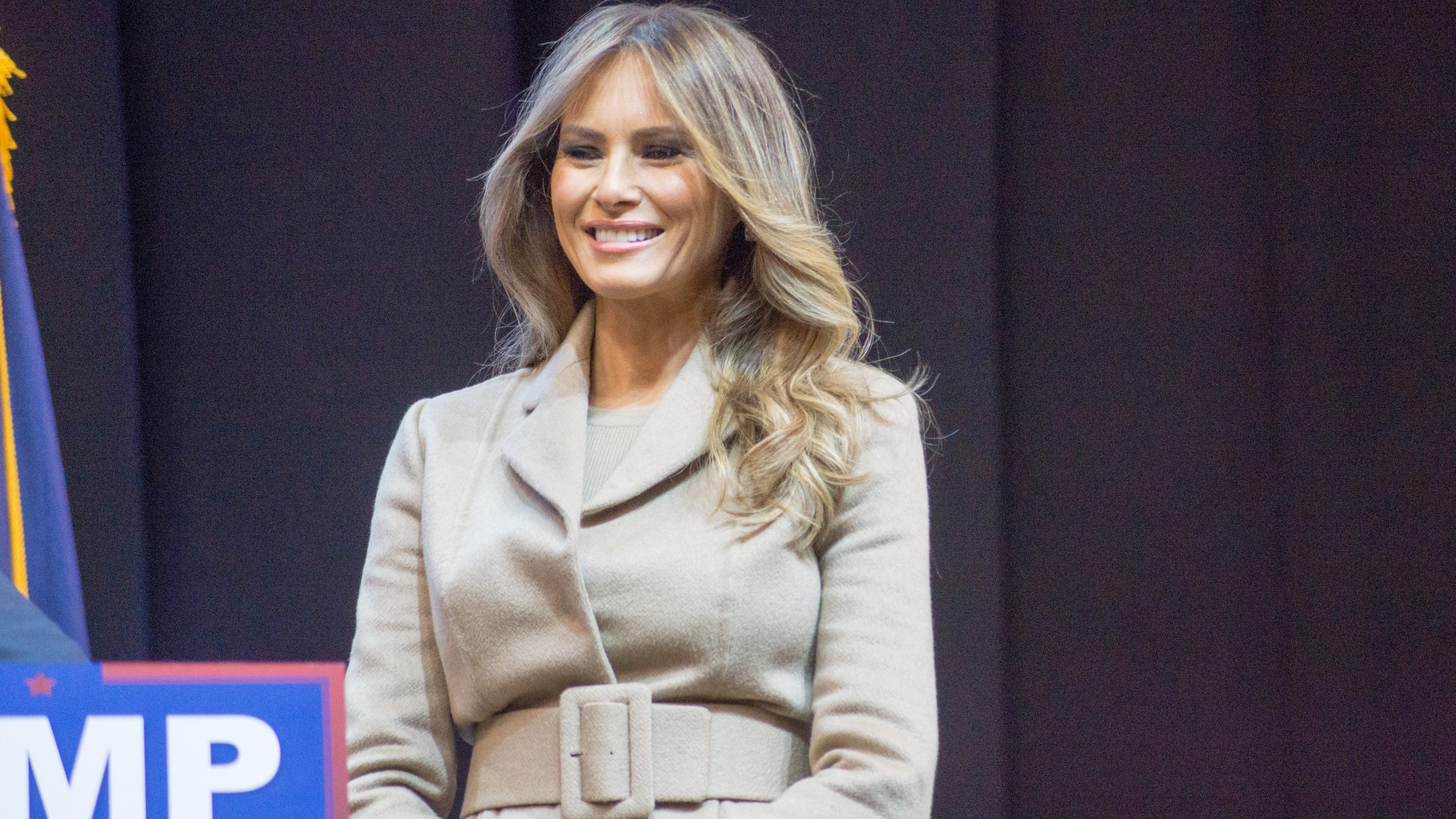
Stephanie Winston Wolkoff says a 15-year friendship with Melania Trump ended in betrayal. Melania Trump, in a statement reported by NBC News, cast her as a former contractor who distorted her character.
The public fight between Melania Trump and Stephanie Winston Wolkoff is less a settled account of one broken friendship than a clash over who should be believed after private access became public material.
Wolkoff, a New York events figure and former unpaid adviser in the first lady’s office, put her version of the relationship in Melania and Me: The Rise and Fall of My Friendship with The First Lady. Melania Trump rejected that account in a statement reported by NBC News, saying Wolkoff “hardly knew me” and was trying to distort her character.
Melania Trump challenged the premise of the friendship
Melania Trump’s rebuttal did not simply dispute a detail from Wolkoff’s book. It challenged the foundation of Wolkoff’s public role as a former close friend.
In the statement reported by NBC News, Trump described Wolkoff as a former contractor and accused her of releasing claims that misrepresented her. She also connected the dispute to her Be Best initiative, arguing that attention to “salacious claims” from “self-serving adults” distracted from work meant to help children.
That framing made credibility the central issue. Wolkoff’s book depended on the idea that she had been close enough to understand Melania Trump’s private world. Melania Trump’s response cast that closeness as exaggerated and the account as self-serving.
Wolkoff pointed to access as proof of closeness
Wolkoff’s answer, reported by NBC News, was to point to the places and moments where she says Melania Trump included her.
She said she found it “puzzling” that the first lady would say she “hardly knew me” after asking her to attend the Trumps’ wedding, join her for many lunches, help plan the presidential inauguration, stay at the White House and Mar-a-Lago, and act as her senior adviser.
Those examples are central to Wolkoff’s case. She presents access as evidence that the relationship was not casual or distant.
In the memoir account, Wolkoff described “our fifteen-year friendship, and her ultimate betrayal,” according to a statement reported by NBC News. Her version is that the relationship did not merely cool; it broke under the pressure of White House-era events.
The inauguration work brought outside scrutiny
The dispute became more than a private falling-out because Wolkoff’s White House-adjacent role included inaugural planning.
NBC News reported that Wolkoff helped organize Donald Trump’s inaugural events. It also reported that spending for the inauguration later drew scrutiny, including an investigation by federal prosecutors in Manhattan and a lawsuit by Washington, D.C.’s attorney general.
Wolkoff’s account placed the emotional rupture against that backdrop. NBC News reported that she felt Melania Trump had “thrown her under the bus” when questions intensified.
That is why the argument over closeness matters. If Wolkoff was only a marginal contractor, Melania Trump’s rebuttal gains force. If she was a longtime confidante with significant access, Wolkoff’s sense of betrayal is easier to understand as a public claim, even if it remains contested.
Recordings deepened the trust dispute
Melania Trump also accused Wolkoff of secretly recording phone calls and releasing portions out of context, according to NBC News.
That allegation shifted the dispute from memory and interpretation to methods. To Melania Trump’s side, the recordings claim supported the argument that Wolkoff violated trust. To Wolkoff, the memoir and public statements were part of her effort to tell her side after the relationship collapsed.
Related reporting has also noted that Wolkoff said she recorded Melania Trump after she felt accused, publicly shamed and made a scapegoat. That context does not resolve the dispute, but it explains why the recordings became one of the most contentious parts of the fallout.
The legal fight kept the memoir in the spotlight
The Justice Department later sued Wolkoff over Melania and Me, according to reporting cited in the public record. The complaint alleged that she breached a confidentiality agreement by publishing the book.
Wolkoff denied wrongdoing and defended the publication of the memoir as an exercise of free expression. The legal action added another layer to a fight already defined by competing versions of loyalty, access and betrayal.
By then, the story was no longer only about whether two former friends remembered their relationship differently. It also involved official roles, confidentiality claims and the limits of what a former adviser could reveal.
What the public record can and cannot settle
The available record shows the outlines of the conflict: Wolkoff says she had a 15-year friendship with Melania Trump that ended in betrayal; Melania Trump says Wolkoff exaggerated the relationship and distorted her character.
It also shows why the dispute became unusually durable. Wolkoff’s account included personal access, inaugural work, legal fallout and recorded-call accusations. Melania Trump’s response attacked both the claims and the credibility of the person making them.
What remains unresolved is the private meaning of the relationship before it broke. The public can compare memoir claims, reported statements and legal filings, but the central question is still contested: whether Wolkoff’s access proved intimacy, or whether her public account proved a breach of trust.
Leave a Reply