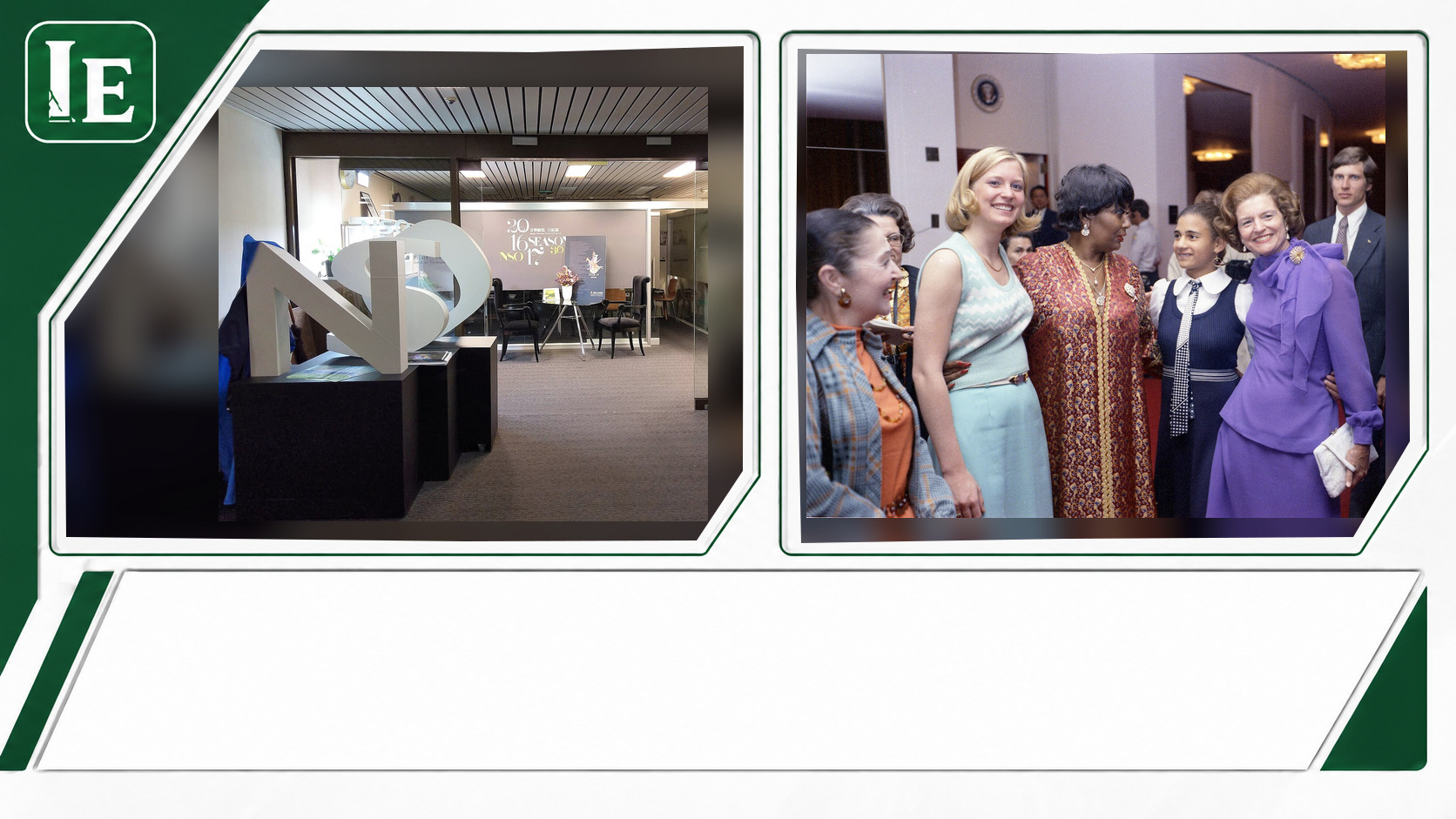
The National Symphony Orchestra’s next season will look less like a residency and more like a regional tour. Its move from the Kennedy Center raises practical questions for audiences and larger ones about the future of Washington’s flagship arts institution.
The National Symphony Orchestra announced its first season away from the Kennedy Center after more than half a century, splitting 64 concerts across six venues in Washington, D.C., and nearby Maryland and Virginia. The change comes during Donald Trump’s involvement with the Kennedy Center and follows a reconstruction project approved by the institution’s Trump-allied board, according to reporting cited by Raw Story.
For concertgoers, the immediate result is concrete: the NSO will no longer have one dependable home base next season. Instead, audiences will need to follow the orchestra among venues including George Washington University’s Lisner Auditorium, the Music Center at Strathmore, George Mason University’s performing arts center and D.C.’s Lincoln Theatre.
A season without a home hall
The orchestra’s move is a major break with the recent identity of the Kennedy Center, where the NSO has been a resident ensemble for more than five decades. A season spread among six sites changes nearly every routine attached to a typical orchestra subscription: travel, parking, seating, acoustics and the sense of gathering around one cultural institution.
Music director Gianandrea Noseda offered an optimistic description of the arrangement, saying he would like to think of the NSO this year as a “regional touring orchestra.” That framing captures one possible upside: the ensemble may reach patrons who do not regularly travel to the Kennedy Center.
It also acknowledges the reality that this is not a standard artistic expansion. The reported venue split follows plans to reconstruct the Kennedy Center complex, leaving the orchestra to build a season around available stages rather than its established home.
Why the announcement arrived late
Raw Story, citing The Washington Post, reported that the NSO announced its plans about five and a half weeks before its September 26 season opener. The report said that timing was about five months later than the orchestra’s usual seasonal rollout.
That delay matters because orchestras depend heavily on advance planning. Subscribers compare dates, select seats, arrange transportation and decide whether a package works for their schedules. A late announcement can make it harder to retain habitual ticket buyers, especially when concert locations vary from week to week.
The report also said the NSO had difficulty obtaining routine budget approval from the Kennedy Center board. That claim has not been independently documented in the research provided here, and no detailed public explanation from the Kennedy Center or the orchestra was included in the supplied material.
Trump’s role in the wider dispute
The NSO’s departure is connected to a broader upheaval at the Kennedy Center during Trump’s involvement with the institution, but it should not be reduced to a single-cause political walkout. The immediate reason described in the report is the reconstruction project and resulting closure plans, not an announcement by the orchestra that it was leaving as a political protest.
Still, the governing context is central. Raw Story reported that a board aligned with Trump took control of the Kennedy Center in 2025 and approved the reconstruction plans. It also reported disputes over adding Trump’s name to the building, including a federal judge’s order requiring its removal.
Those events have made routine arts administration part of a much larger argument over public cultural institutions: who controls them, how major decisions are made and whether artistic groups can plan confidently under shifting leadership.
The audience challenge is immediate
The six-venue model may broaden access for some listeners, but it risks fragmenting an audience accustomed to the Kennedy Center’s central location and familiar concert hall. Each host site has its own capacity, transit options, stage dimensions and neighborhood audience.
Reported ticket figures have added to concern. Raw Story said, citing The Washington Post, that NSO sales fell from 72% of capacity in 2024 to 41% last season. The NSO had not confirmed those numbers, according to the report, so they should be treated as reported estimates rather than finalized orchestra data.
Former Kennedy Center president Michael Kaiser told the Post that the institution’s usual processes did not appear to be functioning with sensible direction. Supporters of the renovation, however, may argue that temporary disruption is unavoidable when a major national arts complex is rebuilt and that a refreshed facility could benefit performers and audiences over the long term.
Other companies have faced disruption
The NSO is not the only major organization affected by changes at the Kennedy Center. Raw Story reported that other performers had pulled out over the previous year and that the Washington National Opera withdrew in January.
That pattern adds weight to the question facing the center: whether it can preserve the partnerships that give its stages artistic relevance while construction and leadership disputes continue. Resident ensembles are not simply renters; they help define what audiences expect a performing-arts center to be.
For the NSO, the dispersed season could also become a test of resilience. If audiences follow the orchestra across the region, the ensemble may demonstrate that its relationship with listeners is stronger than any one building. If attendance weakens further, the temporary move could expose how much the Kennedy Center’s location and infrastructure mattered.
What remains unclear before opening night
The reported plan establishes the broad outline of the NSO’s next season, but key operational questions remain. The supplied reporting does not specify how all 64 concerts will be allocated among the six venues, how subscription arrangements will work across locations or whether additional schedule changes are possible.
It is also unclear how long the NSO will be away from its longtime home and what conditions it will return to after reconstruction. The Kennedy Center board reportedly voted to close the complex for two years of renovations, but the exact effect on individual resident groups will depend on construction schedules, financing and future board decisions.
The clearest takeaway for now is practical as well as symbolic: Washington’s orchestra is becoming a traveling ensemble for the coming season. Its 64-concert route will show whether a cultural institution built around one prominent home can keep its audience together when that home is no longer available.
Leave a Reply