
The lawsuit turns a dispute over broadcast licenses into a larger test of how far the federal government can go when it objects to a network’s coverage and on-air commentary. The FCC says its actions reflect broadcasters’ public-interest duties, while ABC says the agency is using regulation as leverage.
ABC sued the Federal Communications Commission, alleging the Trump administration’s FCC retaliated against it over Jimmy Kimmel and other programming the administration disliked. ABC, parent company Disney and eight ABC-owned stations want a federal court to stop an early review of their broadcast licenses, calling the process an immediate threat to the network’s First Amendment rights.
The case matters because it places a basic question before the courts: can the FCC demand early license scrutiny after a broadcaster’s speech angers the president, or is that an unconstitutional attempt to influence editorial decisions? The FCC says broadcasters must serve the public interest and maintains that standard applies to Disney’s ABC stations.
Why the licenses are central
Broadcast networks do not own the public airwaves outright. Local television stations receive FCC licenses, generally issued for eight-year periods, to use a portion of the public spectrum. That arrangement gives the agency a role that it does not have over many cable channels, streaming platforms or newspapers.
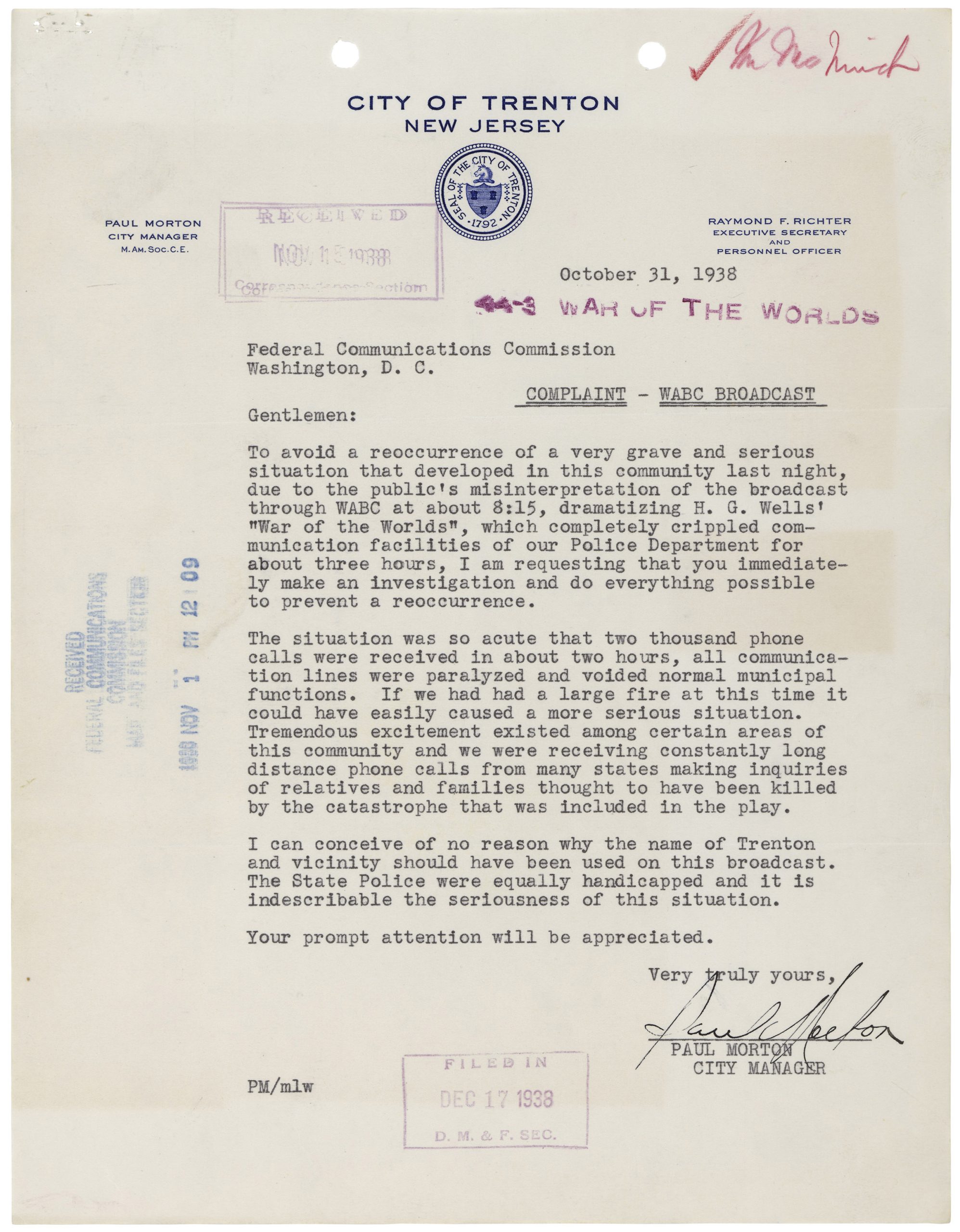
ABC says the FCC, led by Chairman Brendan Carr, ordered early review of all eight licenses held by ABC-owned stations in April, years before they were scheduled to expire. The network describes that step as highly unusual and says it has placed its stations under an existential cloud.
In its lawsuit, ABC, Disney and the affected stations asked a federal court to block the early renewal proceedings and prevent the FCC from taking, or threatening to take, action tied to those applications. The filing frames the dispute as government retaliation for speech rather than a routine licensing matter.
That distinction will be crucial. Federal agencies can enforce rules within their authority, but the government generally cannot use regulatory power to punish a speaker because officials dislike that speaker’s viewpoint.
ABC ties scrutiny to Kimmel
ABC alleges the license action followed a Jimmy Kimmel joke that angered President Donald Trump. Kimmel, ABC’s late-night host, has been a frequent Trump critic, and Trump had called for his firing, according to the account of the lawsuit and the surrounding dispute.
The network argues that the pressure was not limited to one joke or one program. Its court filing says the administration has repeatedly attacked ABC’s news coverage and programming viewpoints, then escalated to demands that the company lose its broadcast licenses because of that speech.
ABC also points to remarks attributed in the lawsuit to Carr after Kimmel’s comments. Carr said companies could act against Kimmel “the easy way or the hard way,” with “additional work for the FCC” otherwise, according to the filing.
Those allegations are the heart of ABC’s First Amendment claim. The company’s position is not simply that it disagrees with the FCC’s review; it says the timing, public comments and broader campaign against its programming show the review was intended to coerce it.
The FCC offers a different view
Carr has defended the FCC’s posture by arguing that broadcasters receive valuable access to the public airwaves and therefore carry a legal obligation to operate in the public interest. He has said that the agency is trying to restore that obligation, not police viewpoints.
In remarks reported in late July, Carr said broadcasters have a bargain with the public: they get access to airwaves worth billions of dollars and must meet public-interest responsibilities in return. An FCC spokesperson repeated that position in response to ABC’s lawsuit, saying the obligation applies to all broadcasters, including Disney.
The FCC cited ABC’s diversity and inclusion practices as a reason for the early review. That gives the agency a stated regulatory rationale that is likely to be examined closely in court alongside ABC’s claims about retaliation.
The competing narratives are stark. ABC says the agency is using licensing authority to chill speech. The FCC says it is carrying out oversight that broadcasters have long been required to accept as a condition of their licenses.
The View is part of the fight
The license dispute is not the only point of friction between ABC and the commission. ABC has also pushed back against Carr’s efforts to revisit whether The View should be subject to equal-time rules.
Those rules can require stations to provide comparable opportunities to opposing political candidates. ABC says The View qualifies as a bona fide news program, which would exempt it from that requirement. The network says the FCC reached that conclusion more than two decades ago.
That dispute broadens the stakes beyond late-night television. It involves how the government classifies news and talk programming, and whether a new FCC leadership team can use longstanding broadcast rules to apply pressure after hosts, guests or journalists criticize the administration.
Carr has also opened separate investigations involving CBS News and NBC News. ABC’s filing argues that the message sent by the FCC’s actions could reach far beyond one network: favorable coverage is safe, while hostile coverage may invite regulatory consequences.
Free-speech concerns meet FCC authority
Broadcast regulation has always carried a built-in tension. The FCC has real authority over licensing, technical standards and certain public-interest obligations. Broadcasters, meanwhile, have strong constitutional protections for reporting, commentary and editorial judgment.
Free-speech attorney Floyd Abrams told the Associated Press that conflict between the press and the FCC is not new, but he viewed the current confrontation as unusually direct and dangerous. Anna Gomez, the FCC’s lone Democratic commissioner, also praised ABC and Disney for challenging what she called a campaign of censorship and control.
Those views do not decide the case. Courts will have to assess the FCC’s authority, the facts behind its decision to start early review, and whether ABC can show that its protected speech was a motivating factor in the government’s action.
For the administration and its supporters, the case may also test a competing principle: whether broadcasters can invoke the First Amendment to avoid meaningful enforcement of their public-interest obligations. The answer will depend on evidence, legal standards and the particular actions the FCC takes—not simply on the political heat surrounding Kimmel or Trump.
What the court fight could clarify
ABC is seeking prompt court intervention because it says the threat is ongoing and cannot be resolved except by giving in to the administration’s demands. The FCC has not been stripped of its licensing authority by the filing; ABC is asking a judge to limit how that authority can be used in this situation.
No ruling on the merits has been reported. It remains unclear how quickly a court will act, what factual record will be developed, or whether the case will establish a broader limit on FCC license reviews that follow criticism of a president or federal policy.
The immediate takeaway is that ABC’s dispute with the Trump FCC has moved from public sparring into a direct constitutional challenge. Jimmy Kimmel may have supplied the flashpoint, but the case is now about a far larger issue: whether broadcasters can make editorial choices without fearing that their licenses will become political leverage.
Leave a Reply