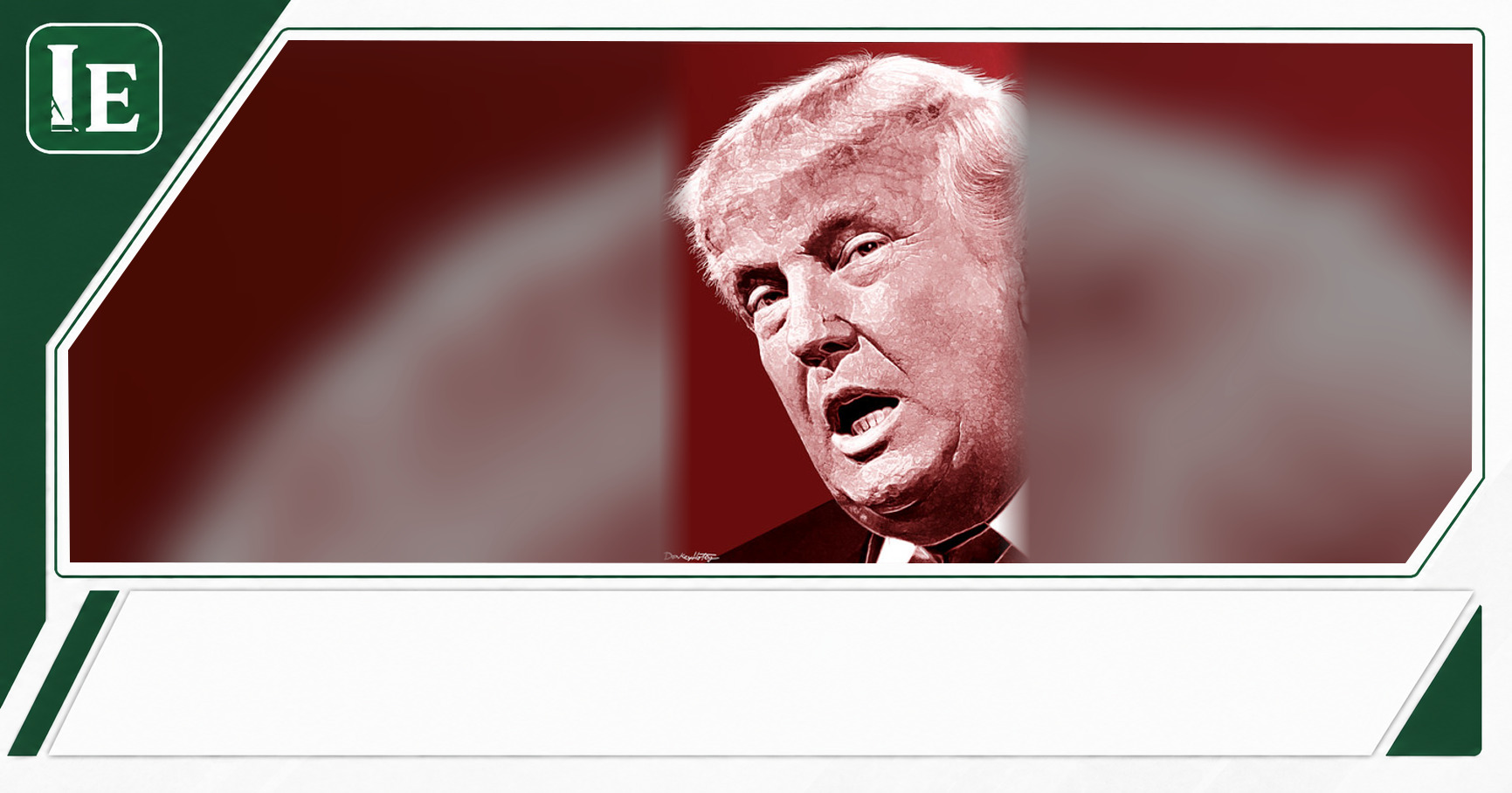
Trump’s reported comments put Oman’s role as a go-between with Iran under scrutiny at a moment when access through the Strait of Hormuz carries global economic and security consequences.
Donald Trump threatened to bomb Oman on August 17, 2026, in connection with talks involving Iran and the Strait of Hormuz, while also calling on Iran to surrender. The reported remarks put pressure on Oman, a country involved in contacts with Tehran over access through one of the world’s most important shipping routes.
The immediate issue is not a confirmed military operation: available reports do not establish that Trump ordered a strike, announced an imminent attack or unveiled new written U.S. policy toward Oman. The larger question is whether his language is a negotiating tactic or a sign that already fragile diplomacy around the strait is becoming more confrontational.
What Trump reportedly said
According to Reuters and other reports, Trump paired a demand aimed at Iran with a threat directed at Oman. The Guardian, citing Fox News journalist Trey Yingst’s account of an interview with the president, reported that Trump said Iran should “put up the white flag of surrender.”

Trump also said Oman could be bombed if it “gets in the way,” referring to the country’s contacts with Iran. Reuters characterized the remarks as a call for Iran’s surrender alongside a threat to Oman.
The distinction between rhetoric and official action matters. A presidential threat can influence the calculations of governments involved in a dispute, but the available reporting did not show a formal military order, an imminent strike or a newly announced policy toward Muscat.
That leaves the scope and intended purpose of Trump’s comments unresolved. It is not clear whether he was responding to a specific proposal, a broader negotiating approach, or the possibility of an Iran-Oman arrangement he opposed.
Oman’s difficult intermediary role
Oman is central to the dispute because it has long maintained channels with Iran while also working with the United States and other regional powers. That position has made it a frequent intermediary when direct communication is difficult.
The Washington Post reported that Iran and Oman had been discussing a solution to reopen the Strait of Hormuz. The Guardian similarly reported that the two countries were discussing control of the waterway while Washington pursued its own talks.
For Muscat, the value of mediation depends on being able to speak credibly with parties that may not trust one another. A public threat against Oman could limit its room to carry messages, help shape arrangements or reduce tensions.
At the time of the reports, it was unclear what specific Omani action Trump believed might obstruct a U.S.-Iran understanding. It was also unclear whether Oman had issued a public response.
Why the strait raises stakes
The Strait of Hormuz is a narrow passage linking the Persian Gulf with the Gulf of Oman and the Arabian Sea. Major oil and liquefied natural gas exporters rely on it to reach global markets.
That makes the dispute more consequential than a bilateral disagreement between Washington and Tehran. Political confrontation involving the strait can unsettle energy markets, shipping companies, insurers and governments dependent on predictable maritime routes.
Any actual disruption would have consequences far beyond Iran, Oman and the United States. Questions about control of, reopening or access through Hormuz touch on freedom of navigation, regional security and the risk of a wider confrontation.
The reports did not spell out the terms of the Iran-Oman discussions or say whether a concrete agreement was close. Without that information, it is difficult to know what triggered Trump’s response or how directly it relates to any possible deal.
Pressure tactic or diplomatic setback
Supporters of a hard-line approach to Tehran may see Trump’s demand and threat as maximum-pressure diplomacy. From that perspective, the remarks signal that the United States would resist any arrangement it believes conflicts with its interests in the Strait of Hormuz.
Critics are likely to see a different risk: threatening Oman could alienate a useful regional interlocutor precisely when lines of communication are valuable. Oman’s ability to engage both Iran and Western partners has often been part of its usefulness.
Both readings rest on the same uncertainty. Pressure can sometimes force concessions, but it can also cause governments to harden their positions or turn away from U.S.-backed negotiations.
The reported comments also came after a memorandum of understanding intended to support a durable peace with Iran had officially expired, according to The Washington Post. That timing adds to the uncertainty over whether diplomacy is breaking down, being reset or shifting into a more confrontational phase.
Signals that could clarify intent
The next developments would be official ones: clarification from the White House, a response from Oman, or statements by Iranian officials about Trump’s surrender demand and the future of talks over Hormuz.
Observers would also watch for changes in maritime advisories, military deployments, shipping patterns or energy-market pricing. Those changes cannot be assumed from a verbal threat alone, but they could indicate whether the rhetoric is translating into operational policy.
For now, the verified core of the episode is limited but significant. Trump publicly combined a call for Iran’s surrender with a threat against Oman tied to its dealings with Tehran over the Strait of Hormuz.
Whether that posture strengthens U.S. leverage or makes an essential diplomatic channel harder to use remains unresolved.
Leave a Reply