
The Under-20 Women’s World Cup in Poland could offer an early test of UEFA’s reported boycott threat as FIFA defends Gianni Infantino’s mandate. The dispute also includes a leaked-letter claim, a withdrawn World Cup commercial proposal and an unresolved battle for support across football’s governing body.
According to The Guardian, the tournament in Poland may be an early point for assessing whether a boycott threat develops into action. UEFA was reported to have supported the possibility of a boycott by its 55 member associations if FIFA did not abandon its World Cup commercial plans.
That possibility sits within a broader conflict over FIFA’s leadership and direction. FIFA says Infantino was elected by its 211 member associations and retains their democratic mandate, while UEFA has indicated that his continued leadership is untenable.
Poland could provide an early public test
The Under-20 Women’s World Cup in Poland is one of the upcoming FIFA events identified by The Guardian as a potential early signal of whether the reported boycott threat gains force.
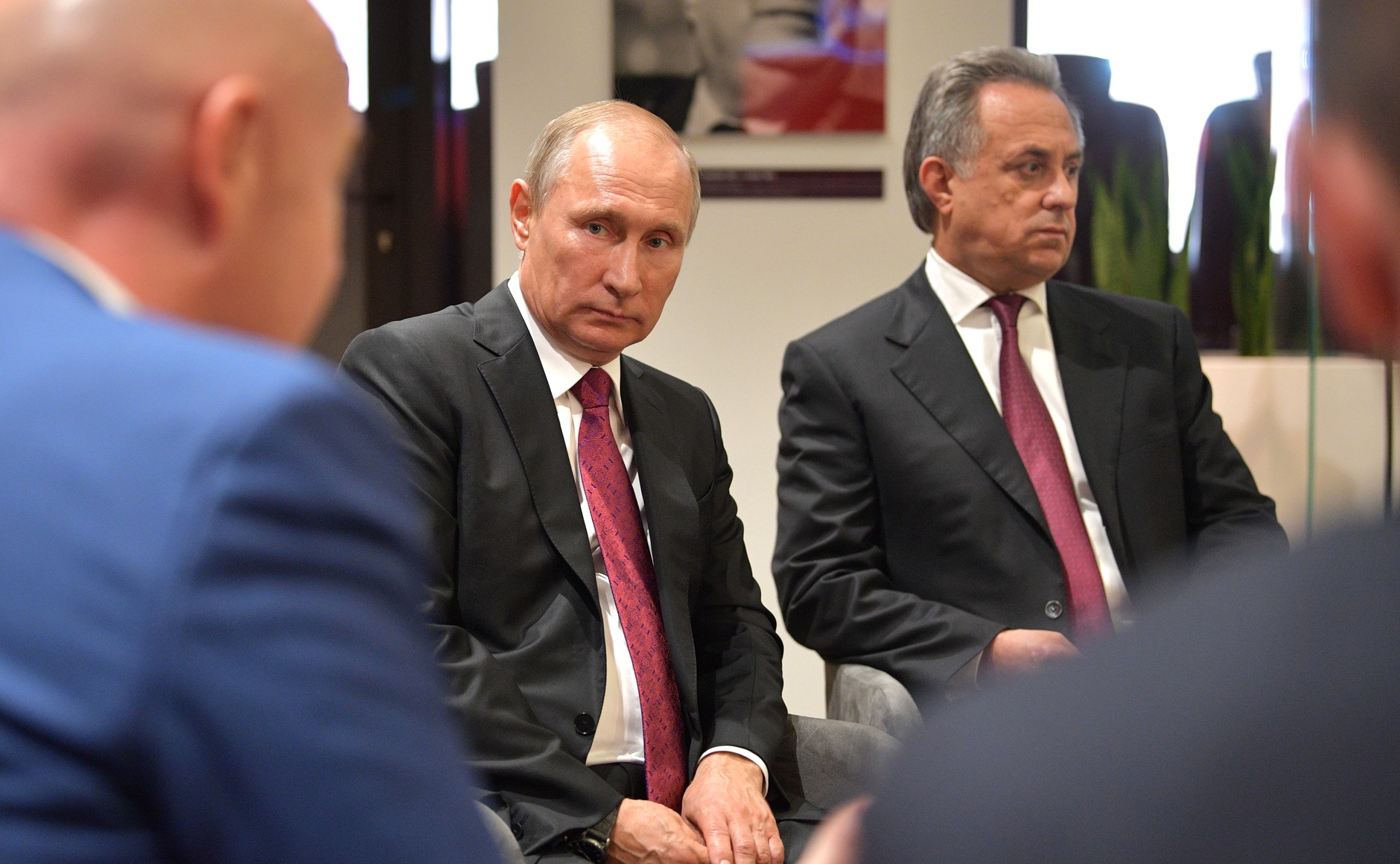
A boycott would be a significant escalation, but the available reporting describes a possibility supported by UEFA rather than a confirmed withdrawal. The tournament may therefore offer a visible measure of how far the dispute has moved from institutional statements to action.
FIFA’s next presidential election is expected in March. Until then, statements of support, threats of action and disagreements between football bodies may all be read as signs of whether Infantino’s global coalition remains intact.
The commercial proposal widened the rift
The immediate clash centered on FIFA’s proposal to sell a 20% stake in a new company controlling World Cup commercial assets. UEFA opposed the plan, which raised concerns among critics about reshaping the commercial structure around FIFA’s flagship tournament without broad consensus.
FIFA withdrew the proposal less than 48 hours after the reported boycott threat emerged. UEFA later said its position had not changed, indicating that the disagreement had not ended with the proposed sale’s withdrawal.
FIFA and its supporters can view the resistance differently: as established football powers seeking to limit a global organization’s ability to determine its own direction. The opposing interpretations have kept the argument focused on governance, authority and the future control of World Cup commercial assets.
FIFA rejects efforts outside its formal process
FIFA has said allegations, leaked material or external pressure should not determine who serves as president. A spokesperson said Infantino was elected by member associations and continues to hold their mandate.
The organization also said it would not support or facilitate an election process that conflicted with its statutes, democratic procedures or governance framework. In a statement reported by The Guardian, FIFA alleged that there was a “concerted and ongoing effort” by some parties to undermine FIFA and its president.
FIFA also said that people without backing from member associations should not obtain through “allegation, insinuation or misinformation” what they cannot secure through formal procedures. Critics, meanwhile, argue that questions about accountability and governance decisions justify a change at the top.
The numbers leave critics needing wider support
According to The Guardian’s reporting, UEFA has sought support from other confederations for an Emergency FIFA Congress that could potentially lead to a no-confidence vote.
UEFA’s 55 member associations could provide 43 votes toward the threshold required to call an emergency congress, according to that report. Removing Infantino would require 106 votes from FIFA’s 211 members.
Europe’s opposition, even if unified, would therefore not be enough on its own. Critics would need support from well beyond UEFA to make a successful challenge possible.
- UEFA has opposed Infantino’s continued leadership and challenged the World Cup commercial proposal.
- Concacaf was reported to be aligned with UEFA in the wider dispute.
- The Asian Football Confederation was reported to include some support for the European position.
- CAF and Conmebol have publicly backed Infantino, according to the reporting.
The contest is not simply between Infantino and Europe. It depends on whether either side can build a durable alliance across FIFA’s confederations.
Separate allegations remain unresolved
The leadership dispute has also been complicated by reporting about a departure payment to a former UEFA employee alleged to have been in a relationship with Infantino when he was UEFA general secretary more than a decade ago.
According to The Guardian’s reporting, UEFA confirmed the payment and the Norwegian Football Federation called for Infantino to resign. FIFA described allegations surrounding the matter as categorically untrue.
Those developments have added scrutiny, but they do not establish wrongdoing or independently create a route to remove a FIFA president. FIFA has criticized parts of the media coverage as unsubstantiated or false and said it would challenge reporting it considered inaccurate.
The leaked-letter claim has unanswered questions
Infantino was reportedly threatened with the end of his FIFA presidency in a leaked letter. But the letter’s contents, author and status have not been publicly established in the available reporting.
Available material does not provide the letter’s text, identify its author with certainty or show that it triggered a FIFA constitutional procedure. It may signal private opposition or add political pressure, but it does not itself begin a formal removal process.
What remains unclear is whether the reported letter represented an individual warning or a coordinated effort. The larger question is whether the opposition can translate criticism into the broad international backing required under FIFA’s formal rules.
Leave a Reply