
The fight over a proposed surcharge on luxury New York City second homes is becoming a test of how far Washington can reach into local tax policy. Supporters say it would help close a budget gap; Trump argues it could damage the city.
Donald Trump threatened to take federal action against Mamdani’s proposed pied-à-terre tax, saying he is reviewing whether the federal government has legal authority to block the New York City measure. Trump’s threatened action is aimed at stopping the tax championed by Mayor Zohran Mamdani, a proposed annual surcharge on certain luxury second homes that supporters say could raise money for the city.
The immediate dispute is political, but it also raises a practical question: what federal power, if any, could be used to challenge a state- and city-backed property-tax proposal? Trump has not publicly identified a specific legal tool or lawsuit.
Trump’s warning targets a local tax
Trump said on Truth Social that he was looking into whether the federal government had “any legal right” to avert what he called a disaster. He characterized the pied-à-terre proposal as a dangerous political experiment and argued it could harm New York City.
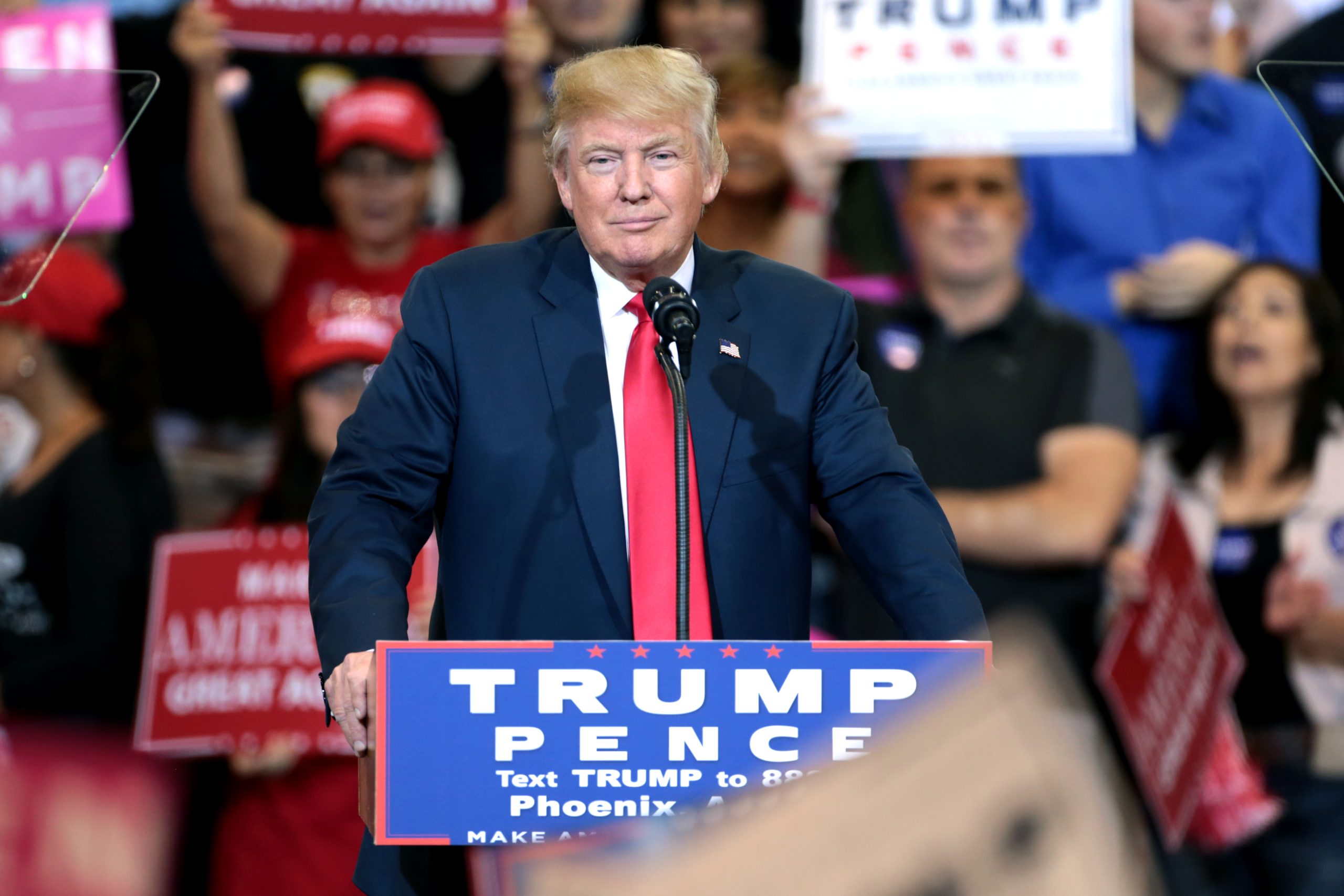
That is a threat to explore action, not an announcement of a completed federal intervention. The distinction matters. A president can direct executive agencies to review policies, investigate potential legal claims or participate in litigation, but a public objection alone does not nullify a local tax proposal.
The White House’s potential theory has not been laid out in the reporting available so far. That leaves the debate centered on a large unresolved issue: whether federal officials believe the measure conflicts with a federal law, constitutional protection or another federal interest.
What the pied-à-terre proposal covers
A pied-à-terre is generally a second residence, often used part-time by someone whose main home is elsewhere. The proposal described by New York Gov. Kathy Hochul would apply an annual surcharge to qualifying New York City residential properties worth $5 million or more that are not their owners’ primary residences.
Hochul’s office says the tax would not apply when the property is a primary home, is rented to a primary resident or is occupied by the owner’s family. Its stated target is luxury homes owned by people who do not live in the city full-time and do not pay New York City income tax.
In that framing, the proposal is not a broad levy on every second home. It is a narrowly aimed tax on high-value properties, though the details of valuation, occupancy rules, enforcement and exemptions would be central to how widely it ultimately reaches.
Mamdani sees revenue from wealth
Mamdani has championed the proposal as part of a larger effort to address New York City’s fiscal pressures without putting more of the burden on ordinary residents. In a statement released by Hochul’s office, he described the measure as a way to tax ultrawealthy and global elite property owners while helping balance the city budget.
Hochul has paired the proposal with an estimate of at least $500 million a year in recurring revenue. Her administration says that money could support a city facing a significant budget gap, while preserving funding for services such as parks and policing.
Supporters’ basic argument is one of fairness: owners of expensive homes that sit empty for much of the year still benefit from the city’s infrastructure, workforce and amenities. They say a targeted surcharge asks those owners to contribute more toward the services that sustain the value of their properties.
Critics see risks for the city
Trump’s criticism reflects a longstanding concern among opponents of taxes on high-end properties. They argue that New York risks discouraging investment, pushing affluent owners to sell or spend less in the city, and signaling that policymakers view wealth as a revenue source that can be tapped repeatedly.
There is also a competitiveness argument. Luxury-property owners can choose where to buy, maintain or expand their real-estate holdings. Critics say an added annual charge could make other cities or lower-tax jurisdictions more attractive, particularly for owners who use a Manhattan apartment only occasionally.
Backers counter that homes valued at $5 million or more belong to a small and exceptionally wealthy segment of the market. They argue that the city’s affordability and budget problems are more pressing than preserving favorable tax treatment for apartments that are not full-time homes.
Federal authority remains unclear
Property taxation has traditionally been a state and local responsibility. New York State law and city administration would therefore be at the core of any final pied-à-terre tax, making a federal effort to stop it legally complicated.
That does not mean federal involvement is impossible. A federal challenge could depend on the final text of the law, how it treats residents and nonresidents, whether it affects interstate or foreign commerce, and whether opponents identify a constitutional claim. But none of those arguments has been specified by Trump or his administration in the material reported so far.
New York also already has legal provisions concerning certain non-primary residences. A New York City Department of Finance document refers to Tax Law Section 1350 and a pied-à-terre tax on certain city properties generally not used as an owner’s primary residence. The current proposal’s scope and implementation still matter because tax labels can cover different rules.
The next fight is over details
The proposal still must move through the relevant state and city policy process before its final shape is known. Its projected revenue, the properties covered and its legal resilience will all depend on the language that emerges.
Trump’s intervention may sharpen the political divide around that process, turning a New York budget measure into a broader argument over taxation, federalism and the role of wealthy part-time residents in major cities.
For now, the clearest fact is limited but consequential: Trump has said he is examining federal options to block Mamdani’s pied-à-terre tax. Whether those options amount to a viable legal challenge remains unproven.
Leave a Reply