
The missed filing matters because rehearing petitions at the Supreme Court are rare — and because the ruling blocks Trump’s executive order aimed at ending birthright citizenship.
Donald Trump missed a Supreme Court deadline related to birthright citizenship: the Trump administration did not seek rehearing of the Supreme Court’s birthright citizenship ruling, and the deadline for doing so had passed. The key dates are June 30, 2026, when the justices struck down Trump’s executive order that sought to end birthright citizenship, and July 27, when a rehearing petition was due.
That leaves the June 30 decision in place, barring an unusual docket development. For families, states and immigration advocates watching the case, the missed Supreme Court deadline matters because it may close the most direct path for reviving the order in this litigation.
The deadline came and went
SCOTUSblog reported that no petition for rehearing appeared on the Supreme Court’s electronic docket after the July 27 deadline passed in Trump v. Barbara. The administration had been expected by some observers to file because Trump said earlier in July that he planned to ask the justices for a rehearing.
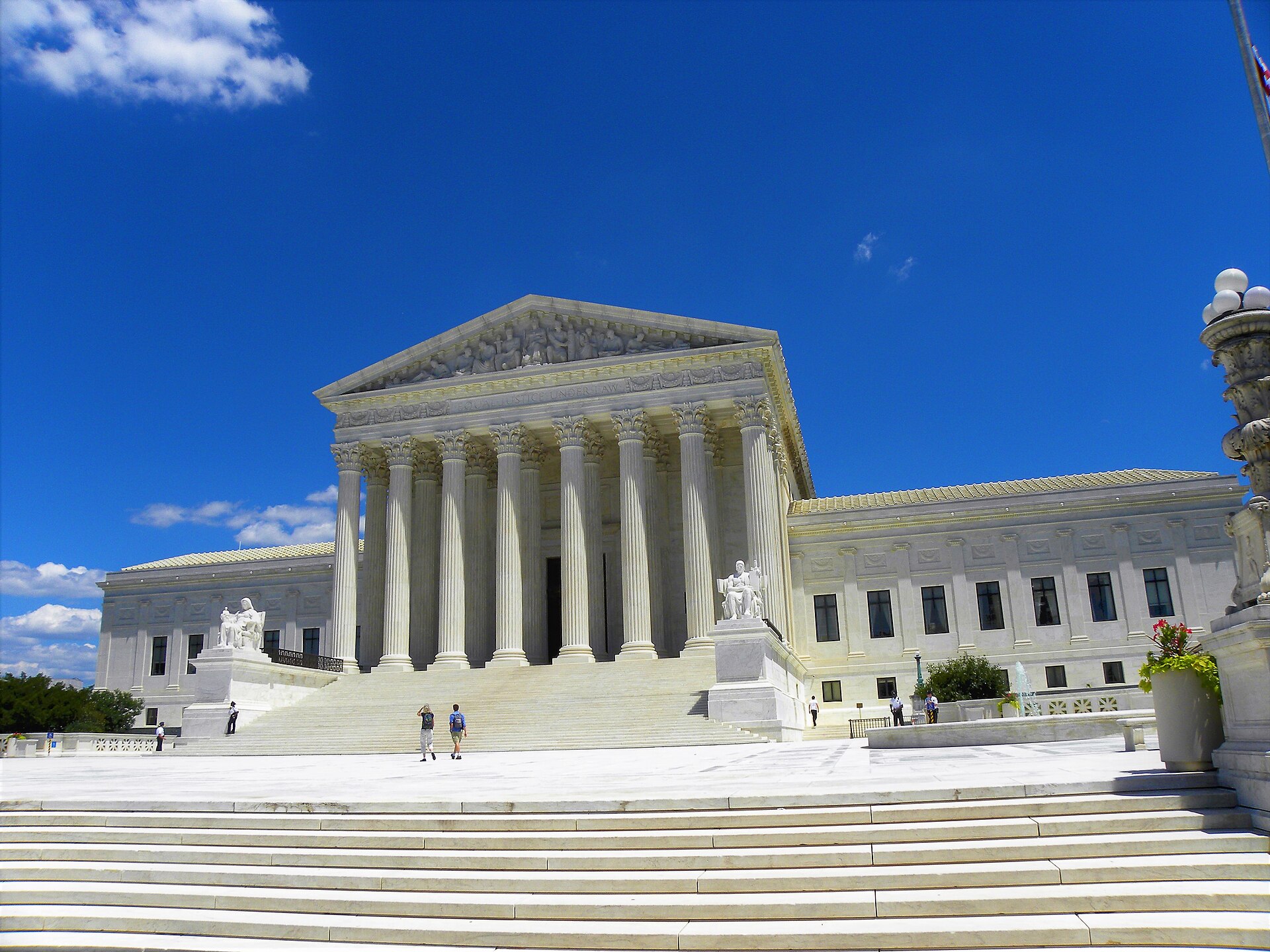
Under Supreme Court rules, a rehearing petition generally must be filed within 25 days of the court’s decision. Because the 25th day after the June 30 ruling fell on Saturday, July 25, the deadline moved to Monday, July 27.
A rehearing petition is not an appeal in the ordinary sense. It asks the same court to reconsider its own decision, usually based on an argument that the court overlooked something significant or that an exceptional circumstance justifies another look.
In this case, no such filing appeared by the due date, according to SCOTUSblog’s review of the docket. If a late docket entry or clerical issue emerged, that would be a material update, but the available record points to the administration not pursuing rehearing.
What the court already decided
The June 30 ruling struck down Trump’s executive order aimed at ending birthright citizenship, the constitutional principle that nearly everyone born in the United States is a U.S. citizen. The dispute centered on the 14th Amendment’s citizenship clause, which says: “All persons born or naturalized in the United States, and subject to the jurisdiction thereof, are citizens of the United States and of the State wherein they reside.”
Chief Justice John Roberts wrote the majority opinion. Justices Sonia Sotomayor, Elena Kagan, Amy Coney Barrett and Ketanji Brown Jackson joined him. Justice Brett Kavanaugh agreed that the order could not stand, but he relied on federal statutory grounds rather than the same constitutional reasoning.
Justices Clarence Thomas, Samuel Alito and Neil Gorsuch dissented. They would have allowed the order to go into effect.
That lineup is important for the rehearing question. To win rehearing, Trump would not simply have needed support from the dissenters. The court’s rules require a majority, and the request must come at the instance of a justice who concurred in the judgment or decision. Practically, that meant Trump needed at least one justice from the winning side to reconsider.
Why rehearing was unlikely
Trump’s July 8 social media post signaled anger at the ruling and said he intended to seek a rehearing “immediately.” But Supreme Court rehearings in argued cases are extraordinarily rare.
SCOTUSblog cited law professor Stephen Vladeck’s observation that the court has not agreed to reconsider its ruling in an argued case since 1965, when it modified a judgment to allow further proceedings in lower courts on unresolved issues. The last time the court granted rehearing and reversed itself on the merits was even earlier, in 1956.
That history does not make rehearing impossible. It does show why the missed deadline may be less surprising than the political rhetoric around the case suggested.
The administration could have filed anyway to preserve a public posture and force the court to reject the request. Not filing avoids a near-certain procedural defeat, but it also leaves Trump without that final formal challenge to the June 30 judgment.
How the fight reached this point
Trump issued the executive order on Jan. 20, 2025, shortly after his second inauguration. Lawsuits followed quickly from states, immigrants’ rights groups and individuals who argued the order violated the Constitution.
Federal judges around the country initially blocked the policy. The administration first brought a related fight to the Supreme Court over a different issue: whether lower courts may issue nationwide, or universal, injunctions that stop a federal policy everywhere.
On June 27, 2025, the Supreme Court ruled 6-3 that federal courts generally lack that kind of sweeping injunction power. That decision changed the mechanics of how challenges could proceed, but it did not finally decide whether Trump’s birthright citizenship order was valid.
The merits fight continued in lower courts. On Dec. 5, 2025, the justices agreed to review a ruling from a federal judge in New Hampshire that had struck down the order. The June 30, 2026 decision then answered the central question and held that the order could not survive.
What changes for families and states
Birthright citizenship is not an abstract legal phrase for the people affected by the case. It determines whether a child born in the United States is recognized as a citizen at birth, with the legal status, documents and protections that come with that recognition.
For states, the ruling helps settle the rules that hospitals, vital records offices, schools and benefits systems must follow. A sudden change to citizenship rules would have created administrative uncertainty well beyond immigration agencies.
Supporters of Trump’s order argued that the 14th Amendment has been read too broadly and that children of some noncitizens should not automatically receive citizenship. Opponents argued that the text, history and long-standing legal understanding of the amendment protect citizenship for virtually everyone born on U.S. soil.
The Supreme Court’s June 30 decision sided against Trump’s order. The missed July 27 rehearing deadline means that decision remains the controlling outcome in this case.
What remains unresolved
The administration’s failure to seek rehearing does not mean the politics of birthright citizenship are over. Trump and allies can continue to campaign on the issue, seek legislation, or look for other legal vehicles. But any future effort would have to contend with the Supreme Court’s ruling.
It is also possible for technical docket questions to arise after a deadline, though there was no public indication in the cited reporting that a rehearing petition had been filed on time. In Supreme Court practice, the docket matters: if the filing is not there, the legal posture changes accordingly.
The clearer takeaway is that the administration did not take the most direct remaining step available after losing on June 30. For a case built around one of Trump’s most aggressive immigration claims, the absence of a rehearing petition is a quiet but consequential ending to this round.
The Supreme Court’s ruling stands, the executive order remains struck down, and the fight over birthright citizenship shifts away from this immediate petition deadline and toward whatever political or legal strategy Trump chooses next.
Leave a Reply