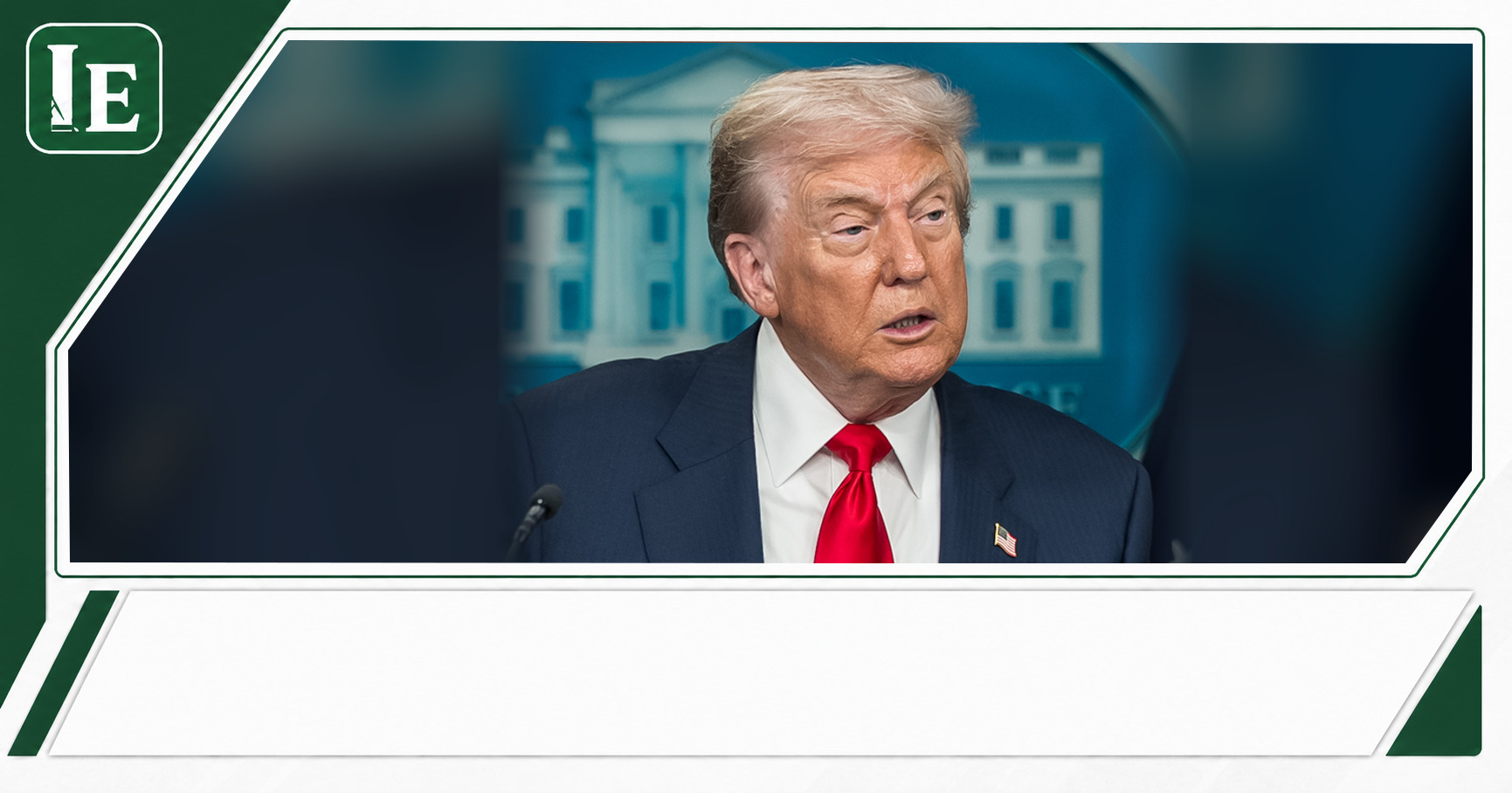
A USA TODAY columnist’s case rests on a series of Trump statements about Iran, then asks whether familiar political themes can still break through as voters weigh prices, war and results.
A USA TODAY opinion column makes a pointed argument about President Donald Trump’s political message: repetition, in the columnist’s view, may be diminishing the force of a style built on attention and disruption.
The column’s conclusion is opinion, not a measured finding. Its most concrete example is a timeline of Trump’s public comments on a possible Iran peace deal, which the writer uses to question whether repeated assurances retain their political impact when a settlement has not arrived.
A timeline is at the center of the column’s case
The columnist lists five dates on which Trump described a deal with Iran as near: March 9, March 23, May 23, June 8 and Aug. 2.

On March 9, according to the column, Trump told CBS News that the war was “very complete, pretty much.” On March 23, he said there were “major points of agreement” and “almost all points of agreement.” The later statements described the sides as getting closer, negotiating and, eventually, having an imminent deal.
The writer argues that the continued absence of the anticipated agreement undercuts the value of repeating those assurances. That is the article’s central political judgment: language that may command attention initially can lose its effect when audiences hear the same promise over time.
Diplomacy can be uncertain, and ongoing negotiations do not by themselves establish that earlier optimistic statements were meaningless. The column instead focuses on the potential political cost of setting expectations that remain unmet.
Costs and the war frame the writer’s criticism
The opinion piece places the Iran comments alongside food, fuel and household costs. It argues that Republican messaging centered on cultural conflict, attacks on opponents and claims about the economy may not answer concerns held by voters facing current prices.
The columnist also points to $4-per-gallon gas and cites an estimate that the conflict could cost taxpayers more than $37 billion by September. Those figures are part of the writer’s argument that practical pressures may compete with the administration’s preferred political themes.
Republicans can argue that Biden-era policies, spending and regulation continue to affect economic conditions. Democrats can argue that the party controlling the White House and Congress must account for present conditions. The column’s concern is whether either explanation gives voters a concrete answer on costs.
Other examples are meant to show a familiar pattern
The writer cites Republican rhetoric involving Muslim and transgender political targets, including comments by Rep. Nancy Mace of South Carolina and an Aug. 10 Oval Office statement in which Trump referred to “jihadists” being elected.
The columnist describes that rhetoric as offensive and politically exhausted, particularly in references to Democratic figures including New York City Mayor Zohran Mamdani and Michigan Senate nominee Abdul El-Sayed. Those are the columnist’s assessments, not settled factual conclusions.
The article also highlights Trump’s attention to White House construction and design projects, including a ballroom, gold-plated statues and the Lincoln Memorial Reflecting Pool. It cites a PolitiFact analysis that found Trump spoke about construction projects in nearly 45,000 words across 84 events on 66 days since January.
As presented by the columnist, PolitiFact’s calculation found that Trump discussed those projects more often than the economy or immigration at events where construction came up. The writer uses that comparison to argue that spectacle can appear disconnected from affordability concerns.
The column separates visibility from persuasion
The USA TODAY piece does not contend that Trump has disappeared from public view. Its narrower assertion is that frequent attention and political persuasion are different things.
In the writer’s view, Trump and Republican allies have returned often to attacks on opponents, warnings about cultural threats, economic claims and blame directed at former President Joe Biden. The columnist argues that this familiar mix has become predictable.
Whether voters agree remains an open question. Some may regard repeated messages as consistency; others may see them as evidence that the administration lacks new answers. The article offers no election result that resolves that dispute.
The midterms provide the practical test
The columnist declares that “The Trump Show is over,” but that is a prediction rather than an established outcome. The coming midterm campaign will offer a clearer test of the argument.
One question will be whether Republican candidates emphasize grievance and cultural confrontation, or combine those messages with specific proposals on prices, jobs, health care, energy and the federal budget.
The writer’s verdict is unmistakably negative: Trump, the column argues, risks becoming politically dull because repeated spectacle can become background noise. The unresolved issue is whether voters will experience that repetition as exhaustion or continue to respond to it as a familiar political signal.
Leave a Reply